Extra content pops up along the way.
Trailheads
Good places to start walking.Chapters
March 24, 2023
Nutrition Talk, AI Futures & The Human Condition
Double-tap the sides to skip 15 seconds
Trailheads
Places to startArtwork explorations
The other takes the image generator gave us, and the prompts behind each piece.
Chapters
Settings
Nutrition Talk, AI Futures & The Human Condition
With Kris Tyte & Sean Snodgrass
In this captivating episode, hosts Kris Tyte and Sean Snodgrass do a deep dive into everything from nutrition and food waste to automated composting, urban farming, climate change solutions, AI's impacts on humanity, and the ever-evolving nature of social connections. They also tackle philosophical questions related to technology, nature, and how to thrive as humans in an increasingly automated world. Join us for laughs, bird spotting, and witty banter.
Share
Detour
Episode description
In this captivating episode, hosts Kris Tyte and Sean Snodgrass do a deep dive into everything from nutrition and food waste to automated composting, urban farming, climate change solutions, AI's impacts on humanity, and the ever-evolving nature of social connections. They also tackle philosophical questions related to technology, nature, and how to thrive as humans in an increasingly automated world. Join us for laughs, bird spotting, and witty banter.
Chapters
Show notes


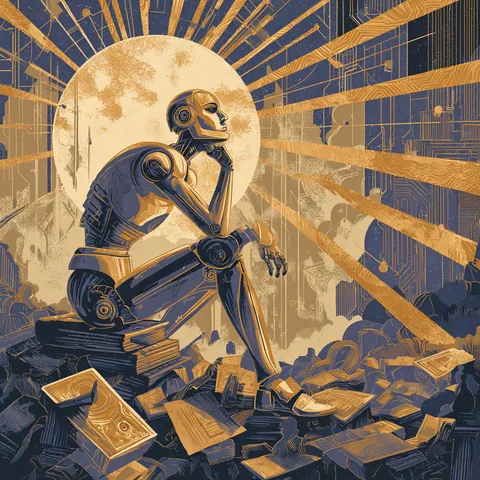
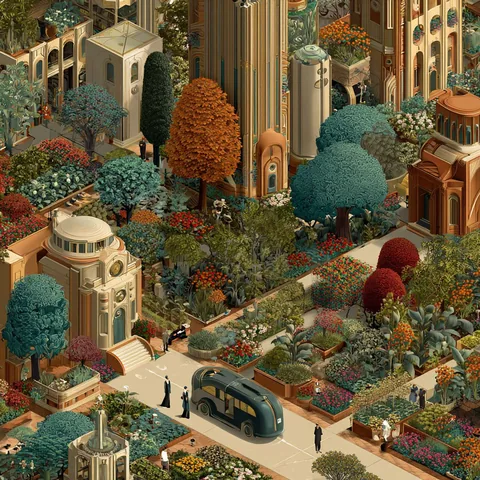
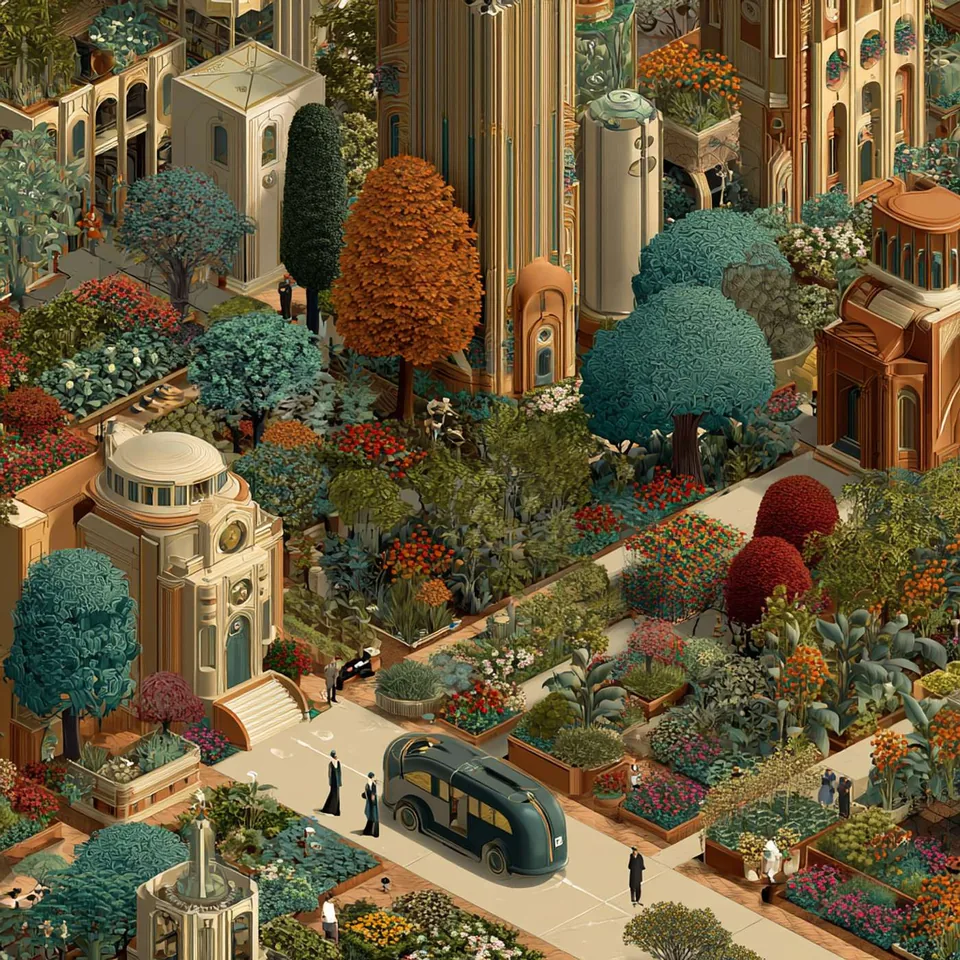
Episode Art 8 pieces
Full Transcript
I mean, I mean, obviously the guys, you know, displaced. Yeah. If you. But okay. All right.
If you took the average person and you had him meet Borat. Okay. I think a lot of people would fall for it. I guess I, I, I feel like you're in my spidey sense might be a little more finely honed because, like, our bullshit detectors. Yeah. You know, I mean, if some guy is in my house is pooping in bags, I'm telling him to leave, right?
Yeah. Or if, you know, if there's I just the stories he gives. I mean, I could see him being convincing to the average person. They want to help. Right. Yeah, that's usually where he's coming from. Help me. Yeah. Kind of play on people's empathy and. Yeah, their compassion. Yeah, I guess that's. Yeah, that's one that's definitely a common attack line.
Let's go after someone's empathy. Yeah. And I mean, he's going after idiots. It seems like, just people that, you know, aren't really that in tune with scammers. Yeah. That's it, that's it. I mean, people who aren't so worldly, who have kind of a that really parochial mindset. You know, they're really small minded. Yeah. Soon I went to a one, went out for our anniversary dinner the other night, and we're sitting there waiting for our list to pick us up.
And, this guy walks by and he's, like, trying to try and talk me out of my leftovers. Oh my God. Right. And I'm bringing him home for Owen. Okay. Okay. And, you know, it's like. Sorry, man, I'm bringing it back for my son. Yeah. Like. And then then he asked for money, and, you know, I'd have it cash or anything on me.
Yeah. No. And he was, like, persistent and had an attitude. I'm like. Yeah. Why do you feel entitled to my shit? Yeah. It's like, how does this Raymond person on the street have dibs to my leftovers? Right? Whatever, whatever. But, okay, on the flip side of that, you and I were talking about how, you know, empowering and helping homeless.
And you, your wife, were talking about the same thing. Right. Dude, we've given so much to these. I mean, I understand I'm not trying to say that. I'm not trying to indict you. I'm trying to say I wonder if you know all these things that we talk about for trying to do, like where we were talking about like, a those maybe how in India how they have, like the stripe terminals and stuff.
I mean, is that going to be helpful or is it going to be hurtful? Is it going to create a situation where some people are more parasitic, where some people are more entitled? Yeah. Well, you know, my take on food, I think that like, everybody should be whole world should be entitled to food at this point in technology.
Well yeah. Yeah. Development along for that. I mean, you know, hey, let's, let's, let's make food free, just like in the, you know, what was that? Last Doctor Strange movie, right? Oh, I didn't I don't even think I saw it. Oh, well, apparently they had a multiverse concept going. And apparently in all these other universes, food is free.
Except right here. Gotcha. Well, I mean, at this point in, you know, technological development, productivity and civilization, you know, it's it's 100%, you know, possible to deliver proper nutrition to everyone on the planet. Yeah. Just really a matter of will. But whatever. Oh, there is a side of my comedic moment related to food not being free. She's ran across some other place where it wasn't.
Besides, here, the girl who was hopping, and it was a Bruce Campbell. Was the food vendor okay? And he's, like, called himself Papa Pizza or something like that. What the heck? And she's like, he was like, no one doesn't pay Papa Pizza or something like that. It's like, what the hell? Random. It was fine.
Yeah. I think like in I think in the United States, the statistics on food waste is like saying. Yeah. So and then I would love to have, like, really good data on how nutritious food is in general, because my theory is that it's not very interesting at all. And that is one of the reasons our food supply is kind of messed up.
And I think we talked about that how, you know, even certain authors have kind of highlighted that in fiction that, you know, border and food science has gotten to the point where you're feeding people something just devoid of any nutrition. Yeah. Yeah. It'd be nice to, like, find a way to, craft like a super foods, like, make somehow set up a lab or something where you're growing things just would be absolute optimism.
I think that'd be super cool. Like sell tomatoes for $35 a pizza. But then that's counter to what we're talking about, making them accessible for everyone. We're telling them for 30 apiece. I mean, like, just to prove concept, you know? Yeah. Like, to show how food can be grown in, like, a hyper nutritious way. And then what do we create a new market for?
Hyper nutritious, organically grown. Yeah. You have, like, you know, half a dozen to a dozen test subjects that you're feeding this food to, and you track their health and watch their health freaking go. But they're good, right? How do we disseminate it to the masses? Yeah. Like, after you prove the concept, you say, you know, you're basically what you're doing is you're proving that the reason so many people are sick is because their nutrition is marked out.
You know, which I mean, with no fault of their own, a lot to do with it. Yeah. And you target, like, people who, you know, are have a, have a negative health trajectory and you put them on the special diet and see, see if you can prove that, you know, just through this like radical change in diet, having the eating super nutritious, healthy, quality food, their entire health outlook turns around, you know.
Yeah. And there's a lot of people who are kind of proponents of that, you know, like Doctor Andrew Wheel is all about healing foods, and I'm sure there's a thousand other people. Yeah. You know, I think there's a I think there's a, there's a, I think there's something special about, like, the close you can closest you can get to, like, harvest to, to plate.
I think like, I think it's science is pretty clear that the food loses nutritional value very rapidly after it's picked, you know, from. So if there's a long delay between when it's picked and it's consumed, yeah, it loses. Almost all of us in training in certain things preserves some of the attrition. You know, where you look at, registered dietitians and things they say, canning is one of is not a great way to preserve nutrition.
I wouldn't imagine so, but freeze drying is. Yeah. There's like, some techniques, I think, where they can, like, harvest and and flash freeze things for decades. Yes, exactly. So it's like, it doesn't take doesn't have long to decay before it. That's frozen. And that's what I'm saying. Freeze drying immediate. That's or or things that are like it and maybe even faster, like you said, some sort of flash freezing type thing.
That that's that's the best. Wonder if there's some kind of way to, like, get directly some somehow like to to where someone can almost like literally pick the plant and eat it, like, in real time? Yeah, that'd be kind of interesting. Like basically bringing people out to micro community farms and be like, hey, yo, you're having lunch today from the farm.
It's like maybe, maybe refrigerator has, like, it's like has a bunch of, like, little pods. Yeah. Little pods, like grow pods in there. Okay. And you basically take this stuff out of your your, your fridge slash growth, you know, so literally pod things, but in your fridge. Yeah. You would, like, take the lid off and it's like living fresh, you know.
So maybe or because, I mean, there's some books out there, like they're sailing the farm, which is like a really famous book on living on a yacht and growing your own food on a yacht. That's interesting. It's, and they talk about things that, you know, grow rapidly and that you can keep taking from, like. Yeah, different kinds of sprouts.
Right. Mushrooms. Yeah. Pick it. No one grows in this place, right? Yeah. Yeah. So there, you know, things like that. So it's like those kind of things you could definitely put in, like a fridge pot or maybe a sidecar to your fridge. That didn't have to necessarily be cold all the time, but was like right there. Yeah. And yeah, I mean, so you can definitely easily grow sprouts and mushrooms and probably a few other things.
Be really cool. I think, too, if you're at home and you had this machine that you just scrape all your organics into, like every everything like every, like composting. Yeah, every table scrap, you know, all your organics go into this like like like hole, right. Yeah. Like like like I, well for it. And they have to have some rules.
Like, if we test it out, be like, hey, keep me out of here, or do this or keep this out on out of here, you know. Well, I don't know, maybe me it'd be fine, you know, and it just goes through a process where it automatically takes care of your. We have to take a look at it. Yeah.
Because I mean, traditional compost put me in there. Usually it up. Yeah. Would be neat. Like there was some kind of like, grinder that, like, raises everything to, like, a super fine granules. Yeah. And then mixes it immediately with some soil. Right. You just automated. Well and maybe you have like, you know, to kind of aerate the whole mix and, and keep the little microcosm you're creating.
Correct. Maybe even have the option for culture. You can like add a worm pod. Yeah. It'd just be really neat if it was just automatically taken care of. And you're basically making soil from your from your trimmings, you know? Yeah. Everything. Nothing goes to waste. You know, you're not putting anything organic in the in the trash. That's if you if you don't end up making soil, maybe you can end up making a nice fertilizer.
Yeah, that's what I mean. Yeah, I mean it. The machine just automatically, you know, takes care of it. So you're not out there like raking piles of compost, mixing stuff. You don't have to turn it. You don't have to. Yeah. Just automatic. Yep. Cuz I mean, I know I'm sure you haven't seen the compost. My grandpa. He's to do it on a massive scale for or at least a massive scale from what I had seen, because he had like a acre and a half of Darden.
Yeah. And bam, that's a that's. Is that a garden at that point or is that a small farm? I know it's like a little homestead farm type thing. You get subsistence farming type thing. That's what he was doing. It's like, was he really healthy? Yeah. I mean, he's 85 years old and he hit the top of his head.
Isn't gray at all? Seems like a lot of people that have their own farms, small, large gardens or small farms seem to have pretty decent health. Yeah. I mean sure, their outside, their tending it, they get the exercise of it and then the fresh. But like you said the fresh food. I think you can beat it. I think for your health I don't think you can really beat it.
And that what one of his favorite is. So two of his favorite foods, unfortunately whole milk, which some may argue is bad and, he, he makes like basically a homemade V8 out of his, tomatoes. Oh, wow. That's cool. I made a we had a bunch of these little peppers that were just to the point where they were about to go bad, and I put them in the blender.
Yeah, like a puree and just drank it. And I felt great all day. That's awesome. It's like turbo food. Yeah, man. Tasted a little. Tasted a little bitter, but. Right. I just gulped it all down. You're like, I'm just gonna drink it. It was like, two hours later. I was like, supercharged, man, I am a Gaul. I like, went to my cells.
Hell, yeah. Nutrition went to my body for sure, man. Good stuff. I mean, I, I think undeniably, you know, if you could and, you know, maybe have automated processes. Hey. Okay, so you've got this little thing that makes your compost, takes care of it. Then we you kind of experimentally tell people how to apply compost to, you know, whatever sort of I would guess we're talking to hydroponic type set up or something like that that you're talking about is going to be automated, right?
Yeah. That's the idea is full automation because, you know, people have busy lives and, you know, constantly mess with all this stuff is just too much of a time for me. So people just scrape in the trash and move on. Right, right. But it's like you scraping into this thing and then, you know, end up with a situation where, you know, they can add it to this nutrient solution, maybe.
Or they can. Yeah. And then put that nutrient solution in the hopper for the for their plants. It's like you know it's a little extra work but it's nowhere near what you'd actually have to do if you did it by hand. Right. So there there's like you know a classic septic system. The way that works is, you know, for the most part, I mean, yeah, have to get the solids pumped out from time to time.
Yeah. Like every few years. It depends on how active it is and whatnot. But yeah. And you can add bacteria to it's like Redux and yeah, the whole affluent way that the water runs off. And then it has the leaching field and the bacteria and the soil just take care of it. And, you know, it just can work for 100 years.
Right. And, you know, you think there'd be something along those lines for, you know, home food scraps? Yeah. You know, something something just automatically that's going to take some experimentation, I think, because it's an a deeper understanding of how this kind of stuff works and how to maintain a little ecosystem. Right, exactly. So I and how to monitor it.
Yeah. And, you know, like I have quite a bit of land and I'm still like clearing the back of my property for more or less. Yes, yes. Back 40. That's it. It'd be so nice to like, also take all the yard trimmings and everything and put them all part in this big system. Yeah. Where it just. Yeah, basically, like, makes dirt for me.
You know, there's an interesting company that I've seen around lately. Okay, so Crown town lawn care. Right. But Crown Town compost seems to be related to set company. I believe what they're doing is taking all the lawn stuff and composting the shit out of it. And then you can subscribe to compost. Yeah. So basically they'll take your long term moves away and then turn it into soil and then bring it back.
Yeah. Yeah. For a fee. For a fee. But I guess what I'm saying is they're doing this shit at scale. But be interesting. So we talk to them, you know. Yeah. I found that to like, you know, taking the lawn mower and, collecting everything instead of just having it just stay on the ground, like, right up all the goddamn bag on the one more.
Yeah. And then, every time I do that, though, I end up with this big pile and this, like, what I do with it. Yeah, that just sits there. If I, if I could and but but if it sits there for long enough, the bottom of the pile is full of worms and basically like soil. Yeah, right. So my turn it.
Yeah. But, I get busy and I forget to. Yep. And so then it just it's a rotten pile of debris. It's, like, ugly and in my way. Yeah. So, you know, if there was a machine that just did it, kept it rotated, and I could put all my scraps in there and everything. All my table scraps. Yeah.
You know, etc.. I mean, that be incredible. It would. And and I really feel like I have the best flower beds in Charlotte because they're like well nourished. And I wonder if, like, you know, this is just playing the sky shit right now, but like, all right. So it feeds some of the finished crown posts and they're like, you know, there's little hand cranks where you could spread seeds.
Yeah, yeah. If it fed it into like this little, little thing that you could just pop out like a handheld sort of vacuum thing that would just. Just spray it out, spray your compost rational nice. And have your yard would be. And you have like, the healthiest plants. Yeah.
Spent a lot of money on, you know, Miracle Grill and all this stuff. Oh yeah. It's easy to do that. I mean, and then, you know, like, I still don't know what those little styrofoam balls are in that damn thing, so. No, I don't know. Don't understand that. I guess the idea is that it helps retain moisture and, you know, keep the.
Keep you from having to water it or the environment from having to have rain as Austin. Okay. Yeah. It's just never been explained to me what those little styrofoam balls are. And I think that's what the deal is. If they're eating styrofoam, I don't even know. I don't know what they are, but they do seem to swell up when they get wet.
I see.
So,
It.
It would be really cool to, like, work at a greenhouse for a while and learn, like, everything about plants. Everything is still alive. We weren't a lot. She worked at a greenhouse for years and loves plants. Like she could grow notoriously difficult stuff to grow for. She just had a awesome green thumb. I have a black thumb.
Yeah. I mean, it seems like, you know, with chainsaws and modern means to, like, slash and burn forests down in our. It seems like we have some command over nature, but plant life is still, like, freaking dominant. It is. And, I mean, we just passed a crazy ass greenhouse they have over here. Yeah. That glass, pyramid topped that thing that we walked by.
Yeah. And, you know, the the living world, we we only just scratched the surface of what it really is. I mean, the, you know, life goes down deep into the ground and into the air and, you know. Yeah. And we're talking about these mycelium networks and talking about root networks for trees and all these things that we just can't even see.
Even if we were to take ground penetrating radar and take a look, it's like we still don't understand what it's all there for and what it does. Right. It's happening because it's an ecosystem beneath the one that we barely understand already. Exactly. And then all the complex interactions of all the microbes on top of that. I mean, my gosh, yeah, it makes human activity look minuscule.
It does, it does. And, you know, it's it's these systems working on scales that we as humans have problems internalizing. Yeah. Even if we understood a barebones process, we still wouldn't understand the scale at which it's working. And it's all of these that that's what's so crazy about all of it. It's we're beginning to realize that it's this complex interaction that ultimately ends up with a.
It's it's just emergent behavior that we eventually see on the macro. But it's all these micro things interacting, and everything we do has the potential to throw it off filters. Yeah, I think like less fusion power of the birds, I think I think, you know, less fusion power, like take that out of the equation. Yeah. The only, the only even possible comprehensive solution to climate change is through, you know, management of bio.
Yeah. So I think I think like through proper management of the biome we could have. So how do we get that understanding to not only manage it but he'll it at this point. Well so I think like if you know what 68 or whatever 70% of the earth is ocean. I think the surface area of, of the oceans present an opportunity for crazy, crazy innovations for the future.
Like, I think that you can have floating cities of floating farms, but there again, we are running the risk of. All right. That area was not previously covered. Yep. So we're screwing up an input to a biome that we want to help. Yeah, but but we could adjust it so we can we could add or subtract to the coverage.
Right. Like at at will. So we can tune based on, you know, climate needs. So right now you know the all of Earth is is certain measurable amount. And the oceans are big heat sinks like the sun. Sunlight penetrates the water beats the water right there, massive heat. And if we end up deploying massive floating structures, we do.
Fuck with that. Yeah, well, we we we want to, we want to. Because right now we take advantage of the specific heat of water to store heat. Right. And so but the plan is getting too hot. Right. And so by adjusting the coverage you could adjust, you know, you just that amount okay. So adjusting that adjusting that coverage covering buildings and coatings that, you know actually make them cooler.
Yeah. Like more back into space. Yeah. Thanks like that. So basically globally control overall like like the shades like how much gets in how much. But it's like we can't even monitor what's happening right now. How do we monitor what we're doing, how what we're doing is changing it. It's like, yeah, you're right. But I think that like, we're headed into this like domain in the future of global scale or, you know, architecture and construction projects, engineering projects.
I mean, I think we're going to have to. Yeah. Oh, well, you know, you already see like across nations, you already see like super grids and, you know, okay, massive, communication and transportation network connections. Right. So I could totally foresee some future where that's all globalized. So taking what Europe's done as far as resource sharing and connections to those and just kind of, you know, playing it out.
And I mean, that's going to be a massive undertaking as far as even just ISO standards and things like that. Right? I mean, getting everybody on the same page. Yeah. Like it kind of falls under the, you know, what is it, necessities a mother invention type thing. Right. Like if climate gets to a certain, you know, tipping point, we would have to.
And so, you know, the nations would have to put their bullshit aside to work together to create, you know, these type of engineering because, I mean, right now we're already ending up with people who are undeniably climate refugees. Right? Right. Yeah. Right. And so, you know, when that's third or more of the population of the planet. Yeah. There should be so much pressure.
Something something would have to change, you know. Yeah. And I'm hopeful for the better. But you know, we we just are mostly concerned with this idea of runaway. So a feedback loop that we can't get back from and some stuff that I've read suggests we're already there. Yes. And that's terrifying. Nope. I mean, you know, you will get the Doomsday Clock, right?
Yeah. And set up ahead of us. I don't know where. Right here.
Some sort of bird thing right there. Is there a calf?
It looks the bird to me. It is pretty big. Whatever it is. Right? Yeah. Yeah, I think that might be like an owl. Yeah. Yes. Now. No shit. Oh, shit. Oh, wow. That thing is huge. She get a picture of that? You have it for? Yeah, but I have a flash on which I was just chilling to. Yeah.
He's hanging out. It's about to take off. I got something cool. That was a big bird.
You know, it's a big bird, if you like. Stop and sort of keep your distance. Started moving. So. Oh, cool. Okay. Tell exactly what it is. Yeah. That was you have it be a bad day to be a field mouse around here right now? I'm sure all the field mice that are around, he's done some good work. That was a big ass bird.
Yeah, there's some. I've seen some. It's a big bird. When you say, is it a cat? Yeah. It looked like a cat. Like the way the backside was moving. Yeah. You know, so our listeners, if they don't know by now, it's like usually dark when we're walking. So we go so early in the morning. Yeah. So we don't see stuff like so.
So sometimes it's hard to see exactly what things are like. Inevitably we'll, we'll get a good mauling on, on our recording. Like one of us will get mauled. Come down. Who can run faster. But now. So Chris is going to win. But, but now it comes down to, that we're not doing it until 630 and we're just getting lighter in the morning.
Yeah, and we're doing it in a place that has lights. Yeah. And, some population of people. Yeah, yeah, there's a lot of people out here. Right. So if there's a good morning, our percentage chance goes down. Yeah. Or we can make it into a film. Yes, exactly. Maybe someone else will get mauled and we can record it, right?
Yeah, because intervening is so not 2023. No, no, you look, if bad things happen around you, you record it. You don't call the police. Right? Your primary function is to record that shit. Yeah, you have to chronicle it because it could go viral just in case, you know. And wouldn't you be kicking yourself if you saved somebody and missed the viral video opportunity?
Exactly. I mean, it's like that whole thinking behind America's Funniest Home Videos, right? Yeah. You know, get that YouTube money that that show, like, turned into, like, just middle aged men getting hit in the nuts, really. It just is generated into physical pain. Like how that is. Mark is funniest. Yeah, I'm not sure. But I do love the fact they brought a Alfonso Ribeiro on there.
Yeah, yeah, yeah. It's like he was funny just watching him do his best white man impression for an hour was funny to me. And and like, no one really cared at all anything about what he had to say. And they everyone just wanted to say do the Carlton. Yeah. Yeah. It's like it's not God, that dance, do that dance.
Yeah. From Fresh Prince. Yes I know, I know, but that was the whole that was the whole awesome part of it. Like him and goddamn Mario Lopez. I don't think they ate. Yeah. Nice. Yeah, I don't, I don't I do know who you're talking about, but like, I, I don't know much about celebrities. So like Slater from say by the best Slater okay.
See I never saw watch slave by the Bell. But I do know the character. Oh, dude, he's a Hispanic guy who looks the same from 30 years, right? Cool. Good for him. I mean, absolutely the same. Well, there's the the other guy there I know from saved by the Bell. The screech. Yeah. That ended up going like Guy did he?
I think Dustin Diamond was his name. He died. Let's see. Damn I know. So tell regalis what tells us Steffi got into. I know some of it. No, I don't know. Like, I just heard that he was involved with all kinds of crazy stuff. Like I was doing porn, maybe, and like. Yes, he was definitely doing porn. He was doing scat porn.
Oh, God. Like that. No, no shame about that. On our gross. But, yeah, that and like Biggest Loser and was like mockingly making a mockery of the show or something. I didn't want really of what? I don't know, maybe I don't want to know.
Anyway, I know that there was a bunch of controversy around that fella. Yeah, from that show. He was the skinny, nerdy guy. Yeah, he was, he was. Yeah. Samuel. Screech. Powers.
Screech. That's an interesting nickname to have associated with yourself. But also, he died at age 44. This is all I know at the time. Wow. That's young.
See what TMS says about it. Oh. Lung cancer. Oh, boy. That's terrible. 44, though. Two. Wow. That's very young. Yeah. I had no idea that he and I were basically the same age. I'm like, two years younger than him. Well, you know, rest in peace. Sucks. Oh, I didn't even know. Three years. So my lack of knowledge of celebrities is actually kind of uncanny, because there's been many social situations that I found myself in where people are talking about celebrity stuff and different celebrities and what's going on with them and whatnot, and but I totally lost in the conversation.
I'm not really great. I usually know just enough to get by, but like, but I picked stuff up from Sam, I picked it up from other people I talk to. Yeah, it's like sports like that with me too. Like, oh, I'm even worse. You go around the water cooler and people were talking about, you know, this football player did this, this last game and all these names and stuff.
I'm really good at remembering names. So, like, if I, if I can, if I catch the association, I'll remember for years like what team they were on and stuff. But yeah like it it just I don't know I don't have a head for stats and things like that though. Yeah that'd be like around the water cooler like on the Monday morning, you know talking about the games and.
Yep. Yeah. Yeah. Such and such that play. Oh the ref made a bad call and oh he's on my fantasy league. And I'm just like, okay, then I'll be honest, I don't even know the rules for most sports. It's weird because that part I'm good at. I know the rules for most sports because I've played a lot of sports and yeah, but you know, so that part I'm good with.
But the like all the current teams in their rosters and their and I just don't. Doing what just don't watch it. I stopped watching football after that whole thing with the, traumatic brain injuries. Oh yeah. Where they had that movie that came out and really highlighted that, people were getting was it CTI chronic traumatic? Yeah.
And stuff, CTE chronic traumatic. And he was like, yeah, swelling of the brain. Right. So as soon as it's for me, as soon as it came out that there, you know, these these people have very young ages are suffering tremendously. You know, despite having, you know, fantastic careers and, and millions of dollars, millions of dollars in celebrity status.
It's debilitating and like causing them, you know. Yeah. Some of the terrible, terrible teeth out and going them back in or you know. Well, yeah, whatever. This whole wide range, wide array of terrible symptoms, you know, associated with playing the sport and this just for entertainment. Yeah. And so therefore I, I do now I do know and I'll be much like I did to hyper violent stuff like, like, the Red Wedding and Game of Thrones.
I stopped watching and never went back like that was that was brutal. That was just saying I'm thinking, what am I? What am I subjecting my mind to? Right. Right. And, Garbage in, garbage out, as they say. Yeah. So, let's finish this conversation with talking about machine learning and training data, because, you know, I've come to you, you know, I have those wristbands.
What would a I do. Yeah. Right. Yeah, I know, because we came up with it. Yeah. L and, you know, kind of this idea of, you know, using this, this, this, hyper model of training, like, like thinking of it from the meta perspective, you know, not meta. Oh, I read an article to recently that meta is dead good, which is.
That's amazing. I yeah, I'm so happy about that. Oh, tell me I didn't call that one. I mean, Jesus, I will say, though, you were an early cheerleader and I opposed you. You said that people were going to be working on Second Life and you were all about it. And I was like, fuck that. No. So, But you came around.
No. My idea. No, no, no, my idea was like, my idea for the whole thing was radically different. But it doesn't matter. That's not what I thought it was going to use the metaverse. And people don't want to do that. People just don't want to do it. Fuck that shit. Wait, you're trying to say that I was an advocate?
I know you told me at one point when Second Life was popular, you were talking about people meeting up for fucking pool games and all this other stuff, and you were talking about you guys were going to do some stuff in Second Life, and I was like, oh, that's crap. Second life. Yeah, it was an early you might be.
I think he might be misplaced because I be. Yeah. Because maybe I thought you, when you and John were, like, doing stuff, I thought you guys were talking about maybe doing you. I thought I remember us having a conversation about people playing pool and meeting up after work in this thing, and maybe I'm thinking about somebody else, I apologize.
I am no, it's all good. What? You. What you got, worm? Oh, okay. Yeah. So, anyway, Oh, this this this metadata thing. Yeah.
How kind. I don't know if it was kind. I just want him. But, you know, so, this kind of metadata training, the training data that we subject ourselves to, right, is, like, much like an artificial in an AI system. You know, someone selects the training data that goes into a particular AI, and then the AI, the A's capabilities are then never to be reflective of that training data.
Right? Yeah. And so we work in much the same way, you know, like all of our inputs is training data. Yes. And so we have to start like making a habit of filtering the training data we give ourselves because inevitably that's becomes very germane to our everything, to our attitude, our beliefs, our disposition, our outlook in life.
Right. Overall. Well, I got two things. For one, I want to apologize for misremembering something about that. That's fine. And then two, I, you know, I, you know, because I don't want to loop you in with the metaverse retards because it's just not ready. But two. Yeah, I have all kinds, of all kinds of writings and all kinds of recordings of talking about how it's never going to work.
Yeah. Like way back, like, why would it? Well, I explain why it wouldn't work, but anyway. Well, I'm saying why. Why would it work? Why would it. Yeah. Now there's plenty of reasons why it wouldn't. Right. But, Yeah. And and, I mean, it's you should talk about that at, like, sometime for sure. But, secondarily, I mean, you know, we also have to be careful, like, we're sitting here talking about the touchstones of pop culture and the things that, you know, people talk about whenever they have idle time.
Like, we have to be careful that we don't ostracize and isolate ourselves by not subscribing to enough of the common training data, you know. For sure. Yeah, absolutely. Especially when you're younger. There's a, there's way social penalties for that. Like you know not not being part of what's going on with your peers. Yeah. Big time I mean you know a girl growing up, it was watching the right TV show and being able to talk about it, you know?
Yeah. Like at our age, it's kind of like we're my age at least. Speaking myself, is that literally, like, if you have money, people pay attention to you. If you don't, nobody cares. Yeah. That's that's that's the status I'm at right now in my life. If you have money and people know you do, then you have an array of people want to kiss your ass, right?
Because they're grappling for resources. Good point. But, if you don't, nobody cares. You could be the nicest person in the world. Nobody cares. You know, like you can. You can have an array of of of 100 friends at every time they get around to you. That was a baseball bat right there. Yeah. You can have an array of friends, 50 to 100.
And every time they get around you, they feel good about it. Then. Then they still won't call, you know, type thing. And, so because they need resources, I mean, it's what you do. Anything for them, so to speak. Right. You can you can offer them a laugh and a smile and feel good when they feel good for the social encounter.
But that's not enough. They need actual hard resources. And, you know, hey, back in the day when we were younger, that was enough. Alas, a good time and a beer. Yeah. And when people all have moderate, moderate level of resources, they're not scrounging for resources. That is way more than enough. And in fact, that's one of the things they want.
But when people are scrounging for resources, you know, they need to be surrounded with people with resources. And the older you get, the more it stands out in stark relief that you have to hoard resources. For sure. For sure, because the the spigot gets cut off, you know, more and more. Yeah. Like just because you're, you're capabilities dwindle, you know.
Yeah. That's it. That's as you become less valuable, less comes your way. Right. And that's, you know, really the big the big fear of this, you know, artificial capability, displacement of human capability, you know, is that deprecation of humanity comes, you know, huge problem. Yeah. Yeah. Because all the existing paradigms are, you know, basically, to some degree it's a meritocracy to some degree.
Yeah, right. I mean, to some degree, yes. I mean, and and, you know, to some degree only the people with top flight skills or will quote unquote, thrive. Yeah. I guess you can kind of call it a minimalist, meritocracy. Like if you have no capabilities, then you really suffer. Yeah, yeah. So I, I've never even dealt with that concept before.
That's interesting. A minimalist marriage, doctor. Sleep cool? Yeah. Let's say that you're you're mentally or physically, you know, you're just disabled. Probably isn't the right word. You know, even. Yeah. And that's it. There shouldn't be a gradient of those who can grok this stuff and play in that pool. And those who can't. Yeah. And and and that's it.
It's going to be not being disabled. Like taking care of yourself. It's our, you know, technologically able. So I spoke with a lady, like literally at the bus stop at on campus. And she was an employee on the campus. Oh, yeah. She was facilities, like, clean and cleanly, basically. Okay. Yeah. And I saw her walk up and she was holding a to go box in her in one hand, and she was walking with up to the bus stop.
Right. Just kind of that like loping shuffle. It's this weird gait that someone has when they're really heavy. It's almost like a, like a, you know, like a shuffle, barely moving sort of thing. Yeah. It's like a rocking back and forth, a kind of motion, you know, kind of a waddle, almost. Yeah. And that combined with, like, maybe how to distribute weight better so to not have the neuropathy, diabetic neuropathy so bad, you know, I don't know some kind of array of that.
But anyway she comes up and I searched conversation with her and the conversation was fine. It was surface, but there's just nothing there. It's like she had nothing substantive at all to talk about. And it was like 15 minutes, you know, conversation. And, you know, I was thinking, how do you rehabilitate somebody like that? Right? Like in her mid 40s.
Probably somewhere in there. Oh, yeah. Right. No. Real stark, appreciative cognitive abilities. Right? Physically. Might as well just be debilitated at this point. Or disabled or, you know, on some type of disability. It could easily be on disability. Right? So what is what's the utility of that person. Well, well, it's easy to natively judge. And that's not what I'm trying to do here.
Just trying to showcase how when everyone is like that in relative proportion to other. Right, right right right. Then we're all in that camp. And ultimately then what's left for us? Well, that and that's the big question. That's a big question. That's something we keep discussing and that, you know, hey, will we make great pets? Is the white version of that discussion?
Yeah. And then the, you know, but there's just like we're saying, there's a whole spectrum of ability related to technology. We shouldn't be a whole spectrum of utility for humanity, I think. Yeah, that's the thing that remains to be seen. I mean, so yeah, I hope that's the case. Yeah. I and I think we can just like we endeavor to imbue our children with compassion, understanding and, inclusiveness.
Right. We should do the same with AI. We should impart those sort of qualities to it as it grows up emotionally, you know, because.
It's it's almost a survival thing. You know. Yeah. It's, it's a, it's a brave new world for sure. It's going to be really interesting to see how it all unfolds. But it's fascinating. AI works with an eye toward helping all of us on Spaceship Earth, whether it's the artificial or the natural. Then that's the better modality, because that's the modality we're talking about trying to achieve ourselves right now, trying to have this mindset where we have that symbiotic relationship with the earth, where we do understand, where we do fix, where we do help one way.
Yeah. So there's like this, this potential enlightenment, right, for all this stuff, like there's an enlightenment here. It's like you can see kind of see some time if you get a glimpse of this big picture, like what the potential is and possibilities. Yeah. And it's like exhilarating and and really like exciting, right. Yeah. But then it's there's a velocity, there's a temporal nature, all this stuff.
And I'm thinking like, is everything going too fast now? Right. Right. Can it can we not pump the brake? Right. Yeah, right. Is it too late? Right. Is is the crash inevitable? Like, kind of idea? Right. Yeah. Or is there time to, you know, maybe. Maybe it's not too late. Maybe the auto drive will stop us in time.
So this is where. This is where I'm coming from. We have to assume it's not too late. We just have to. Do we have any other choice? Right? Yeah, right. We're faced with two unknowns. Why not choose the one that's better? Yeah, more. More positive. That gives us room to move and operate, right? The negative one only brings negative value.
Yeah. So given an unknown, it's always better to choose the. Yeah. For sure. So then. So then there we go. We put that baby to bed at least and say, well, how do we focus on a positive. Yeah because it's healthier for us. And at the end of the day it's really all we can do anyway, right? It's like if it works, it works.
If it doesn't, it doesn't. On that note, positive positivity. Pedestrian, right?