
Extra content pops up along the way.
Trailheads
Good places to start walking.Chapters
February 3, 2022
Creativity Ending Exploitative Capitalism
Double-tap the sides to skip 15 seconds
Trailheads
Places to startArtwork explorations
The other takes the image generator gave us, and the prompts behind each piece.
Chapters
Settings
Creativity Ending Exploitative Capitalism
With Kris Tyte & Sean Snodgrass
In this episode of Positively Pedestrian, we discuss various ways capitalism and consumerism work together as an extraction model for wealth and human toll therein. Beyond outlying the problem, Sean and Kris go through various ways of reimagining this paradigm and using it as an agent for positive change for the health and wellness of the American People. They go through some moral and social issues, talk a bit about massive wealth, social responsibility, and then into education. The discussion finishes off with a big idea of floating power plants for ocean liners and the thought experiment of human activity massively augmenting the lithosphere and atmosphere.
Share
Detour
Episode description
In this episode of Positively Pedestrian, we discuss various ways capitalism and consumerism work together as an extraction model for wealth and human toll therein. Beyond outlying the problem, Sean and Kris go through various ways of reimagining this paradigm and using it as an agent for positive change for the health and wellness of the American People. They go through some moral and social issues, talk a bit about massive wealth, social responsibility, and then into education. The discussion finishes off with a big idea of floating power plants for ocean liners and the thought experiment of human activity massively augmenting the lithosphere and atmosphere.
Chapters
Show notes
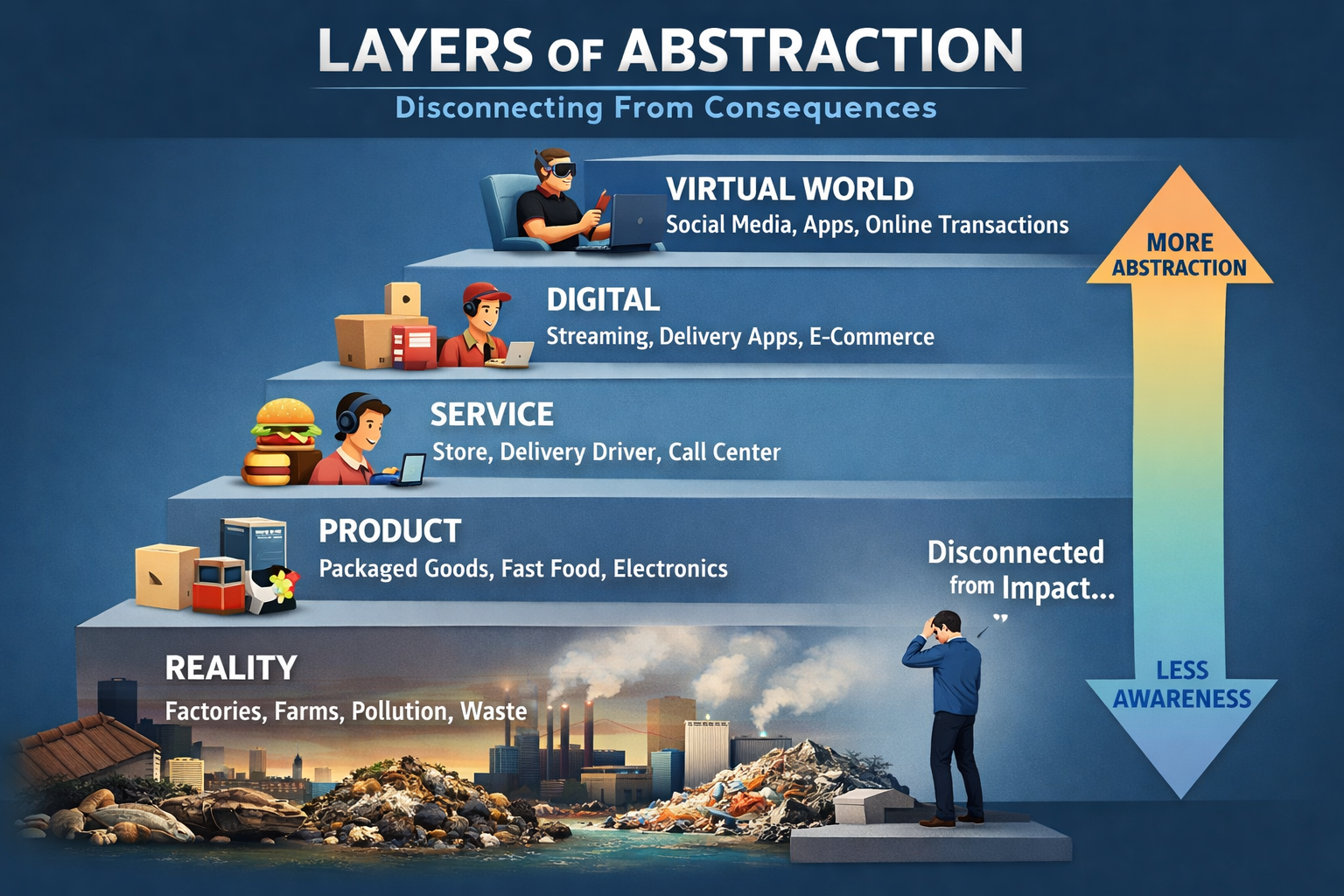
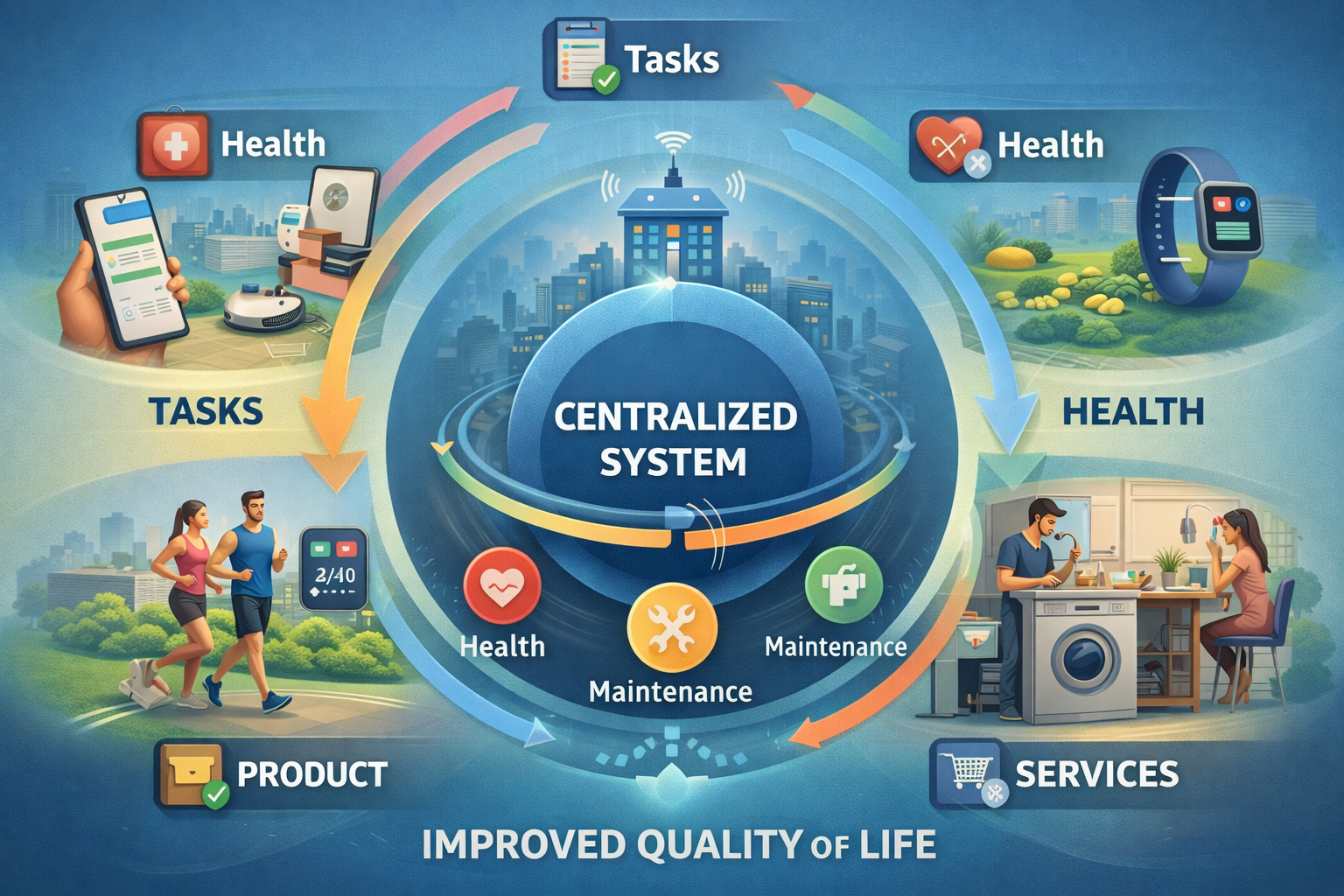
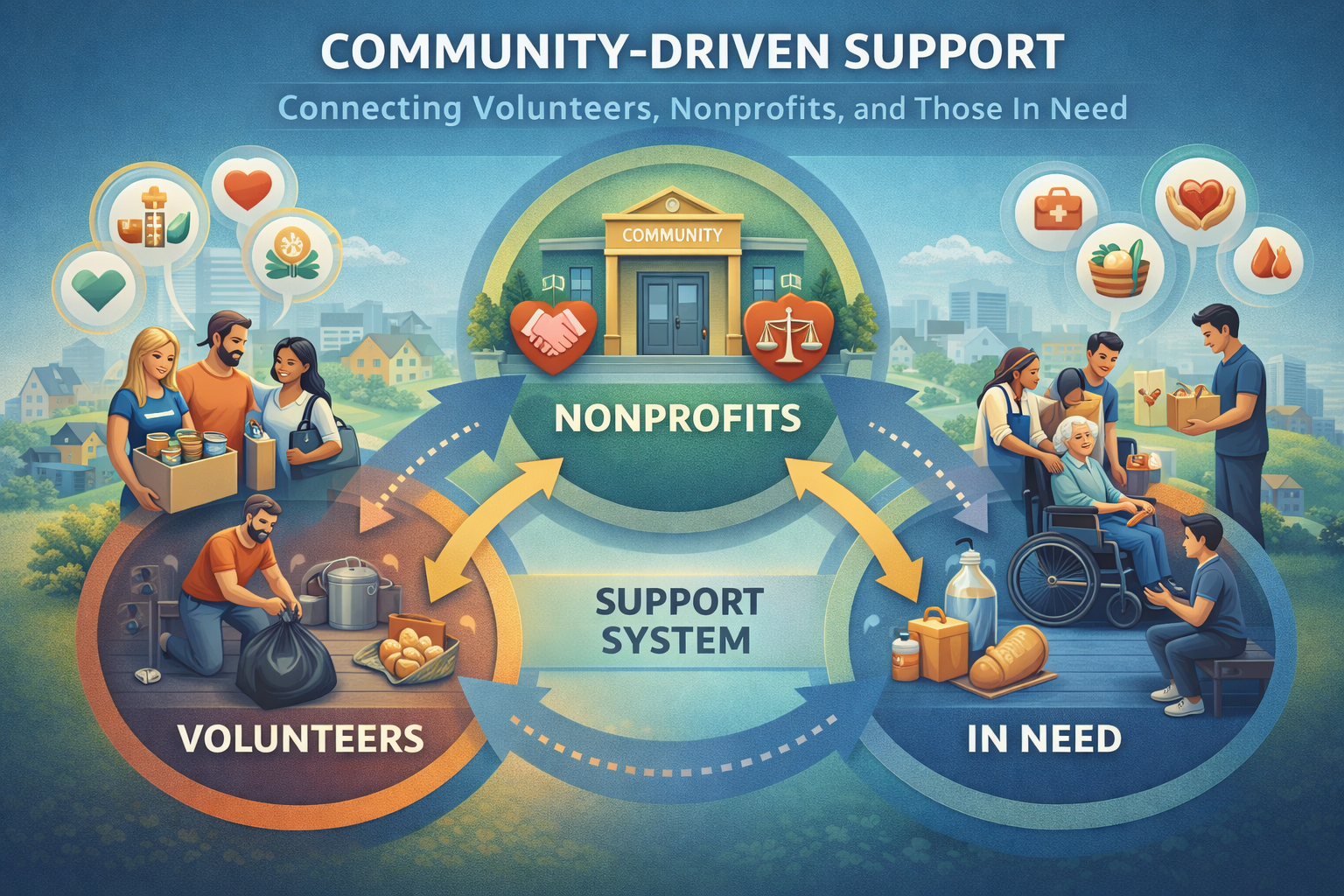
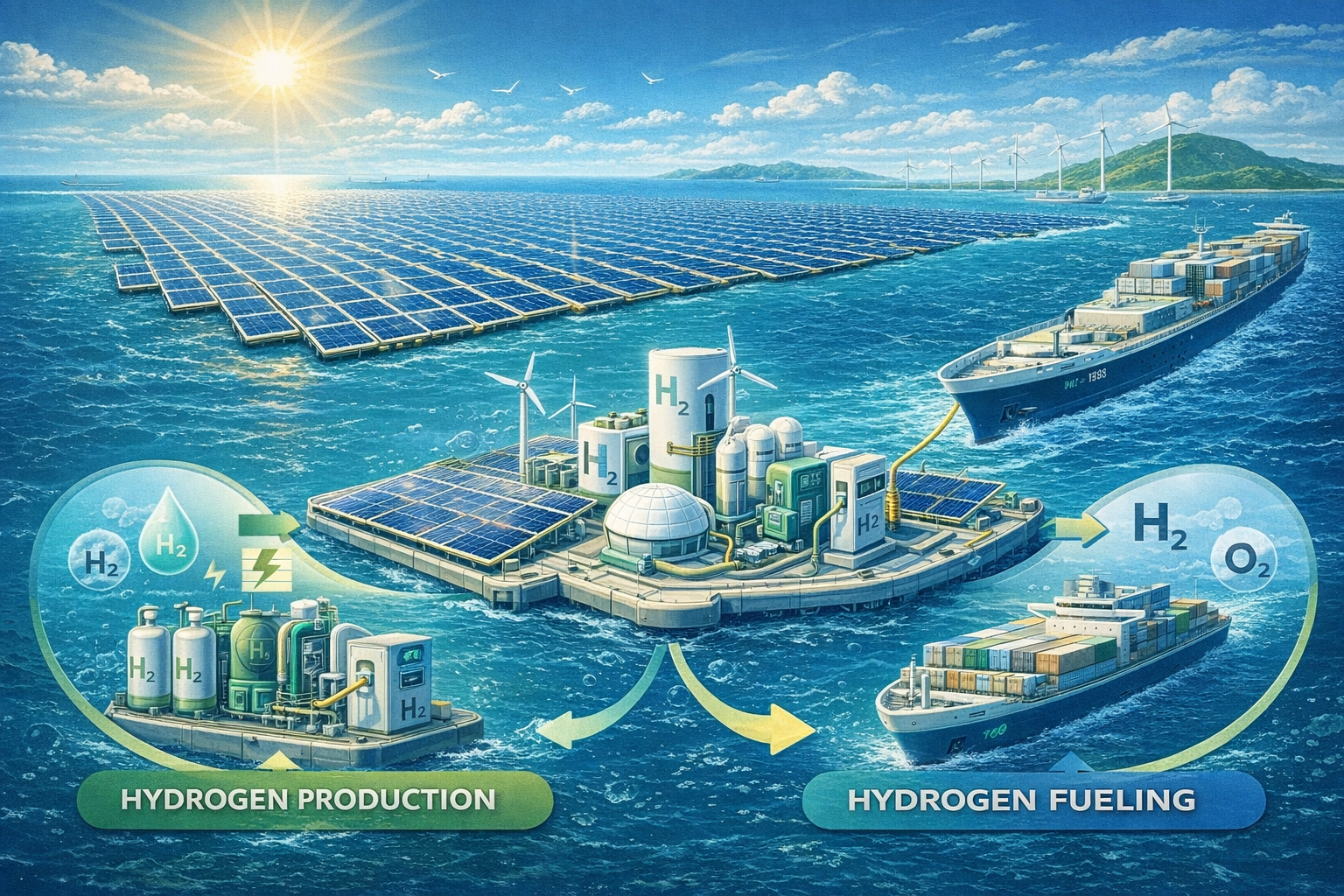
Episode Art 14 pieces
Full Transcript
Yeah. And I mean, it's only because the, the world, the currency is an essence, a dollar dollar. The world currency is the dollar. And the. That's the reason we can do that, right? I it's hard to believe that that the world collectively lets us have such power position. You know, I am willing to believe that it isn't going to be that way for much longer.
Yeah. My personal opinion is all right. America has slid on a number of metrics, probably irreparably. You think so? Well, I mean, we look at testing and education. Yeah. You know, and testing education. People are last. Administration kind of curbed the whole. We must go to America to get a degree that is world recognized because people stopped coming here.
Yeah. You know, some considered it too dangerous. India is on the rise as far as, Stem education. Okay. You know, you look at some of the top CEOs, the CEO of a believe it's Google and Microsoft are both Indian, and they were both educated in Indian schools. Okay. Fair enough.
All right. So, like, the wealth and the power distribution of the world is, is shifting shifting of course, because the rise of China. But you know, is it just shifting to a point or is it shifting and going all the way and then is marginalized? Well, just because I don't know, man, just because I'm a human being. I'm going to assume the current trend will continue.
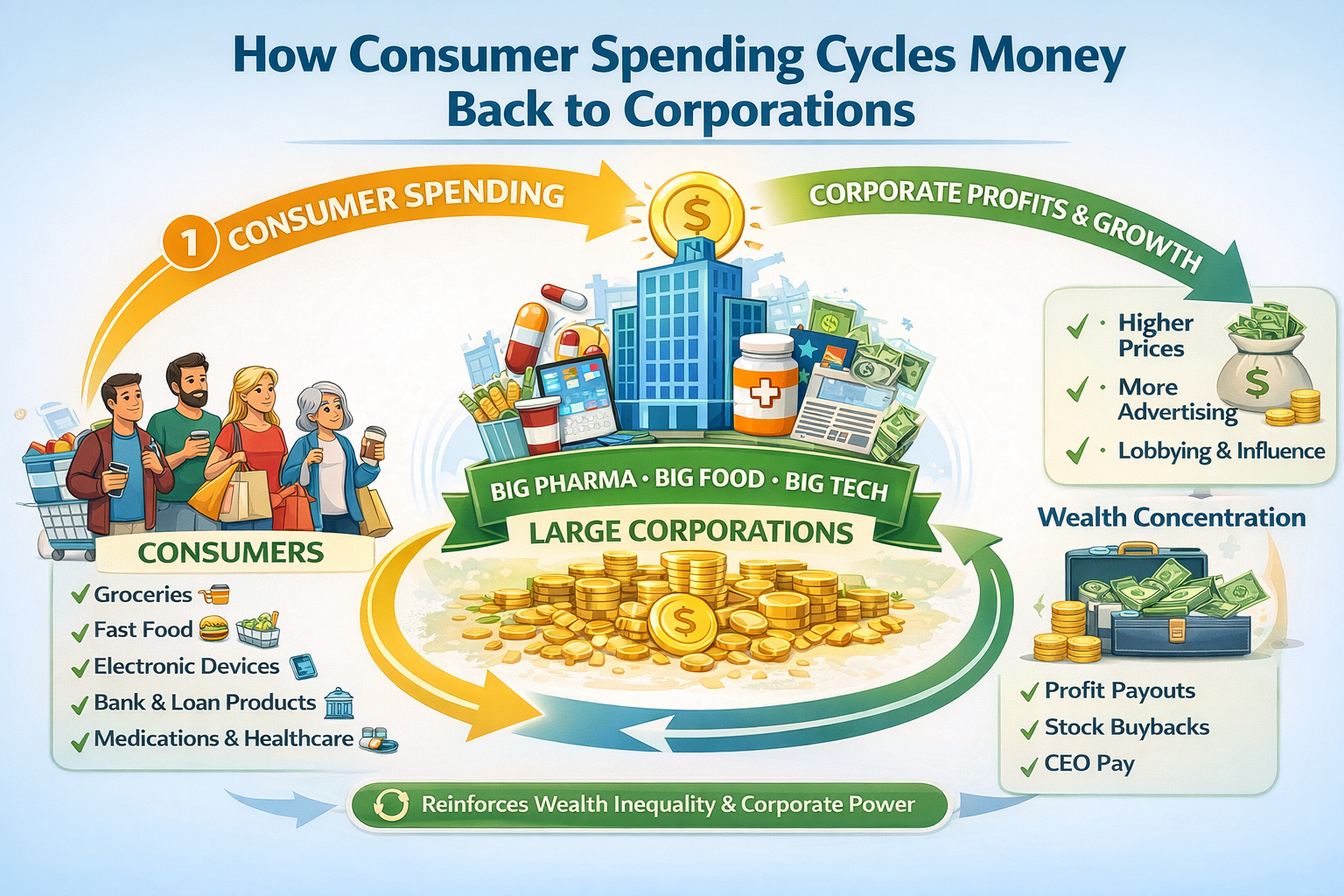
Yeah. Well, it's, America always seems to have an ace up our sleeves somehow. You know, we do. We always seem to be to have that wild card. But I really think I raise up our sleeves. Needs to be the fundamentals are taking care of your society, taking care of and educating your people. Yeah. So this, like, kind of dependency has been created through the medical industrial complex and the food and vegetable complex over the people, you know, which have been basically groomed consumers said cat again.
Right. Take that, take that kind of paradigm. And you say, you know, damn, these people are working their asses off to go to McDonald's. You know, just as just a metaphor, you know. And then across the street is the is the urgent care. You know, like literally across the street from the fast to the urgent care, right?
The other side of the four corners is a Walgreens, and then the other side is like a gas station with a Quickie Mart. Yep. You see what I'm saying? I mean, I get it. So it's like just this grind where, you know, Americans are so willing. Like how you design the kitchen with the three points you want to go to the most?
Yeah. Yeah. It's kind of like if you were to plan the master society as far as consumerism, this is all this is just kind of get this. This is a very, at the very least, the penultimate, if not the ultimate plan. Yeah. And, you know, it's got to be to some extent, you know, not just by accident.
You know, it's too it's too well orchestrated. Yeah. It's too good. Yeah. Maybe just marketing is so powerful over the human mind. Like, so much more powerful than we really think that, you know, literally when you're marinated in at your whole life, you don't even see it for what it is. And most of us just become kind of autonomously just consuming.
Right. Right. And then dealing with all the faults of that as part of normal cycle of life. But it's not it's well and abnormal. And whether or not we're conditioned to believe that or we just accept it. Yeah. I think we just accepted as normal. Right? Yeah. When you see people that can't walk normally because they're so obese and you just so many people are like that, you know, the kind of the, the, the, electric car at Walmart is getting more and more normalized.
It is it is like the first time you ever saw that. You're like, raise your eyebrow. Like, what the hell? Oh, yeah. You know, the first time I saw it, I did notice in companion to that that the other Electronic Arts were in disrepair because I didn't expect people to use them. Yeah. You know, and now they're I see them constantly.
You know, and people and you constantly see, store workers making sure they take them in, making sure they charge them. And I can say even, you know, ten years ago when I was working at a place that would have had them, that was a mandate every single day. Crazy. Make sure you bring those in their charge and they're in good repair.
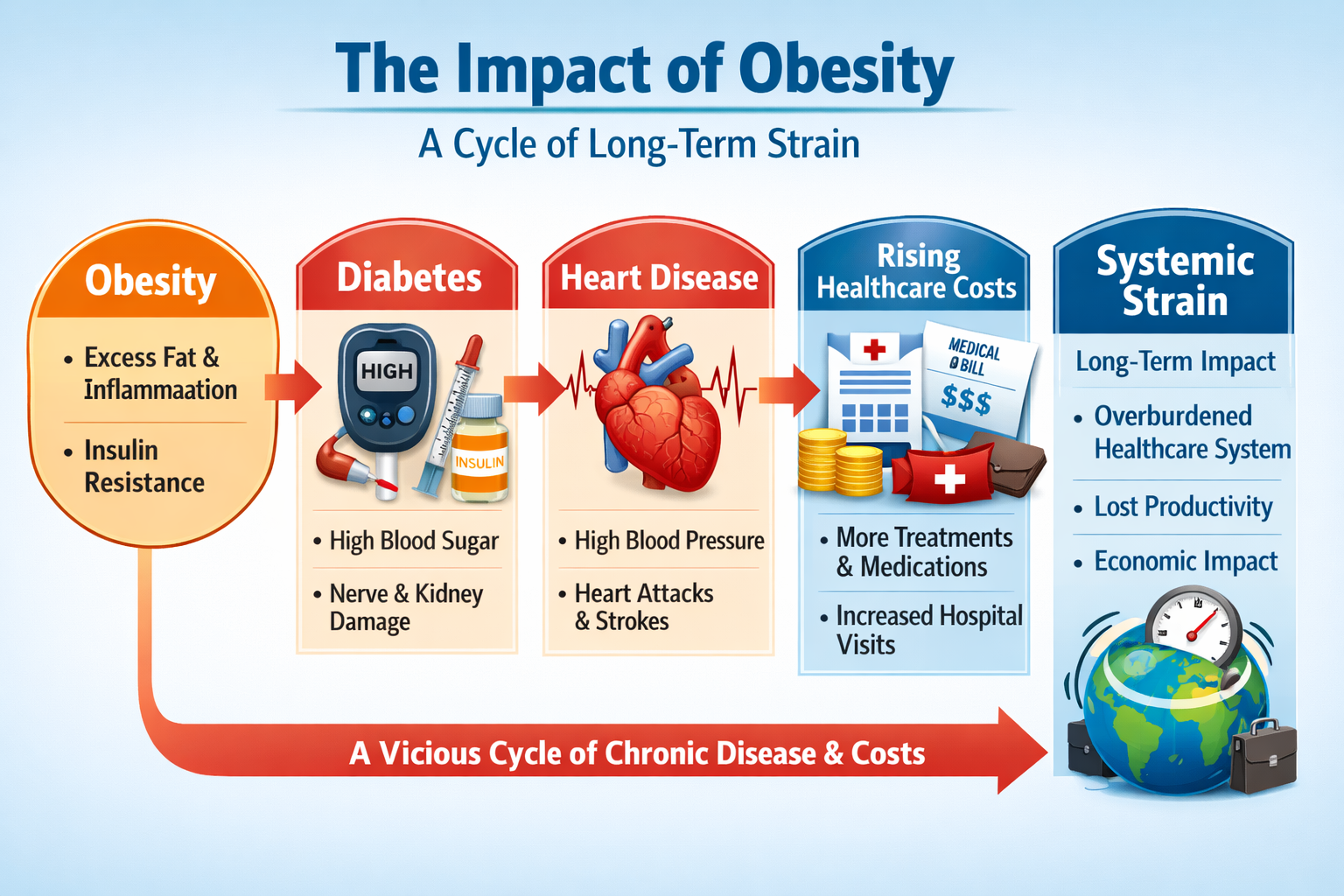
Yeah. And the number of handicapped spots that are, you know, you've noticed over the years. They're proliferating. And most of the people that get out of their OBC caps, they're not really handicapped. They're just just so fat that they can't, you know, but by being that fat usually brings along with it a ton of comorbidities. Right. So I mean, it's not it's not it's not wrong.
They are handicapped, diabetic, nerve pain and all kinds of things, you know. Yeah. Cause them to not be able to walk correctly. Or you might pass out between their and the door at Walmart, you know. Right. They had to park it far away. So half of them are probably legit. Yeah. Yeah. It's not just oh, I've got a little too much weight.
It's. I am fucked on every level. Yeah, I have a crippling amount of weight, you know. Yeah. That's crazy man. Like, that's just it's, I mean, more to do is just rampant. It it's a it's a freaking epidemic in the US. So, you know, if you want to really change the disposition of the United States, the first, first and foremost thing that you'd start looking at is the, you know, obesity and diabetes and, you know, the the obesity related diseases.
I mean, if we had start to tackle, that would be number one. Pharma put as much energy into that as they put into opioid distribution. We'd be good. Yeah. It's just it's it's incredible that we would have, you know, on this kind of world stage, all this posturing, all this power. You know, like you just said, we're the world currency.
We have the largest military, you know, of our of our next 25, you know, that is nations combined and 24 of those of our allies and all that kind of stuff. The wealth and power of this nation is just never seen before in human history. Right. But to maintain that, we have to take care of our people. Really?
Well, that's what I'm wondering. That's that's kind of what I was getting at is, is is part of this wealth generation, this abuse of the human being and human body because it creates such demand for services. Right. Self up. Yeah. Yeah. So you're saying we're artificially propping ourselves up? Yeah. You know, let's put it this way. Some of the cars.
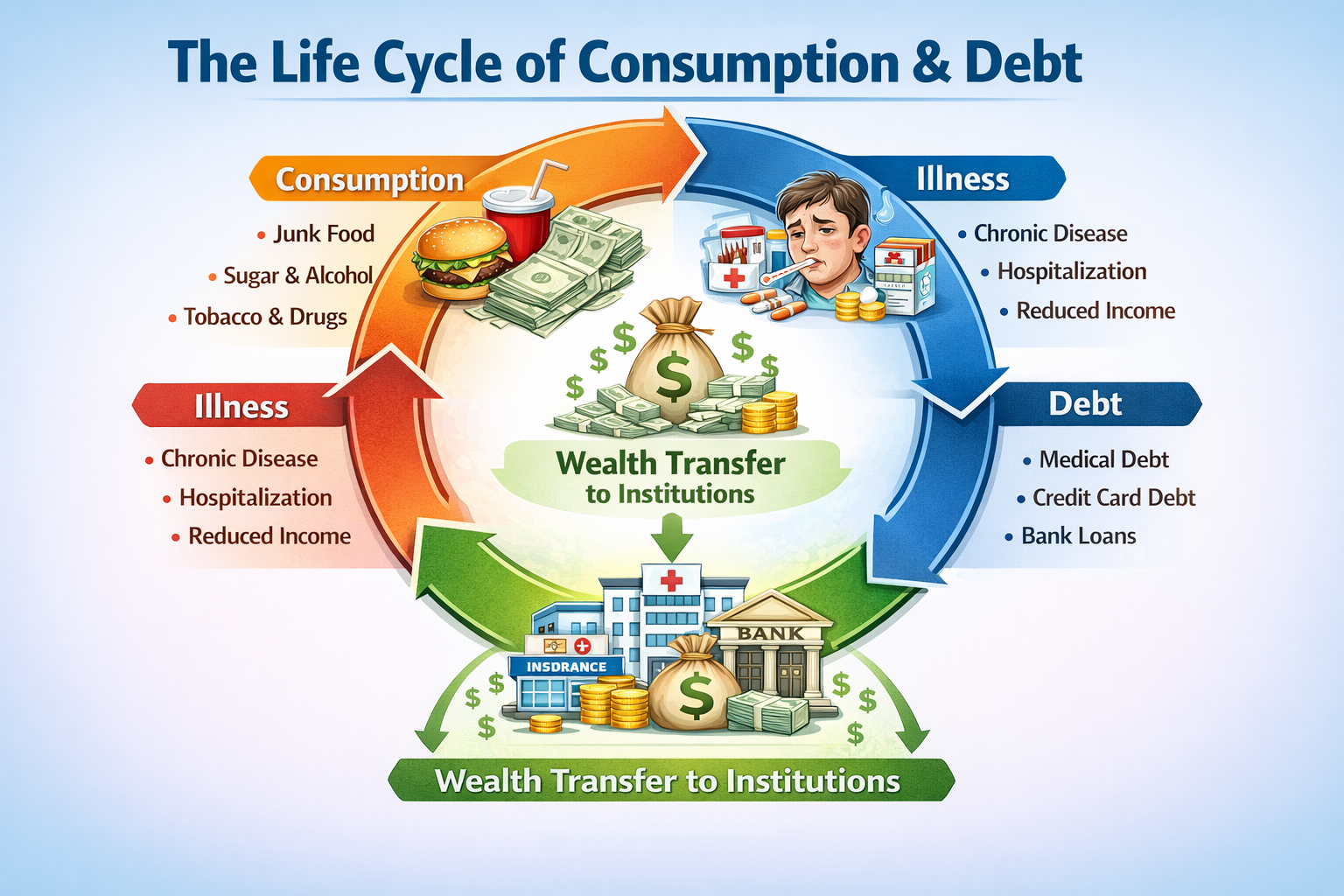
Yeah. So, so basically, like the abuse of the human, if you, for lack of better terms, like, is the bedrock of this welfare wealth and this massive economy, right? Because, you know, my mom, when she got sick and others that are in my family and friends and stuff like that, family of friends and whatnot that I've seen get sick, have lost their house, they've lost all their life earnings.
And it's not like they lose it to no one. They lose it to the banks, they lose it to blah, blah, blah. Yeah, to the medical industrial complex. Yeah. You know, you know, so basically my ex and her brothers aren't going to see any inheritance because now the parents are sick. Right. And for. I mean, it's too much.
Just a new.
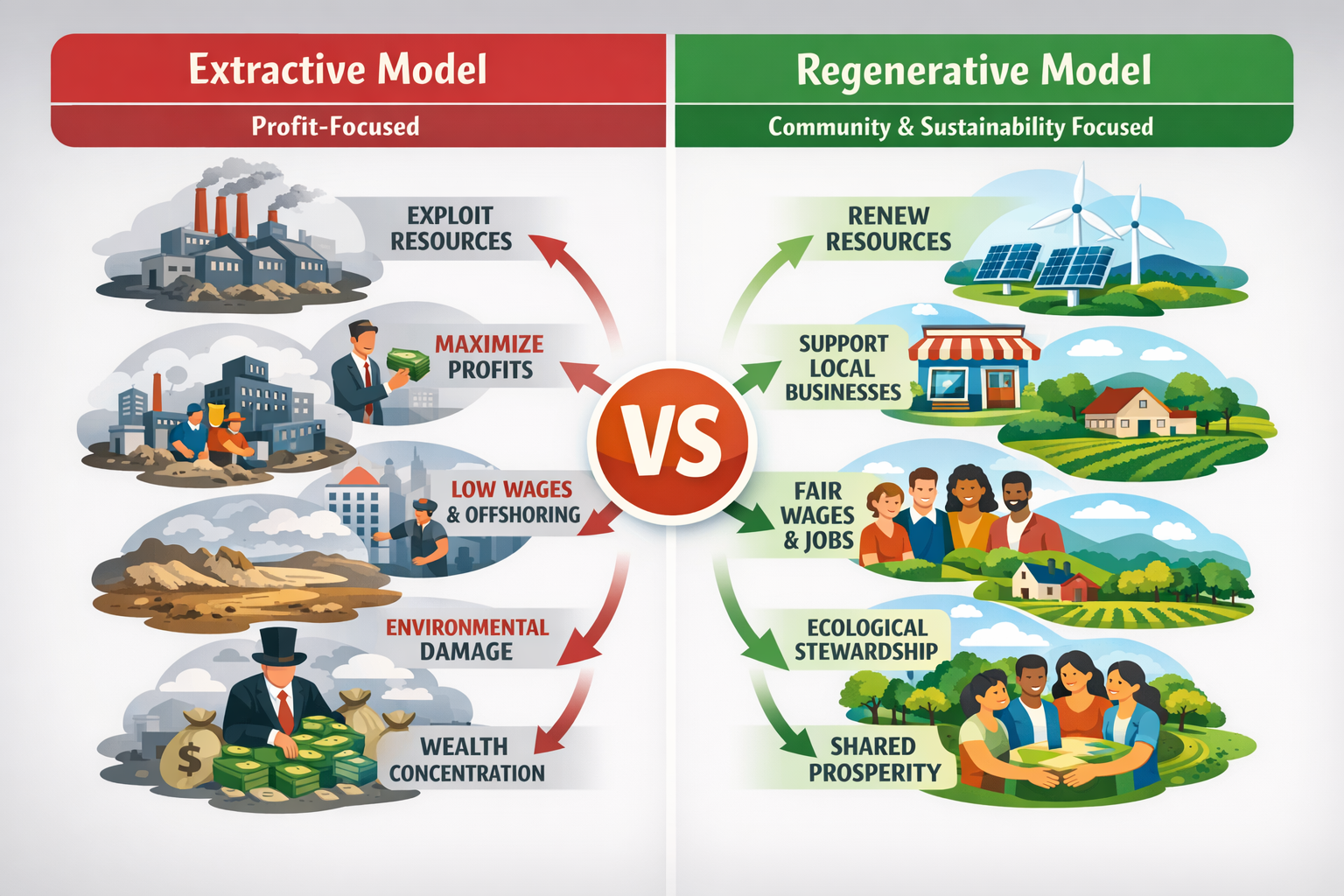
Extraction model. Yeah, that's what I'm saying, you know, is it is it much akin to how the southern economy, during the Civil War era, was predicated upon the abuse of people? Now, our entire economy countrywide is predicated upon the abuse of people. Yeah. And so these people, you know, the the price of the chemotherapy, the price of the long term treatment of a lot of these, you know, diseases that come about from obesity and other things, you know, the, the, the, the comorbidities, the way that different disease infection can, you know, invade your body when you're compromised from, you know, obesity and all this kind of stuff, right?
Is like the fast food Nation just plays into that. And so all these people, they they go throughout their life busy, busy, busy, busy working their asses off. And so you're more likely to stop at the fast food joint when you're tired and you're, you know, well, okay, I've just worked your ass off all day, tired and worked your ass up all day.
You have limited funds that to. Yeah. And you're just grinding, right. And, so instead of going to Whole Foods and, you know, working with a bunch of other people and having prepared meals that are highly nutritious and, you know, nourish your body or whatever, the Whole Foods is also not geared for the rank and file as far as pricing.
And, not only that, the rank and file must know how to prepare said food. Yeah, sure, sure. And enjoy it. Yeah. So instead of like, community cooperatively coming together to to solve these problems. Right. It's this individual grind of like just trying your best because we're such an individual. Yeah. Exactly, exactly. And then what happens is that, you know, collectively, as you know, people age and these things settle in is that you get, you know, massive spread of disease.
And, it's it's it's a total abomination. It's terrible. It's absolutely horrible. Horrifying. Comes to my mind here. To bring the conversation further is to say, you know. All right. Are we all working to basically prop up the upper crust, which is more or less self-sufficient and is self maintaining? It just draws the cream off of this, off the off this grind.
And, you know, I'm not talking shit here, but my, my girlfriend's son, he is privy to that upper crust right now. He is rubbing elbows with it. He is going places with it. He is visiting their homes at homes, as in coral and multiple vacation homes. These people. Yeah, sure. Have multiple homes in multiple states. You know what is what is that thing where it's a syndrome where the top of my head, the name of it.
But it's like where the mother keeps the child sick. Yeah, it's like that. But on a societal level, right? It's like the system, the society, the norms of society keeps everybody in the bulk. Mass is sick and then dependent upon, you know, the same, the same causes of the sickness brings the cure in both cases cost money, right?
Right. So like you pay to get this. South Park said money is a cure. Yeah. You pay to get sick throughout your life. Basically pay top dollar to get sick, and then you pay whatever you were able to save or mass throughout your life. When you like, they act that from you to write. That gets then taken away at the end when you're just suffering and you no one foot in the grave, the other on a banana peel type thing, you know.
And so the amount of money that falls out of that is throughout the lifetime of someone's human effort is insanity. Like, it's sickening how much you know that that amounts to, I mean, when a lifetime of effort, whenever you look at a lifetime of effort, even people who make hardly any money end up making about $1 million in their entire life.
Right. And so that all just gets retracted back, you know, pulled back. It's like the dollar bill on the fishhook, you know? Right. You're continually on the cusp of something. Some semblance of success. Yeah. And just to have all that removed from you at the end and just dying in pain and suffering and broke is kind of the model.
And the people that are, you know, gaining from that. It's a, it's a you can just say it's incidental. You can say, oh, well, they're just gaining from it because, you know, they can. Well, obviously not that it was engineered that they pulled back the curtain a little bit in seeing what Big Pharma did with their coordination of opioid distribution and addiction.
Sure. It's akin to what the tobacco industry. Yeah. Well, I'm saying if one industry is doing it, sure. Two industries are doing it. We've got proof, then why wouldn't all of them be? Well, yeah, all of them can be like collectively doing it without a direct. That's what I'm saying. There's not necessarily a coordinated plan, but in their own little fiefdoms they are extracting as much as possible.
Yeah. And then it's so easy to, you know, morally justify it from the sake of the corporate, you know, health. Well, yeah. And that's ultimately it. Stupid, justifiably sociopathic assholes who govern these megalithic corporations, these glow spanning greed machines. These, profiteering gluttons, if you will, goddamn profiteering gluttons. They, they're sociopath ways of focusing purely on shareholder happiness have really let this country beholden to business and greed.
Perhaps. So maybe it's just also really easy to look through that lens because it's like a jealousy thing, you know, it's like, oh, I'm not oh, I'm stupid, jealous. You know, I worked my ass off so hard and, you know, not even gonna lie, I have a deep seated hatred for all billionaires. I mean, if it were possible, like, seriously, I would skin some of them alive if I could.
So, like, Bezos is a piece of shit. So you have a deep sea. If you became one, he would. What would your orientation yourself? That's the thing. I would never get there because I would never allow myself to amass those kind of resources in the face of all of the poverty and hurt we see. That's it. Because you have to allow yourself and make that your single aim.
Yeah, yeah. So simply okay. So like let's say that I was Jeff Bezos for a minute, right? Sure. And I could just say, well, you know, my company has pioneered all these things that the that have become, you know, now mainstays in society push the envelope on technology and yeah, you know, these type of things. Right. You deserve some praise and aggregation for that.
But do you deserve to be the richest man in the world? Well, so, you know, do deserve the deserve factor is like, you know, deserve is just a word because it's a judge mental thing. Like, you know, someone is someone is making that that I mean idea. But one of the things is doing right now, he's having an historic bridge taken apart and rebuilt because he has to build.
He's building his U.S. newest mega yacht, and he has to push this thing through a river. Oh, geez. So okay, so so so, so from the perspective of, like, you know, the person that amasses that kind of wealth, they can simply just say is that they're working within the confines of the structure that all of society has put forward.
So like through law, through social norms, through culture, right through everything. But where in social responsibility here? Well, so the confines of this system that you're using, why aren't you giving back to it. Yeah. So if you take the position of like you're, you're following the structure that's been put forth before you, you didn't make the structure. You didn't make the rules.
Sure, sure. You just played the game better than anybody else and played the game. You bent the rules. You expanded the structure. You used it for your own game. Sure. Well, bending the rules is a little bit. That's that's a that's gets a little nebulous quick. But if you just say the default, the way the structure is set up right, and you find, you find ways to take advantage of the loopholes and tax laws, you find a way to structure your company, hire the right people, and so forth.
And the the structure, the system, if you will, the system, the collection of all these different systems and subsystems allows such great wealth, right? It allows it obviously it allows it because there's so many incredibly wealthy people. Sure, sure. And so since the system allows it, you just happen to come out better on the other side of that system.
And then everyone starts blaming you for for the effects of the system instead of blaming the system. So like isn't, can't you just fall on your laurels as a super wealthy person and just kind of sidestep all them around because you say, look, I just played the game. Well, I think you also sidestepped the morality by being that good at the game.
You've already sidestepped it. You have said, my one aim is to win above all costs. Any Anoc, on effects be damned. So you've already shown yourself to be a sociopath dick face who deserves to die. Yeah, yeah. Okay, so when you when you give everyone a stimulus check, you throw a bunch of money at society at large Amazon shipments double, triple.
Right. Like people during during this pandemic and during this time, billionaires wealth is increased by trillions. Yes. Because these things are really subsidies to the, the wealthy. I mean, you give money to a bunch of people that are going back into the economy, right? The people who control the economy, the benefit. Yeah. Right. So you can look at it from the billionaires perspective, like, say, Jeff Bezos perspective and say, look, you give these people money and they're just consumers.
They just go out and spend every fucking last night because they have no choice, which is what we've talked about. Yeah, yeah. They really have no choice. You've got the yoke around your neck and it's really hard to take it off. Well, you know, you didn't have to buy that, that 58 inch flat screen because you got the extra money this month.
No, you didn't have to do that right. You didn't have to. You didn't have to buy this whole array of things you could have paid down some day. You could have, you know, going back or going for it. Oh, just kept looping, I guess. Okay. So. Right, I get it. Yeah. You could have saved you could have built your emergency fund.
Sure. But financial literacy is another pillar that is eroded deeply. Right. So it's certainly not Jeff Bezos responsibility to create financial literacy. Since Jeff Bezos responsibility to break the chains of consumerism, why not? Well, no, because I said it's not his sole responsibility. It's not his sole response. He has. He has. What if he is a mass? More resources in human being in the fucking world?
You can't tell me he doesn't have some reason to give back all of these people that he's paid, that he's hired, but he's putting the right positions. He's used an extractive model just like we've already spoken of. Yes, he's extracted from all of these people and society at large. He's a close head of a close pending corporation. Right.
The distracted from the world. Right. So like so they have to give back and they have to make sure. Well, they should they don't have to because the laws say they don't have. Right. They make us say they can evade. They can shift blame. They can avoid. Right. So like what you have to do is, is what the law says, right?
What you should do is what moral, you know, your moral compass says. And he has no moral compass obviously. Right. So if someone if someone is just doing what they have to do and not doing what they should do, well, I guess you contrast his ex-wife with him, right? Just sold 6 billion in stock of Amazon so that she could fucking give some more money away in a controlled and understanding way.
Yeah. And so that obviously is going to do amazing. That's going to do much good in society obviously. Obviously. Right. But you know really to to to to go back to the individual because of my moral judgment on what the person should do. Of course I agree with you. Someone just tremendous wealth should be doing what they can to, you know, benefit.
You didn't create it yourself. No, it's not possible. Use the machinations of society to do so. Right. So you should shore up those mechanisms, machinations. You should make sure that there is a certain degree of efficacy there. There's certain degree of fairness and understanding, you know, help. If anything, what you can do is make things better just to close off the road, the same road you use, right.
It's like a hacker closing off the the loopholes, the exploits they use to get in somewhere. If anything, be selfish here and go ahead and close off the road so other people can't do it the same way you did. Yeah. Okay. Maybe. Yeah, that's a good that's a good point. So I personally know this semi, you know, moderately wealthy like far upper middle class, you know kind of one foot.
And I'm not saying those people are coming. I'm saying well people at the very top are coming. You know I have had hours and hours of conversation. These are friends of the family, etc.. And, you know, one thing that they they had this they have a son and one thing they're trying to do is trying to set the son up with, you know, something that's a good recurring money for the son.
Well, yeah. And, everybody wants to do that. Sure. So trying to set their son up for a business? I don't think the son is particularly at port. Yeah, like, just probably never do something like that on their own. So they're setting their sent up for success, you know, financial. A piece of mine for his entire life basically.
Sure. So what they decided to do was to go down to Florida and open up a Bojangles, right, to get in on that franchise. They did the market research. They had some paid someone to do all the market research is the best thing to do, blah, blah, blah. Yeah. What's a what's a good location to put this thing in, you know.
Right. And you know, so I, I the last I spoke with her that was quite far along, it was like, I'm sure that's accomplished by now. You know, everything was it was pretty linear. So anyway, you know, these aren't these aren't immoral people. These are people that, like, really concerned about society. And, you know, in fact, she's a she's a professor of ethics.
Yeah. There we go. Right now, they know damn well what Bojangles does to people to they know damn well that it's a, that it's a comfort food, that it's, you know, horrible saturated fat, all kinds of terrible things. Right? Oh, yeah. They they know they're not. They're not stupid. Right, right. But now they're still taking this route. So.
But it's what you choose to be blind to for the security of yours. Okay. You're getting you're you're reading me here, so doesn't it? Can't you just say that once you go past a certain number of incremental of these enough stair steps of this kind of thinking that inevitably you have Jeff Bezos thinking, I mean, so so you're telling me you think his all right, so he started his company with 300 million bucks from various sources, including family.
You're telling me someone who has access to that kind of capital didn't already have that mindset?
Well, maybe. And that's a contributing factor. Bill gates started his company with a $200 million injection. Yeah. His father was a head of Preston gates was head of a massive law firm that helped him litigate his way to success. His mom was on the board of IBM and got them to try DOS. Yeah, and then you can always.
You can. You can always then go way back and keep drilling down. Drilling down. It turns out that it's all slave money, right? Like, you can keep going and follow the dirty chain of generational wealth back to, you know, some type of exploitation every time. Okay. So, you know, the Wealth of Nations is built on exploitation, right? Right.
I think that's where we've come full circle to say, in essence, every one of these people to secure themselves is exploiting in some way even the kind hearted, ethical people, you know. Right, okay. And so they they somehow decided along the way that ravaging continue to ravage the health of the, of the consumer is the way to secure our future wealth.
Yeah. Is just something that is is willing they're willing to swallow that ethically or ignore, I think ignored. I really do think ignore is probably the case here. Enough. Think about how simple or rational or and easy the justification one's mind can be. Other people. We're not the ones that created the appetite of the public for this type of thing, right?
We're just waiting it. Everyone that drives by the Bojangles didn't have a gun. The marketing, we just went ahead and put it up in our in our franchise. Right. Each person that pulls through, that drive through or comes into the store is not forced. They're given an autonomous choice. They're not funneled in here by continually being browbeaten and conditioned by marketing the study of what people want.
As far as consumer goods includes this chicken and biscuit stuff that this particular chain sells. And so it's a pretty much guaranteed going to be a lucrative thing to build this. Yeah, I mean I fucking eat it, you know I know okay. So it's so easy to morally justify you know that's the seduction right. Yeah. And so let's say that you never do that.
You don't go for the Bojangles. You do like me and you don't ever invest in stocks that, that you don't agree with. As far as your worldview. Yeah. I would never buy stock in BP or Exxon or Philip Morris or Kraft. Right. I would never buy those stocks because I own none of those. Sure. You know, but most people have a Vanguard or something for one that does invest in all sorts of that.
Yeah, and it's Coca-Cola, Exxon, etc.. Right, right. And so you look at what Coca-Cola and, you know, big oil, big pharma, all these kind of things do is they're reliably, you know, return on investment type thing. And so then these brokerage firms do do the smart thing. They put the poor portfolio into the show thing. Right? Yeah. And then over time pull the wealth out for the for their client.
Right. And it's turnkey. The person working their corporate job and everything has to touch it. Right. It ends up being a something automated like a target date fund where oh, I'm going to retire in 2047. Right. So the focus becomes what you'll have when you retire, not what your money is doing in the world. Yes. Right. And so it gets abstracted and kind of, you know, it all kind of comes, it gets whitewashed and kind of spread out and you're like, well, there you go.
So I guess I'll just walk up this way because be like five minutes at that crosswalk. So, right, so like you look at it from that perspective and then next thing you know, it's just a slippery slope of, you know, what? You're willing to ethically abide. So you can say, oh, it's a, it's it really an all or nothing thing.
It kind of is. Because once you have your first bull jangles, you know, you want your second. Yeah. Right. And now you're opening it up in McDonald's. And now you're, you know, 20 2020 franchise in, right? Yeah. And now you're doing a real estate portfolio. And actually, you know, you're a slumlord. And next thing you know you're right.
Right. And boy and is it just that the barrier to entry for these extractive models is lower right. I don't know, it's like $1 million to get into the Bojangles. Well, that's what I'm saying, is that, is that a lower price of entry than, say, these other things like, you know, serving up a healthy market in a community, right?
So when the person is going into their, foot imputation from their diabetic, you know, necrotic feet, right? Yeah. That's just part of the cost of that person then aggregating the wealth of themselves. So you just become part of the extraction model, if you want to call it. That's a pretty good way to say it. You become part of the extraction tier, and you're living off of extracting the, I don't call it a disposable income, quote unquote.
Yeah, of a group of people, which really it ends up being not disposable. So then the collective, the collective nature of humanity, right? We have our we have our like our genetic basis. We have our basal, you know, existence. We have our primal existence and high fat, high sugar foods was like or like sex. It's always going to sell.
It's always going to sell. Our, our ten 000 year old biology wants it so bad, right, because of the scarcity of it in nature. Right. So then you throw on top of that a lifetime of marketing that's in people's minds, a cultural attenuation to these particular products. And you have a perfect storm of just extraction through abuse again, model.
And ultimately, that's what I'm trying to say. Might as well be a child in a diamond mine then. Perfect segue to Elon Musk. Well, so yeah, I mean basically,
That's what I'm saying, is it just is it just the easiest on ramp for people who have a few million dollars to join this tier? Maybe. So, you know, how can you how can you flip the script? How can you make money and serve humanity at the same time? And I mean, make money on major, like on on building, you know, hundreds of millions to billions level.
Right? By doing good, we're talking about no ceiling and no caveats. You're just you've made a you've made your own ATM. Yeah. And I think the answer is, personally, I think the answer is that social media that I was talking about, you know, I think that that's ultimate.
That would be the ultimate thing. I basically want to create the ultimate digital service to facilitate human, health and wellness. Right. And one in all people in by paying the micropayments, by giving them a tiny and control. Right. The more you engage, the more you create content, the more you expand the system, the more you gain by it.
Yep. Not only do you gain in financial wealth like you get paid, but you gain in the social benefit of using the tool and be able to set up something that goes ahead and does interesting things, like hooks people up with a affiliate marketing. They agree with hooks people up with this or that when they reach certain tiers.
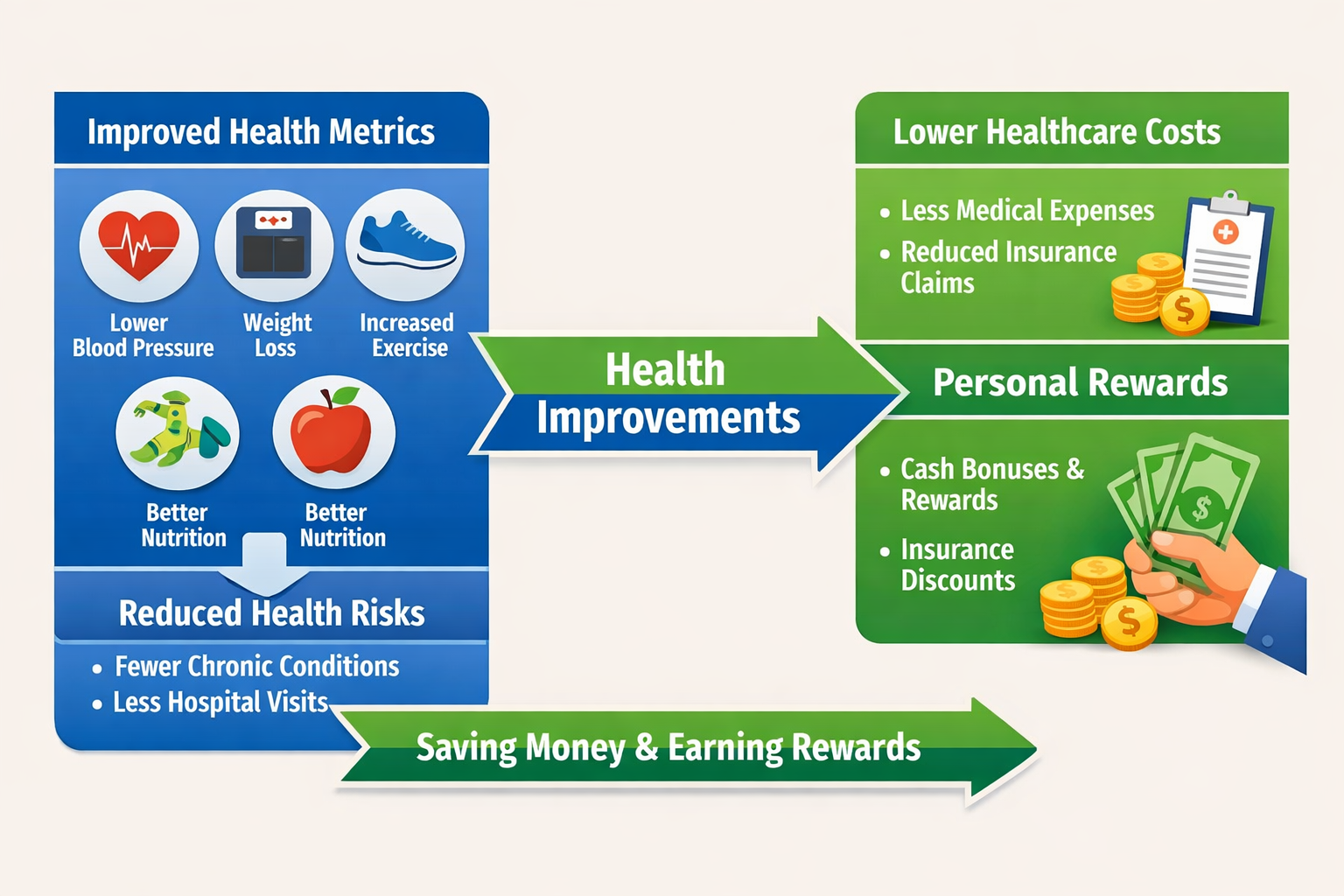
Exactly. I see I want to do something like if you have a group of people that are willing to commit to a certain amount of data, release a certain amount of like, they basically are signing an agreement to get their BMI down to 20 or 20 between between 15 and 25. I've never signed this agreement just because you're terms, I don't care.
You haven't heard the terms. It doesn't matter. Okay. Anyway, so I'll finish and then tell me afterwards, okay. If you agree or not. Right. So what you're doing is you're committing to work towards a BMI of 1,525%. Okay. Okay. What do you get? What do I get? Let's say you're let's say that you're right now around 35 or 40.
Sure. That's easily where that. No, no, I meant you, not you personally. I meant you like one, right? I mean, it is easily work, but. Yes. Okay. One human being is here and there considering this agreement. Right. And so what happens is through a conglomerate of different insurance providers. Okay. You actually if you can reduce yourself down to this and reach these certain health milestones, you can start getting a premium pay to you.
Okay. A paycheck coming to you because of what you inevitably save. The insurance industry and society at large. All right. You'll have to go through that again when this guy passes. Yeah. So.
Okay, what we're looking at here is like an overall an overall dollar stipend for help. Yes. Yeah okay. You simplify it to the and that's exactly what it is. Right. So it can be clearly demonstrated that if someone changes their health composition from a pre-diabetic track of obesity and consumerism. Right. Yeah. To a healthy track of exercise and fitness, that the inevitable amount that's going to have to be spent on that individual and in people like them in aggregate.
Right. Obviously you're going to have anomalies. Right. But the typical average that person, instead of going in for the triple bypass surgery, which is $250,000. Yeah. You know, or some kind of ridiculous level. Yeah. And instead of that. Right, they, they have to go in for some like maybe some medicine, which is a penny a pill. There we go.
Right. And be on that for their life. Like, that was the extent of their health. But I guess ultimately you've got to look you've got a shit you got to find.
You gotta find businesses that are willing to look at it that way rather than continue with the extractive model that makes the money. Yeah. So basically, your insurance provider and you partner to work on your health in a way. And a lot of companies within a lot of companies are doing things. Yeah. They don't give they don't give you much.
Yeah. They don't give you they give you some discounts on this or that with partner companies. They might give you what I think you're going to earn a few hundred bucks a year. Yeah. So imagine, someone's on Medicaid and $100 extra a month. Yeah, they're getting $100 extra a month to get their be it my down to this.
And they're personally benefiting from this tremendously because their health composition is completely changing okay. Right. The company. The company in this case being the federal government better benefits tremendously because instead of these people being disabled from their disease progression of, I think this is the first company you'd have to work with the government to make this happen because, well, that's the power of the government's.
Companies aren't going to want to do this. Well, as soon as you if you can empirically demonstrate the insurance companies going to make more money, they're gonna want to do it. Yeah, yeah. So, you know, that's what it's all about. And if you can change the composition to where you can kind of predict like, you know, that's a whole idea of actual tables, predictive model of who's going to who's going to crash at what frequency, right, and how much money it's going to cost us and how we can get it, how you can get out of it, whatever.
Right. And so you're, you know, how cheap is it to have somebody be part of a community, of a community, a community exercise group, right? A community led exercise group, you know, like the cost of that is almost nothing, right, right, right. And help organize these things and all this kind of stuff. So I want to create a system that helps people with all these kind of domains of their life and make money in the process, because that's what it is.
That's the that's the game, right? The game is the extraction of wealth through exploitation. But why wouldn't you want to? And I guess that's what I keep bringing up. And I think you're saying to, why wouldn't you want to take care of the cattle you're making money off of? That's what I'm saying. So why the fuck would you take care of your cattle?
Because it's so much cheaper to slaughter them. Because. Because there's new ones coming right up behind them. Right? It's it's, it's a cattle versus pets mentality. It's if we take care of them, their pets, and we have to, you know, worry about their entire life cycle. Yeah. So we just slaughter them whenever we're done with them, then we're good.
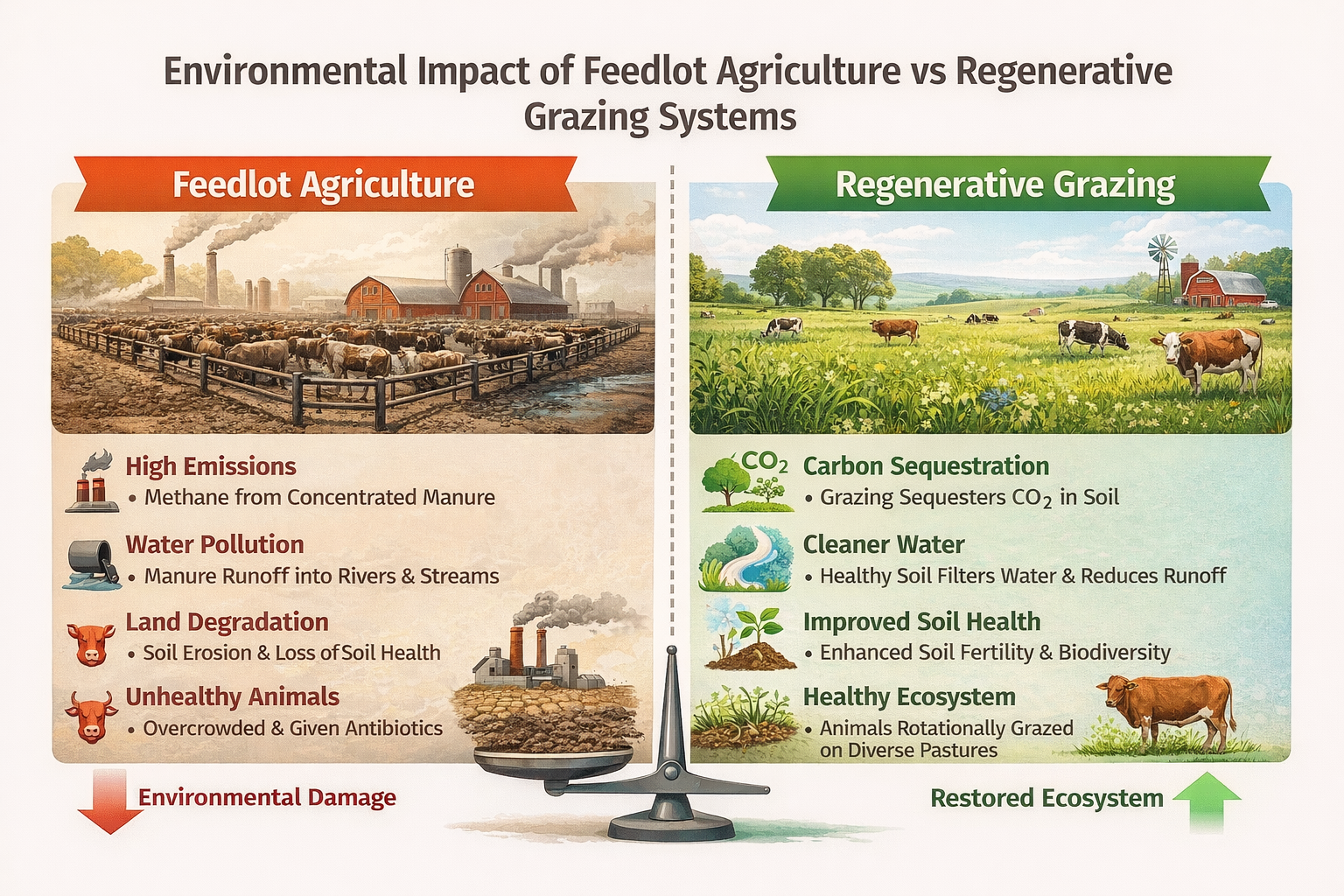
And the reason is because you can get the short term gain the short the short term gain is realized from the from the from the feedlot, okay. The feedlot where these animals are just on top of each other and you just sling a bunch of food down a trough for them. And they're basically in really close quarters and all this kind of shit.
Right? Right. The, the health and the health of the animal is. Yeah, right. Right. They're just a commodity. It's just a, you know, you're just it's like if you can kill them before they get too sick to sell. We're good. Yeah. There you go. And so, you know, this kind of big agro, you know, model does more than just that.
There's there's a. Okay, we gotta go this way. Do it. Okay. There's there's a secondary damaging effect. Right. And that is the, the farmland that's used to for, for the feed for the cattle is not is done with like, plowed, plowed and kind of strip mine. And the soil is devoid of organics, right. Yeah. It's just propped up with fertilizer.
Yeah. They get their yield and then they feed the cows and these feedlots and then then the excrement from the cattle is environmental waste plus climate change. All those kind of shit. Right. Whereas the other model where you have like free range grazing cattle that are actually moves to different segments of land rejuvenating land, right, creates this huge carbon sink that's positive for the Earth.
Right. And so there's like, that's the thing. You can get the short term buck by having the feedlot. Right? Right. But the long term external damage and spiritual harm, even right, all the way down to that is so vast that the price then but that's, that's an offset. What is outraged both of us that this isn't more of the mindset to create, take care of and be good stewards of our resources.
Making a cash. Right, right. And so you can see, the seduction is almost irresistible to just cash out as fast as possible. What do I have in my hand today? A bird in the hand is worth two in the bush type model, right? Right. And so you can just see without the depth of thinking, without taking it far in the mental or moral implications.
Right. Without having to think about that, you just say, oh, that's someone else's problem. That's an extra right. Climate change isn't my fault because I have a 5000 head feedlot, right? Climate change as a result of, you know, hundreds of years of removing fossil fuels.
From the Earth and burning it up. Right. But you're contributing with, you know, meth, you're contributing with environmental waste, you're contributing. There's all these factors and all the collateral downstream effects, and you're contributing in this business you own. It's probably been owned by your family a couple of hundred years. Sure. So you've been contributing for a couple hundred years, and then you go on to think, well, it's just that's just the way it is, right?
And so you so easily justify it. Human beings have noticed don't have really any difficulty whatsoever with extremely immoral things. As long as they're 2 or 3 steps away from them, right? They can convince themselves they are sure. So like almost nobody will take a knife and plunging into someone else's belly, right? Especially a stranger. Or like, let's say a child, right?
There's almost no body would, would, would like go up to a fucking child and shank it. Shank the child. Right? It's like kind of just in our souls not to be that way. It's like, you know, part of our human nature. How Jeff Bezos you are right. But that doesn't mean that. But but that same same time, that same person might be contributing to a system that never really pinches that kid off of resources to the point where they're crippled, or the point where they're homeless or killed.
Right. Don't have enough resources to live in this in this day and age, have contracted Covid due to socio economic situations. There you go. It's right. So that's lying down in a wheelchair for life? Sure. So that's like stabbing. That's today's polio. But each individual can can just separate themselves from the cause and the effect and then say, that's none of my I didn't do any of that.
Therefore I have no moral, you know, I'll write no more responsibility. Even, even or even our own middle managers that we've all experienced. If you can't draw a direct causal line, they don't want to hear about it. There you go. And since that's the, you know, average thinker is probably going to be in that zone, you know, we need this whole new echelon of ability to face deeper and more critically than we ever had before, due to the complexity of society through due to technology, due to the layers of abstraction, and so thereby the removal we all have from the means of production and execution.
Right? Because we soon we will not be executing anything directly. It'll be this, yeah, this abstraction layer instead of abstraction layers. Yeah, yeah. So think about just a simple, simple example. Is a soldier with a with a rifle, right? Or better yet, a bayonet. Yeah. On the other, definitely say that soldier killed somebody with this bayonet. Yeah. Right.
And there's many times where there's plenty of people, like from World War two and other conflicts that never fired their weapon. It's just they were there and they went through the motions, but they never shot a shot around because they just couldn't. Right? Yeah. And, you just take a couple layers of abstraction and all the reservations towards killing.
Go away. Drones. Yeah. The kid who's controlling a drone instead of having a bayonet on the end of his gun. Right. And you just see the target on the thermal, and it's just a just a white outline of a human. Yep. Right. There's no there's no you're not looking in their eyes. You're not having any kind of interaction.
No problem. Done. No problem. Let's go get coffee. Yeah. You know and so you can imagine just that same thing in every aspect of society, those layers of abstraction, abstracting away all moral responsibility, abstracting away all culpability, all personal feeling of, you know, of remorse, just completely shirked away through even a simple abstraction layer, let alone the complex ones that are emerging in modern society.
Right? So how do we connect people with what they're doing and the effects of what they're doing, and help them understand? Yeah, sure. You didn't do it, but you sure as fuck contributed. Well, my answer to that is, is, like I said, through the social media, say you reinvigorate the persons, you reinvigorate, okay, you reinvigorate human nature, the latent human nature that we all have.
Humans, humans, through evolutionary biology theory, have come to be where we made it in this level of civilization, through cooperation, right through, through empathy, through, you know, being an advocate for those that can't have it for themselves, that's built into who we are. Right? And so when you put it, put it down on the level of human nature again, okay, you pull things back down into the realm of human nature.
You read the human spirit. So rather than a social media that has an algorithm to just keep you scrolling doom scrolling, right, you have an algorithm that that that's that's enhancing your humanity. You see, the algorithms goal is to do what it can to help a person or in society at large, be who they are, be human beings, right?
And that is being charitable, equitable with one another, making good friendships, fostering relationships. It starts to me, my my red flags are all right model used to be. Don't be evil. What is it now? Probably extract all the money and power you can. But, you know, this company, this algorithm, this thing starts out with good intentions. Where is the monitor?
Where is the check? Where is the thing that makes sure it stays on good attention? That its motto continues to be don't be evil. I think that, I think that's really the answer to that. Sean is like, you know, the thought model that the technology is going to hop in the ring. Sure.
So the so the farmer keeps this algorithm on a narrow. Right. I think, I think that the logic of the rationale behind, you know, this, you start with this, you know, evil model, and then you progress to, this money making, you know, behemoth. I think the way you can still rationally justify that is to rely on this, this sentiment that technology in and of itself is a is skewed in the positive for humanity.
Right. And hold on. And before that's so paper thin you can just rip through it. No right. Sounds paper thin I agree with that. Oh okay. Well, so many people believe that technology is simply agnostic, that technology is just however, how you apply it determines the reason it exists because you beings are solving problems with it. They're creating, they're moving in a direction that they scratching an itch.
So if you're creating an exploitative model, someone brings it to your attention that you've created this exploitative model, and then you counter that balance that on the balance beam. But you're saying, but we've introduced all these technologies that have these social benefits and downstream consequences, positive consequences that the harm that's done along the way is insignificant in a utilitarian perspective.
So therefore it's just worth it. It's what we should do. It's a moral obligation to continue and even enhance. Right. So it doesn't matter. Creative people that are intelligent, creative people can morally justify almost anything in their own minds and asking for guardrails, a long living mandate. You know, punishments, limitations, something that keeps this thing that could potentially have great effects from going awry, manipulating and doing the same thing that's already being done right now.
And then we can just, counter all that argument to say all human metrics are improving. And they have been, you know, a since this technical explosion, this technology explosion has come fun. But as technology gets more and more potent, as does this potentiality for destruction and harm. So there by you need ethics, you need controls. You need something rather than the mandate of its founder, whose only going to live so long to keep this thing going.
Because if it is as wildly successful as it could be, if we carry it to the nth degree, it's going to be, it's going to be all consuming, and it could be used as a tool by the unscrupulous to re-implement an extra active model with a thin veneer of care. So if you have a person that's basically a Hitler like, as diabolic as a Hitler on steroids, a Hitler with all the power behind him or her modern technology?
Sure. Right. The potential force multiplication of technology could could literally make Hitler look like a walk in the park. Right. Because but that but that, that have to be a person or a group with this kind of mindset to get in that position of power. And I think that in modern times it's a little bit not possible, because I think that the surrounding human beings that are still there are serve as the guardrails, if you will.
That's that's actually what keeps humanity going. It's it's human nature that's still latent. It's still there. But we're wanting to foster it. We're wanting to definitely foster it, and we're wanting to increase it and bring it top of mind for people. And yes, and obviously, where the conclusion we've come to is the structures of society currently don't do that.
So we have to combat that and we have to combat that, and not in the short term, but the long term. We have to take the long view here. We have to be we have to take the several hundred, if not 1000 year con here. We have to say, look, this is where we want everything to head on all of these fronts.
So if we were to do that, you know, that's what we'd be doing. So you'd need something to make sure to continuously reevaluate as circumstances change, to continuously look at what techniques and tools and other things that you were using, much less combating, you know, to really affect this change, you'd have to have a steering committee.
I guess what I'm trying to say. Yeah. I just have to be careful what you put on it. Right. And you'd have to be careful who you put on it for the thousand years you wanted this thing to roll it. Could you, can you put on your steering committee. Literally. You couldn't put me on the steering committee because I am a seriously biased motherfucker.
Can we put on the steering committee a bunch of brilliant, meek people? That is what you should be drawn to. Those who are the meek inherit the technology. Working. I mean, the the Bible was right on that. If you're making if you're making the people who don't want the position or the people you want. Yeah. If you're a millionaire or above, you're not on the committee.
This person beeping at us. No. They're trying to pick up Karl out of someone. Come out. Yeah. We're here. Yep. So I was thinking about, you know, before I got into this kind of, you know, thing with my mother. And I was thinking about just doing a full sail dedication to this because I was saying, you know, maybe what I do is I put a sidestep all the other projects that I have, all these other irons in the fire, and I just say, screw them and throw them all the way and just focus solely on creating this, because, I mean, I have so much of my thought of my life pouring into this over the
years. You should see my notebook. I mean, it's just loaded with these ideas on what this could be. And, I want to, I want to, I want my idea for it is to have it so granular like so, so life associative detailed that it's like it's your companion. Right. Like it becomes your companion that is there to service you and just to, to to bolster you and to foster you never to take.
It's the Google or Siri that's in your phone that you actually use. Yeah. Really. So so like for example, you know, one small feature is this asset bank, I call it life minder. It's the life minder. And what it does is, is it has all of these, it keeps track of all the things in your life that you need to keep track of.
So, like all the appliances you have, all your warranties and all your stuff, right? Something as simple as that. But like your scheduled maintenance on your car and when to change the air filters for your air quality inside your home. And like all these little tiny things that add up to when they're all done well, they add up to a much smoother, you know, higher quality of life, higher quality of life, and you're able to maintain your life in a much more organized and structured way.
Yeah, right. And a lot of those things, then all the opportunities that are so great because you can start to commit this to almost like a service service, providing you can link up service providers with that, with those needs, you can say, hey, those filters, you know, you've only got five left. Can, can we go ahead and sign up on Amazon?
No, to, send you a subscription of filters? Well, what I'm thinking is that there's somebody local that can that can that you can almost have, like, a task rabbit type thing. Right. That then this to me starts. Yeah. It starts meshing up with these services to help you supplement, you know, your life because there's so much that you have to do actually to maintain at the right price point.
You can really be assisted in your life by someone coming in at the right price point and really assisting you with these things, right? In fact, you can even get a volunteer echelon coming in place to take care of it, because a lot of people are in these situations, are elderly or disabled or need help. And so they'll never do these things on their own.
But they're critical to to their, to their well-being. You see what I'm saying? Yeah. So you can start meshing up, volunteerism with, with this whole thing. So, like the lady down the street that lives, you know, like in that building, that house down there, there's an old lady who's like, you know, her and her husband lived together, and they're both, you know, debilitated.
You know, they want they they need somebody to give them three meals a week. You got it. You're totally tracking. And then those three meals are from a local food bank that donates food. And then they have a kitchen. They prepare these nice, wholesome meals and just a few days, few days a week, like you said. And you got this human connection thread now all through.
So you're matching up the, the, the compassion of the nonprofit and their drive and ambition of nonprofit and all their work with the with the absolute need in the community. And then you're bridging that with somebody else in the community that that can, in my personal opinion. So I'm talking this is the applicant. This is the proper application of AI.
That's right. That's exactly right. It's this is what it should be used for. All it's possible through peace, peace, love and the positive application of technology. That's one of my mottos. And I think inherently in generally, like you said, Apple technology is positive. Technology is a force multiplier for human nature. And also as a bit of a filter because there's, there's there's there's the there's the gin, there's the, you know, there's the, there's the shadow.
Right there is the, there is the shadow of humanity. That's, that's a real thing. Right? There's a, there's a darkness within humanity. But it's part of our, it's part of survivability when you when you're like, your tribe gets invaded by the other tribe, you need to be able to kill. Yeah. That's right. You need to build, turn on this kind of like demon for, like, a better terms.
You turn on this mental state where it's carnal survival above, all right? And you're going to do that to protect your kin. It's there. I've experienced it. You know, I've been in war, right? So it's if if someone were to, like, legitimately threaten my children, right. That that that spirit is there instantaneously. Yeah. So there's the more you practice it, the more available it is.
Yeah. There's a there's a thing though, within humanity you put on this layer of civilization on top of it, and there's this like dark possible interplay. That's where you get like these mass shooting events and these things. Right? There's this interplay with technology and then this, this like potential darkness. So what you do is you put in, as you said many times, the guardrails to like, only put a limitation on how far this darkness can go.
You see what I'm trying to say? Yeah. And you structure it that way, knowing that that's part of human nature and you've got it, and you've got to be self-aware enough to do it on a personal level, and then you've got to have people who acknowledge it and try to do it on a societal level. There you go, there you go.
And so technology, social media system or an application of an applied layer of technology that's that's in service, that's the overarching principle of how all this stuff is created, then has the right spirit to be a complement to humanity. And that's what we need. And I would love to work on that and just can't get there right now working.
I'm trying to I'm trying to find a pathway to Chris. I, I think yeah, I think that's the deal. Don't throw away what you built already. Leverage and use what you've built. Yeah. It's you know it's more of a circus route, you know. And you're saying if I took all my time and effort and put it on this, I'd get there faster, but is it get there faster or get there stronger, you know, get there faster and then strengthen it, then bolster it, you know?
But you know what I'm saying? Get to some baseline and you build your foundation using the things you've you are building and leveraging those things and changing them and grooming them so they feed into this. To me, it seems like a longer and more.
Laborious path, but probably the stronger and better one to take, right? Yeah. You know, really hopeful spirit, but I think logical and rational and critical, critically thought out spirit. I'm on the cusp because I'm doing this big investment in step in, and I'm going to get that. I'm going to make that company $1 million company, probably year.
Cool. And so then I'm going to use the money from that to, to get this stuff going. Yeah. There we go. That's exactly that's it. That's it. Use what you've got. I'm putting it down to like metrics. Right. I'm putting it down to like actual not just pipe dream, but actual like figures putting down figures. This is the market research.
This is the market cap, right. You know. Right. This is the business plan. You know, putting a lot of time and effort into it. And it's shaping up to be great you know. So you got a plan to unseat the incumbents in your chosen industry. Yeah. So you know, my aunt came to me like not long before mom died.
And my mom, my aunt came to me. And I might have told you this, but it's worth repeating. Is that she she just, like, came into the office. It was just her. And I know what else was around. And she told me that every, every, everywhere, everything that I'm a part of, everywhere, that everywhere that I am becomes better.
That's good. And goes, you know, bringing hairs up on your arm type. Great feeling for someone to honestly say that to you and take the time to say that to you and be genuinely believe that about you, right? But it's not true. But it's who I want to be like. It wasn't. It wasn't like that big of a deal.
It was like, great to have like one of the best compliments ever been paid in my life. Like, no doubt about it. Right. But the thing about it was like, it, it resonated in my mind about, oh my gosh, that's actually who I want to be. You see what I'm saying? I want to be that person that where, where I step flowers bloom you know.
Not that I'm equating myself with Siddharth but you know I'm not Buddha or anything but, and I'm not Jesus or anything like that, but I, I wish I had the power to be, to honestly be that person that like everything that I'm getting involved with gets better, is better by by me being involved with it. And if I could raise myself up to that Zen level of that, if I could reach that level of humanity.
Yeah, that's a successful life. And that's what I that's what I've been looking at, you know, that's I've been wanting to have in the successful life. And that doesn't mean money. Right. But money doesn't hurt it. Money definitely. Like we've already talked about this morning, money is kind of that conveyor belt that ensures you guys are going to keep moving in the right direction.
It ensures that you know your you and yours will be taken care of. Assets, resources well marshaled. Yeah. Megan was worried about her, her her school. She really wanted to get all straight A's. She's like, for just for me, right? For for no real reason. Not for look better for college or anything. For sure. For myself, I want to get all A's personal accomplishment.
Yeah. And so she worked hard and got all A's and a B, and now that one B is kind of like disappointed. And I was like, come on. No. Come on. And I've I've told her and and its own now that he's old enough to kind of understand some things and you know, I've told her throughout the years is like your grades are absolutely irrelevant to me.
What matters to me is that you're strong, that you're that you're a good human being. Yeah. Like, that is how I judge your success. And my success as a parent is if you're a good human being and you know, you have a, you have a, a model of care in this world like you have, you have compassion and empathy for others.
And you're, you know, you're you're developed, rounded human being that's confident and secure in your own self. Right. And you then care about other people as that next layer if you've reached that point. Something else it matters like fucking D or F in a class. Gives a shit cares doesn't matter. You're going to graduate and move on and you have all life ahead of you.
And that that b that f that d is going to be scrubbed in the face of everything else, you know, like you're completely if if you're worried about that, you're you're someone has to help bring you back to the level of like that's irrelevant because it is, you know, especially a B. Yeah. Right. Yeah. No, but it's just, just a, you know, it was just a short term personal goal and I support that.
Oh yeah. And I mean that's a amazing goal to have. I mean she has hormones and teen angst and all this fighting against the in the face of all that. Yeah. Social pressures. You know there's you know what type of people that you hang out with and why. Right. You know, on and on. And so it's, it's it's a how can you expect top tier success across the board with all those stuff going on?
I don't know. But yeah, imagine being a girl in high school and like you get your period in class. Dude. You think that you're gonna you think that like, you're gonna, you're gonna you're gonna remember the lecture from that thing. No, I and not only that, you get your period in class and say it's a catastrophic enough event.
Say you were wearing white pants like this girl, Brandi, that I was in class with us. She was made fun of for it. This was in sixth grade. She was made fun of for it for at least 3 or 4 years after that. So all the way through middle school, there you go. So it's like there's completely if you're just being a just being a fair human being, right?
There's like so many things that these kids have to deal with, you know, on the day to day that you can't expect, you know, them to be on .24 over seven like mega student, you know? Yeah. It's like I hear these stories of like these other cultures, like Asian cultures, like really grinding the children, the school age children to like, you know, you've achieved.
Yeah. And that's just so, so, so brutal. It is. People criticize the American model and say, oh, like, look at our team scores compared to other nations and all that kind of stuff. Yeah, but guess what? You're in school with minorities and with people with disabilities because we have the integration laws, you know, in education and in that interplay of all these like minorities and, you know, people that are disabled and seeing all of the school being there and taking care of each other.
Is the best education anyone could ever have. I mean, how do you put that on a fucking test? And that's the thing. Yeah. Being exposed to a cross-section of society and I've always advocated this. You do your kids a disservice by not having them in a public school. Sure. In aggregate, quote unquote, this metric or that metric may be lower, but being exposed to it prepares them for real life.
It deepens their compassion and understanding, and it gives them skills that you can't even quantify. I mean, being in a private school, in my personal opinion, will hurt a kid and make them more insular, make them more, have a more parochial mindset. They're gonna be more myopic. They're gonna not approach things with a more community or dare I, or even, if we're lucky, global mindset.
It's just not going to happen. So yeah, you know, I would. Now, some people have taken it to the extreme where they're like, yeah, let's move to an inner city area, you know, hey, maybe not do that, but it can't help. But do you mean like me? Well, I'm saying you like I'm talking about sending your kids to inner city schools that are like.
You're on the low end. I hear what you're saying, you know, and I've heard about people who are featured on NPR doing such a thing. Yeah. So if your child has raised up in a public school, it has a greater cultural appropriation and is easier to adopt new cultures. You know, xenophobic and stuff like that. Yeah. You know, not not a racist, not a not a sexist or some kind of, you know, like I said, xenophobic person.
And you said that person out into the world, what is the value of that component of the education? And that's not on the standardized test. So fuck it. I don't care if some monoculture has like great math scores. No. Right. If they if they can't, if they see a person outside their culture and, and freeze because they don't know what to do, right, it's like they're at a severe disadvantage.
Yeah. They've been their education has failed them in that domain. But that's just not part of the standardized test and really easy to criticize. And that's the domain that matters. Yeah I mean, you know, you've got to give your sure. Your kid's got to have the foundational concepts. Was there a mentally disabled kid in your public school or a crippled kid?
There were several. Right. And did did did the did were they were they nipped at all the time? Yes. Or you know, and then but as you guys age and mature, weren't there other people that advocated for them? So so interesting enough, as I aged immature, there were less of them. What of the crippled people? Of mentally disabled?
Yeah. Well, so in my experience, you know, it wasn't that way at all. The mentally disabled people or like the learning disabled that were in the special classes and had their own special teachers and all that kind of stuff and plans and all that EPs and all that stuff. Right. Overall, you know, for the experience, you know, aging with these people, the overall experience was that they were treated graciously as fuck.
At the end of the day, they they weren't like, you know, holistically. They weren't like in a in a room somewhere in a house socially isolated. Right, right, right. Yes. There were, there were like they were mocked and picked on. But, you know, of course kids are going to be kids and do that kind of stuff. So but then over time the kids mature with that element.
And now that's not abnormal to them in the world. Right. Right. There were I'm you know, I went to a bunch of different schools, but in elementary school we had the greatest concentration of disabled people. And people who, you know, needed some extra help and propping up. And then as I got older that thinned out. I only remember one in middle school, this girl named Kelly.
And, she things were better than they would have been for her in my elementary school. They were definitely better in the middle school. Yeah, but, you know, she was at the age that she wanted to date. Yeah. Yeah, yeah. So, like, I mean, I dated her quote unquote. So she'd have that experience, but you know, it, it then but she was still constantly nipped at.
And the only experience I had seen was in high school when I was in high school. And this may have just been, like you said, were getting older and mature. There was one person as well. His name was William and he was he had older parents, and so his sensibilities were a little different. And the way he spoke was a little different.
And he was handicapped on top of that mentally, he would bring a suitcase to school or a suitcase to school every day. And he would, you know, he was an interesting dude. His dad, I guess, taught him how to dance from the 70s. And that's how he danced at all the school dances. Cool. He was pretty hilarious.
I loved the kid. But yeah, I mean, I I'd love to think it was that, you know, it was the right combination of how he approached things and our maturity that made it better for him. But that's the only experience I had where he was true, where a person like that was treated graciously, unfortunately. Okay. Like so. Along the way, let's say that kids are nipping at this, you know, like kids are and abuse and harass and pick on whatever you have.
The adults that are right there, you know, and you have like some of the other kids that are more mature over time, corral those other kids that are nipping and they've developed. Right. They learn, they say, okay, they learn kind of like we do a society. And how we were running in all the races for a while. Yeah, yeah yeah yeah, yeah.
And so to this day, if you're sitting in a business meeting like a meeting at work, right, and there's someone comes in in a wheelchair or has, you know, crutches to walk or even a walker or whatever, you know, you wouldn't you don't even think twice about it, right? Like, you notice it, but you don't like, judge negatively that person at all.
Right, right. I mean, I don't know. In fact, I can take that even further. Like there's been now, like I've been I've been I've engaged in a lot of people that have had all these, you know, whole different array of disabilities. And I've, I've, I've grown as a human being to, like, not just not see it and look past it.
It's always you're always going to notice it, but like just almost ignore it, like just talk to the person's humanity and basically ignore their, their race, their disability, whatever the difference is for me. Yeah. And not that I'm some type of like, you know, unconscious bias master or something. No, but but I've learned in my experience to just,
It's just not the important thing. It isn't if you don't put focus on it, you allow that person to showcase to you what they are, who they are, and who they've grown to be. You know? And you know, you you give someone a platform to, to feel confident, to flower, to show. Like there's this guy Robert, I went, I used to work with this dude was so interesting.
Like I worked with three different places. He never remembered me. Okay, but, I worked with him at three different places. I would give him rides to places, everything, you know, it's like. And he, he was very on the spectrum. He like this dude.
Oh, man. He dressed so well. He, he had to have come from money. His parents like he had the nicest umbrella. He had nicer clothes than I could even afford. We were working at places like Lowe's Home Improvement you know, and you know we I took him to his house a couple of times and, like, you go into his house and he has all these, like, chemistry experiments and all these other crazy things going on.
Really smart guy, but, like, he couldn't communicate. Yeah. And, you know, he would he had got he would get various affectations over the years. One of them that I remember vividly was for about a year he would say everything he said twice.
And so and it was like everybody would seize on that. And you know, you know, it's very least give him a weird look. I, I started trying to like not and he started doing it less and less and less. And he eventually let it go because a couple of us who worked at Lowe's were like, look, we're not going to make a big deal of this.
And eventually he was able to let it go. I don't know if it was us contributing or did he let it go twice? No, he it just once. But yeah, I mean, you just give somebody a chance to be who they are and not be all this bundled up nervous thing. Yeah. Dude, I, I met a person. You said the double up thing reminded me of something.
I met this person one time that, she was, like, seemed smart when I first met her. But then just a little bit of talking to her, I found out that she was like, really thinking about, like, society is some bizarre shit, like, you know, like the Armageddon come in and all this, like, crazy, like. So she was she was probably schizophrenic, right?
Yeah. But, what she would do is she would repeat everything you said. So I'd be like, yeah. You know, when you look at globalization of certain things, you'd be like, yeah, globalization of certain things. Yeah, yeah. Like she, she she would just kind of, you know. Yeah. Not verbatim repeat, but like, rephrase it. Yeah. Just repeat back what she just heard.
Yeah. Regurgitated and like, it sounded like a first in this interactive interaction with her that like, wow. She's like really following and she's learning this stuff and she's tuned in and yeah, you know, but it turned out there's this like this psychic thing where she's like, echoing it in her mind, you know, and like, there's nothing else. Yeah.
And tying it into her worldview and, it got creepy fast. She started text messaging me stuff like, this is the Nova social group. She started, like, she got my phone number, so she started texting me. She's like, there was, there was, there was a there's two suns today in the sky. There's two sons. Right? And she's like, it's happening, it's happening.
And I'm like getting getting nervous, like not scared. I'm getting nervous for this person. Like, what the hell are they? Like, what are you going to do today. Yeah. You think it's happening? You know, like 4:00 in the morning. She's like, it's happening today, you know? So, like. So what? What's happening? Yeah. Yeah, exactly. You know, she's like, it's gonna happen today.
Like what? It. Yeah. Does that mean you're going to climb in a tower and shoot people? What does it mean for you? I just want to know. For you. Yeah. And, it basically just tailed off as she just. I don't know why he even happened to her, but, you know, it tailed off these strange. I was showing Sue.
I was like, look at this. This is this is crazy. Like, so. So what do you do? No, I mean, I didn't didn't do anything. She just it just tailed off. Got it. And I didn't say, like, you know, you're crazy. Stop messing. No, no, no. But, you know, I was like, you know, she'd say it's happening to him.
Be like, what's happening? You know? And then she'd be like, you know, oh, you know, Armageddon. Yeah. You can't we can't, can't, you know, can't talk about it. Oh, yeah. Talk about, you know, it's like, okay, all right. Well, you know, have a great day. You know, things. Hope things don't go. I hope things go well. You know, you know, just support somebody as much as you can.
Yeah. It was, it was. That was really strange. Yeah. But there's people out there like that. But, you know, I mean something I'm like that last week in Nova Scotia when we're talking about, this, this whole thing with aging is, one of the, one of the people in their kind of made me rethink one of my kind of things that I hold true.
I have this premise that, like, technology is just massively expanding in every technical domain, like every science, every, you know, technology is expanding. Well, I think that maybe because being in computers and computer science realm of science, you're constantly confronted with it. Yeah. So like us being in it, we're seeing this massive expanse of what computers can do.
Right? Right. And so there might be this bias then that is thinking that, oh, across the board, that's how things are moving with technology. And so afterwards I did this like pretty deep dive. I did a lot of reading online and a lot of I studied there. I went, I went and followed like what the data says and wow, I'm doubled down now.
I'm absolutely right. Technology is expanding everywhere across the board. That's awesome. Sorry. It is. That's good. And I mean across the board technology is indeed expanding across the board. I found a couple of websites that I want to share with you at some point in the future. Yeah, that that actually do a great job at modeling it. Hey, something else I'd like to throw in there, just because I don't think I'll ever have the money to do it.
Your overarching organization. Can it do things like prop up the continual progress of technology by funding basic research? Why not? There we go. Why not? And if you say basic research it would have to then be feed the feedback loop into the into the back end of the overarching. So you want to feed the research that's then going to bolster, you know, for what you're doing.
The theory in general is that basic research will bolster all of these things just by its very existence. Yeah. And you got the whole thing that like a really large number of, quote unquote peer reviewed studies turned out to be non repeatable. You heard about that. Yeah. And then I mean, you know, you do the meta on all this like stuff these publish things and you get a really low because of the publish mill driving it.
But if you're driving it from a different direction, you're not driving it for the publish mill. Maybe you can create actual good basic research that does form foundations, that does help provide the information that people need to do higher level research. You have to be careful about it because you get enough of that junk science coming out of this kind of mill, like you said, this published mill.
And next thing you know you have almost like a setup for a religion. You do, you do, you know, and and you can get very cultish very quick because you can become an echo chamber of incorrect data confirmation bias, you know, and how you're looking at data. So the next thing, next thing you know, you're, you're you're just, worshiping a false narrative.
Case in point, the, incorrect papers that were published about, the causal link between autism or other problems in vaccines, you know, it's created this cult that's persists, right? You didn't know it's been retracted. So tonight we're talking about electric vehicles. And, like, basically, you know, our electric vehicle is really going to be the saving grace to climate change.
No. Or is it just a temporary, actually increase in climate change? Did all the lithium mining and the collateral stuff that, you know, rolling out the infrastructure necessary for, EVs? Yeah. You know, is that really just a temporary spike in climate disaster? Right? Right. Helping us climb the next stair towards climate disaster. Yeah. Not to, like, give away the stuff for tonight's meeting, but the idea, too, is that the EVs just inherit the energy production.
So, like, however you're creating your electrons is what the vehicle is still consuming. So a 50% of your energy intake is still your energy production is still fossil fuels. The EV going down the road is still 50% of the carbon producing, you know, half the energy that it's using is from carbon. Yeah, it's from, you know, petroleum based.
Right. You know, carbon producing. Right. The carbon is no longer sequestered because of the fuel needed to produce this thing. Yeah. Just because you're taking the electrons from the grid and you're getting the the grid is using the grid is using coal. Right. And the grid is less dependent on coal, but it's still there are still plenty of coal fired plants.
Yeah. So if you buy an EV in a certain place, you're doing nothing. You're just in certain places, like out in the Virginia. Virgina is actually pretty decent. So is it they have hydro and they have some nuclear and whatnot. But all right, all right, West Virginia, go to the Midwest, go to the Midwest, and you can get some places where you have like 60%, you know, fossil fuel or more.
Yeah. You know, and, so if you buy an EV and that you're doing nothing, you might as well just keep your petroleum based car. Right. Ready. The infrastructure is already there for it. So so really I like the the conclusion just to shortcut the whole thing. So you know, you would have to attend tonight. I mean I'm gonna try to attend I think I can do it.
I don't think I've got a I don't have a car tonight. Yeah. So, so oh that's good. Give you some relief. Yep. So, really the conclusion of the whole thing is that, working towards really fast rollout of hybrid and really high fuel efficiency vehicles, whether that be electric or hybrid, right, is definitely the way to go.
So like it should be tailored to fit the to suit the needs of each different region. As we as we progress, inevitably a full rollout of of pure EV is is in the aggregate a good thing, right. But how we get there matters, right? Like doesn't matter. But the, the, you know, the gas guzzling muscle car of the past has to go away like we have.
We can't we can't be having, you know, six miles to the gallon Hummers. It's just not appropriate. And we're talking to you, Fiat. Now that you own Dodge. Yeah. Yeah. They're listening. Yeah. So, yeah, that's kind of going to be the conclusion. And, the lithium ion mining is a disaster, dude. Is it? Oh, boy. Oh, yeah.
And of course, it's the same old bullshit, right? It gets offset to other countries that are developing nations that have these rich resources. They have literally children down these mines with pickaxes. Jesus tapping at the lithium cobalt, you know, or. Right. And so you get the same exploitative model that you've seen. Right. So all all in the spirit of this green.
But it's, you know, it's so many things like that where someone will take a, someone will take advantage of like a perception. Yeah. So the perception is like electric vehicle solves climate issues right by electric vehicle. And all of a sudden you're a moral person, right? Because now you just solve climate and so many, many people then using that to capitalize on it and, you know, to to kind of kind of accelerate this, enforce it.
But we can't just convert our whole fleet of the whole world right now, like right now to, to, lithium ion batteries, because the amount of lithium mining would destroy the freaking Earth, like the amount of lithium, lithium mining that it would take in this big, huge surge of humanity, let's say that became our focus, right? The amount of, Earth that would be disrupted and the amount of carbon that would be, you know, carbon dioxide and that that would go in the production of all that would, would, would completely upset the apple cart makes climate change everything.
Yeah. And I mean, it would probably exacerbate a lot of other of the effects that we are decrying, like, you know, the number of people in those lithium mines and unsafe conditions, it would exacerbate the, you know, possibly war in the region where these resources are. I mean, all sorts of things. Yeah. So I have this idea for like putting this massive solar array or other kind otherwise, energy from the sun type array out in the middle of the ocean and start to convert some of these ocean liners to a hydrogen fuel hydrogen fuel cell technology.
Nice. So what you could do is you can have this massive flotilla of floating solar panels, and what they're doing is they're breaking saltwater down into hydrogen and oxygen. Right. Just using simple electrolysis because instead of having these massive batteries and make a hydrogen factory ocean liner pulls up, hydrogen fuel cells get recharged from this thing and then they just, you know, float, they sail away.
Sail is not the right term. But you know, they they they go away. Yeah. And then if these things are just sitting there with no customer, like, right, if their tanks are full and they're just sitting there, fine. Just continue to break the water down into hydrogen oxygen and then use that fuel to actually break carbon dioxide atoms up into carbon and oxygen.
And so then you get this, like carbon filtering down to the bottom of the ocean, and you're releasing oxygen in the atmosphere with these surplus surplus energy on first principles. It sounds awesome. But then I guess we have to look at the environmental effects of covering the keeping sun from the ocean in a large area. Yeah, that'd be a good thing because you're lowering the albino.
Yeah, that's another positive effect actually. Okay. So then then we have to look at, you know, is shoving more carbon down there doing anything to the ecosystem, you know, things like that. Right? I mean, yeah. If probably probably not. You'd have to study it in detail, but almost certainly not. Because, you know, carbon in and of itself is just completely inert.
It's, you know, carbon is like pure carbon is just. So if we just want to sequester it and I mean, shoving it into the water does sequester it, just let it flow to the bottom and become part of the sentiment. You know, sediment down there be fantastic. Can you imagine that? Like, you really start to change the composition in those ocean liners are huge, huge carbon producing.
And we are saying we do have too much fucking water. Too much water. Yeah, right. Like ocean rise. Yeah. So this is a way to, like, get rid of some of the water. Wow. Didn't think of that. So then when the polar caps melt, this is our compensation engine for that. I mean, yeah, maybe. What am I saying then I'll roll.
But, you know, I've thought about this before, and someone would have to some person of actually, like, environmental science would have to come behind me, but. And tell me how stupid I am. But this is a basic idea here. It's like if we're taking oxygen out of the air, through combustion, through petroleum engines and just combustion process in general, right?
We're taking hydrocarbons. So like, you know, all these fossil fuels is just a complex polymer chain of hydrocarbons. Right. Like gasoline and everything. Coal you know kerosene, all these things, all these derivatives and products, petroleum products are just these chains of carbon atoms. Yeah. And when you burn, when you burn the fuel, it takes the, it basically a calorie output.
There's an energy output and you create water and carbon dioxide, carbon dioxide, sulfur, sulfur dioxide and some other, you know, heavy metals and certain some of the products and whatnot. But in the basic thing like methane or whatever, you know, if you just have like natural gas, you burn that methane and you produce carbon dioxide and water.
Right. As a, as a byproduct. Yeah. Well what you've done is you've taken essentially this oxygen out of the air and you have locked it up in a double and bonded carbon dioxide atom. That's a molecule that has a really low screaming low energy potential. And so to break that carbon dioxide atom back requires a lot of money back into right back into carbon dioxide and takes incredible energy input to break those double bond.
Right. Right. And so this is my basic understanding of this. So what I'm thinking though is like if you had if you just thought of it as like marbles, like all the different atoms, the oxygen molecules, not really atoms because. Oh, so we go to. Right. Like two oxygen atoms always form O2 molecule. Right. So you have all these oxygen molecules in the air and you're displace them with carbon dioxide because the combustion process.
Right. So pull carbon dioxide or oxygen out of the air. Put a carbon oxygen molecule. Put a carbon dioxide molecule into the air. Right. If you thought of them as like colored marbles, oxygen being blue let's say. And carbon dioxide being black. Sure. What you're doing every time you have this combustion process is you're not just taking the, the, the blue one out, you're taking the blue one out and putting a black one because there's a byproduct of your combustion.
Right. So then over time, I would reckon the atmosphere itself would then have a reduction in oxygen. Now what does that reduction in oxygen actually doing to us right now. Oxygen levels. You know, I'd have to know. I'd have to do more data to find out what the actual oxygen levels are. But I don't see how it's possible that there's not less oxygen in the air than there was 100 years ago.
I do not see how it's possible, and it's entirely possible. I mean, okay, now we also have to factor in a lot of what we're breathing. Nitrogen. No. No doubt, but I'm just talking about oxygen and carbon dioxide. Just distribution. Just that exchange. It has to be there. Overall, I would think you're right because I mean we've got less trees.
Yeah, we've got less, you know. And so it just makes sense that there would in aggregate be less in the atmosphere. No no no I'm going to go home and do the research and find out how stupid I am. I mean but I'm just saying just out of common sense like just thinking about it. Right. Right. How many times again of petroleum products we're just operating on first principles and we're looking at it in a very shallow view, but it would seem it would have to be that way.
Right. Intuitively. And if it's true, if there's less oxygen. Obviously human beings can't evolve. Our lifespan is so long. We can't evolve to, to to that change rapidly. Right. So there's a potential that there's a stooping effect, potentially, of all of humanity due to the fact that there's not the right amount of oxygen that we evolved under. There could be a lower oxygen level, and perhaps we're all walking around oxygen deprived.
We could be we could be doing to our cellular repair. What's that doing to our, you know, appetites. And we know there are cultures that have grown up in areas that are more not as oxygen rich as the Earth in general. Right? Peruvian mountain cultures and such, you know, just any kind of from that? Yeah, exactly. Or did they or is are we.
So is this a modern selector for those who are better at being in lower oxygen environments? So I was thinking about doing an experiment and basically filling my, my house with plants. Yeah. And because you can do that. Right? Right. And like I saw this this like garden type thing. You know just do some experimentation and actually get a way to measure it and see if I can increase the oxygen levels in the house and see what that does to the health and wellness of my family.
So during the pandemic, there's been a lot of people touting that. There's been a lot of, well, maybe there is a Nassa published some stuff on it. They have Nessa has at least one paper that is for it, and then another paper that is not. You know, and ultimately what the general consensus is, is it does nothing to your house.
But I thought, you know, if you can't measure it you can't manage it. Exactly. Measuring device to measure the oxygen levels in the house. Exactly the same place the baseline. Feel the place of plants, and then wait a month and see what happens. Probably planes are more efficient at producing said oxygen. There's probably better plants to put in there.
Like, if you could French on, we could talk forever.
Yeah, we got to end this. Yeah. But like, I'd be interested in, like, can you do make yourself an algae bioreactor that produces a shit ton of oxygen or what? Totally. So, Jon's parents, my, you know, my friend John, His parents got both got Covid, and they were suffering. His father was a smoker for, you know, they were suffering, and he wasn't sure they were going to make it.
Hospitals were full at that time. Right. Couldn't get a bed. You had to be basically dying to get a bed. That's awful. And, so he was worried about they couldn't get oxygen tanks because they didn't qualify, because they weren't bad enough, you know, all this kind of stuff. So I was, like, desperate for him, you know? It's like, what can I do?
Yeah. So I thought of this idea of 3D printing these trays that can sit in your windows. So basically what you do is you, you know, like you put an air conditioner on a window, you kind of raise the window up and then it fits in the, in the hole. So thinking about making these trays that that can go in the window with the window still is closed.
Right. Yeah. And inside that is a water based. And you water it like a plant inside of its water basin. And you have the two in the, in the cathode. And you just plug it in the wall into the oxygen generator. Yeah. And you put some hydrogen peroxide and a couple catalysts in there, and the hydrogen just bubbles off outside.
And then indoors the, on the other side, on the inside of the wall right on the house, oxygen is bubbling off that fucking thing like crazy. So you just just just to get more oxygen for these poor bastards, you know, that are suffering from, you know, not being able to get oxygen. Yeah. So I was like, well, you know, too much oxygen in a room is dangerous.
It's, you know, you light a man. Yeah, but fuck it, if you're dying and you need it. So like, I, I even sketched out, you know, how this thing might work. And I sent it to him, and I was like, hey, why don't you try this out? What he did when he tried out, he's like, oh no, that's stupid.
You know, basically like, oh, because, you know, probably was, but it was like like me just, you know, trying to desperately find some way to help. I mean, I don't think it's stupid. I think it would fucking work, actually. Actually, I know it would work because it's gonna work. It's a proven concept. You can take water and break it into hydrogen oxygen.
Yeah, it's going to work. Just make sure you don't put it away. Don't. Don't fill the room. You know, he's just. Yeah. Don't wire it the wrong way. Right, right. So you're pumping out the hydrogen? Yeah. Jesus. Yeah. She's going outside and. Yeah. Get a room full of hydrogen. Wow. I don't think it really that you could do that.
Because I think the hydrogen just permeate right out through the through the. You know, hydrogen is so, so light. I think it would just float to the top and just escape out your roof, you know. Right. It would find a way out, you know. But still it's funny, the idea that's funny. And yeah, I mean, it would be an interesting thing.
And I can say, you know, as my lungs got a little bit better and I didn't always have to be on the oxygen, but say I was having a hard time putting the air on helped a shit ton. Yeah, yeah. And you know, it's like, so if I was coming off of PT and I was just a little low and, you know, just a little, then that air just helped.
I can totally see that. Yeah, yeah. Even sometimes in like summertime when I'm high, I put on nice AC in the car and I get it right in my face or whatever I can like. Oh yeah. And you're still like, you can breathe again. Totally that cool condition air. Yeah. Like just feels better in the lungs. It does is better for oxygen exchange.
It probably is. You're right. Yeah. But I think there's, there's, like, maybe something to be said. There's there's certainly zones. I mean, you know, in cities how they have the smog and you know like and you see this over Shanghai like certain days you can't even see, you know, down 20m down the road is so much smog, right?
No one's wearing a mask. And, you know, you get that. So obviously there's there's a displacement of oxygen in those kind of settings. I mean, by God, you can see it. Yeah. So yeah, it's immediately obvious. Yeah. So so globally, I think there's probably there probably has been a displacement. And I think that's the right word, displacement. And you know, it may be a localized thing that you could measure it markedly in some areas.
But globally I wonder could you have enough sample points to do you hear about those like LoRaWAN sensor networks. No. Okay. So there's these there. There's a say 433MHz is one of the, you know, radio things that LoRaWAN can support, but it's basically a mesh network where people are just citizen scientist or collecting data on all sorts of things, and they're an aggregate online, and they're also using it for communication.
They're using it for all sorts of things. Wow, that sounds just like the project I had in mind for that nodes thing in sub-Saharan Africa. Okay, is just making a series of distributed computing, you know, basically like stations that are community beacons and they have like low level Wi-Fi, you know, internet access. They have all these things because they're interconnected in a mesh network.
We talked about this a few years ago, I think, yeah, potential for something like that is huge because you create this like community beacon. And what you can do is my idea was to make it modular to where charities around the world could then just marginally contribute to, you know, one of these, one of these nodes, like you guys bought a node, you get to have your marketing materials on it for a month.
Yeah. Marketing materials, sure. But also like, you know, this church down the road could do a collection plate one time, and that goes to buying a Wi-Fi antenna. Yeah. For, for for this particular module in this place in Africa. Right. Right. This one we've just added in here a weather station, you know, and so to make it modular like that, you don't have to have these mega donations.
You can micro donate and, you know, have these things happen and you might even be able to, you know, build businesses on the back of this through. You might be able to create a micro loan program. You might be able to do all sorts of things. Yeah, I my idea with that was, you know, to find these people, connect these artists and people around the world that that produce by hand some of these incredible things.
What happens right now is you have some kind of person go in there and they find it and they, they, they take all the they take all the money basically. So what I was thinking is like, have it be like a, NFTs like crypto thing to where you can directly by from the person, from the artist.
And so what a boon that would be. You can imagine some local artists. That's just brilliant right. Making making paintings let's say that are just fucking astounding you know. Yeah. And you can buy that for a hundred bucks, you know, directly, you know, and even if it was a lower amount, if they're producing things and you're, you're buying them for ten bucks.
Yeah. And you start filling your home with these brilliant fucking paintings. Yeah. Right. And you spend $1,000 on ten paintings in your home, and they're fucking brilliant paintings, one of a kind. And you love them and you love them and they're beautiful. And you've changed the economic disposition of this artist. You have, you know, and so this kind of public utility like that, to start putting those kind of services over would be incredible.
Yeah. Because what we're looking at is taking money from a country where the currency is probably in order of 15 to 20 times stronger, and giving it to somebody where, I mean, that's economic mobility. That's totally do you know, that is an ability to that you've given them self-determination. They can do what they want. Yeah. That that would be the brilliant thing.
And the problem is that you have like this Mechanical Turk model, you know, like this idea of someone just capping locally. Right. So like the father is like to the daughter make the painting, you know, and the father is taking the $100 and. Right. You have like the potential for those kind of micro expectations you do. And in that culture that's like just the way it's done.
And if you pass the jar, honey, make sure you lick your fingers type model. True. You know, and so, you'd have to you'd have to find a way to disrupt that cultural feature, but whatever. That's that's a whole topic for another day. You're getting it rolling. All right, dude. See you. Awesome. Dude, I hope you can come tonight.
And I think I can. I will be there.