
Human Industrial Complex
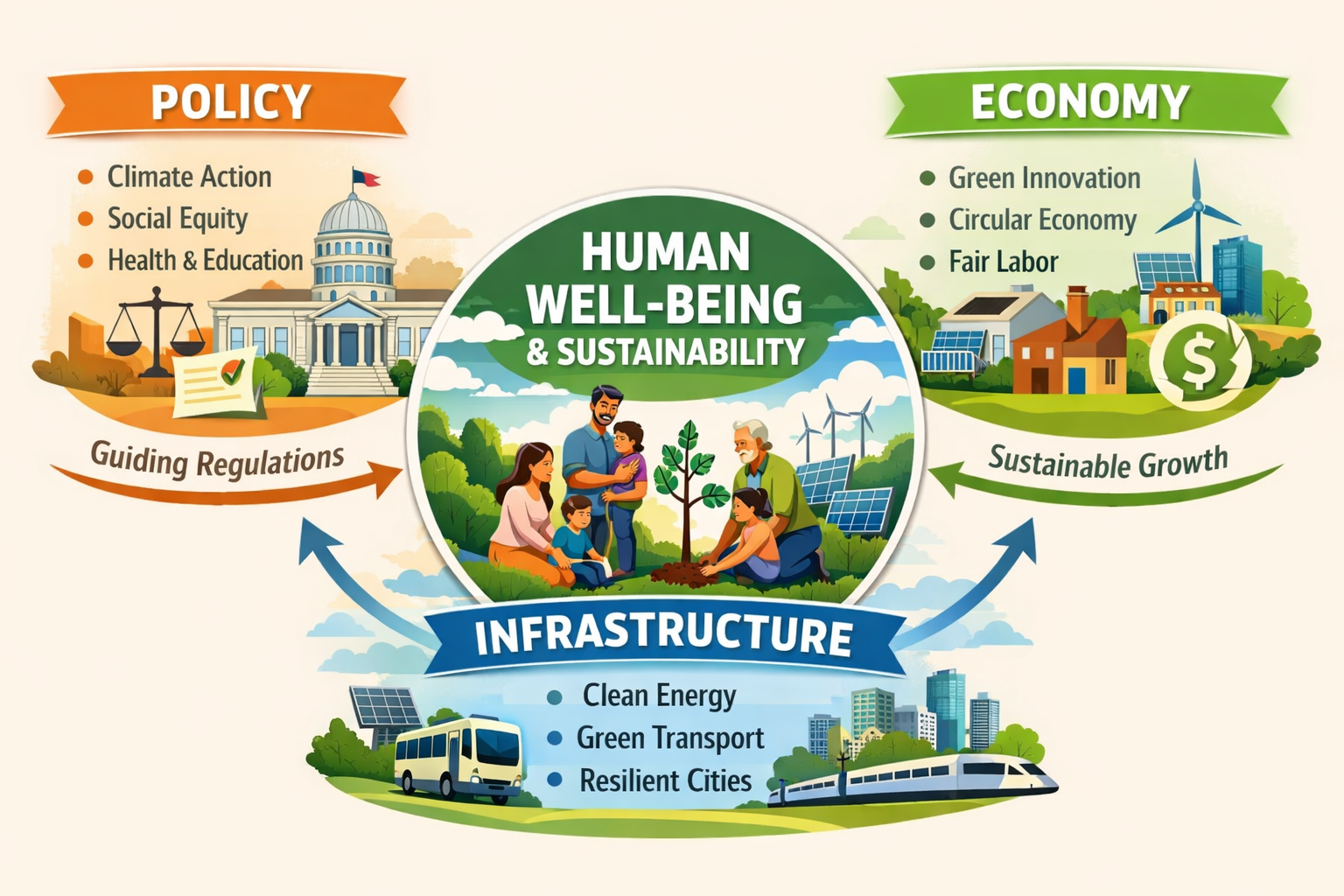
In this episode of Positively Pedestrian, we discuss the idea of building a grassroots movement where people join forces and work toward collectively improving their health and wellness by supporting and caring for one another. The trend here in the United States is socialism for the wealthy and dog eat dog free-market capitalism for everyone else. The reason we don't have universal healthcare in America is if we were to flip the switch and suddenly tens of millions of poor and extremely unhealthy patients entered the system, the healthcare system would be overwhelmed, and the truth of the horrific general health of the American public would be revealed. We'd have to cut military spending and corporate welfare to afford it. We discuss how this type of change may come about.
Now in the show

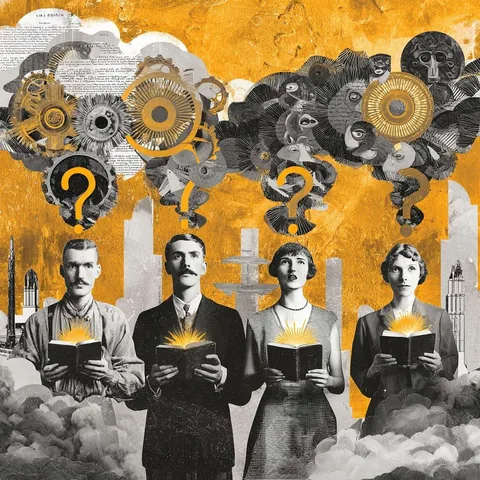
Episode Art 7 pieces



Full Transcript
You gotta stop that. I'm already recording. How are you doing this morning? Good man. Good. Fucking, What can we tell him to get out of here? I dropped my fucking recorder, and I thought I lost one of the batteries, but it had both batteries in it. I thought there were three. Yo, that's funny. The problem with these things is that, you know, if the battery comes out, you lose the date and time.
I like it, doesn't name the files appropriately. Really? Yeah. So there's a bunch of files on mine I had to, like, figure out what the date was like off of one, and then use the map to do the math. No big deal. The, But it's more convenient when it puts the right date on the file. Yeah. No doubt about 2000 something.
Not when you got context. Yeah. So. So, today, I figured we talk about, Just something I've been thinking about is, you know, remember we talked about this idea of, like, what would we want for other people, like, so, you know, I did lock the door. You think you did? Okay. I remember hearing, like, a click, I didn't, okay, I did I didn't see it, but I think I heard it.
All right, all right, all right, all right. Well, we'll find out when we get back. When everything in your house is missing. And there's people, new people living in there. That or nothing. Yeah. Sam sleeping. And there's a pregnant raccoon in the living room. Of course. Actively birthing. Yeah, yeah, yeah. Because, you know, it takes the opportunity of the warm, you know.
And it, like, doesn't even bind you, right? Yeah. Yeah. It's finishes. Okay. Just looks at you like you. We both know what this is. Life will find a way. You're not man enough to actually, like, touch me. So unless you have a broom or something else in your hand, I'm completely safe. Damn. And the thing is, it's not wrong.
It's not wrong. I'm going to let it finish. I didn't mean to lead us to a dead end here. I didn't I didn't know, I didn't. No, no, no, I wanted to kind of head back to that Greenway. That was kind of cool, man. Know. I thought it read when I was there. We walked yesterday on that, like, you know, oh, we can get back here.
I've gone. I've gone home this way. Okay, I'm saying we can go beyond that. I mean, it's your hood, man. I don't know, but anyway, so, my mind's. I'm pregnant. Raccoon. Now, but, you know, we were talking about. And I totally think this is true. I mean, because, you know, I, I've talked to a lot of people.
Oh, much like. Yeah, a lot of hazards this morning. Yeah. You know, so, anyway, you know, I've talked to a lot of people about this, and I think this is universally true, that the overwhelming majority of people want to see others, you know, in good shape. Yeah. No. Like I don't there's very few people that I've met, you know, that have like, been so pessimistic that, you know, it doesn't bother them to see other people of like, be depraved or be.
Yeah, it's very rare. Most people like just naturally have the, you know, empathy and compassion and all that kind of stuff. Don't want to see homeless people, don't want to see people sick or hurting. Right? Right. And, you know, take that a little bit further. I think, I believe I, I like basically know that it's true that an overwhelming majority of people don't want to see anybody hungry or right, sick or hurt, harmed otherwise in bad shape and suffering in some way.
Yeah. In general, people don't like to see that. Yeah. Now, of course you can learn to when it's something's omnipresent, you can get numb to it. Like, you know, you get to the point where you just walk by that homeless person and don't even see them. You know, you're just absolutely jaded to the core. Yeah. There's, you know, I have a hard time with that.
Like, I have a hard time like getting to the point where I don't see the person. Yeah. And I I'm glad you do. I think that's a good thing. And that's kind of universal too. Like, I have a hard time not seeing it no matter what the situation. How are you doing? Morning. And, you know, but but and I think that's typical.
I think most people, you know, when they see that, they notice it and they feel it some degree. Right. Like their empathy is triggered to some degree. Yeah. Yeah. You know, so, you know, whether or not somebody is motivated to do something about it, they don't like it. Yeah. So it's thinking like if that's kind of the norm of society, you know, you know, shouldn't our laws match up?
Shouldn't our society match up with the kind of beliefs and the sentiments of the people? You know, you'd think that would just make logical sense, that over time the laws would kind of match up with that. And so you look and say, well, there are some things in place and there's there's Social Security and Medicaid and, you know, homeless shelters, homeless shelters and charities and churches and all these things have sprung up to kind of, you know, rise to the occasion of trying to offset some of the stuff.
Yeah. And they somewhat fill the gap, right? Yeah, they somewhat fill the gap. But I'm talking like, you know what I want? I would like to have universal guarantee that, you know, you have nutrition security and you have your food, clothing, shelter, security, all the basic security, all the basic needs of a human being are automatic universally across the planet.
You know, that's what I'd like to see. But I know I'm a dreamer, but, you know. But that's what I'd like to see. But I would like to see the same thing. I know we can provide it. That's kind of why I go on rants about billionaires, because, I mean, you know, the World Health Organization's correct. I mean, it wouldn't take much of their money to actually make a huge dip and not just make not just like fill the need, but also put in provisions to make sure it's sustainable, you know?
Yeah. Yeah. I mean, you know, it's not like it's not like it has to be a black hole that we throw resources and money down it. We can fix this. It's a problem that can be fixed now. It requires sweeping changes throughout society and throughout the world. But it can be fixed. Yeah. And so you were saying also that, you know, you really kind of couldn't be a billionaire because you would see that need and you just feel your heart would just have to react like, yeah.
So you couldn't have that much money because, you know, after your needs were met, you would just part with it. Yeah. You kind of offset human need. Yeah. Yeah. I mean really, you know, and I would do it wildly, inefficiently and I would do it terribly, but I would try to do it. Fair enough. So, so again, like, so why doesn't full scale the needs of our.
Yeah. I don't know. It's like the world of loud vehicles for us. So strange. Like you're like like not an industrial town, but it seems like we are in the thing, is it. It's not normally this bad. It's like for us only. Yeah, yeah. It's like the people that that have that one cloud over their head, like, no matter where they go.
Yeah, that's us with like, loud vehicles. We bring the loud vehicles with us. It's like, they all have a GPS coordinates on us, and they're like, you know, they're over there, over at Ellen Street. Go get them. Yeah. They're talking so they get points. It's all gamified, right? Right. We're talking about disrupting the world. Does it is the status quo.
Must maintain. Yeah. They might have to have a listener some day that, that agrees. You know, we can't have that a single one with power and influence. Yeah. Just the way. Sure. Hey, we go to this, like black belly of the abyss. Awesome. Yeah, yeah, it's, it is what one would carefully call darkness down this way.
Yeah. So I'm I'm sitting there thinking, like. So why? Like, why doesn't the the, the the structure of our society laws, you know, like the way, you know, why doesn't that fit what really people want for other people. You know, why doesn't it just why does it just match that. Because it can't. Right. So why. And the reason it, the thing that, like, came to mind is that if they did, let's just say tomorrow, you know, whoever's in power, like, snaps their fingers or whoever, you know, Congress, just like all three, all three branches of government, like, align with the idea that, you know, we're going to have everyone's going to have access
to food, clothing, shelter, water, health care, etc., like the basic necessities. Just like free public education is normal, is normal. And like we just take it for granted or if it's guaranteed, right? So that for all these other things I'm talking about, you know, food, clothing, shelter, water, like a shelter, water, so many times it's like just rolls off my tongue now.
Well, you know, in health care, you know, let's just say I have a couple more things. But just to keep it basic. Well, yeah, I mean, that would be a platform for us all to build upon. That would raise the bottom. All boats would rise as one. And the economy would definitely prosper once it got once the dust settled from that major change.
Yeah. I mean, the shockwave I would give it half a generation before things really started to crank the crank on. Yeah. And so like, I believe that when you invest in people that that's a solid investment for the future. Like that's a solid investment in society. Yeah. It's a solid investment in the in the wealth of the nation.
Right. Yeah. Invest in the people. Not in the not in in just a handful of people and not into enterprise. You put it in here and that is not. Do you live this long? You could have given. I was ranting when they made those that they could have just given the money to people. Oh and it oh, same thing with the housing crisis.
Yep. If they gave the if they gave the money to everyone, yeah. Then everyone would have been able to pay their mortgages and the companies would have been bailed out anyway. But. Right. Yeah. The, you know. Oh, how a lot of car maker give people money to buy cars. Yeah. It seemed like the kind of power brokers in that whole scenario, like, kind of forced the hand of government they had, like, the economy, you know, like, held hostage.
Yeah. Yeah. That's what it felt like to me. It really did. And then they misappropriated it and fucked it up, then apologized for it, then fucked it up again. Yeah. I mean, it's pretty clear if you just give open ended money to, you know, companies, what are they going to do with it? They're going to do what maximizes their return on that money, like they're going to maximize the benefits of the companies of the individuals who were in power at that company, like, which is what AIG and several other companies did go on executive junkets, go, you know, give themselves bonuses.
Yeah. So it turned out to be like a major reward for fucking up. Yeah. Let's go, let's go this way for kind of cool, you know. And it's and it's even it even goes down to the individual executive level with the concept of golden parachutes. Yeah. It's kind of interesting, this idea that, not just the too big to fail, but this idea that maybe the infrastructure is designed, that if in the event of like a major catastrophe, there's like a payout.
So like, yeah, major catastrophe is is almost a good thing. Right? Right. It's definitely part of the pumping, you know, like the CEO of old Merrill Lynch at around that same time, completely fucked up, screwed up, didn't know what he was doing. Fucking terrible. And then got some kind of big bonus. Gets a golden parachute of, like, $17 million.
That's that's kind of sad, but, you know. Okay. So anyway, let's just say, for argument's sake, you start to kind of point the, power of society towards humanity's, let's just say. Yeah. Pragmatic, right? Yeah. So it's it's pretty clear, like during World War Two when the veterans came up, when the doughboys came home, there's like all these ticker tape parade, you know, and the everyone celebrating them as heroes, you know.
Yeah. Yeah. Because we won the war and all this great stuff helped win the war. And, so they gave all these, these people like GI Bill, that was, that was that worked. You know, the GI Bill was more than paid for college. It was enough to like get a mortgage for a lot of people, which is amazing.
Right. And, you know, if they had kept the money at the same level, it would be totally worth it now to be in the military. Yeah. You can get college and a mortgage. Yeah, right. I mean, set you up for entry into the middle class. Yes. You know, after that service, I mean, sounds like a pretty decent thing to do for veterans, especially combat veterans.
Exactly. You know, because they have some other things maybe to deal with. Well, yeah, you want to give them entree into a decent life where, you know, they can they have the room to deal with the rest of the trauma, the craziness. And from what I understand, you know the, the, the math, when you do the long term math on that investment in those people, it translated into incredible wealth nation like it was a great investment.
Well yeah. The government saw the return on that investment multiple fold. You think about all the people that came back and started businesses all the way from World War Two through Vietnam. Yeah, exactly, exactly. And, you know, had the cash in pocket to continue on with what they wanted to do and go to college. So that set up their education.
And yeah, not everything. I've had several bosses who were Vietnam vets and their reason, and I asked all of them what was the what was the impetus, what was the what was the driving force and what allowed you to do it right? Yeah. And they were like, well, money. I got back money I got during combat pay as well as the money I got the GI Bill, and then I had to drive because I was in the military.
That's awesome. You know, that's that's like, you know, sounds the way it should be. It just sounds like it sounds right. Yeah. You know, and so, again, that's like an example of investment in people and, you know, that that translates into a, a boon to the economy down the road, right down straight down stream positive effects. And so, you know, I'm still thinking like, so why, you know, don't doesn't the law right now in 2022 match the sentiments of the people as far as like our, want to take care of each other and you know, although I don't personally go back to what we just mentioned about the companies that coerce the
government into thinking they needed the bailout, I'm going to put the onus of responsibility squarely upon their shoulders. I see, so these industrial complexes are what grinds the the, interest away from the people to these smaller to these, you know, small interest, special interests, you know, and I think we might both feel the same way to a degree.
But yeah, that's ultimately what I blame. If I was to storm the Bastille, so to speak. Yeah, sure. I would head. Yeah. Like find way to basically ban industrial complexes, you know, of all countries or at least, do what happened to Big Tobacco quite a few years ago and loosen their grip on society a bit? Yeah. The big tobacco is an interesting case because that's the reason, I guess that became an easy target was because it just became undeniable that smoking was horrible for you.
Right? You know, the more doctors smoke x, y, z cigaret doesn't work anymore. You know, just because the science, you know, was so, so convincing. And so then tobacco became an easy target. Well, the food industry is no, it's just where it all went to. I mean, Philip Morris bought Kraft. Yeah. You know, it's not a coincidence, right?
And, you know how they do that instead of being like, hey, let's move to a new product. That's not that. Anyway, that's a whole nother topic. Well, okay. They saw the same opportunity. Another vice. Yeah. And really, that's what it is. It's trafficking in these things that have us, you know, down there just naturally addictive qualities to them.
Yeah. Right. Like there's receptors in the brain for nicotine you know. So just like the opioids are do it. Now there's receptors in the brain for opioids. Yep. Anything that's got that E and I and E complex you know chain on it seems to have a hook in the brain. Yeah. And you know. Then there's the the dope being had nostalgia.
The you know, the all these societal things, making it easier to buy a hard at Walmart. You can buy a box of macaroni and cheese for $0.34. And that's just fucking outrageously terrible for your health. Absolutely, absolutely. Yeah. You throw a stick of butter in it, have a stick of butter or whatever it calls for, and then it tastes good.
And the milk and then that whatever emulsified shit they tried to call cheese. Oh, yeah. Tastes fucking good. Yeah. But unfortunately unfortunate. Yeah. I mean, so of course people that are on a budget are going to notice that and say, oh, okay, we can get back cheese going. Yeah. Yeah. Or and then we can have mac and cheese every other night.
Yeah yeah yeah. And sure we can have, we can have four boxes. Yeah, yeah a box for every person in the family, you know, get everybody for. Yeah. And that's really, that's what people are looking at. Not did they get nutrition are they for. Yeah. And then and then the downstream consequences of that are amazing. Like massive you know the diabetes the attenuating yourself with that type of food.
Right. Right. I mean I've met so many people who that's like their taste, that's their nostalgia. That's what they're like. That's that's home cooking. Yeah. So people are generally people no matter where you go. So like, you know, you go, so you go to India, let's say, and you know, they're eating these foods that a lot of us would have no taste for, like, you know, American should be like, no, it doesn't taste good to me.
Right. Like, well, if we do taste good, but yeah, a lot of the others like the really high spice ones and stuff. Sure. We're like, you know. Yeah, yeah. Okay. And, you know, when you're when you're in that society and you grow up and that's the food. That's what your body attenuates too. Yeah. And then if you go live in another country, you still seek out your, your traditional foods.
Yeah. Like my buddy said to you, he's from India. Like dirt poor India like the real idea, right? Like riding his bike to the next town over to steal mangoes to eat. Yeah. Right. Right, right. You know. Yup. And, you know, he's now, that when it, you know, and, handles, to send money home proxies.
Yeah. Yeah. Remittances are a big deal. And that, but
He, makes a ton of cash he had to pay for, you know, certain things in their culture like his, nephew had to have this ceremony where they get all this gold bestowed upon them, get a golden ear ring. Oh, yeah. Yeah. All of these things basically celebrate their birth. Yeah. And you have to do it by the time they're eight years old.
He said he had to save up money for years just to make that happen twice. Oh, wow. That's cool. Custom now. Yeah. Like you kind of have this not necessarily coming of age but just this point and you know, milestone, you know, celebrating a particular event. It's kind of cool. Yeah. It is. It's really neat. But you know, he all the time is seeking out, like you were saying, Indian food, Indian culture.
Yeah. Because that's what you're naturally accustomed to. Yeah. And so when you know it's mac and cheese three nights a week, you find your skin and own macaroni cheese for the rest of your life. That's a game. And then in comes the diabetes and comes the devastation to your health. And because the only reason I even know mac and cheese $0.34 is because I was reading an article the other day where some asshole was trying to find the top mac and cheese.
Gotcha. What do you know the 34 cent box one? Yeah, well, you know where you can find a way to make cars run on mac and cheese because we're out in 2010. Gas. Yeah. You know, if we can just put it vast Mac orange, 36 box mac and cheese in there and go ten miles. We're good to go bad at, you know, probably the cheese itself is enough to I'm sure the it's like the back to the future reactor in the back of the car.
Right. Just throw some garbage in there and yeah, we'll just have some trouble. We can have some kind of algae powering through this. It's, it's, Walmart next juice. Brilliant, brilliant. Could you be the next billionaire? You make that shit? Yeah. You know. So, anyway, back to, kind of had a thought I wanted to get out.
Oh, sorry. No, no, no, it's what we do. It's. That's what makes our currency interesting. You know where the hell they might go? Right. But, anyway, so this idea of, You know, what if what if we flipped a switch, right? So, like that person, that person, you know, have everybody. Everybody, right? We just do Oprah.
Yeah. Everybody gets everything. Health care for you enough. So you just get something right. So I'm thinking, you know, boom. What if we did that? Bam tomorrow? Done. Right. And, just who cares? We're going to deficit to pay. It doesn't matter. We're paying it. Yep. It's there for everybody. Right. Well I think I think I know why.
And that is, the reality, the truth behind how sick our country really is, both physically and mentally, would absolutely overwhelm our society. Like, our society would basically have no chance to ever come out of that hole because we'd be so bankrupt. Wow. Right. And so I think that's it. I think that's it. So we would rather pay into this military industrial complex and have, you know, massive percentage of the budget go to military to remain to remain, you know, get that power position.
I'm sure it doesn't hurt when you when you go to any negotiating table you like. We could really. Yeah. We are the only superpower left in the world. Right. Yeah. And so I, I don't think it I don't think it hurts as a negotiating table no matter what you're negotiating for. Right. Yeah. To have behind you the largest, the only superpower in the world.
Right. Yeah. So if you're going to hedge your bets. Right. Put money into that and you know, your ass is covered. Yeah. Walks off softly. Carry a big stick. Yeah, I think that that big stick when it's like the Green Giant dick telephone pole, you know, and everyone else has a twig, you know, it's pretty clear what could happen.
Yeah. You know, if we decide we're just going to, you know, label you a terrorist and you're doomed and you're fucked, right? So that military, that military expenditure that basically allows us to leverage the whole world, keep the dollars, the world currency, all those kind of, you know, embedded infrastructure, that comes with that is like the cream is what makes America, secure in its cash flow, if you will.
Yeah. Right. So it allows the low spending corporations to operate. Right. And so the truth is, when you invest in people, if you if you turn America into a superstructure of, you know, incredibly like doing what you know, how you by doing too well how you, sir don't have a good day now. Same. You know so so you had this society of like intelligent, happy, secured people, you know, that that work because they want to, because they feel like the work is worth doing, you know, something that worth doing with your time.
Yeah. And you kind of, like, enlighten and enable a society, the future returns on that investment would be uncountable. We are. But then but they're not the short term. That's what I'm getting at. Yes. And you're getting it. We'd have to do something similar to what we did with the Big Tobacco. We'd have to admit collectively. Yes, thanks.
We're messed up. And they needed to change. Yes, exactly. That's that's a big thing. Like, you know, that America isn't the best country on all fronts, right? So it's like acknowledgment is the first. Right? Like admitting the problem is the first step. And I think that's kind of what you're saying. Yeah. You know, so until you realize the problem so so basically, you know, if I were emperor, you know, you know, if I, if I was somehow calling the shots and for Trump, I wouldn't, I wouldn't change everything immediately.
2024 would be just too shocking, right? Like street, too shocking to change it. Right? Like, snap your fingers, change it. Sure. So. But put it on a really aggressive plan of transformation, right? Let people know this is the direction you're headed. Yes. And you're doing it starting today. We're we're we're switching our priorities of our nation from a global super military superpower to a humanity and humanity superpower.
If this were China.
You could. Yeah. Yeah. There you go. We're going to we're transforming into a global humanity superpower, not a global military superpower. Well, you got to look it. We're going to be the first humanity superpower. What do we have the most resources up, you know, what do we have the most up? We have the most people. So why would we take care of the people, right?
Yeah. We don't have the most people. You know what I'm saying? In the world, if we're looking at, you know, lost me, how does the United States have the most not not not the United States? Oh, talking about people in general here, like government. Oh, okay. Do you have a lot of. Oh, I have a few. Everything else I see, I see you have a shit ton of people.
Yeah. Right. So yeah. So if you go back to the human resources idea. Yeah, you have human resources, you have a certain amount of uranium, nickel, coal, you know, all these things right? In your, in your by and far, it's dwarfed by the number of people. Sure. I see the same. Yeah. So the human capital is the largest capital we have.
Yeah. So why not preserve this in that. Right. Right. Because that's going to be inevitably the future, right? Yeah. Yeah. So, you know, I think the reason why though, United States doesn't just say, you know what, universal healthcare makes sense. Loud noises. Hey, I think the reason that it doesn't happen like it slowly is like moving in that direction.
The reason universal health care doesn't happen is because we would hit a tsunami of what would be revealed is how ill people really are, if they all of a sudden are in the system. So they need a bunch of sick people that aren't in the system offsetting the current system, otherwise the system to be overwhelmed. You saw that with Covid.
Well system was over in some places. We are in the throes of dealing with Covid and it's after effects. Okay, so I haven't moved beyond that. What if every person all of a sudden like, shows up at their local family physician? Okay, first of all, obtains a family physician, right? Right. And then, I don't care. It just shows up at the urgent care.
Yeah. Right. Tomorrow, you know, and they're every single person as basic blood screening done. Do you know what that's going to reveal in our country? Like, do you know how many people all of a sudden will be now registered diabetics? How many people all these how many sicknesses you're going to uncover, right. Because everything and it's going to run the gamut, everything from cancer to oh my God, you know, you've got gallbladder issues, right?
And so with poor people, what happens is they don't wash up on shore with the illness because of the cost, right, that the cost of the health care that they're going to face, even if it's co-pay, is so much it deters them from utilizing the health care. Right. And so it's a deterrent because if all of a sudden tomorrow, everyone had full coverage, everyone would go see the doctor.
Yeah. Why would you not like at least a good portion of people would? Oh, I think I'm the overwhelming majority of people that currently have expensive or limited or no health care. If tomorrow you said, hey, anyone that wants to, you can go see the doctor free of charge. You have a tsunami of people showing up. Yeah, you do have a lot of people staying out of work and it would be like a massive strike, right?
And then all of a sudden we'd find out that, oh my gosh, the new, the, you know, 40% of our country is nutrition deprived, like, has a nutrient deficiency. You know, 30% of our country is diabetic, like full, full diabetic and then there's another 20% that's pre-diabetic. You know, we can't have that. Okay. Now the the new chance, the new champion of telephone pole.
Jesus. We need to take a picture of this. I put it with the podcast. Yeah. Like put a put a ruler up answer to show, like, yeah, Jesus. I can get like one of those flexible tape measures for measuring girth that's massive. That's massive. What the fuck? Yeah, it's the girth is the size of my fucking forearm. Right?
Lengthwise. Yeah. So I think that's the reason, John, I think that, you know, the reason that our policy, if you will, or government regulations was don't line up with what people want is because of that reason, because the price tag would reveal the reality of the situation. Right. And so we're so good at pretending about reality, right?
I'm just going to say that we're so good at pretending, you know, this is just another thing. We have our head in the sand about know. And so how do you fix this? This has to be there is no way to fix this. As far as like because of the industrial complexes that clearly now have been entrenched for close to 100 years.
Right? Are not letting their grip go anytime soon. In fact, they just keep intensifying, right? So it has to start at the grassroots, has to start with community involvement, community engagement. You have to find a way to transform community by community, the waistline of America, you know, if you want to call it that, community by community, you have to do it.
Not for country or for government or for God. No, you have to do it for people, for the health and wellness of people. Because, okay, what will be evermore enduring when you look at those God country or people, people 100% human beings are going to persist, right? They have children and their children have children, and we want those children of the children's children.
Philosophy is will change. The driving force behind them will change, you know, rally will change, Morality will change. Yes. All of it. All of it is in a constant state of flux. You can't pin it down. And arguably you shouldn't. It just naturally is. It isn't. It naturally can't be pinned down. Yeah. History shows how clearly it all changes.
Okay. All right. Okay. So yeah. So the fact the truth is that we need some kind of way, some person literally like a civilian leader to rise up and say, look, people, we have to do it for ourselves, you know? But again, they have to be willing to assume a cult of personality here. And say, this idea is bigger than me.
We are building structures. We're building things in place to manage this, to perpetuate it. You know, it can't it can't be centered around Johnny Appleseed. Right. There you go. Sure. And how I don't know how this is, is obtainable, but I want to see something happen because, you know, by God, do we ever need it? Yeah. Yeah.
It'd just be so cool for this, like, counterculture to emerge where, you know, I don't you know, how quickly it would be labeled cult and how skeptical people are because people don't join organizations anymore like they used to, right? You know, like, don't join, the Rotary Club. You don't join the Lions Club. Yeah. All these clubs are waning because of that.
You know, church is no different. Church is waning over time. It's clear the youth have no interest. Right? You know, in fact, like, everything is every everything that involves collectivism and group ism in the United States is waning. And that's might be good for profits, but it's terrible for people. Yes. You know, promises that, you know, you get some one of these groups and you get pounced on like, you know, people want to be able to consume groups on the periphery without feeling like, you know, there's no union dues, if you will.
Right? You know, and you don't get pounced on ideologically. Right? They weren't talking about that group, that Christian group. They want to have Bible study like six times a week and shit. Yeah, yeah, it counts on you, right? Right. Well, they pounced on me, but they pounced on me in a way, too, that they tried to exclude other things which were clearly important in my life.
Like I'm paying to go to school. That should be one of my top priorities, right? Right right right, right. So they would say going into debt for this, you know. Yeah. And so they would say, yeah, that's not important. No top priorities. Top priorities Jesus. Yeah. Your top priority is being in this room that you'll only be in for a limited amount of time because of the fact that you're not focusing on school.
So you're going to be out of this school soon anyway. So you think if they wanted to maintain that grassroots community, they built a UCC, they would encourage people in school. They'd stay there longer so they would spend the longer. Yeah, man, I would love to do I would love to do some kind of basic study. It probably has been done.
It's probably been over. It was not aware of it. But I'd love to do a basic study of just like canvass the neighborhood, you know, tell everybody, look, you're going to get 50 bucks to participate or whatever, right? Get some kind of reward from association. And when you participate in this thing, we're going to basically get a scorecard for you on your health and wellness, that you have access to.
Yeah. That you can data 100% transparent for yourself. Sure. So, you know, it's not like we take your data and run and we don't sell it and we're not going to sell it. Right. Just a study. And what we're going to do is we're going to track these metrics over six months or a year, a year. My more realistic.
And we're going to basically let you see a chart of your progress as far as like changing your overall health disposition. Yeah. And here's how we're going to do it. We're going to go about it. This way. You spell it out perfectly clear. You know. And then you get these people like to start to see a transformation within themselves.
Right. Plus have a link to community like, you know, like maybe have a forum there where people can talk about things or, you know, like what we're doing, you know, just you and I, we're we're walking, we're friends. We get to spend time together. You know, we're walking. We're doing a podcast now on top of that, for fun.
Yeah, yeah. You know, but, you know, we're trying to get our health improvement right by walking a few miles a day here. Right. And so, you know, that kind of thing. And there's this sense of community, like, I look forward every day to seeing you and, you know. Oh, yeah, man, you're doing this because it's good for me across the board.
Yeah. I have someone to talk to, you know, just in going gets the mind going and, you know, I'm staying off deep vein thrombosis from the 20 hours a day. I sit in a chair, you know, shit. So. Yeah. Team Hogan, it's it's very well. Could be like, the reason I'm still alive. You know, Oh.
That's wonderful, you know? And so, like, just take that to a higher level. I'm not saying, like, a bunch of people get together walking out a podcast and talking about, like, you know, at the local, park at six, six a Am. You have 25 people. Yeah. And those 25 people make a commitment to supporting each other, encouraging each other.
Right, to improve their health. And you have specialists come in that that can help do like small seminars on diet, you know, just basics, the basics, you know, and and use that as a springboard, this new kind of counterculture, I really feel like it needs to start at the bottom of the socio economic ladder. Yeah, that's I'm talking about.
Yeah, you do it in the ghetto for lack of better terms. Yeah. I don't think that's a very useful term these days. I think there isn't that outmoded term ghetto. I'm sure it's outmoded. Pejorative sounds that way to me. Yeah, but regardless, it's a shortcut for a lot of the things we're talking about. Yeah. So. So if I just go and say, in general, you know, the reason why there's not universal health care is because we have a lot of poor people in this country that are very unhealthy.
We just walked by a minute ago, a whole bunch of them. Yeah. Do you see that? You see the like how massive they're, you know, is our size of the people we walked by was we had to be like 40% BMI or 40 BMI. Right. And the average dude was five, six and 300 pounds. Dude, the amount of suffering that those people are either enduring right now or going to be enduring this.
One of the guys we saw was walking with a cane. There you go, there you go. So this is like dialysis from, you know, kidney disease related. I'm not even sure why. There was also a predominant culture there. Then we saw there was, you know, and you know, but it goes more along with it because more along with socioeconomic status, it does any kind of like, quote unquote race or it does.
Yeah. It really socioeconomic status combined with your like my culture is the same as theirs as far as food. So when I grew up in I'm it was southern food. Fatty stuff. Cheap stuff. Yep. You know and yeah, it was it's stuff that if you eat constantly, you're going to you're not going to be in great shape.
Yeah. So like just think of cheese for example. Like when I was a kid, literally I think my dad was like selling wheat and would take pretty much anything as payment. Oh shit. So I think like at one point, you know, we had these like two big bricks of government cheese and somebody gave for like a dime bag or something.
Yeah. And, you know, but but like, cheese in general, you know, number one source of saturated fat in American diet. No offense. No offense to you. I go into your fridge right now, I get into your. But you will find three blocks of cheese that I rest my case. Right? So, I had some cheese last night where, like,
I'm pretty good at finding our way back home early. Yeah, yeah. And, Yeah. So there you have it. Right. And so you're you've been attenuated to your childhood and through your experience in this typical culture of the American diet, to think that, like, cheese is a valid source of food, but it's absolutely not. It's like saturated fat, very little nutrition, you know, so just horrific for your body okay.
It's basically veins not yeah. Nice. Want to clog your arteries. You know, throw some cheese in there. Okay. Well you know yum. But maybe you can start to not think of it that way. Right. You can start to think of it as disgusting. Yeah. Like, you know, you realize that, like, milk and cheese has a certain amount of pus that's allowed in it from the animal.
Yeah. Hey, you like cheese now? It's just like, how's that sound? It's just like pasta sauce. There's so much rat poop allowed in Canada's yard. Possible. I don't know, man. Like like cow. Cause is a little like. I don't think I'd rather eat rat turd. Yeah. I mean, because at least it's, like, boiled and homogenized. So is the milk.
The milk is homogenized and processed. Yeah. Probably. Right. Right. Okay, so how about this? Both rat turd and plus, it's fucking horrifically disgusting. I mean, they're gross. How about that for gross? I yeah. On the same plane. They're both really nasty and, Yeah. So like, not eating cheese and not eating processed was probably a good idea for me.
Probably. My waistline would definitely improve, right? Somewhere within to me a picture of how much sugar is in typical pasta sauces. Yeah. And it's like, stupid, right? Yeah. 2 or 3 cups and some of them for a jar. I don't know what it is for me, man. That high fructose corn sirup fucked me up. Does it? Really?
Yep. I think I learned, like last year around October ish. We're in the car and I like, my daughter had some Skittles and she's like, hey, dad, you want something? I was like, sure. It took like 5 or 6 years. Okay, so just a little handful. And I felt like my GCF red, like almost instantly. Oh, Jesus.
And it was like, wait a minute. And like, I started to feel like kind of un unwell, like, throughout my body, like in some kind of feeling of malaise. And it's like, wait, I just never connected it before. What's what are the what's the ingredients in these now things? Red dye number 40. Like 100% high fructose corn sirup.
Oh, yeah. You know and so I started to, like, just test my body. I started to, you know, pay attention. Yeah. To how I feel after different things and realized that, oh my God, high fructose corn sirup. Just thought to be obvious. It's not your body's not happy with it. Yeah, like that is bad. I'm particularly sensitive to it.
And so, that's interesting. Then I tried it out with, like, cane sugar, you know, type of thing. Yeah. And then white sugar and also, like, raw sugar. Come to find out, like, the raw sugar has almost no effect on me. Negative. Okay. And the white sugar has, like, a little bit. Okay. Oh. Bad feeling sugar. Yeah.
Like the white. Yeah. Processed you know bleached sugar whatever. Right, right. But like if you were to drink soda, that was pure cane sugar I don't. Mexico. Yeah I can't drink it. You can't drink it. You know that because it's so much. Okay. That makes me feel kind of sick. Okay. But if I take, like, a spoonful, if you will, of, like, if I were to put a spoonful of Karo corn sirup in my coffee.
Right. I just feel like wanting to fall asleep, you know? All right. From, like, this diabetic situation, your body hates. Yeah. Not to put like, personal medical things on the on a recording, but, I've been working with endocrinologist. I might have some kind of unique genetic thing that, has me as, like a, what looks like type two diabetes, but it's type one.
Really? That's interesting. May be taking insulin. Johnson. That's interesting. Well, at least your, an endocrinologist to figure it out. Yeah, because, you know, diet, exercise, all these weird. It's like a garage. It's not a garage. That is. That is weird. So, Yeah, come to find out, I have something really unique going on. Which makes sense, because given my lifestyle and my diet and all that, there's no way I should be high sugar.
Yeah. You know, seriously, there's, like, doesn't make any sense, right? And, so we're starting to figure it out. I did a special, run of labs and all that. So hopefully within six months or so, it'll be under control. Finally. Well, heck yeah. And, my health can start to make a big improvement there. Yeah, but it's like.
Yeah, it's it's it's nothing to do with without my, my choices and habits and lifestyle. You know, I mean yeah. Okay. So I'm 20 pounds overweight, but not like I shouldn't be in the, you know, ridiculously high sugar category, right. You know, sticking my finger in is like, practically in tears because I'm like, I can't I can't understand this.
It doesn't make any sense. Yeah. You know how the hell would it be this high? I haven't even seen anything. Right? Yeah. And, you know, and come to find out, you know, it's some kind of weird, unique thing. Exactly. Like with my family. High triglycerides. That's right. Democrats and no blood in it. So we've got to go back to talking about cheese.
Well, what I'm saying is like, okay, so, like, my grandmother is on a restricted diet, it doesn't have a lot of the triggers that normally cause people high triglycerides. Sure. Yeah. I hear you saying same same situation. I just yeah, different process. And, you know, the idea is it's genetic. Sure. And, you know, I, I've managed to, for a time when I was eating mostly salads and lean proteins.
I managed to get out from under it, but I'm inching up. Back again, and it's just, you know, it's diet. It's exercise. It's it's those things that I really have to pay attention to. And I guess. Even more so than no normal person would. And I guess you're in that same situation. Yeah. So yeah, I have all kinds of strange.
Yeah, all kinds of strange. Like, blood gas readings and stuff from, like, now what's being revealed as a series of unique and complex. Yeah. These things. Yeah. Exactly. And, you know, I'm totally willing to go on any particular diet and not a problem. Yeah, as long as it makes things better. If I'm here for my kids and I'm not falling asleep all day, every time I eat a meal and you know everything else, I'm.
I'm all for it. Hey, you know, I really you just go into a coma almost sometimes eight turns on the food, right? Yeah. So how high the glycemic index was at the food? That's. Yeah, believe it or not. Kind of. Yeah, but. But it's not just the glycemic index. The types of foods as well that I'm starting to learn, but, you know, I'll figure out with the center panel, just diet and dietitian, see, which is nice.
I have access to health care to help me with that. Yeah, yeah. Otherwise I'd just live with this. This health care and the knowledge of the medical system. That's what I'm talking about. You put now all these patients into the system, right? It all have complex or even more complex situations that I'm even facing. Right. You know, we have like, health care through employer type thing, know.
Right there an employer we have, you know, a couple thousand dollars a year for the whole family. We have to pay out co-pays. Yep. You know, but once that's done, whole entire family's health is taken care of. Yeah. So that's that's like godsend, you know. Absolutely. Then to not have that so, you know, all the school physicals, the kid's really perfectly healthy.
But you know, as soon I age, we have all these little issues. You have to dental and freaking, you know, you name it. Oh, yeah. And, with these complex health situations, it gets expensive pretty quick. Yeah. You know, but so. And see, that's what I get back to is I want that for everybody. Yeah. I want anybody that's sick.
You know, anyone that doesn't feel good. And anyone that's sick in any way does not feel like that's just what has to happen. Yeah. Not just be able to, like, swallow a pill, but to, like, have a method, a pathway to change the lifestyle, you know, to one where they can actually be healthy and well and have energy and be productive.
You see anything? Yeah. Oh, really? Wow. I haven't seen a rabbit for months. Yeah, well, these cats are at an extent. Yeah. So, you know, I think that's the reason that kind of summary of another bunny. Funny. That's shift from what I understand. They can multiply pretty quick. Oh yeah. If we come by here and another month and there's about 5000 colloquialism fucking like rabbit.
Yeah. Multiplying like rabbits. Yeah. So my conclusion, you know, of all this is, you know, that's the reason why to maintain this global superpower, there's just the money has to be allocated to, prop up the wealthy, you know, to continue to allow incredible wealth without taxation. You know, allow mega-corporations to continue to have their advantages, their corporate welfare.
So between corporate welfare, military industrial complex, the incredibly massive super power military we have, there's just not enough money left to say, okay, people, you can all have health care, right? You can all have shelter. You can all have food, you can all have clean water, guaranteed. You know, it's been a staple of sci fi for a lot of years that, you know, corporations are going to, in essence, run the world.
They already do. Well, they're they're they're they are government. They're quasi. They're one in the same. Yeah. That's why they're called a complex because together they're a complex infrastructure that represents that thing. And in essence, so many companies now, if they had a standing army, would be far more powerful than the great many countries, 100%. In fact, some of the things that, have been revealed, what people do in some really, quality investigative journalism have uncovered incredible type of things that some companies have done, especially in the Third world.
You know, like taking all the water for a Coca Cola factory and wow, all kinds of. Yeah, Noam Chomsky points out a lot of that shit, and it's just a moral abomination. You know what some of our global global companies that are, you know, basically American based, right? Or at least originated in America, yes. Have done and are doing.
I think that's the key originated. Yeah. They're certainly not based here anymore. Yeah. They have like sure, the Cayman Islands, you know, headquarters and Coca-Cola headquarters and came out any fucking business in the country. Right. Coca-Cola makes most of their sirup in Ireland due to it being a tax haven for them. There you go. It's all clever. Businessmen figured out how to not pay taxes.
Yep. Which which again, is like an extension of government. So it's just quasi, you know, relationship that's a complex that is one in the same. And so if you start looking at major corporations and big business in general as a part of government, it all starts to be clear. That's what they actually are. They write the policy.
The lobbyists, you know, I, I'm still to this day policy. I'm still stunned to this day when you showed me a press release when, UTC aerospace when she was working there, they had this internal memo, kind of press release thing saying, hey, we're bringing on such and such some named guy, some guy. Right?
We're bringing this person on board, and here's what they're going to do for the company. They started to talk about what this guy's going to do for the company. He's going to be a lobbyist, and he's going to write policy. Like they didn't say anything about work towards trying to make policy that was advantageous for our company or anything like that.
Right. They literally said that this guy is going to write policy. Yeah. Like make the policy. Yeah. And my not after my jaw hit the floor. I'm like, dang, a little light bulb went on. I was like, okay, I see, it's like you guys said the quiet part out loud. Yeah. You know. Yeah, yeah. Like, can you just say that?
And it's gotten to the point where they can't, like, there's no reason to not say it now. It's just it's normalized. Yeah. You know, these industrial complexes and, that's a that's a fucking shame. You know. It is. So we need a human industrial complex is what we need. You know, human industrial complex, a a society that's engineered to work specifically for him.
Then, you know, I get it. Yeah, that's that's kind of what our talks are about. Yeah. How do we how do we start to get ideas? Might we have an, you know, who knows, maybe I should set up for it, but, yeah. So it's it's interesting if you, you know, have this like podcast and maybe, you know, we talk something shit like this and that strikes a vein with a person maybe, you know, like, kind of, like sparks the imagination.
And that person goes on to, like, start doing something or be credible, make all this shit worth it. Yeah, it's worth it anyway. But I mean, you know. Right. But it would some day to get feedback from someone and be like, yeah, I heard your podcast and you said that one thing, like, it just really resonated with me.
Yeah. Rocketed me off and this is what I'm doing now. That is so fucking cool. Moving the needle. Yeah. And, hopefully as we go forward and talk more in detail about some of the stuff that we've done earlier in our lives that might hopefully will serve as some inspiration, maybe. So. Or maybe people just laugh at us, I mean, you know, which is both okay.
Which is both okay. We can we can spread some joy. I feel like that's good to. Yeah. And if we're just entertaining, you know, that's okay to. Yup. Whatever. Yeah. If you if somebody's half smart. Yeah. Okay. That's right. And it like just gave them a little bit of boost that day. Yeah. Or you know, give someone like a rally crier or there's that spirit of like, yeah, you know cool, awesome.
Well, we've accomplished something. Fuck yeah.
We're not. There's there's always the Marko's camera hurt like there's always the or not. You know, reality. Cool. I mean.