
Building Your Best Brain
In this episode of Positively Pedestrian, we consider what type or kind of knowledge would be the most important to have. Since the capacity of the human brain is finite, how might we go about being the best stewards possible when it comes to what we do or don't allow into our brains? We talk about homelessness, the odd concept of hotel room deaths, and even contemplate the possibility of the eternal soul, and if it does in fact exist, what implications it would have on our lives.
Now in the show

Episode Art 8 pieces

Full Transcript
And then, if we just kept walking. Of course. So what came of it? You know, really just.
Thinking about things that I wanted to do and finish. So I came home with a kind of a learning plan that. That's pretty cool. Yeah. So it's like a mini walkabout. Yeah. Yeah, that's really what it was. And I was just, you know, trying to come up with, like, I redid my resume in my head and a couple other things.
So I went home and redid it. You know, my resume in my head is awesome. It was, like, the best. Yeah. Tear it down. When you get the paper or you just say it is exactly like I have built it. No, it never gets to paper. Yeah, I guess it doesn't need to. Yeah. No. Well, I mean, yeah, it does, like, you should have it on the ready, you know.
It's true. You never know when you might get that opportunity. Yeah. Clientele pop out of the woodwork constantly. Yeah. You always have that elevator speech and that resume at the ready. Yeah. Oh, yeah. Your little elevator pitch, your little 32nd blurb.
It'd be really cool if you're an elevator salesman. In the elevator pitch. You hear like, like. Oh, hey, I got something for here. Imagine this. Imagine there's this. There's this box. How hard we put it attached to cables. How hard do you think elevator salesmen have to sell? I don't know, man. Sales would just go up and down all the.
Bullshit.
The joke was wrong on so many levels. That was a classic Bo Burnham joke, talking about, having sex with a fat chick in the elevator. It was wrong on so many levels. Bo Burnham is funny. Oh, he's awesome. Got his girlfriend pregnant on his uncle's sterile couch.
I mean, they don't go flipping fox for nothing. I never heard of that one. Yeah. Yeah. It's funny, some people like, I don't know. He's he's he's smart. Right. So, like, a lot of I think he leaves a lot of people behind in his comedy. Yeah. You got to kind of pay attention. Something to have in the background.
Right, right. You know, like Jeff Foxworthy, you know, that's like, do you just play that in the background? Yeah. You don't even really have to think. Everyone kind of understands. You might be a redneck, you know. Right. You know what's funny about this? Jeff Foxworthy is like, when I haven't listened to him or whatever in a while or, like a party or another, you know, if I, if I haven't, like, heard his routine for a while, I think of him and I'm like, I'm there.
You know. Yeah. And then if he's on and I, and I listen to him like you know, he comes up in YouTube or whatever, you know. I'm like damn it's pretty funny actually. I mean it is though. He's it's really simple. It's approachable. It's relatable. It's just strange. I don't like think of him as funny. But then then if I listen to him, it's funny.
Yeah. Yeah. But then after he's off, I'm like, don't think it's funny. You know, the rest of the Blue Collar Comedy tour? Yeah. I don't think it's. It's great to say he is. He's simple. Yeah. Maybe that's what's so good about it. White country music. Yeah, it's facil and it's approachable. Everybody can relate to it. I wish I was that way.
Yeah. There you go. So I'm. I'm overdue. I wanted before the end of 2021 to, you know, do that thing or to the comedy club. It was like a little bit Covid restricted, but, yeah, you know, I'm overdue. I got it, I got to do it, you know, do, like an open mic night. Yeah. Just make a fool of myself, you know?
Yeah. That's always good to, like, What? Have a humility check. Well, I mean, you know what? You check, but also, you're going to have fun with it. No matter what the outcome, you know, humility. Check. You know, but also trying something new. Yeah. I can probably pay everybody I know to come and laugh. How the fuck you have to pay everybody?
Well, you know, just as a joke, like. Yeah, not really, but, hey, expect them to come and laugh at everything I say and the people that aren't in my group would, you know, like, laugh too? Yeah. Infectiously laugh. Not laugh at the jokes. Yeah. I think I think my kind of humor will be try to be like a cerebral kind of humor.
Yeah. But without, like, falling on my face, you know? Well, yeah, but I can get up there and try to throw in some giant, some Green Giant dick. Yeah. I mean, yeah, I mean, you can get up there and talk about, you know, poop and sex and relationships. Sure. And, you know, it's that's the common fodder, I guess.
Would, you know, people are used to comedy. Right. But I like the, I don't know, like some kind of almost like a George Carlin approach. Yeah. But, even George Carlin, it's like. He still tried to have that, you know, if you were halfway intelligent. That air of approachability. Right. Yeah. He's a wizard at, like, you know, getting down to subject matter.
Yeah. Boiled things down to their essence for great. You know, and I mean, this one joke about where he's talking about pulling the scab off the top of his head.
And how he was going to, like, lay out a white doily so it would stand out in stark relief against it. And, you know. Oh, it's crazy shit. I mean, that's funny. It was hilarious. And he could pull it off. Yeah, that's the thing that's like, if I tried that, my God be like, throw tomato at you. You know, they would still be that.
Well, I mean, he had all this practice with it, you know, and I think that's part of it. He developed a character, you know, like the hippie dippy weatherman. Yeah, yeah. Well, first season, you know, so much experience. I mean, yeah. That's it. Just a lifetime of experience on the radio and everything else. Yep. But, yeah, I was thinking about it, like, you know, you have to kind of invent a character.
Yeah, to some extent you do. You know. And so what? What are you playing? So what would that character look like and act like and what would the mannerisms be and all that kind of stuff? Yeah, yeah. If I, if I just if I just was myself, there's no chance I think there would be honesty. Like, you have to play a character up there, switch back because I need something they can understand quickly, I guess.
Yeah. Like what is your what is your approach with your stick up here? Boom. Communicate it. You know, like, you know, there's there's a reason to this, but it's also like, funny. Is that, like, I'm I'm overly educated. Like, seriously, see all my credit hours and all the fricking classes in school and. Right. I mean, first education, like, two educated, like, you know.
Yeah. And it but but not by anything good. Like, you know, no Harvard degree or something, you know? Right. But I was just, like, interesting. Whatever the hell it is, it is interesting. Travel, It's like the redheaded stepchild of the church up the road. Yeah. For real. Jesus. So. So, you know, my brain is definitely full of useless shit.
That it doesn't matter that nobody cares about, right? You know, you know, unless we find that, you know, podcast listener. Well, listen to I mean, what we're talking about is, you know, all you're really trying to do is. I'm trying to pick something from the from a certain degree of, common pool of experience, and you're trying to build a character around it.
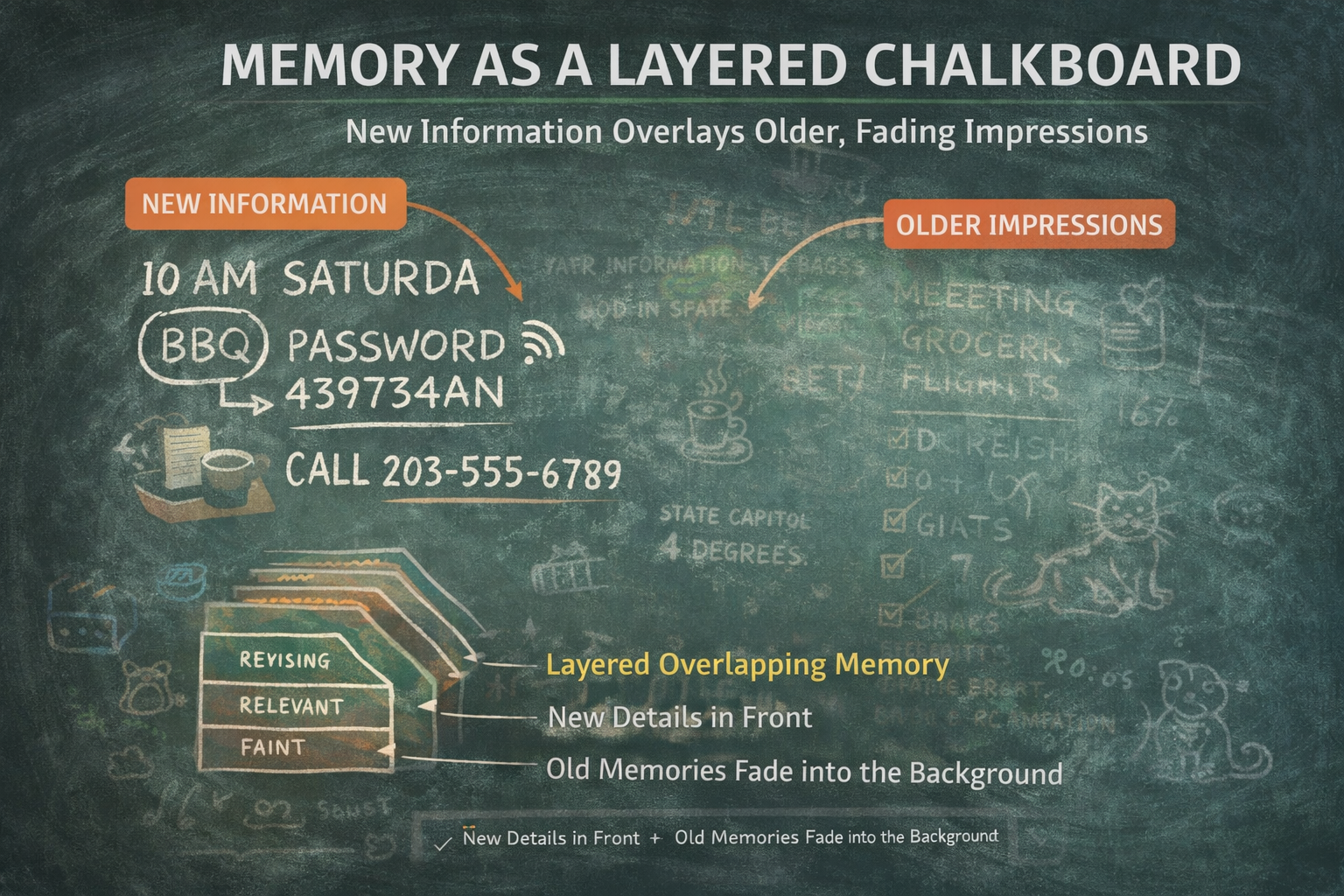
And, you know, what is the message you want to get, you want to throw out there. It can be some rebel. You just have to have some extra things so people can grab onto it. Yeah. So could you imagine like your brain is like a chalkboard, you know. Yeah. And, you know, after you fill up the chalkboard, if you're going to write some more shit on there, you got to write something.
Yeah, here we go. And then, you know, you keep going. You read that you need more room. You write something else, you keep going, and you can kind of see the stuff that was written on the board. Right? Like the classic chalkboard. You kind of see the stuff that was there, impressions. There's shades of it. Yeah. I mean, I've seen before, like chalkboards where you can still kind of read what was on there before it was raised.
Yeah. Yeah, yeah. And, you know, maybe 2 or 3 layers of that even, you know, if you, if you're, if you got a really classic chalkboard, you know, and instead of like really rubbing it in, washing it clean, it was just rubbed out. It wasn't really right. You know. You know, it's kind of how memory is. You have this neural pruning your brain goes through and, you know, basically like you have to you don't remember, you don't remember what you've forgotten.
So nobody, nobody, like, really even believes they've forgotten anything, right? You know, until they feel something, it's brought up. Yeah. Until it's brought up or they see a video or, you know, photos. I remember that now you. Yeah. And that's that weird kind of metacognition, too. Like you knew you once knew that. Yep. Yep. Yeah. So is it that always fun?
Like, whenever you're like, you know, a certain topic gets introduced, you're like, I know I knew that in fifth grade. Yeah, yeah. There was a point where I knew that and I forgot. Now I remembered that idea. Sometimes you can even remember the day you learned the thing that you forgot. There was another, like, extremely loud school where, you know, it's like you remember things surrounding the thing that you've forgotten.
Yeah, that the thing you forgot has been brought up. Yeah, yeah. It's so weird. So there's, like, this neural pruning, and, you know, when you, when you learn something like, let's say you just full on go into something, you know, like you throw yourself into some subject matter. Yeah. Well, other things will have to inevitably get this place, you know, if you're gonna fill your brain with that.
Yeah. It's like there's a limit to the. You know, you can't go up and pick something up if your hands are full. Yeah. So I was wondering, like, imagine, for argument's sake, like you had this second brain or third brain or whatever, you know, you had this, like, you know, you're like, really sure. Yeah. You're like looking at yourself like a puppet, you know, like a like a avatar.
And you know, you're you're managing this and you're saying, okay, what what should I put in this brain? Right? Like, like you're the first. You have full control of your secondary or tertiary brain. Yeah. And it's just temporary. Like it's temporary. Everything's offloaded and you get to, like, go back and pick what goes into this brain to try to try to make this person, like, have the right kind of information, you know, because it's true.
Dude, I have, like, so much useless shit in my brain, it's not even funny like so much useless shit. I mean, most of us do. And, you know, be so cool if, like, you could just scrub that crap and, like, replace it with. Yeah, you know, what I would like to do is. All right, whenever I'm going into, like, a test or whenever I'm going into, you know, have to talk about something for a couple of hours, it's fairly specialized.
I try to kind of load all the crap in my brain, so to speak, related to anthropology, related to this, related to that, only to know, like you're just going to forget it. So. So yeah, you know what I'm saying? Like gather all the stuff you do remember. Yeah. Boom. Chevron had been that mindset. It'd be almost awesome if you can like basically end up with being able to load personalities.
Well yeah that's a good one. Yeah. Like yeah. Like you know plug and play different character personalities. Yeah. Like hey this is my, you know, sociology anthropology hack. You know, it's so weird too, that, you know, the, the, that that whole idea of that metacognition, like, what would be so I'm, I'm training. I have, like, tons and tons of useless bullshit in my brain, but, like, what would actually be useful stuff like.
Yeah, well, like, how do you keep it the forefront of your mind? Yeah. How do you do truly, like, genuinely discern what what's useful information and what's not. And I think it's per situation, like I was talking about. Yeah. So we almost need like the plug and play it. Yeah. You know that. You want to walk down this.
Sure, sure. Why not. Right. But yeah I think it's I think it just highly depends on what we're about to do. Interesting. So I guess, like, we kind of do that we would brush up on something, you know, going for a particular job interview. You brush up on those skills, you know. Yeah. So I guess there's some of that kind of plug and play that happens.
But it's interesting because it's really hard to predict what what information is useful and what's what's, you know, like obviously some mindless entertainment shit. Like I have so many song lyrics in my head, I don't know if I need all that right or do I? Is that make me more creative? I don't know. Well, okay, it's creative fodder, but it is also a conversation.
Like if something comes up related to that in a really tight way, you can bring it up. Okay, so I have okay, so I got a Rolodex of bullshit to, to draw on. Yeah. So I can keep the conversation going. Right. And that's helpful. Doesn't have to invent shit on the fly, I guess. Yeah, I could just regurgitate stuff I've heard.
Well, I mean, but if you connect that with novel things, people are happy about it, you know? Yeah. Right. Yeah. And that's like creativity. Just connecting things that kind of already exist in new ways. Right? Yeah, that's kind of it. And adding some more to it, extending it. You know. Sure. Cool. So there is no such thing as useless information?
I don't think so. I think we've identified, you know, where where you take something in, you remember it, you've identified you either think it's fun or you like it, or other people might enjoy it later, or you could use it. Yeah, you can get really serious about it, I guess, and say, okay, what information is like maximize has the maximum utility for my life.
You know, you can say, well, you know, everything I know about nutrition. Let's say, yeah, you know, it's like extremely important because, you know, putting your body is key. Sure. And, you know, self-dealing. That's that's a weakness of mine. I'm really not, you know, God mode when it comes to nutrition. You know, I don't really understand all the different minerals and same here, you know, and actually how that resonates with my biology, how it works in my cells and all that.
Yeah, I'm not really an expert in that, but if if I were to choose like something that it would be important to be an expert in that I'd probably be one of the things. Yeah. So like, you know, I'm like, the game of operation on this brain, you know, I'm like, picking what tidbits go in and what goes out.
Right? I think I would take that. I think I take that knowledge. I think I would only do this active pruning if I could absolutely offload the hard won knowledge to some kind of wasteful storage or something. If I decided I didn't need glacial storage. Yeah. Yeah, yeah. Cool. So, you know, I'd pick that. I'd pick, like, know the knowledge of knowing how to take care of myself really well.
Like, what's best for food and nutrition and. Yeah, you know, I think I'd choose that information that's important. And once you kind of had a visual of where some of the gaps were, maybe you could go in and fill them. Yeah, yeah. I say, look, I need to fill in these pieces of knowledge. And so you do you go seek them out.
Yeah. So you know probably some some better information about sociology too. I probably I don't want to, want to know some of that stuff better. Like, right. Not just like the how to win friends and influence people, but the, you know, actually, like some, some primo knowledge about, you know, how to how to fit in best of society, like how to find your mark, how to find your role.
Probably some of that stuff. I don't know what else I choose for my brain to be really good at an expert at. Oh, definitely foreign language and an instrument that's different. So I wanted to play an instrument, but I can't really. I'm not really sure which one I would play. I play some chords on a guitar, like enough to, like, sound like I know what I'm doing, but it's just don't the only people that that, think that I know what I'm doing on the guitar.
You have no idea what music is. Dance. So why don't you just want to fleece the people who don't know what music I don't, it just happens to be how it is. You're not looking to fleece anybody. It's just. I wish I could really play. Not just, you know. No, of course you'd want to play the guitar. I'm not saying it's hard, but just be really good at instrument in general.
Yeah, it's pretty cool. Visual effect. Yeah. So it's just a wonderful lighting thing. Someone's got some LED lights and don't, don't mind paying the extra power for the like a decorative effect, like it's Christmas and it's something in the town and stuff like that in your Christmas. It's hooking us up with the spectacle. It's a good thing. Yeah, yeah.
So I think that instrument and probably foreign language, like mastery of a foreign language, probably like a, I wouldn't call it an Oriental language. I think that words outmoded. But, if, you know, one of the one of the Asian languages. Yeah, I think it probably goes something like that. Or like a Slavic, maybe like a Russian or something.
So, yeah, I think that would be cool if you could, like, pick what's in your brain. We want to romance language first. You pick one, you go with, like a French or a Spanish. Yeah, that's all good. That's all good to see. Nice to see your brain has that. Your brain has that, kind of, edge, if you will.
I'd want to do two of them. I want to do. Are you going to be trilingual? Well, this is kind of similar to the romance. What would you do? You had one. Two. I'd want to know Latin to a much higher degree. There you go. For, you know. Yeah. Kind of useless reasons. It's got a lot of root, you know.
Yeah. That'll help you learn other languages. Yeah. The HMO at multi. Yeah. So you know being able to like pick and choose what would be in your brain would be pretty cool. No it would. What is it. They did that in the matrix where they plug into this you know right now you're judo expert. Now you're this I know kung fu.
That's like that's like everyone's dream. I think to be able to just insulation. Yeah. Like instantaneously like that. And the thing is what's, what's going to get me though. Like, all right, we're talking mastery loaded into your brain. Yeah, but. Really? Can you look at what a can we look at the mastery they had and see if there were any holes or gaps in what they picked up?
Mastery. Probably. Yeah. Like who's to say? Does it just get loaded in your brain and it's and you can't add to it. You can't modify it. That's my question. Why are you like a locked skill so they can remove it later? Well naturally your your own brain would, would, would you know, modify it just through your subjective experience.
Well, I'm just wondering how much that happened that would happen in that, in that case, like, is it a static skill or not? I guess I would hope it wouldn't be. At first. It's like if two people took the same program, they'd have the same skill, you know? Right. Same knowledge. But then, you know, just someone used it as this walk over here, that's how they used it.
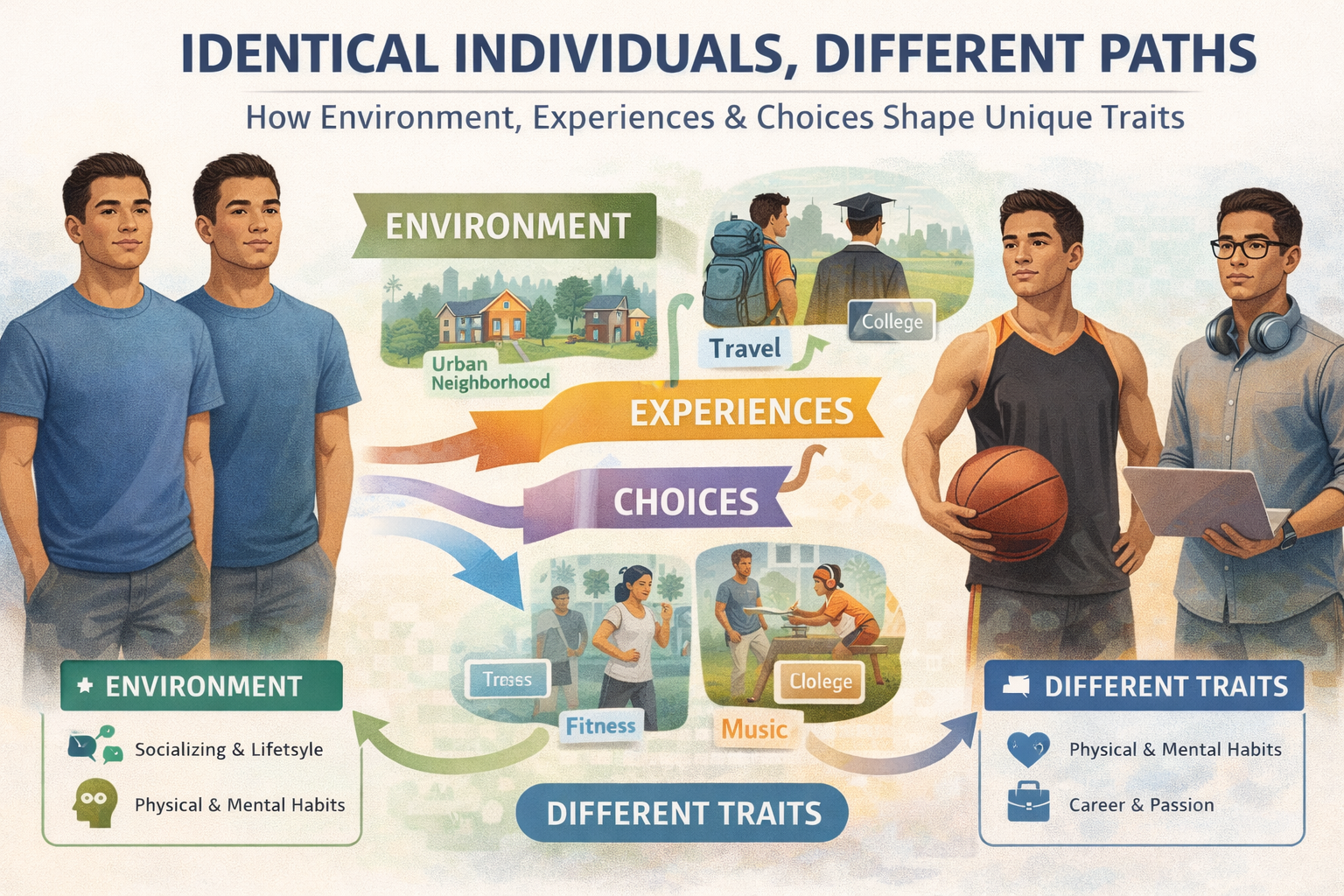
Yeah. Then it's like, you know, two identical twins, you know, maybe, you know, close to birth. They're, you know, pretty much the same blank slate. And if they have and in 25, they both might be volunteer firefighters. Sure. Yes. There and then, but you know, over time, if they're going to, if they, if they live different part, you know, live in different states, live in different cultures, you know, their brains, which shaped differently quite a bit.
Right. Well, so they found a bunch of situations where they've been separated and they ended up having similar professions. And oh really? Yeah. That's why I brought that 25 year old firefighter thing. Like they found some separated twins and they were both, one with a volunteer firefighter and one was a firefighter. Okay. It's like, well, it's pretty close.
The smart one was the one that's getting paid right? That was the smart one was one getting paid more, doing something else. Nice. Yeah. And then, you know, the the one rescues the other from the fire. Right. There's some kind of cosmic link there. The there were these, redheaded guys. One was a lot fatter than the other.
And roundhouse kick expert. I think that goes with being a ginger. It's like a default. Feel like you can roundhouse kick someone in the face once a day. Your, your bar loads, like, your your skill bar loads it, but it hits the heads 100% that it's charged. And if you know you better, you better use it so you don't lose it, right?
He had no choice but the roundhouse kick me in the face. He had to use it. Nice. Because of course if he don't use it, then over time, you know you have to wait longer for the bar to recharge, right? Right.
Gingers and roundhouse kicks. Love it. It's Chuck Norris ginger I don't know, worth one breath, man. So, wait, you know, I'm not sure what his hair color actually is. To me, it looks like he does have a little bit of red, a little bit of red in that beard. Maybe, maybe they all come full circle now. No pun intended, right?
I mean, this is this is it.
This is called going to a a black greenway. Yeah. We might I think it's called a minute. Why? Who else is in this black greenway? Safety in numbers. This is cool as well. Just, you know, who knows what I'll find? Probably people's discovery.
I was I was going down, freedom the other day, close to Morehead. Like we're freedom in Morehead. Kind of coming in. Yeah. Where Pinky's is. Yeah, yeah, right close to there. There's just like, intersection before that. And, I just happened to look to my right, see who was driving. So I was in the passenger.
See, I haven't looked to my right. And in the woods, there was like, 50 fucking ten. Dude. Yeah, man. I'm like, damn, man, do this. This is where there's like a city in there. When there's wooded areas, it's where people camp out. It's where people stay. I even had a friend, Vanessa. There. Greenway. And, South Charlotte there.
At one Creek Greenway. Yeah, she got it. Our friend of ours got her tent, and that's where she lived for, like, six months. Why? Same reason, I guess the other people was there. And the homeless. Yeah. I mean, they don't, like, was, like, willingly. No. Didn't have anywhere to be. She pretty house. Well, she couldn't, she couldn't like, couch surfer.
It was in they call I she very tall. The bridges. Really? Oh, shit. I saw, she she was really home at the time. She's only, like, 19 or 20, but she had stayed at my place. She said a bunch of other people's questions. Damn. So. So how did you bring the bridge with you? It was kind of complicated, but ultimately, her father was,
Up for, Well, wanted for murder. What? They tried to find him at our house. How do you get it? How do you find these people? And also. During an act of kindness, her father almost OD'd in my bathroom on methadone while he's cleaning it. Hey, why not? I was, wearing a thong and a gas mask.
No. I don't think so. I wasn't there, I was in Myrtle Beach, and Vanessa and her family decided to clean my room in my bathroom for me. All right? And, he almost died. Then, you know, she would, she would kind of flirt a lot and, try to abuse the situation to, get me and my roommate that give her and her boyfriend stuff.
And it was like, you know. Yeah, occasionally I'll buy you say, the veggie patty sub subway, but. Yeah, on that. Yeah. I'm not really doing much. So she was like, flirting with you. Kind of like trying to use, like a female. Like a little bit of, like seduction. Consistently worked very well on me because of my low self-esteem.
You mean it does or doesn't? Doesn't. I was I was I'm like, there's just no way that you could be true about this. I'm good. Oh, I see, I see, I see. I didn't see that angle at first. I got you know, it's like you can't possibly really be in today. So. Yeah. So I get the shield and fuck off.
I got you. It's almost like a double entendre of, you know, flirtation, sexuality. I like. So, like, she was just trying to, like, so many hustle used to to, like, get resources. Yeah. And it's not like they were addicted to anything crazy at the time. They were just heavily into weed. All right, that so there's a that's a horse dog.
Right. So there's a mental dependance but there's not a physical. You know that those cruising man is oh there's the owner. Cool. But he doesn't know that we, we like dogs and we don't care. He's been he's been all nice about it. He's awesome. Morning. Yeah. He pulled out. Thank you. So. Yeah. Dude, I mean, it ended up George ended up finding her mother.
Dad in an extended stay motel. Her father is there. Kind of like a joke there. Oh, no, wait. No, I mean, dying in an extended state motel. I mean, it's probably like. It's like permanent parents dating. Yeah, it's like your spirit will always be here. You can check in, but you can never leave Hotel California. Yeah. It's so.
So, you know, you die in a motel, and, you know, they just take your body out and just, like, reuse the room, right? I'm sure. Dude, hundred percent. We really thought it was probably some kind of protocol, but, you know, still, someone died there. I never even thought about that. So there's, like, a chance that, you know, I've stayed in plenty of hotel rooms where people have died, right?
That's awesome. And you do like. Oh, yeah, take a selfie, make a shot. All righty. All right. So I never really thought about that, like, yeah, because surely people die in hotels. I've heard of people dying in hotels. There's every hotel we stayed in. Something crazy has to have happened there, I'm sure. Yeah, a suicide, a death. I wonder if there's, like, a website out there that that describes or talks about, like or otherwise like tries to archive all the bad happenings in various hotels.
I wonder if it's like, it'd be really interesting. That data set would be really interesting. Like, how do you get Ahold of it? I don't know, I don't know. Chelsea probably want to keep that pretty mom. Oh I would imagine. Yeah. Imagine they'd want to keep that on the downlow. But you know that too. Like, you know, I never use the coffee pot in the in the hotel room because it's like you, I don't like get coffee.
Yeah, right. Like I wouldn't be surprised to find out someone, you know, defiled that. Defiled that coffee pot in some way, right? No. And I don't dare bring a black light into a hotel room. Yeah, yeah, yeah, I'd be scared to. So it's like, you know, I've many times I've thought about getting, like, a really high powered one with those glasses.
Those amber colored glasses. Oh, yeah. But then I'm like, do I really want to know you know, I really want to that really want to know is if I did not intend stay there, you know, like sometimes the sanitation score on the wall spooks me let alone. Yeah. Knowing what bodily fluids have been sprayed over the years. Right, right, right.
You know, so I don't need a splatter painting, you know, and then, you know, if, if you didn't get the good equipment and it was really revealing in the show, it all this nasty stuff, you know, just intensify your phobia so much. You might never stay in a hotel like, you don't know what fluid it is that two you just has throw things in it.
Yeah. Jeesh. So it can be just about anything that the human being can excrete. There's a guy that I know it was just a guy that, like, gutted a fish in there. It wasn't. It's not really. Yeah, this isn't blood splatter from a murder. No, no, I refuse to believe that. Wow, look at that. Look at that, sadness right there.
That big flat screen TV box with a bunch of broken glass hacking play. It's like. It's like dashed dreams, man. Yeah, yeah, it's it's like so many people's potential dreams are just dashed. Like a baby died. It broke the TV. Yeah. The shortest story. Well, I forgot what the source of it was, but I think I remember it, for sale.
Baby shoes never worn. Oh, shit. Like the shortest story ever told or something like, I don't know, a six word story, right? I forgot where I heard that one time. It's, like, pretty good one, though. Yeah. That is obviously it's. It stuck with me. Oh, yeah. Definitely for sale. Baby shoes never worn over like the shortest person. Bible being, Jesus wept.
Okay, you know why? It's the shortest verse. It's only two words, you know? It's like, you know, knowing your God, like, in in human form, like the embodiment of God. And, you know, I think he would cry. It's like you're one in the same. How are that supposed to really work? I don't really get it. This duality that's really hard to pass.
You know, it's a connection to the physical, but also being metaphysical, being part of a trio, but somehow being separated from that trio. But you get having to make them know that you still know you're moral. Like, yeah, yeah. So doesn't that kind of take the sting out of the whole death thing? I'm sure it took the sting out of the whole death thing, but it probably didn't take the sting out of the whole pain thing, maybe.
Or I don't know if you're fucking God. I mean, what the hell? Just maybe it's not why I believe that stuff. I'm saying. Okay, if we're just suspension of disbelief here, we believe that someone can exist in this duality. If they do exist in this duality, they fill that hole. It's like a tug of war that all of the things you fill with the normalcy of life, versus all those things that from a higher plane of experience that has to be painful, that has to wrench you apart.
Yeah. Gotcha. I don't know. So, like, let's say you knew for sure. Like, for sure. Like, there's no doubt you had some kind of way to know I was a divine providence. Yeah. That or you reincarnations were real, let's say. Right. Like you just know. Right? Like 100%.
That's like those windows being open. Those curtains are like two showing too much. Yeah. Like I don't want to. I don't want to see you into their house like that. Well, I feel like they're moving out. And that's the last of the shit. They got to move. Hopefully it looked like it. Yeah. So anyway, like, you know, let's say that you for 100% chance that reincarnation was a real thing.
So, like, you're coming back, right? And I'm also, if I knew it was a real thing, I'd also want to be aware of all the past lives saying, okay, so, you know, since we're in Imagination Land, we can make it however we want. Say you are okay. Yeah, because what's the point? I'm not aware of. Yeah. So let's say you are aware of the past lives and, you know, your death is imminent and it kind of takes away a little bit of the worry, right?
Like, so, you know, you're just coming back as some of the schmuck. Yeah. And so, you know, who gives a fuck? Maybe that's why. Let's just go with what he did. You. But he was up there. If we're going to believe every all of this. He was dying. Yeah. And he says, Lord, basically forgive the two people to the left and right of me.
And also. Forgive.
Forgive those who have done this to me, for they know not what they do. Yeah. Sounds nice. So, you know, faith in a physical pain. But I go to the things on the other side and say, what? I know where these people are headed. Let me pave the way for them. Let me say to hell, no to heaven.
Oh, okay. Because if they're fully forgiven, right. They can ascend to heaven. Sure. So. So we're. So. It's all done, man. We got nothing else to worry about. It's all done. Said and done. Well, just depends on what camp you're in. If you're in the camp that once you're baptized, you're good to go forever. Once saved, always safe.
Sure, if you're in the camp that it's a relationship, you must through what you think of in the dark. Yeah, except what was it, like, a dog fetching or something? So. How strange. This morning, head. But. Okay, cool. So you're in that camp of one. So we always say you're here in the camp of it's relationship. I have to maintain.
It's a ever changing, dynamic thing that I have to, you know, keep meeting these standards, keep asking for forgiveness. You know, the two extremes. Okay. That's pretty cool, man. If it's, you know. So you are. You're coming back, you know, type thing or never going away. Having a look at it. Right. It's like it's like your corporeal body.
You shed the mortal coil, whatever. And you're sure, but you have this like, you know.
Enduring spirit that is never going to die here, let's say. I mean, that would make life a lot nicer, wouldn't it? Kind of makes life, though, like, pointless. I feel like it makes it less. Well, what, feeling like less than always. Do you get to hit the continue button? Or possibly to pause like they have unlimited quarters?
You can just keep going. Yeah. And it's like, all right, so this life is pretty short. I died at 42 or something. So. Well, so what I'm saying is, all right, got a bunch of stuff that I didn't learn that I didn't get to do. I'd like to do it next time. Sure. Okay. It kind of takes the sting out of it.
Yeah. Can I also takes away any kind of sense of urgency or importance or. Well, maybe that would make us take the longer view on the environment, on the world, on things in general. Maybe we would be kinder to our world if we knew. We kept coming back to use it again. Isn't it kind of the other way, like because, you know, if you're this like, you know, known, internal, eternal, then what would you care?
Like the earth can be in flames. You're just going to exist as a spirit forever anyway. Like so this is just a this is just a rock. I mean, I would hope that it would help you, you know? Okay. Even if it's just a rock who wants to be. I guess I'm never been nunc oriole, so I don't know.
Yeah, right. But how do we get talking about this? I don't know, but who would want to stay nunca for real for the rest of eternity? Yeah, I don't know. Like, you know, you don't want to miss out on that whole swath of possible experience. You've kind of these people that are like, super religious and they think that, like, death is the ultimate, you know, good thing.
Yeah. You know, just like, oh, that just means you go to heaven and all that's right. I'm free of all this, you know? But they don't want their kids to die, right? Which is like, completely proving what if what they're saying is a bunch of bullshit? Exactly. Like, I don't know, have you ever tried Christianity? It doesn't boil down to a death cult.
It's not that simple. Yeah, right. Right. Yeah. It'll be a short lived religion, wouldn't it? Right? No pun intended. So that's an interesting topic because, you know, I have this theory, which is, pretty arrogant, but theory nonetheless that, like, people that even are serious seem like very seriously devout. Kind of like, know inside that it's just make believe.
Maybe so like, just to what extent? Like so sure, some people have really bought into it and they're like almost completely sold on the idea. But I think that they withhold like this small reservation of like kind of common sense or like, come on, you know, we know like a certain confluence of things were to happen. They'd be able to admit to themselves and others the degree of bullshit they're accepting.
That's kind of what I'm saying. Yeah. And and so, like, you know, it's arrogant for me because I'm nonbeliever. I know, I realize it's extremely arrogant to dismiss someone's claimed beliefs. Well, like we've talked about before, when you get into outright dismissal of things, you have no more productive conversation to have. True. So true. But, but, but I've had such I had this conversation so many times right over the years that I'm like, kind of over it, like I used to be.
I used to like get in, get into it, you know, like like discussing these ideas. Then you hear the same replies over and over and over and over that, yeah, same replies. And also like this. Just like a resistance to logic, resistance to anything that you were to come up with and say, right. You know, such a strong resistance that it's just stomping your feet like they're not able to handle holding two opposing ideas in their mind.
And I'd argue to say adherence to a single philosophy, unswerving like that doesn't give you the machinery to deal with cognitive dissonance. You can't do that because you've not practiced. Okay. Yeah. And, I was so good. I got so good at the craft of, like, debating, you know, and not necessarily ridiculing, but coming up with it, coming up with all these, you know, exceptions, counters, counters.
Yeah. That I was like known for running the preachers off of campus. Yeah. You remember that. Yeah I do and then, then I that one dude was an absolute moron. And so then I started thinking like, you know what, what's the point? What's the point? Right? You know, I felt like I felt like I was protecting these these, you know, other people like these, these fellow students.
I'm, like, protecting them from these, you know, evangelists, right, that are sitting there calling the girls sluts and all the people that may waylay them, send them off a path of intellectual discovery and understanding. Yeah. But really, I was just being like the counter, the the dick in the other direction, you know? And I mean, maybe some of that's true, but, you know, I think they were better off being exposed to both sides in theory.
Yeah. So these are the best. Like on on kind of planned topic topics. Yeah I love them. They're great. Yeah.