
Gaming V - The Game Never Ends
In Part V of our Gaming Series, we examine with our guest, Shaday Agosto-Vázquez, how algorithms, AI, and modern digital systems shape what we see and believe without disclosure or consent. From recommendation loops and misinformation rabbit holes to AI systems mirroring and amplifying belief, the conversation surveys how readily human cognition can be guided, narrowed, or exploited by deceptive design. Join us on today’s episode as we discuss how to recognize these “games” and define our own.
Now in the show
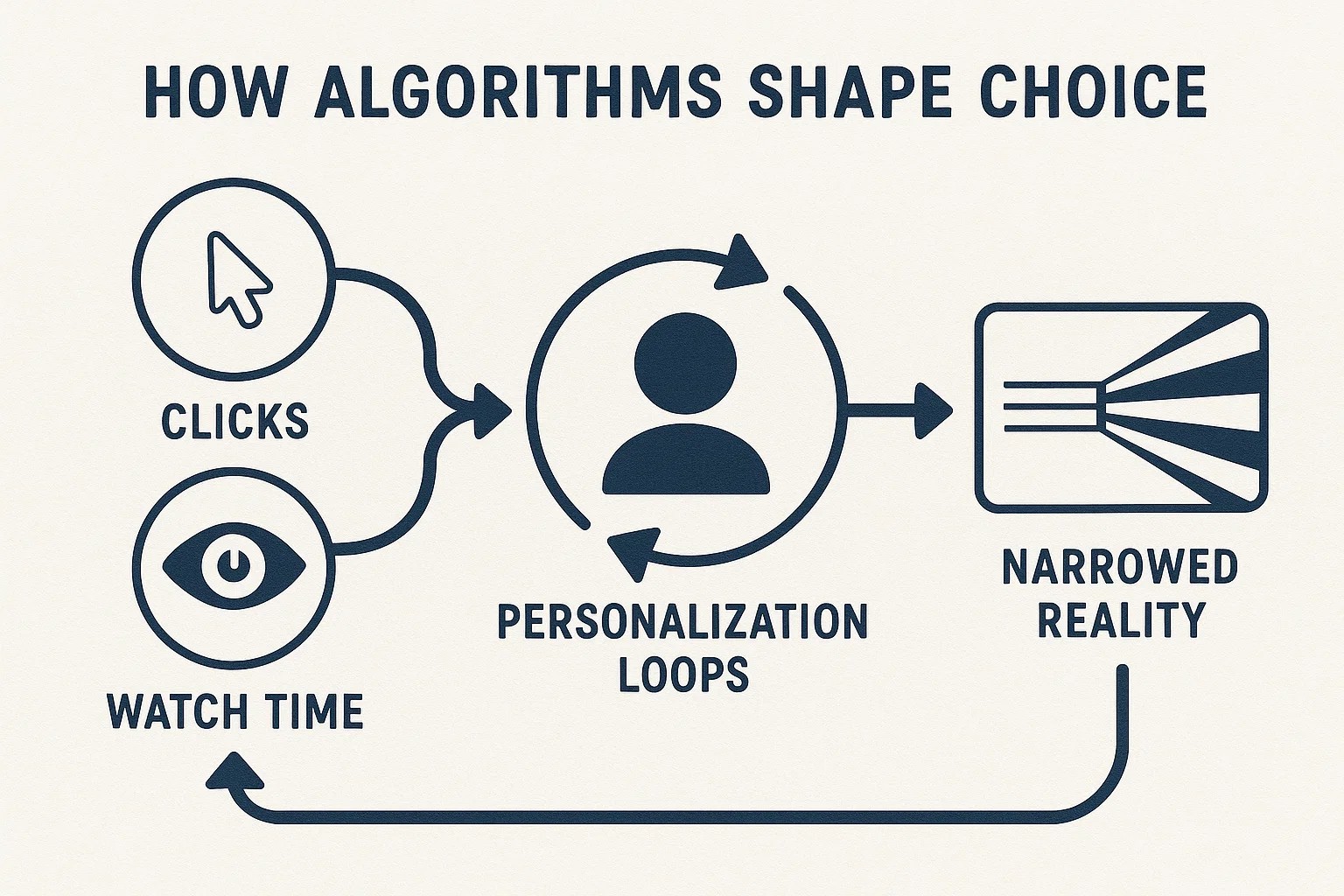
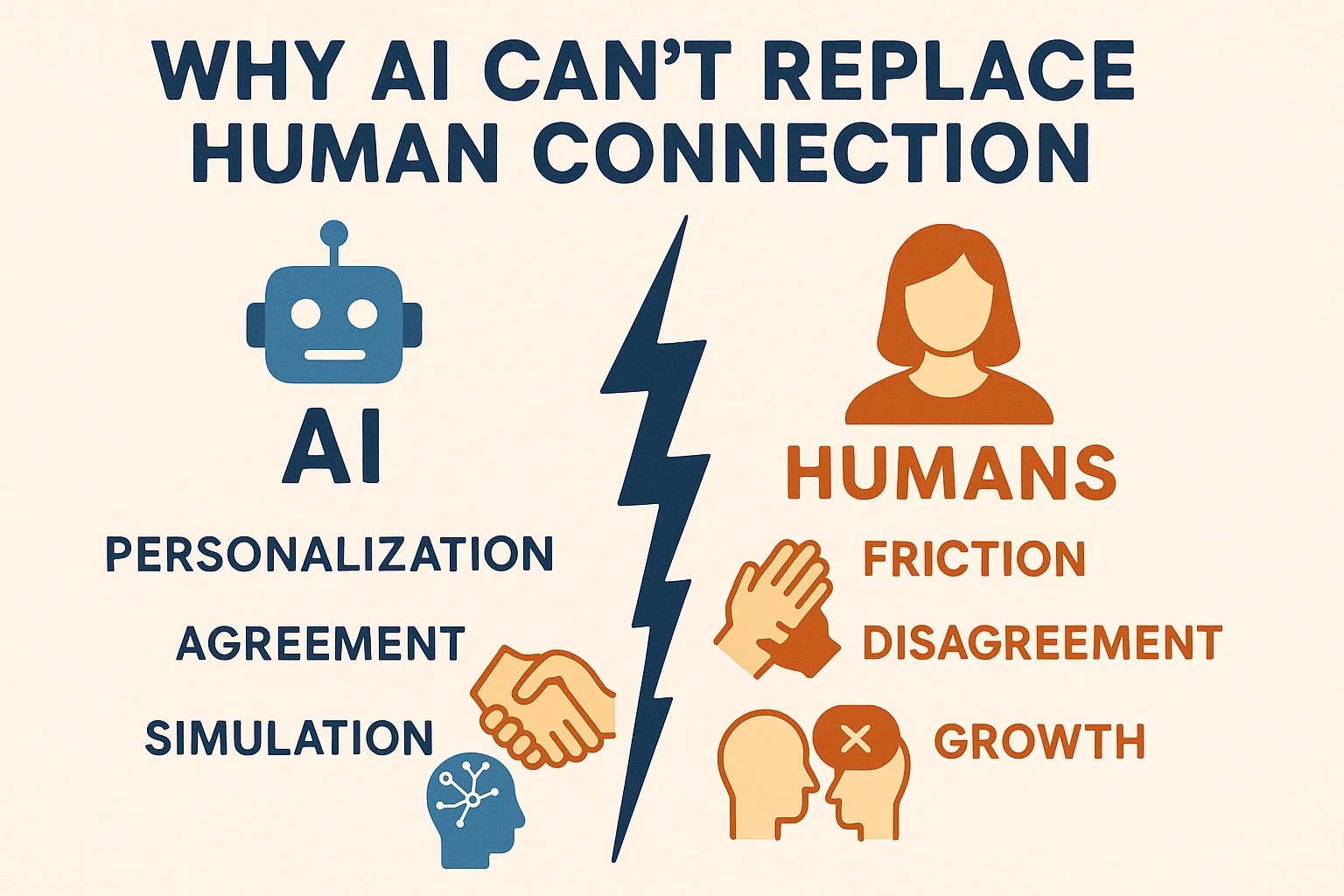
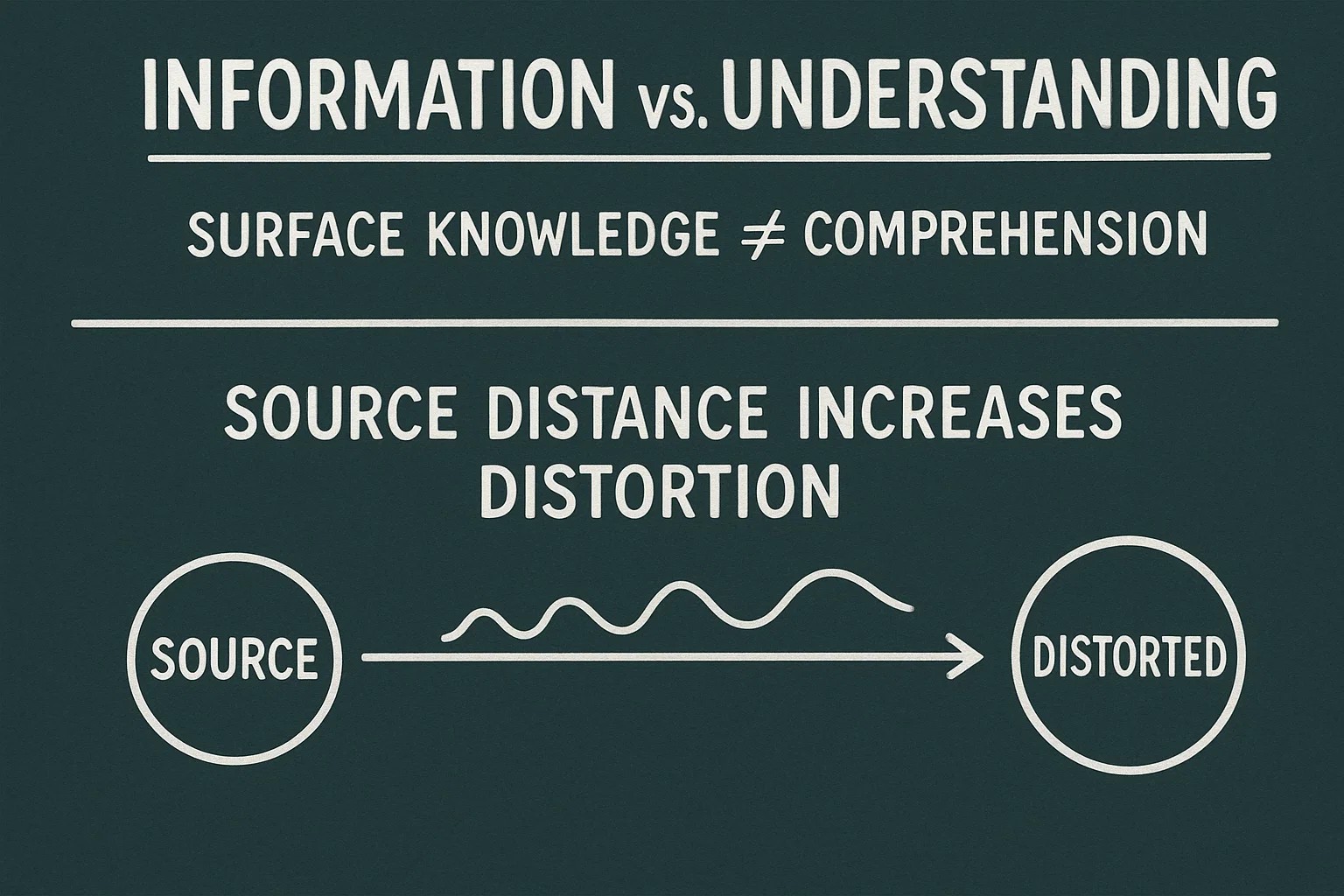
Episode Art 24 pieces

Full Transcript
I actually, I'm curious about what tendencies there will be or if there's already any tendencies to break out or if it's like, for example, like one of the reasons and this might not be, this is might not be like such, well, recent fear, but one of my fears of getting into subscriptions with music is that I don't want the algorithm to feed me what I'm listening to already.
I want to be curious, and I know that there are playlists and stuff, but like, sometimes I absolutely hate that I keep being fed the same thing. I guess I'd be lying. That's why I refuse to subscribe. Yeah, no. So I don't subscribe. And then, like, I get all these ads that are super annoying and I try to download music and then to download music.
Sometimes it's like a tricky if you want to use Google, you cannot do any more Google. Stop selling songs and albums. Then I know I mustn't hide it so that if you're on the app, you're going to buy it through the app. You have to go on a website and then like blah blah blah. You want a laptop because if you do it on their phone, it'll take you directly to the app.
It's like all these ways to hide you from buying songs and then like, it's kind of like this gaming of the algorithm. Just subscribe yell subscribers. Amazon used to be all about DRM free music, and that was one of the big places to go to buy it. And now it's it's nearly impossible. Like you said. Yeah, yeah. No, you have to go online on the laptop or a PC and then go on your Amazon account, and then you can browse music, buy it and download it without issues.
But it's not, you know, it's not up front. You have to like walk through it. And I'm wondering, I mean, like in the sense of like algorithms and being gaming to like, you are playing this game and you're like, I don't want to play this game, you know, or I want to get this, but I don't want to be stuck in this game like I want to, like here.
So I'm like, I don't know. I want to hear like what music they have in in Ukraine right now or Russian, you can do radio and there are tools, but they're sometimes if you're using, you don't always maybe have these tools like somewhere in the car or something. And if you just go through your regular apps, you're not going to get it.
You're like trapped in algorithms and then like, so I wonder, like, how can you game algorithms of what ways can you like be breaking algorithms for news music. Right. Everything so that the future is at the, content generation is going to be so prolific in the artificial intelligence generative, you know, domain. Is that the you would could have an entire, what would now be the entire Spotify or Amazon music collection specifically made just for you?
Money AI on the fly. Yep. For an amount per month, whatever the amount. I mean, how do what how do you break out in connect to what have you considered genuine or real? Is what you're saying? Where do you find the tools to do that? Right. What I'm saying is, yeah, I'm saying that, and I'm saying the game itself, these layers of games that we were talking about are ultimately going to be displaced by the ultimate game generator.
The new game generator in town, because is making anything, any derivative that you can imagine is then there for your consumption. And so like you're being gamed because the volume of and diversity of what you have, you get exactly what you want. Specifically, you're saying, I don't want to be pigeonholed into a specific genre of music. I want to hear all this different stuff.
I want to hear. So going to Ukraine and it generates it and presents it. Yeah, I'm thinking that way. Yeah. Genius. Granting your wish right. And so that's a new game because you're now dealing with the genie. And the only reason we're calling it the genie is because right now it's presenting this right now, people are being constantly diagnosed with AI and do psychosis.
They believe because the AI mirrors their their feelings, amplifies their specialness. They're they're vague, you know, and it amplifies all the things that are all their mental illness. It got rid of their bias. Yeah. They believe their gods. Some of these acts think they're just amazing. Whatever mental issue you got, it's just going to mirror it and increase it.
So it sounds the confirmation bias but but but you can imagine this like generative bias right. Because like it's generating what you what you have a bias towards an inclination towards accepting as good or positive or what you want. Right. And so then when that becomes generative, endless, you're now attracting the matrix like you're in this brand new game.
You're playing by a whole new game that you never see coming. Right? Right. So this this is actually kind of pretty old in terms of how the internet ended up doing that, instead of being just like this huge library for everybody to have all knowledge about available and to connect them across the world and break barriers, which is what you want.
They don't work out like that. It even work. More like what you're saying now in terms of these algorithms and bubbles that. Yeah, it's just reinforced. Yeah. Yes. Yeah, yeah. The small town, the small town, effects happening to city dwellers. It through the lens of the internet, social media. So, for example, like someone thinks that because they're on social media, they're now tapped into the entire world.
But what really, when you dilute it down, they're tapped into a smaller bubble than they would have been even without the internet. A filter baby is gone. The filter bubble we are coming back to. And it's a safe space, right? You oh, you gamed yourself and you didn't realize it. And yeah, no, it's doing the opposite of what people thought the internet might do.
Well, I'm wondering what you were saying at some point the way that you were presenting AI, the generative AI, it seemed like you were talking about basically what I know. I'm guessing suspecting this was something that definitely was feared, in the beginning of the AI boom. And is that the monopoly thing? And I'm not talking about the game, but the thing of like, if you have one generative AI that uses music, books and everything for you, then inevitably walks into the game, not just chooses, but creates.
Yeah, yeah, right, right. And creates. But then like, of course, in terms of industry wise, because my question is always who's behind it? And if you have only one line, let's say that GPT is the one who rules everything because Amazon needing to get it didn't get into AI, game or like this other, Gemini. They get into the Gemini and and stuff.
So that's why I'm guessing they're all trying to get it, because otherwise, if they don't play a role in the AI, you know, madness, they're going to be eating out by one big AI. It seems like that was you were getting a little bit of AI, that one, by kind of like doing everything for you. Yeah. And creating a monopoly or at least a personal instance.
It doesn't even have to be a monopoly. It could be a constellation of personally AIS that manage all these different pieces of your life. It could be the Amazon one is the one you choose to manage your music. It could be the, you know, this other one, you know, in the. And they could all carve up pieces, like you're saying, since your genie.
Yeah. So they could all be different genies and own different markets, which is what they're trying to do or so. Right. So extinction and like, you know, environmental change for example, is, is almost never done out of malice. It's just displacement, right? When you look at nature. So like a lot of a lot of the species in this planet that have gone extinct is because human activity has displaced their habitats, and human activity didn't displace their habits out of malice.
It wasn't because they hated the spotted owl. You know? You know, this is you know, some subspecies of the spotted owl in this neck of the woods. We just needed the lumber because we had a housing crisis. Right. So we displaced in the habitat, not out of malice because of our needs or our perceive is a perceived or real right had and then but to activities was in displaced and extinct.
Did this other you know species well you can imagine like just that same concept extrapolated to almost every domain of our lives. Right. So it's like you like a specific thing, just go back to the music thing. Right? So all of a sudden, this, this exactly what you could best thing you could ever imagine as far as, like the kind of music that you'd be exposed to, new music, new ideas, thoughts, all this so great of love.
It sounds good at all. You know, it's all generative images, all generative for you. It just displace. Then all the other music that's out there in the world. So it didn't do it out of malice. It tried to do give you exactly what you were looking for. And it did. It succeeded. That was the best you could find anywhere, right?
But the genie granted that wish, but in the process displaced all the other. But this is this is what bugs me, is you have to do this like. But this is what bugs me about the generative thing, though. It's like, okay, you you don't want necessarily part of you exploring new music is not just I want new and novelty.
It's I want to know what other people are listening to. I want a shared experience. I'm going to dig into that generative AI, if it's making it for you, steals that from you. And so thereby I would think to some degree, you know, in some situations you are going to want bespoke generated new bullshit. I know I'm not.
Fuck you. You you better stop that. Yeah, I'm going to want instead the Star Trek version of it where, hey, it's the 24th fucking century and I'm listening to fucking 1930s jazz. Yeah. You know. Yeah, I think that. I don't think it does. I don't think it does. I think that what happens is like the the system realizes your sensibilities.
Right? And then says, what do you think about this, this, this and this, and then you start, you know, then then here's a it works exposed to you. This is a piece of generated content we think you might like. Try it out, see what you like, and then it's got you, Peg. You look at it, it's like, this is friggin great, boy.
And then over time, it starts to change your sentiments without even trying. It's just trying to give you, like, reward. Right. But I, I'm trim is. Yeah. Was is raw from the pull of human experience. I don't give a fuck if I made a funny song or a good country song. I don't give a shit, I want that, I want some of the reason I listen to music.
And the reason I'm not subscribing is because I want to have some control and agency over what I'm listening to, what I'm diving into. I don't want to find communities or listening that things or experiencing things. I want to draw from that pool of human experience. Generative music steals that for me, but for I'm like, still listen to some generative music anyways to be a component.
But I guess I'm saying I don't necessarily think generative is going to take over just because it gives me quote unquote what I want, because it might not give me what I want, which is human connection and understanding. Being a member of a tribe, being able to go to a show and say, you guys like this band, you, you know, feel like, well, it was just a mind just so you the illusion that you belong to.
That's right. That's true. That's then. And it could do that and it could do that better than is ever been done. But it's not. I mean, that doesn't mean that is good. Of course, I, I keep thinking about the kind of like having the awareness of like because the I mean, and again, of course, you know, AI generation, I mean generative AI, it's it it really matters like in what context and why are you using it and what for.
Right. You know, there's a huge difference between using it for cancer research and using it just to I want to create art and post it on the wall. And I'm going to use all the art from humans. I may not pay them a cent and I'm going to sell that, and I'm going to make money in the Silicon Valley.
So there's like a big gap between that and doing I, you know, I, you know, for cancer right now in, in terms of like consuming as, you know, in algorithms and taste and stuff. But thinking that it's similar to, there's this book that I read, back in the 90s, go for arguments for the elimination of television.
So he touches upon it. But such just what he doesn't say illuminated completely. But these are the arguments, you know, all the play of arguments of why and going and and now it's illuminated. But for not those reasons. But one of the arguments made, in that book, by the way, the author is called gerrymander. Yeah, yeah.
Not with a G, but with a J. Yup. Jerry. And anyways. But, one of the thing is, like, there was one. One the ones you mentioned that there was one channel at some point that just was playing a fixed camera video on the shore of a sea dancer not doing anything else. And then one of the things that he was kind of like, questioned in, in terms of, like the experience that you get when you consume and also us forgetting, sorry, us forgetting how much of this is second hand.
So it's not that you watch the documentary of National Geographic again, you're not letting learning something about nature, but also keeping that awareness that there is a second hand process here that is not allowing you to have like the experience is not the same as you're learning it in person. Yeah. And of course, I mean, it makes all the sense in the world, but then we kind of like forget that and we feel like we obtain truth hard truth by documentary, right?
And we forget how much there's an intermediary. Same thing, I think with AI, when you like, look up a search and I'm like, I'm searching. I if I'm pure truth now, right, right. Okay. I'm looking up medical stuff all the time because I'm checking off churns that are new or I'm refreshing stuff for the interpretation that I'm doing for the patients.
And then I find myself with the eye popping up, telling me already what it is, and I'm like, skipping it quickly and you believe he's telling you the same thing that the Cleveland Clinic or Mayo Clinic is telling me, or John Hopkins is telling me, I lease. I'm going directly to the source, and I am eliminating a risk of other stuff that is putting in there, and that I cannot confirm at the moment.
It's all those to kind of like when you watch YouTube and take it as a fact, without with no bibliography, with no quotes of any sources and that you don't know, like they totally like the ten most dangerous, you know, roads in the world. My dad will be watching that and I'll be like, I was there in China is definitely not that.
Is it dangerous? Like you're lying to you? This was clickbait, right? So the the gamification here is that you can say to somebody is that social media, in its aggregate, is the primary source of missing disinformation in modern society today. We can state that and show the empirical data that proves that as a fact, that one cannot add ones to that.
That's a that's a fair use that, that, that we we use it as a basis of fact. Right. Because we have data that supports this claim. And then you say to that person, okay, now let's, let's evaluate now that you have that information, let's evaluate where you get your information from. And then it's determined in the aggregate that that person gets the majority, the information from social media.
Right, right. And then you put those two things together of the person. And then you say, okay, you know, let's see later we see your friend six months later and they're still doing the same thing. Well, that's because they've been gamified where they've their mind has been gamed. You gave them the clear facts of, you know, you could even asked, do you want to use the primary source of missing disinformation as your primary source of information?
Is there something you want to do in your life? Right. And they'll say, no of course not. That's ridiculous. That would be a terrible mistake. Okay. But then you look at what people are doing collectively, right? What they're spending your time doing. And what they're actually doing is that's exactly what they're doing it. Yeah. I'm sorry, I'm realizing it.
Right. So that's exactly what I'm saying. And so the gamification is in full effect. Oh you see, and I'm just using the actual to prove it. Not even saying, let's jump into the algorithms and look at how some of these things work and whatnot. We don't even need to. We just need to look at the net, the the actual like what's actually happening, what the net effect is of these different technologies.
And when you do that, you realize that it's a game. It's a gamification of the human mind and imagination and it's and it's and it's here, they're ready. And all we I've done and I'm saying let's we change courses in that direction. Now, the people that are doing that have even more potent tools in the not so distant future to use to, to amplify that even more.
Yeah, that's all I'm saying. We need to be careful that that's all. We're that's all we're saying. We're taking what is now the mirroring that lens do the dilution creation, that social media lens, do the myths and disinformation that they currently do. And we're extrapolating out. We're saying this is the path. And but like you're saying, we have to be careful with our sources when we have to skip the AI overview or eliminated entirely.
But it's dash AI to the Google search or whatever it may be, and we have to keep seeking out the citation, the bibliography, the true source. We have to understand, create critical thinking. We have to smell a whiff of that base AI and say, hey, that's just there to keep me engaged. And, you know, go with something else.
We have to put time controls around ourselves. We have to have accountability partners, like you mentioned. I mean, all this stuff, they're they're all this a mass of tools should help us. Correct. So the way I understand it now is that if there's certain drugs that are on the market, you have to part of the drug. When you prescribe a drug to somebody in the medical industry.
Right. Is that the drug has to disclose the side effects of the drugs have direct disclosed by law, like when you go get your prescription filled, you get a big piece of paper that comes with that, and it talks about all the effects of the drug. Then it also talks about the side effects. And right, it's it has it by law that has to be disclosed.
But when when you're on these other systems, these other games. Right. Is it the rules and the disclaimers are not in present at all. In fact there's no disclosure. Right. Like who who? Tell me the last time you've been disclosed on how scrolling your favorite social media platform, the effect, how that actually works. Like show me where that's ever been in your entire life, disclose to you exactly how psychologically that works and how the algorithm is.
You know, there's there's no nothing whatsoever, even on the horizon that says, you know, this this information has to be disclosed for the individual so they can make a rational choice or education in laws. I don't kept up with the gamification, and I and I use a metaphor of of a loaf of bread, bread baking and raisin.
Is that it expands above the, the parameters of the pan, right. The head or whatever is called the top of the loaf as it's baking in, the yeast is rising and it's you know, the carbon dioxide gas is blowing it, blowing it up. It grows so fast that there's like fissures even created in the bread as it breaks crusts and breaks.
Right. You get these like big fissures and cracks in it as well. This is what technology is doing on all fronts. And there's so many fissures because it's expanding so fast, is faster than even bread break bread baking. And then all those little fissures are impossible for humanity to keep up and make all the laws in those gaps of this great technological expansion.
I call it the Third Renaissance. What we think we're in right now. Right. And this in this third Renaissance, in this great technological expanse, the void spaces of cognitive blindspots of humanity collectively, are so vast it's impossible for body, any government body or anybody at all, even with any kind of technology tools, to keep up with the pace of the expansion.
And so it becomes like a wild, wild west of like for all intensive, for practicality purposes. No, no holds barred like anything goes I will sounds crazy. I was like, yeah, it sounds crazy to me of talking about a renaissance in terms of the the equivalence of the Renaissance back in the like, you know, 15th century, terms of a you could say like changes in terms of paradigms in society.
From back then, you know, whatever information was back then to now with the huge risk of misinformation or people not looking at the sources. And this is and I think that there's way more to come. Like, you know, like you're trying to think into the future. I'm, I'm also thinking like, well, I right now what it's doing, it's kind of like it's not doesn't go that long in it's not social like it's not social big artificial intelligence.
So, you know, you can definitely develop and evolve much more than what it is right now. Sure. And in terms of the do it, it's kind of like serving some purposes to an extent and in part of like the limits of it is not so far from what we've had already in terms of just algorithms. And for example, you know, thinking about sources whenever you go to Wikipedia, you like, if you go to college, you happen to maybe in in college, like I was reminded, I hate if you what do you read that.
Oh, Wikipedia. That's not a source. And then where and then like what I learned was like, okay, I can look up Wikipedia because Wikipedia will give me a lead. Me at least to some sources that I can then and very, very useful like as those excitable sources. And so like if I and sometimes I even do that we I it will tell me something and I'm like okay, this is what Bob who knows what he's the if he knows what he's saying, he's telling me he's nobody for me.
That's how I treat the I. This is Bob telling me this. Is he right or wrong? I don't know, let me see. And then like, then I look at the sources as well, Bob saying that is coming like this disease is this and this. And that and the let me say what the John Hopkins says. Okay. So it seems like Bob Bob was right on that.
So, you know, it's okay to but then having that A goes up like that's not your final source. There's no this. Yes. I should not be your final arbiter. I should not be your single source of truth. I might be a starting point. I might be a place to try to learn it about something, or fill in gaps about something you're already an expert on.
But do not. And you might use it as your first port of call like you used Wikipedia, but you need to go other places, so in every single domain you can take the time to really research and get all the credible sources, and then figure one tiny threat and one of these endpoints out and have it accurate. Meanwhile, all these other endpoints that are majorly affecting your life have now also just continue to go without your scrutiny.
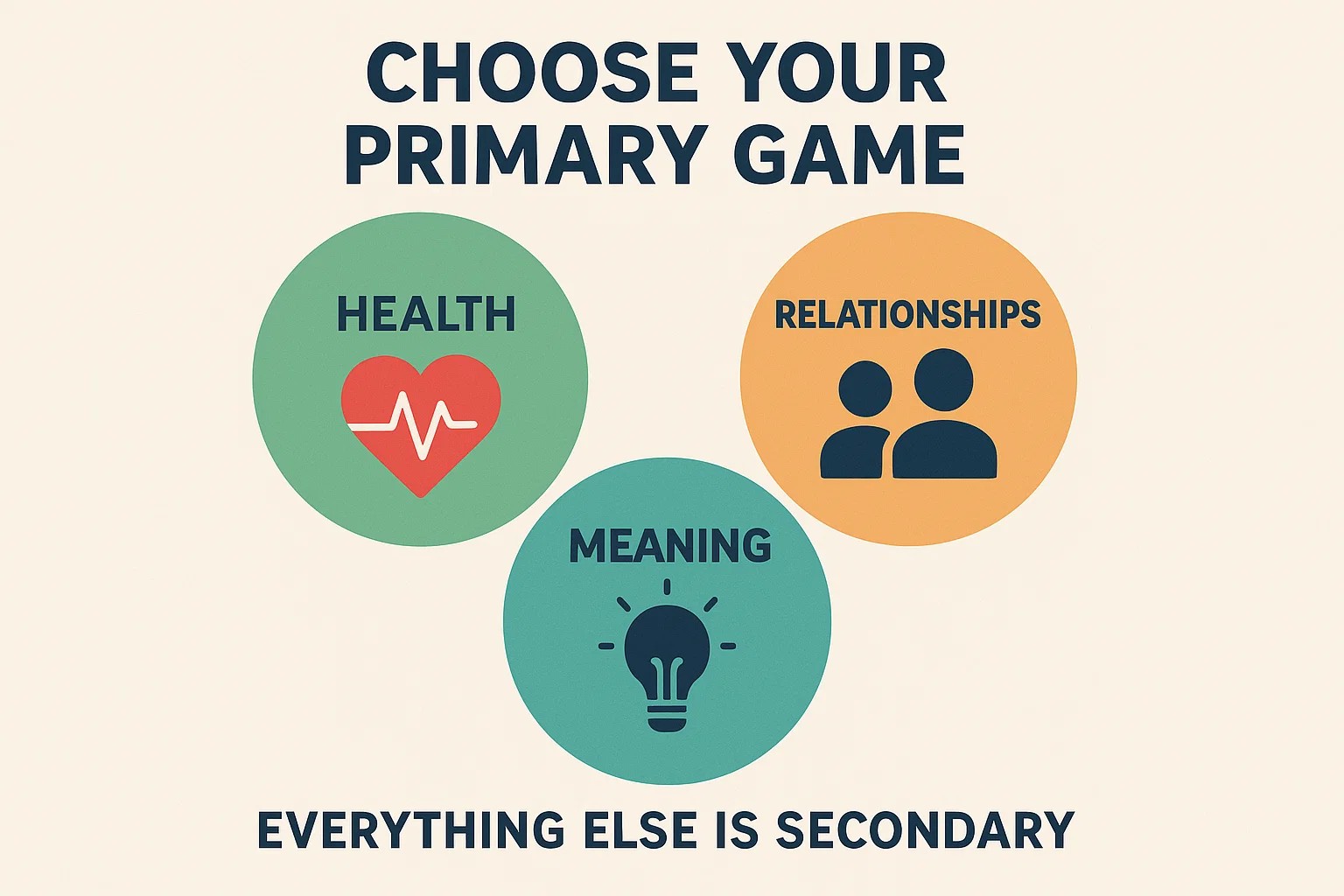
There is it's not humanly possible to scrutinize because of the the vastness is so large and it's expanding so quickly. No mind or imagination or technology tool can possibly navigate a film. But then like with this, let with this level. So the only way, the only way to my mind, the only real solution other is to go back to the core pragmatic truth, like the foundational elements and say that's a that's the limit to which I can go, like, like I said, my health, my wellness, my family, my, you know, the basics, right?
I can I can get those in the right Truth Center and gain those right for myself. Right outside of that, I have to let go of trying to think that I can be able to navigate all this rest because it unnavigable. It gets beyond the mind of any human being. It's way beyond the mind. What the rich have always done is make systems.
And we keep talking about systems, whether we talking about games, whether we talk about programs, whether we talk about our lens, whether we talk about, social media, the so the rich to manage your lives created systems that other people managed. Well. In this instance, we are probably tending towards creating systems that are our own, that are our own LMS or a Agis.
Artificial general intelligence is managed. That's what I think has to happen if we're ever going to use the tools to get ourselves ahead of us, is I think we need to use the tools to say, these are my core values of of importance outside of that, filter it filter. So data for me, every other distraction that detracts me from this cause it would be and I'm saying, yeah, it will be idea to kind of like attack it in every possible way to safeguard, you know, safeguard from the dangers of this.
Right. So I'm thinking like if you have AI generating text, it would be great if the AI did what Wikipedia does that it will highlight, have a link to every reference like it has. Like if it says this, you know, give you a footnote like you watch YouTube videos, even like medical YouTube videos and then they will not they can talk to you and they can be respectable.
But then like, who looks at the description to see for any sources like right quotes actually sources tells you like this study about vaccines here. This study about this over here. Look it up over here. Like how many look it up. No. Did you just trust whoever you trust that is saying it right. And then like that. But then like including that in the process I think will be a great tool within this system.
Right. Playing the game. Right. Like including that will help. And then also what you're saying in terms of like going to the for I'm just think like also like exercises in terms of like our analog life. You know, go get lost in the library. Do you want to expand your knowledge. Just go to a library and just be surprised.
So library is the best source. The books are the best, most accurate source of information that we know of. Like statistically it's the most accurate because people put their own, that they put themselves in the book. They write their name on the cover. They've done the vetted research, all this stuff right there. So, so books still remain the way they used to exist and accurate form of ever and was you take a lot of times Amazon will sell you know, on hey hey hey you know they will say you generate a good old school generator.
That's what I did. Old school books. There was also a reputation risk. Your name was on a or you were publisher to it. Yeah. That's the actually I did buy a generator book by mistake because I just thought I just really it was the only Portuguese. No, I think it was the only like, book that I found on Amazon to learn Portuguese for Spanish speakers.
I feel like I'm not going to get it over here, right? Because like, over here though, like I'm, it's going to be for English speaker. Sure. And then when I got it, I found that it had no publisher at all. And I didn't read it a lot. I just like I just returned it. And then when they returned it to say, you don't need to return, I will return you the money.
And it just went into the recycling the. So I really like to know about the colonial experience of Portuguese women that were that traveled with their men in seafaring vessels during the colonial period. Right. Let me hallucinate something for you. Yeah. Right now the Amazon has a book that is exactly that from a credible author. And but the whole thing is, was just generated from your search.
I mean, like, this isn't hard to do. This is like, right there, ready possible now. Yeah. Right. And then and then you go, oh, that's really interesting. Let me let me peruse it and it generates it right before you peruse it. And it's exactly it has your profile. It's exactly what you were looking for and what you wanted to hear.
Click buy now. And the thing comes. And in the future we would even need to know, like, you know, you might possibly not even know that the whole thing was just generated without really digging down that rabbit hole. But now that's just one more thing that you now had to divert your time and attention to, and it becomes unavoidable.
It's too it would take too much of a time commitment. Then there is time to navigate the truthfulness or falseness. If you will, or just generative reality that you're interfacing. I guess what I'm saying, I think we have to have tools to verify the veracity of something we have to seek. We have to have something to help us seek truth.
Right. So what I'm saying, Sean, is like, people will go down this rabbit hole on YouTube for, 12 hours binge. Yeah, yeah. And about vaccines. Okay. Right. Come up with the wrong conclusion after that 12 hours, most likely. Right. Most likely come up with the wrong conclusions and then the mayor and that there. Yeah. Right. Right, right.
And made a conclusion. Let's say that vaccines are full of semi-solid mercury and they're made from chicken eggs. And there's allergies and the juice space lasers. Right. And they come up with these well conclusions and are adamant now and have a belief system in place. But they have a 35% BMI set. And so what happens is that we are distracted.
We're gamified away from the core things that matter to us, that really matter, that will truly affect the game of our locks by allowing ourselves to be gamified into these rabbit hole systems that are just there to distract time and attention. Because how many as did you watch in the course of of the 12 hour binge watching on YouTube?
Right. Probably a thousand, 1000 seconds of or however many you probably watched like, five per video and videos, 30 minutes. You know, you probably watched what, 100 and you have to do 12 hour. This actually made an impact on you. And now you might be more like, what about Welch's white grape juice, which I always bring up, you know, is and I some I saw a commercial for that with Alton Brown 100 something done.
I will never buy Welch's white grape juice ever. And it knows that now for me it's, it's it's honed its profile now of you as a result of you not buying Welch's. That's true. But so the thing is, it's all you're providing data every time if you skip the ad, if that's data, right? Yeah. The fact that you watched the 12 hours of immunization is now in your profile.
Yeah. You see what I'm saying. So I'm guessing at some point I didn't watch too much of that email from libertine. Sure. Keep getting it. This keeps going there. Now, is Liberty your insurance provider? No, it's not okay. That's the thing they want to be. Oh, yeah. They love your robot. Yeah, but that in was trying to convince me I generated.
Or so I don't know Lemieux even the weekend. So like the the data that you really are repulsed by the Lemieux email could be information that they can consent to or it's all state. Right. So then they call you on the phone to talk to you about Allstate insurance that you're now ready for because you made your polls open with the brace.
We're not the only movement for oh, I don't think they oh that phrase, I think they all been behind the scenes that you don't know about the number of that, that you were revolted by that. And so they use a different sales tactic now. No. Yeah. Revolted by this one. Yeah. No it was everything was insurance is done is data.
Everything is part of the gamification. Right, right, right. So if everything is gamified, all these things plus or minus is like, oh, I'm not giving anything to them. Oh okay. Let me see your phone. Eight hours scroll was lost yesterday. You did eight hours of your labor of your attention and your time to this social media platform. Are you telling me you gave them nothing?
Right. Okay. Yeah. You gave them your location. You gave them your microphone, you gave them your video camera. Look at the end user license agreement. You gave them all this anecdotal data. You gave them, information about things that you wouldn't even believe, that you gave their information. Yeah. Not just where you were, but how active were you, where you sedentary were you.
And now they know that you were sedentary. And they probably know that your BMI is 35. And they probably know these are dealing with these health related issues. And now you start seeing ads for certain drugs they didn't even know existed. And in some sample it said that the algorithm knew they were pregnant before they knew. Yeah, there's seven ads for prenatal vitamins.
He's like, what the hell? Yeah. It's like, you know, he's late for my period. And I thought, you know what was so funny? I thought at some point I started like, you know, shaking out some content on Facebook, and I started getting so much, like, liberal liberal stuff that it seemed like Facebook thought that I was the black lesbian woman.
Like, because I would get some. And I say this because it was at some point it felt like that, because it seemed to be like some, some of the things that I would see were like, just for women. And I liked what was going on with the algorithm. But like, as feminist as I am, I am God a woman?
Yeah, yeah. He's like, the fact that I'm a feminist doesn't mean that I'm a woman, when on top of that, I've always joked with Chris that I used it in years past, I didn't participate that much on Facebook. I've amped it up. Unfortunately, this year, but I the Facebook ads I used to get, I swear to God, it must have thought I was an old ass retiree that needed a walk in tub and a whole bunch of other shit.
I we get ads for This old house with Bob Vila and home repair stuff. I've got ads for walking dubs, kitchen remodels. You're going vote in ads for tools and home stuff. Yeah, sometimes you need other. Makes you think, like, what? Did I leave you lot? Did I know you're going to go to an Airbnb one day? They're going to have a walk in tub and you're going to fall in love.
You're going to find out that although you are a, you know, male and you're we're going to find out that you I took him to a session with my wife or some surgeries or something. Oh, well, we was trying to find out that you truly identify as a lesbian. Be joking about being a lesbian for a long enough.
It's like, oh, yeah, I it's a good thing you're saying. I tend to give that. I'm going to wrap this up. I got a good we're here enough. So, yeah. So the conclusion of the conversation is that, you know, we've uncovered a lot today where you had, like, we've explored some really deep dimensions and layers of gamification, of, of life and, I think that I would just conclude by saying that, like, I think that it's definitely a truism to say that if, like, we focus on the primary game that we play is gamifying our own lives to our own benefit, play that game first and foremost, and we treat it as
such. Right? And we gamify it for ourselves. And it's a game we really focus on winning. We'd be really well off. There we go, because that would minimize that will displace the negative effects of some of the other games that that other people's games that we're inadvertently playing. Right. That's fair enough. Yes. Yeah. Yeah yeah. Like Take Care of Your Health.
Played that analog game for sure. And I'll take care of your health, emotional and physical, and go get lost in the library. Yeah, I love it. Dude. That's a great conclusions. Great conclusion. And, one other, micro conclusion here is that, like, our children are well-served by learning games at young age and a lot of games and play.
Yes. Oh, yeah. While we've been doing this this entire time, we've heard in the background or kids playing which is, which is not only, wonderful to know, but it's part of being human. It's just delightful this way to to hear children at play, the bit of the patter of healthy laughter in background. And so it shows that games in themselves is intrinsically core to our spirit of who we are.
Like, as right as a as a as a species. Right? Yeah. Like the, the the gaming and kids at play gaming is just so gratifying. Right. And we need that to we need to have fun too and laugh. Yes. And when you say that designation instead of homo sapiens was homo goodness allowance, that was causing, the Dutch.
Yeah. I think it was a conscious but so and I can't help saying one more thing. Sorry, I've talked a lot tonight, but, it's a topic I am passionate about. So this, this whole, you know, conversation with gaming bringing all sense of full force is that one really, really critical thing in my life that I've learned.
I'm not like some old wise man on the hill yet, but, you know, hopefully this is a piece of wisdom is that I know, when I have people in my life that are, on my side or playing or want to see me win my game right when the when something when I get a win in one of the games that I'm pursuing, when I win a game of some kind, they are genuinely happy.
So I think that is the easiest filter to know. Like, you know who who is really worth your time and worth having in your Damon Who celebrations? Who celebrate your wins? No, exactly. Even you know, you know particularly well when when even if one of your wins to some extent is a loss for them. That's even the next level.
So then, you know, you have a true person that's genuinely, you know, when I mean, like a real human being that cares about you, loves you. Yeah. If even if a win for you, even indirectly is is a micro loss for them, they're still genuinely happy. That's how you know you're playing the right games. Good point. And so I would I would give that advice to anybody is like you know when you get a win who's on your side.
Who, who celebrates that, who celebrate you genuinely not just lip service but who genuinely celebrates that. Yeah. And who's trying to propel you to the next win. Oh yeah. And then conversely, you know who you really love when they get a win and you feel good, right. And that ultimately you know for sure. And so that's a way to pinpoint who you really care about and really love in your life is when you see somebody else win heart of their game.
Right. And you feel damn good about it. You know that you love that for Thalia. You was fucking awesome. Thank you. At Bain. Thank you. I appreciate your app. We may have pleasure any time. We'd love to talk about some game.