

Extra content pops up along the way.
Trailheads
Good places to start walking.Chapters
March 24, 2022
Concerted Cultivation & Positive Change
Double-tap the sides to skip 15 seconds
Trailheads
Places to startArtwork explorations
The other takes the image generator gave us, and the prompts behind each piece.
Chapters
Settings
Concerted Cultivation & Positive Change
With Kris Tyte & Sean Snodgrass
In this episode of Positively Pedestrian, we discuss consciously positively influencing ourselves and others by having a core disposition of positivity. Augmenting our environments, surroundings, and interactions with the intent to have a consistent positive influence on ourselves and thereby others. Then we transition into a nostalgic conversation about books and childhood memories of making brown paper bag book covers and finding treasures in the form of paper scraps.
Share
Detour
Episode description
In this episode of Positively Pedestrian, we discuss consciously positively influencing ourselves and others by having a core disposition of positivity. Augmenting our environments, surroundings, and interactions with the intent to have a consistent positive influence on ourselves and thereby others. Then we transition into a nostalgic conversation about books and childhood memories of making brown paper bag book covers and finding treasures in the form of paper scraps.
Chapters
Show notes

Episode Art 9 pieces
Full Transcript
Talking about how I would love to live up to that. Yeah, that would actually true. And so, typically in general, when I do put time into things, yeah, I try to have that time be well spent and have good results. With the case of this hardwood floor. Didn't matter. I put it in a lot of time in sacks.
I mean.
I'm not inclined towards those things. I know my results would be terrible. I'm sure your results are just fine. You know, beauty's in the eye. Yeah. And the thing is, when you do something, you see all the flaws first. Of course. Yeah. And so, I mean, I bet if I come in there, I'm gonna be like, looks fucking great.
It won't matter, because the the way that the place will be decorated and set up. Yeah. The floor will be a minor detail. And yeah, it's it's not a big deal. So on today's like our second part, we're talking about BLM like and how we can how we looking forward to being canceled before we even get started. And I'm really, really like the summary of that.
It's the same as the summary of the conversation last night. To be honest, is that we need to develop this new cultural ideology towards our our system right here in the United States. And we need to make a human industrial complex where humanity district complex best word their humanist and district complex. I like industrial complex. Yes. Yeah. We use the tenets of like the health and welfare of people as the industrial complex.
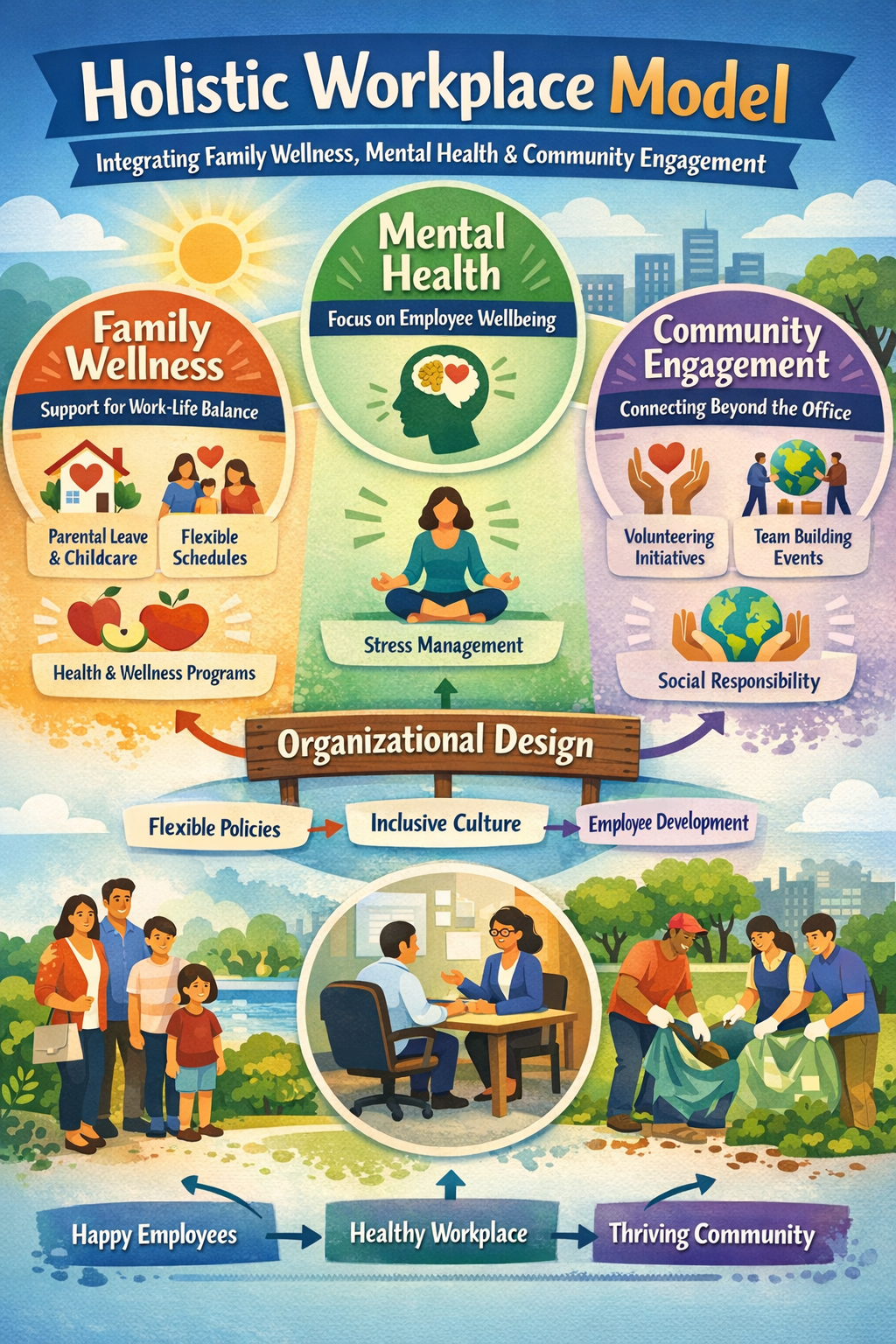
That's the measurement of success. Not what kind of stranglehold we can have on the world. Right. I mean, it's the same way. Like if HR was actually about taking care of human resources, that's what they would do. They'd worry about the health and wellness of their people, as well as take care of the training and their understanding of the context of the job, their in and all of those things, their engagement, you know.
Yeah. Could you imagine fight and that this doesn't mean like put in ping pong tables and have free vending machines. Yeah. It's like, no, you know, actually think about the psyche and the physical, you know, the wellness of your boys, their family wellness, like, you know. Yeah. Bring in. That's it. Bring their family even into it, you know, maybe do things similar to, like, field day and like, we had no school.
Yeah. It's funny. You know, if I think about my own family, like, you know. So let's say that I'm, I'm on my own little HR department, or I wouldn't call that personnel. There we go. So. So, you know, being the patriarch of the family and believing I'm working pretty synergistically with the matriarch of the family. You know, we have a concerted, kind of cultivated approach to raising our kids.
I want to make sure they have an enriched experience. But safe and kid all it needs. They are all the needs are met. But at the same time, you got to get it in a language immersion school that speaks a lot about what you're doing.
I don't even know how to say true in Chinese. I was thinking about it. Yeah. So, you know, we're putting that in place. We're trying to have this concerted, cultivated approach to raising our kids, having given enrich experiences as they grow up and go on vacation, see different cultures, but in countries, if possible, things like that. And, you know, we try to we try to model for behavior.
Try. Yeah. You know, so think about all those different fronts on how I could do better. I can do a lot better, you know? And, Yeah, that's what it's all about, this this feedback loop of improvement. And, I mean, just like we both do with, you know, I think some of it's a little bunk, but the whole idea that I'm sure both of us are doing the continuous improvement with our jobs.
You know, same with the other aspects of your life. Yeah. If we could figure it out somehow. Like to, you know, how to how to augment the culture or how to. Yeah. That's what to say. How to change the culture to where, you know, that kind of ideology is pervasive rather than what seems to be the case now, which is, if you're a true patriot, you think everything's just peachy and fine and doesn't even change.
Yeah. If you think that world is okay. Yeah. And it's like, you know, true patriotism is acceptance, which is wrong. You want things to be better if you actually cared about it, wouldn't you? Yeah. We get attacked on nine over 11 and it's, you know, jump up on the smoldering mound and tell everybody to go shopping. Yeah. Really, though, because that's what keep the economy going.
Right. Right. And then we're gonna we're going to go stomp out the bad guys. You know, not ever thinking about what might motivate some other country or some other group of individuals to do something like this. If you if you put yourself in a plane and you fly into a building knowing that you're pretty committed, you're going with it.
Yeah. You have some high ethics. Yeah. I mean like if we say the ethics is how, how much you would hear to your morals. You know it's like not saying. I'm not saying your morals are good. You know you're morals are just your belief like the things that you think are right. It's your own personal moral code.
Right. And then your ethics you can look at as how how strongly you adhere to those things. Right. So you got to have a pretty high level of ethics to adhere to your moral values, that you're flying a plane into a building 100%, killing yourself 100%, you know. Totally. And.
Like you said, I mean, it is incumbent upon us to as part of prevention of having that happen. What did we do to provoke it? Right. Right. What's the geopolitical situation? What's the level? You know, is it unbridled capitalism and all the ugly effects of that? Probably part of it. Contrasting against radical religious ideology. Yeah. You know, is that part of it?
Seems like one brick wall slamming into another to me. Well, maybe radical, Islam ideology is is dangerous, but also maybe. Yes. There we go. There we go. So maybe unbridled capitalism is dangerous. And because that's the part we can control. We can't necessarily control unbridled Islamic, but we can control unbridled capitalism. Or at least start transitioning it.
Yeah. Yeah. But but if you take the model that like geopolitics and bring some and shape and all this kind of stuff, even take the short history of the last 120 years or something else, 150, something like that. Take the short history. You can make this case that like it's following natural law, survival of the fittest, the strongest, most powerful nations consume them, consume and command the most resources.
But that is just a facil approach to anything. I agree. But what I'm saying is if you take that ideological disposition towards it, right? If you say, you know, I'm the leader of this country, let's say king, king, go back to that scenario and I say, okay, the United States commands the most money in the world. It contains the most resources like per capita or people use the most, if not close to the most resources.
You know, there's probably some small Qatars on the Dubai or the, you know, where they're consuming because they're like air conditioning the desert. You know, but I'm talking about like, practical, large populations. You know, the per capita consume incredible amounts of resources, natural resources and energy and stuff. I mean, I can't disagree. And so you say, okay, if, if, if we're not doing this, some other power is going to rise up and take our take the throne, and then our people will be deprived of resources like their people are now.
Right? So for America to consume so much, everyone else has to consume a little less. You know, in general, especially the second and third world nations. Right. So we have this like if you were to if you were to be the one to make the decision, would you keep it that way and say business as usual or even double down and say oh we need a bigger military to keep this stranglehold on the world because the world is getting more complex, you know?
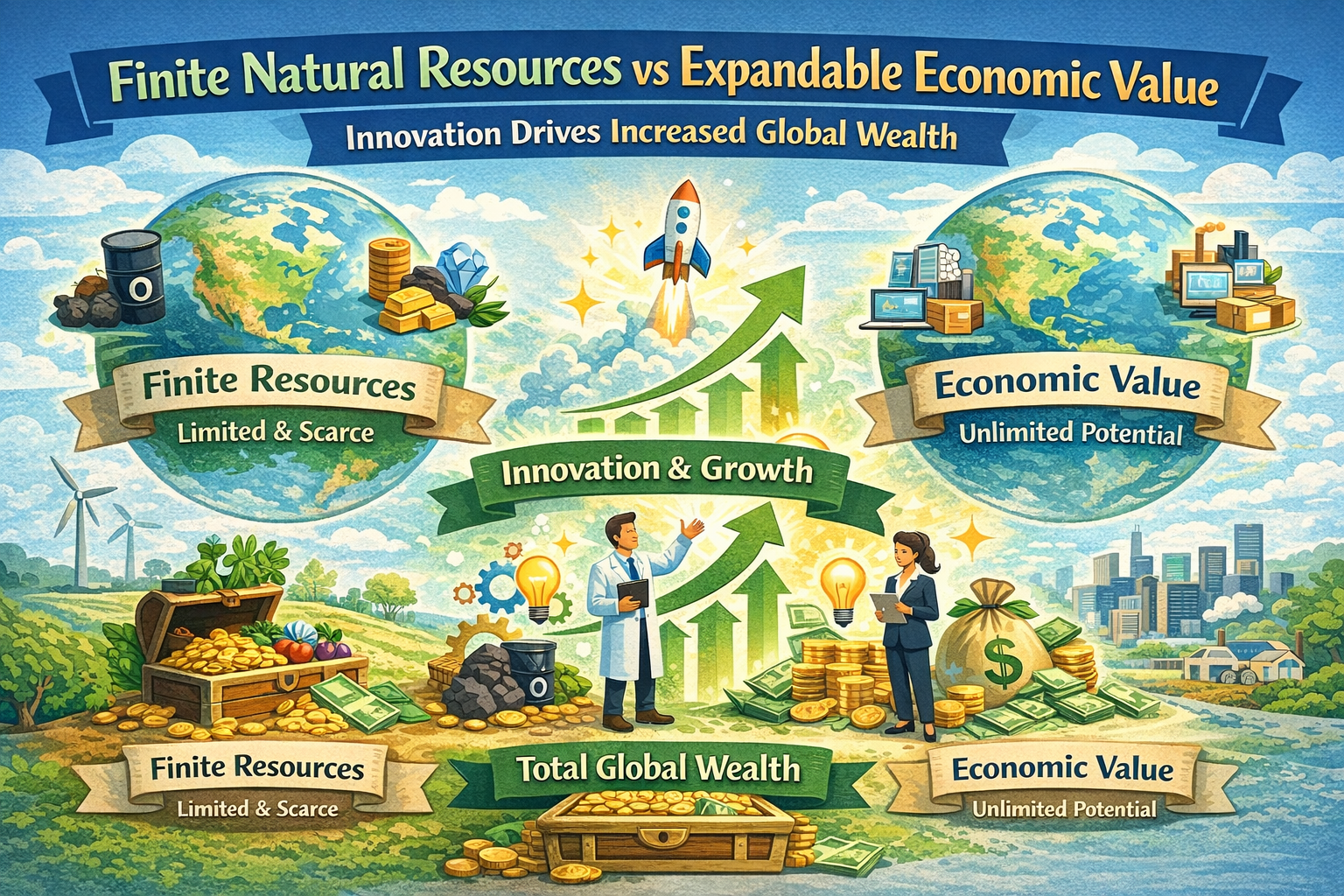
Or do you say, no? It's time to relent and change our ways. I'd say it's time to change our ways, and also maybe even change the way we're looking at the division of the pie, because I strongly suspect that we're looking at it like there's a finite amount. There are a finite amount of resources currently available now, but a finite amount of wealth there is not.
We can create wealth. We can create. You know, and we it's incumbent upon us to take the to help the nations that aren't creating as much wealth do so. And, you know, even if there are competitors. Yes. Because in general that makes more wealth available globally. Yeah. More wealth. More ideas. More. You know, I mean, all of these things generally contribute to the pool of, you know, if we can move ideas, people and information faster all around the globe, it's better.
That's the theory, you know? But what about when determining information is, like information on how to make bombs and how to make, you know, that comes with it? It does. You know it does. And so do we. Do we really want someone that has a, let's say, a radical Islamic ideology or a radical Christian ideology, radical insert thing here.
Ideally, you know, do we want any group to or do we want to starve those kind of groups out? Do we want to do we want to pinch those kind of groups off. But they already or do we want to because those people aren't just that, right? The radical Christians are also members of our communities that are also this and that.
So maybe we try to erode the tendency by strengthening the other things. Does that does that work though? I don't know. I don't know. It's interesting. If it did work, then it's undeniable. That's what we should do. But, I mean, I would maybe if you fix the things that drove them to the extremism, they'll back off. But I don't know.
That's got to be really complex to figure that one out. It does. You know, because you got Invisible Man involved. And you do have that moral, ethical connection that I talked about earlier, right? It's like you have these people that really believe what they think, what in what they, you know, they really believe in what they believe. Yeah.
They have strong beliefs to put that way. And then, you know, their ethics follow, you know, the way they conduct their lives, you know, in a radical way when they've gotten to the point where they're, you know, to that point, you know, you got these guys out there driving jeeps through the woods, you know, like talking about these groups, these radical, you know, religious groups, governments gone corrupt.
And we've lost our Christian Wayne, you know, but all these things for. I don't want to cut off the flow of information because of my, my personal experience. I'm not smart because I went to uncW. Charlotte. I did that as an adult. You know, I'm smart because of the internet. Okay. You know, and I can probably make the same claim and then, you know, but but then in my just internet smart.
Right. My just, like, smart within that book ended domain. Well, absolutely. I mean, I am in very limited domains. Am I intelligent, well-read and able to spew shit? But we can't speak for ever. But you know the idea. I guess what I'm saying is open access to information and innate curiosity are what allowed me to enjoy any sort of, you know, understanding of things.
I mean, like all the books, most of the books I read as a kid, I got for free from either libraries or from the internet itself, like the Gutenberg project. You know. Yeah. I may have mentioned this before, but books are unique because if someone has taken, you know, put their name on it, first of all, especially if it's nonfiction.
Right. Someone's put their name on it. And you know, if you're if you're going to take all that commit all that time and someone in your life. Right, right. In one's life. Can you take all that time and commit it to a book and put your name on it? You're going to want put it out, right? Right. Right.
That's going to be a little different than your blog on the internet or like your post on Facebook, right? Yeah. So the internet being a judge diagnostically as a source of information, it's a little sketchy, but it also contains the things I've just mentioned. Yeah. So so you've had to parse and develop the skill to sort them out?
Well, yeah. To sort out what's good. But like I said, the books that I've read from the internet are have that unique quality. You said, you know, sure, they might have been, you know, older books, but it was like, a book that had fallen out of copyright from 1960 on. You know, symbolic logic or something, you know, something like that.
You know, it's like it's correct. It's true. It's. But it is available on this wildly chaotic, ridiculous medium called the internet. Yeah. So, so that's. I like all that. It's it's how I see it, too. The interesting thing is, it's like you look back over some of the historic stuff when it comes to products and marketing consumers some type of things.
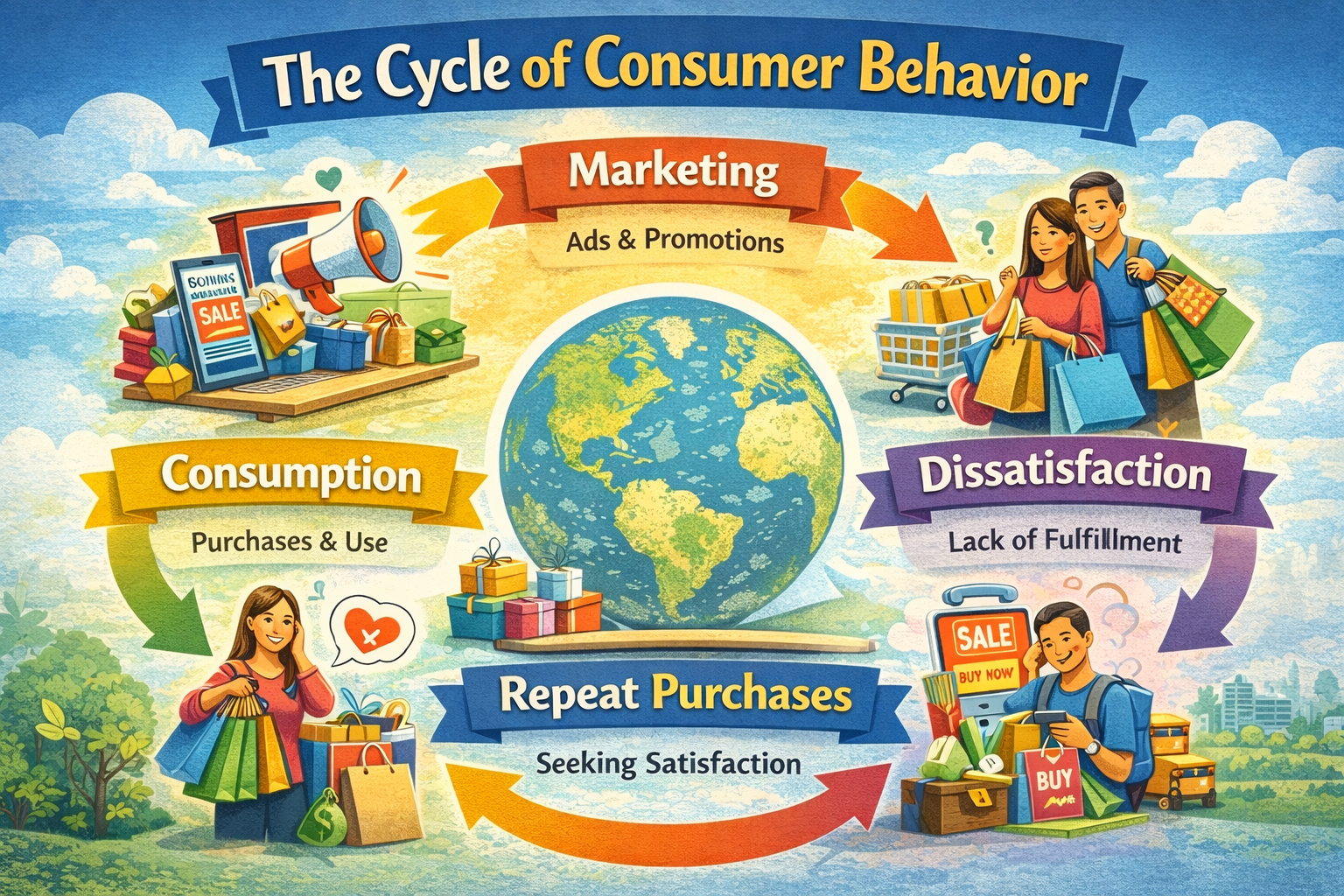
Right. And really like you circuit this attitude or at least I do get this attitude that it's like one gimmick on people rendered on people after the next. After the next. Yeah. So in this consumer kind of pursuit domain that we have, you know, in our economy, you know, consumer driven economy, as we call it, you know, in this you're swirling around in a matrix of, you know, shit perception.
Yeah. You know, like wild, exaggerated claims. It's like the Donald Trump of, you know, like, you know, that's what the guy is. He's a he's a, he's a consumer product, you know, entertain from from the entertainment. Yeah. You know, and, these consumer products just leave us, leave us wanting, leave us holding the bag. You know more, doctor.
Smoke, Winston. You know. Right. And, it's just now, like, looking at it, the gimmicks are just in the modern time. Just more sophisticated, like, by by magnitudes, you know, more sophisticated. And, so that I think in its totality creates like this, this is a version of, of life. You know, that's really, really hollow and really feels a lot of despair and leaves everybody wanting because stuff, you know, the pendulum swung a little bit the other way, even though it's being heavily marketed, the whole movement of does your crap that you've accumulated spark joy if it doesn't get rid of it, you know.
Sure. How big is that movement? You know, I mean, it's big enough for my dumbass to have heard of it. So has to be. But Marie Kondo and all her, and she's had shows and books and it is so. Okay, so it's a trending idea, but, you know, it goes back to inevitably it falls back to the, you know, consumer driven economy, consumer driven motivation of people.
So, you know, third of your paycheck goes to the government to feed the pig mostly, right? Yeah. So and brown people around the world and then, you know, so, so like people, majority of the people that are working for a wage or salary are contributing to that first. And then secondarily, their pursuit of consumer goods is like the second task.
So like the money that they have discretionary that they get to keep those not going to paying for their bills and keeping the lights on and heating their home and all that shit. Put food on the table is then the discretionary spending is being wasted on consumer products mostly. Right. And most of those consumer products are overindulgence things that then deteriorate someone's health.
And then there's another gimmick, another industry gimmick waiting for you in the health industry. And then there's another industry gimmick waiting for you in the mental health industry. And there's just all these gimmicks waiting for it. I've called them bear traps in the past. Right? Like, just like all these things on the floor waiting for you to step in.
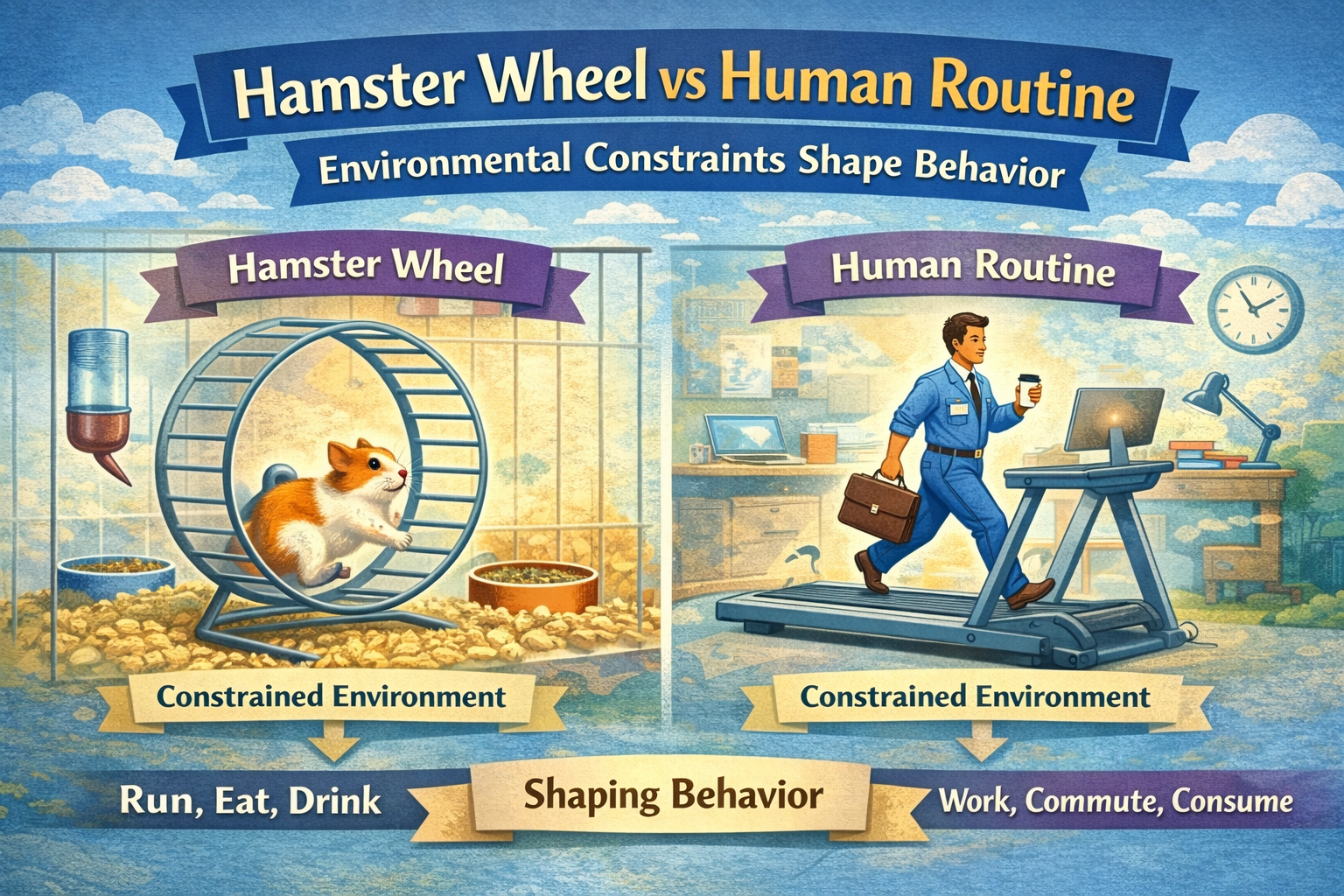
Because you're. Because you're walking around. You know, how do you and how I kind of think of it. And this is an old and trite thing. But I kind of think of it as being on a hamster wheel to being on the hamster wheel too, you know. Right, right, right. It's like yeah. And I love that metaphor because the, the, the hamster, when it's in the environment with the cage.
Right. And the hamster keeps jumping on the wheel. I think I've said this before was so worth saying because it's I, I came to that of one day I'm like, wait a minute. If a hamster were to find a wheel out in the woods, it would just avoid it 100%. Yeah. Right. And it's natural environment. Yeah. The hamster would be like that thing might represent some danger of staying the hell away from it.
Right. And it's not natural. It's clearly an unnatural thing. Right. But when it's in the confines of the cage, it learns that the wheel is the most entertaining thing that's there. So the hamster gravitates to the wheel and runs on the wheel all the time. And then the human captors going to call it that. Yeah. Oh see the hamster and say look it loves it, it loves it.
You see what I'm saying. It's like really, it's the only thing to do. Right. It's it's only stimulation, right? Its environment has been predetermined. And so of course, it's going to take the thing that's in that environment to live, like, have some kind of like existence. Yeah. Well, the same is true with us, you know, the environment that's been set up for us has these things available, and we partake in them because it's what's available to us.
Like, for example, you know, you can't go get on your private jet right now and go watch an opera in Sydney. But I would if I could. So your environmental constraints dictate what you know. So, like playing a video game or surfing the internet, it's like what's been made available to you. And so the by, by limiting the choices right out of the gate, we have kind of direct control of the activities of what that person is doing.
So now you put that back into the context and we're talking about with this religious extremism. Right. Or kind of ideology. Well if you put that person in an environment where that's not present a change, the environmental constraints, then the person will be on a different wheel if you will. Right. And I think that's how you do it.
You have to get people to have more opportunity, not necessarily access to knowledge which you believe is a premium. And so do I. Not just that, but like opportunity to change that environmental circumstance. So what I mean, I don't think there's very many people that are like radical Islam is a radicalized Islam. You know, people that then like go to college at Stanford and when they're done are still radical Islam.
No. You know, Islamic because.
The context of entering that environment and the change that it requires to maintain it, if you graduate from an Ivy League university, you are a completely different person than when you came in. So I'm talking about like a retooling and a retraining based on the environment. But, I mean, I feel like we're verging on saying we need to reprogram people, which is scary.
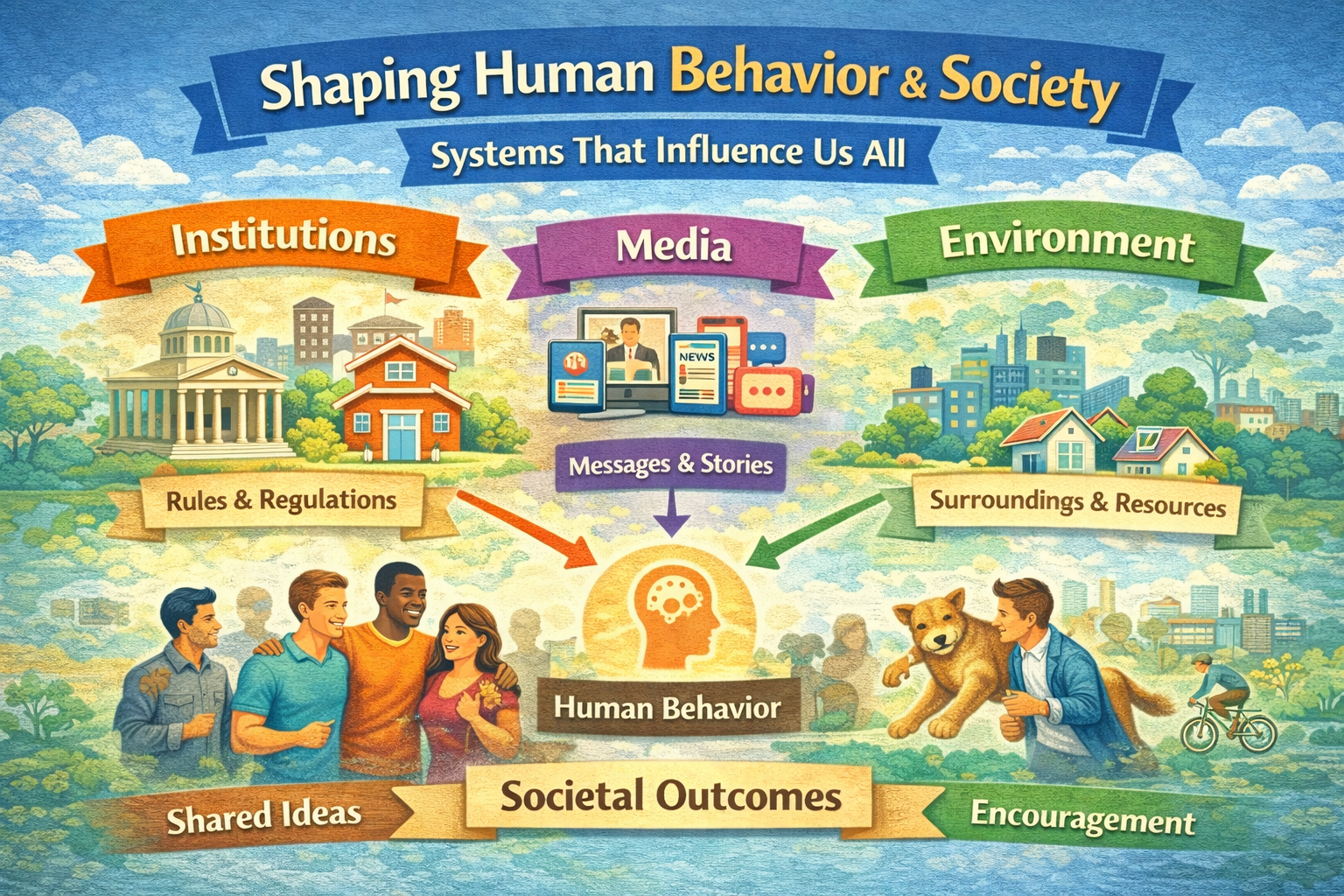
Well, it's okay, not necessarily because what you're saying is like, the reprograming thing has has the negative connotation of being, you know, like brainwashing and all that stuff. Right? But, let's just start with, with addressing the notion that the beef that the people are getting programed by something and they are anyway. Absolutely. And so what we're saying is, like, given this programing, which is terrible, leading to terrible outcomes for people, even if it's just the standard default training of being an American citizen, flag waving patriot and, you know, consumer.
Right. That's that's headed towards obesity and and the diseases therein. Diseases of consumption, diseases of overconsumption are just like waiting for them in their future. Right. And there's all these trappings, you know, by this. Look at this. You know, the trappings of our society that we built. Yeah. And so they're being attenuated or trained in that environment anyway.
And then we say, is, is the training in that environment healthy for the individual? And if the answer is no, then it seems seems fair and appropriate to give them an alternative. Going back to the idea of continuous improvement in our personal lives. I mean, in saying, just like we had said earlier, we want to continuously improve society, stepwise refinement of this programing just makes sense.
And I mean, it's something we should undertake. Absolutely. But it's like the the leadership we have seem to be calcified and stupid. Maybe so. So it's like you almost have to create your own pull yourself up from your bootstrap type thing. You know, that's radically different. That works, you know, without it being a cult or, you know, and that's what they do.
Anything outside the norm is, you know, people are preachers of habit. People tend to gravitate towards what they know, you know. And so if you create this counterculture, this like community that's like very anti consumerism and, you know, it's trying to do things right and have lots of opportunity for people and good ideology. I think very quickly most people would see it as cultish or you.
Well, you got to take steps to avoid not not being called a cult, but being a cult. You will be called a cult, but you've got to be taking steps to say, this is not a cult of personality. I am not the center. This is not a cult of ideology. This is we are building something together, you know, like have a way to make it genuinely transparent to where you're showing it's obvious what you're trying to do and how you're trying to do it right.
It's got to be data driven. Metrics driven, for sure. I agree with that to 100%. Maybe what we can do is we can say, flip the script on that and say what you're currently engaged in right now is cult. So, you know, do you want to get out of the cult of capitalism. Yeah. Yeah. You know and not mean not meaning go to socialism, not go to some kind of just create this new community with these measures because it doesn't matter what it's called.
We're not saying you don't participate in society at large. That's not at all what you're trying to say, right? You're saying the way you participate, society is going to be different. Yeah. And go through like the the list. You know, I love to talk about the ordinal list. The list of priorities go down and create a list of priorities and what's important for this community.
Right. So like first and foremost the health and wellness of people is definitely key. Right. And then you drill into that like you know what makes that. What makes that what makes that up. And just really simple things like, you know, the kids being going outside, kids going outside safely to play in their, in their, in their community is something that is like, should be a part of every community.
Oh, absolutely. Because kids should have the ability to explore their space, their environment, to create in their environment, to understand it. You know, I mean, what better way to learn about all sorts of things than to go out there and play? Exactly. Play. Play is the key to all juvenile animals. You know, all juvenile animals engage in play because it prepares you for for the future reality.
You know, the animal kingdom. It's like you're being prepared for life and death, right? You know, so you have to do that play fighting with your siblings because you need to get those muscle memories and those those moves and techniques. You know, you need to get those mastered before you're out in the wild and not protected by mom or dad.
Yep. You know, by big bad ass mom or dad, yeah. You know, that have made it to that stage and created you and protect you, right? You know, the youth learns to play and find, you know, before they go on and have to do it on their own. And the same goes with the myriad of skills and abstractions that we've built.
Kids assimilate them by degrees, by playing. Right. All through play. Yeah. And and it's really interesting too, is that there's, there's a conduit there for adults as well. Like adults benefit from play. You know, was playing yesterday, which I think is why I fell asleep early. I was learning about, containers and creating them and playing with pod man.
What a cool what a cool way to look at it too, is like, see, it is not like working towards acquiring new skills. You're seeing it as being as playing around, you know, and that makes it. It brings a jovial to it. It brings the right kind of spirit to it. Yeah. Play. And, you know, the games that the games that people play are kind of signifying, you know, they're really telling you about what their future might hold.
Yeah. The games that we play, you know, type thing. Right. It speaks about your and they, predilections, your personality, you know, and and what energizes you as an individual. But oh speaking. You're talking about daddy. Yes. Yeah. We got to find a setting right. That we can like use. Am I to, you know, can can start get a campaign going.
I don't know if you know anybody but I can, I can definitely ask around because, well inside into some of the community. I'll, I'll ask Sam to ask. And I know one person who might be interested. This guy I really like, I mean, school, I've known him for years due to Emerson. He's Peruvian in Spanish.
Cool, man. He's. He's an interesting guy and very energetic. Cool. Well, I'm. I'm even willing to, like, you know, I have a cool space at my house now. Cool. And, I'm even willing to, like, maybe DM something. Oh, give it a give it a shot. Nice. And Sam studying up to to do right now. Oh, okay. Yeah, yeah, IPA player or the DM.
Well, I'm just saying he's not ready yet. Yeah, I'm not ready yet, but I know enough to to where I can make it fun for sure. I know for sure I could. I mean, he's, like sitting down and just building the world right now. Like he's drawing the maps and getting the law right. Yeah. Super cool. Yeah. You know, I have that space in my basement.
Yeah. You know that, like where I dug out. I haven't been out there. Been down there in a long time. Dude, I could, I could, like, totally with some time and money investment. Turn that into, like, the ultimate day to day space. I'm not sure if you, like, literally like, walk down into the basement type thing, right, to play the game.
And the whole thing is like setup. If I got into it, that's pretty cool.
Right now. I mean, something like that seems like really low priority for me, but if I really got into it, I could probably make that a priority, you know, like turn that into something real, man. Like the real deal. Like put a shitter down there and everything they don't delete. There's already a bridge. I mean, dude, any space is a good space.
You know, we bring snacks and we hang out literally a dungeon now. Yeah, true. It's like, this is your dungeon you're crawling through. You just need some dragons now, right? Yeah, man, that's that's a great idea. I know, I know, it doesn't. People are saying that that could probably point me in the right direction. How to get started for for a little ragtag group.
You know, know of news of D&D news. Yeah. I mean, I've only played a handful of times, but I really enjoy it. I used to play with, I did a couple of campaigns with, what's his name, Joe, of Joe and Veronica. Yeah. Very cool. He was really fun to damn with or as a damn, because, I mean, it was really like he didn't mind.
You know, that whole interplay where you've got to. You know, why you're doing a friendly competition against the mind of the DM, right? Yeah. And he he didn't mind that. He didn't mind being challenged. And you trying to find the holes. Yeah. You know nice. And some people do. Right. Yeah. Some people of course. Like, if they feel like it was unfair or like something random happened that was hurt them badly, you know, or their character, beloved character dies.
Well, well, I'm saying like him is the. Damn he didn't mind you like, you know. Oh, well, you didn't think of this. Let me do that, you know. Yeah, yeah. And that's fine, you know, and, you know, he was he was really good as a as a DM. He was dynamic. And he would always he wasn't he wasn't like unswerving toward the storyline he came up with in his head.
Totally. He was like, let's have fun. And that's even in the DM guy that says that's what it's all about. Adjust to the audience. Like adjust to the, you know, if you're with a bunch of nudes, give them a great visual in their mind right into this adventure that only the imagination can produce things that like CGI can't even.
That's the whole point of a tabletop game, right? It's all in here, you know, it's so much fun. It is. And I mean, I'm not into the little miniatures and all that stupid shit. Not necessary. Yeah, yeah, the miniatures aren't necessary because you have, you know, your mind puts up, puts it all into place. Yeah, for sure. But that's the way they always portray it.
And like the really geeky movies, like, if the kids are playing D and E, they've got all these hand-painted miniatures and you've got this map and. Yeah, yeah, yeah, yeah, totally. We'll do it. We'll do it. Oh yeah. We'll do it soon. As soon as they get this office together. Cool. It definitely could. That could be the space.
And that could inspire me to, like, take that second space that's talking about and turn that into something wild. Yeah, like I could do it. I can do it with with my existing space. Now that is down there as it is, I could already set something up there if I, you know, partition it off a little more. Yeah.
Like kind of L-shape down there. I can make it a great space. That's. It could be a fantastic space for like, torchlight and shit, you know, like I turned it into, like, a real dungeon. So you're gonna have, like, a dance for your torches. Exactly, exactly. And then, like, a table with all your stuff or your dice and stuff, like, set up specifically to where it's perfect table for.
Yeah, yeah, Sam's really into it. He's got, like, every conceivable set of dice you could have, but then he's got that little, like, dice rolling, velvet lined container that you can roll stuff in and oh, just do that. I was out when Sue and I and the kids went and played D&D at that comic book shop. This guy had this skull thing that you'd put the dice in the head.
And the the the dice roll out the mouth. That's pretty cool. Yeah, I like to put it in and it would like it wasn't just this direct tube. It was like a a track in there with a die would really, you know, actually change up a little roll. And so it was completely random and yeah. So like it you, you'd pick your dice back up out of the mouth of the skull.
Yeah. It's pretty awesome because then you're thinking like, this guy's got to carry the skull. Whatever. It's all good. And, you know, he he loves whenever people comment on the skull, like he's carrying it around everywhere. Of course he's introverted. And that is a that's like a safe conversation piece to bring somebody into a conversation. Absolutely. You got it?
Yeah, totally. And then, you know, he can use that as a signal because he's got more ways, more dice rollers and more stuff. And he's got the whole entourage, whole cars built into the ship. And so like, if he's had his meds or how he's feeling for that day, you know, he can decide if he wants to drink the skull or something else.
I had a friend in elementary school that was he was he was super geeky for our age. And so we're talking, you know, ten, 11, 12 years old. This kid would I mean, dude, he would bring, like, Transformers into class and play with him in his desk, but he would carry stacks of books around, and invariably it'd be 1 or 2 daddy related books, you know?
And it was like, I don't know. Oh, man, I remember carrying books. Yeah, lots of them. Yeah. Well, you know, we had to carry a lot of books around anyway. But he, his stack of books, our stack of books was maybe like this in elementary school. His stack was like this because he had some of his own supplemental material.
Yes. Did you, did you ever, like, make a book cover out of a brown paper bag? Yeah, yeah. And decorate that shit out of it. So I'm talking about. Right? Yeah, it I'm sad for my children that they don't have, like, these dumb experiences. Like, because it was like you were customizing your crap. Yeah. And do you, do you remember, like, in the back of the book where you write your name and you'd see the name of the people that.
Yeah, for you, it was so neat. And it's like sometimes you'd be like, oh my. And sometimes they would date it, you know. Yeah, yeah. And I always like to, I don't know, I really like to go to the library and see in the last time something was checked out even. Yeah. Oh yeah. Hell yeah. How about, how about finding a scrap of paper in the book that somebody else left in there?
I still have books that I got from goodwill or other places, like thrift stores that have scraps of paper in them. I leave the scraps in there so I can go back and look at them. Dude, that's like a treasure. Finding a treasure. Yeah, finding someone else's, like, no. Or something in there. Yeah. They wrote not not necessarily related to the topic.
No, it's just a piece of paper. They put in there or received or anything. Yeah, yeah. The mystery of what that is. Yeah. Yeah, totally. That's a shared experience. Oh, yeah. I mean, it's so cool. And I mean, when you get a book sometimes, you know, from a thrift store or whatever, I'll have particular smell or have a, you know, you're like,
Yeah. So, when I was in Iraq, I did something really interesting, like, I, I thought was interesting. It might many people might think it's stupid, but, literally, I ran out of paper. Yeah. Like writing paper to write. To write letters home. Oh, man. Did you make your own? No. I started, like, things that were flying by in the wind.
I would grab and then use those to to write letters. That's pretty cool. So it was like found objects. And you sent them home? Yeah. So, like, literally trash. Yeah. You know, like, so, like a label to some bottle or something was floating by and I'd grab it and put it in my pocket and then use that to write my letter on it.
Pretty damn cool. And so I have in my stash still to this day, letters that I wrote with, you know, on back in the soda bottle label or, you know, you name it, you name it, I love that. Yeah. There was like, you think, oh, well, you know, it doesn't like the. No, the brown cardboard wasn't a good source to write on.
Right. So like a white label of anything like or, a piece of paper, you know, someone like, literally paper that somebody discarded. And one side of the paper is like all this Arabic writing, right? But then the other side was blank, right? So like, okay, right, a letter on that. And then I also did it to where like, the, the, the propaganda leaflets that we drop that we airdrop, those would be like floating in the wind.
And you'd write the letter at home on that thing, and it's so cool. And then, you know, later on my, you know, people that got those things was like, what does this say? And I said, well, it basically says, if you oppose the United States when I die and want to wrap your body in pigskin and you know, you're going to, we're going to dominate your soul.
You know, it's like so something terrifying to, you know, you know, to the enemy. Yeah. Because, you know, if you're if you're dropping paper leaflets on somebody, I think it's pretty clear that those could have been bombs instead. Yes. So you're sending a pretty strong message like we own the sky. It's pretty. I never really thought about it that way.
Pretty powerful psychological operation. Yeah. That's true. Dropping leaflets on paper. Right. It's pretty strong psychological. I worked with a guy at peak ten who was in PsyOps in the Army. During, I'm not sure what conflict he was in. He was pretty young. He was younger than me. But he he had gotten to play, and, he was a twisted little dude.
I tell you what, it's like he was always trying to conduct psyops on us. He was one of. He was even when he was just a regular support organization guy. And then they quickly promoted him due to his psyops skills.
You got to be wary of, like, I don't say there's any reason to disbelieve this person, but you have to be very wary of people talking about the military experience, because a lot of times it's like stolen valor nonsense. Oh, I agree, I agree. There's a big culture of that that's really inappropriate, and I feel like you shouldn't be bragging about it regardless of what you did.
And if you are, you're probably lying. Yeah, like like it's not probably there's a good chance, right? And but regardless, he was always trying to do similar acts of mass manipulation upon us. And it worked well enough that he got promoted.
That's funny. And he he's like, I think he's like four rungs up the chain from where he was whenever I worked there in 2016, there's that. There's that like fine line between mind control and influence, like so, so literally if you take the whole idea of like this cloak and dagger, mind control, hypnosis nonsense, right. Take that and put it to the side and say, really?
Like really what it is, is a series of threats, like influential threats that work on someone's mind to shape their behavior. You know, it's not necessarily like you know. Yeah. It's like control. You like my eyes are spinning and you know you're my zombie. It's not hypnosis. It's. Yeah. It's like it's, it's this long series of like influences that that will sculpt someone's thinking and ideology over time.
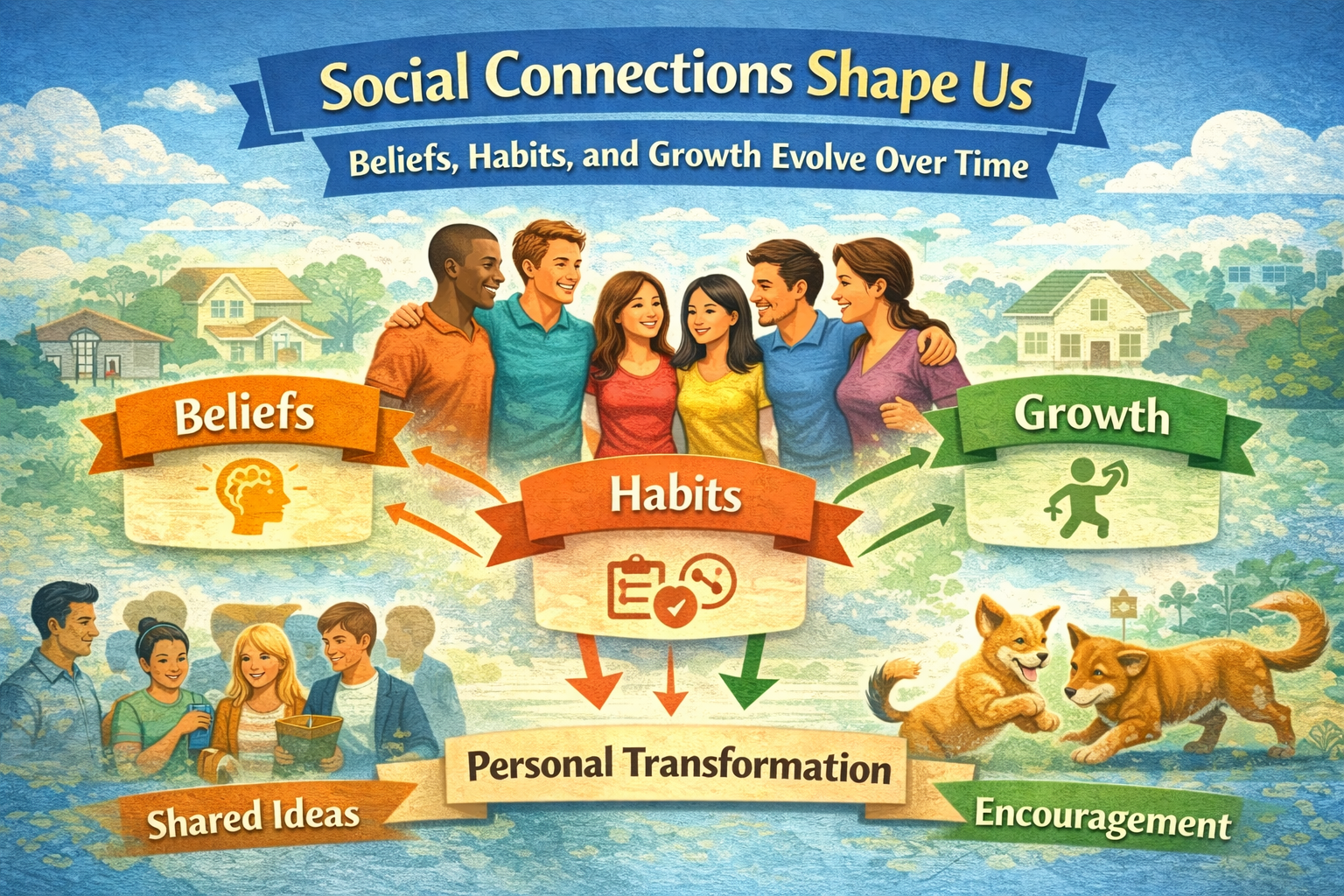
I mean, obviously there's some things that are known to be more potent than others, but in general, like, you know, we've said it before, you hang out with with the top 3 or 5 people that you hang out with are sculpting. Yeah. Influences. You are, more or less a composite of those people and your own innate personality and chosen influences.
Yeah. It's a it's a mesh or amalgamation of those, you know. Yeah. Those things. And so, you know, like I said, being a steward or a guardian of your own psychology and your own sentiment and, and preparing yourself to success for the future, align yourself with the top 3 or 5 people that you think are really going to help you change.
You know, your brain, you know, over time in a positive way. You know, you know, that's the thing. That's a that's a really big thing, is that when, when I, you know, speak in these classes or, you know, I'm around in Nova Scotia or anywhere where I have some influence, like what we're doing here is I try to make sure that the the undercurrent of things is, is hopeful and and energizing and positive.
Right? Because it's, it's sculpting influence. It is not only on the person who's receiving information, but the person that's repeating it, because I kind of look at it like devastating your beliefs. Even if someone doesn't take something from the content that you're giving them, they may take the general overall thrust of positivity. Right? Right, right. You know, even if they're not ready for whatever you're saying, right?
They're still going. You're still going to have a positive sculpting, uplifting opportunity here. Exactly. Yeah. That's what I'm thinking. Yeah. You know, and so the net effect of that over a period of time, especially like we have really strong influence over your children and stuff, it's really like instrumental. It's like the core, you know, value that you're bringing to it.
You know, after love and you know, being there, you know, type thing after that. You know, those are the core, you know, right after that next layer just outside of that, this idea of concerted cultivation for the for the actual positive disposition of the children, you know, like they have to see the world as hopeful and not just filled with burdens and problems.
Yeah, you know, look forward to in their lives. And, you know, if they have that attitude, they're more likely to surmount the problems that are in front of them. They're more likely to solve them in creative and personal life. And that's what you want. You want someone to approach it with a personal set of skills and solve it their way and feel good about it.
Yeah, absolutely. And then those those being the foundational elements that in place would give them the opportunity if there ever in a position of power to like actually create positive change because, you know there it's almost like a, it's almost like a Mexican standoff. You can imagine like politics to where, you know, someone is like, recognizes the military industrial complex, for example.
Right. And like, you know, military is just enormous and enormously powerful because it has so many resources and, you know, and money and it's entrenched, you know, it's been there. It's 100 plus years. You know, it's industrial complex has been strengthening, you know, for at least a hundred years, you know, in the United States. And, so it's like kind of thing if you were a very aware politician, let's say it would be like something that, you know, isn't just going to change overnight.
You know, if you try to just change it overnight you're going to get squeezed out. Right. Right. You're going to push that. And so like you're saying okay I'm here I'm an agent for positive change. I want to I know what would be better future for our country. Or I have a vision for at least. And that would be to to scale back the military and start to put more of those into the humanities.
Right? I mean, whatever we're doing is, you know, whatever positive change we want to make, we both agree it has to be incremental and it has to be concerted change over probably generation. Yes. Right, exactly. And so, you know how many parents are like setting up there, there, there children to have this hopefulness, core positive disposition. Probably not many that consciously doing that right.
So that no matter what what you know, path their lives take, your hope is that they become like a beacon of light within that, within that domain. Right. And then they're going to do the same with their children. And, and, you know, start to create these beacons of life. I think I want to I think I want to give my grandparents and my parents credit for getting helping me adopt a relatively positive disposition, regardless of whatever I did, you know, and that is, I'm with you.
I think that's the most important thing you want to impart to your kids, as well as keep trying, keep. Okay. You didn't fix it the first time. Go back and do it again. Yeah. Keep going. Yeah. And then, you know, for my children, too. I also try to, like, stay off the trauma, like, try to make it so that they don't have, like, some traumatic experiences which which can really uproot the whole thing.
Right? Because, like, traumatic experiences so strongly in the mind that they can displace, like the dispositions of being really positive. But I think you do somebody a disservice if you protect them from all adversity. So it's just going to say, but but with a balanced hand like, yeah, you know, calculated risks. Yeah. You know, teach them that calculated risks are where the spice of life is, you know.
Right. And, you know, it's like so many times I've done something thinking, okay, well, most likely it'll come out okay. And, you know, thankfully it might be confirmation bias, but I've been I've been right enough times. I'm still here today. Amen, brother. Amen. And that's a good start. Oh, you ready to get out of here? Yeah, man. We kill this.