

New Year New Possibilities
Kris Tyte and Sean Snodgrass venture into the world of resolutions in today’s deep and reflective episode. They tackle questions like: Why is it so hard? Why do we fail so often? The answer may come as a surprise to most but could it be that failure is the point? Some may find new years resolutions as corny or pointless but when it comes down to habits, addiction, personal agency, and a regain of control …it might have more impact then you think.
Now in the show
Episode Art 9 pieces




Full Transcript
So I was always against, personally, I always thought New Year's resolutions were just corny, and, So I never really, was kind of adamant that I never really do New Year's resolutions. I try to use my birthdays as, like, more, agent for change, like, a year old. Or let me reflect over the past year what kind of positive change it's going to make.
And my birthday is in August, so, around New Year's, that's like a little bit redundant if I'm using my annual marker as my right. It's a New Year's resolutions for me. I've always been kind of corny and, you know, I think that there's there's data that suggests that that they're not really that useful. Most of them are just cliche.
People don't usually stick to them or, you know, it doesn't really do much good. I know gym memberships, spike like crazy if you're in the gym regularly. Let's see, like in the first couple weeks of every of every new year. And these, these fitness companies know that. And they give you they give you a deal, right? Right.
I mean, I took advantage of Planet Fitness deal to sign up for, for, you know, this year and I've been I've been once and we're what a day for an increment okay okay. Hey 30% I think it's great. So I've always thought that corny, but, you know, small story here is that, my uncle, he, was like, you know, started smoking.
It was two, not really, but, you know, like the stupid young age because, you know, he's of that generation where people started smoking. We're young. Yeah. Like, my grandpa was about his age, and my grandpa was smoking and driving at eight years old on a farm, right? Yeah. Right. And it wasn't, like, wildly crazy. Yeah, yeah. And so, he had battled for, you know, basically ever, really, really his whole life, you know, all these different ways to try to quit smoking, just to never put it down.
Never put it down. I mean, later on, you know, he wouldn't mind if I revealed this, but like, COPD diagnosis. Yeah. You know, now, like, you know, clearly life has been shortened by, you know, most likely life is moving to shorten by lifelong or smoking pack a day or more. And anyway, when when he just tried everything over and over and over and kept trying and kept trying and failing and failing and failing so many times probably unmeasurable and probably can't even tell you how many times.
Right. But he figured it out somehow. He just one day he's just like, I don't want to die. I don't want to die, you know? And just it and did it and accomplishing and so smoking the mortality really breathing down his neck. He felt it. And he's like, man, I'm going to do it this time. And yeah. And then like in that same like fear of being, you know, dying like you know doctor telling me lung capacity is diminishing and, you know, blah, blah, blah.
You know, you need this inhaler now maybe there's like, you know, different stuff that you can breathe in to help your respiratory and all this, like, things like still with that motivation can quit. And it wasn't like, you know, if you don't quit right now, you're going to die. It was just the nonstop trying, you know, and finally, just the multiple attempts, one finally came through for him and it worked.
And to this day, he's he's added years to his life. Well, I'm and we may have already mentioned this, but it bears repeating quitting something like smoking. Seriously, I have read before that it is it is harder to quit than heroin, and I've read before that it's the psychological impact of losing your best friend. I can see it, and I equate it personally to this idea of like, threads.
Right? And so I quit most of the mind. I think of it in terms of all these threads that pull in different directions with different weights, almost like a neural net. Right? But I see it as like, threads of entanglement, emotional and physiological entanglements, you know, and so you have all these threads, you know, this web, this weighted web.
Yeah. It's pulling you in different directions and bending you and shaping you. Right. And there's all these things driving you to smoke. If you're a smoker, like, you know, every time you have a meal, a smoke. So that's another thread, a connection, right? Another thread connecting that pulls you towards smoking, you know, driving in the car. Right. Well, not this is all these habitual routine, ritualistic threads that drive the habit.
And, you know, a lot of times these habits that are detrimental, that we get addicted to it is a they're part of your coping. Like like you said, you sate yourself after a meal, you sate yourself after sex with it. You sate yourself in the middle of the day. When you're stressed out, you go take a ten minute break.
Absolutely. Or you accomplish something. You reward yourself with a quick smoke. Yeah, as you break and reflect on your good job. And so all these like little micro threads that keep pulling you in. So all of a sudden you just put that down. Every one of those threads is pulling on you. Right? Yeah. So that's like extremely admirable from someone that can somehow manage to just severed the threads all at once and, and survive.
You don't have to go cold turkey. And because you're, you're bleeding out from all of these wounds at once and your mind is real and you have no where to go, what do I do now? Because smoking is especially pernicious. Because it becomes an identity, because there's a tribe of smokers there. And in the fact that there's less of a tribe probably helps now.
But it used to be there'd be this gaggle of cynical assholes who would go out to smoke. And those were the those were the cool kids. They go they go hang out by themselves. You know, like in high school, we had the ballers, we call them. They would hang out and it would be, whoa. Those were the cool, aloof, chill kids who all smoked.
Yeah. And so that's another thread. The reinforcement, social reinforcement, the the etiquette behind it, the cultural, you know, savage type stuff. And and so this reflection then on this New year resolution kind of idea, from my uncle's example here has, has bent my mind on this like it's changed my mind because if the New Year's provides another like, little touchstone where I can evaluate what kind of habits, what kind of threads I've entangled with.
Yeah, and maybe it is a failure, but it's still another attempt, right? So I learned through vicariously through his experiences, like just continuously trying multiple times, even if it's failure. Privilege for failure is a pathway man to success. Yeah. And you know you'll never succeed at all if you never try. Even if you honestly try knowing that you're probably going to fail going into it, it's still a try.
It's still an attempt. Right. And so, I you grow from that. Definitely. And knowing how, like, you know, the mind is entangled is associative and all these kinds of things, all these little like little tiny micro attempts of changing something for the positive, it's worth it. You know, in I think that that's I think that's what, is this catalyst that caused me to reevaluate my, pessimistic, attitude towards New Year's resolutions because his success.
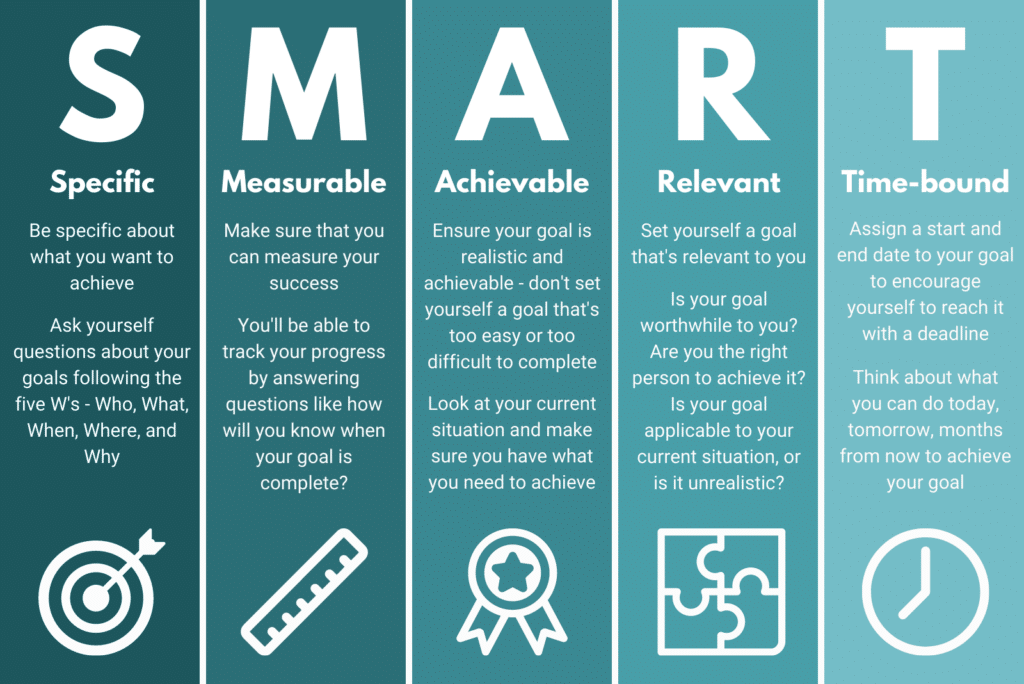
Yeah. So so now I'm just thinking, rethinking that and saying, yeah, hell yeah. Why not? Why not try a bunch of couple New Year's resolutions for myself, make them be realistic so that they are, you know, possibly attainable. Yeah. I mean, what's the what's the framework that everybody spews now? Smart a smart goal, right. Explain, what the Smart goal.
Oh, you caught me on that. All right, hold on. I always forget what, the, acronym is. Oh, it's an acronym. Okay. Yeah. Specific first. Measurable. Measurable, achievable or attainable and relevant and time bound. Okay. Oh. That is smart, I like it. No, that that does make sense. I think that that if you apply that to the to these type of resolutions slash goals, that would probably give it a higher chance to succeed.
Yeah. So, you know, in goal planning, resolution kind of, you know, making, making that stick or whatever, you know, I can see, like any, any supplement you can do to reinforce or give it a higher chance for success. Makes sense. Yeah. Yeah. But, yeah. So through positive example, of something negative it change. My pessimist is asshole nature towards New Year's resolution.
So I've had an epiphany and say, hey, you know, this year I'll try to make a couple myself, right? Right. I mean, I am a perpetual cynic, which would I'm sure we'll talk about later. Cynicism and how it it, messes with you a little bit, but, yeah, I've always been the same way about New Year's resolutions, but what got me dislodged and moving in that direction this year is it was like, look, it's fucking time.
So many other things have changed in my life. It's time to make a conscious change. And so it was really I'm taking control. I'm taking. I'm taking myself back that, that, that control thing I think is, interesting dynamic is the, I have for me. I definitely have awareness of how much is outside of my control.
Like, I'm not alone in that. I'm sure. Sure, every single person listening feels that there's a tremendous number of things that are outside their control. Yeah. Like, you know, like. Right. That seems very modern and something that's always been there, but it seems more pernicious. You know, today than I think it was a decade ago. I feel like there's a hell of a lot more of this technology is expanded on so many, so many fronts.
Right? Yeah. It's I feel like there's so many more things out there now that affect me that I have no dominion over, you know? Okay. You know what I mean by that. Yes. You're saying that we are the context of our modern lives really says there's so many things that are obviously leading us down a path by to knows, you know, we've got these digital rings in our nose that we're being led by.
And there's so many more pieces that we obviously don't control. There's so many. I have an intuition for that. There you go. And so you see the chains that you're bearing. You see the, the collective loss of control that we've had and, you know, so much of it is us putting the yoke of technology around our necks.
So much of it is it's us pulling the plow for social media, us pulling the plow for our work lives, us pulling the plow for, you know, even I. And it's. So everything keeps getting narrower and narrower. The things that we have personal self agency over. Yeah. I'll give you a very specific example. So you realize that.
No, my bloodwork show is showing that, like, I'm starting to have issues with sugar, let's say. Right. Like, so my A1, C is in where it needs to be, right, doc? Three month average of blood sugar. Yeah yeah yeah. And so you're like, oh shit, I need to make some changes. And so you do the you do the thing like everyone to do and say, oh, I can start cutting carbs and looking at, you know, labels more.
How many what's the total carbohydrates in stuff and things like that. You know, avoid sugar blah, blah, blah, blah, blah. Sure. And, this is the the standard response that anyone would, would do in such a situation. But then you do this kind of like, just surface dipping your toe in and you realize, holy crap, this world is way bigger than not only I've ever imagined, but can even comprehend.
Yeah. So, for example, you know, all the different derivatives of sugar that it's in food as additives from corn sirup to high fructose to, I mean, you name it, there's all these different things that are, actually sugar in your food that doesn't sugar just say sugar. Oh, yeah. And even the sugar analogs that still cause an inch long response response, but which there are hundreds of, wow.
Hundreds. Yes. And so when you, Well, yeah, I might be exaggerating. But when you start to dip your toe in it just a little bit, you're like, holy crap. Not just what sugar, but what metabolizes into sugar. Right? And then you know how the seed oils and different oils, actually interfere with this process and the internal process, the insulin resistance and holy mackerel, let's say, you know, you like, need a PhD to just start to, you know, make headway.
And so you get this intuition that the complexity is, to a degree, creating a, degree to what I would call illiteracy. So you can imagine the difficulties of someone, you know, 20 plus years ago, and still to this day, it's still it's an issue someone that has an issue with was traditional literacy, chakra illiteracy. Yeah.
So, you know, you can't read that form that you need someone who's functionally illiterate. Basically what we're talking. Okay. Yeah. That that's the right term. Right. Functionally illiterate. And so you say okay I understand because I've seen this in my lifetime. You know, I've seen people, need that need help filling out forms, need help with understanding things, you know, God forbid.
Contract. Don't understand it. Go to buy a car. I don't understand the exact first thing about the contract. You sign your name and terrible situation. All right? Yeah. All the different, disadvantages you get by being illiterate are profound, right? Well, what's happened, in my opinion, is that, in fact, that's how you can stifle somebody. That's how you can keep somebody down or a group of people down is by denying them access to, to a degree of literacy.
So, it's grotesque to bring it up, but but I kind of need to, for my point here is that, like, back in, slave days, right? Is like one thing that you weren't allowed to do is to allow a slave to be literate. You have to keep them illiterate. They were forbidden to learn to read. Right.
And so the literacy became a control mechanism and it is and it's still a control mechanism to this day. 1 in 5 adults has difficulty with this basic reading task, you know. And so expanding on that, the complexity of technology as it's ballooning through our society is creating by default, new, version of illiteracy, right. To which then you can keep people down because they don't understand all the different the vastness of the complexities is by default then a tool that automatically, whether it's intentional or not.
But I would probably say it's potential because I'm cynical like that, but I can see how how easily that can be used is you keep things so a piece of it to such a degree of, of complexity that you essentially keep functionally illiterate, you know, you have then most people are then techno technologically illiterate. And to bring it out, I mean, like you said, that's just one of the multiple layers that you have to be literate in to operate in our modern society.
But our current president said, I love the uneducated, and by that he meant, like you said, the illiterate in all of these different spheres, because they are different domains or spheres, they are different things, different toolsets and knowledge and understanding that we need to operate in all these different facets of our lives. Right? Yeah. And see this, this kind of helplessness of someone that's illiterate can can have this learned helplessness, have this learned helplessness.
Jesus. Right. Yeah. And then you create dependencies and that dependency can be on party. You know, part of it, you know, you name it. But to tie this back into, like, kind of the New Year's resolution kind of idea is that this, this idea of being able to focus in on something that you can control, right, and can understand something that's simple enough, right, to to be a counterpoint to that kind of intuitive awareness of like, hey, I'm illiterate with all this vast complexity is you can now focus in on something that you can control.
Yeah, that's that's actually within reasonable limits with the smart like the smart. Yeah. Right. You can put a smart boundary around it, smart perimeter around it. And now it becomes something that actually, can, bring you up, you know, just having that resolution then is something that you can quantify and understand is, is empowering. Absolutely. In and of itself.
Yeah. Just because it's the counterpoint to this complex monstrosity. Yeah, exactly. We're awash in a sea of complexity. And, you know, it really is this absolute tsunami of knowledge and information that we're just constantly assailed with. We're pounded. And like you said, we should cling to the log that piece of driftwood flooding bias that is our personal agency and control of certain things in our lives.
We control we have more autonomy than we think. We just have to take it. Yeah. And take it in domains that we can understand to where we can have success, that we can then build on, right to maybe even more complex. And we can earn more autonomy through learning, through changing the way we do things, through taking a slightly, I would say, painful approach at first to to certain things we can gain, we can claw more back.
So when it comes to something like, the food complexity, for example, and talking about so like saying, hey, let's say for argument's sake that I can't deal with the complexity of the complexity is too overwhelming. Right? So like.
Less dedicating my full brain to that one thing, right? I cannot have success unless I radically simplify the the space that I'm that I'm interfacing with. Right. So I think like one way to radically simplify the space is to then create a bunch of shorthands right, to assist me in my resolution. So I have like some type of reasonable obtainable resolution, you know, self-improvement.
And then around that put parameters that are like simplify the space in which I'm interfacing. Yes. So like obviously there's certain things that would just be obvious. Like a cheeseburger is an apple pie is not as good as an apple. It's like simple, simple, simple. Let's break that down into phase one. Hey, get rid of the obvious crap from my diet.
I don't go to McDonald's, right? Fast food straight out. Yeah, yeah. Unfortunately. Right. You know, it tastes good for a reason. And then you just pull one layer back and you're like, Holy crap, there's this whole entire industry designed just to make food. That shit tastes great. Exactly. I'll use them. Scientists have honed their craft to play on our I know I keep saying it, but it's one of my pet phrases.
Our 10,000 year old biology and our lack of access to sugar, our lack of access to fats back then, it's like all these things that were once scarce that we now have access to in abundance. It gets us on that hamster wheel of addiction. And, you know, there we go. And so just being up against this complexity of science, just in the domain of something like just food, for example, the only way really to cut through that is to start to make more simplified, you know, like like I said, make it make the space in which you're interfacing more simplified and depending on how much time and energy you have, might even be able to
simplify your approach to food by saying, all right, back in World War Two, we had the version of community gardens. They had for sustenance, victory gardens, right. And, you know, it's like you can make something for sustenance. You can choose, oh, you know what, I like tomatoes. Let me grow some tomatoes in a window box. Oh, I like cucumbers.
I like whatever you could grow 1 or 2 things and then build from there. You know, it's like you've simplified your your chain, your food's where your food chain, you know, 100%. So this like idea of the self-improvement through those micro, you know, kind of kind of wins. I like the idea of the victory garden. I like that, terminology, this this idea of, making these changes through these, through these small wins, I think is very human.
So, like, every, every single person that you see, especially like, let's say, when they're during growth and development phase of their life right up through adolescence is you see people always trying to learn about their environment. Why? Because they're trying to improve themselves or trying to improve their performance within their environment. Right. That's that's the whole point of learning things.
So you can, you know, cope with your environment better. So, you know, really kind of can see the human condition as a, endless quest of, you know, self-improvement. Yeah. Yeah. Goodness. You know, I don't normally allude to the Bible very often, but there's, a phrase that I'm going to paraphrase that best, from there where, the apostle Paul was talking about basically running a foot race and making that analogous to life and saying, you know, look, don't be complacent.
You are truly done. No, your foot crosses the finish line. Keep it moving. And you know, that's what we're saying. Keep it moving. Keep trying to improve. Keep trying to gain until you have finished the race. So let's say we're faced with something, like aging where you have this, this, natural degeneration and caveman capability. Right? Obviously, like a 56 year old man is going to be not as, energetic as, you know, hopefully my 45 year old self.
Right. You're not going to be as energetic as a 20 year old, you know? So 20, 30 year old. So and so, you know, in faced with these, kind of natural declines where it would be really hard to, to have see improvement. It's comparative to your 20 year old self. Now then, what to improvement is adaptation true.
True. What I'm getting at is like, what I think we should do is, is make our goals comparative to our current self. Yeah. So like it's not fair to compare yourself to your 20 year old self. You know, in terms of like how far I can run or you know, whatever, you know, something physical, but you know, other areas are still right for improvement and continuous improvement lifelong like I'm willing to bet there are a number of mental contests where you would handily beat your 20 year old self.
And that's all right. Exactly. So I'm not saying necessarily that we have to win in some areas and gain in others, but what I'm saying is that, like in all areas in from our current momentary self, right. I think we can improve at any time in our life in all domains. Yes, within the scope of our current context.
Yeah. What might be realistic about what your capability is for one, so that you're not creating an unrealistic goal? Which smart idea of smart helps with, but be realistic about your capability. Be realistic with like, you know, like you said, we can always improve, but how much? Yeah, if you're like 250 pounds or something like that. I don't think that it's a smart idea to say, oh, by the end of Q1, I'll be 165, right?
You know, I think that doing something like that to yourself, but to say that I should be harmful, I was going to lose a safe 2 pounds a week. Okay. Sure. You know, that sounds. Yeah. Or whatever, you know, is is real estate, right? Right. But I'm saying, you know, something low like a pound, 2 pounds, you know, some some sort of measurable improvement where,
Gosh, what were you saying earlier? The, the idea of 1% a day if improvement. Yeah. The 1% model like. Yeah, 1% seems like nothing but 1% compounded is a fortune. Yeah, yeah. The result. So micro changes add up to a very big macro, you know improvements. Yeah. It's like if you center on trying to make one micro change a week, you have 52 changes in that year.
So in, in this reflective moment that we kind of collectively have as a consciousness because New Year's and New Year's resolutions seem to go hand in hand in our culture. Yeah. It's like, you know, New Year's resolution is a common now. Yeah. Well, I mean, my step goal, our example, I. Somebody's got a smartwatch. Somebody's got a smartwatch for Christmas.
Even if it's Christmas gift itself. Right. Yeah. It was so, you know, this idea of that we have already in our culture of this, like, New Year's resolution, that whole that phrase is, I think everyone knows that phrase. New Year's resolution, I think, is a common phrase that everyone knows. We just pick it up, like, a long way.
It's in our culture. So, what I was thinking is it'd be interesting if New Year's resolutions started to started to, magnify through not just the self, but through, like, families, maybe even amongst siblings. Accountability partners start to do things to like, maybe the local community, city, county, state, rising nation world. Right. Wouldn't it be interesting if the world started setting, you know, goals, goals or, resolutions and how we can improve ourselves and rest the planet?
We set those time bound goals within the smart paradigm. Yeah. Within a smart paradigm that, you know, in essence, we're all engaged in and contributing to. It's it it's a community building mindset is what it is. And each level that you belong to, you know how that helps you acknowledge I belong to this community. I'm tied to the success of this community.
You know, and so and you begin to kind of reflect upon each one of your tribes and be proud of that tribe. Right? Yeah. I can imagine almost like some type of emerging, maybe like a political idea to where, every time a new year comes around, you know, these politicians get together in a bipartisan manner and say, hey, you know, here's some ideas, at least for this new year.
Hope our microphone's behind your cup. It's okay. Okay. It's like, okay. Well, it might be good buffer a little bit. Or I wonder if it's going to resonate. Resonate. And you go, yeah, it's amplifier. Oh no.
Adobe Podcast isn't going to work this one out.
Now. So this idea of you can just imagine this, this really interesting new culture that can emerge like this bipartisan, you know, politicians just come out in unison once a year and say, hey, this is a vision for the future. This is a, you know, a party platform or anything like that. These are just like, you know, maybe collectively we can all try to resolve ourselves to these ideas, you know, these really good ideas like, let's let our nation try to be healthier this year.
Yes. And not moonshots. We're not talking about these things that sound good but yet have no teeth. We're talking about something where we can dig into it, we can define it, we can explore it, and the common man understands it. Not not something that's lofty and above everybody. Yeah. Like something that, something that would be obtainable like you know, let's, let's find a way to you know, make our children safer this year.
Right. Let's try to have less road deaths. Let's try it. There we go. What was let's try let's try to dream up, you know, drill down okay. 3 or 5 solid initiatives. You know, where the amount of road side road deaths. Yeah. Take that initiative as an umbrella and then say, hey, 3 to 5 things right here. And boom, we're implementing greater safety.
And you know like you said, transit, greater safety and maybe school events greater safety. And, you know, right. And what we'll do is what we'll do is that once once a week, once a month or once a quarter, we'll do an assessment and, you know, see if these, these micro initiatives, we can put forward are making some progress.
Yeah. Keep it in the news cycle. Keep it in the consciousness. Yeah. That's something obtainable. Yeah. Maybe pretty David Martin, one of those initiatives for greater safety for kids is hey, we offer afterschool programs. That's another measure of safety. It's knowing where the kids are at and what they're doing. Right? Yeah. You just me just be wonderful to see that kind of idea of this, like layers and, you know, of progressive least had not or intention of improvements.
Yeah. Yeah. Yeah absolutely I would I would really like that with publicly available data and results. I think they can go for I think they can go a long, long way. And I feel like some cities are on that track and they've been kind of forced on that track due to the counterpoint of our current political climate. Like, Chicago, Chicago, the, the mayor.
There he is focused on crime reduction. One was to have a counterpoint to, hey, you know, the National Guard's in my city, but also because they they're looking at harm reduction, they're looking at how can we build this community up? How can we offer housing? How can we offer all these things that lead to crime?
How can we mitigate that? And they're successfully doing that. Maryland successfully doing that. What's more, governor there you know it. And it's all these communities that are bringing the good news of we've found a formula that works, that interfaces with the community, that builds people up by degrees. And so Segway of this idea of like that, it's within human nature to use this, proof.
Right. Not being afraid to say that is, I think, a health component to like saying, hey, you know, this idea of continuous self improvement is very human. Yes. You know, that's a positive quality of our nature. Let's try to enhance it. Yeah. Let's through all these different channels exactly. On the individual level, on the local community level, on the, you know, county, state, whatever.
So and then improvement can come not just, you know, through the individual for self-improvement, but also through, you know, civil improvement, all, all levels, right? Every single level. And then all of a sudden, I think that with that kind of model, tackling big goals starts to become a little more obtainable because we're saying that tackling these big goals is enhancing our community.
You know, it's like, come at it from that approach. Say like, not only is it human to, you know, one of these self-improving or to improve our current state situation, but we're going to magnify that positive quality for humanity through these initiatives. And I like that lot speaks of positive qualities that I think you're really pushing here are empathy, connected, being connected to your community, you know, and, these are some things that we're in some ways, we've kind of walked away from that.
We need to come back. Feels that way. Yeah. You know. Yeah. And a lot of for me, a lot of that goes back to that complexity idea. I think a lot of people are disenfranchized and frustrated and feel out of control. Like, not that they've given up, but to a degree, they've like, have less enthusiasm because they feel like they have less, you know, windows five.
I'm going to be honest, I feel like some people are in a tailspin because I suppose, Chavis, I see that. Yeah, I see that especially older people that feel like they're out of touch with technology. Yeah. Okay. I'm not consider myself an older person at this point, but, but you can when I'm we're close to time in technology, so.
Right. I'm a little more galvanized from it, but we're both close enough to it that we can empathize with it. We can see it, right? We can understand it for sure. So anyway, if you look at this good and bad news cycle, if you will, I have always attest, and I think this is a great I think this is honest, accurate, true, a truth.
I think this is the truth. And so I'll repeat it again, because I think it's worth repeating as many times as necessary to, to shout this truth. And that truth is, is the reason that human beings seem so focused on bad news and tragic information. The dumpster fire, the the murder, right? The serial killer, the war, you know, I think the reason why that all that stuff gets so much attention and is in the news cycle is because that's asymmetric to human nature.
And so since it's asymmetric human nature, it gets our attention, grabs our attention more than good news. And in essence, the so many business models are predicated upon grabbing you word attention and turning that into dollars. Correct. And so that's why news is always bad. But then when you step out of that window for a minute and you just open your eyes and you look across the vast, you know, society at large, I think what you're going to see is the good news.
And so when you're honest and you look at, you know, humanity and civilization and everything like that, I think you can see measurable, incremental, measurable, you know, change positive change over time. That's measurable and significant. I think if we even look across 2025. In its entirety, we can find plenty of good news stories if you will.
Positive human match. And I'd love to bring up at least one of them right now. I mean like something that just struck me is despite based money for basic scientific research kind of flagging in recent years, despite these long term research projects that aren't necessarily going to pay off immediately, being defunded or shunted to the wayside. Researchers at University of British Columbia, they identified some key plant enzymes that are based a way to produce those.
And they're that are cancer, anti-cancer, they are an anti-cancer compound found in trace amounts in tropical plants. Now that we can efficiently mass produce them, we're going to end up with new drugs that scale production of new cancer and anti-inflammatory medicines that, you know, because inflammation and cancer or inextricably linked, we don't fully understand it. But you reduce one, you reduce the chance of the other.
And so that progress wonderful. You know, and there's been some ecology wins. There's been some like Ireland is producing 200% of the power it needs through a renewable resources or through renewable sources, you know, things like that. There's a whole host of diseases that are systematically being eliminated, eradicated from the planet. There's all types of human metrics. Poverty has been improving infant mortality, like all these measures, as you go down the line and you just find all these really positive indicators of human progress, that's great.
And if, you know, we were being honest and we were to put that alongside, the bad news is that the good news would outweigh the bad news. Right? You know, but the thing is, is that since we're positively oriented as human beings, we're about cooperation and building and positive things. Naturally, it's the bad news that good search engine.
And that's why why it's always shoved down our throat. But if you wanted to use that as a window into reality, you know, if that was your only window into realities like what's on the news, quote unquote, you know, you can probably get pretty depressed pretty quick. Well, so it's only fair to understand that that's, you know, not only what you'd be depressed.
You know what else you'll be paranoid. Fearful. Yeah. Fearful. Paranoid scared. You'll be you'll become smaller, you'll shrink. Right. And that's happened to so many members of our older population, so many boomers now they've shrunk. They've pulled back from society because they feel like it's all bad, and they feel like there's no place for them to not only exist, but to do good.
And if we can provide some of that, if we can recontextualize what are they, where they're at and how they feel about themselves in the world. You know, I mean, this, this this isn't head in the sand. I made a conscious effort several years ago to just completely eliminate or extremely curtail my daily diet of news, quote unquote, news.
I mean, I envy you, but but I did it with that exact idea in mind. It's like all it's doing is just making me, you know, think about more negative things. How is that going to serve me right now? I know that you can make the counterpoint. Well, you need to be informed me, know what's going on.
And I get it. And I've made that counterpoint to you. All right, I get that. But I think that what I might lose there and not being. And like, what's just happened, person is I've gained in my overall disposition toward life. Right. And I think that that's a much more greater value. You're not a you know, you're not is you're not on a hair trigger.
You're not waiting for the other shoe to drop. You're not a stressed, you know, there's so many benefits. And, it's you've heard me say it before. I think this goes along. What you're saying goes along with this, that you kind of have to choose your daily level of paranoia. Well, you also have to choose your daily level of engagement with stressful bullshit.
It's a good way to say it. Definitely. So this, kind of. No, not wanting to have a, have a reason, like not having to be apologetic to be a, optimistic person, like, right now when you're the optimist in the room, I think there's a, kind of built in default cynicism towards what are you, in essence, saying?
You come in and being a ever the optimist, you're at a deficit. You're almost a pariah. I think that I'm trying to say that, if you're a realist to a degree or an optimist by default. Sure. Because I think that that's I think that's now I'm going to say that that's the truth. If you're an informed realist.
Yeah, sure you are. Yes. Yeah. Of course. Right. But I think that if you're if you're, informed realist and, you know, you're honest and you're, you're responsive to the actual metrics and truth. Yes. Being an optimist is, isn't then, it seems like. Yeah, I think that's the natural outcome, right? Yeah. If you're, I think we have in some notes here that cynicism is just feels lazy, right.
This is just feel lazy. It is lazy. Yeah. It seems like sophisticated. So like the cynics in the room, the naysayers, they always seem like they're writing that wave, right? They have all these pretty words and terminologies to layer their arguments with. Right, right. It's really easy to ride the negativity wave that like we get from the mainstream media in the news and social media and all this kind of stuff.
It's really easy to ride these different trains of disdain and, and cynicism and, and seem within that those talking points very sophisticated and but you're just taking the easy way out. Exactly. All you're doing is you're not participating. You're giving yourself an excuse to not participate, and you're giving yourself an excuse to not engage, with with something.
You're not doing anything. You are lazy. You know, it'd be different if you offered a rich counterpoint that said, I know this works better than what you're doing, and here's why. But you're not doing that as a cynic typically. Yeah. And so to go against that wave front, that cynicism, that wave front of cynicism takes courage. Because you're going to be out.
You're going to be outgroup right away. Yes. Because people immediately say you're not following our tribe's, talking points. Why? Right. And so you have to take the more courageous route to, first of all, take that opposing stance. You know, you just up standing up for truth in a lot of cases is, is, it takes courage because, you know, there's there's realities that are, pervasive that, most people believe and follow.
And, when to stand up against those can be dangerous. But also it takes courage to do it in any capacity. And so, it takes courage and data. Yeah. But, you know, the, the metrics that we like, just some of which we scratched the surface on, we'll put a whole host of them in our extra content for this episode.
But, you know, the, the, the positive humans, human metrics across the board are, you know, widely available, basically indisputable. It's factual, right, that the human condition is improving as time goes forward. And, you know, it ebbs and flows in various, you know, region over, time, like the big picture. Well, yeah, we're talking about globally, these metrics are improving by measurable amounts and then in essence, the, the arc of humanity is ever tending towards progression and improvement.
Indeed. Right. And so outrageously it takes courage to take that position in, in, in most groups. Now, you know nowadays. Well, because of the invasiveness of cynicism. Yeah. Good. Because not only is cynicism easy or lazy or it's also extremely popular because and I, I might I this might be a weird thing to say, but I feel like it's, it's a way to control if you convince people to give up or not invest, then you already have a load of people that you don't have to compete with.
You don't have to combat, you don't have to fight them. They laid down their sword. So there's like this maybe, big picture idea here. So, like, you know, maybe make these micro improvements, be afraid. Don't be afraid to fail. Like, you know, take it on. Keep trying. Right. Be the persistent and persevere and. Okay, I want to say something about not being afraid to fail.
Make it easier for you to fail, and fail fast and fail will fail. Fail into a cushion. Not forward. Yeah. Have you? Yeah. Like like, say, you know, I went into this endeavor knowing that I might fail, but then I'm more likely to succeed when I restart. Yeah. You know, right when I get back up, I'm going to be stronger, right?
Yeah. I have a type idea. And so, then it doesn't like failure doesn't turn into giving up. Failure just turns into, okay, dust yourself off. You know, more more of that kind of energy. So I think that like going into, each time we go into a new year, we can we can probably go through like a, a cyclic analysis.
Sure. Right. So like each year we do this like year in review. So, so combine this idea of like resolutions, the self-improvement models with the smart, like the smart initiative kind of thing, and then put it into a reflective state to right to where, like, we have these touchstones, like I said, it's my birthday. Yeah. And so and so maybe your birthday and New Year's can be two touched.
Yeah. Right. That's exactly what I'm getting at. So I can start to have like these nice little cycles of, you know, reflective, you know, intelligently run, as I would say in the ideal world or having a retrospective. Right. And, I mentioned to you before we started the recording, is that like, stop listening to my my bull crap on mine self-assessment and start letting the data speak for itself?
Yeah, and that's not easy because it's about looking at what sources of data you have, sanitizing those sources in some cases, and, you know, making sure those sources aren't just meeting your confirmation bias, but they're giving you something useful, actionable, you know, so I've made, changes before in my life and way overestimated my efficacy of those changes.
Like thought I was doing so much better. And then the data showed me otherwise. Like data still showed an improvement. Sure. But my self-assessment was way better than yeah, data, you know? So I did see an improvement, but the data showed me I didn't improve nearly as much as I thought I had, or which I am, but I would agree that, yeah, that happens to everyone, but I'd say it's protective, you know.
Yeah. Oh yeah. Unfortunately, yeah. You, you know you know, you're protecting your your ego. You're protecting yourself saying I definitely succeeded is 100% true. But you know what? At 52 years old, I'm a big boy now. Yep. And let's strip it back. I could wear the big white pants. I can face the reality of who I am in my life.
Yep. Without shame, I have. I have a overwhelming mountain of evidence that I'm not a perfect person. Right? Yeah. And so, I'm. And I'm totally cool with that at this point. You know, I've come to terms with that. And, you know, in light of all that, I mean, you bring me to this logical place where it's like.
You know, in light of where we're being honest with, where we're at personally, we can't control the world, but we can control our responses to it. We that's and as you've said in our notes, that is not nothing. That is something. That's something. That's the driftwood to hold on to as we're floating through. That's the that's the thing to grab and build on.
That's our foundation. And you know, we're looking at, pretty much this whole thing is sort of a lead up to a personal health journey that Chris and I are both going to go on. Just to briefly preview it, we're going to try to improve ourselves in multiple domains, and we'll talk about it. But, you know, eat better, sleep better, and, basically be better indeed.
So for me, like this, I like this idea that you just put forward this idea clinging to something is that in this ever expanding world of complexity, the cynicism, the fear factor, you know, that's like all these things, all these different threads that pulls in a million different directions. These like micro winds of self-improvement kind of, you know, honing in on.
Yeah, right. Giving us something to grab on to that we can realistically control and succeed at. Yes. Taking a little bit of that control back. Yeah. In and of itself has tremendous value. It does, even if it means everything from self-hosting, a service that you might need at home to which you've been talking about doing to, you know, figuring out a way to maybe grow some of your own food to whatever, any of those tiny little ways of taking something back and making it something you control.
And, so, just to, to to wrap up here on, this episode and, and have a couple really good, really very positive, encouraging things going into this new year is that this year we're doing the community garden, which is amazing. Going to be incredible service to the community, a very edifying thing to do. How it's going to give us access to fresh.
Right. You know, like, the whole thing with having access to heirloom seeds and all the stuff we've talked about, that's all. That's all episode in of itself. Sure. But that and then, very recently I put a full, social media post out talking about homelessness that's, had several friends, that I haven't spoke to in a while.
Reach out to me. You know. Yeah. About the Housing First stuff. Yes, yes. Reach out to me asking if there's, something we can actually do to bring this initiative forward. Great. And so, that that was a pretty encouraging scene. And I think that there's, definitely something that we can do this year. I, I've got an idea to talk to you about outside of the podcast.
Yeah. Get inspired as well. So so I think that like these I keeping the eye on like, lofty obtainable goals. And when I say attainable, I mean, knowing that we have a capability to move the needle, right. I don't know how far and because how much energy we have, how much focus we can put on the resources, etc., but I know that we can do it.
I know that we can move that needle to some extent. The community garden project is 100% going to move the needle. Yes, I know it is, because we have basically like a front line every Thursday, right, right down the road at the church, like, right, right. And so it's it's needed. We're in a food desert where we're at.
Right. Exactly. And not only not only do you have land, the lots around here are pretty big. Lots of other people have a piece of land they might be growing that. Yeah. Who knows if. Yeah, that could be some type of, you know, kind of infectious thing that that spreads out to be kind of really cool too. But, just, you know, just knowing that that's something that will be there, be real and we'll move the needle is is very encouraging.
Is that, something that we have we'll have direct control over again, taking back some of that positive control. Yes. You know, it's, very encouraging. It is because, you know, we're both in tech, and I feel like I have a pretty good I feel like I have a pretty good command over technology. Sure, I understand it.
I think reasonably well, I think probably better than most. Sure. And so I don't feel like it's completely outside of my control, but I still have an intuition that it's overwhelming. It is. And so to have these others like seeds that I know will be, positive control points is very encouraging. Yeah, they're kind of anchor points, in the midst of all of this change and, they're also skill building points.
I feel like they're skills that are timeless, that, you know, you can pass on to your kids to like, you learn to grow things. You can grow things as long as people exist. And, I'm a huge advocate for modeling for behavior, so. And what I've, what I've done is like kind of taking my ego out of it a little bit and say, wait a minute, I need to model for my own behavior.
Right? So like, I've always looked at it as like, I have to model my behavior for my children. Right. But I'm starting to look at it a new way. I need to model the behavior for myself. Right. This unusual thing to say. But it's like change by doing kind of model. I get what you're saying. Like like create a model for for how I want something to unfold and then.
Right. So in essence, kind of the idea of, assume the identity, the change, change the identity that you have. I am this kind of person by just doing it, visualizing a better self. Right. And then modeling. Yeah. Like you model in your mind and then do it right and then, hopefully hoping that it sticks. Yeah. And you know, if you're committed to the bit, so to speak.
Yeah. It will stick. Yeah, yeah, yeah. If you do the what's what's the method acting. Yeah. Method act the part and gentle you are that battery. Yes, yes. Until you can't shake the character off. Right until it's not an act, it's your self. And so many actors have gotten to the point where you know they need therapy after the role because they have become it.
Yeah. Especially if it's some kind of psychopathic. Yeah. All right. Like Heath ledger. Case in point. That's the kind of. Yeah. That's not that's not exactly what I'm thinking. Right. But what we're saying is it's proof that it works. True. Even though it's proof that it works in the negative. You can make it work in the positive. So this this new year coming year, despite, we might hear in the news and, you know, all this kind of stuff, I think the, the, the takeaway of what Sean and I both saying here is that there's a huge opportunity for personal growth, expansion and positivity, and it's just going to take a little bit of courage
and, maybe body system to have, have, you know, a little bit of accountability. Yeah. I've had people back you up and like you're saying, give yourself permission to to hope to move right in. What were you saying further on from that when we were talking before the podcast? I mean, just to have the courage to just have the courage to take it on and in in a time that might seem a little bit uncertain.
Know that you are doing this with courage to give yourself a little bit of certainty. Yeah, yeah, yeah. And almost like it's almost like your, your hand, you know, off the edge of the cliff, you're, you know, gripping onto that hand. And in essence, what we're talking about is giving yourself a hand up. Right. You know. Right.
You know, you have to do it. You have to take it yourself. There's that old saying, you know, if you want something done right, do it yourself. It's, I think that I want to extend that to the idea, not just if you want to. If you want something done right, do it yourself. I think that if you want to get your your head right, think of yourself.
Got it? Like you're responsible for your own thoughts. I think that's what I'm trying to say. And then you should not only just think it, but inhabit that thought and become it. And, definitely as I get older, I'm learning to do things a little more data driven. Because I, I've realized I just cannot trust my own self assessments.
I can't trust my own brain. Our intuition is flawed. It's fine. It is, it is. And, it's not shameful to say that. No. Like it's the part of the human condition. Yeah, yeah. It's just, you know, I think that's part of growing older. You you see your infallibility in stark contrast to your performance. And, you know, that's a good thing, because now we have the tools and the technology to augment wherever we we falter, wherever we fail, and we can fail gracefully.
We don't have to. We can. We can fail and have the data on the fail and say, you know what? There is the point of improvement. So, I I've told you before, I'll say it again that my mantra is, I don't know if you remember it, but my mantra is health, prosperity, courageous empathy. Well, so that's what we try to carry to 2026 I love it.
Be courageous. About 2026.