


Extra content pops up along the way.
Trailheads
Good places to start walking.Chapters
January 25, 2022
AI Triage & Luck Via Skunk
Double-tap the sides to skip 15 seconds
Trailheads
Places to startArtwork explorations
The other takes the image generator gave us, and the prompts behind each piece.
Chapters
Settings
AI Triage & Luck Via Skunk
With Kris Tyte & Sean Snodgrass
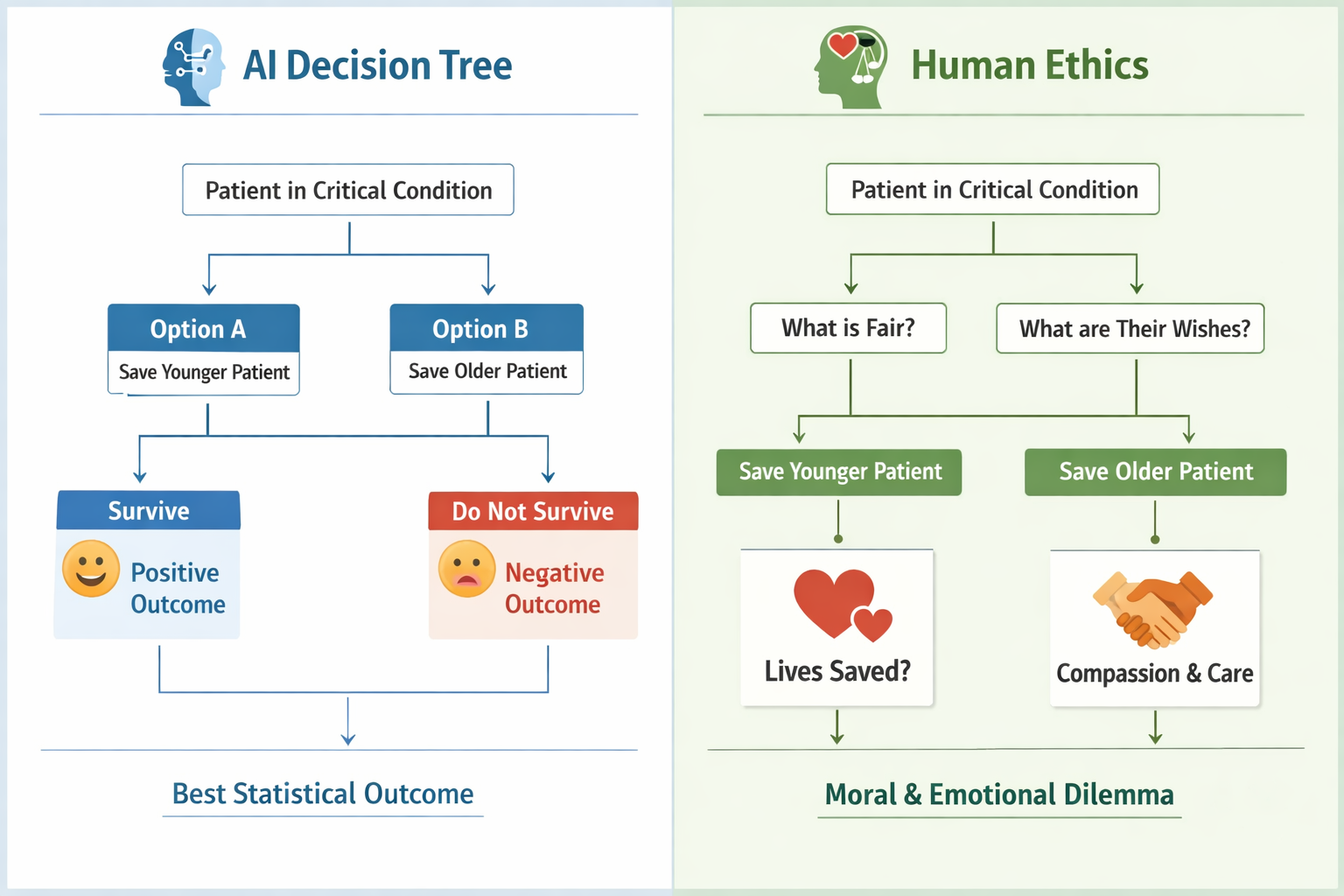
In this episode of Positively Pedestrian, we discuss a potpourri of ideas and Kris shares a story from way back in high school about popularity, luck, and a skunk. We also dwell on some absurdities we've encountered in life in general and within the Information Technology world. We also discuss Do Not Resuscitate Orders, and AI triaging patients, and quickly conclude that fact that death cures all diseases - what could possibly go wrong?
Share
Detour
Episode description
In this episode of Positively Pedestrian, we discuss a potpourri of ideas and Kris shares a story from way back in high school about popularity, luck, and a skunk. We also dwell on some absurdities we've encountered in life in general and within the Information Technology world. We also discuss Do Not Resuscitate Orders, and AI triaging patients, and quickly conclude that fact that death cures all diseases - what could possibly go wrong?
Chapters
Show notes


Episode Art 9 pieces
Full Transcript
It actually has a switch to in the interface to control whether or not it's an alkaline or a no. Well, hey, yeah, I guess I guess it reads it differently. The battery charge level? Yeah, I guess it reads it differently. That's kind of the goal. I didn't even know that was a distinction that you could do. I've never seen it.
Yeah, I've never seen that before. On a on a device. Well, that's pretty cool. So you're talking about, on the way over here, they're talking about Novant Health using CT scans. Now, using AI on CT scans. Yeah. And, here we go on health using a on and on CT scans. Yeah. Here we go. Because the, actual decision making of who gets the priority comes from that selector.
No way. Yeah. So the idea that I went through that health system. Yeah. Wow. So, so the idea is that the, you know, the, the AI can determine way better than a human. They can find, you know, blood clots, nodules, bleeds, things like that. They can see how they allocate resources. Right. So it's like the it then that that then enters into the triage way.
Well which makes sense. Yeah I mean it does if you're gonna if you're going to use the technology why wouldn't you do that. Yeah. You know, it's just like that. All right. So you got no doubt you've got your machine learning models that you're having to continuously tweak. What is this person doing this. All right. What where what I don't see on the bike up there.
Oh, I went around twice. Acting weird. Yeah. Sorry. Oh, and it's fine. I hope that lady is okay. That we saw that day that, like, had that wicked odor. Yeah. Dude, that was, like, the smell of death, right? Yeah. She was rough, you know? Had a fairly new jacket on and. Yeah, but new scarf smelling awful. You're smelling like that.
You're in that shape. She smelled like she had infection. Yeah, that was like that smell. Yeah. And now we're not seeing her. That's just bad, right? Everything is. She's not that at all. Yeah, she's wrapped up in something. Yep. So, yeah, that's just interesting, cause we were talking about that, like, the first our first episode. We were talking about that.
And it was interesting because, you know, they're here it comes, right? Right. And it's in this case, that's how it's going to be. It's going to be steer stuff. It's going to be ratcheted. Right. The rollout of this stuff is going to be it's just going to keep incrementing. It's going to keep ratcheting up and up and up.
Yeah. And okay, it's already on us. You know, a lot of you had some experience applying it in a medical setting. Sure. So I'm guessing this is one of those things that's iterative. They're continuously tweaking the. Sure. The machine learning model. Yep. Yeah. It's so I can I think I can really simplify it. Not that you need a simplified but.
Well I think I might and somewhat everybody else. Okay. So let's say that you spent your life and you're a specialist and you specialize in Cartier pulmonary or something, right. Like. Sure. So you're really good about the heart and lungs. You know how you know evolutions work? What type of things? Like Ronchi rails, all the different, you know, conditions, COPD, you know, etc..
And you have this lifetime experience with this. Yeah. Yeah. Just imagine. Well, a patient comes in and has certain presents with certain symptoms and is acting in a certain way. Says right, very quickly, you can if that was your specialty, your whole life, you know, whole career. Yeah. You're going to narrow it down, make a decision in minute.
Right. And so, you know, you're you're a valuable, valuable asset to, you know, people that come see you. Because if they happen to fall into that domain of illness, you know, you can you hone in on it really quick and be to put in countermeasures? Sure. And in many cases, you know, save their life. Right. So you can imagine that, really what it is with that, what that person has done through their experience is they've they've taken in a tremendous amount of data specific to, you know, certain disease conditions.
And their intuition guides them through this data. Yeah. Right. And so I'm in fact though there's a there's a nuance here is it becomes a bit of a seek in each I'll find world because the, the, the cardio pulmonologist is always looking for something really hard long right. Got it. So let's say the, dermatologist is always looking at someone's skin.
It just makes sense. Right. Right. And obviously, they're going to be really good at what they do. Well, you can imagine if you take the preponderance of all that data and you allow an expert, an expert statistician or data analyst to go through there, probably going to find some connections in that data. Right. Right. I mean, naturally. Yeah.
Yeah. Because the data, the data analysis or statistician is an expert in looking at that at the data from that perspective. Right. Correlations. You know. Yeah. And so they'll be looking at this, this collection of medical data a lot differently than the medical specialists is going to be looking at. All right. So the idea here is that all of a sudden, boom, throw some AI on there and put a pretty decent computer behind it so it can sit there and sift through this information.
That would take a thousand data scientists, right? Yeah. To do the same. And it does it in a day. Sure. And all of a sudden it's it's coming up with all these corollaries between comorbidities and then no human never even thought of before. Right. Right. And, so in a very short period of time, you can start making, you know, obviously incredible associations between health conditions, comorbidities with, you know, predictable outcome.
Yeah. So there's the typical things that people already know in the industry. Like, you know, you lose your mobility. That's the like a really big sign. Probably have like a year or two max left right type thing. Okay. On average in general, you know, and these things have been tracking known for years. But now, looking at this data from, you know, this incredible new set of tools, you know, not just machine learning and AI, but these deep analytics, you know, being able to really make its own connection.
It that really encapsulates what's going on. Deep analytics. Yeah. Something that no human mind could ever do. Yeah, right. Not even a army of people could could find, you know, this little about finding it. It's about.
You know,
It's about, more than common.
Really about, understanding. Like, it's going to try combinations. It's going to look at things in a different way. It's not going to be biased. It's not going to be it's not going to filter everything through the lens of its expertise that it's ripped up over a lifetime. Yeah. Especially if you just let it let it roll. You don't give any direction.
You just say find the connections, you know? Yeah. And then, what you're saying is that, you know, human being was like, oh, okay. We have, you know, here patient in the history of pulmonary embolism, right? Right. And so it just so happens that the person who has, you know, on average, finally, a 20% chance of having DVT, you know, yeah, something like something like that thrombosis.
Right. Something like that. Okay. And so, you know, a person can make those connections particularly, but and so can the computer almost instantaneously. Computers like you know I see this, you know, connection forming here between these two, you know, potential health concern. Right. Yeah. Well, what it starts doing is it says, okay, well, how about DVT combined with diabetes.
What does that look like in terms of heart disease you see. So then it can just go through combine two variables and see how those two, both of those are present, how those two interact. And how about three variables are 4 or 5. So when we're doing various things way better than what started doing this back this way to stay away from the cars.
Okay. So so we don't get polluted by the in a multivariate situation, it's going to handle things. Sure. Trend variables. Why not 20. Why not 60? Right. Yeah. Why not? You know, even even then start throwing overlapping data in there that no one even really thinks to just just give it the data. But then I guess when we're talking about tweaking the machine learning model, we're tweaking goal functions.
We're tweaking, right. What does, I guess the threshold for correlation, things like that. Yeah. So right. You do that, but you basically can just throw at the data. Right. Okay. Because the AI tools are sophisticated enough kind of off the shelf to do this. It doesn't require much programing. Right. That's pretty cool. Yeah I mean it's simple.
It's a, you know, basically just like finding the correlations, you know. Okay. And then you can start overlapping any data you want. You can say shoe size right. Height, weight. You know that those kind of informations would be in there right. The height weight. But yeah not super size right. Or you know obviously you can compute the BMI right now.
Look at that across. How does how does BMI affect all these variables for example. Right. Ethnicity lifestyle choices. Right. Yeah I mean you get really down the rabbit hole really whatever data you have. Yeah. Right. And then mixing, you know, holy crap. There's this massive corollary between ethnicity and dietary choices. Right. Let's say, vegan veganism. This is, you know, stray.
So let's say a vegan Aboriginal, right? Those two things combined with, a history of heart disease equals what? Other outcomes? Oh, shit. Right. And and and the machine spitting it out, like, I mean, so fast. It's not even funny. Something that would take a human a lifetime. So as long as you. So you formulate the query and you have an answer in hours or no minutes?
Minutes. Yeah. No. And for simple things like that tool. But you can do it undirected. You can just say, tell me what you find. Like this. Move over the face of the deep here. Yeah. Yeah. So, so so what happens? You tell the computer something like, do a two variable analysis, right? Just join any two random variables together and do an analysis of what additional comorbidities arrive out of the data set.
Right. Next thing you know, you know, five minutes later, boom, you have 50 new insights that you never even would have thought or at least points to explore. 26 for sure. And you don't necessarily need to apply any kind of bias that either. You can just let it be and then let the computer cycle that back through another analysis.
Okay. Right. So like you might just not know why a couple of things are as a human right. You might not know why a couple things are are linked. Right. Yeah. You just might not know. Why what there is, you just don't might not have an angel link. The, machine. The machine may not be able to tell you either.
Yeah, but what I was thinking of when I was working with the information like this is that it doesn't really matter. Just let it do its thing. Right. Just let it do its thing. Don't don't try to, put throwing the biases in there because the probability is going to, really kind of distort really quickly what happens.
But then it's funny because the conclusions that it will start drawing is like, you know, people, people that let's say, let's say people that have a history of mental episodes. Okay. Yeah. Then, you know, don't don't have any issues. Don't have any, don't have any heart issues. It's like how are very unlikely to have certain heart issues.
So like, wait, what? So it seems like an aberration in the data. Yeah. But if you think deeply about it, it might not be. Maybe people with mental distress over a long period of time are more active. Like they they move around more because of their. Yeah, maybe the additional movement, you know, helps stay off heart disease. You know, I write something just that my mind didn't connect right away.
Right. Maybe if I think about it then more deeply, I can I can I think about it more deeply. You also analyze, hey, your day collection processes and things like that. And, you know, I mean, you look at every facet of it. Yeah. Right. Yeah. The funniest part of the part of the project was the AI figured out right away, like almost right away, very quickly that, death cures all disease.
No shit. So you had to put it in there that, you know, that's not desirable. Yeah. It's like. Like that's that's trying to prevent that. Yeah. Well, are we, you know, are we actually. Right? Right. I guess so, you know, and you know, and should we and should we. Right. If someone has 25 comorbidities, don't even doesn't even know where they are.
You know, I don't know. Yeah, but I don't want the I am making that choice. But. Hey. Right. You want more of a you want some human input on that one, right? I say I don't want an angel of mercy nurse making that choice. True. True. And I mean that the Angel of mercy nurse concept is just terrible.
Nurse, nurse, put a pillow over your face. Right. That's your actual name? Yeah. And she's been hired by 12 different in hospitals. She's been hired by AI because death cures all disease. Yeah. That's right. It knows that in the deep learning, it never emerged. The surface. No. First ever put their eyes across it. But she's like them instead of the highest ranking nerve.
Any additional sci fi thing we want to add, right? It's. Damn. You know, that's an interesting epithet. Anyway, that death is all disease, because. Yes, of course that's true. But, you know, I think I believe that it gets to a point where, you know, obviously, you know what I recently went through. So, yeah, you know, I think it gets to a point where it goes, if you could just pull that switch, it would be, you know, much more humane.
We do it for animals, you know, we can't figure out it's the right thing to do for humans. Well, I, I yeah, and I don't know why we can't figure out it's the right thing to do for humans. Because if you were able to be lucid while you were in that state, you think that's what I want? Yeah.
So why can't we go about pre selecting that. So for example why can't we say why can't we just say it's like sign a DNR. Why can't we say yeah exactly. Exactly. Why can't we say if I don't recognize my son. Right. You know if I don't know who my son is, then yeah. It's time, you know, or or old Weiss.
If I don't recognize that Weiss it. Right. I mean, you know, if it's any criteria that maps directly to whatever you got going there that you can select for. Yeah. If you're in a memory care community, that's the selector right there. Right. Or you can say like if I can't pull it myself, it's like, yeah, if I can't get myself to the bathroom then yeah, can put me out to pasture, so I speak.
Yeah, that's been done. Good morning, good morning, good morning. You know if we could put that pre selector on that and you know that's then our will being done. And that's very human, very humane very correct. In my mind, in my mind I mean damn right in my mind as well I mean guess not only are you being arguably very UMaine, but you're also following, as you said, someone's will, someone's, you know, you know, that's what they wanted.
They want. They want it for themselves and for their family. Because, you know, the really was burning my mind for what happened with my mom is, you know, her her final terrible days, you know. Yes. And the fact that it get laid to happen not not at all. And that's not that's not the memory that I want or want anyone else to have.
Yeah. I mean, you know, it's my life relationship with her. There we go. And, you know, so many people eyes doctor who was the face of assisted suicide for so long. Yeah. But really, when it comes down to it, he probably wasn't a crazy killer. He was a compassionate man who understood something that society wasn't ready for. Exactly.
And you know, the apparatus that I'm no expert, but the apparatus that I recall him setting up was like a series of buttons that the person presses. Yeah. And it's not like somebody that doesn't know where they are. It's like, oh, person that's suffering from bone cancer. You've got to be cognizant to use this machine before you. Yeah.
The tumors are growing inside the bone and the bones are breaking all throughout the person's body from the inside out. Yeah, right. They're in absolute mortal pain 24 over, regardless of how many drugs there are. Right. You know, those interceptors don't really block them up. Yeah. And you don't want them to press a button? I mean, come on.
That's that's that's that's crazy. That's it's, you know, almost like violation of HIPAA because that is doing harm. Yeah. And by allowing that person to chemically, you know, kill themselves, take, you know, end the suffering a lot of them to chemically end the suffering. But by, you know, first setting them up conscious like in a five minute timer, then they press in five minutes, I'm going to be conscious, then presses the next button that says Release chemical A yeah, which stops the heart.
Then lastly, chemical B that you know, is full neural suppression. There we go. You know, see, you got no real cocktail, no pain, unconscious, absolutely certain, 100% no pain because of the drugs that. Yeah. And then it stops your heart, right? I mean, come on. That's a much more beautiful and elegant and appropriate way to die. Yes. Than, you know, writhing in agony, shuffling off this mortal coil when you choose.
That's so much better. Yeah. So what's our topic for today? I don't know, we hadn't established it. Oh, gosh. AD hoc. Yeah. AD hoc. Kareem.
Heroes. It is so sticky. It's fine. So you bought this, like, micro band, stuff for the bathroom. That's like, like one of the most powerful orange sense I've ever. Orange sense? Yeah. Did a very small in my life, and it's awesome. It's like, smells really good. But problem. The problem with it is, like, you can still smell the shit.
So now it's like just going in there and it's like, oh, it's fucking someone dropped it, you know, and be like, oh, that fucking reeks. You're doing. You're like, oh fuck, it reeks. And this feels like oranges. So you just have like, rotten orange. It didn't solve the problem from trying to say. And sadly, I feel like most air fresheners don't.
Oh, God. Dude, I gotta tell you what story I read sometime. Like, we've talked south through the hours in our lives. Yeah, I probably told you something like that. Maybe this, this, this thing about the potpourri. You know, you chose the topic, right? Okay. So, you know, like, in high school and kids start getting the licenses and shit, and, you know, it's like the all of a sudden you stop seeing that kid on the bus, you know, the kids like the kid.
The kids, like, now driving to school, right? Yeah. And that's all I can. Can supply a temporary, like, popularity boost, right? Oh, hell yeah. Because all of a sudden, this person has, like, this adult access to this adult thing. Yeah. This privilege. Yeah. This privilege that, you know, majority don't have it quite yet. So everybody wants to be a part of their life.
Yeah. And so my high school, there's this girl. No reason to use names, right? Yeah. So, so go by this girl. This girl. And, she was like, you know, maybe she put popularity into a scorecard, you know, 1 to 100 or whatever. She was, like, hovering somewhere around 25 or so. Right. Okay, cool. You know, 100 being the most popular.
Yeah, yeah. So she was hovering somewhere around 25. And so she was a lot of them caught. Yeah. She was she was overlooked, you know a little bit by the boys. Yeah. So somebody stand and, But nobody minded her. She's perfectly, perfectly fine person. Yeah, yeah. Nobody like, she was not hated. Not really nice just right there.
Right. She just happened to not get a lot of attention, you know? Yeah. And so, anyway, she was one of the first people to get her license. Oh, shit. And she starts getting a rise to people. Well, all of a sudden, you see this, like, popularity spike? I mean, yeah, to put it to numbers, I mean, she's probably now somewhere like 55, 60, you know, like, like, like pretty goddamn good bump double.
And she had this cool car kind of was a the car was cool. Hell, yeah. And, actually would see, I think like five people. 0906 people. So, putting off storm. Yes. And so she's like, going and picking up a couple of the popular people, you know, in the mornings and the other people are riding in and she's riding the coattails at the bottom of the people there gained access to the to the to the mobility.
Yeah. It's like a nice synergy. And so you could sell that like she's carrying herself a little bit different. She feels the popularity bump. Right. Yeah. Like we were in good shape here. And so everything's cool like and maybe a couple of boys, maybe possibly myself. I started to notice her a little more. Where we go, there we go.
And, that was a really, really good for her. Like, that was. That was awesome for her. Right. And so, she's, like, hovering now, like, like around after, you know, a couple months of this. I mean, she was a really early on, you know, early. Yeah. Yeah. You know, getting her vehicle. And so, you know, it's the way the birthdays failed the grade sort of early.
Yeah. Exactly, exactly, exactly. You know. So anyway, so she kind of slides to bump it up a notch, like she's gonna ride this fucking way, right? Oh, shit. And so she comes in one day, and she someone her parents are her or something, I don't know, spent a lot of money on a really, really, really nicely done perm.
Oh, fuck. So she went from relatively straight here. And the little wavy. You got to like this, like full on perm. Damn. You know, it's not like this gradient gradual change. It's it's like stark difference right. Yeah. And she finds out with makeup. Oh she starts wearing pretty heavy makeup. So she gives herself a makeover from head to toe.
Yeah. You got it. And, this is a funny fucking story. So, she comes in and. And it actually works like she looks. She looks put together pretty damn well. Damn. It was like that whole 80s movie fall flat here. Yeah, it's like the. Well, you know, it's going to. I wouldn't tell you the story and so on.
Anyway, she comes in and, really nice. It's like in the 80s movie where the, the, the shy, kind of homely, you know, kind of head down tail, talk to me, like, kind of girl. Right? Oh, yeah. She's all that. Yeah. The pretty girl takes her into the bathroom, puts the makeup. You got it in bone. Exactly.
So it was like that thing, right? It was like that. And, so she's like, okay. Like, I'm not gonna lie. Looking pretty goddamn good. I don't play right. Like, was able to pull it off. Okay. And, so a lot of guys started to really notice her, like, locker room talk, you know? And so that's where it starts.
Sorry for dominating the conversation, but the story was fine, so. Well, let me let me live in a warehouse. It's really what it looks like. Oh not look good. There's so many of them around here. Fluorescent lighting. Yeah. There's so many of those around here. Like we're about to come up on another one right here. I mean, it's like this.
I don't see it. I don't I don't get it. That's not by this. I don't know. The the elite in this area seem to feel like they want a slice of this postmodern style. And it looks like the house is made out of Legos because it's fucking blocky as shit, I totally agree. Give me the classic one with a really wrap round porch, you know, single story with lots of square footage.
Oh hell yeah, that's exactly what I want. A breezeway, a wraparound porch, single story, like 4000ft². Yeah, I'm still dreaming. You know, someday, like someone in my house farting. And I don't hear it. No, that's. That's like. I know I've made it when, you know, there's enough space that people could. Blatchley frequently. Yeah. They do not here. Yeah.
The baby can go down for a nap and fart out here downstairs. That's. I think that's why I know I have arrived. I love this. So, back to the story, right? So, anyway, two circuit a lot of attention. Locker room talk with the guys. The guys are talking like, you know, wow. I mean, you know, look at her.
I mean, like, she's. Wow. Yeah, yeah. Darren, be crass, but it wasn't fair for the time. It's like she was even, like, walking a little more upright and kind of poking her chest out a little more. Just holding herself different. Yeah. Throwing out her assets. Yeah. And she was like, pretty, pretty. Well, you know, she, she had some pretty large breasts, and, she never really wore tight close.
She always wear baggy clothes and was always, like, hunched over a little bit. Yeah. So now all of a sudden, she's, like, looking good, dressed up nice every day, walking with her back straight, their shoulders back. And all of a sudden, like, guys were like, staring at her. What? What is, you know, definitely above average sized breasts. And I'm so like, everything's working for this girl.
Yeah. And I'm talking she's probably like in the set of 75 to 80 category now what popularity. All right. And it's just fucking working and and it's like showing like she has a chance to now like she upper echelon definitely upper you know ten top ten or even upper 1%. All right. Jesus. All right. And, so she's, like, working her way up there.
Well, now comes the fucking hilarious part of the story. She's driving into school one morning and she's with her friends. She's with her new now elites of friends, you know, and hits a fucking skunk with the car. Oh, shit. And when she hits the skunk, the skunk, like, sprays the entire undercarriage of the car. Or like it releases every little fucking scent land it has.
I mean, you know, it smells like. Yeah, right. But, I mean, she has full on, full on. She didn't just go through it after it's been run over. She gets the fresh one. Yeah. She's like julienne this fucking thing right. Yeah. Like minced meat. Fucking skunk ass. Oh like her. Her car was painted in skunk butter, you know, and, but he totally the the the people come in to school that day.
Her in the 4 or 5 other, you know, popular people that were in her car. Right. And they're coming laughing and carrying on and they all smell like skunk. Because it just got everywhere. This their orders got they all that day reached us on a couple of them, like, went home, called their parents. Right. Like I need new clothes.
Right. Well, this girl had to drive her car home. Oh, well, the next day, she comes in alone because, damn, nobody wanted to ride in that shit. Yeah, the popular friends. Like I'm not getting the fucking scoped mobile. Yeah. Now, the per all of a sudden is her worst enemy, because every little tiny cent of the of the, the surface area of the hair of the hairdo is so high that every molecule of skunk ass gets in the hair.
Oh, right way. You're telling me for days this woman was smell like motherfuckers? Oh, I would say weeks. Oh, no. Yes. And so not only did she plummet, but her popularity, she was probably lower than what she was in the beginning. Right? Exactly. And just due to random motherfucking chance. Just due to random chance and you. And so at that point in my life, I realized that luck is fucking a factor.
Yeah, yeah. And, I mean, there's two kinds of luck here. Definitely the one kind of luck that she had was she was able to see is see an opportunity, use her skills and abilities and ratchet herself up, you know. Exactly. But the other kind was just happenstance. This was just totally random fucking natural occurrence, you know? Doesn't even vol quantum theory or eddy currents.
Are you going to just boom fucking cross that day? Yeah. And you are here and it is here. And, you know, also lucky she probably had the good sense to like, not swerve and crash, right. Or like lucky there but like like so all these good things still lining up for her. Except for. Yeah. Fuck when you're walking behind her in the hall.
The hair is, is like creating a wake of fucking. Oh. Destruction weeks. Dude, she she must have washed her hair a thousand times. Oh, I'm sure there just. It was just there. It was just. It was just innovative. And I'm sure she dated her. Her all her things. All that stupid shit with you. Here, wash. Wash the the person or whatever with tomato juice.
So do this or that. Right. I'm sure that she probably filled the bounce up with tomato juice. Yeah, but it doesn't matter. It's in her car, so she's picking it up every time. Every day. Oh, and you know, surely she had her car washed, but it just was there. It was already in the whole story. It was in that.
Right. Oh, like she's not going to go out and buy a new car. No. And the car was like the symbol of one of the the catalyst for her popularity. So she's not going to like, abandon and say, I would have take the bus again. Right, right. So she's like, in this no one. Oh, shit. Fucking hilarious dudes.
That's. Yeah. And you know, I told you about the talent show my junior year is like, did talent show? And I was like, oh, my God, you're so, so talented. And then the senior year fill in my face. Yeah. And, looked like a fucking moron. Idiot. So I, I feel her pain exactly like, right into the same.
But. Yeah, but it was by my own hand at least. Right. And that feels a little better. He's. I saw my own saw, you know. Yeah. You're hoisted by your own petard. Yeah, but yeah, it's like with her, it was just. There's nothing she could do. Yeah. I wasn't perfect all the all the like, back behind the scenes conversation that probably took place.
But I can imagine, like, you know, the phone call coming in. Hey, do you want me to pick you up this morning? Yeah. And the and the the other popular person being like, oh, no. No, I'm good. You know, I'm good. And that's if you're being nice. Right, right. More than likely your car stinks. Yep. And then again, it may have ratcheted up beyond that.
They may have adopted some quick nickname for said gal. Oh, I'm sure I wasn't. I wasn't in the in that point in my life where I was like really into name calling. I was like the inside bully bully at that point. Yeah. But, I, I do remember laughing about it. Sorry, but it's fucking funny. Well, I mean, it's hilarious and fair enough.
I laughed at myself right when the same thing happened to me. Right. And so, Yeah, that's all you can do, right? And then that's the thing. Hopefully. How's he going to recover it like that? No, it was it was deep because she had gone so long, you know, I knew her for years. So she had gone so long of being in or ignored.
Yeah. So this is a real this is a real man. So it was a watershed moment for her. And then it got crushed. Yeah. I've lost touch with her. I bet she just, like, signed to my human being. To this day, I hope to God I bet you anything serious. I hope to God that daughter from that stupid.
Oh, I bet I bet she she was. She was smart, girl. Good. She was like, at the end of the day, I think she's actually really cool. Hell yeah. But, Yeah. Fucking hilarious. Oh, really? No, no. What happened? I was like, oh, okay. I was going to say she was fucking hilarious, too. She's good. Yeah, I mean, I, I got no, she, I don't recall her being very funny.
Okay. But I do remember, like, got hurting from laughing about the situation, you know, with my, my my boys. Oh, yeah. Oh, yeah. And I mean, like a lie. You know, I was in in my later years I would work to be the anti bully as well you know. But there again when something's that funny Jesus look you do nothing.
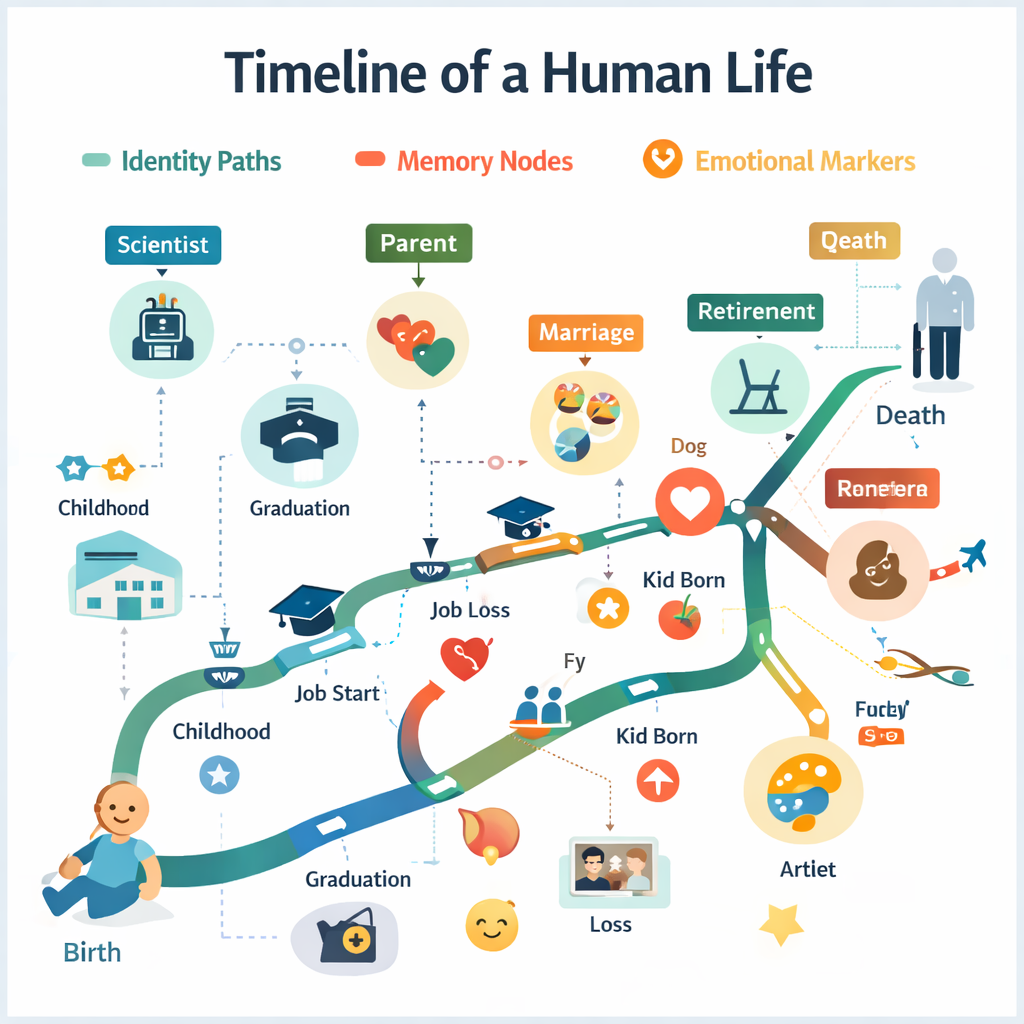
Join straight into laughter. It's your obligation. Right. Because I mean you're you're laughing at this confluence of random shit. Really. It's it's great. So so it is great. There's, Cool. Let's talk a bit about identity to then today because this, this happenstance, this thing, that, that thing that occurred with this person. Yeah. Without exaggerating. Okay. Like, has to some extent defined her identity 100%.
So, so, like when I think of this person in my eye, mind's eye to this day, obviously, because I saw the story like my brain associates that with her. Yeah, right. And I don't think like if I had a, if I reconnected this person and had an adult relationship, that that would change. I mean, maybe it would subside, right?
It's going to subside. Yeah. But I don't think it would change. I think that that there would always be this like identifying connection to that event. To her, it's, you know, it's like the person that jumps in the swimming pool and breaks her neck. And now that now they're quadriplegic. Yeah. It's like that's kind of now part of their identity.
Yeah. I mean, nobody thinks of that person and doesn't think of them that undeniable. Yeah. That's the most extreme example. Yeah. Especially when you have the contrast when you knew them when they were walking before the incident. Right. Right. And then now, like their identity has been completely reshaped by the city. That's what do we got going on in here.
So we said do an early morning race. I have no idea. Look at that.
Shit, I don't know. Yeah. Right now, 6 a.m.. Right? Yeah. It's not even 6 a.m., is it? 5:30 a.m.? No, no, it's like 630, 630. It's so funny because, like, almost. No, it's going no. Right. I smell something that almost like how it kind of invokes that. Well, there could very well be a sunk in the distance, because I do actually smell a faint smell of this gun.
Well, yeah, there could be something else. And then the story connected. It's.
Greater. It's fucking hilarious. We lost the jack. So, you know this identity thing, right? It's like we have these defining moments that are, you know, either personally or externally shaping as far as people's way they identify with us and then the way we identify with ourselves. Right. In, when we have a conversation about LGBTQ community, I really want to bring that up.
This idea of like a certain attribute front loading your your, way you present yourself to the world whether you want it to or not. If you've ever seen the Dodge growler, is that clothes? But not in the long term anyway, I think I haven't I don't even know when. The last time I seen a Dodge Prowler, right, so fucking I, I agree with you.
I mean, sounds like a sex toy. Yeah.
So. Or at least two modes of the sexual Dodge and Pro. It depends on what side of the four year on year. Right? It's like it's kind of never gone.
So.
Whoops. Didn't get out of the way. Yeah. Slap slap slap. That's honey. Yeah I mean I deny there is these central moments in everyone's lives that, you know, the threads of fate weave around, you know, the, flare. Yeah, I'm talking about it specifically and how it's tied to a right. Right. I'm saying that's a central. There's central moments where everyone, everyone, even like she remembers that so vividly and it has shaped her life.
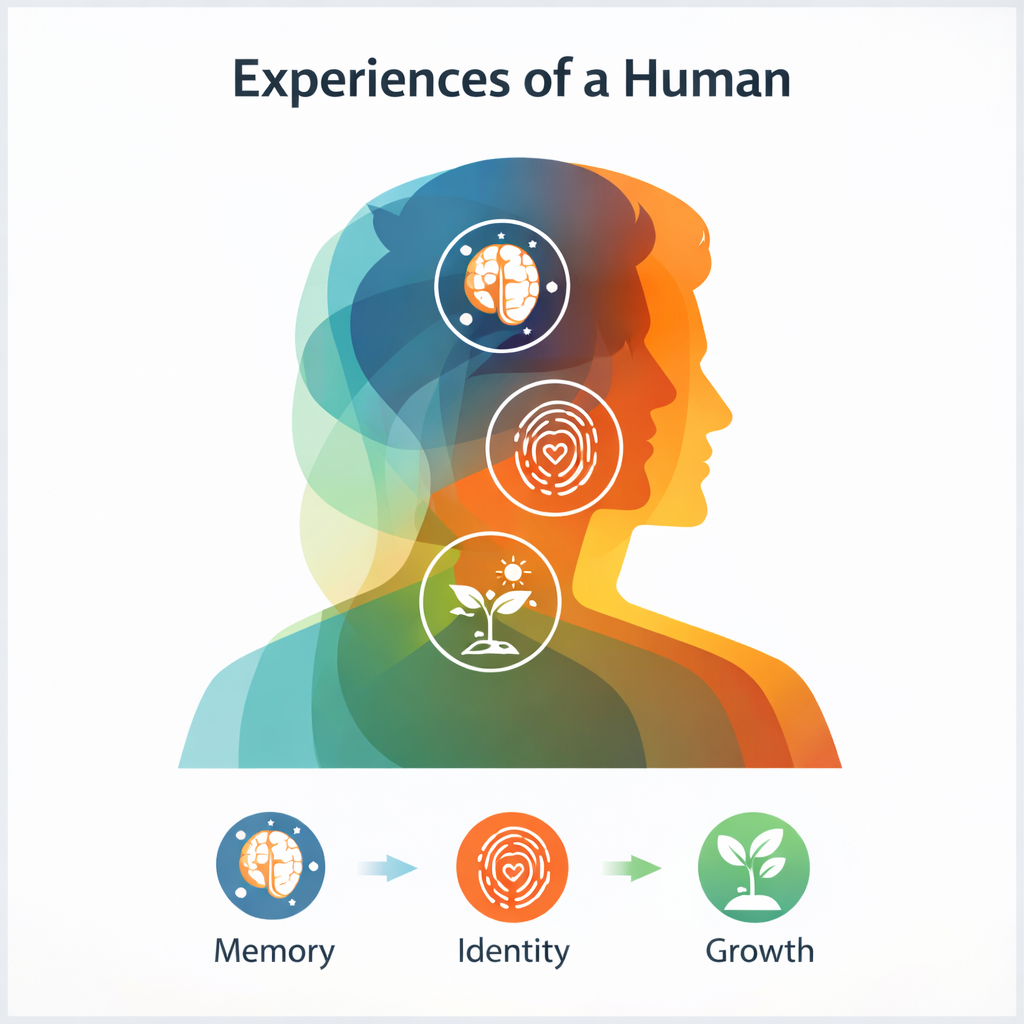
Is what you're saying, right? Yeah, she surely remembers that. And you know, the story you told, you remember it shaped your life, and your identity is part of the lens, what you filter through. Right. And this at this point in my life is a minor one. But but it's just sort of it's got to be. Yeah, it's still there.
So the experience is still there. You know, interconnected with my neurons associative li to some extent. Yeah. And and you know, more than likely where it comes to mind most is probably those moments where your empathy is triggered. Probably so. And you know, that's an interesting thing. Like if you could, if you could, like, inevitably prune out certain parts of your own neural net.
Right, right. Like, if you had that capability, I bet anything like if I were to have had a different experience, if I had the same senior experience as I had my junior year, right, it probably would have been shaping as far as like, you know, how that affected my overall life and how you acted towards other people. Probably so.
And, and, there's no way to tell if it's, if it had been good or bad, right, like, right. Like it depends on your perspective here. Right. What is good or bad. Right. Like and so it's it's hard. It's impossible to know. It'll be interesting like sci fi idea. Go back and change that event. Just I mean that's been done in lots of sci fi.
Yeah. There was a story written by Isaac Asimov that I don't remember the name of, but in that sense, it was the same idea. It was it was kind of like these equivalent of these intergalactic angels saying they were at a bar bet, so to speak. They're like, hey, I bet I can achieve a class A effect with a class C stimulus.
That's it, you know? And so that's how your first thing I'm talking about, the dead past. That was just short story you're going to read. Nope. Not that one. Well, yeah. I mean, I could come up with South and South Sci-Fi models with going back in time. And in this story, the minor change that was made is a person changed their name to.
So they had an English sized Russian name. They changed it back. Okay, okay. And, their scientific career rocketed off.
Sure. Why not? Yeah, the reason it did was because we're in the midst of the Cold War. They had a certain cachet then people. Right? Right. Rumors started. One small wrinkle to the name has all these secondary effects. Yep, yep. That changed. Like all of all the whole time line here. Yeah. Just by what's in a name here.
Yep. Well, yeah. You gotta have some some sense of that. I mean, yeah. What is in a name? Something. Because, you know, if your name was fucking douchebag, like the official name, it would affect me. It would definitely have an effect on you. We know from, like, what they said about resumes and minorities, when you have an ethnic sounding name, right, that automatically puts you on a lower, you know, hiring bracket.
Yeah, I have whatever SSL ranked example of that actually probably working in someone say, yeah. So I was thinking that to you, maybe that goes quakes. So there's this kid, Tristan Jones, who I mean, this other guy that I worked with hired as an intern. Now you got to believe that, right? Sorry. It's okay. Editing or generic?
Yes or no, but that's her. Jones. There you go. It's the whole point is a it's a generic name. Okay. This his name does it to that. I see because to help him out, well he was applying for things and not getting any response for like six months. I see changes his name gets like six responses. Okay.
Well that that also could be coincidental. Could be, you know, and it can also be it can also be like. And I'd love to believe it was coincidental. Yeah. I mean, tongue in cheek, it wasn't. It was because that is part of a selector. You see that, see a certain name and put to the side. He said he changed his name to the whitest name he could think of.
Well, that's racist, wasn't it? But it was hilarious to hear him say that. Yeah. So it all sounds like a good story. Yeah, yeah, but, he showed me an old ID because I didn't believe him. I was like, you're full of shit. Yeah. You know, but what was the first name? They changed the joke. Believe Laquan or something like that?
No no no, no, the name change. Tristan. How is it the whitest name? I don't think it could be, but it probably just something that resonated with him. But that's what he did. It was fucking. He's right. You know. Yeah. Preston. Yeah. That's a fuck. I mean, a lot wider names and Tristan, I think this must have resonated with him.
Tristan doesn't come across it at all to me is like all of a sudden like I don't see a white person like, no, no, no, you. But also case in point, my, my if I don't get their name is Tristan are funny and he's pretty white. Where's the dudes ain't fucking Caleb right? Right then like I'm seeing a white guy, right?
Yeah. Kane. My son. Oh, I don't own. Oh yeah. Adams my is Eric's middle name. Right. Here we go. Like vanilla as white as possible. But there's a reason for it right. It's not just like random. Right? Right. So Adam was my uncle's son that died in childbirth. Okay, so it's a tribute. Tribute there. And, I have a four letter name saying.
Oh, and of course, being my middle name, my son takes that on as his first name. Okay. So he's my namesake in that sense. All right. And then, and that's much less damaging to someone's psyche than being a junior. Shit. Yeah, yeah. I would never do the junior thing to somebody. This is cruel. You know? Punishment. It really is.
I mean, I've seen as I fucking known as junior for your whole. Yeah, I've seen what it did to my own father. My father is a junior, and he's bristled under the weight of that his entire life. Sure. Like, you know, Preston Johnson the fifth. Yeah. Oh, shit. Boy, sounds like you're just a clown. He really does, like, it's the fifth time this this, this entity has been cloned.
Yeah. This is the newest incarnation of or. Yeah. Yeah, it's it's the fifth one that lives. We've tried this 20 times. Fifth one that made it through. You don't want to know what happened to, Zeta. Yeah. Head was born on his asshole. I was like, motherfucker was inside out. And he fucking lives. We didn't know what to do.
Thankfully, he threw himself down the stairs. He was born a contortionist. He couldn't. He couldn't go back to normal. Yeah. He had a really fruitful career and the circus. And he lives in Florida now. You see, he feeds himself. He was on Human Centipede. Oh, damn. Oh, oh.
Oh, what is that? What is the scientific term for eating yourself or something like that? Oh, God, I don't know. No, I think so. So one of these classes, we had to give ourselves a with one of these forces I'm taking. I don't even know why I'm doing this, so I'm doing it. I do know what I'm doing.
I'm trying to, like, return myself to intellectual. Right. So, Because I feel stale. Yeah. And, so anyway, I'm in this group with these three. Yeah. By, by comparison. Young, young guys. Right. I'm sorry. Two, two guys in a girl. And, one of the dudes is like, he's interning with some web design firm or something, and he's like, he's like, acting like he knows everything and he knows nothing.
And, you know, I'm not going to be the one. I'm hell. Am I going to break that bubble? Hell, no. Right. Yeah. The the industry society will do that for him. Well, yeah. You know, I mean, you know, maybe I don't need to be the one. Maybe he'll see it soon. He'll pivot. It doesn't look like the way it's going, but.
Yeah, I'm optimistic too. But, you know. Yeah. Web design ain't where you want to be. Yeah, he's he's very unskilled. And, well, you know, that's everyone's unskilled, right? It's just start with. So, you know, but you don't act like you're a fucking expert. You shouldn't act like you're an expert. That's the thing that got me about unique and unnatural, of feeling of expertise in these unions.
I saw it again and again and again. And I'm like, their education is shit for the money. It's coming up. It's like a Dunning-Kruger type model here. Yeah, it's like people they're getting program, I guess you see rent. But I was in alumni for them. Well, you know, it's there's always a bit of a on job training and, you know, a bit of like experience and all that stuff that's still let's get to come to everybody.
And then you have to be fair. Right. If if you, when I, when I came out, there's a lot of people that came out with me and they couldn't get jobs. I got a job. Easy. Yeah, but must be the name. The white name. Well, the white name probably helped them. Also took it. The, the experience that I got that everyone else should have got in school were actually applied to knowledge.
They tried to teach me, you know. Yes. So there's a bit of a natural, you know, potential. That's that is that does exist. Right. And some people can overcome that and become, you know, geniuses and experts in the field. Right? No doubt. But there's like, we really get into it, in my opinion, when you really gets even to data science and stuff really deep into it, there's almost like a natural way of looking at it that's, that's, you know, it's not really there.
It's kind of it's kind of there if like the person had the potential and then their experience unlocked it. You want a thing, right? And there's some people that no matter how much they, how many times they code, how much a wash they are inexperience. Yeah. How much mantling, how much they have. Doesn't matter. The brain's not putting together the, the, you know, seeing the way, the best way to do something.
It's not built for that job. Yeah. And they're always doing like a thousand times more than a Siri. And the design schematic they are always moving into is really inefficient. Takes a long time to code and is then high maintenance. And, you know, they can maybe learn a little bit to be better over time. But if you don't have the contrasting experience, it's like you're working in a vacuum and you don't have you're not part of a team that can really show you.
That's it. You you can have a whole lifelong career in coding and not know that you suck. That's it. That's the key. Again, I think you just said it. I didn't I was always looking for the name of this thing, but a contrasting experience to know you suck. Yeah, yeah. No. And the ability to to sidestep or abandon your own ego.
Yeah, yeah. To embrace the lesson of that contrasting experience. Right. Just say that another is better or another has a different perspective that I can embrace and use. Yeah. So I was like, you know, when I was, when I was having had like a five employees at one point. Right. Three of which, no, four of which were, were coding.
Right. That was, that was exactly what was happening. I would come in and sit down and do a code review, and, you know, I couldn't help it. It was impossible to ignore like else in the room. Right? I'd be like, why didn't you program it this way? Like, you know, just just walking through. Yeah. You know, I'm not saying it's wrong.
What was your naked? Yeah. How did you arrive at this? Was this was the code that you should have applied to this problem, you know, why did you go about it this way? You know why. And you know, the the answer was never satisfying and was always. I don't want to say it right or wrong, but wrong, because it was it was it was a waste of time.
The way this house looks. Yeah, it does look cool. Too bad they have like 580 people in there. I think it's a business based on the cars. Okay. It's a business. All right. Yeah. Problem. Anyway, so, you know, it's pretty, pretty bad, right. Like pretty bad. And, you know, you just couldn't teach an alternative way to see the world, you know, through the lens of a programing, you know?
Okay, it's just not possible. So, you know, but it would come to that a lot of times that say, just just stop for a second and think about it this way. Right. Like, imagine you're doing this in real life. Like, right. Something simple, something stupid. Simple, like adding two numbers together. Let's be ridiculously dumb and simple, right?
Imagine that. You would be a bad idea. Yeah, yeah, yeah. And this, this adage that to a man with a hammer, everything looks like a nail. You know, same thing when someone learns a certain code pattern, a certain idea about thinking about code. They could have, they could have made a whole bunch of bad code. But now that's their their style, and they're locked in that mode.
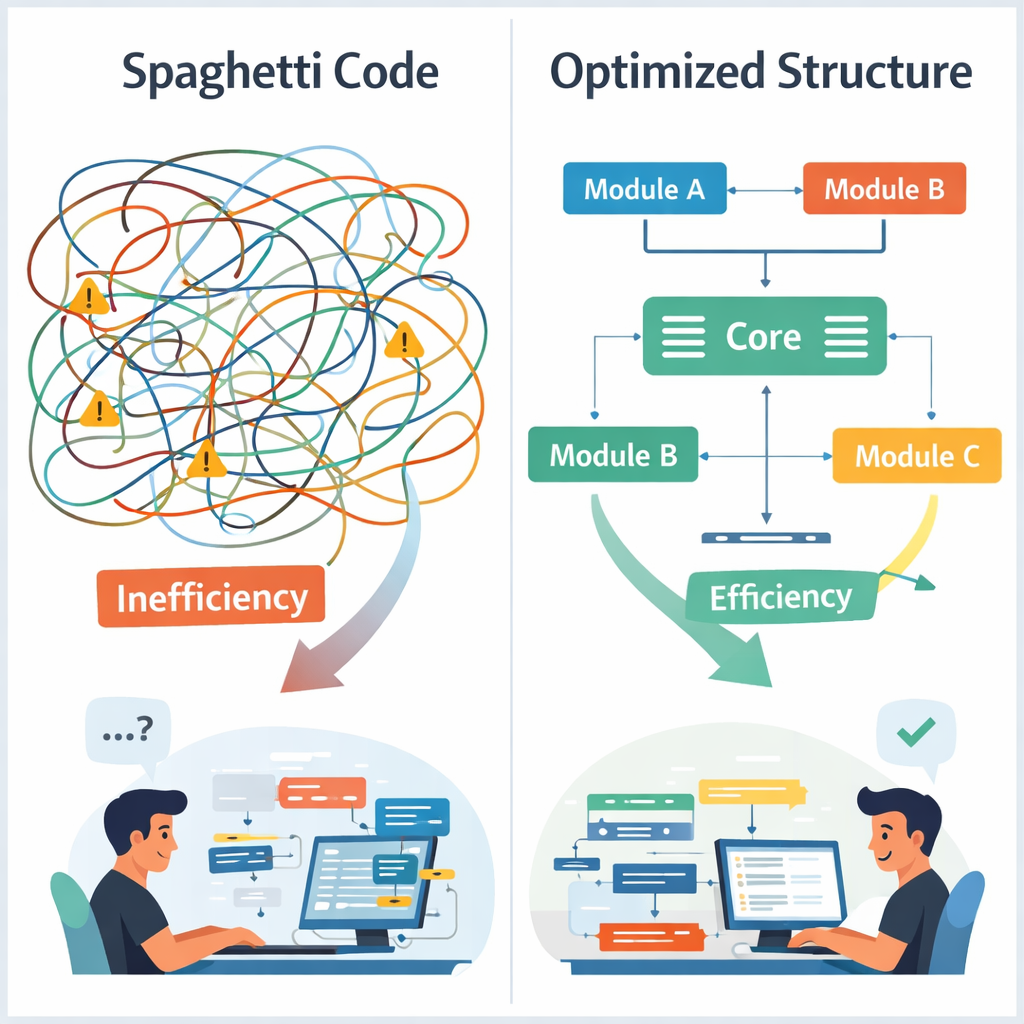
That's their hammer. Yeah. And then they apply that to everything and it's like, oh my god, spaghetti code. Yeah. You know like so something as stupid simple as adding two numbers. You not like I could, I could do it just with that. So any fucking normal person would say, oh, okay. Take the two inputs. Right. Write a function as them together with some guardrails on it.
You know, error data, data checking. You know, make sure inputs are okay. Right. Throw an error through a correct type looking for maybe bounding the numbers depending right. Or if you can, like present your inputs. And you know, you can guarantee that they're coming in clean. Then you know all those just a plus B right. You know, give results C whatever.
Yeah. Yeah. Now use the built in function. Yeah it's fast. Right, right. Exactly. Good morning. And so very very interesting thing is that, you know, you look into it and you're like, well, why did you you know, let's think about what you're doing. You're being asked to add two numbers together. And what are those two numbers like?
Like what are those two numbers for the for the apocalypse application, this software, what are those two numbers going to be. Right. And let's say it's like dollar amounts. Let's just say right okay. Cool. So you know you have $2 amounts. You want to come in, you know, two numbers are going to come in. And what is this application for.
Oh, it's for a soda vending machine. Right. Let's just say okay. Well, do you really need to put a guardrail on this thing for, digits in the millions? No, because we're talking about a fucking soda machine. If anything, just to avoid the whole thing, you could say, look, we won't be dealing with an input size any bigger than.
Right? So that the thing doesn't take credit cards, it takes maximum dollar bill. Yeah, right. And then any sort of change. Yeah. So you don't need to put a check to see if the number is great and it's 10,000. Yeah. The reader's limitation is it can read a book. Right. You know. And so you get down really then start getting the weeds on like this thing that you were to do.
And it was spaghetti code all over the place. Absolutely. Hundreds and hundreds of lines of code that didn't even need to exist. Jesus. You know, why not? Why not just have it where if the result is not within these boundaries, it's just those an error there. Why not that. Yeah, that's what I'm saying. You know then then there's one line, right.
And it accomplishes the same thing. There's that error is going to come up anyway. Right. You're going to throw an error code. Might as well catch it in any area you can think of. Catch it, do something with it. Carrying it safely to ground. Yeah. Yeah. And it's like, so, you know, this conversation wouldn't happen with the employee, but, you know, I could pull out a napkin and do some quick math and do like, I just paid.
You know, I just paid $3,000 for this function. Yeah, yeah. You know what I mean? It I guess figuring in the cost for them to sit in your building, be figuring in their benefits, figuring in this and that. Yeah. Oh, that's not hard to do. It's a it's a do an analysis of total expenditure for that. You're paying out for that one employee.
Right. And then say cast that into a time. Right. And that's not hard to do. Simple math. Do it on the back of a napkin and then sit there and determine the cost of what that fucked up function just cost you. Yeah, yeah. Okay. Now I got a factor in my time for fixing this fucking thing, right? And scrapping it hotly.
I'm just saying, fuck this. We're going to do something completely different. Your approach was just completely wrong. But, you know, to save myself time and money in the future, I have to correct it. I have to teach this person and that's it. And, I mean, I saw I saw a small sliver of what you were pouring into the gentleman that attended the function the other night, and I can only imagine how much he has improved, but,
Wow.
That, that looks like an impossible task. I don't even know why you kept it. Kept at it other than you saw value you could add to someone. It's called trying to, like, stop the person from dying. Yeah, yeah, there we go. So we were like, look, I will give you a purpose. I will give you a reason to move forward.
Right? You know, it was a mistake. Like when you're when you when you need help, you shouldn't be amazed. Not the best time to be helping everybody else. Well, yeah, but sometimes that rescues you too. Sometimes. You're right. It's in my nature. Sometimes. Sometimes it can't break it. Right? But, you know, rewinding back to this identity thing.
Wrong to do, wrong to ask you to break it. Really? Yeah. I guess we'll see. It's defining. It's it's it's ties into this identity conversation. It does. It does the things that we come back to the the habits of mind and dare I say, so that we keep coming back to the things we gravitate to. There's things we do.
Yeah, there's, I, I would be a different place in my life if, if I could get over, an ego thing of my own. And combined with this identifying, you know, so, like, the ego thing of my own is like, you know, I, I have the power to help this person, right? First of all. Right. Right. When in reality, I'm not qualified, you know?
But, anyway, you know, it's like ego mode, you know, like, I can I can fix this. Yeah, right. I can help this situation. And then the lack of reflection being like, I need, I need fixing to like, you know, in these, in these areas and then, you know, combine all that together and then empower someone like that with some resources.
The next thing you know, making mistakes all over the place, you're, like, acting like. No, you just, you're saying you've just created an incredible gaffe machine. You you created it. Yeah. A fountain of screw up. Yeah. Like a like a Rube Rube Goldberg existence. Yeah, yeah, it's all good. Oh my God. And pulling everyone else into it like you pulling everyone around you into it too, like.
No, there's a reason why the tea kettle boils. And then the steam, you know, turns that that turbine, which then there's a, you know, it has to be this way because of these reasons. And they all buy in. Yeah. And then being a strong enough personality and creative enough to then get them to agree. Right, right. And now next thing you know I got, you know, ten people wrapped up in this really terrible life experience in this group.
Ever been down here that I created? Yeah. Yeah. And, you know, literally that something like that should be penalized. But the way human beings are is like, they don't know how to modern world. Two that's how some people carve out their niche and they make enough money to live and support a family. My goodness. Yes. Rube Goldberg in constructions that shouldn't exist, there's bastardization.
These, you know, a financial planning program in power basic, you know. Yeah, it's like stuff like that, you know, that that that's produce a result that a whole team of people have come to, to have to have is come to becomes a necessity. Yeah. And, you know, the foundation of it is is horrible. So it's like a perpetual house of cards entering everything that you do.
You know, how many times have we seen that in our career? Yeah. A few thousand probably. Yeah. Like way too many, right. So I was like, thinking about that as a, as a, as a programmer, an IT guy in general being like, what am I adding to the fabric of society through through, you know, working in this, in this occupation?
I can do it. I can do it. I can actually, you know, solve problems and create results. Yeah. And some things that I've done have, have been enduring and, you know, people have built business around some of the things that I've built. But yeah, you know, still still with that being said, you know, there's been you know, I don't really know in that domain how much have actually truly led to the, you know, added to the candles of society here.
Yeah, we're probably the back. Yeah. I was thinking that too. Time. Time as well. Yeah. I see the snooze.
As a landmark, knowing that now we're kind of far out.
Yeah. So, you know, if you're if you're fair and not hypercritical and because it's been eager and all that stuff for a minute, maybe you can reflect on yourself and be like, yeah, maybe my life kind of had been a cover. Yeah. Machine. And yeah, yeah. Everybody's a favorite, but at least went through a phase is that if they aren't currently living it and, you know, that might just be, Western first world nation, you know, first world problem.
It could be.
Why? Why?
Right there. I think, God, you're here is a, you know.
Minimizing, simplifying. There are things that don't be this natural for most people. Sure, sure. We agree we collect and and the same thing applies to identity. As we go through life, we either openly grab pieces and bits and add them to ourselves. Kind of like a crab adorning its shell. Yeah, right. So there's this. I remember this, like, talk about burning too much, but I remember this, like, quintessential moment, this this old man.
I remember him, bill. Bill. Vangelis. Remember him? Do not. Anyway, he he he was the guy that did that humanity entity. I remember that. Any of that. Okay, so he had a he had like a life philosophy that was loosely based on humanism. Okay. It was like a combination of humanism and utilitarianism, but it was through the lens of a, what do they call psychotherapist?
Oh, he worked in a career, a failed career as a psychotherapist, a failed career. Oh, yeah. Oh, yeah. And, because psychotherapy is a failed science, so. Well, you know, he he went through the lens of he put his life through the lens of that and made all these conjectures about humanity about were accurate insights, but really they were destructive, inaccurate tidbits of human nature that were wrong.
Damn. They use that as a foundation for an entire philosophy, and I guess peddled this philosophy to his glorious. And yeah, and to like the people that would listen to him and, you know, there was like that kind of thing where you have this occasional gem in the shit, you know? Yeah. And so, like, every once in a while you pull out a gem and then you, then you question the you'd be like, well, maybe this isn't really shit.
Maybe there's more to this than I'm seeing. Right? And then, like, for me, I did an intellectual dive into it to, to really see. And then it was like, wait a minute now this ain't passing the smell test. And then reviewed it with him in credible detail. Yeah. Because I was trying to be assistive and he asked me to.
Oh, shit. Okay. So he asked for this. He said teak this. Right. So in doing so, you know, basically I'm uncovering the the bullshit chain of logic, you know, like if a eagles b b equals c d he has spent his life building a. Yes, he's got an emotional investment in his reaction. Yeah. So like you can't pull on the bottom one of the cards of the House of cards because you know it happens right.
Right. So that was his reaction. And he had all these like, mine fucked ways that he, he would go about, yeah. Justifying and defending because if he, if he were to yield and say, yeah, you're right, I see what you're saying. He would have to then redo every card above that depending on I mean, if he'd worked, he'd put too much investment into the the total house of cards.
I kind of look at it this way. I've had my house of cards topple a couple of times, and my main insight to that is you don't have to rebuild every card you had it. Yeah, some cards you can pull out and nothing happens, right? Yeah. Some country can pull out. Nothing happens. Sometimes you realize, well, shit, I don't really need that card now.
Yeah. See, we we don't have an exhaustive amount of time to wiggle each card. Sometimes when you have such a massive house, they just all topple and you have to figure it out. Yeah, well, in this case, there's such a huge time commitment in the in the thing, you know, in the total house of cards that there's like an actual threat of someone's really threatening, you know, some of those bottom cards.
I mean, and I guess you're creative and you're creative, right? Not not even in your own mind. You don't even see it that way. We'll turn right over here. All right. In your in your own mind. You're not even seeing it that way. In your own mind, you're seeing it as he's wrong, right? Yeah. Like so. You know, if there was something that was so important that I had all these things dated, you know, predicated on.
Yeah. And all these secondary ideas predicated on this one foundational idea, your life's work, so to speak. Right. And you're threatening that core. Yeah. Hell, yeah. I'm gonna I'm gonna find all kinds of creative way and I'll start to say things like, you just don't understand it, right? Right. You know, you're gonna say, because you're looking at the sum of your intellectual output, your career, your creative output here, or its stakes.
Right. Okay. And so when you challenge someone's Goldberg Goldberg machine, you know, that they that they feel like is the right mechanics, you know. Yeah. And that's what we're where we're adding to, we're moving things in different directions. It's like. More or less everything we do help secure our identity. There you go. And, how do you how do you show somebody?
Okay, so so back to my point is that this is how you this how is able to show a team of programmers what's going wrong. Like how what what's what's going wrong about this, this enduring approach and how we could do it differently. Right? Yeah. Is I took the code that this guy made that has no experience whatever, no experience self-taught except some of his code.
Right. And I showed it and I showed cool. I showed the functionality of of his system that he made. Right? Yeah, I showed the functionality like 230 minutes to walk through what he created. Okay, okay. Showed all the functionality, and then I showed the code and I, I was really quickly could identify code all over the place that was, you know, this or string this or not written and really but then I also was able to show in totality with, with the amount of functionality versus the number of lines of code that this guy is beating.
Five college educated, trained programmers. So really his his line count was way lower, which you can't directly equate line coat with line code. Line count with. He's a bill. He's a maintainability or ease of debugging. But if there's less lines, there's less to do that. Ultimately it. Right. So he wasn't using git. He wasn't using grunt. He wasn't using, you know, by God, no.
Jess. Yeah. These all these libraries that just piled things upon writing dependencies upon it. Right? Right, right. He wasn't using any of that. And I was like, look, I've never seen this code before, except for, you know, 30 minutes before I'm showing it to you. All right? And look, I can follow what's happening right here. Yeah, like like I can follow it.
I can see what? I don't even read any of their comments. I know what it's for. I know why it's here. Right. And this one single page, granted, is, 4000 lines. Oh, yeah. But here's where it connects to the database. Here's what this is right now. Let's contrast that to the software that we're making. Right. Like granted our software has about ten times the functionality.
Sure. But it has about 400,000 times the amount of code. Yeah. So something is has gone majorly wrong. Right? Right, right. And the answer is not let's find another library. No, no. The answer is simplify. Like I'm like on steroids. Simplify, right. Yeah. And so on. That whole experience like, completely changed my philosophy. I started looking back over my code, realizing that I've made endless number of machines.
Right, right. And but a lot of times your first pass, you know, or even your second pass, hey, you're still beginning to understand the problem space. Yeah. You know. So. Right. So so so last night, right, while I was watching a movie, I was able from scratch to spin up an entire, interface to accept inputs for bid items, including photos.
Nice. So they're having an auction at, my son's school to raise money. Oh, yeah. So, they don't want to. They didn't want to pay the 5% to some third party tool. Right. So you're hear me? Oh, she said, yo, my husband can make this right now. She doesn't realize I'm taking 27 credit hours at school right now.
No shit. I was like 227 credit hours, no social and a couple side projects and running. Step in is like, probably enough. Yeah, yeah, I'd say, but it's okay. But anyway. So, like, now, right? In one night, just not even okay in one night, just half paying attention. You know, I was able to do that. And that's still probably, still probably dramatically inefficient, you know, probably still.
Right. But it sounds the problem and it brings all of your experience to bear. I would like to think. Good morning. So I mean, more than likely it's a pretty damn good first pass because you've done many things that are analogous to it. Yeah. So also, you know, instead of instead of like thinking about, oh, how might this bad damn it.
So instead of thinking about how might this software be used someday, I'm like, now what functionality doesn't need? Yeah, you're looking at it right now. Today. What's the minimum? I hate to use it, but what's the minimum viable product? Right, right, right. No, it's okay to use a phrase like that when you're using it for the rapist, for like, where it was actually applicable.
Not just to say that phrase. Right? Not just to get buzzword bingo. Yeah, exactly. Mary told you about their. What? Oh, did I tell you about that? You know, literally doing buzzword bingo. No. Oh, shit. I did that with my friend John. No, John. Yeah, yeah, I did it with him and a couple other coworkers. I handed out buzzword bingo cards.
Yeah. What was it over the whole week? You guys did it or when? No. Only one meeting. Oh, one meeting. One meeting? Yeah. Who got bingo. Oh, I think John did. That's awesome. There was a there was a sort of a star in the middle. I used the company logo in the middle. That's free. Free. Free face. Yeah, yeah.
And if the big boss probably ever saw that company logo using that manner. Oh, yeah.
But as I was getting as I was getting terminated, I would say you used in a meeting. You were you used the word fucking tranche. So therefore you have no fucking. You can't say anything now. You can't say anything else. You said tranche in a fucking meeting. Oh, I haven't heard of that in the meeting yet. I did look up the meaning when someone said it to me in jest.
I know the meeting. Yeah, I know the meaning. And I know the fucking guy that said it. Right. And he heard that at some other meeting and said, oh, oh, I can, I can, I can. That sounded good. I don't know what you mean. My dick card, I don't know what that means, but I just looked it up and now I can use that word.
It is now part of my ozo broad lexicon. That's right. And I will have my minions put that word on my reports.
That's the thing. So there's a fucking line of code if report. You know, if report for equals this person's name, add fucking word Toronto don't use segment that they don't use. You know the other synonym that you use for everyone else's report, as funny as that is. That's the actual thing that happened. Yes. Yes, yes. You're not serious?
I'm dead serious. You're like, this guy has a print for this term. Let's fucking satisfy it. Yes, and I had it in the requirements. What the fuck? So it was actually called out? Yes. Specifically when the report is made. When? When this person logs into the system and generates this report instead of using a word substitution. Exactly. In this particular case, in this particular part of the Excel spreadsheet that it's creating, I made a huge system that was the front end to a database, okay.
That created an automated series of reports that was talking about that. Yeah, I put a lot of time in that, that shit. You know, that thing was spitting out Taylor gleaming fucking reports, I'll tell you that much while, like, you'd log into that system and it would give you a report that was exactly what you wanted to see to do your job.
And, I had this, like, indirect authority, you know, like the you have this, like, competition between teams. Yeah. I think you were talking about your job to this other kind of group is peeling resources away and stuff. Oh, yeah. Right. Infighting and resource grabs and. Right. So, so my Rube Goldberg machine is, is so fucking horribly terrible, but I've gotten a bunch of people in management to sign on to it to fill.
Right. Therefore, it needs more resources because I, I need to add the three boots that kick the ball down the track. Right. And add that in. Yeah. Right. And so therefore our team needs more resources. It's all constrained to a bucket. You know, some kind of funding bucket right. And so then they say oh well this team security team over here doesn't need to have, you know these virtual machines.
Yeah. Yeah. So this person's Rube Goldberg machine has created greater need. Yes. Because I like it. And that's really it. Like that mousetrap. It's like, you know, you get buy in from the right people. You get a patron, so to speak. And you get a greater slice of the resource. Yeah, yeah. And so that happened is that I was the management was so rock hard over these, gleaming, glistening reports that they started allocating more resources to them.
Yeah. And so in that resource allocation became in my for me, a little more authority as well. Well yeah. Right. So I was able to then go to somebody and say no, no, no. You know, management is making decisions on this data. So it cannot be it has to be accurate. Right. Right. You can't use zeros in place of null in the database.
You were able to clean up your data feeds. Right. Exactly. And you know, then play a much greater role in the meeting because, you know, I know that I learned quickly on my career that a visual is worth, you know, 1000 words. Right? And just creating a small visual, visual can convince the whole room people. Yeah.
You know, almost instantly. Right, right. So what I did was, showed the data set as it existed in real time at the meeting and then showed how on the report downstream that polluted the data. Right. So I showed the visual. I said, here's the data as it exists. Here's here's the final numbers that come in on this report.
Okay. Here's the data as it should be. And here's the final number for data cleaning. Yes. It's you. Yeah. In real time. Yeah. You know, because I pre-selected my data set. Yeah. So then I could just run a quick overlay, you know, replace on the data, get rid of all these zeros and change them with nulls like they're supposed to be.
Right? Right. And then we do the average or whatever the aggregate function is. Right. You're now getting the proper result. Yeah. Because everything's meld terminated. And then put your hands on your hips and say management is making important decisions about the this about the so this the course of this company. Right. Put your hands on your hips right and talk with a deep force.
I'm bending and be like, you know, management is making decisions on this information and it has to have this level of accuracy. Yeah. Right. And no, I'm not going to be the one that that real time filters it every time in my system. Because when the same data goes into another system, then producing the incorrect result which is then feeding back, there we go.
We need to clean up the feed. And now right. So we can't have we can't have management getting the same value from two separate reports and have it be different. Yeah, it has to be. It has to match. So the source data has to be cleaned up in this way. Yeah, right. Oh he's smart. Yep. Oh yeah. Genius.
He knows it. Ever seen zero? No. Right. Right. But what a genius fears the thing it's about. Let's see if you communicate it right. People in the right way. That's the genius part. All you have to do is just show the the effects, like. Right, right, right. But it's it's a it's a bunch of things. It's like, you know, you're a.
It's just a, you know, you're you had the balls to communicate it. You had the ability to communicate it. You were able to knock up the presentation and data transforms and everything else, a bunch of little things. Yeah. And then you look back and you're like, that's what my life is being, you know, you like why you have started a nonprofit and decided to be your own boss here, which is not the same outcome.
Like say, oh, I see, no, it won't be because at least you'll be in love with the goal that you create.
Perfect said.