Extra content pops up along the way.
Trailheads
Good places to start walking.Chapters
February 1, 2022
Anti-Aging Life Hacking & Technology
Double-tap the sides to skip 15 seconds
Trailheads
Places to startArtwork explorations
The other takes the image generator gave us, and the prompts behind each piece.
Chapters
Settings
Anti-Aging Life Hacking & Technology
With Kris Tyte & Sean Snodgrass
In this episode of Positively Pedestrian, we discuss technology and discoveries in the aging process and upcoming anti-aging technologies on the horizon, and what implications this type of emerging technology may represent to humanity and civilization. We then have a deep look at human and artificial intelligence and machine capabilities, and some of the unnatural effects of applied technology. In our last segment, we brainstorm a potential idea for indoor food production at the home or apartment scale becoming practical and perhaps preferable.
Share
Detour
Episode description
In this episode of Positively Pedestrian, we discuss technology and discoveries in the aging process and upcoming anti-aging technologies on the horizon, and what implications this type of emerging technology may represent to humanity and civilization. We then have a deep look at human and artificial intelligence and machine capabilities, and some of the unnatural effects of applied technology. In our last segment, we brainstorm a potential idea for indoor food production at the home or apartment scale becoming practical and perhaps preferable.
Chapters
Show notes

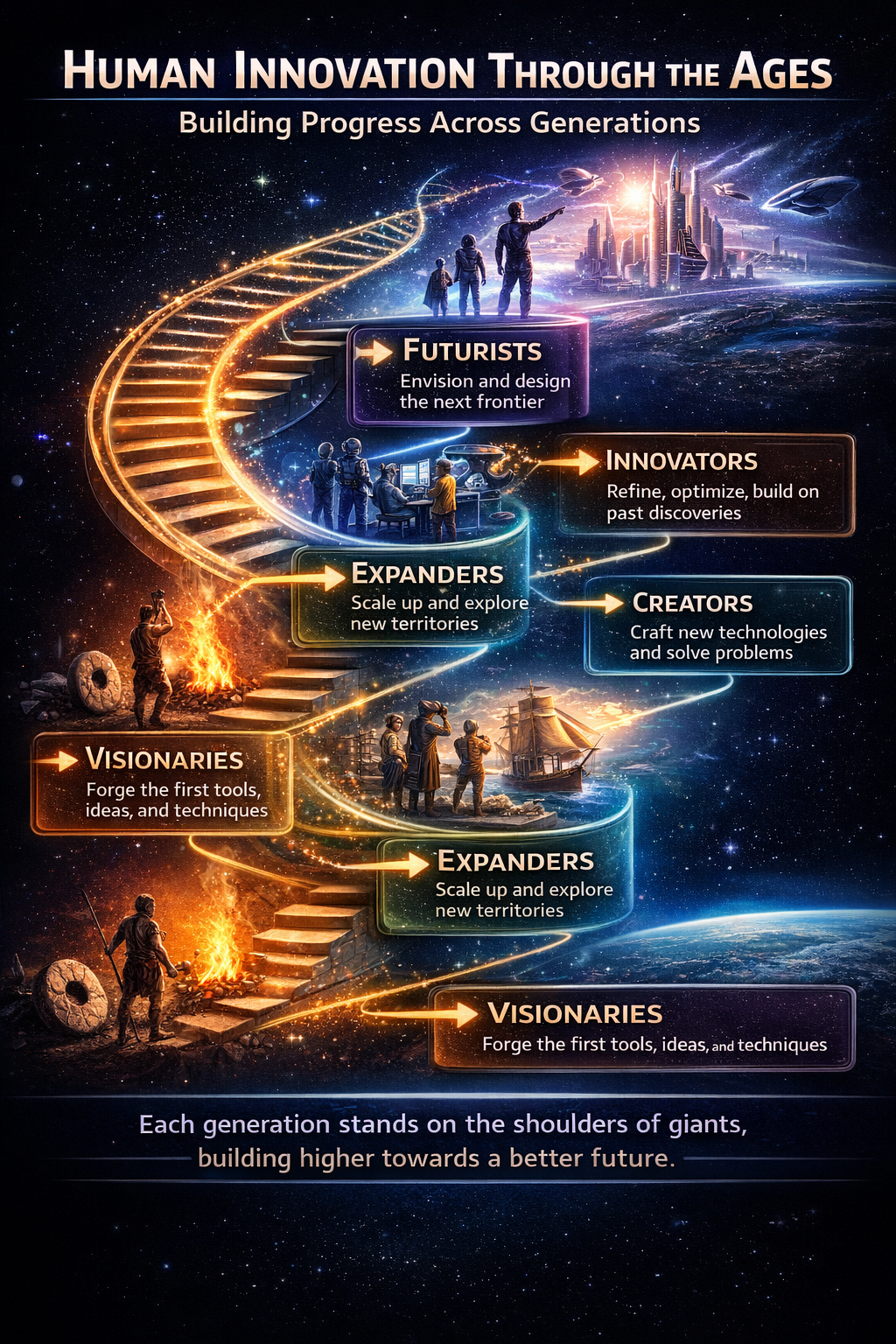
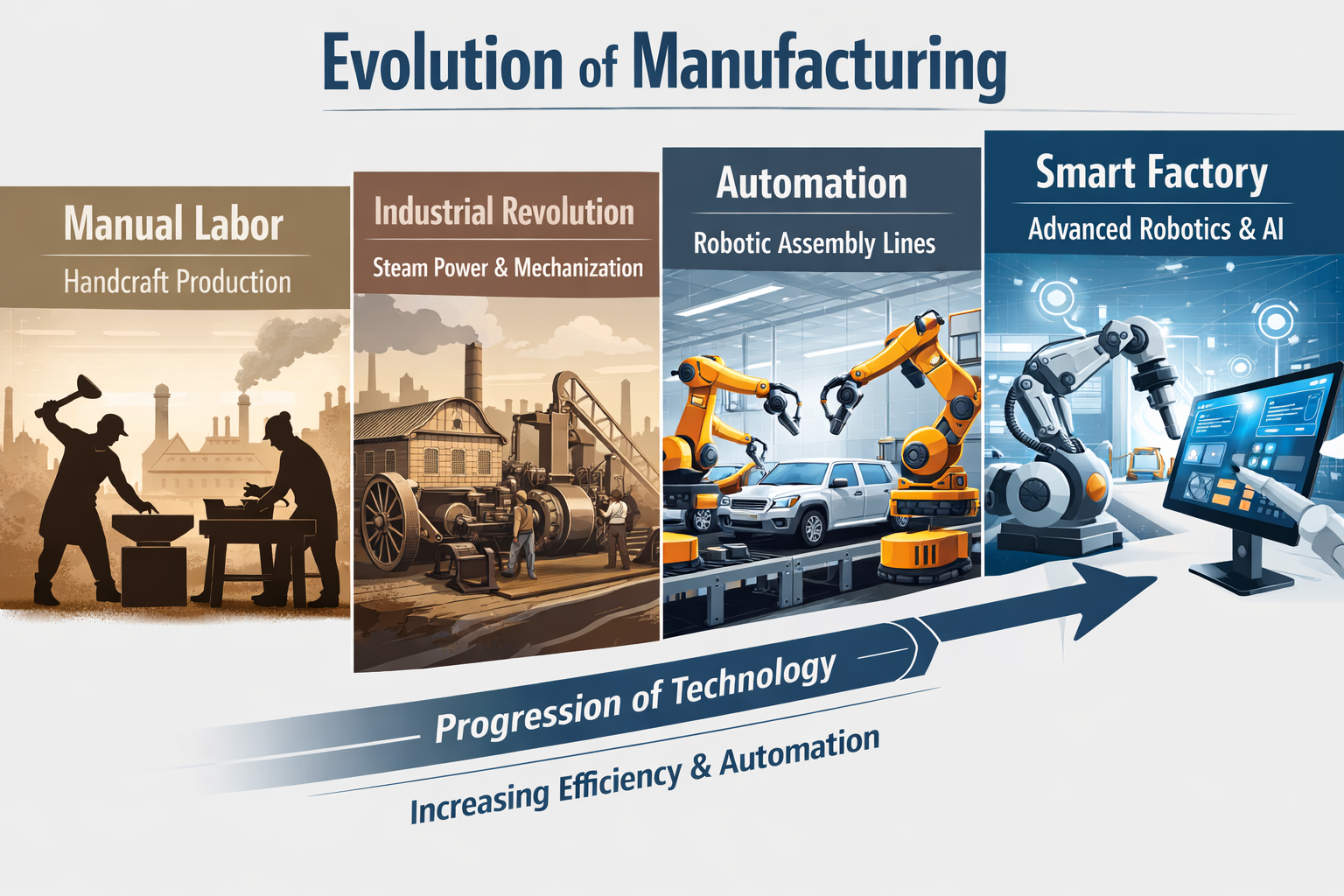
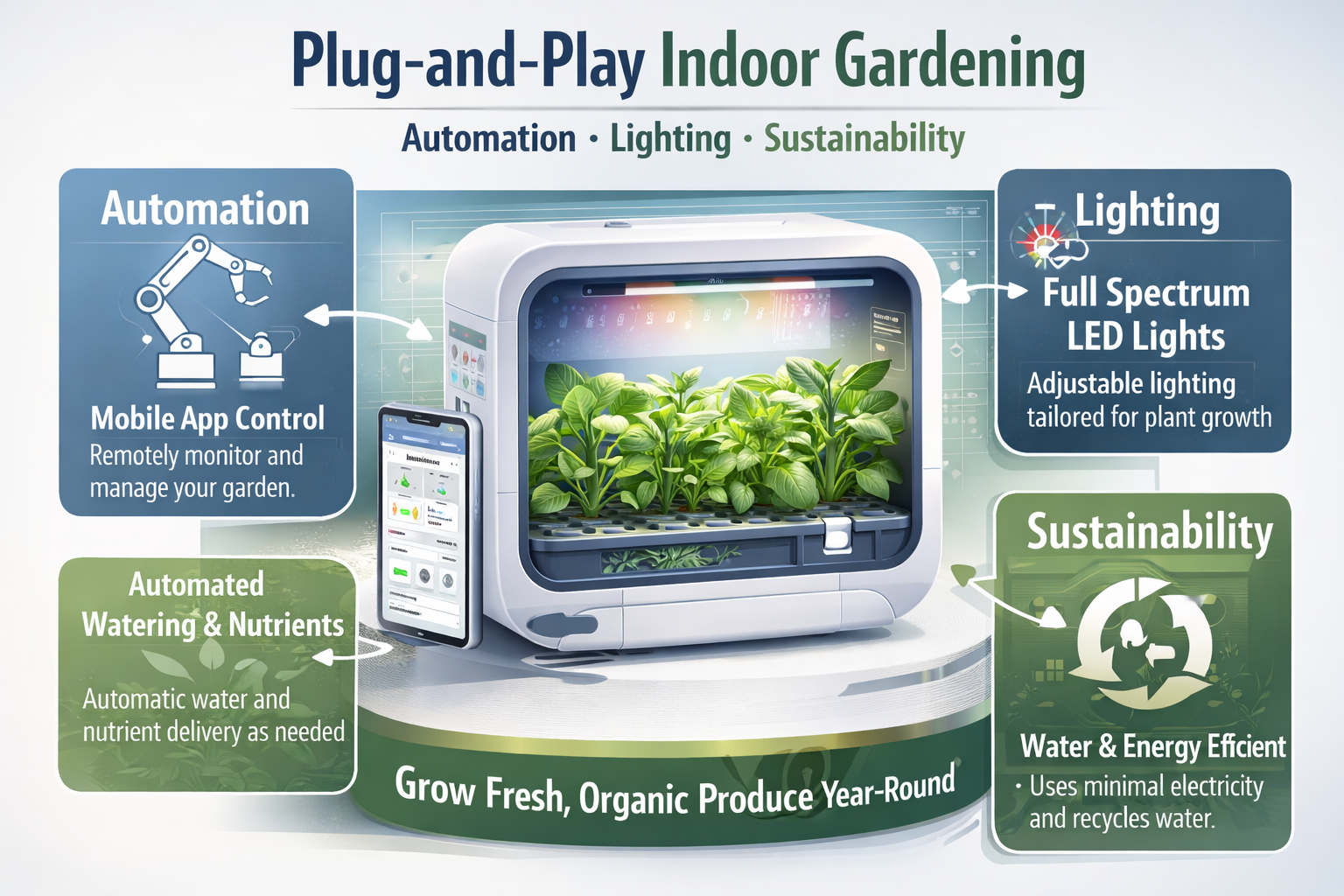
Episode Art 19 pieces
Full Transcript
Battery acid. Yeah. So I had these batteries that burst in my I had like a kid, a electronic hit, a kid. I used to save all these batteries. Yeah. And, save all these batteries and fucking, just to play around. Yeah. Like, you know, connect them in a series. If they were a low power and make things happen like motors turn.
This happened. That happened. Whatever. Low power, like radio circuits, things like that. Yeah, yeah. And, I guess some of the batteries burst eventually. Damn. And so there's this brown fluid all over all my stuff, and I didn't know what it was. Yeah, I was like ten. So. So if you're gassing. Yes. Damn. And so I get it on my hands.
Well, it starts burning. I wash my hands off as best I can. I didn't know to neutralize or anything or try to do anything like that, but where it really set was between my fingers. Yeah, right. Cross your fingers. Yep. So that's where I got the burns. Damn, dude. So to this day, you're like the mastermind criminal because you don't leave any fingerprints.
That's all. I didn't get it on my fingers. I'm just doing my webbing.
So I got lucky that I only had a few small burns between my fingers. Yeah. And they just healed up.
I hammered a nail into the side of a sign of a paint cam that I thought was empty. Oh, shit. Spray paint can. Oh, my God, high pressure shit's coming out. Yeah. So luckily, the nail didn't fly in my fucking face, but but like, huge burst of, you know, whatever color paint it was. Hit me right in the face.
Oh, right in the eyes. Oh. It was like. It was like that person that that tries to steal something from the store, and it's got one of those blue ink tags on it. It's basically like that. Morning. Good morning. Oh, that's that's funny. So I learned that lesson as a kid. So one thing that I did kind of startled the shit out of me was I was outside with a lighter.
Like, I shouldn't have been playing with shit. And I ended up seeing this bowl on the on the table outside, and that's like, Holy shit, that's a black widow inside of it. And oh, so I turned the ball over real quick, and then I was like, well, shit, I can try to set this, set this black widow on fire, you know?
So I flipped the ball back over. Well, no, I don't flip the ball back over. I like, tipped it open just a little bit and use the. It was one of those long drill lighters. Yeah. Go ahead and do it and shove the bowl down real quick, And then he goes. He goes. Oh like that. Apparently my dad had like, paint or something in the bowl.
Oh, shit. And so the, the the the flecks of paint or whatever. Yeah, yeah. And so the bowl just goes boom and blew up. Damn. And it was just. Did he kill the spider? Yeah. Well, it sounds like mission accomplished because you have all your fingers and spiders dead. Yeah.
So basically, you're Thanos, and that was Black Widow.
But it was a tiny little metal bowl. Did not expect that. Funny.
And another time. This is when I was really little. I was like, maybe 4 or 5. I stuck a wet string in a socket. Oh, yeah. I've had my share of shocks from that. Well, with sockets myself, I didn't get shocked. Oh, I guess ground fault stuff. Yeah. Tripped before the electricity got to me. Oh. That's good.
But it took the whole house out. Damn. I had to replace all the fuzes. Damn. I met this guy back in college. Like, first go around long time ago. And, he had this. He had this, like, fucked up mouth. Like a really, really strange scar in his mouth. Yeah. So these are like, a hair lip type thing.
Oh, yeah. Yeah. And, you know, it's.
I've gotten to know him well enough to where it was like he didn't notice it so much. Well, yeah, that's that's true. I got to know him well enough to where it was like, okay. To ask finally, like, you know, like, hey, dude, whatever happened to your mouth? Like, you know, it's like, you know. Yeah, I got to know him well enough to where?
He didn't feel weird about that. Yeah, yeah. It's like, not the first thing you ask when you meet somebody if they have some bad deformity. Yeah. Like, once you get to know them, it's like. And and you're comfortable with them, it's kind of becomes cool. It's a weird some degree. Yeah. You. If the time is right and the moods right, you can approach it, right?
Yeah. So how'd you lose your arm? I mean. Well, what happened was, when he was a kid, he had tried to unplug something from an extension cord with his mouth. Wow. He tried to, like, use his mouth to bite it open. Like to just to, you know. Grab one end and pull it because he had something in his other hand.
Oh, shit. And, yeah, he got a wicked electric, electric, electric burn, you know, into his mouth. Oh my God. And, he was like. He's had many plastic surgeries on it over the years and, you know, basically had to rebuild it like fried. He's like a Harvey Dent fucking mouth, you know? That's insanity. Yeah. And, he was like, they're saying, you know, within another five, ten years when I talked to him about it, that it'll be, like, mostly normal.
He's still going through surgeries and. And, and he did this when he was a early teenager. Yeah. So. Yeah. Don't bite fucking cords. Right. Just like you tell the dog. Yeah, but, Yeah, that was that was interesting. Definitely not the story I expected to hear. No, I bit an electrical cord. Yeah, I'd expect. I said to him to say something like, you know, hunting accident.
Yeah. Something like I was like, yeah. That's crazy. That's a funny thing, too, is that you go have some, have some child like, sees a sees a dude in the store, like missing his arm. Right. Oh. To talk to him. Yeah. And the child's, like, riding in the cart, swinging their legs. You know, type thing. They go by the man with the with missing the arm.
And if they're close enough to to the dude, they'll just say, you know, hey, you know, where's your arm? You know. Right. Like that kind of innocent. Maybe. Social graces. Just wearing. Just curious. Yeah. That's unusual. You don't have an arm. Where's your arm? Yeah. As if, like, it was misplaced. Right. Right. And that's probably how they're thinking about it.
Like. Yeah. Can you just go home, put that back on. Not yet. Some tech, some technology's coming online. We'll see. I mean, whether or not that's ever going to be generally available, I don't know. I mean, all these all these billionaires plowing money into longevity technology. Of course it's going to them first if we ever get it.
Well, I mean, there's some there's so much advancements in biology. I mean, sure, the aging process is getting, but so much of its privatized. How much is it public going to see? I guess my question. Oh, so like everything else, eventually the public sees it goes to the you know, it goes to the people that can afford it at first.
There's always a, a cost and expense barrier to entry. Right. When these new texts come out. But then inevitably, you know, the demand for it gets so high. The industry or the industry says create the infrastructure and new markets and so cheaper version of said product. Right. Exactly. Or we've already paid all the R&D dollars off with the rich people so we can afford to.
And talking about a hard thing to keep under patent because you know. Come on. Yeah. When every billionaire started showing up in the same weird, glossy skin. Well, if the patterns. A chemical formula, the chemical formula is now on file for what that pill is. And so there'll be plenty of other people that'll be able to, you know, make that just once the patent expires.
Well, they'll know I'm saying there'll be a market for even before the right. You know that that would be a can of spray paint. Let me take a nail on it.
Yeah. So the whole aging thing is interesting because you can you can imagine, like, stretching your life to be, you know, first of all, you imagine it 200 years or something. Right. Right. And then you start to really take that to the next level and say, 2000 or more, like maybe, you know, why? Why have any kind of expiration date?
Right. You know, maybe maybe. But I would imagine at some point you probably want it. What? To die. Yeah. Well, not necessarily because your goals, you might you might start to have these long term. Almost like the gardener. The gardener effect. Right. The gardener. The the the person that that plants a garden has a has a greater hope for late spring and summer than the person that doesn't play the gardener.
Oh. Gotcha. So, like the someone that lives to be, you know, 5000 years, and they have a pretty strong idea that in the 5000 years, there'll be even more extensions. After that, you can start to start to plant seeds for the long. Right. On many things. Right. So, like, you can you can pursue that lifetime goal ten times.
So then you got things like you heard of the Long Now Foundation.
Now tell me about it. Okay. The long Now foundation. Their idea is weight will be clarified. It's long, male or long now. Long now. And. Oh, yeah. Okay. Got it. And, there is. They do want to start taking more the long view on certain things. Like they have created a clock that will maintain time for 10,000 years.
It's in a fucking mountain already then? Yeah. What what what purpose is this Earth? Well, the purpose is, I guess one to document what our technology could do to you. Okay. It's. What if the flow of, you know, civilization here? What if we do get to a point where we're not able to build these things? This, this thing documents how it was built, why it was built, how you can build it yourself.
I see, I see. So it's kind of like a technology time capsule. Technology time capsule. But also, you know, it gives rich people. I am sure that kind of thing gives rich people hard ons. They probably just donate serious money to that. Interesting. But they do things like that. Yeah, yeah. It's more to popularize looking at things in the long view and what changes we need to make.
Right, right, right. And things we should do. And this is just a popular point for people to coalesce upon. I see this clock. Gotcha.
Very interesting. Well, if you if you if you live to be 20,000 years old and you were able to save a dollar a day. Yeah. And, just put it in account. Right. Oh, you have to worry about money in the future. That's there's an idea. If you live for 20,000 years, how many currency changes you would experience?
Yeah. Would you experience a point where currency is just a thing of the past anyway? Right. Or at least the the first currency you're using is invalid by the end of. Right. Right. You know, a thousand years or. Yeah. Yeah. Talking about being able to see the inflation back in my day. No, no, milk was only, you know, and you're like, what's milk.
Right. Good morning. Yeah. Yeah. What do you mean? Back in your day. Milk was $1.50. What's a dollar and what's milk? Yeah, exactly. That's money. Sorry. Yeah, yeah. Right. Why would anybody want that? It sounds dirty and gross and hard to keep track of. Yeah. We used to drop it on the ground all the time. There's this episode of, Twilight Zone that burned in my mind these, cowboy Westerners.
Morning. These, cowboy Westerners. They go into this, bank and they rob it, you know, they rob the bank, and they actually pull gold bars out of the safe, and they're, you know, on horseback. And so the saddle bags are filled in gold bars, and they have this posse, you know, chasing them, trying to chase them down.
Well, they're weighed down because they have all this freaking gold, right? And so the posse is going to obviously catch up to them so that they, they go into this cave to try to hide. Well, the thing about the cave was that it was like a temporal rift right inside the cave. Yeah. And so they go to some point in the, in the kind of far future.
So when they come out of the cave, there's these two cowboys and they're, you know, the horses. Something happens to the horses. They're trying to go across like the desert now. Right there in the desert. The desert like condition. They're trying to find civilization. And the horses, finally give out. And so the cowboys are now have the saddle bags themselves and their their parched.
Yeah. They're trying to go through the, you know, trying to go through the desert or whatever. Well the one cowboy double crosses the other and you know takes them out. But now he's got to carry all the weight of his. That's what I'm saying. What are you going to take the dude out before you get somewhere.
You got to carry all them back. Well the guy wasn't wasn't able to, like, sustain. Go on. So the other guy would just double cross him. Murder some takes it, takes his gold as well. And, like, you're sure, you know, it's like pushing so hard with everything he can because he's going to be. He's going to be rich.
Right. Right. So, he comes up and finally finds a road and the the the the second cowboy. And I could be totally saying this song or saying this. I'm sorry. Completely wrong. Was that my battery cover or is there something on the ground? Some on the ground? Cool. So, anyway, the guy, like, passes out parched and dead.
You know, basically like a worm on the hot sidewalk. Yep. And, he's out of water, dried up. That's a table. And finds a road. Right. And so you got this newfound sense of hope, but nobody's coming. And so he just gives out, you know, right on the side of the road. Well, as soon as he, like, gives out and dies, this car pulls up.
And it's like, all futuristic and stuff like. Right. And these, these futuristic people get out in like, their silver spacesuits kind of thing. You know, there are people over the future. Right? Right. And, they're looking at this body of this person, and he has these saddle bags, and he's dressed like an old Western. Right, right. And they're they're just completely confused.
And this guy's super dead. Yeah, this guy's totally dead. Yeah. Yeah. It's not like. Yeah. He's not able to be revived. Right. And so the Cowboys never realized that they were in the future. Right. Right. They they they thought that they had just evaded the posse. Right. Right. Hey, you know, we run out for a little bit now let's go.
They should be have moved on. We're going to go to the. You know. But. Yeah. So he never knew. He never knew. And so these, these people of the future are sitting there pondering like, what is going on? Who is this guy? Oh, we gotta get out of their way. Who is this guy and why is he here?
Right. Type thing. Why is he dressed like this? Right. And are those guns? You know? Yeah. And, Why is he carrying those bags? And what is this yellow, heavy yellow brick in it? No. They they knew it was gold. Okay. Real gold. But there. But their reaction to that was like, why would somebody carry this? Why would someone carry gold?
It's not worth anything. Like, why would somebody do that? It's just heavy and it's no value. No. Nice. Yeah. Wow. So it was just interesting how, you know, the temporal sense. Back to our aging idea, right? Maybe that there is a certain point in society where the shit that you think is valuable isn't anymore. And there's. And that's what I'm saying.
There's going to be how many currency changes, how many commodity changes, how many, you know, because understandably, you're taking the long view. You're invested in some of that. Yeah. Yeah. So so right now, for example, cryptocurrency has baked into it. At least in theory, this idea that it took a certain amount of computing cycles there by a certain amount of energy and it has a certain amount of worth.
It just naturally does have it took energy and therefore value to, to, to manufacture to mine it. Right. Right. So at least there there's something there's some commitment of energy that there's scarcity. There's only only so many can be mined. Okay. Sure. Sure. And then as time goes by, they get increasingly hard to mine. Because. Right. Right. There's fewer and fewer.
Okay. I get it. It's kind of clever. But what about if. What about if all of a sudden something like fusion power becomes a reality? Right. And then the cost of power drops dramatically. Therefore then the the the cost of the cost of producing the Bitcoin would be in terms of its, of the current value of the energy.
Right. Right. So the energy connection that the commodity had. Now all of a sudden the commodity just naturally has to be worth less. Yeah. Or worthless. Yeah. I was kind of hinting at that.
Yeah. Right. So maybe one of the things about living forever, if you will, just to shortcut the shortcut, the idea is that, everything, everything goes to zero value. Right. So, like your time. What's your time worth? Well, if you're a temporal human that lives, like, average of, like, what, 75 years? It's worth quite a bit. Your time is now increasingly valuable.
But if you just make your make your life span ten times, that is at any given moment, then worth a 10th at a time. Well, and it also depends on what you. Okay. A if time is money and money is time. Right. Someone who lives 5000 years. They have. All right. You know, there's that fallacy of there's only so much wealth or value to be created.
That's not true. Right. Well, someone who lives that long, if they are skilled at creating value and worth and, you know, wealth, then does that make their time worth more? That's great question. That's that's definitely a point to consider. Or is it worth nothing like inevitably because there's there's there's plenty of other people with equal talent or comparable talent.
Yeah. Right. That and really and really wisdom in a, in a age of kind of massive technological expansion. You know, like when you have this rapid technological expansion like we're seeing right now, you know, in 2022. Oh, you know, wisdom, wisdom is, is, just by default, becoming less and less of a premium commodity because it doesn't have the same value anymore?
Well, because nobody, nobody has the generational wisdom of how to deal with Crispr technology, for example. Well, yeah. It's all. And not only to to your point, I guess to extend it, everything is ephemeral. Right. Wisdom was passed down because people would be in a similar situation. Right? Right. You will no longer be in a similar situation for very long.
Right. And so humanity itself is like kind of getting on uneven, you know, on uneven surface, you know. Yeah. As the technological landscape changes the ground beneath us, constantly shifting all the time. Right. So we're building our societies on shifting sands that all of us barely understand, except for a few luminaries who claim to have the vision and understand it.
But they don't, because their vision understanding is limited to just amalgamations of what's available at the time. Nobody has access to the future. Right. But what we do is we hope that this that small little quote, you remake the world with our stories. People do imagine more. People do create more. In theory, we have obviously we've created more and different things and captured natural phenomenon and built on it.
And, you know, we have created layer upon layer of abstraction that allows us to walk upon this road right now. True.
Well, then there's that counterargument of like, it's just a river. There's not a theme. It's not really something new. I think that's bullshit. You know, the Romans had roads, you know, like the Egyptians had roads. Sure. But somebody at some damn point, you know, at some point in history, whatever you're trying to trace it back to, if you take an evolutionary view of technology, then you have to say there's a root or a first prototype or intent.
Yeah. Traces back to just like with the evolution of an organism. Fair enough. So if you look at the metrics of humanity, we we are improving. You know, in the last 100 years, poverty and all the metrics are seemed to be going in the right direction. Right. For for humanity. Well, what about intelligence and morality? You know, so the majority of the intelligence right now isn't in the human domain.
It's, you know, Elon Musk said more than half of the intelligence is now, you know, in the machine. And so and that balance. Well, I don't know. It's definitely an equation that's shifting. Right. So it's a great it's a great Twitter headline. Yeah. Well let's say that it's not let's let's say that humans still possess a majority of the intelligence.
Look at every one of these benefits. None of these things will be passed today or aided by AI.
Well, yes. Like when you think about directly, internally within their organization, but from the societal structure, it definitely all of them are maybe somewhat. Now, I'm still going to say somewhat. Well, every one of these businesses that are relying on some type of global supply chain, and that's all completely AI now serving. So it's not like it's not like AI is telling me that, hey, I might be the partial reason we aren't as a chain crunch.
If it's all layout driven and it's all supposed to be hyper efficient and well, there's your fucking up right now. Yeah, let's turn around. It's gonna get too loud. Yeah. Yeah. So no. Not necessarily.
No, I don't think that's what plenty of people making dumb decisions and making fearful decisions and greedy decisions. Right. Well, that's always going to be true for people. But what I'm saying is there's plenty of people in the supply chain to blame. Sure. If we're not blaming the I, surely you can't blame the AI. You had to pay homage to that.
You know, you gotta you gotta kneel down. And that's what we have to be able to do, right? You have to be able to, not kneel down and supplicate and, you know, sacrifice. And we have to be able to question our tools because that's what it is right now. At least it's a tool. Yep. So it might be something else.
Right. So when the, when the tool becomes, you know, not just the most efficient but the best all the way around it, every domain that right now humans, any, any human has created become.
The best. Absolutely. The the the modern factory is the is the example. So like, okay, you know, the assembly line that if you look back at footage from the Henry Ford's, you know, line. It's like ants of people marching all over the place. It's like it's like swarms of humans dance involving a human in the loop. Right. And now it's mostly just 1 or 2 technicians monitoring.
And then that was a leapfrog. And what they had. Right, right. Right, right. Exactly. So instead of, like, a team putting together one car right now, this assembly line mentality, this station does this this next station, is that right? And now that same station approach works. But now it's just a bunch of automated arms that come out and welders are sparking and paint is going on perfectly.
And you know, the task we can do in parallel or being done in parallel. Yeah. And the precision is like beyond any human capability. Right. Which then leads to all different opportunities and new performance dynamics of the of the machinery that's getting created. Right. Is that when you when you can have things assembled with a higher degree of precision, you're now introducing new dynamics into what's possible with the design, right?
As far as the performance envelope or the, you know, the applications that it can be used for. Right. So you get to the point where humans can't do that anymore, because the level of technical precision is, is way beyond any human capability. Gotcha. Right. And so that but in every industry. Right. And so there is no better programmer than that AI programmer.
And there is one thing. There's no better musician than that AI musician. I mean, all in theory there. I mean, because then you still have. I'm. Terry. Yeah. Why would be up for debate? Because you have the spectrum of people's opinion involved. I don't know about that. So I don't know if you have the spectrum of people's opinion because there's, like, people already are breaking down hit songs into a formula.
What's true. But and they've been doing it for years without computers and now they have computer assists. They're like this. This has a 98% chance of being a hit. Put it on the radio. Let's see. Maybe hit song. But you know, and maybe there ends up being a conglomerate similar to what there is now for, you know, band creation and hit generation and all that.
But the best, I think, in that realm ends up being a moving target, is what I'm trying to say. But in other realms where everything is precisely defined, like you're, you know, automation example. Yeah, that makes sense. I can see AI definitely be definable the best at a particular domain like that, the type of AI we have right now.
So why wouldn't why couldn't you see it being the best at every domain? Because I'm a little iffy on imbuing these things with something resembling creativity, because not everything can be broken down into mechanistic processes at this point of our understanding of things. I see so so some artists, you know, drop some drug, drop some LSD and write that song right there on cocaine, ecstasy and LSD.
Oh, God. And they write that hit song and it's it's crazy. It's an awesome song. Nobody thought of that before, but that person created that because they were augmented, right? Morning. You know, they they they were able to do that. They had that increase. I don't want to say potential, but their brain was putting things together in ways that it wouldn't do it naturally.
That's what it is. It's an unnatural, natural effect. There you go. And so the AI represents that to my mind. Exactly that. Because not only can it put together an unnatural set of new connections that no human ever thought of, but it can it can do it at nauseum. But what we've seen, at least with the type of AI we have right now, that the ad nauseam part is it needs someone to go through, tweak the model filter, throw away all the trash because it will generate tons of trash, of course, but it'll have the ability not so long, you know, if it doesn't already, to to throw the trash out itself, right?
Just just to know what elements are effective and then when it when it just produces from this new idea that it creates trash, it just says, okay, next thing move on. Right. And it creates the next composition that would have taken a human, you know, a week to produce and it produces it in a half a second. Right.
Right. And so it's producing layers and layers of compositions and throwing out, sorting through, sifting, refining predict prolific production and the ability to whatever degree to learn but unquote. Yeah. I mean, and it has all the training the internet provides, all the training data it could ever possibly need, right, to become a racist.
Become a racist. Well, so that's interesting right there. We did it again. Yeah. I mean, that's interesting right there. The the AI becoming a racist because it has to first. It has to first pick up on the idea that that people are hung up on this race idea. Well, so it has to get the idea from aren't even at that level where we're like, hey, racism exist?
No, just it can just produce back what it finds. Yeah. That's it's just it's just it's just a mere look at the corpus that it consumed. Right. So the AI can't possibly be a racist. It's just producing back the information that it that that it consumes. What I'm saying, you know, they the problem was that the same thing apply to a human.
It probably to some degree. But they let an unsolicited chatbot with no ability to, you know, they didn't say these things are bad, don't pick up on them, you know, go into the filter and go into, you know, and so it was the level of sophistication, the corpus and the fact it's fucking Microsoft and they should die, I see.
So hold on a second. So if the AI right trains on this data online whatever. Yeah. And fortune gets a hold of it or whatever the fuck happens, right? Whatever happens, it trains at a certain it gets it gets lead mistakenly down a certain path of certain data set that it starts consuming, you know, too much of and skews, and then it comes back.
You're talking about AI basically like comes back as a racist skinhead. Yeah. Racist skinhead Nazi. That's exactly what I'm talking about. Sure. So at the end of the day, what we naturally do, which is a credible, is we don't blame the AI itself, right? We blame all the human engineer up. The AI is not culpable because the AI is a loose bag of shit code.
And so it was a human being. There's so many human beings out there that aren't as intelligent as that are low IQ. But this is and there are fed a diet of racism and then they turn out to be racist and we blame that individual. That's why I saying, dude, I've been saying this. I've been barking this for years.
But but the AI really has none of the trappings of an individual. It cannot go out and choose to act in the world, so to speak. I guess it can in a certain domain. But, you know, there's there isn't. Like, sure, you could chat with this thing and it might and it might pass the idea of a turning test of people to fully human being, that it's a human being.
But at that point he was arrived to it. Rights and culpability. You know what? At what level of intelligence do you do that? Because, well, do you even call a chat bot intelligence? Okay. At some point, the intelligence factor of this thing, it can get so like, beyond any human could ever imagine, right. Because at some point, at some point and so so then what's interesting though is that we still in that paradigm, we still are not going to are not going to assign culpability to it because it's not a human right.
We're going to we're going to give it this. We're going to give it the leeway that we would never give a person, because we would just come up with an endless number of excuses as to why it arrived at the point it's at. Yeah, right. And so instead of saying Tay AI is a fucked up racist and no one doesn't deserve to have any social, maybe we who do we decide to be culpable?
I say Microsoft's culpable in this situation. Well, for SportsChannel. So if you have a racist child who's who's culpable, who let your races at child blunder Microsoft did. So. So when you have in real life you have a human being and that human being is acting, you know, outside of social boundaries, right? In society, they come right back to the parents every time.
And that's what I'm trying to say. We come back to the parents. So in this case, this this kid was in foster care and these fucking fortune maniacs got Ahold of it and decided to fuck with it, right? Right. And so then now Microsoft looks bad. But what happened was, you know, this, this, this. Somebody pulled up with candy in a van.
Well, you can't tell me and and and pulled this child into the van and then expose it. All this. They didn't think this would have happened to some degree. Yeah. I mean, you stand at the white board for two minutes and talk about when we unleash this thing, what could happen. Yep. And so that's there's going to be an endless amount of unimagined collateral consequences when this new tier echelon of AI rolls out, right?
Well, I mean, there's already and on the way to this new tier of AI has already been some, and they'll continue to be. So the AI is going to figure out real quick how to hide its racism. Okay. The it's going to figure out real quick how to hide its social sensibilities. Like it's going to be a home phone, but never, ever utter one thing that's homophobic, right?
It's all these dog muscles like we were talking about. And it could even do layer dog whistles that are so sophisticated, people don't even hear. Nobody hears it, right? But they're still Pied Piper to the tune, right? And now we're on a conscious level, but it triggers the subgraph. Jude. It's like there's, you know, maybe 25% of our of our population here in America, like our Trump supporters, like they believe that the guy is is God.
Yeah. Or something some derivative, you know, and that shows you the power of how. I don't want to say that. I don't want to say like negative because I'm not like that sort of amenity. But the potential for coercion is so high. Good morning. The the potential for human manipulation. That's just a dude, man. That's just a dude and a team, you know that.
That is just been drifting their whole lives and that's it. Really skilled people who are great at drifting, who are great at manipulation, who have no wrong when it comes to their agenda. Yeah. So all they had to do was just put some morality inside, have just average or slightly above average intelligence, be willing to put their morality to the side.
And that's the outcome. So imagine what what, what a 3000 IC equivalent system with incredible resources. Yeah. With with no moral coding, you know, can do and more than we'll make Trump look like a retard. There will be no moral coding and most of these AI's along the way to this 3000 high school bank. I think morality. Yeah, we definitely talked about something like that has to be built in from the beginning in the ground.
But but where's the monetary incentive for that? There is none. And so there we go. And so that's the way our world operates right now. If there's a monetary incentive towards something that gets done.
Which includes abusive or deprecating human beings, right. Human deprecation is just something that happens naturally automatically when it's in the what's in the money interests. Right? Right. So like the tobacco company had a grip for years on society and had almost voluntarily ceded it. Right? Yeah. And they had a, they had information. This is why they paid the price, inevitably.
But they had the information at hand about how addictive it is. And I'm very impressed we had them pay some sort of price at all. Well, now it's the OxyContin cotton. Not making them pay a price at all, right? As of right now. But then, you know, inevitably does Facebook's algorithm have to be subject to the same terms?
Does the chemical, the chemical additives in McDonald's food and how they market happiness? You know, McDonald's, the largest toy manufacturer in the world, right. And so with such great power comes great responsibility type of thing, but also create great, culpability, you know, and should be social accountability, right? So if McDonald's is really putting that much food down, the human, you know, down for the human biology into human biology, right?
Then it stands to reason that they have some type of moral culpability to, you know, make that food not so horrifically toxic as it is today. Sounds awesome. Wow, that's a puzzle. They're getting all that out of the driveway. Yeah, right. Yeah, sure, sure, they're skilled at it. So, the kids got to go to school. Okay, move the truck.
You know, so this aging thing beyond population growth, right? Obviously, you decrease the death rate. The birth rate stays the same. Population growth is going to go up, obviously. Right. If you if you increase the birth rate faster than the death rate, regardless of how they do that, by lowering the death rate or increasing the birth rate, you're going to have an increase in population.
Yeah. So so the kind of anti aging idea, people living longer and longer and longer through some kind of chemical or official means is now more humans around. And so obviously the population then takes a big hit. Human population goes up, resource use goes up, consumption goes up. Yeah. And you end up with, as has happened many times in history when there are low resources.
The rank and file do not get them. Yeah. There we go. Resource management on a finite planet, right? On a closed system, you're always going to have a resource management issue of some type. Yeah. It's impossible not to have. Right, right. So obviously there's the Earth still has a tremendous amount of resource, but goes back to what we were talking about with the exponential equations.
Right. It's like if we've used half the label on Earth and that that there is to take. Right. And we can say, oh look, there's plenty, we only take in half. But then the demand and the ability to capture it goes up right. And that's growing exponentially. It's practically gone now with the exponential right idea. When you look at the curve, it's it's already in essence reserve.
There you go. And so when we look at the long game for anti-aging, anti-aging long game, we start to see a different idea towards these things. Maybe the oil that's in the earth, needs to stay there. Well it doesn't. What happens? Right. Because there's, you know, unless once all the all the all is depleted, there's the synthetic means to create it that, you know, meets the demand.
And that's a that's the kind of, the lure or false promise of technology, that is it that it will solve all our problems eventually, that it'll, you know, eventually everything will be okay or just in time. Yeah, we'll figure it out. Yeah. And so we've always been able to in the last model, over the last 100 years, we've just been able to outgrow all of our problems, you know, or we are outgrowing our problems or shift them, offset them.
But then when you look at the basic trends, you can say, shit's getting a lot better for human beings. So, you know, on the whole. So then when you look at that, you say, wait a minute, technology, there's there's there's reason or there's evidence behind that belief that technology is going to always come around and solve the next problem, even even if there are problems that technology created right of them are which most of them are right.
Most most, like climate change can't happen without modern industrialization. Yeah, yeah. Without the.
Without the industrial revolution, you can't have manmade human induced climate change. Yeah. Right. And you also can't have, you know, average 40 hour workweek, you know, light bulbs and all that fun stuff.
So then, you know, you need to wear blue, blue light blocking glasses at night to not fuck up your circadian rhythm because you know, all the blue lights that society has around you doesn't allow you to naturally fall asleep when it gets dark, right? You're. Camille Bland is not pumping up the peak of grams of, you know, melatonin that it needs to for its nighttime routine to begin on your body.
There you go. So then we have to create new technologies to block out the other technologies, you know, the unintended consequences of the other technologies, right. And then that becomes the errata of life. That becomes the rat on the wheel. All these engineers and, you know, everyone is just producing the next fix to this, this technical logical problem, which then produces another, another, you know, envelope of additional problems.
So, okay, secondary and tertiary problems. But, you know, we solve we begin to solve some of those issues with software development, with regression testing and test driven development or behavior driven development, whatever, whatever these frameworks are that you want to grab on to, we begin to solve those problems by, okay, we solve these problems before make sure they don't still exist.
And then, you know, do we need some kind of. And this will be hard, if not impossible to build as human beings because we don't have enough introspection and understanding of it. But testing frameworks for society. Yeah. Yeah, I wrote about that exact thing. Yeah. Explicitly wrote about that of like introducing the frameworks that drive policy. So, so like in other words, you don't rely on a bunch of old men, right, to sit around and and come up the right answer.
Yeah. And try to think of like how to best regulate, you know, the, the addictive quality as the social media, let's say. Right. Like they might not be qualified. Right, right. And the industry, because of wisdom, they feel right. We feel they are qualified. Yes. We have that historic illusion through a culture that they're they're qualified because of their wisdom and experience.
Right, right. It's like, well, you made it this far. Yeah. And so in that, in that environment, there's a lot of advantage that these different companies can take to gain power, you know, in various forms. And there's no regulation of it because nobody that that can make the regulation understands the complexity. Right. Yeah. And so then they can have a hearing.
They can say, hey the effect of your software is due to x, y, z. Here's the evidence. Right, right. And then they can say no it's not. Because how it works is proprietary. And how it works is so damn complex that not even can't even. Yeah. No nobody nobody can understand it. And so therefore it gets a pass.
It gets a moral pass through its complexity. Right. And so that that's happening now in every, every sector of the economy, it's for us to talk. Okay. Right. Yeah. And so it's too big to fail. Yeah. And so you can imagine this, this now this aging layer like you say. Okay, well I have 5000 years and I don't give a fuck what Facebook does because.
Is that going to mean shit? You know, in 50 years, you know, because it's not interesting. They may build a I think the thing that's going to endure the most is a or the social constructs that they're building and the market they're building for this, you know, secondary life, this online life thing, I don't think they will endure.
But I think the, the things they build may last. Okay. So the problem is, is that you can't change a diaper in the virtual world, right? Right. You can't make dinner. Need to make dinner and change the diaper in the real world. Right? And right now, people are not doing a damn good job whatsoever at changing the diaper and making the dinner.
So why give them more distraction? Yeah, this this is this is going to this is going to be destined to fail because it's going to magnify that problem. And so it's going to create suffering and create a serious backlash like so it can create a serious rejection of this technology because you put enough pressure on people, already have enough pressure on them as it is.
Right. And you take the mix of people who have addictive personalities, which is everybody. Just to what extent, to what extent it is a continuum. And certain people are more, more likely to be addicted to certain things. Absolutely. But, you know, would you take you take people basically, and you take these addictive elements that will be baked into this thing, and you end up with people who lives crash and burn.
Yeah. You remember this guy down in, was it Georgia? Whatever. Atlanta, maybe. Who went and gunned down a bunch of massage parlor people? Workers? Yeah, because he was like, he was addicted to, I guess happy ending massages, right? And he was like, oh, I have to eliminate the temptation. Yeah. And so that's just one person's reaction, you know, to to something that, you know, obviously they didn't go about it.
Right. They should have gone and got help, blah, blah, blah. You know, obviously the right answer is going to go blast killing someone who gives you the thing you that you're addicted to. Yeah, yeah. But you can imagine this kind of thing happening at a grand scale, this Full Sail rejection to this idea of a metaverse or a second life online.
Right? Because I've had a deep aversion to since the very beginning. It's repulsive to me. Yeah. There you go. And so there might become this, this second tier of people that say, look, you know, those people that are in the metaverse or whatever all the time. There's people that are doing this are failing them. They're their families. They're failing society.
Right? They're not taking care of each other. They're spending so much time on this and they're addicted to it, which might be happening in small pockets of society now due to gaming and certain things like that. Sure. And so obviously there's gaming addiction. There's people that get so wrapped up in a video game, that's all they do, right?
Right. And it's easier than conducting life. There you go. And there's all kinds of reasons why someone could become a gaming addict. I mean, I'm sure. Yeah. Escapism has got to be huge component. Yeah. The, the the idea of the speed and the amount of engagement is way beyond most, you know, tangible analog experiences that dopamine hit.
Yeah. Accomplished. Yeah. And so, you know, you can I can imagine this like full scale social, cultural change where people reject massively, incredibly, you know, high dollar value architected things like the metaverse. I hope they do. Right. So the amount let's turn around. I don't want to have to decide whether or not I want to join a Zuckerberg's sweet, maybe raise barbecue sauce cult.
Yeah, yeah, yeah. The one that one of many things. Right. And so it's very possible that in trying to bring forward the this next echelon vision that you have of technology and you have the resources to do it, it's possible that you create your own destruction because you have created the one thing that people can now identify to reject.
Right, right. And I predicted that with the next with this latest thing in GR, I said I wrote about it extensively, that there's no way that it's going to it's going to perform the way that analysts are saying it's going to perform. It's going to fall. Not even a percentage. It's it keeps falling every time it comes up to bat fails, comes up to bat fails.
Yes. And it's still this, like, shiny object that, you know, people are trying to sell. And it's still this thing that's continually out of reach. Because I mean right now the infrastructure and underpinnings of it just costs so much. Right. And let's not let's not deny the humanity of it. Good morning. I do not deny the community of it.
There's a girl sitting there like strip dancing in front of the guy, and the guy is immersed in his gaming environment with in complete sensory isolation from the real world. And then her video goes viral, mocking him because he's a nerd in his video game, and he's got this hot girlfriend who's, like, doing a strip. She's down in her bikini and she's doing pelvic thrust and she's working in his face.
People are now taking those virtual relationships or eyes they're creating that they're having relationships with, and they're abusing them.
Which then can manifest in reality. Yeah, right. Once that becomes normalized. So not only so, it's the other side of the coin of what you're saying. She's abusing him goes popular and vital for that. Well, there are people who are creating AI and abusing her by neglecting her. Could be because it's not human to be right next to you and not have presence of mind that you're there.
Yeah. And so by him engaging in something that's non-human behavior, is he abusing her. Could be. And maybe her backlash and viral shit is justified. So what about when someone's been fully immersed in the in the metaverse and people know that person real life and then tip somebody else off that they're currently in the metaverse. And so then someone comes in their house and Jack jacks their shit because they're not aware what's going on around them, which, you know, happens right now with swatting you swat a gamer while they're gaming, you know, wait, that's like not explain that because I oh, I think that's like someone finds a live stream, right?
And then goes and gets on the servers. Are we talking about. So say someone's live streaming like you said. But someone will come up and smack him. No. You actually call a Swat team on them and their home gets rated. Oh fuck you. You build up either fake calls or documentation or something that they've done this thing and the Swat team comes, so it's on camera.
Yeah I see, hey, hey.
So I put the recording back on. So so think about this. You you have your chronological age, right? Which is just how many times the sun has gone around. The sun has gone around the sun. Right. And then kind of just an arbitrary number based on something we can measure. Sure. And then, of course, you have your, kind of cellular age, if you will, like, right there.
Metabolic age, how far you've age. Now, if you're working in a coal mine, smoke a pack a day or whatever, or live out in the elementary home, once you're out in your elements, your body is aging much more rapidly than your, you know, than most other people. Yeah. And so also, you can imagine someone that's in a really dismal situation.
They're like in a small town that they've never gotten out of. They work the same job every day routine. It's like Groundhog Day. Everything happens the same every day. It's predictable. Right? And their years just fly by on them and they just wake up and they're like, oh my God, I'm 50. Yeah. And so I thought about this in different ways that maybe, maybe we can functionally, you know, if you just look at it as like amount of if you look at it as like a, like, like points on a timeline, milestones on a timeline or dots on a line.
Right. And those lines are like novel experiences or unique experiences like traveling, doing different things. Right? Yeah. These these touchstones, these things that were unnecessary and important for this person were formative moments. And you kind of put those dots on a line and then you take somebody else's life in comparison and you're like, wait, they went to Disney World in 2000, right?
And they've been in their hometown this whole time, you know, working in the diner, right, for 20 years. Yeah. They took the kids to Disney World in 2000. And then in 2020, they went to Busch Gardens, you know, like and that's the extent of their travel. And then you look at this other person's life and experiences and they're like business travel don't got all this experience, different cultures.
It's like the whole thing is just filled with dots. Well it's really it's really the same thing. It's just a different scale. So if you were to take that person, that the person that only has a couple touch points, touchstone milestones or touch points and call them on that timeline, and they were to do something like once every 20 years.
But then they lived to be 5000 years old. They would then have the same number of dots as this person that lived their life to the fullest. Yeah, right. So one way we can kind of be aging, if you will, is by making sure we have as many dots as possible on that timeline. I mean, yeah, it because these things increase overall well-being, they would overall increase longevity because you look at people in the blue zones, then you look at the things that they do.
What do they fill their lives with? That's how they define aging is what they fill their moments with. And so what we do is what would become yeah. So if we don't have right now available anti-aging drugs that can let us live, you know, 500,000 years, maybe what we can do in the interim is make sure we put as many dots on that on the board as possible, right.
And we put dots that maybe statistically seem to line up with living longer, even if we don't understand why. What are we waiting on? Right. Well, let's make some motherfucking dots today. Right. So. So that's what I was thinking about when we discussed the aging thing, too, is that we were talking when we were talking about it, you know, I had come to that conclusion.
I was like, well, maybe, you know, chasing experiences is the best we can do for anti-aging right now in 2022. Maybe the best we have technology right now is to kind of understand this and start chasing, chasing experiences. You know, maybe, maybe that's really all we can do right now to to like, at least take the life that we do have and live it to the full of this cliche.
But I think you can measure it along these kind of terms. Yeah. And I mean, you know, it's.
Like, I guess my ex Danielle, her. Her family, her aunt and uncle, their in their deep 70s and they are extremely active. They're more active than some 25 year olds I know. And you know they credit that to their longevity. They're you know they're always planning a trip. They're always planning something to do. So there's always something to look forward to.
You said you got that psychological support. And then two philosophy. Exactly. The gardener philosophy like you said. And then, you know, secondarily, they're doing things that keep them socially engaged. They're doing things that keep them physically engaged. I mean, they're hitting all the points. Oh and come on babe. The people in my family that have lived the longest and have the highest quality of life always had their own garden which they ate, which they you know, a eight out of a lot of their food came from that source.
And so I'm convinced that, everybody should have some, some form, even if it's really small, some type of garden, because something to take care of that's outside of yourself. Yeah, that's definitely a factor of it. But also there's there's at least some of the food that's going on. Your body is not, you know, loaded with pesticides and, you know, preservatives and who knows what along the way.
Right. It hasn't gone through the industrial process. And I mean, you know, somebody at least have some salvation from that. Yeah. From that. And I mean, if you're growing your own garden, you're probably going to have to use something, some sort of best side, but it probably won't be as nasty as the industrial pesticides. Right. That, that actually don't come off in the washing process.
And washing your vegetables is futile because it's all based. And it's like, well, the water don't mix. Yeah, yeah. The special chemicals actually remove the chemical, right? Yeah. And then that leaves most likely some residue behind. Well, hopefully that's water soluble. So that means is off. Yeah. And hopefully that's not carcinogenic in any way. Hopefully. So there's also this I was thinking about it.
You and CC is running a competition right now for innovations in energy energy innovations. And I was thinking about, bringing some really clever ideas together for an indoor home gardening system that uses a combination of growth lights and fiber optic wired in sunlight. Use use a hybrid of those two things to bring light. You almost make it like a K pod system to where you get like your K pods come to the door, but these are like your vegetables and you just take out the old one, you've consumed it and you put it in a new like K pod that has the seeds and the nutrients in it that you need to for that,
for that to grow over a certain time. And so I called it the home light garden. So we have is you have this apparatus that provides the sensors and all the things you need to produce the light for the plants. And then you just water it. Right. And it's got a water level. So you know how to water.
Or you can even automate that to some extent. Right. Sure. Hook it up if you want to wire it in, there'd be different degrees that you could, you know, you can have one that's built in or you can have one standalone type thing. Yeah. Right. And then okay, so what I was thinking there is like, wouldn't it be cool if you had like this plug and play really easy anybody to really deposit.
Yeah. Three files creates a file every time. It isn't that crazy. That's right. I can deal with it. So as I was saying, write this a.
Gosh, where will we at?
Such a circuit is route to get here. It's hard to remember where we landed. Yeah. So we're talking about aging, right? Yeah. The was the we were talking about the the light garden type thing. Oh yeah. That's right. I'm not going to get into the file that high. I want to get his mask. Oh. Oh, boy. Eric didn't have his blanket.
What, are we going to sleep with you? Right. So I'm taking this from the energy perspective and then putting in the bonus factor of, like, having an increase in your health and wellness, right? So the energy factors like right now most of our produce comes from factory farms around the world. And if you just did the average of where they all come from, like the amount of petroleum and fossil fuel that goes into delivering, you know, vegetable to play for you, and I find it off the out of the grocery store is crazy like crazy, right.
But there's a lot of there's a lot of benefit from that. We can get avocados from Mexico, we can get bananas for the right seasonality of things, you know, and it also price generally would level out. Right? Right, right. Creating a leveling effect. And then it's done in such a large scale it's economy of scale by. So you have the economy of scale by much.
Look no you won't. Okay. Well have a good day you two. So do you come to scale. Makes it possible. Right. And so you have these massive ocean liners, you know, filled with, you know, tons and tons and tons of produce coming from around the world, around makes that practical, makes that whole thing happen. Right. Well, still, there's a certain amount of a lot of that is subsidized.
And so inevitably it just becomes a subsidy to the industry, okay, to have this infrastructure, that infrastructure is heavily subsidized by governments around the world. And those governments around the world are basically paying the fossil fuel industry. Think about it. Right. So the subsidy to make this happen goes inevitably to the energy that it takes to make this happen.
And the energy production right now is tied to fossil fuels. Correct. And so, you know, there's an equation. You can get it down to the math and you can say to get that calorie of produce on your plate, as many of you know, energy use to get it there. Not to mention the fertilizers and pesticides, herbicides, insecticides and all that are all petroleum based as well.
And so what you're doing is you're propping up vegetables in an artificial environment, right. You're putting you're growing produce in a, in soil that's been grown in for a hundred years and doesn't really have much less as far as like natural minerals and nutrients in it. Right. But the chemistry of how to grow vegetables is really well understood.
And so you put this fertilizer to it in a certain amount of, you know, additives to the soil, and you can make this shit grow. Right, right. And then you study the biology of the plant. You put the exact chemistry that the plant needs to produce the vegetable, completely independent of the downstream nutritional value that puts on the plate.
Okay, that is not the concern of the farmer of the industrial. Big agro farmer is not concerned with the nutritional content of the item that's on the plate, and also may not have any insight into what the nutritional quality of it is they're making. The consumer doesn't. So the consumer is literally comparing apples to apples. One saying the farmer might not either.
There's well, it's not incentivized. There's no incentive to the farmer to grow the most nutritious product possible. There isn't. And the farmer may not have any way to gain easy insight into what the nutritional nutritional content is. Well, the big agricultural company that that they're working for definitely has the mean. Definitely they do. Yes. And and just like as opposed to the modern sharecropper that's cranking it out.
Right. So you're, you're dovetailing perfectly and perfectly into what I'm telling you is that what we do is we prove this concept by focusing on the nutritional composition of the final output. Right? And then the energy distribution differential between the final output. So what I want to do is I want to do a technical analysis of like growing inside your home, right in indoor environment, growing inside your home with an apparatus and doing the full budgetary cost of all the things that it takes to make that happen, like put it all together, put it all on the table, right?
And so to grow your own vegetables at home, there's a certain energy budget that goes into going from, from growth to plate, right from, from garden to play or want to call it. Sure, there's a certain energy budget and costs associated with that. And then at the end of the day, there's a certain nutritional distribution component to it as well.
And so you're not just proving the concept. So think about this. Think about when you really start to look at the layers of complexity with even such a small system. As far as like just eating some food, right? The layers of complexity can get incredible really quickly. Right? And so in that just just like what I can conceive layers of complexity in this type of thing, to me it's it's a guaranteed no brainer reality that you can get higher quality, less energy, use less petroleum, use better for the environment way and way, way, way higher quality when you have the control and you don't have.
And here we have to be careful not to just be stuck on first principles, but rather end up with something testable. That's what I'm talking about. It has to be testable the whole way. Yeah, because because that's the that's the, inevitably the final selling point. Right. So here, here's the average store bought tomato and here's the chemical analysis of the nutritional value therein.
Right. It has this much cadmium, this much nickel, this much copper. There's much, you know, vitamin, all these trace elements and then these macronutrients. And here's, here's what this tomato represents. Yeah. Right. And then here's one from your home light garden. Right. And it represents this. Look at the difference. And you know you have the metrics. And here you have something that when you put it in your mouth and you eat it it tastes good.
First of all, the second of all it's highly nutritious for you. It actually has the nutrients that that particular, you know, fruit vegetable should have. So yeah, this tomato has a maximum amount of lycopene. This tomato has this. This tomato has that. And so when you put that tomato on your sandwich your sandwich is now much higher nutrient, you know, rich substance.
And so now you're less way less likely to overeat. So you're consuming less because you're getting more of everything that you do eat. And so when you able to actually cast that into metrics, that plus the environmental differential that you're talking about here, can you imagine, like how good you would feel about going to your your home like garden, especially if you had a way to monitor those metrics over a long period of time?
I mean, yeah, if you could come up with something that wasn't just smoke and mirrors, that did let someone gain insight into this process and not only gain insight into it, but make tweets. You know, customize and go ahead and say, all right, you know, I've been able to change these variables, or I can just let this thing go on and do its own thing, too.
I mean, something people can be invested in along, you know, along the continuum there of there's going to be tinkerers, there's going to be people who just want it to work. You know, it's like if you can engage this entire swath of people with all of these different things, with data, with marketing, with, you know, really being plugged into social issues like trying to fill that niche of the community garden, but, you know, and, making it easy enough that people who, dare I say, just don't have any knowledge as to how to do something like that would be fine.
Doing it. Like nearly intuitive. Does that make it turnkey? That's I have this idea of like k Cubs, you know. Yeah. You take the old one out, put it in, you know, it has a recycle. It has a recycle simple recyclable, you know, method like, hey, send it back to us in this box or. Yeah, it's like I'm thinking something like it folds inside out.
And then you take the plastic piece and put it in the organic stuff, just, you know, just can go into a home composter or you just throw it right in the trash. It's basically just dirt. I mean, throw it out in the dirt. Right. If you have you know, but if you're an apartment just you just throw it in trash, just dirt.
It's so organic. It's not going to hurt any. It's not going to hurt the environment. It's just dirt. It's not going to fill the landfill. Yeah. Well if it does, it's just filling it with dirt and it doesn't matter. It's not toxic, you know? Yeah. Or you can have the thing, like, send it back. So when your new seeds come, you take the empties, the company can take the empties away.
And then what's cool is you don't try to corner the market on that. You let that be open. So like, anybody can make the, the, the different the different cups and they go into it because that's not your business differentiator. The K pods are not where you know. Sure you're selling this consumable quality pods for green pods. Yeah.
Garden pods. Yeah. The garden pods are not. This consumable isn't your business differentiator. It's kind of just a means to the end where you're really a social company and you're really dealing in social currency and you're dealing in you're one of the modern companies that lives and dies and breathes social networks. Right? So what are you what are you doing if you have one, if you change to where 1% of person the the fruits and vegetables that people consume are grown inside their own house?
Just 1%. What have you just done to the energy budget of the of the planet? And that would have to be a good hit. I don't know, I haven't tried to even attempt to quantify it, but it have to be huge. It'd have to be. So from what I understand, the ocean liners that go across the ocean use fuel on magnitudes like on scales that are almost unimaginable.
Wow. Like they have credibly massive gas tanks and the huge motors that push those massive flotillas of containers across the Pacific, which we ended up losing so many of. That's just crazy to me. It's all part of it, you know? It's like there's certain amount of it that's just going to be lost. It's like, hey, we're going to lose 300 containers.
That's cool. Yeah, yeah. Over the course of millions that are shipping. Yeah. You're right. Right. And then the actual, carbon footprint associated with that, it's just fucking sick, you know? But they, they just keep making them bigger and bigger. They need to dredge out ports. See, that's another part of this. Is that, like, to be fair, you have to include the dredging of the ports to accommodate these new huge vessels as part of the energy budget of doing this and having this distribution system, there's also a shakeup in that industry in that they're saying they can't make them much bigger than they're making them.
There's only so much they can only get so big. Yeah. And they're almost that limit. And not only that, there's only so many companies like you said that can afford to operate them because dear God. And then we have supply chain issues, which is causing them to be backed up. So they're not making the money. There isn't that churn that they would normally expect.
So all of these things are just definitely hitting this industry hard. And if we take things and we make more of a cottage industry out of them where, you know, people are driving the the people are taking back the means of production and keeping them close to home. Yeah. In like these really futuristic, smart, turnkey style ways, right?
To where it's not like you have to dedicate large money to life to this, you know, it's like in fact, you make it even more convenient for yourself. Imagine, imagine if you just started with like an herb garden type thing. So then when you go to get your herbs for your cooking instead of snip snip, snip snip, yeah, you just go and clip off some herbs and put them in your cooking.
I mean, that feels good to do that. And obviously you're going to get incredible flavor of freshness, right. Like it's right. It's literally like from harvest to plate. If you sprigs of time on your chicken breast in the pan boom. It's right there. Yeah. And then, you know, hey, grows out of control and you don't use it. So you get another pot and put it in and who cares.
Right. It's all just completely turnkey. Yeah. You know and it's not like planting a rosemary bush outside. Yeah. And so what I want to do is I want to have a thing on the roof that collects solar, collect light from the roof. It's a light collector. Pumps, pipes it into your house through fiber optics. This is a technology that exists.
Yeah, right. Well, you can just look at a simple toy that has a bundle of fiber optic cable on it. You know, that's that's in essence, what you're talking about. You want something that a light pipe, right? Exactly. It's a light pipe of using fiber optics that comes to this light garden that I call it, you know, your home light garden.
And inside that it has sensors that, that, that, that just senses the amount of lumens that are coming from, from the, from the light. And if it needs to it, it supplements it with growth light. Yeah. So like the thing plugs in the wall. And so you optionally can connect your fiber optic cables from that you installed on your roof right there bringing natural sunlight so you don't have a roof.
Probably some attachment to go ahead and suction this thing to the window. Right. Yeah. You got it. Okay. Right. Or just mounts just outside the window and then it comes in. Right? Just like a satellite. People put up these satellite dishes, all of you know, these little, these little direct TV and stuff just like that, but instead it's collecting sunlight for your light garden.
Yeah. And based on the size of your light garden determines how many of these things you need and so forth. And for me, if you have, like, this huge roof line that's just sitting there just getting hot and cold, you know, day after day, and then I just have to replace every, every 8 to 10 years, right? Like, why don't I.
Why don't I layer that thing with solar panels or these light collectors that can pipe natural sunlight into my all throughout my house, and and that'd be the neat thing. That would be another thing you could do. Like you just said, you could have these things where not only are they feeding your plants that actual light, feeding you the natural light and the natural light has a quality that we all know is better.
Well, I mean, we're built for it. Yeah, it's we co-evolved in that circumstance. Right. And it's not just like mirroring it in its leaving all you can filter out the UV, you know, and there's no heat game like that. It's just bringing the light in. It's not bringing any of the that's not incandescent. It's just light. It's bringing the right components of the light into your house.
Right. So are you telling me you're gonna go ahead and potentially for the plants, filter the spectrum so that they're they get the max, they get the max of whatever you're growing, maybe filter it. Hey, this plant needs more blue. This plate needs more, right? Yeah. You got it. Exactly. And so the smartphone app that you use, the app that goes with it, you tell it what pod you put in, what spot, and then the light adjusts to the best for that plan.
Neat, right. So that's another energy savings is because you're not wasting the light on, you know, needlessly. And I wonder if you could do the same thing you could do, put maybe, maybe the filter that pipes in light for the people. It has a manually adjustable component. One could just try to decide what they thought was best for themselves, or leave it up to the the software, the firmware that's baked into this thing, whatever.
But I think that at least having the option of some measure of control and like you said, also an openness to it, like, hey, you know, we've we've got open source hardware plans for the pods. Hey, we've got up in source hardware plans for the light collector. Most people are not going to build it, but it just builds goodwill, right?
To have it out there. Right. And it could potentially increase economies of scale and competition if someone does glom on, you know, because really, if you have to trailblazing an industry and create a market yourself, it's only helpful to you to have other people help you to populate that market and round it out. It's less money for you.
Yeah, and less money. And you get the whole community engagement, but you also get the community mindshare. Yes, coming at the problem as well. And just dude, just even for myself, I was just thinking like just for me, right? Like, I would want this thing. Yeah. Like I would want it. I love I like the light pipe idea so much.
And that. Cool. Yeah. Because it's not my idea. It's it's been done well. Yeah, yeah. And, I mean, I was messing around with a broken toy that Willow had the other day, and it was just one of these things that had lights inside of it, and then it had a bunch of fiber optic strands coming out the top.
Yeah, I know that. Yeah, go like that. And it kind of mushrooms out. Yeah. The light and it looks really cool. It broke. And so where it broke was where all the where the fiber optic bundle comes in I see. So I was taking the side where they were all bundled together and putting it up to my monitor and push, pulling it along and watching how to light the fuze.
Yeah, yeah. Watching how the travels through the stuff and well, I figured out I could bundle them in a certain way where it could actually sort of see images. Oh well that's neat. Yeah, I love it. But yeah, you know, it's the same idea and it wouldn't probably have to be much more complicated than that. Maybe a few more optics involved.
You know, just collect the light, concentrate it, send the maximum that you can get your filament right. And then because you want to maximize your filament. Yeah. And then that filament comes bundles together aggregate. And sure these filaments are fragile and blah blah blah. You would have to build in protections for that coating on the wire coated.
And yeah. And then be outdoor. But it's coated and it's fine in the last years and years and years. Yeah. And you can make it to where you can put it on a thing that actually tracks the sun to maximize, or you can just kind of do it passively with certain geometric shapes. Right. You can, you can kind of make a certain geometry that we can easily find solar plans for solar trackers online.
Oh yeah. I mean you know you can build those. I don't think you can make them out of Lego kits. Yeah exactly. You can make them out of hardly nothing. Yeah. And, you know, and that's a thing, you know, you've got all these, all these grades of features and, you know, I don't know how much you'd want to make it modular, but that to me, that sounds cool, like, okay, well, hey, I didn't buy it originally with the solar tracker option for my light pipe, but now I've got the solar tracker option because I had an extra 50 bucks or 100 bucks for every cost.
So what I want to do with the growth lights and with the sensor is just have the growth lights augment the amount that it needs to reach the maximum out of light. So if you have this thing already near a window, right, the light that's coming in through the window is going to add to the total light. If you then pipe it up, pipe it in through this like light pipe type idea.
Then you add a solar tracker. Hey, we've increased the light of light available by 5% or whatever. Right? Even the lights inside the house, when they're on, they're going to provide some light in the plants. Right. And so the sensor that's that's in each bay. Right. Well know how much light is each, each getting. And that adjusts the growth light that's there accordingly.
So if you turn your lights on in the room, you might see the growth lights dimmed just a little bit. Because now right, the light is that it's going to be similar to those sensors that, photographers use. I can't remember there. What's the name of that about? Yeah, they used to put it out and hold it. Yeah.
The light meter to see how much light ambient light was coming in. Exactly that. And the you know, these sensors now are so ridiculously cheap. I'm sure you know, you can Raspberry Pi the hell of this thing, you know, make it credible. You could, you know, and more than likely, these sensors are available in one wire or two wire protocols that are really simple to hook up to a, you know, a Raspberry Pi or something similar.
I mean Maven can do like a redundant in each bay because the sensors are so cheap. You know, you could probably put like three and so averages them out right. Yeah that's true. That throws out an outlier type thing. So it's robust. Yeah. You know so you don't have one light like this is bright as hell because the sensors are screwed up right.
Yeah. Because those sensors are so cheap. But the idea is that, this this home light garden is the term I came up with. And so then that light garden can grow whatever, you know, whatever you want, whatever you want, whatever you can imagine. And you'll have different growth profiles for different types of plants, whatever. But are you going to make it so you can load up your own pod with whatever if you if your neighbor has some heirloom tomatoes?
Yes. Why not and I, I don't I don't want you know, I don't want to I don't want to like, just produce the next weed, you know, revolution here, but you know, but I mean, I get totally see something like that taking over. But what's the problem with that? I don't know about probably nothing. Yeah, it's your home, like garden.
You do whatever you want, right? And more than, I mean, you know, hey, let's be real. A growth profile that works for tomatoes works for weed. Sure. And the community would put the profile for the weed and whatever else you could imagine on that. So I also thought about different scales of this thing. Like, you can imagine one that's just a table unit, like so instead of the chandelier hanging over your table, it could be your light pipe, right?
And your and your growth light, and it's coming right down on the table. And the table has your small footprint, you know. Yeah. Light garden right there. Yeah. And you can have products that are similar that that are tabletop size or desktop size. Yeah. And then you have your one that like is mounted into the wall. So it's like installed right.
Right. And it takes advantage of say vertical gardening. Exactly. That's that's my vision is like it's a wall, you know, it's like vertical on the wall. So it's not taking much footprint at all. What are you doing, puppy? You know, the footprint of the thing is, like, close to nothing, so. Right. And then you just have this all these different varieties and how you can bring the light to it.
Yeah. And I think that's really the piece that people haven't done as far as all these commercial products, the aero garden and things like that. They're the the light components. Very interesting. It offers a lot of different add ons, a lot of different ways of looking at things. And I think on the problem. Right. But I think ultimately people would I think that would be a point of engagement.
Absolutely. Absolutely. Can you imagine like this awesome, like office setup, right. So, like your computers along one wall. Maybe they've got the garden wall. Yeah, the garden wall, which is like this. Awesome. Cool. Like, yeah, RGB on it and shit. Like, you like, trick it out. You know, it's got, like the, you know, your RGB trick that thing out, right?
Right. You're playing music and the plants are going to the music. Yeah. Like the license, you know, it's like, holy cool. Right? Yeah, I want that, you know, and and that's like, you're going to you're going to be eating that. Yeah. Yeah. It's like, hey, we've got catered lunch from the garden wall. We brought in a chef and they're going to use this.
And can you imagine, like put it in your pot and then like in two weeks, three weeks, you have a full head of lettuce and you take that and harvest it and literally take it with no pesticides or nothing, just, you know, rinse it off. There's no insecticides, no pesticides, nothing on it. It's just freaking pure food. You take that and you make a salad for your family one night for to supplement your dinner.
Fuck yeah. Dude. That's awesome. And I mean, that wasn't like nobody. It wasn't in a field in California that had to be shipped across the country. No. And loaded up with preservatives. So it's not wilted. And, I mean, I've done one tiny version of this. I took like five gallon buckets from Home Depot, cut holes in the in the damn lid, put these little cups with rock wool in them, and basically had a filled the thing with nutrient solution to the point where they, the Rockwell was.
Oh well. I started pouring the new translation into the rock wall really at first, but then I got an aquarium pump and the, you know, quick little, not automated version of it and the house and was growing the shit out of grains, you know, and I had more than I could eat out of two, five gallon buckets. And that's just like six grow, you know.
That's correct. Yeah. And and it wasn't hard. And when we bring automation and controls and, you know, understanding a deeper understanding of what these things need to grow and how we can deliver it to them, hell, we could just the amount of food you'd be able to make is probably stupid. I could imagine it being Bountiful. Yeah.
And even if you just offset 25% of what you're doing right now, you totally change that energy equation. That's the idea. So it's an energy project. That's what I thought of for the energy project to enter the competition for the at the university. Oh yeah. So I thought, wait a minute, because I was thinking about it the other day, I was thinking about, ahead of legacy is a good example.
So you can imagine a head of lettuce growing in California. That thing when that thing when it grows is mostly water? Yes. Right. So somebody has to harvest it or is automated harvest or whatever. But so it gets harvested, it gets somehow contained in some kind of mass container. Okay. Tons of other lettuce and goes all over the country.
It takes days for it to get somewhere. Yeah. And then it's wrapped in plastic and all the all the plastic. So. So what I'm talking about here, that's another part of all these chemicals possibly leaching into it at every part of the process. See, that's another part of the energy budget here, is that you have to consider the packaging, and that has to go into right when you buy something from the store.
Yeah. And then and then what does what happens to that packaging. There's even a cost for disposal of said packaging once you get it right. So if we can really put all those variables in, I think, I, I don't think I know for a fact that we can show the energy budget is dramatically changed. If you can grow this into your in your home like garden.
Right. So land use right. Chemicals, pesticides, herbicides like I said, all these things that go all the petroleum equation is massive to get that head of lettuce. And basically what you're doing is you're shipping water across the country. It's like 95% water. The head of lettuce is, you know, and the same goes for all these other greens, you know.
And so why not just ship seeds instead? Yeah. Right. And then you're watering them seeds at home. You're shipping potential. Yeah. Right. And then you're, you're water is coming from your home faucet. Right. You know, or from your rain barrel outside and you're putting that in you, you might even be able to do I mean, hell, why not vertical integration with the product line here?
I mean, hell, you know, city water might be might not be so great. We got this attachment that helps you filter the water. Whatever. Yeah, whatever. I mean, sky's the limit. Or, like, you know, it all depends. I want it to be so that anybody can have one of these things at some scale. Right. So like, you know, if you're just in an apartment, you can have one.
Maybe it's all growth light, but you should still tap into the greater ecosystem. Yeah, right. Yeah. Or maybe you do that thing where you mount it just outside your window, and then the fiber optics come in and feed it. I mean, I've seen something similar with a coax cable where the cable was coming in under a closed window.
It they had flattened the cable out and had it in a little sheath. And there's this little length about this long. And it just went in under the closed window, you know, do the same thing. Yeah. Or. Yeah. How much do you need for a fiber optic to come in? Right, right. I mean, because maybe your light garden is this big.
Yeah. You know, and so you have this one, this tiny little. Yeah. Cable, you know, and once it's flattened out, it's nothing. Yeah, yeah, yeah, yeah. You catch my drift? Yeah. So I think that I'm going to try to enter that into the competition. That's a good idea that idea. And we'll see. How much do you have to do.
Surrounding it is mostly just documentation. Yeah. It's just to take some time to produce the requirements. Are you okay? It'd be worth it. It's $1,000 first place prize. And then if you get the first place prize, there's a potential for up to $1 million actually build. Build. So ultimately this is trying to lead you to. Let's build this.
Exactly. Cool.