
Bright Side of Nukes & Cognitive Bias
In this episode of Positively Pedestrian, we discuss the bright side of a Nuclear Holocaust and the bizarre brave new world of Cognitive Bias. We discuss bad managers we've had, probably everyone has had, cognitive biases, the prevalence of violence in our society and the difficulties navigating the deep complexities of modern life.
Now in the show

Episode Art 7 pieces





Full Transcript
Our Middle Ages and we're really pretty much the way people would do it is they were going to bed when the sun went down or thereabout. Oh, yeah, yeah. Wake up and then like have a light meal and have a second sleep. Well. Yeah, a light meal or do some work. Yeah. You know, and then go back to bed.
Then it does make sense because the, you know, sun goes down way earlier than we do in modern times, you know. Yeah. So like if you go to bed with the sun, with the sunset, it's going to be what, like 630 is. Yeah. This time of year. Right. So it makes sense if you popped up at two in the morning, did some stuff and then had the second shift to sleep.
Yeah, you know, wake up, get a couple of things done that you need to get done that were on your mind just sounds like a good idea. Yeah. So can you imagine? Like, you know, you just look in there and you see, like, a junk fucking grill and whatnot. Yeah. And like, you know, you get a general sense of like the stuff that's just around, like, you know, what the hell is this?
Oh, you know, it's like mirrored side tables. Yeah. Is that out for the trash or is that. Yeah, yeah. I picked that up from my sex room, you know, I think it would go well when you're sex comes in, thrown tripods away, when they're up to tripods in the mirror. So tables where it looks like somebody's 76 dungeon report just the relationships ever after.
30 years. Yeah, that's why they don't use the grill anymore. Oh, sad. Totally non sequitur. Doesn't get as hot around here that you see. Oh, damn. There you go. There's. Yeah, yeah. So. So are you saying they were like fucking in the flat top? Yeah, sure. Why not? Yeah. People. So I ever ridden a train before, like. Yeah, Amtrak, you know, like up to New York or someplace, you know?
Yeah, not far. Not far. Yeah. Like a few states away. Like the Virginia, I think. Gotcha. So you've never, like, driven, never rode, like all the way to New York or so maybe like, what, 4 hours? Yeah. Gotcha. Well, were you with somebody conversing or were you by yourself? You know, staring out the window? Yeah. Okay. Did you notice that you went by, like, train is, like, kind of behind the scenes?
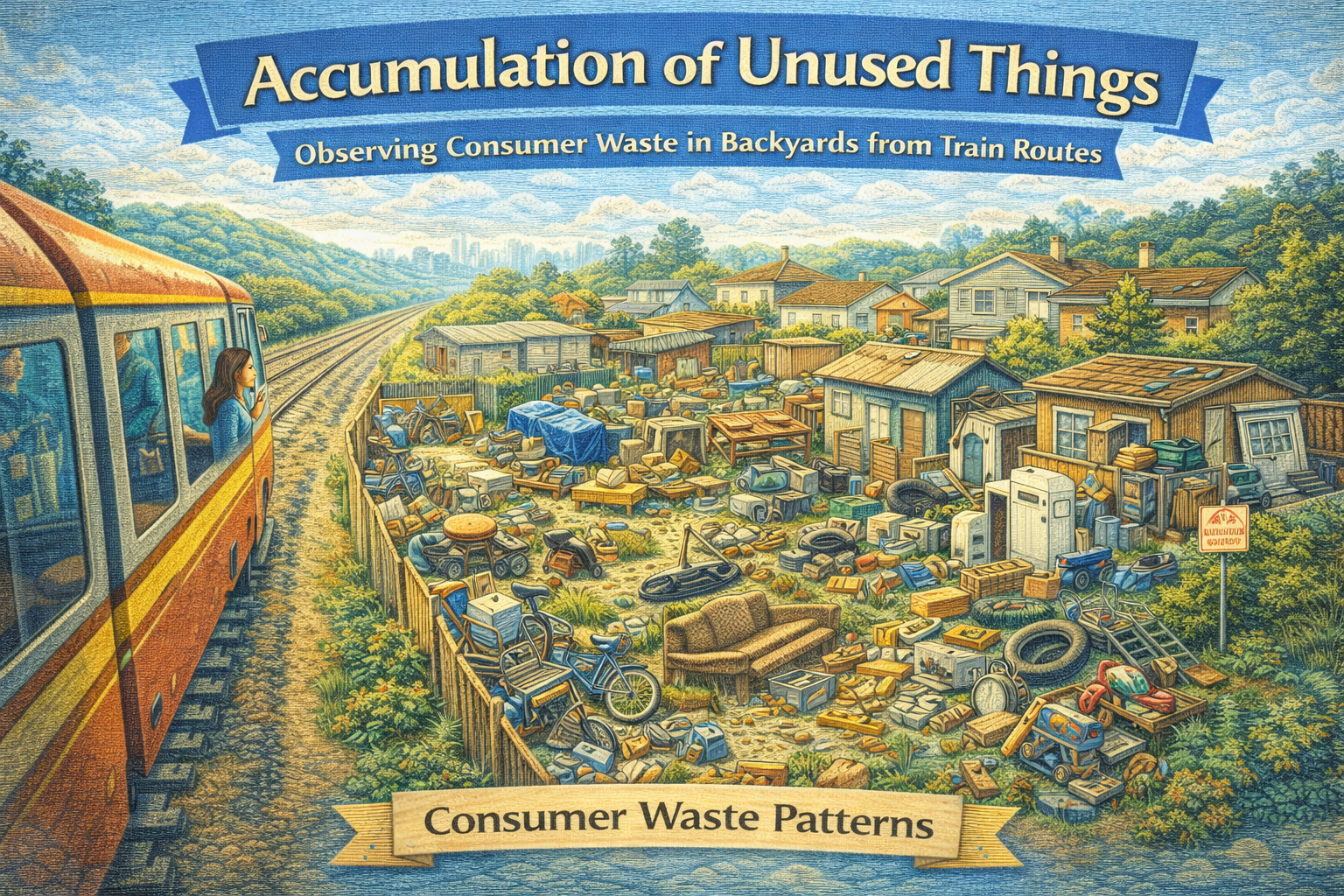
Like, so when you're riding around a car or walking like we are right now, you get like a facade of everyone's house, you know, like you're going to get like how the front is presented. Yeah. And so you don't usually see like the backyard and stuff. Yeah. Right. And so when you ride a train, however you get like this back kind of scenes impression of, of people's houses and because they put trains on the back end, right.
Trains where nobody wants a train in their front yard, it's in there, it's off the beaten path. Yes. And so what I noticed during this several train rides I've noticed is like long, you know, during the day train rides where you can get a daydream and just look out the window. Oh, that's cool. I notice, like, you know, tons I mean, tons and tons and tons of shit in people's yards, like old grills, fucking old bicycles, you know what I mean?
Like, you know, the whole junkyard. Yeah, you name it. Cars, you know, it's sheds that are collapsed down, you know? I mean, you name it. Right. And I was thinking, like, could you imagine if there was, like, this great reclamation, like this big thing where, like, people lived legitimately, like everybody collectively, this new culture kind of kicked in and everybody would whistle, like, recycle all their shit, huh?
How much fucking material there is? So did they do something similar? What was it? Yeah, I think so. I think so. But it's accumulated again. We we didn't. We need a fake war, so. Or we might have a World War Three. I don't know. Always will get the junk cleaned up here. Yeah. Half our cities. We're getting news, but at least we get the junk, you know?
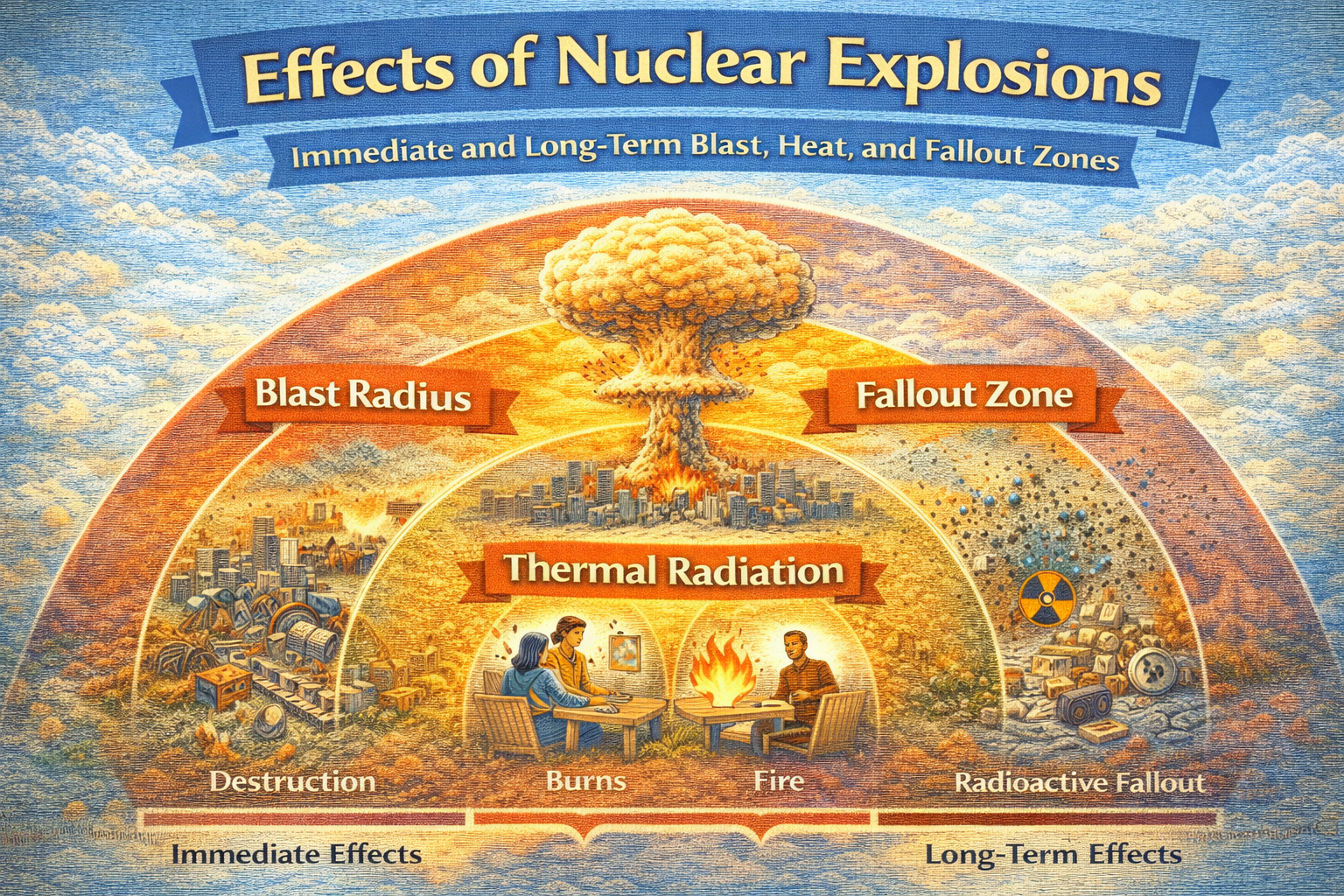
Yeah, right. Dirty bombs, actual nukes. Yeah, it was. It finally. It was a crazy idea, right? Right. And I mean, the flash of a nuclear explosion. I mean, that bright side. I mean, you know, the positive in my book. Okay. It's so crazy to see the pictures of, you know, Hiroshima and Nagasaki. And then it's like, well, the person's not there, but their shadow was burned inside of that building.
I mean, yeah, yeah. It's one way to get a count, right? Count the shadow. So and you know, men typically like, you know, women with less hair. So women wouldn't have to shave as much. Yeah, there you go. A lot of women like that bare chested look. Yeah, right. You know, sure. Someone maybe a bit malformed, but they'll be bare chested.
And a lot of women like, you know, bald guys like Picard and other leaders, you know, other balding leaders. So it's true. You just have to look on the bright side and take advantage of what life gives you, man. I mean, we'll be given a it'll be like a couple of tons of women's work through women bright You know, and people are worried about COVID, like sterilize, you know, oh, just oh, man.
Get to look on the bright side. Yeah, yeah. I mean, this is the pause tively pedestrian podcast. Yeah, positive. You got to stay positive and just think about when your job falls off, you know, do worry about wearing a mask anymore and you don't have to brush half of your teeth. That's that's the score. Certainly some of the top ones would fall out, too.
So so you might if you might not have to breath anything. Finally, the term toothbrush makes sense. Yeah, you're right. We should have been calling it teeth. Brush. But yeah, when they invented it, maybe it was just a single toothbrush. Kind of like. Yeah, you know, they have one too. Or teeth. Sure. The wrestler wouldn't. They'd use a sandpaper for the rest.
Yeah. So you need your toothbrush for your one remaining tooth and then sandpaper. Yeah, I like it about something like, you know, maybe like 400 grit or so it would do it, you know? You would. And maybe you've got a whole kit worth of things. You know, you get the 400 grit for the grit, the rough, rough it out and then you get the like thousand grit for the finer times, whatever you're just about to go on a date.
You don't wanna leave splinters in her mouth. Yeah. And you can have like a whole left to follow. You can have them bring back the whole shoeshine kind of thing, right? But instead you lay back in a chair, like you're at the dentist. Somebody butcher your scalp and you open your gaping ma. Yeah. Your your jaws missing so that someone can shine your teeth while someone takes your shoes.
The whole new service. MAN Right. It's from tip to toe. I love it. And then, you know, you can reciprocate. You can just say, you know, for the poor gentleman that's doing it that has no no jaw and no hair as well, you can see it now it's my turn. You can buff his bald pate and then, you know, see, this whole new thing will just create new industry.
See all the new jobs that will be created. Oh, yeah, oh, yeah. I mean, I know I would love to be a shoeshine key. Sander Head buffer. Head buffer. Yeah, it's just like triple threat. I mean, who has those skills today? Nobody. I know the employees. You don't have to worry about Fullstack development, so you can just do triple threat body service.
No. Yeah. I mean, you know, those the government says they do have some pretty bad ass electromagnetic pulse guns. So we would have the situation where we'd have when people talked about, you know, what you do for work, they'd be like this pre and post, you know, type world, right? Yeah. So like, well, yeah. What did you do before the fallout.
Oh, well, I was. I was a web developer. Yeah. What's a web world? I kicked back to the Stone Age. From what I understand, the amp is no joke. Oh, yeah. I mean, you know, highly targeted it MP they've got a few vehicles, a wide band. MP You're fucked. Yeah. Isn't that crazy? That chick back there was like safe chicks.
That lady back there was like 100 feet away. And I could smell her cigaret like it was right in my fucking nostrils. I mean, it just kind of. It is, for lack of a better term. It assailed me. It was like the right nostril guy got it, got a smoke while the left one smelled that perfume. It's like, what the hell?
And I know I'm covered. Apparently. I know I did like her sneakers and pants combo, but yeah she was wearing pants with a pair of Nike's cool don't it looked comfortable and serviceable to say yeah that's like what I wear you know, like a blazer with with jeans and sneakers and like, the douche bag look is complete, right?
Like, I'm ready for business, but I'm casual. Well, she seemed like she was going for the mid-level office manager who needs to go on a run during. Yeah, right. Based on where she lives, I don't think running is really right happening too often. You're right. Maybe. Maybe since she put her feet up comfortably on the desk. I don't know.
Sure. Yeah, I think you're the ballpark. Perfect. That's, you know, like, that's the situation. I'm sure you find yourself in it at one point where you are, you know, had that had that manager that was had no business being your manager. Oh, hell yeah. Yeah. Like, not just like maybe being younger than you and less experienced, but didn't know shit about what you did.
Oh, well, I guess my favorite one was not younger than me and inexperienced, but older than me. Like. All right, this man is retired from another university, and so he's been retired for ten years. So he's like 65. Okay. Well, then he was a developer who developed like applications for speech pathologist. Okay? They for some reason decided he'd be a good candidate, hire to manage i.t.
Support and, and I guess we did, we did everything like, you know, if you were a grad student and you needed some software installed, if you needed, if you needed a new feature set up, if you wanted, you know, whatever stuff done in your lab, anything like printers, whatever. Okay, so this is stuff and beam all of it.
So but he he goes from a very narrow development in one programing language to managing basically an idea for oh why? And it's like we were already managing ourselves now we were coming in at noon. Oh boy. But we were staying till eight or 9:00 at night. I see. Yeah. So yeah. He was like, all right, you guys come in at 730, you know, it's like, so it was a disaster at first, but we saw that she had done he just needed to be.
He was more concerned with appearances and, you know, I mean, look at me. And my concern to the parents was seeking to rein him in. The team needs to reign in me. We tried like teach him how to how he needs to. What is the care and feeding of our group? Basically, yeah. I mean, we tried and eventually after about two years, we came to an understanding just but yeah, it was, it was interesting.
Like he was in there all the time. Just he was just you know, wild hair up his ass to decide we were going to fix some particular thing, like, all right, all the cables need to go in boxes. It's like, okay, sure. So we have about good leadership, you know, 60 or 70 of those cables. All right. You have boxes for us?
Nope. Okay. How about why don't we just get rid of them? All right. And that's an option. And so we we, you know, decided to keep, like, 20 of them. She was. Gee whiz, when you realize how much you're paying the employees. Yeah, right. Versus the cost of certain things. Just have them spend their time on that as well.
That wasn't that wasn't a big deal for us. We were paying it at $10 an hour, maximum 3 hours a week. Okay. Now, still still ten bucks an hour. What's the cable these days? Right, $0.50. Yeah. I mean, for real, right? You're right. And so if you ever needed one and then when you put them in the boxes, they need to be stored somewhere, which is another cost, right?
A space you take in a space so bright. And if you are actually managing inventory, you're and what she eventually started doing, you're deprecating assets. There you go. And so, you know, eventually those things end up worth negative. Yeah. For real. I mean, the way that I've ever done, you know, in all the different workflows I've tried, you know, over the course of my career is like, by gosh, I've learned that less is more by a lot.
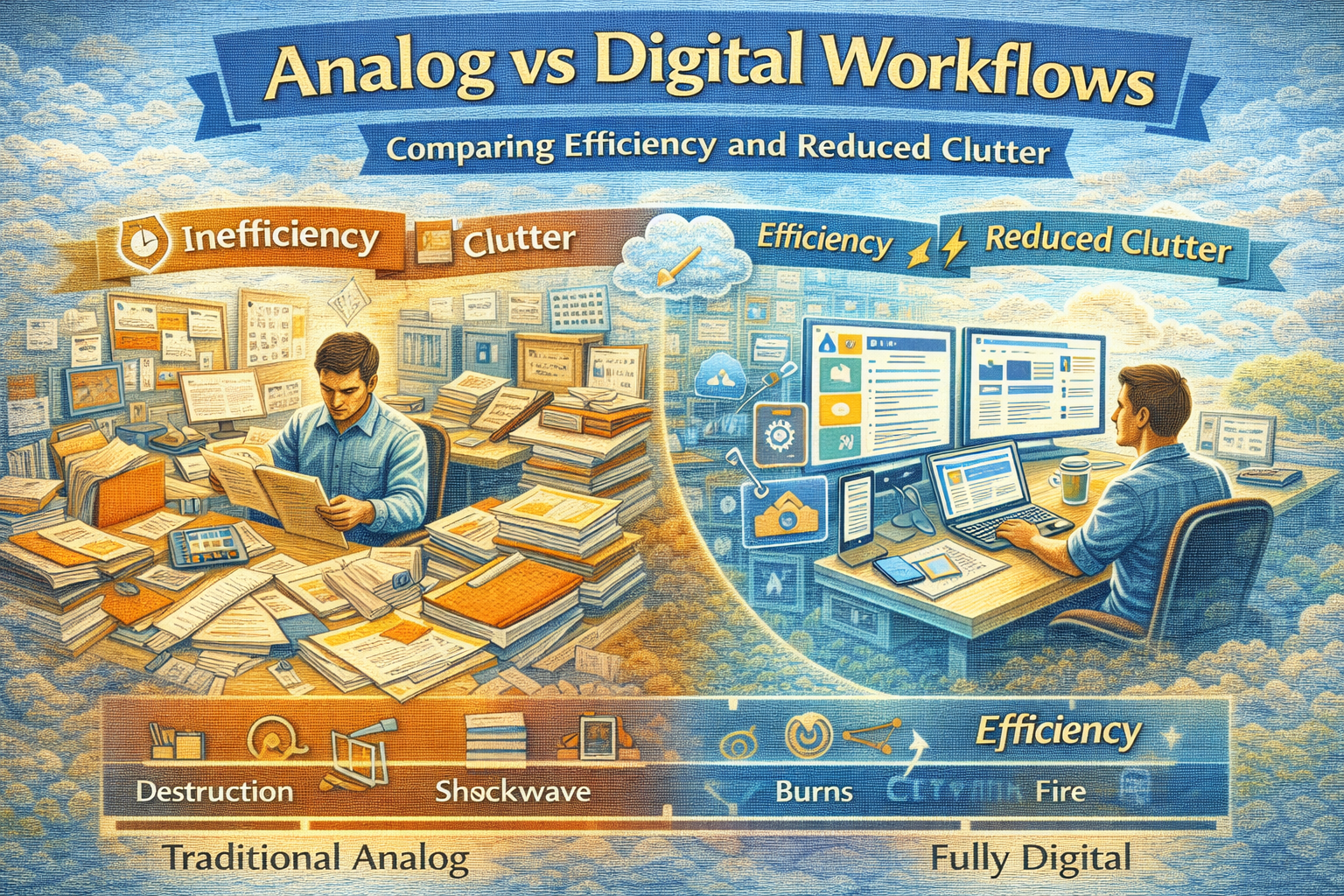
So, so like the less things I have around me, you know, less use, less paper, no sticky notes, like keep a pen and pencil away from you at all times, you know, typesetting, you get everything digital, you know, etc.. Like the more I've worked into that kind of workflow, the like magnitudes more efficient I've become. I find that really interesting.
You're like, stay away from analog, keep it digital, keep it stored. Digital. Exactly. Okay. Like, and I don't just mean, like, one thing. I mean everything that's awesome. Well, I would have figured maybe, you know, you might be doing some kind of wireframe mock up or something. Do a quick back. A napkin sketch. Nope. I have a tablet for that with a stylus.
Nice. And then I can take the image and have it on the computer display. I can send it to somebody. I can, you know. Yeah. As opposed to having drawn it and doing stuff at the drive. Yeah. Scrap of paper. Now I got a file I got to put somewhere. Yeah. Definitely don't know what we just do like a about face.
You're going to head back to the ah my time this morning so I got, I got to go to the dentist. I okay.
Yeah. So definitely man 100% is I've learned finally after so many years like how to do things efficiently more so like when, when coding something, right? What it's like for 99% of things you don't need a framework, you don't need, you know, a lot of your shit is going to be one and done. Yeah. You know, you need your entire maintenance plan, right?
You know, software will always eventually be outdated. But my gosh. But if you if you're on a framework, I mean, just as an example, I was just playing around with this book that I bought Wireshark for Security Professional is a five year old book. It comes with a a like GitHub with like a set of labs that they built this application for and flask with Python.
And basically you're supposed to run this dashboard that lets you control a bunch of Docker containers and, you know, you get to see a visual network and a visual indication of traffic. Yeah, well, it's, you know, it didn't work out of the box. What's that telling you? Right. Right. Like you're saying, software needs to be maintained bit. Right.
You know, they use the but frameworks. Yeah. If you don't use framework maintenance is probably a hell of a lot easier. You got that right. You know, you know, you pull in all these vendor libraries and then when you, you know, do your unit testing, get down to the nitty gritty, you know, you're like, oh, I see. There's 280 supplemental files in this library to deal with non English language use.
And I don't need that, which is great. But this is, this is for English only. Yeah. Yeah. And so wait a minute. Okay, now what is it? Where what are the key functions that I'm using from this framework. Oh, I'm using 1% of the framework. Wow. You know. Oh, okay. Wait, can I just pick that out then? Can I just, like, you know, pull that code out and just use that one function?
Actually, yes. Oh, okay. Wait. So I need to do is grab these three functions from this library and fucking throw in a library and then I'm maintaining three functions. Right, instead of dealing with the rest of the dependencies and relying on developer time and effort over a period of years, not to mention like this the code bloat and all the, all the associated things that comes with the code bloat.
Yeah, right. I was like, how many vulnerabilities do you introduce with introducing all that code that you don't have time to work out? So you're reducing your attack surface by narrowing your functions to three instead of 300, right? So at the end of the day, you can, you know, kill yourself with the framework. Yeah. And you know, but it's all use case based so you know, another project you could be pulling in 500 frameworks through true I mean really does depend on what you're doing and it does depend on how many developers do have to maintain this.
And and it's nice that you found an open source library to do something and it's a popular one on GitHub. So yeah. Well maintained. It's it hasn't been six years since it was last touched. Yes. Right. Yeah. And so it's cool to have that therefore you but you need to really still get under the hood and see how that framework, why or just in case you've got to fix it or replace it.
And when you're looking at a service or a web or web application or something like this, right, you have the added thing with the the load time associated with all those periphery libraries that automatically are now included with every call. You know, you're like, Wait a minute, why is my page reading so low? Oh, yeah. But yeah, it took me two weeks to fix this.
To get it working. Yeah. Because I'm not a developer and I don't know what I'm doing. Think about, like, you know, how much the company paid for two weeks for you to work on a you know, it's crazy math. Oh no. That's what this is like. Spare time. I was reading a book oh, I was reading a book and, and it was like GitHub project that came with a book.
So I was like, this looks really cool. I'd like to use it. Uh huh, yeah. So, you know, I built that auction site recently and I just used a completely different design model when I did it. No frameworks, no. Like only minimal stuff. Yeah. You know, I have like jQuery and a couple of other, you know, small kind of like, you know, normalized sites and stuff like that.
Okay. So I'm really basic kind of every project stuff, right. And call it from from CBN Rampage. Okay. So you're not loading it. It's it's basically cache it every router in the world, right? Right. Because I mean, you're using something like Cloudflare or something, right? Yeah, exactly. Google Google Feeds is pretty free, reliable. Okay. Google go because it's like they have it in static memory while so it's basically instantaneous, you know, in almost every almost every personal computer in the world is using Google's DNS through directly hit, directly or indirectly.
So all that shit's kind of like pretty loaded and available for you right out of the gate. So anyway, a little tips like that. And then next thing you know, you're like, wait a minute, I'm getting like near real time load time on the site and then using some of the classic tricks too, like when a page loads go ahead and use like the parallax and thing, like after like kind of after the content has loaded Ajax in more content.
Oh, which is like high resolution versions of the photos. Oh that's cool. The page is already loaded and all the users using the site you're, you're loading in high resolution versions of stuff giving in their local cache. Okay. So then when they look at that item detail, the high res photos are already there. That's cool. You know, use that idle time if you want to call that in.
It is because they're not expecting, you know, while they're I mean, you probably you probably got all this idle time when somebody first encountered the site in front of figure it out, right? Yeah. So what are these 180 cognitive biases? I don't know. I didn't click on it. You saw 180 and was intimidated? Well, I saw 180 and I saw a Gen Z looking pink haired.
Yeah, I draw androgynous person. Yeah. As the token for 180. Yes. And she was looking at you with a raised eyebrow, like if you have a 180 cognitive biases, I have more than 180. I'm as woke as they fucking come. Well, I feel like so. Is the idea here to have more biases or less? Less? Well, clearly the idea is to have none.
Right? So this this report that I was supposed to be compelled to read by the pink haired, androgynous person, I guess would make me more woke to my internal biases. Right. And thereby let me reduce them. That's right. As close to zero as possible. Right. Which you never can achieve. Of course, the goalposts will keep moving because they keep finding more biases that that, you know, because, you know, hey, society is a moving target.
What is okay changes by the day. And what about the idea that there's cultural biases being a cultural bias? All right. You know, we are cognitive, not cultural cognitive biases. Right. But but they they might work into the same category. Real, because your cognitive biases are probably propped up and created in large part by your culture. Sure. Let's go this way.
Avoid. These are mass these. These are diesel vehicles. Yep. Yeah. So, you know, it makes you wonder. It's like just this form of self-deprecation, you know, like improvement through self-deprecation. So, you know, you kind of recognize at some point you say, oh, yes, I have all these cultural idiosyncrasy biases. I have, you know, the standard what you call the the DSM.
Yeah. You know, things going on like a diagnostic manual, basically. Yeah, sure. You say you have the standard psychological things going on like confirmation bias and you know, the things that are kind of hardwired into a brain. Yeah. You know, prejudice is a selector based on experience. So here we are every time, you know, Ginger redhead walks by, you get roundhouse kicked, you know, then then you'll start to have an aversion towards redheads, right?
Yeah. Yeah. It's like I have a deep seated hatred towards gingers now because I've been roundhouse kick the face that. Yeah. So after a certain number of red horses, your brain just says, you know, wait a minute, creates a bias for, you know, anti ginger. Yeah. And then, you know, God forbid the friendly ginger comes that comes in one day, you know, that friendly ginger?
Who is my boss? Yeah. And all of a sudden you're in special training because you have these biases. Well, how unfair is that? How unfair? It truly, truly, you know, because your brain is just doing what it naturally does for defense, for survival. Right. Like it's been hardwired for hundreds of thousands of years of evolution, you know, to work its way.
Right. And it's worked well, you know. Yeah, it's you know, and but there's something to be said for, you know, we need to have some introspection. We need to be able to retool. We need to be able to say, hey, that no longer works or that detrimental and pretend that we didn't get it from the same roundhouse 50 times, I think.
Right. And I firmly believe Ginger would do that. But I might have biases, of course. I mean, would you start from the premise that someone just because of their hair color is a soulless animal, then? Yeah, yeah, you're going to have some trouble. But the thing is, is like, you know, the soulless animal still deep in the martial arts.
Yeah, but, you know, think about what? Then you're putting someone through cognitive bias training, you know, in that kind of situation, what you're doing to them, you're denying their subjective reality, you're denying you're you're invalidate their their life experience. You are. You are. And that's what we've got to really hone in on your subject. Your reality is highly subjective.
You know it and is it I mean, you do somebody a disservice, like, okay, they grow up in an environment like that is in transition and they have to do it. So they have to deal with a large swath of society here. Right, right, right. So they're going to deal with or people who are on drugs, we're going to deal with rich people who just bought the house, you know, down the street.
They're going to deal with a coffee shop coming in where there used to be, you know, liquor store, the liquor store or the barber shop, you know, replace the depressant with a stimulant. Yeah, yeah, yeah, yeah, yeah. That's awesome. But yeah. So, I mean, there's a set of biases is definitely way different than the typical person from another area, but it helps them survive, like you said.
Right. So then so then the corporate training is going to deny your your subjective experience, tell you everything that you think that your brain has done through its experiences and how wrong somehow and now you're to blame because of an unconscious thing happening in your brain. And maybe you may be safe because you're still in the environment where they apply.
But when you move out of that environment, maybe there's time to lose those chains, so to speak. So you're in an artificial, subjective environment when you acquired these experiences, and now you're another new, completely different subjective environment telling you involving those experiences and trying to replace it with a new set of artificial experience. Yes, that is life, right?
Pick your matrix, you know, and it really is. We're all plopped down in a set of matrices out through our lives. Well, here comes the curveball. Why do you then have to respect the other person's biases, big? Oh, no, no, fuck that. They're wrong. The reason we have to respect their biases is we're not stuck in this little bubble that never crosses over to these other realities.
We're continually bumping. There's friction there. Yeah. So you should be like me and reject them all, including your own. Yeah, I think about that. If they're all subjective, they're all fucked up, they're all biased by default. Right? Right. Including your own? Yep. You didn't have the slice of sober reality. That was truth. Well, everybody else got fiction, right?
But. But we just said it's subjective. So everybody got a fair idea. Everybody got a convenient fiction, you know? So instead of all this stuff saying you have cognitive bias, why don't we turn your all around and say, look, everybody has their own subjective experience, all right? But in this corporate culture, we're building something different. And here's what it looks like.
Yep. And you are a member of this collective subjective experience, right? And if you don't like it, you know where the door is. But the military does it. The military does. Yes. They look, you know, you shave your head off, your identity is gone. Your clothes, baggy jeans, whatever your fuck you like are all gone. Right. You've all got birth control glasses on.
Yeah. And you're all part of the group, quote unquote. Right, right. And you live, sleep, breathe that for, you know, basic at least. Right. And then you're allowed to be a person. An idea a little bit. Yeah, but but now you have this new identity. There's this, you know, new set of biases, new set of attitudes, new sets of dispositions and way of thinking and subjective experience bestowed upon you.
All right. And you even endorse it. You put a layer around, wrap around, and you call yourself super, right? Right. Well, fuck it. They do the same thing in the corporate world. They do, but it's not nearly as violent. It's more violent for you. Talking about, of course, in the military, it's clear what the situation. Well, here in the military, there's no, no, no, no.
In the military, it's fair because, you know what it is. Think about it. In the corporate world, you don't know what it is. It's always it's always behind a veil of bullshit. Right. So the military, at least you know what you're getting. I mean, I think the military's behind its own bell bullshit. There is also there also there's the enemy, there's you.
What's there not to cause it's what the view they've crafted is it's us versus them that isn't life. Okay? Our army didn't manufacture that gun in that plane, in that tank, in that uniform. But it's not manufactured for them, but it's all part of a continuum. And so at least through the military, when they're using it, when they're applying it, it's direct.
You know exactly what that gun is for. Yeah. You know what that uniform is for, right? Nobody's there's no there's no mistaking what's going on here. Right. But in the corporate world, you can be working on the next fucking air that makes the targeting system. And then we're a military. Yeah. And you don't even know what you're doing.
And, you know, when you find out, you might freak out like a bunch of Google employees did and start protesting, right? And then and then you take that to the next level, it gets so abstracted that the the culture of the cognitive bias itself is right there. The cognitive bias is that is the the thing calling out cognitive biases.
And you know, my point, but thereby, though, there's no easy way to reject them all because you kind of need them as a shield no matter what situation we're in. No, that's what I'm saying, is that you you say fuck them all because they're all bullshit. I mean, they are all bullshit. But then ultimately we still have a few we cling to, cling to, to get through the day.
Whatever you go. Yeah. The thing you claim to be when you get hired by corporate, so when you go and interact with people in your neighborhood, you have to judge them based on how they look, how they're approaching you, and you have to interact with them in a certain way. And I do that naturally without having to worry about any cognitive bias.
But I am saying inherent in judgment is bias and convenient shortcuts so that you can you can make that decision. Right? What second and react accordingly. You have a successful interaction. Okay, so why would you want to contaminate with those? Why would you want to fuck with those biases then that work, right? That's what I'm trying to say.
We have a few that we need that work and then we have that we're then trying to undo in the corporate space, right? Yeah. Yeah. Brilliant, brilliant. That sounds like the right answer. Yeah. So it's like we're trying to undo those things in the corporate space and then we're also trying to build them in our normal lives. And then we're also trying to I mean, all these different fears that we enter and exit have all their different biases with them and arguably and many.
So. Right. And the idea that you have enough brain to actually mitigate all that properly is absurd. That's why we have the biases to take shortcuts and help us make taking decisions. Because now it's a it's a it's not only helpful. It's necessary. Yeah. Because because rationalizing it would be impossible. Yeah. And so then we're going to deprecate somebody and you know, then we're to turn around and make someone feel like they're doing something wrong because they have these biases that their brain, that evolution produced makes.
Yeah. As genius, right? I mean, you know, you're you're considered really just another attacking right now. And it comes down to you. You know, people have branded this or that idea as bad. They've given negative connotations to some shit almost randomly, it seems. Sure. And then it gives it other attack angles to dominate somebody. Yeah. So now you have an excuse to not give that person a perfect performance review.
Right now you have it. Now you have responding to my career. Yeah. Now you have a you have a tool that you can then use to chisel in on somebody any way they want you psychologically, economically, you know, like another form of dominance. You're right. Right. You're right. I mean, and we saw and you have these biases and we have.
So we get those sorted out. Yeah. Yeah. And it's okay. It really is almost also. All right. So back in the day, you know, you're dominating someone out on the battlefield or out on the the hunting area, you know, whatever it was clear and present what you were doing. Now we've moved abstractions up the chain. You're still dominating people because you're compelled to do so.
But you're doing it in this more insidious and subtle way. Exactly. And so then people revert to things like self abuse, self-medication through illegal drugs or popping those pills. Yeah. And all kinds of, you know, self-abuse, self decline, all kinds of things. Right. Eating disorder, all the way down to things like that. Yeah. You know, and then you wonder why the population is, you know, struggling.
Well, it's because there's all these indirect forms of pressure and they can't even put your finger on top, you know, don't even know, you know. And then then you self internalize and blame yourself, oh, I'm not rich because you know, I'm not this because I'm not happy because you know and it's all, it all comes back to self.
Yeah. And whatever metrics you determine you judge yourself by. Yeah. And then you know these, all these other people in your life are dropping hints to you, you know, that are just in their own bizarro world. You know, you have to be more like me. Oh, shit. Wouldn't you know the people that are really movers and shakers, they.
They don't fall for this shit, you know? They say, you know, I'm my own person. There we go. Okay So I'm getting what you're saying. I'm not perfect dropping. Yeah, yeah. Recognizing you're not perfect and you need to improve and change, but not falling for the bullshit. Definitely. Not only, not especially when it comes to, like, things that are just derogatory towards you or like, you know, tearing you down.
If someone is just doing something to turn you down, they're not trying to help you. So ultimately is the thrust of what you're saying that we need to shed the ones that are the the biases and and angles of attack that are coming at us. You're trying to limit us exactly anything that's turn you down, not building up its faults.
You know, it's not there to really help you. There we go. There to take advantage of you. Yeah. So directly or indirectly. So really, this this whole cognitive biases thing can be used as a tool for good, but it's mostly used as a tool for bad. Yeah, it's like. It's like it's like saying, oh, you're going to die someday.
Something's wrong with you, you know? Or Look at this optical illusion. There's something wrong with your brain. The thing's not moving. But why are you thinking he's moving? Because that's the way your brain's built. All right, so then you say you have this cognitive bias. Well, why? Why do you say that? Oh, well, because of this. This this literature here or because, you know, the the structure of the corporation says that we all do.
There's evidence for this study, you know, quote unquote. Right. And they say, you know, you have a bunch of people going around thinking there's something wrong with them. Just like when they saw the optical illusion and somebody said, see, your brain's not not rendering that image. Right? Well, this is something that doesn't exist in nature. Yeah. You know, there are certain lesions, like a mirage, and things have been light and stuff like that.
But the mirage is pretty well, well understood, right? Yeah. But there's certain patterns that your brain thinks something should be moving in that pattern or that color, you know, overlay or whatever. And if everyone's brain is doing, is it wrong? No, no. So if everyone's brain has a cognitive bias, is it really wrong? Right. And we are. And I think we've provided good contextual evidence to say everybody has cognitive biases.
And yeah, sure, in some circumstances they should be questioned and they should be told, but we use them to get through life because we can't like you said, we can't think through everything. It just can't happen. You don't have a brain to analyze your brain. Yeah, that's it. Think about it. I think about that. You don't ever have a second brain to to to ponder why.
Why the one brain thought that way. Damn, we need a better brain. Yeah, you do. And I mean, I think technology to be that supplement someday. Here we go again. I know. I'm going to be all right. We're.