

Endemics & The New Normal of Pandemics
In this episode of Positively Pedestrian, we discuss endemic diseases and how based on livestock agriculture, land use, and globalization, pandemics are going to be the new normal. We explore the idea of natural empathy through understanding, how everyone has deficiencies, and sometimes it's a good idea to let kids get away with things. We finish off by talking about how some interests can bolster but also constrict imagination, and how world experience is the ultimate educational experience.
Now in the show

Episode Art 13 pieces





Full Transcript
There he goes. Cool. So this morning we're talking about DMX. Let's specifically, the coronavirus becoming endemic to our society. Absolutely. Yeah, that was kind of like, you know, I thought about that from day one. How, you know, it's going to be another flu type thing, and it's going to it's here to stay, you know, but it's making that transition.
Yeah. It's a hard thing. Herd immunity is like they said in the article, it's a pipe dream. Yeah. Yup. Because, I mean, I think the large argument, the, article was making was, hey, this virus has more than one host. So there's no way we can eradicate it. Right. And, big thing that we could do to tamp it down would be to change like we talked about yesterday.
Change our land use. Change the way we interact with animals. Yeah. You know, but that that doesn't look like that's going to change anytime soon. So there's your host. There's your vector. You know, that's persistent. Yes. Yes. The, Gosh, what's the word? The zoonosis. Yep. Zoonotic infection. Yes. You know, Nordic infection. Yeah. You know, transfer of, from one species to another of an infection.
Right. Yeah. I mean, just for our listeners, the swine swine flu. Bird flu, they kind of name the primary host. You know, bad flu, cowpox. Yes. Yeah. There's, you know, there are other mammals that have very similar immunity, which makes sense because the virus distribution is, you know, similar. Yeah. You know, then have certain mutations happen within them, and then they pass it along.
And now when we get it, it's like kind of supercharged. So the whole idea behind the gain of function research that's done in these labs is to try to get ahead of that curve and start making, you know, antibodies, immunities, disease prevention cures, vaccines, all that stuff in advance. Therapeutics and, you know, so then we're playing with incredibly dangerous things in the lab.
Yeah. Yeah. Which is sounds like a great idea. And, you know. Sure. Like like you said yesterday, we could have come from this. Could have come from gain of function research, or it could have come from, you know that, right? This is not a but both are at our own hand because, you know, obviously the lab is definitely at our own hand, and so is the selling and eating of many different species.
Exactly. And so you have globalization. You have massive human population centers intermixing with these meat markets, you know, type things. And so this idea of pandemic being here to stay, not just as this particular virus, but any future, you know, variant that comes through this, not just of Covid, not just of the Covid strain, but of any, you know, a whole host of.
Right. Right. Well, wide variety of potentials. And there are other coronaviruses that have become endemic. One of the ones that has took a century to become less virulent and deadly. It still kills 22,000, 20,000 to 50,000 people a year. Oh yeah. And you have all the flu derivatives and you know on and on. It's, it's it's scary.
And the big part of it is, you know, us being guards you know, and leadership knowing how this happens but not working to change the culture. Right. Right. And we should have been from the very beginning, educating people as to what that transition to somewhat normal looks like. And for one it's getting everyone in the world vaccinated.
Everybody needs their 2 to 3 doses. That definitely is going to help right. So from what I understand there's no real way to to immunize your way out of this. But at the same time. But but it's almost like the immunization is a therapeutic. Yeah. Right, right, right. It blocks the transmission well. And it and it makes it has started to seem like the that it, makes your symptoms more mild.
Right. Oh, that that's for sure. Actually, there's anecdotal evidence for that too. I mean, I know people that have gotten ill and have had the, and then had to shut down the booster and then had a mild encounter with the with the virus. And it makes sense because each exposure to the virus is like sending your immune system to school.
Sure. You know, and, it's it's incredibly helpful to do that. Yeah. I'm curious if the, someone does get coronavirus. Even have to be a double, triple double, triple vax, whatever, if that. There's still a chance that they can get those long haul symptoms because, you know, the virus still got through their body, right? And we do not understand the long haul symptoms at all.
Yeah. There are crazy basket symptoms that seems to vary with a person's genetics. Yeah, dude. There's so many variables. And, you know, that's the that's the thing. I was always worried about the whole Covid is that, you know, that's my primary thing, you know, of course, you know, the possibility of catching it and dying, but yeah, really catching it, surviving and then having some kind of really major brain decline or, you know, long haul symptom that prevents me from being me.
That's it. That's it. You know, when I was in hospital, I heard about a long, Covid symptoms instead of symptoms from, one of the doctors who was treating me. Her son was 21 years old and he had been in the military. You got Covid there? Yeah. Well,
He ended up being discharged because he could not concentrate on anything for more than a couple of minutes. That's how it affected him. Yes. You know, it's like so sad because let's say that let's say that that was the cause and that was real. And it was of no fault of his own. Like his mask and vax and all kind of stuff.
And, you know, now he really has a genuine disability. And the idea that like, there's no real way because it's so new. So society hasn't been able to adapt and you know, get, get up with everything. But that person like we totally need disability now. Absolutely. I mean he would beyond a shadow of that qualify for it.
But that also goes back to our acknowledgment of the invisible disabilities. Right. Exactly. The ones that aren't immediately obvious. Hey, did you lose an arm? Sure. Yeah. Be disabled. Yeah. Hey, you know you can't walk correctly, right? Or at the same speed. Is everyone okay? We'll consider that. Right. But when it's mental, when it's inside. Sure. We have a real problem paying people for that.
Well, just the spectrum of humanity. I think we have just. Everybody has disability. It's just a matter to what extent? Right. There's. There's nobody on this planet that would be 100% functional on every one of these metrics. Right. So disability kind of becomes of what measure not whether or not it exists. Yeah. And which brings up an argument for universal basic income.
Exactly. Exactly. Because hey, you know, everybody deserves say you're 10% down on the average across the board. You deserve your 10%. Yeah. Yeah. Like, what if you're just not that smart? Yeah. Yeah. And the only jobs that, you know, most of the blue collar jobs are snatched up already. And then the, you know, a lot of the automated, a lot of the manufacturing jobs are being replaced by automation.
And so you just call it the middle. So we're. Yeah, exactly. We were cutting back socioeconomic vice and you're being crushed. Yeah. And there's so many people that work their asses off. You know, and that's in a lot of ways it's like kind of, I don't know. I think it's like kind of kind of human to work hard.
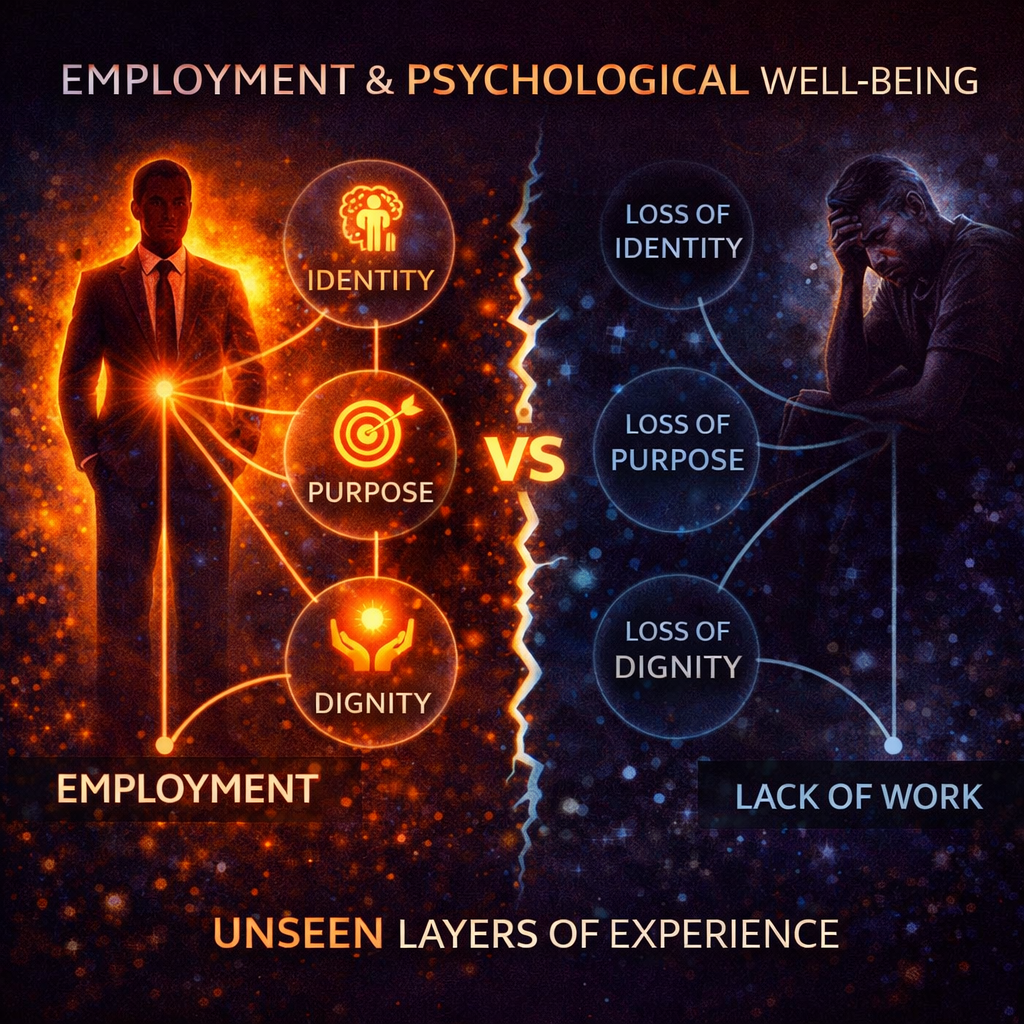
It's like gives you something to do. Well, yeah, it's for a purpose. It's an aim in life. Right. And, you know, a lot of people do identify strongly through their jobs, like, as if especially in America. It's one of the first questions we ask someone, what do you do for work? Yeah. Right. So, like, you know, working as a cultural norm, you know, that's another thing about being disabled or unable to work or can't find work could rob you of dignity, right?
Exactly. You know, there was a I mentioned this before we were talking. I don't know if it but, I heard about, on NPR, an experiment that a nonprofit was doing in Africa, and they were providing universal basic income to a group. I think it was something like 250 people. And they were going to do it for one year and you know, chronicle what happened.
Well some of the stories that fell out of it, one guy he had seizures. And the normal jobs he'd be working, he'd be welding a machete, he'd be doing, you know, things like harvesting crops with dangerous other dangerous implements you know. That would be going back. Yeah. That's right there. Yeah. And we need to figure out what, how like.
Yeah. Like you need to, you need to do the pointing for me. You know, because I don't know. It's just this is your stomping ground. All right. But yeah, I want to hear what happens. These African guys so interested? Yeah. He had seizures and he couldn't do normal jobs. Yeah, yeah. You know, nobody was going to trust this dude to climb up a banana tree and hack off some bananas, right?
Yeah, sure. All of a sudden, you know, he's he's a airborne paratrooper. Yeah. Yeah. This guy without the parachute, he's playing himself as a weapon and a machete at somebody. So, that's great. In their culture, they would normally, family would get together and build a house for someone when they reached a certain age. It was like, I think it was 20.
Yeah. Sorry. This is, like, idea of a human peregrine falcon. You know? So what the fuck? That figure. Keep on. I want to hear what happens. And so, you know, he didn't have his house yet. He didn't have anything, right? Yeah. 23. Right. Well, this universal basic income gave him the support to go out in rent a home and furnish it so he was able to reach parity with every one of his peers.
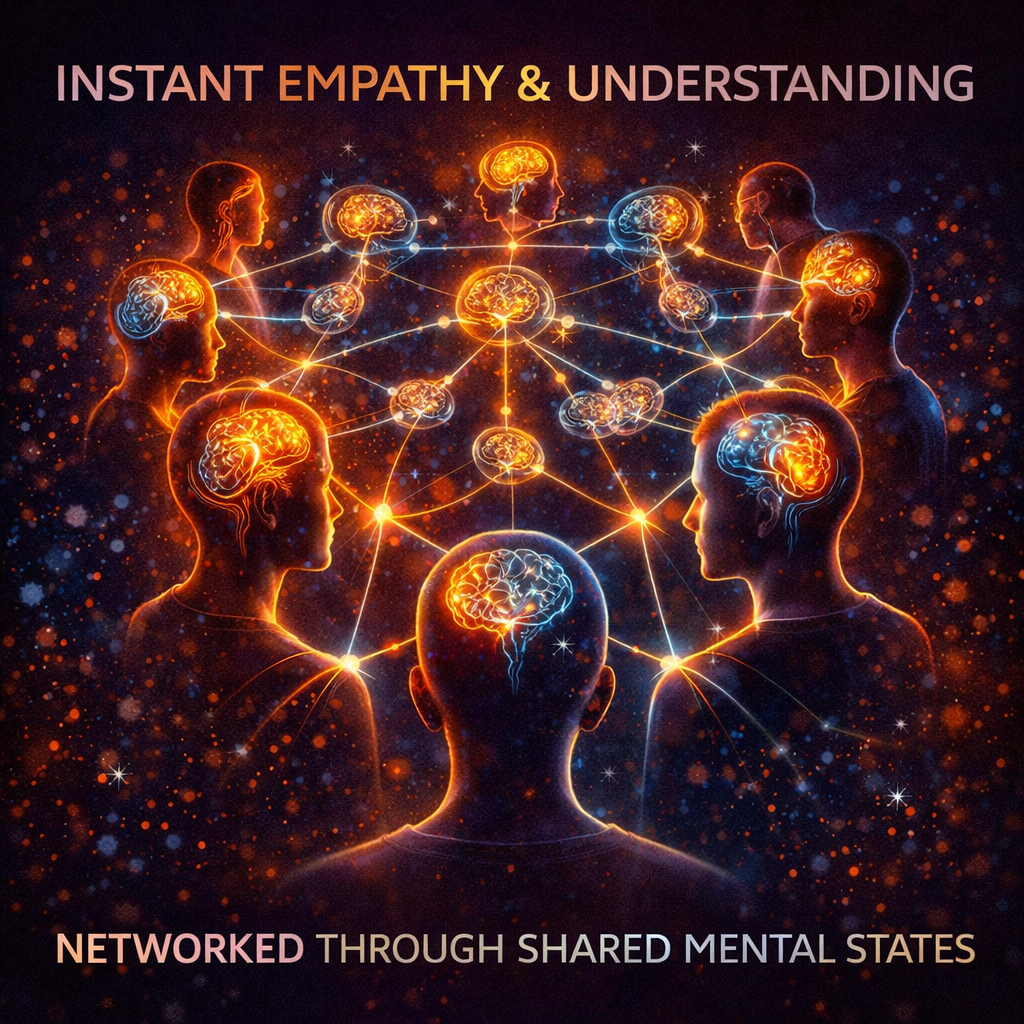
Perfect. And you know, he's like, sure, it'll be gone in a year. But he goes for now, have, like, dignity. Hell yeah man, I love it. And that should be just like universal, right? Like across the board. Yes. Because, you know, imagine there's like this not I don't want to say singular. I hate talking about the singularity, but imagine imagine you, somehow there's like, this thing where human beings were like, some kind of headset, you know, like, you wear this thing that can read your brainwaves and transmits it like, almost like gives us the technological capability just to know each other telepathically.
Okay. Let's say and you can, you can hook it up to where when you're near somebody. Right. It like it's it's proximity based. So like when you and I are near each other like right now, we'd be able to fully understand each other. See, without any words. Just imagine. Right. So we're just communicating back and forth. Oh.
So silently. Yeah. So. So as I come into your sphere of influence, like, you know, or proximity as I come into your proximity and you come into mine, we know everything there. You think about it like blue, like near, near. Near energy communications, like, Thank you. Right. So, like water, 50ft or something. And, you know, it's also has an assist.
So I can kind of extend my brain in, in, in that for the context of this idea. So what happens is you and I get next to each other and we know each other instantaneously. That's super cool. I know your history. I know you know our mind. Like like like we were friends for 100 years. Whoa. You know, like we were friends our whole life.
We can just imagine what it is. But it's in a buffer, so it's like a temporary understanding, Right. And when I walk away from you, it goes away because, like, I still have the memory of our encounter like we would normally. Right? But you going to remember all the same, you may remember certain salient details, but you may not remember the entirety of me.
Right? Exactly. Just imagine this idea. Well, there's no way. So the only reason I'm making up this, this crazy scenario is because once you know somebody, you know, you can't not have empathy for them. Yeah. And compassion and all the normal things that come with humans. If you don't know somebody, it's not as hard. Like, you know, if someone dies and you know them, you know them really well.
It hits a lot harder than some stranger does, right? Right. And so, you know, the more deeply entrenched you are with somebody, like if it's a spouse or something that your child, right, you're one of your own or children, that loss is felt profoundly, more intensely right because of all the connection you have with that person. Yes. So what I'm saying is that, like, imagine this technology allowed us to have an instant connection with each other.
Like, let's say we were perfect strangers, right? I love you anyway because I know you for so long and it's great friends, right? But if I didn't. But this technology allowed allowed us to know each other that well, like. Like we did that essence. You would be honing and sharpening your empathy on a daily basis just with perpetual.
Yeah. Yeah. Because everybody has. Yeah. So what you would find then instantaneously is that that nobody would be able to permit because of their own emotional state. Right. Others to suffer so much damage because only by abstraction. It's only through bureaucracy. It's only through institution. It's only through, you know, ideology that that we allow ourselves so, so easily abandoned.
Our geology is really important in there. Yes. See what I'm saying? All those things that remove us from the situation, allow us to rationalize or to not feel the emotion so deeply. Exactly. So if you had a technology like this, that would that would make that impossible, because you'd know this person on a profound level instantaneously, and then there's no way you could you could bypass your empathy anymore.
That's awesome. Because you'd understand why they are the way they are. Yeah. You know, or at least you'd have a good background of it. And you, you'd be a lot closer to understanding it. Yeah, I remember that movie Enemy Mine from way back in the day. Yeah. Where the staff. The star fighter pilot. You know, it's like engaging in a dogfight with the enemy.
Yeah, and they both crash land on a planet, and then they have to, like, they learned to survive together. I like that movie so much. I mean, talking about. Yeah, it's a little outdated, but the concept is there of, like two people that are enemies for all these other peripheral reasons. Yeah. But then once they really get to know each other, all that falls away and they become beloved friends.
You know what I mean? Yeah. Because I mean, and that's that's it. You cannot be. Yeah. You cannot go through the trenches with someone. You cannot go through, you know, these.
You can't experience life with somebody and not understand and feel empathy and feel a connection to them. Exactly. And this would give you that chance to instantaneously experience their life, be in their shoes and speak right like that. All that access. Yep. And so that brings me to what I think is a conclusion here. And that is that thought experiment reveals a truth, right?
That thought experiment, I think, reveals a quick little truth about humans, about people, and about what's, you know, being honest. The truth. And that is, is that in reality, the only reason we're disassociated from someone is because of our naivety, because we're naive to who that person is. So what we should do is change our default way of first thinking of that person.
See, like change our default disposition towards others, or by saying, wait, if I actually knew that person, you know, I wouldn't think and act this way at all. Right? I would be completely different towards them. So maybe we should just act that way by default towards others and give people a chance to unveil themselves by degrees to us.
There you go. Since we don't have the benefit of this technology. Right. But the that's the beauty of these, that experience is that they can they can reveal, you know, through imagination can reveal a truth, you know. Like, how can we get there? Sands that. Yes. You know, and changing your default disposition goes a long way toward it.
Yeah. Can you imagine that? Like, you start to start to look at other people as if they would be your best friend if given a chance? Right. Yeah. And then then your initial interaction with them would be much more giving, much more pleasant, much more compassionate, if you will. Yeah. Right. And I'd be willing to say that more people will want to just be around you with that disposition, and because you're being more consistent with reality.
Right. You know, that's a really strange thing because you think that here we go. Like a formula here. Yeah. We didn't even go far. Oh it's good. It's good. Just a disclaimer on the coffee shop. So the background music is not copyright violations that we do about it. Yeah. It has to be fair use. It's ambient noise. I probably shouldn't, but, you know, it's a no one listens to us.
It doesn't matter. This is true. When we syndicated, we go back and scrub it out. Yeah. You can't have a copyright violation if no one consumes your content. Exactly. It's so great. I have put I have put the sample one that I have up there across about a dozen people. OSHA. And every one of them was like, oh, my God, you guys are freaking hilarious.
That's not even the goal. Like, we're trying to be serious most of the time, which might be a mistake, which you just just cut up. Yeah. We should just talk shit the whole time. Yep. Maybe we should alternate. Definitely. What we're better at. I think so, rather than pontificating upon the ills of society, we're better at talking shit.
I'm trying to be awesome. But, you know, the the whole. At least we know, like, we mean, like, I didn't think positively pedestrian. Yes, exactly. I mean, wordplay right from the jump. Right there. I mean, he's stupid, but he knows that he's stupid. And that almost makes it smart. Yes, yes. That level of understanding, introspection, you know, it's beautiful because, you know, I have this.
I had that epiphany that one time, they're like, wait a minute. From what there is to know, I am just an island of of stupidity. Yeah. You know, in contrast to the volume of what there is, you know, I look at everything and he's proper decision. Yeah. Yeah. In looking at it. But that allows you to augment your self with decision making power using technology, doing this, doing that.
I don't know that I'm not right. No, not better off than I was a minute ago. Exactly. And I like to look at myself as like a mote of dust floating about the universe, in essence. I mean, I'm going to make no impact. It's fine. I will make an impact. And I have. Yeah. To like, you know, and you have a pretty decent number of people.
Yeah. I don't know what. Right. What qualifies a decent people, but more than probably most. Yeah. You know, because of the opinions that have. But, when my, when my aunt told me that my only. Oh, tell me that one thing she said, you know, every, every place that you go, you make it better. Hell, yeah. Like so, you know, best compliment I've ever seen in my life.
I've been told all kinds of things. Smart, attractive, whatever, you know? Sure, people. But none of that meant anything in proportion to that. And it was was coming from. Yeah. It's coming from someone that that loves me and would tell me the truth. Yes. You know, through that, through her perspective. Yes. And I didn't I didn't debate it.
I just accepted the compliment, like you should. You should learn to do that in your life. Right? She learn how to do the tech, which is one of the hardest things to do because he was so critical of her. Yes. And also where especially some of the subcultures that we run in. Self-deprecation is considered something you must do just the norm.
Yeah. Yeah. I mean, especially in the technology culture, you know, you know, you're allowed to humblebrag in some situations, but for the most part, you must humblebrag. I love it. This gave me a new term. Oh, yeah. Oh, right. Yeah. That's nice. I like that, whereas that kind of passive aggressive bragging. Passive aggressive to yourself? Yeah. Yeah.
And everyone around you. Yeah. Yeah. I love it. Well, but, you know, to be. But you're not allowed to, like, shoot your own horn. You're not allowed to broadcast it across the mountain and a whole bunch of other. Yeah, terms that are really pejorative. But. But everybody should be allowed to brag when they do something badass. No doubt.
No doubt. Yeah. That's that's that's, funny because going back to that kind of friend or someone that, you know, well type thing, right. So like, if everyone is in some degree of competition. Yeah, it's just natural. Normal. Right. You're always comparing yourself to others. We have to just. Yeah. It's just normal to do that. Yeah. So it's really not too much to to go into about that.
It's just something in, in human nature, you know, something we do. But when you really know somebody and you truly do genuinely care for them and you love them and all that stuff and they're important to you whatnot, you get to a point where their successes are no longer competitive, like their successes are. Make you feel great. Yeah.
You know, when you when you have an acquaintance or something like that and you just know somebody, you kind of like know them on the periphery, you're not really, you know, that close with them and they have a success. A lot of times you can just be instantly jealous, like, why did they get that? And I didn't, you know, like, you know, to say, yeah, but you once you once you really, really do care for someone deeply in that goes away.
It changes. You get to the point where you're like feel great that they, you know, you genuinely feel good and and if you can't get to that point in your life, something's gone. Something's up. You need to, like, think about yourself. You know, you need to learn more introspection. And there's there's no you can't get to that. There's a level of emotional maturity.
Everybody I mean, with just important people. Well, yeah, there's a there's a level of emotional maturity there that we're talking about that, isn't the easiest place to get to, but it should be a goal for people to at least the people that are, you know, immediate friends and family, be happy for their successes, cheerlead them, push them up front, propel them forward with pride.
Amen. And so take that idea of the thought experiment, where you know when you're in proximity to someone, you know who you talk about. You kind of know them. Now, on that front level, you know? And then what you come to realize is that, wait a minute, other people's successes should be internally celebrated. That again, that's the truth.
Yeah. And so the kind of pinnacle of that particular emotional intelligence is to find a way to like the internalized, real, genuine success of others as your own because you're part of the fabric. Yeah. You see what I'm saying? You are. And and you just introduce something to me saying that particular facet or part of emotional intelligence that, I mean, it is this multifaceted thing.
It's not a it's not a one metric. You know, that you can be emotionally intelligent in 100 different ways. Yeah, yeah. And in my case, you know, I completely step on my dick and another 100 ways. But, you know, I mean, I'm really great a part of growth. I'm really great stepping on my dick and having, you know, so long as it's not.
And that's just a metaphor. Okay. Yeah. No. Yeah, totally. Just a metaphor. I, I am thoroughly average in almost every metric, including that. And if it was that long, apparently you'd be Native American. Yeah, exactly. Just to carry on the joke. No, no. Out of context, I probably was until fairly horrible. Horrible. I'll just let it sit there.
Yeah. Why don't you listen to the other podcast? Yeah, exactly. No reason to listen to the previous episode. We are going with dry. Do not repeat yourself to the best of our ability. Even though, like I repeated, 99% of you. Yeah, I'm sure that most of this podcast is highly derivative and repetitive. Disclaimer. So? So, if we were to do genuine like levels of disclaimers, yeah, our whole thing would just be nothing but disclaimers like before everything.
Disclaimer we should do an episode like that. Yeah. Disclaimer I'm not responsible for any of this retarded shooting comes out of my mouth. It's my mouth.
There might be profanity. Fuck, yeah. This framework disclaimer there may be a slightly racist commentary that is not meant to actually be taken literally. This disclaimer I might I might cite research that that I never saw and probably doesn't exist. Or that a research paper wants. I said blah blah blah. Or at the very best, I read the headline on Slashdot.
Okay. Yes. Yes, I read blah blah blah. Disclaimer I read the first sentence and last sentence of most paragraphs. If it were on the pages, I didn't. Yeah. Yeah, exactly. And if we're lucky, I read the abstract in full, but there. I didn't give him the abstract. Yes, exactly. So I am fully well-versed in this paper and all of its implications.
I might as well be a subject matter expert. You might see me back. You know the best things that I've ever read or like to my mind, that are brilliant. It's like when they don't draw the conclusion for you, but they put so much damn evidence in your hands that there's only one conclusion, right? They they create the shape of it.
Yeah, yeah, yeah, yeah. But I mean, I've read several books where you. Disclaimer I don't read that you. Yeah. You know, but I have indeed read several books that have like been written by really brilliant people to where, they don't actually draw the conclusion. I'll give you an example. That's only fair. This is a book I read called Bowling Alone, and I don't remember the Harvard guy from Harvard.
And I don't remember his name, unfortunately. But but anyway, he didn't actually really conclude anything, but when you, when you concluded when you do, you know, pile up all the, all the things that he's, that he mentions in the book, the conclusion that you come to is like, wow, technology has had a major impact on how we socialize and how we interact.
You know, some of those things are negative. And and, you know, that's that's the conclusion that I was just automatically led to. That's awesome. There's other book I read, stuffs and stars that didn't really draw conclusions but gave so many, data points or anecdotal, you know, stories that it's like you can only conclude that, wow, we really need to, really need to change the way we focus on agriculture and the way we focus on our food.
And that really is a different way of writing a book. It's it's to convey knowledge and information and to artfully bring someone to this nexus of knowledge, but to let them pick from it from a buffet, to use it as tools to to understand it and maybe apply it more because you didn't tell them what to do with it.
Yeah. So really, it's this thing, like I say all the time, that reading is fundamental. Like so fundamental thing in life is reading like that 100% like literacy is key and and reading is fundamental and people are doing it less and less. Attention spans and all the other kind of crap. Talk them for a whole host of reasons.
I mean, obviously if you have a choice between reading some kind of, you know, let's say nonfiction or scrolling TikToks, I know there's a dopamine cycle and, you know, there's there's a different thing there. But in the long dopamine cycle, if you're if you can be a steward to your own intellect and your own dopamine cycle over the long haul, you don't understand that the reading is wrong for you.
And there's a name for the article as a kid, that was my that was my primary dopamine cycle was reading. I'd stay up late almost every night, read, and you know, think about things and write things down and, you know, whatever. And I mean, I don't even think it's that long of a payoff, but it's a hell of a lot longer than pay off the, tick tock.
Yeah. There's not that sense of accomplishment. There's not that sense of I've done something like seriously, but the the amount of your life is enabled by reading is tremendous compared to like, so for the long term, dopamine, you know like much just bypass word dopamine and say, you know, happiness, right. You know, you can get a short term fix off of a tock this morning or whatever.
But you know, it's but it's how it doesn't leave you with that enduring for a lifetime. A book, no matter how badly it's written, enriches you in some way. Exactly. You know, that's why I'm saying it's fundamental. Yeah. I mean, there's. Because you guys make two jackasses making a podcast and encouraging people to read and write something wrong, but don't read.
Listen, that looks better. But, you know, it just makes sense. It's like you can't possibly have the time to think of all the ideas you have to shove them into your brain somehow, and reading is one of the best ways to do it. Yeah, and if you've ever even written anything of length, you realize you can come to come to realize how much labor that is.
And so if someone's willing to labor over, you know, putting together credit must be important. It's important. And they've put their mind behind it and the name behind it. So it's going to be a different kind of statement. And then this modern publishing world on not just them signed off on it, but a cadre of people. Right. That had to support the effort.
Yeah. So, right. It's more than likely to not be such a powerful force of misinformation like, you know, mine, right? Yeah. Exactly. So it's a, it's a it's a higher quality. It's self-selecting in a way. Sure. Yeah. Yeah. Because who wants to put their name on, you know, a book that's going to have an ISBN and be in the library Congress for all eternity.
That's propaganda. Misinformation, right? Bill O'Reilly yeah, but they could just drop in. Sorry, that was just a cost. Disclaimer, but dropping some shit on the internet can be done by any jackass or even above. Yes. And so that there's no there's no like in Jesus. I don't know why I never thought about that, that people can self-publish. I written works now.
Sure. Why not? You just mess my brain up and then. And then contaminate that medium by flooding, right? Yeah. So then, like, you will get into inevitably like a selection point where you have to research the author and find out, okay, the different person I want to create, I written romance books, her. It's 5.3 billion shades of gray coffee.
You just come up them all.
It's a shade of gray for every human on the planet. Well, see, that wasn't planned, y'all. That wasn't ever. So I was talking to this group of youngins. You know my situation right now? Yep. And we were having a group discussion and all that. I was stunned. I walked away like.
No better word on the sideline. Like I say, I'm calling it my mind and I'm acting stunned now. And how profoundly naive they were to I mean, pretty basic, basic, basic stuff specifically, like the basics of finance. Like, as far as, like credit, the basics of, choosing your social network wisely because that might have an impact on your life.
Basic understanding of metrics like, you know, where where you were, what you were born into. So our socioeconomic status is likely to be. Where you at? Yeah, it's just one of the biggest, you know, predictive indexes of where you end in life is like where you started, you know, and that's because of environmental for a whole host of reasons, regardless of the reasons that they're like, what are you talking about?
As if like they never had anything like that. Wow. And then we started getting into like all these like little nuance, things like, like hygiene and, you know, some basic living shit. And it was I had them on the edges of their seat, like, this is the holy grail of information. And I'm like, okay, this is like the basic this is like this started well, that explains why there are all these videos on TikTok about things that blew my mind at 25.
Yeah. Okay. I'm gonna look into that. So, you know, my naivete was how that wasn't part of their just normal thinking process. So going back and I will leave it short, I couldn't believe that going back and looking at what my parents did with raising me, being a 90s latchkey kid, you know, I think adults must assume on some level that kids already have these life skills and it's knowledge.
It's like a social Dunning-Kruger effect about, like, adults somehow assuming these kids know these things. Yeah, absolutely. We're doing a big disservice to a whole generation, you know, like suicide rate amongst the youth, his way up. There's a lot of there's a lot of bad metrics that are trending the wrong way. As far as mental health. Well, but it's because, you know, not that it's because it's like, but that that kind of what happened with me made me think about, holy crap.
Is it just is it just because we can't we're not paying any attention to the basics and yeah, have we set these kids adrift without the grounding that they need? Because we're working on these higher level abstractions most of the time, and we just assume, hey, they got the basics because they can do this. They can do these higher level social things.
Yeah. You know, so I started dropping some of these old school proverbial phrases, you know, as well, you know, like, you know, birds of a feather. Okay. So just all these aphorisms and then read me. Yeah. And, I started just dropping a few of those, like, you know, tidbits of wisdom are just in the kind of proverbial vernacular.
Yeah, that come through the old timey culture. Right. And these are these idioms. Yeah, they're they're they're shortcuts for deep, profound moral things. Right. So, like you say, birds of a feather flock together, you know, on the onset, that doesn't really mean anything. Just taken at face value. But if you think about it, right, like, wait a minute.
If I'm hanging out with these other kind of birds, you know, I'm probably going to start to emulate the way those birds are. And so birds of a feather. Yeah, yeah. And so I said that and I was like, you know, you guys do understand that. Like the so you kind of know where you're rejecting like where your future is going to be kind of unfolding.
It's just think about the top five people that you associate for what opportunity do they have for you? What ambitions do they have in life? What are their right. Yeah. And and if and you have the choice, you have the power to replace some of those people over time. You know, you know you can still always have them as lifelong friends.
Sure. But what are they in the top five. Right. Right, right. And so if you you top five, you know, incredible people, I think you're much more likely to become an incredible person. Damn right. And this one kid was like the look on his face was like a light bulb went off that never even had a spark. Like his eyes was like.
Like you opened him to a world who was like. He was shocked that something like that could possibly be true. Damn. And so I ask you, there's only three of you guys. So I ask you three guys. I was like, I just have never heard this stuff before. Like, I'm sorry, I don't. I've never heard, like, the stuff I'm talking about.
And the kind of the collective response was no or not really. Wow. And I'm like, almost fell out of my chair. Yeah. It's like these are just basic human, you know, and these are things that you should be communicating. You people, you know, but it's like you were you were mentioning the community, the fire side, you know, the friction, you know?
Yeah. The horrors. We don't have those moments so much. And it's. And it's desperate. Yeah. Because the, the human nature demands those things. And so then we put in facsimiles for those things. Yeah. Doomscrolling and all this, you know, social media, which is a whole right substitute. Yeah, yeah, it's a substitute. And then we don't understand why we feel disassociated.
Disconnected just because we're on social media. Yeah. So we should feel connected, right? Yeah. So, you know, I've told you so many times now at this point, like, you know, disclaimer things will be repeated now that like, you know, someone needs to build up the right, the correct social media that returns people back to their nature, like helps people, helps guide people back to hell, apparently a component of it or an app.
And it needs to be daily aphorisms and idioms, no doubt. You know, no doubt. So. So one of the things that I have in my plans for social media is this idea of like, mini quests, right? So like, there's also a big contact thing behind the scenes, like, you know, if, if you and I are friends, your contact information is available to me.
Yeah, right. And vice versa, based on our status, if your family like, you get everything date of birth, you know what? What information you get automatically by default in your network is based on your associations, right? If it's just a loose, connected acquaintance, then you get like the name and, you know, a couple details. But if there's someone there's like family, you get there all the information on them that's, you know, address, etc..
So is there more than just a checkbox to say it's family or is it just, I kind of work that out to, to like, make it a double affirmation. So like the person like the both people affirm that. Okay. Right. Yeah. And then also combine that with some of the information that that's a little detail that the, the I was just curious.
Yeah. The idea of those are the, these mini quests. Like for example, I did a prompt one day. They call them prompts, but you can look at them as many quests. So my prompts for like say Friday would be great. Your friend John, I got a friend I don't want to know if I can say John s right, right, John because I haven't I haven't spoken with them in a while.
Right. And the prompt, my prompt or my mini quest for the day is to write them a letter. Yeah. And and here's his address. So like everything is the data is there for me to do that. Yeah. And then it could even offer me like 4 or 5 bullet points based on the social media history of things that you might want to refer to in the military.
How's your dog? Yeah, yeah. How how's the kid? How's it going? You know, so then I do this quest and I check off in the system that I did the quest. And the idea is that over time enriches my life and deepens my association with others. See, it works out. It didn't say do this within the social media.
It's like basically go offline and write this letter, right? Right, right. Dear John le yeah, hilarious. So but you get the idea. Yeah, yeah. And it engages you with other platforms and really, I mean, even something you wouldn't do otherwise or even think to do it right and enhancement, it's kind of the opposite view of current social media.
Continuous engagement is their goal. But you know, if you love something, set it free. This is this is continuous engagement with life. And that's what social media should really be, right? Help people engage in being human because enhance our human nature, not try to displace it. Something like that would become core to someone's routine, and you would get that continuous engagement because you're a positive force in their life.
And, you know, if we talk about that dopamine hit, you're going to be a continual provider of such. Yeah. Someone makes a goal like I want to do, you know, this level of exercise. And they put in some metrics. They say, you know, here's my current status, here's how much I exercise. You know, they put in some data, right?
Yeah. You can run that through. Not that complex of an algorithm. Right. And it comes back with okay. Well we're going to try to help you get started. And here's your ramp up plan. Yeah. There you go. That's exactly what it doesn't take the words out. Here's how you here's how you get to that. But then also we're going to the algorithm is going to put a little trajectory goal that's realistic.
That's awesome. You see what I'm saying. Yeah. So so we can use it as an augmented supplemental tool to enhance our lives. Yeah. So like maybe day one and just put on your your running shoes. Yeah. Yeah. You don't even get comfortable and don't even have to run. Just put on your day. You have to jog or walk or whatever to exercise that you selected.
Right. Yeah. And the exercise that it helped you select was germane to where you're at in your life right here. Right. Have you exercised in the last six months? No. Okay. Well, maybe you shouldn't talk about your marathon. Yeah, right. It's not a big couch to marathon today. Yeah. Let's talk about putting on the outfit. Yeah. See what I'm saying?
Yeah. And then have that ramp up plan as you said. Yeah. And have it there for you. It's just there for you for the taking. You don't have to do any of the stuff. It's just there. It's there for you. And I think the important thing is, all right, Facebook, when it first came out, didn't have a lot of features that was provided by third parties that they paid a ton of money to, you know, all these apps, all these tasks, all these things that were added.
But what you're saying is these things will be built in to the social media platform and they won't necessarily be segmented, market segmented through paywalls. Exactly. And that this is part of the platform that you're building to engage, to increase to further people. And if you're instead of being a unpaid content creator, that then they just used to entice other people to watch ads.
Yes, right. This social is completely different. If you're a content creator and you're helping build this fabric in a positive way, you know, build, build others up and stuff like that, you get a paycheck. There we go. You share in the revenue stream of what's being created. And that doesn't have to be, you know, ads, ads, our ads can actually be appropriate, sure, when they're allocated in the right manner.
Yeah. So like, you know, come on. If there's someone that has business, nobody would ever know about that business if there wasn't advertising. Right. So advertising is like a necessary fabric. You have to like, you know, it's it's but inundating people with ads. Right, right, right. Yeah. But so like, you know, let's just say for argument's sake that that I want to contribute in, I want to I want to know about goods and services that are in my community.
Right. That I might want, that I might like. Sure. And so, like I say to the social media site, I turn on that setting like, okay, please allow me to model ads, right? Allow me to see ads that that follow my interests based on the interests that I specify and the interest that can be, algorithmic, algorithmically determined, through my post and through my engagement, through my social media engagement.
Right. You say check those two separate boxes. You know, show me ads based on these interests, and you specify and or show me ads based on my profile, based on my my data, my social media data that I have accumulated right within the system. And now the ad revenue that comes from the display of those ads in your stream, you get a portion of that ad revenue paid to you.
That is so awesome. Because why shouldn't you? You should because your attention had been sold. Amen. That's exactly right. And that has a value. Yes. And so since you since you know you're not getting 100 to the value the system would have to make money to for putting on it. But you're getting a whole lot more than you would have on Facebook.
Yeah, exactly. Facebook keeps 100% revenue plus. Yeah. You know, every click through is like a dollar. And it's crazy, you know. Right. Yeah. And you know, if so what are you talking about given the average user can in 1,520% off the top something like that. Whatever, you know, makes it has to be an analysis done right. You got to figure out what makes economic sense enough to make it worth turning on the feature, you know, and these are all things that are determinable.
You can determine what the what the ad value is once you have a data set, you know, so so basically make the payout be a data driven thing, you know, and open to aboveboard, you know, this is how we this is how we go about partitioning out the funds, you know, and here's why. You know, the this our system of servers and networks and engineers and stuff like that.
Right. Necessitates that we have to bring in this much revenue. We do that through these means. The whole idea is to be transparent. Yeah. So because you're trying to participate in the social fabric, so you're doing there from a nonprofit perspective and a nonprofit. It's a charity. We're supporting us because you have the data. You're presenting it. Yeah, absolutely.
And you're that transparency. You want to pervade every facet of this thing, right? You know, and that's not easy to do. That's great that you're going to build it from the outset with it's not easy to do, but at the same time it's necessary and it is doable. You know, and especially if you design with that goal. Yeah, you might have to have you might have to have on staff some pretty hard hitting, you know, data scientists and engineers.
Oh, 100%, you know, to to accomplish this, you're going to have to have some of the top people. But that's the kind of thing we want our data scientists and statisticians working on, not working on, you know, how we can help some company carve up profits better, you know? Right. You know, how can we high frequency trade better?
But that's where the top data scientists are getting paid right now. That's right. That's. So you want to pay them through this kind of medium standard, you know, start to recruit some of the best right. Yes. Yeah. So you know the system would need funding generated internally. You don't want this to be a charity thing to where you're banging your charity bang all the time.
Now there's incredible money in social media. So social media done right. Taking some of the taking money to to make it even better every day. So it's totally appropriate. It's totally appropriate. Oh, 100%. You know, you're making everyone partners in it instead of, you know, being megalithic. Yeah. Instead of instead of farming people, you have partners. Yes. And and the first thing that something we haven't gotten the recording in and I think it's instrumental, is this idea of how we label and look at other people.
And so we start to label and look at everyone as a consumer. That's becomes our mentality. So there's there's many things. There's much embedded in the name. Right. Yes. You know, word words have meaning. And so when you when you look at everybody in society or in the world as consumers, like there's like, infants on a kid, you know.
Yeah, that's that immediate connotations to when you meet someone, you know, like negative connotation to me. Yeah. It there's, there's no there's no substance. It's just a consumer, almost like a widget. You are replaceable. You are a cog. You are your resource to be farm work, right? You're your resource to be extractive. Yes. Right. And so corporate America doesn't hide it.
They call people human resources. Damn. They're not even trying to hide it. No, it's it's aboveboard. And so the relationship you can use that language to understand what the relationship is from day one, from the very beginning. Yeah. You're a human resource. You're not a human being. Right. And so it's wildly inappropriate to. And resources are to be managed and, collected.
Consumed. Yes. Consumed is the biggest point here. They want to consume you and then you know that just that that qualifier thing, you know, human resource. And it's so common in our vernacular, you know, that it's accepted. Except that kind of language is kind of like a no thought. You know, it's just passive. But it but it's but it's there and it has profound meaning.
So, you know, if you sign up for a corporation and they're in their department, they have someone that's, you know, sort of like an individual, you know, at the top or at the board, you know, and decide, wait a minute, this is a different kind of company. We're going to have personnel here. We're not going to have human resources.
We're going to have personnel because person is part of the work. Yes. And what we're doing is we're looking we're looking to make profit and we're looking to accumulate growth. Right at the same time, we're looking to have equity be equitable through every echelon inclusion. But our relationship psychological relationship with our employees and our customers. So respect personhood across the board and unique.
Yes. Yeah. And the uniqueness that that provides. And, you know, you're basically embracing all the problems that HR, the HR mindset wants to sweep under the rug. I mean, so it's wildly inappropriate. So we've got to refer to human beings as resources to my, to my mind because it I marginalizes them. And, you know, every human being on the planet should be, should be a means to an end for some of the person's goal.
They should be an end unto themselves. Yes. To me. Yes. It shouldn't be. You know, Elon Musk at the top gets billions because of all the resources he has managed to consume on his way up to the top. Sure. I mean, and then insert other corporatist here, you know. Right. Any corporatist, just Elon Musk came to mind because his smugness, it, drilled into my very soul.
That can be a self-defeating thing at the end of the day, because you can have that that smugness and arrogance can inevitably work against you. And have people just naturally undermine you without even knowing they're undermining. Oh, I mean, if it were possible for me to undermine that man, I would. I rest my case. So there's probably lots of others that can have some hand in undermining him that that might do it without unconsciously right or maliciously comply with his wishes.
Yeah. Which has been one of my favorite concepts of light malicious compliance complaints. Yeah. Careful, careful. Because then someone could that could trigger something a human resource. It could, you know, resources. It could. I'm not saying I'm applying it to my own corporate livelihood. I just find the idea hilarious. All right. So. Okay. Want to be fair, a corporation that refers to people as human resources, at least as being honest.
Lisa, at least you might know what you're getting. Yeah, that's great. But the thing is, I think you just shudder when you you introduce to everyone as your bitch. Oh, right. Oh, shit. This is my my, you bitch. And she's surprised when the relationship isn't everything she hoped for, right? You know, at least you do some upfront mistake.
That's true. And, you know, especially if the side conversation was like the private conversation. You just like, it's like, look, this is never going anywhere because you're just. But, you know, you might, you know, whatever, right? Yeah. You're right. Come down. You're not interested in any kind of long term relationship. I don't want to have any do those two kids you know, you know.
Right. And I'm not going to be I'm not gonna be married with other people's children. You know, that's the relationship right upfront. And if she when later on when you know she wants something other than that and the relationship is shocked and confused, that's really kind of on her. The mirror. Oh, no, you're not you're not wrong at all.
I mean, so at least with the corporate. But there's some upfront in this there. I think there's like the employee contract. Yeah. Right. The employee contract. But I think there's something else here that this human resource is the word the concept has been bandied about so much. It's been blunter. Yes, exactly. And you just like saying she's my best can be bought to do.
And so true. Certain spheres. Yeah. And you've just added the point back to it. You've sharpened it again and said, hey, look at this gleaming point that someone's about to drive into you like a knife. You know, it's like, because I never really thought about really what that means of resource and all that entails, because they're managing you like a renewable resource.
And, you know, that's the way they're thinking about you. They know you will be eventually consumed and replaced and, you know, so it's same thing, I mean, you know, wonder why we we get into moments in our lives where we feel hollow and empty. It's because key things that are germane and so important to our lives have been abstracted by these systems.
Right. And so then the collective feeling that people end up with left holding back is a very one thing. Feeling, right? Right. They're not part of a personnel of a company that they're proud to where they're not being fulfilled. Right. That's what I'm saying. Okay. And so the the abstraction of layers of these things, like human resources, yeah, has its advantages for profits because we're not going to get down into the fact that that kid guy skip kid is sick, right?
And he needs these kind of things. We're going to ignore those details. Yeah. Because it's just a human resource. Right. And if we gave you PTO, use it. That's right, that's right. It's structured. It's structured in a way that you trade is fair when you signed up for the contract. And now that your kid is sick with leukemia is just we don't have time for that, that that the company as a whole doesn't have time for.
Oh yeah. And so I'm sorry, you are a resource. Yeah. And that that or that kind of omnipresence of that being, you know, canvased across all of society is a hollowing out of the soul of our nation. Yeah, for sure. Because, you know, you get people then into a consumer model to where everything just becomes abstracted like that.
It's all through the idea of money, which is another abstraction. And so when we only deal with life through a series of extractions and then wonder why we're left empty, I mean, that's just crazy town. And also, going back to your earlier conversation, we only deal with life through a set of abstractions and wonder why kids don't have the basics.
Oh yeah. Great. Great point. Okay, you answered that. You just answered the question. Thank you. That's what I was looking for because I was looking for. Why is that so? Yeah. You just pointed out that I already had the answer. I just didn't put it together. Well, yeah. That's right. And so we ever increasingly are giving these kids more abstractions like through that, through their following, through their course.
Right. And that's the level they're interacting on. But they don't have those foundations. So so we need to take these kids fishing. Yes, we need the the harvest. We weren't the fishing world. Right. And the dynamite. Yeah. There. Sure. Yeah. Dynamite fishing. Hell. But yes, exactly. They need more of that. And, you know, as grabbers like the little things you squeeze at the end and then, like, you know, like three feet away, it grabs it.
Yeah, yeah. I would so like dynamite fish if I had that. Oh, yeah. No way. I'm holding the second dynamite in my hand. I'm too much of a pussy. If that's how you got a short fuze. Hell no. Right. We we we need to, like, engineer. Like a battle bot that holds the, very specific for dynamite. Yeah.
You know, like, so pretty much no matter what you if you drop it, it's far enough away to work. Yeah, but, like, this thing is holding it quite a few feet away from you. So. So, there's this thing called the M 1000. I think it's what it's called. Something it's functional. Equivalent to a quarter stick of dynamite.
Oh, sure. And, my my mom's boyfriend had some of these things, and he was just designed to be really fucking stupid. And I was like, you know, I want to create some chaos. Yeah. I was up late at night, never got it. Was asleep. He had a basement to this apartment. So here I have a basement and m 1000 quarters, a quarter stick of dynamite.
Oh, shit. And mischievous, stupid mentality. Oh, yeah. So what? I decided to do to, have some fun disclaimer. That just means he's a kid, okay? And these things should not have been available. So, it wasn't, like, under lock and key. Yeah. You know, it was like you a little basket with with the kind of, like a button and a string and some, you know, some some some old M&Ms and, you know, like, fucking gleefully, like extremely dangerous grenade, you know, and with all this other stuff.
And if I, you know, if I get a chance to tell you the story of this guy, you know, it kind of makes sense. When he passed away several years ago, his his his, house that was up in the woods. Yeah. Was cordoned off, and they brought in a whole team of special engineers because he had what was quoted in the news as a newspaper, as an Arsenal, like live grenades, you know, etc., like all this kind of shit.
Not because he was not even a military guy. He was just had this affinity towards the glam of, of like, you know, war stuff. Yeah. And so he had a really good corporate job and had great pay and, you know, great benefits and stuff. So he was like, you know, he was in a point in his life where he could accumulate something that you'd like to as a hobby.
Wow. So things that he like to accumulate was military stuff. Yeah. Because he was just into it. Yeah. So like no shit. It wasn't like he was trying to be the Unabomber. He just like, not at all. No. Yeah, right. And so, like, you know, he would take a grenade and throw it and you see what it would do.
You know, and shoot a machine gun, you know, like machine gun with the, with the, with the, with the band of rounds. You go, yeah. And know he would like, have people over and he'd take the Jeep out and mount the machine gun on the back of the jeep and drive out in the woods and blow up a target.
You I mean, yeah, it's kind of redneck foreign. Yeah. I'm not I mean, yeah, it's a good time, you know. So. But when you don't know who this person is, you know, I think about their life and they die, and you're like a law enforcement, and you go to this guy's house and all of a sudden, you see, like, military equipment, jeeps, you know?
Right. You guys had some shit, you know? Yeah. You know, it might freak out a little bit. So they called me like this, you know, functional equivalent of a bomb squad, right? Right. I can get into this, but but anyway, so this kind of who this guy is. So when he was, he was dating mama. Yeah. So he was visiting her at the apartment.
He brought over some 1000, and he's like a quarter stick of dynamite. I don't know if it's the M1 thousand, whatever it was, whatever. Yeah, but, yeah, that makes sense. We're distinguishing it from the M80, which is tiny and does explode. Might get rid of a finger, but this quarter stick of dynamite is going to do some serious damage.
And I'll take your hands. Yeah. Thank you. And so, I was very scared. But don't get me wrong. So, like, you know, I don't know how fast the fuze is on this thing. The fuze was pretty long, but I had this. I had this idea in my mind that, God forbid, I'm holding your hand. And like the fuze in the fuze is like, you know.
Right? Like. Right. Yeah. It's gonna blow my face on it while coyote moment there. Yeah. And so what I did was I got and most people most people are not going to get that reference there. They go ahead. So practicing down into the basement. And I was like, I really want to, you know, I want to blow this thing off.
Yeah. And nothing was around. So I was like, you know, it's okay. It's like here on a concrete floor. It's not going to cause any damage, you know? Yeah. And, you'll see, though. So what I did was, I was, I took a, piece of, tissue paper, facial tissue, like a Kleenex, and I rolled it up like a, like a doobie, almost.
And I put that onto the end of the fuze, right. So that I could light the tissue paper. And then when the tissue started to flame up, I could run away. Right. So the, the fuze, when the fuze finally did spark, I had like a five second delay at least. Yeah. To where the very end of the fuze was.
Let that make sense to me to like just be actually sure that I'm hell. Hello away from the sink. Yeah, I used to make similar fuzes with like a roll of those palpable caps on paper and, some wax. Yeah, yeah. So. Yeah. So I just made my own, like, safety. Yeah, yeah. So anyway, I like this thing off and the flame start, start getting closer and closer to the end of the fuze.
And I'm like, this is going to happen. And so I took a basket that was down there like a wicker basket. And I put it over it because, you know I don't know why. Like somehow it seemed like it contained it. Yeah yeah, yeah. And so then I ran back upstairs, you know, fast. I jumped on the couch and pretended I was asleep.
Yeah. And I waited. Yeah. And I waited and I waited and I'm like. It didn't go off. Oh, shit. It must, must work. It must have went out of new shit. And so then, like, I'm like, I'm gonna have to just go down there in the morning because, you know, I can't go back down there right now, you know, God forbid the boom.
Exactly. Oh, no no no no no. Oh, I'm on the couch. Like, okay, you still, at this point I've like forgot about it. I've never forgot about it. But relax that it's not going to it's not going to go off. And as soon as I entered that phase of like, oh, it's not going to blow. Boom. And so it took me by surprise.
Shit. Stupid shit, I'm sure. And this was a blast. Like I had not anticipated what I expected to be allowed like this rocked the foundations of the apartment. Yes, exactly. And this apartment is attached to another apartment. To another apartment? Oh, yeah. And so there ain't no way that everyone in the neighborhood didn't just hear this. This like what sounded like a gas explosion, you know, like a natural gas pipeline or something go off.
Well, needless to say, every light in the neighborhood came on. Every, you know, dogs are barking, car alarm going off. You know, they're like, I, you know, my mom comes down and this guy, his name was George. He comes down as well. And, you know, basically try to investigate what happened. And, I didn't admit to anything.
Of course. Well, now the neighborhood is blowing up with fire and police, and, you know, something major happened so that, and so, the whole time I maintained this disposition of, like, I have no idea what that was. And this thing had exploded in the basement, shattered that wicker basket into just fragments. Right. And it sent all these little tiny shards of wicker to the winds in the basement, which actually worked because it like, there was no real evidence the way it blew up and scattered.
It wasn't like a corpse. It just like, fragmented it. Right? Yeah. And there wasn't even a scorch mark on the on the ground. It's like. It's like the shockwave blast. Like, I mean, that's awesome. That's incredible. Right. Because later. Because there was a gunsmoke, you know, smell on the basement. Right. But nobody went into the basement because they were asleep on the upper floor.
So there were two floors away from the from the explosion. Okay, so the whole place jumps, you know, always shock wave or honey, but they didn't associate in their mind that that could have been in the basement. Right, right. So when they came downstairs, there's like this really slight tiny in the, in the, in the, on the ground floor slate, tiny kind of gunsmoke, smell of the gunpowder.
Yeah. But, not enough to, like, suspect anything. And so, like, it's like poking the hornet's nest. Like, there are bees everywhere. But this one pops, and, you know, police knocking on doors asking what happened. Everyone was like, I have no idea. You know, a loud noise, you know, bang and do they got away with that. So off we got away.
And I, I really think but they were like stone to and you know. Sure. But I really think that there are we have to get away with something every now and then I mean no, no, but there should have been accountability. There should have been. But I also feel like it's healthy for a kid to pull some shit off every now and then.
Agree. I agree, agree. But see, that's the thing now is that we, you know, I don't trust my kids to not blow their hands off. Right. And so like, I'm comfortable with them on the tablet. Sure. I'm comfortable with them on the game system and whatever. Sure. Because they're I know they're not going to get their hands blown off, but they're probably being subjected to even worse elements.
Yes. Right. So it's like it's it's inappropriate. So it's like basically you need to spend a lot more time fishing. That makes sense. It makes analog activities to, to supplement what they're experiencing in their digital world to, to make it less abstract. You the lives of the abstract and more concrete. That's it. That's it. We're talking about more concrete, tangible and fully engaged activity.
Whether it be when I keep toying with the idea of doing it, doing some experiments with Willow, she likes doing things. She's really gotten into reading books finally. But she, likes doing stuff like she wants an activity with the defined goal. So if you go dynamite, fishing just means a grabber to light the dynamite. Yeah. Throw it using the grabber.
Yeah. Which would probably slide out of the grabber and right into the boat that we're in. Yes. And she will remember that. Oh, yes. You might have also lost a few toes and nearly drowned. You know, you bled out. It's really good that we've begun to teach her to swim. Character building. Yeah, yeah, it'll be experience. It will leave a mark upon her life and you'll be in jail for.
Yeah, that's if I survive. Yeah, yeah. That's the that you want to go to jail for maiming a child? Oh, God. Oh. All right, maybe you just leave it on the towel. Wait, what? We need to rethink this whole thing. Yeah, or maybe we need to take the word dynamite out of the whole activity, so. Yeah.
Yeah. There you go. Let's remove the dynamite element. So? So think about this. This idea, right, is that imagination is really critical. So like, you know, we do a thought experiment our way over here. You know, like use that kind of idea of this head thing that when you're actually just, you know, somebody, you know, and you use that exercise to like shed light on reality, which then can help us, you know, cut through some of the, some of the, some of the, I don't know, we're taking on detail.
More difficult detail. Yeah, I'm, I kind of reduce it to what is it? Core to that and then use that to have some insight. Well imagination. I, I had this epiphany. This was just last night in Nova Scotia when we were talking. I had this epiphany about imagination. And what it is is that, you can emit you can imagine unintended is that, the boundaries by which you allow the imagination to explore?
Not not necessarily by by malice or by intent, but by environment. Right. So human beings are really highly imaginative, creative, especially the more things you're exposed to, the more you know your your imagination will associate more things and more data points for their imagination to associate together. You know, Einstein worked in the patent office, and so he had access to all, like, the greatest inventions at the time.
And this is like, you know, really great minds. And he's in there having to understand everything. And also he's like, has to put his mind around the top minds of mine. So working in the patent office wasn't a bad thing for him. So so it caused him to have a creativity and imagination to, to expose all these things.
And he was able to understand the boundaries of the state of the art, which I think it's critical for a creator. Yeah. There you go, there you go. That's that's what I'm getting it. And so these so for for me, when I was a kid and, you know, life was about going through the woods and, you know, riding my bike and interacting with all these are things going water skiing.
You know, my friend had a father had a boat down at the lake and. Yeah. So it, you know, diving off the dock and he does all this kind of shit wild all over the place. Yes. No, I wasn't, I wasn't in, in a, you know, artificial contained environment. Yeah. Where, where everything was hermetically sealed, where everything was cordoned off.
You weren't the bubble boy that we seem to be creating male. Right. And so the kids sitting in front of the, wanting to be a content creator, the whole digital space becoming now the boundaries of that imagination, what you have in this case, in my kids, is they're more creative and imaginative than I want that I was.
I'll have to just know that's true. Right. But there but their breadth of experience. Yeah. Right. But the rage is, is very limited. So I'm saying but what's so really wild and odd about it is that this virtual world, these virtual worlds, that that's a different game to different, you know, the different videos and all the kind of thing that are into that.
The, the range within that subcategory is very broad and incredibly vast, right. But it's still within digital domain. And so even though it's massive inside that boundary, it still is massive. And so therefore the total Plainview imagination they have, the creativity they have is greater than I had when I was a kid. But there's this clit to that certain domain.
That's what I'm trying to say. Yes, but it's also arguable that having success in that domain is kind of the future. Yes. Can't deny that. Yes. And so the the, the to make them more dynamic and to give them the best opportunity round things out. Yes. Round them out, but still say it's okay for them to have that huge imagination, creative exploration, that digital space, because that's going to be the future.
But you want them to have that exploration, that hunger in the analog space as well. Yeah. So when it comes to like, thinking up some new idea, shall we. Yeah. We continue. Yeah. So, so so let me get this, this idea out. All right. So I don't lose it. Okay. What is that for me? Like what I do these like, group projects and stuff, like at university.
Whatever works that the younger people can understand. How I can come up with ideas so fast. Right. And have them be detailed so quickly. Right. And so, like what happens in these like group projects that we have and stuff like that, they want to just also like and take charge and like take over. And I'm like, no, I'm not going to do that.
No. Because like here's the prompts. And then as soon as I'm hit with the prompt, I'm like, have well, here's an idea, blah, blah blah. And they're like, shocked that I could come up with such a detailed idea so quickly, right from 40 years old, but a lot of worldly experience and, you know, ideation and the process that it is takes experience and, practice and, you know, I think that's what.
I've encountered the same thing when I was in school. Kids gave up quick when it came to that. Like, that seemed like the biggest hurdle to them coming up with the idea. Yeah. And, you know, I would often try to facilitate ideation instead of, like you said, because if you offer up your first ideas, it does almost make them feel robbed.
Yeah, it does almost make them feel like they can't participate. Right. So I refuse to let that happen. You know, I throw the idea, okay. And then try my best to make sure that you're filling in the blanks. Yes. So that at least, you know, it's, at the end of the day, it ends up being shared.
So, like. Yeah, sure. I did the initial push and I'd probably end up doing a majority of work for sure. But at the same time, I wasn't. But you've engaged these kids and they've gotten some value out of it. Yeah, I'm not going to allow that. I'm not going to allow them to not participate. Yeah. Fuck that. It's a group.
Yeah. And Oh, there they are. Happy to just let someone else completely do all the work. Absolutely. You know, you know, you know, so what I do is I'm just blunt about it. I'm saying, like, I'm not doing all this, you know, I'm not going to do all the work, but I'm. I'm happy to help. And it's maximum way I can.
I found some of the groups that I had, well, really fun, you know, because you got the right mix of people in there and you were able to, you know, hand off things. And, you know, sometimes it was pretty dynamic. There was one group, there was this girl that I almost, she wanted me to go out with her.
I didn't, but, she was in the group, and she, really dynamic. Cool girl. But, she she does like PR now. And we got all of our work done in class. It was supposed to be like we were supposed to be dedicating two hours of a week to it. It was me, her. And like another girl and this other kid.
And we got it all done in 45 minutes every week, you know, it's like we were just honored. That's awesome. Yeah. Groups that, I mean, for the most part, are good stuff. And there's one guy in my one group was a video game addict, crystal clear. That was crystal clear. Based on the way he acts, it's crystal clear.
The discord. And it shows on discord. He's playing a game during our meetings. I'm like, not that I'm spying on. It's just right there. Yeah, you can't miss it. And so I made mention of it in the following meeting. He wasn't on the game. It wasn't. I didn't make mention like seen on discord. And they mentioned that, you know, so they seemed distracted so they could do something else.
During meetings we try to try to come to our next meeting. Focus specifically on the meeting because it seems like you're distracting. Even though I had to record this, I knew exactly what he's doing. He has all the signs and symptoms of a video game addict. Right? But he came to the next meeting. He was respectful. He came to the next meeting and wasn't playing a game, was pointing to discord.
And all of a sudden he opened up a floodgate like he's talking the whole time. And what's that? That's awesome. Yeah. So so that's that's the thing about these these member people is there this video world of the digital world has, has really, really piqued their, their imagination and creativity. And boy, if you can direct like that into a, you know, tangible goal, it's it's going to be really powerful.
So I think we might actually be setting them up for tremendous success. We are just really make sure we have the breath. Yes, Brett, because breath is way more important than depth. Depth you acquire over time. The breath is essential. So that should be like kind of the new form of education is to make the fundamentals that help the kids have the fundamentals right, and then work on getting that that breath.
So stupid idea here. Yeah, I know you're into education and all that. You know, about, the classical education, the quad Trivium. Right. And so, I mean, do we do something like that you give kids almost, not a survey course, but survey exposure to all of these major elements of knowledge and experience. Absolutely. Imagine if you had, like, you know, really deep pockets and you wanted to raise your kid.
And the only thing that you would really like, homeschool your child and have them just have experience after experience, have experience there with his girl, go to Europe or Asia, go to have the experiences, walk the Great Wall. Don't read about it in a book. Yeah, if you did that, you'd have a you have a genius on your hand.
There's this beautiful experience and I'll remember for the rest of my life, there was a girl and my third grade class. Her parents must have been extremely well-heeled and able to do such a thing, because she was always going, and she'd come back with these amazing stories now. She always kept up on her homework, so they were engaging with her and making sure she got stuff done, and she came back and she wasn't behind with us at school at all.
So her parents had to be insanely smart too, as well as well. Right? So guided online learning for the for the book work stuff. Right. But then she was doing this back in the day before there was online learning. Yeah. That's that would be my vision is like online for all the minutia. Yes. All the fundamentals. Yes. Your math assignment time Academy.
Sure. Yeah. And then the rest of your time is filled with action. And I'm not even sharing the chair. She might have experienced, but she might have been there a third of the year. Yeah. I'm not even sharing you. And we would always be so happy when she would come back because she had all these experiences. She was such a great person to be at, right?
Because she had all this debt going to. So I visited white House down South Carolina, just part of, you know, family, you know, thing. I think we were Myrtle Beach or something. He was on his do this side. And, they had all these bricks and these bricks that people's names on that, like, donated their name, were actually, like, carved out of the brick, you know, talking about a person would sponsor, you know, the renovation charity project.
Probably not. And if you family, your family or you gave enough money that name on one of these bricks. And so there's all these bricks with people's names, you can tell that. Yeah, that all the historic stuff that was up about this lighthouse was so substantial, like, there's so much history involved with this white House and made by port and all the drama and things and seafarers.
Yeah. All the stuff was all like in recorded history. And I'm like, you, I was thinking like, you know, if we only could if we had the opportunity to, like, go in and understand that just small segment of, of American history, just from the perspective would be able to just just take the time to just get to really know the history of that.
This is where I see that one place. Yes, it's damn white House in the middle. Yeah. They even did this thing where they the coastline had changed a little bit. And so the lighthouse is in jeopardy falling into the sea. So they they engineered it and they put it on like train tracks, and they moved the whole damn thing back, and.
Right. So it was like quite a distance away from the ocean now. So like because it was a historical site now, not a lighthouse in news. Right. So like just this one point, like on on two acres of land around. Yeah. Great. Like they might have had so many threads woven around it. Oh my gosh. Yes. You know, and like the people who the sacrifice and I mean all the stuff is incredibly rich just from one thing, but yeah, there's never any time.
No, you know, it's like we're here, the tourists get the picture and, and go to and this is why I have the key social support like the universal basic income. Because then that gives people time to dive into passion projects. So, so wonderful. You know, and those passion projects. Yeah, they might be niche and very specific, but they give people skills and abilities far beyond what they had previous to the project.
Yeah. And they really add to the substantive nature of, you know, the experience of history. And they do, you know, you know, you know, in a detailed, you know, in a conscientious way. Yeah. Not just like an extra, you know, somebody definitely that delved into the personalities behind. Yeah. The stuff. And then and eventually if they spend their life doing that, they'll be able to communicate those experiences, give it and maybe even create interactive touch points and things like that for people to dive in and experience the depth and richness of that, you know?
Yeah. What a wonderful world we can have with, you know, our technology is inevitably used for helping millions of people and and unlocking unlocking life, you know? Yes. If our technology is used in that direction, we get the right kind of cultural, support, support in place. I think culture shifts to where, you know, being human is is a is a is a valuable currency, like the ability to, take care of someone.
Yeah. That needs your help. Mental or physical or both. And that's, that's now an unseen social obligation sometimes. Or, you know, sometimes it's something you're forced into, monetarily and otherwise, and it's unrecognized. You know, we need to build the social media. Yeah, with the core. With the core of arching theme. Like, so when you when you work on a project that's super important, which what I do is you want to define an overarching principle.
Just one, you know clear kind of this mission statement. Yeah. Like a mission statement. But I like to use the term overarching principle because it's not just saying here's our objective, it's saying this is our purpose okay. You know, and then when there's a design choice that needs to be made, does it fit the purpose. Yeah. You consult the overarching principle.
Yeah. You go back to look at the overarching principle and then if it's not obvious then you, you know, work with the others, the group, but it almost always will be obvious. So like, you know, how should I make this? How can I make this, this, this piece which I actually architected and build it. Yeah. What should my design choices be?
Go to the overarching principles dam then that informs then exactly how it just naturally falls out, how it should apply, right? Yeah. Does it fit the overarching principle? It's kind of like, kind of like a set of unit test for a piece of software. Yeah. That overarching principle concept is germane to making something that has it has the right essence.
That's awesome. Permeated throughout this entire. Right. Yeah. Because then you, you have focus and drive toward it. One goal.