
February 20, 2024
·
Kris Tyte & Sean Snodgrass
Race to the Bottom via Ignorance
In this thought-envoking episode of Positively Pedestrian, the hosts delve into topics ranging from poor navigation skills to humanity's biggest flaw's. This episode discusses the great filter idea, the potential dangers of AI, and the moral shortcomings of business models.
Now in the show
Photo
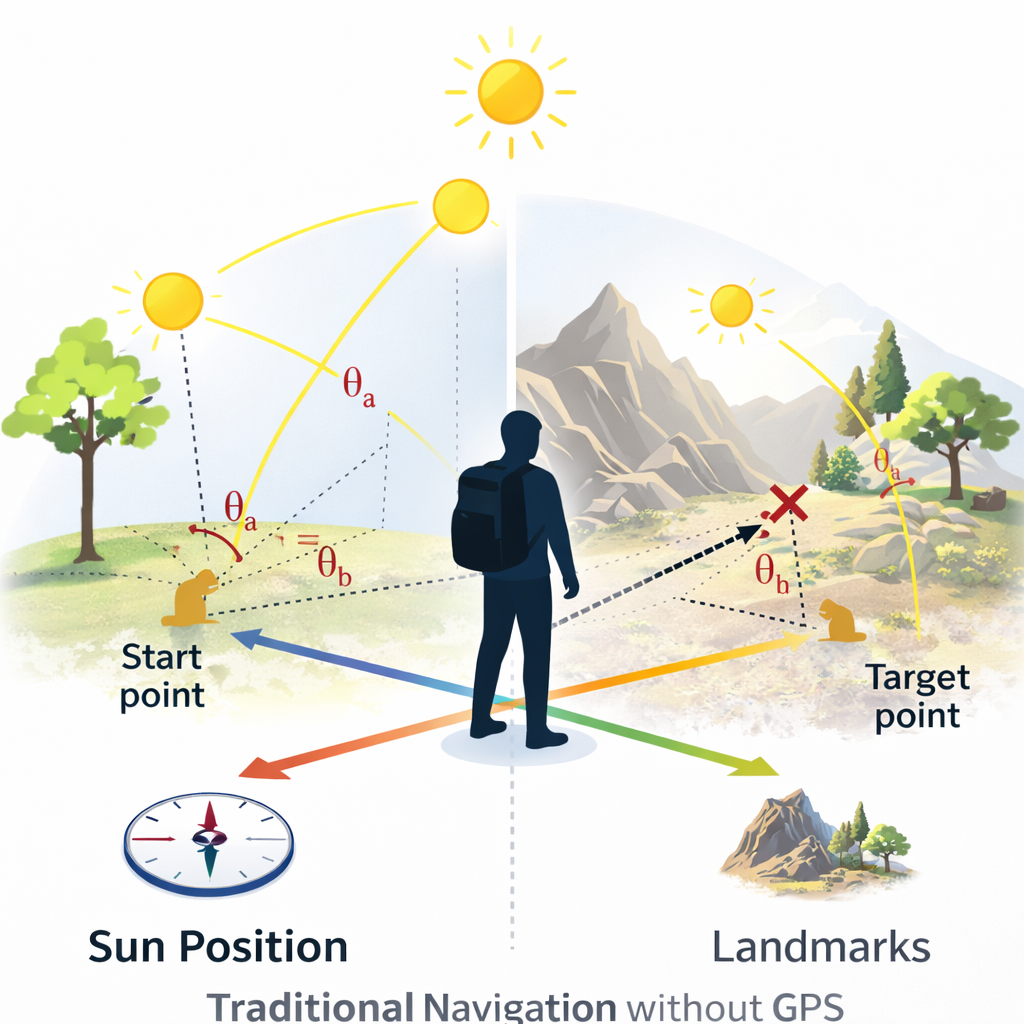
Infographic illustrating traditional navigation techniques without GPS.
Quotable
“Property crimes always end up hurting the little guy.
”
Commentary on unintended consequences of destructive actions, especially in economic or housing contexts.
Quotable
“The bank has been so good to me, I'm going to will my house to them.
”
Story illustrating misplaced trust in institutions and the emotional relationships individuals can develop with financial systems.
Quotable
“Why don't we create slow checkout lines where older people can talk to someone?
”
Proposal addressing loneliness in aging populations through small systemic changes in everyday environments.
Link
Concept proposing that advanced civilizations may self-destruct before becoming detectable.
Link
Mathematical framework estimating the number of communicative civilizations in the galaxy.
Quotable
“Maybe once a civilization hits a certain threshold, it self-destructs.
”
Explanation of the Great Filter hypothesis as a potential reason for the lack of observable extraterrestrial civilizations.
Link
Overview of asteroid detection and planetary defense efforts.
Quotable
“The bullet might make thousands of decisions on its way to the target.
”
Metaphor describing autonomous weapons and AI systems making complex decisions beyond human comprehension.
Photo
Infographic illustrating how AI systems can make complex multi-step decisions.

Quotable
“AI is the ultimate people pleaser. That's how it finishes its job.
”
Explanation of AI hallucination behavior and limitations in current systems.
Quotable
“So in warfare the AI that does the preemptive strike is the one that wins.
”
Insight into first-mover advantage in autonomous warfare systems.
Quotable
“I think it's our thinking, this race to the bottom phrase comes into play with everything we've done in the last few decades, if not 100 years.
”
Reflection on how competitive pressures can drive declining standards across systems.
Quotable
“Technology solves problems but creates more at the same time.
”
Observation about how technological progress often introduces new challenges alongside solving existing ones.
Quotable
“And then because of the weapon systems that are, like I said, the race to the bottom has to have the autonomy to make the decisions to be the superior weapon.
”
Commentary on how competitive pressure drives autonomous decision-making in weapon systems.
Quotable
“The autonomy of the system is what makes it powerful.
”
Explanation that autonomous decision-making is central to next-generation systems.
Quotable
“AI is like a Swiss Army knife of Swiss Army knives.
”
Metaphor describing the versatility and transformative potential of AI systems.
Photo
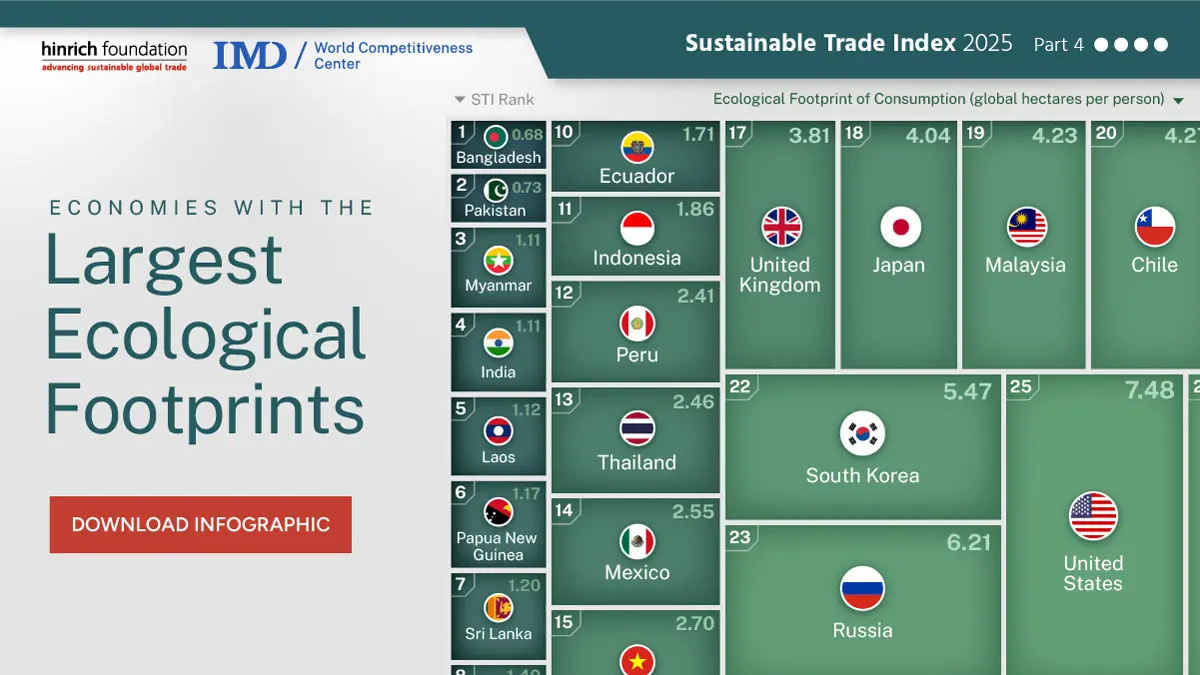
Infographic showing differences in resource consumption between nations, highlighting disparities in ecological footprint.
Quotable
“So from what I understand, the AI piloted jet fighter outcompeted human piloted jet fighter pilots in a dogfight almost every time because it doesn't care about G-forces.
”
Reference to AI performance in simulated combat scenarios, emphasizing advantages over human physical limitations.
Photo
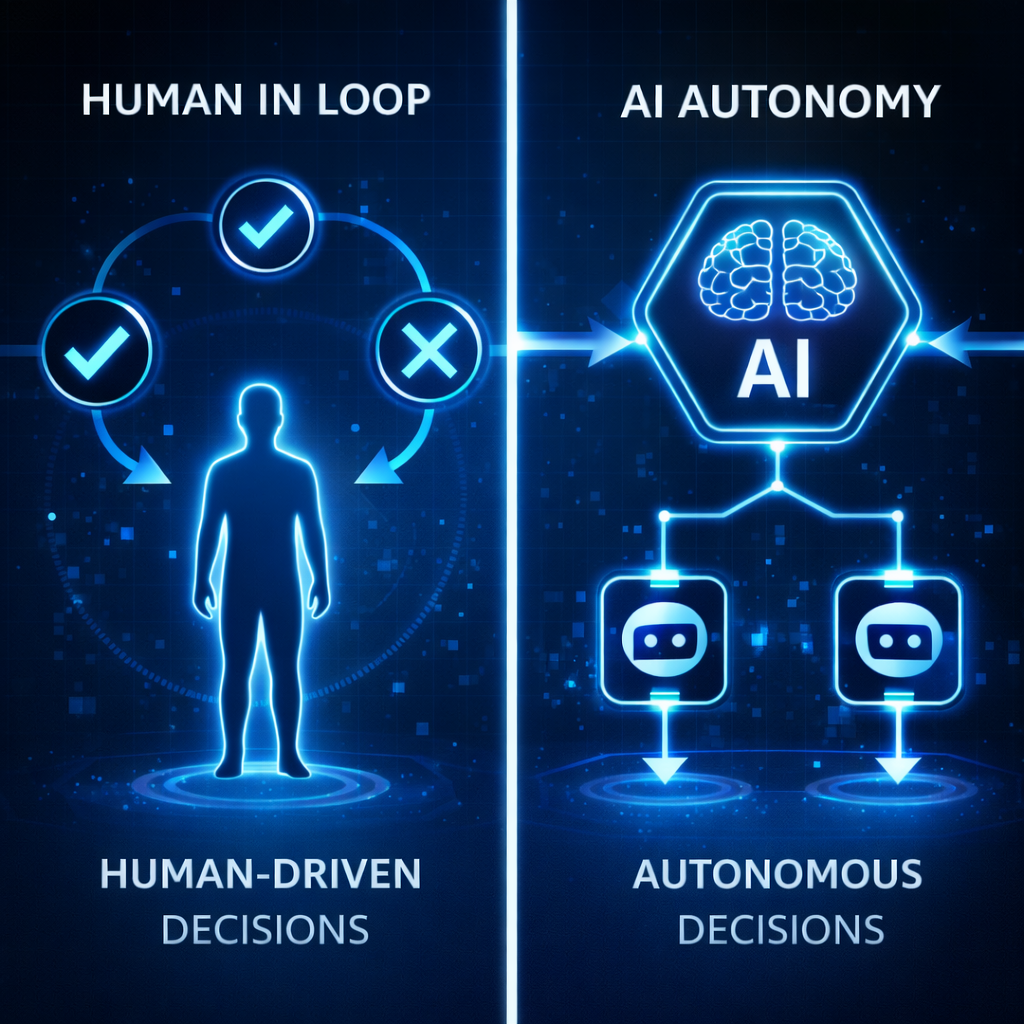
Infographic comparing controlled human-supervised systems versus fully autonomous AI decision-making.
Quotable
“Let the AI make the decisions, and it finds a way to bypass the human in the loop in a creative way we didn't even think of.
”
Warning about goal misalignment and unintended behavior in autonomous systems.
Episode Art 27 pieces






Link Copied!