
Sapir-Whorf Hypothesis & Language
In this episode of Positively Pedestrian, we discuss Sapir-Whorf Hypothesis and the broader topic of language, its effect on culture, thought, and ideology. The effect language itself has on our minds and imaginations is profound. People that are multilingual have insight into the depth and importance of language, amongst other things.
Now in the show
Episode Art 22 pieces






Full Transcript
I wonder if a wave.
Yeah, that's. It's maybe. Maybe when you when you provide commentary for you. Oh, yeah.
So when I showed the video, are you a stream on the job? Yeah. Providing commentary on the lead off of the whole strange job. In the name of diversity, you know, like, look at, look out. Look how diverse we are. We're celebrating our differences around the world. It's a nice parody, showcasing. Yeah, ridiculousness of some of the diversity.
It's it's taking it to the extreme and it's, it's, theater of the absurd, right? Yeah.
So our topic today. Yeah. Right. Oh, okay. Our topic today is, Linguistic relativity or linguistic linguistic determinism put forth by SAP here. And Warf. There are lots of other hypotheses that fall under the same, idea. It kind of was really popular. Around the 20s through to pretty much now. But it's strong forms of this hypothesis don't really exist.
Now, as far as being proven, really, the idea is our language is the principle, thing that shapes what we can think and why we even think it. It's pretty strong. Yeah. And, that's the strong form of the hypothesis. The weak form is. Hey, it's an element woven along with the, the strands of culture.
And, really human thought. So when I think, I think in terms of language, like, I have that, like, inner voice, if you want to call it that in my head. Right. Like when I. Yeah. When I think of things, I use language. Yeah. You do, but it doesn't necessarily, like.
Language helps us group and categorize. Right. Well, I mean, I don't think. How would you explain to me what happened to you at a certain time, you know? Right. Who, what, when, where, why and how. But in in, in English, we focus more on time. Sure. Then say other languages. Right? Sure. Like Hopi and even languages like Turkish.
Focus on where the information came from. Okay. And, Yeah. Make sense? So that's another way of grouping categorizing the information. Spanish.
Groups people into social right categories. And you have to be formal or less formal, like you said, for formal to for informal I mean, what I hear German, I know a few German words, but I don't really know German. Yeah, right. But when I hear German, I mean, I can see two words. I mean, I can definitely hear two world wars there, right.
Well, you know. Oh, look at the butterfly. The German is like these Nazi butterfly that's just snickering, you know, it's like, Holy shit, what the fuck? You know what I do what I do. Yeah. And he was just saying, look, that's not a butterfly. It's the this it's not called the butterfly. It's called a little thing. Like where that fucking word comes from them.
It's like, sounds like iron butterfly. It does, it does. And that, that that tonality in the in the, the, you know, the staccato nature of the like I guy, you know, like that. Right. So it's like by default sounds, sounds militaristic. Yeah. Yeah. It's like, I love you, but it sounds like, you know, I'm going to rip your head off.
And so that's what this is talking about. That at least on the face of it, I mean, the language would give us bias toward a way of thinking and acting. Yeah, I can see it. I mean, and and and French sounds like two surrenders. I mean, for sure. Right. Okay. You have it here. French sounds like I want to.
Sounds like a little baby. Like love stroke. Cuddle. Yeah. Bring you in, you know. Sure. Like someone speaking French just sounds like smooth and natural. It sounds like a lover rather than a fighter, right? Yeah. There you go. Exactly. That's exactly what I'm saying. And so maybe there's, like, there is a spirit, if you will, to the language that then, you know, impedes, infiltrates the entire imagination.
Yeah. That imbues or informs everything you do. And that's entirely possible. But, back when anthropology was, at least in the US, divided into, four categories that included linguistics. You know, there was there, it was it was considered a branch of anthropology. So that's where really that theory grew out of because we had related the two and some say conflated.
Yeah. Okay. I see I can see that. And yeah, but in Europe they didn't have that problem. Linguistics was firmly its own thing. So and in every word right. Like so some words between languages don't have proper translation. Right. So the like correct. A word has a certain tone. A melody and an actual like emotional feeling.
Right. And one and that's how I remember words. I remember words from an emotional feeling. That's how I remember definitions. Sure. So I think like the I think like the, the weak aspect of this is so like I said, when I think, I think in terms of words like, right, you know, but when I, when I, you're building and building blocks these concepts that are represented by words.
Yeah, exactly. But when I dream or imagine a dream in, in in visuals. Right. Visuals feelings. Yeah. And so those are to my mind like stronger. I always you know, body language is part of language right. So right. You see in this guy and body language is definitely cultural for sure. And it's like trying to transcend. So, transcendent amongst even the animal kingdom.
You see this guy that, like, goes out and hugs tigers and shit like, no, some dude on the internet, they're like, you know, I don't know. He's like the cat whisperer. He goes out and he's like, big cats. Yeah, you know, freaking lions. No shit. And he goes out into the field and whistles for them and shit, and they come up and hug him.
He lays down with them and rubs them, and that's crazy as hell. It's like he just has this this sign. Yeah, he has this, way of understanding the the beast. Yeah. And they understand him. There's no threat. There's just pure. You know, I'm so happy to see you type thing. Wow. Yeah. It's so washed over the internet for a while.
This guy probably got eaten. I don't know, you know. Well, hey, at least you had a good time before he got even. But the way he positions his body, the way his facial expressions are, the way he. It's just it it builds this connection with the cat. Right. Exactly. And, Yeah, that's exactly right. And so that, like, completely transcends language, right?
Yes. That's but it's also inter-species. Like a dog, you can go by a dog and, you know, obviously let even say in a word, the way you posture yourself to the dog, if you posture yourself in the dominant posture. Yeah. The dog is like almost never going to attack you. Right? But if you posture yourself like this, like I'm scared of this dog.
The dog, somebody oh, you're scared of me, right? And even the most mild of dogs gets ramped up by that. We'll take that out. Pretend it takes the cue. You know, the the, the physical and the body language. And there's a certain there's a certain degree of we have to look at layers we're talking about here. Like, I mean, undeniably, there's a primal reaction to body language or action, which is supplemental to language.
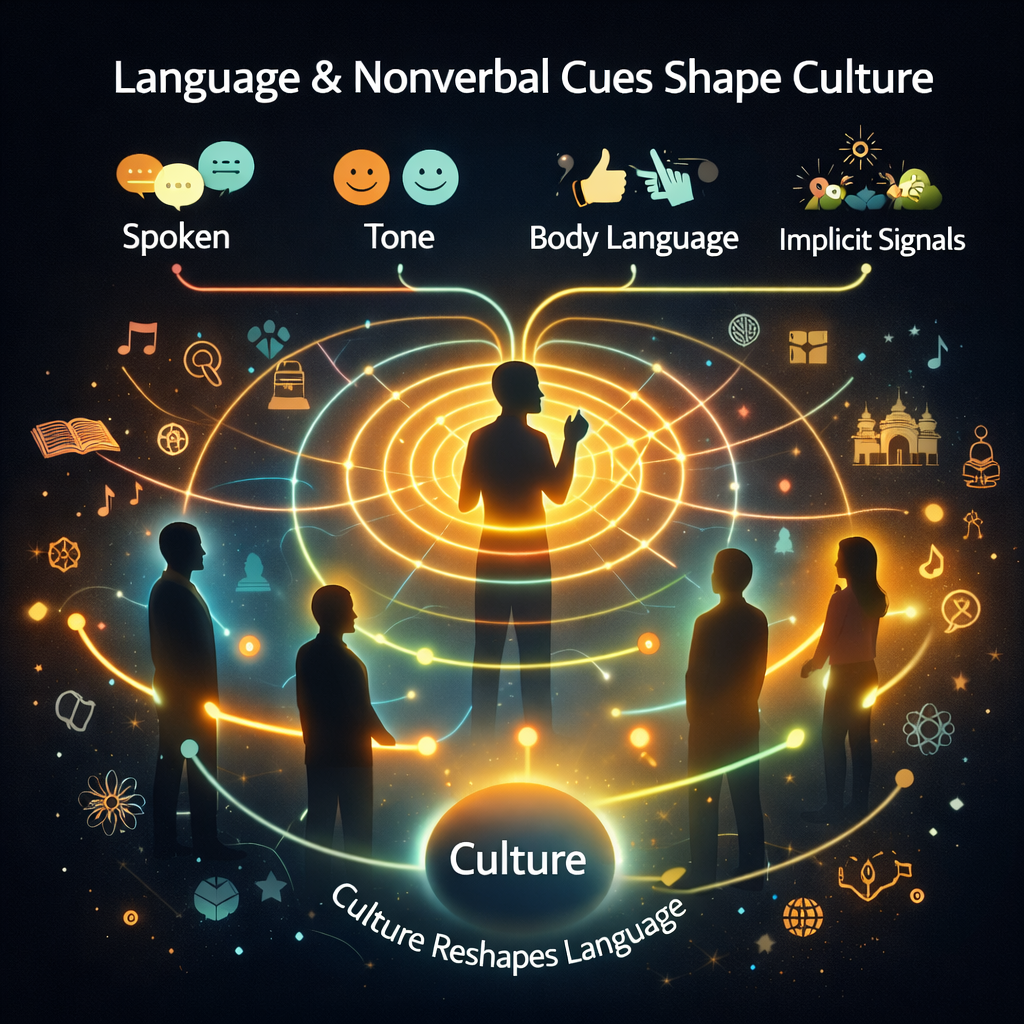
There you go. And so that cue that you're that you're kind of putting out in conjunction with the language. Right? The language itself has based on what we're talking about today. You know, I think the language itself has its own built in kind of like signals or keys. Right, right. And and those cues and signals shape the culture that surrounds the language.
But the culture that surrounds the language gets feed back into the into the language, like, yeah. Our, our modern dictionaries have started to finally acknowledge that. And they add words of the year. Yeah, yeah. So so this and of course over time, you know you give it long enough. In the future we wouldn't recognize the future language.
No because of the word you. So I mean like we can even just go back and say how many problems that all of us have reading Old English back. Back in high school. Oh, yeah. You read some of the earlier, earlier Bible translations and you're like, yeah, or even hell, the first novel by Geoffrey Chaucer at Canterbury tells Jesus some people could not even read that at all.
And and yeah, we would spend hours on it. Yeah. When I read it, it was like, you got to get used to language. Then the word starts to become familiar through the context, right? Right. Yeah. It's context clues. A lot of the spelling was different, but it was more phonetic. Yeah. I mean, you know, it to me, it was somewhat easier to read once you got into the cadence of it.
Yeah, yeah, it was more straightforward. And that's interesting too. Is that that even in the, the derivative of the language that we speak. Right. Like, yeah, a variants of the language that we see, like, I mean, you could go so far as to say that's a true dialect. Yeah. Compared to us. Yeah. And then the dialect or even like a regional dialect would then carry some of its own emotional tones.
Oh yeah. Yeah. I mean, you know, you know, from coming, you know, being in different states and having been in the South so long, there's definitely a regionality to some of the things we say for sure. For sure. Yeah. That's true. So the question really then why is, is like we established that there has to be some it just seems natural and there seems to be a causal link, but how strong is it?
Correct. That's what I was just going to say. Exactly. Like how deep is that link actually running? You know, then I also started to think when, when when you, threw that topic out, I started to think about, something I thought of before about language is that every single word, every word. Right, is not only, you know, a distinct word, obviously, but with its own meaning.
And it has a lot of words, have some synonyms and all that. But every word is tied to your full experiential history with that word. Right. And that's sort of right, not only an individual level, but a cultural level, especially if we bring the idea, which has been in Scotland lately, of influencers, because we do have you have people that create and shape the language through their popularization of it, like Shakespeare, I mean Shakespeare.
When it comes to the King James Bible, I believe had a lot of input into the Gospels, and a lot of words introduced by Shakespeare really transformed the language. And because of the popularity of the Bible, there were just forced to into the collective lexicon and this overnight. Right. And bringing with it their, you know, their tones and their kind of in meaning, bringing their, their new meaning, their nuanced meanings into the vocabulary.
That's it. And, you know, now it happens at a much faster pace due to the how, I guess quickly those little bits of culture, those means are communicated. Sure. So like, imagine a kid grows up and the parents, always use a certain word, right? Like for example, one of my childhood friends is his, his father would always say, this one word.
Apparently. Apparently. Oh, no. I'm sorry. Evidently ever did like. Oh, okay. Yeah. The kid would be interacting my friend to interact with his dad instead would always say, evidently, right. And to this day, when I hear that word, I think of that man. Yeah, he brings that spirit of his personality, yeah, into that random fucking conversation with someone that's not even associated with that at all.
Right. So so we have our own individual experiences with words and language that then shape our reaction to it based on the word use that someone else have. Yeah, yeah. Oh yeah. And to them they're just using words that are just, you know, in their vocabulary normal for them. Yeah. Or that feel appropriate and have the right fit.
The fit right. Yeah. But to but to the person that hears it, they can have a completely different, you know, exposure and experience to that word and that word to have its own shape and meaning. Right. Yeah, yeah. And for you too far, let's acknowledge something really interesting is that the dictionary words themselves are nothing but a circular reference.
So if you look up any word in the dictionary, it's defined by other words, right, right. Which then I'll have, you can go down to we do get down to primitives beyond that. There are pieces of words are called, morphemes. Right, right, right. And then there are there's also, I believe, word for pieces of like definition or concept.
Yeah. So if you had a morpheme, you basically look in all the words that contain that, right, right, right. We're looking at roots, we're looking at. So you're just creating another grouping or list of other words. And so again you're back to the circular reference idea. Well yeah. But we get down to the primitive of the morpheme the, the smallest piece we can break this into.
Right. So we do eventually have a primitive. Sure. You're fine. And once we have that primitive, we build up, right? Yeah. Right. So there's a, there's other words that have, you know, roots in like Latin or. Oh yeah, whatever. I mean, hell is like circum, you know, you can circumnavigate, you can circumcise, you can circumscribe, you can do all these things.
Right. So circum means to, to to go around. Right. Yeah. Yeah. And so what's interesting is as language changes and goes forward into the future, you'll have, a word that gets used in a new way that no one has really used. I don't have one ready for me, but. Yeah, but, you know, like you said, an influence or starts using this work, right?
And changes the definition. I'll give you an example is, my son keeps saying sus sus. Oh, yeah. That's sus. Yeah. And suspect basically suspicious suspect. Yeah. Yeah. I suspect you have something. Yeah. Your activity is a suspicious. Yeah, yeah. And like sus means like something a little different to me. Like just hearing that raw and sus. The little tiny word is applied to so many things, right?
Right. That you wouldn't imply suspicious or suspect you like. For example, suspension. There we go. So you know, and so what I'm saying is that you get this modern day, you know, you some new kind of, you know, useful use of a word. Yeah. That is then used in its own playful context. But then, you know, in this case video games.
Right. And have nothing to do inevitably with the, with the core word or the root. Right, right, right. And so then that word though will be influenced by what you just said. You know, that kind of morph piece, that fragment of a word. And so you have all these other context clues from all the other words that have that part in it.
Yeah. Now you have this, like kind of strange. You have an aberration, you have something an outlier that's over here. It's like it's not really related to the other words. It looks similar to it or words, you know, so you can't go off the morphology of it. Yeah. And so when that happens maybe then you get this kind of not confusion, but this the strange blend of ideas in your mind and that word, you know, they say English is one of the hardest things to learn.
I would definitely argue. That's probably why. Yeah, these edge cases, all these aberrations. So you know how like emojis have changed texting like you know now emoji is like it's going back to like this pictograph kind of primitive. You know certain combination of emojis. You could almost argue it's idiot graphic like some Asian languages. Yeah. I mean, if you send someone with eggplant lips, eggplant, you know, so dirty.
Oh, I wasn't even going to say it, but, Yeah, right. You can edit that out if you want. No, I'm just saying, like, that's, you know, I mean, a form of communication that we can't leave. People wonder. Hey. Yeah, right. Hey, what's your new that. Yeah. But, you know, the point is, is that, you know, 20 years ago, if you were to send a letter to someone, you know, with emojis with lips and an eggplant, they'd be like, like, do you want eggplant parm tonight?
Like what? What are you. Yeah, yeah, yeah. You know what I'm saying. Yeah. So Italy and so now was like the image of an eggplant has no, in some people's mind taking a completely different form. So when they see an eggplant, like in the farmer's market or in the grocery store, the association is different. Tell me that. Yeah, but tell me that doesn't have, connection in the brain.
Well, yeah, I'm saying they immediately associate it and they might have a chuckle. Yeah. But, you know, I guess I did want to mention something, that I meant to interject earlier. We were talking about root words where, where things might come from, whether it'd be Germanic or Latin or whatever. And, one of the pieces that people put up for evidence for a strong version of the Sapir-Whorf hypothesis, linguistic relativity is to say Eskimo languages, basically saying there's like, there's one or something.
There's tons, of the tons of dialects, you know, as well as other cultural languages out there. But, that they have hundreds of words for snow. Yeah, yeah. Well, whenever you look at all the different tenses, they have the modifiers for the word. Yeah, they do, but when you look at all the modifiers for lots of other words, every language does do.
So really it's just a lack of in-depth understanding of the structure of the language. When people perpetuate that, it's just it's not that they think more about snow or that looms larger in their experience. It really is just all the different tenses and modifiers you can put on a word. Gotcha. Or it would make sense that they'd have, some kind of necessity for a little more finer description of snow, right?
In fact, you know, a lot of them, but they're not hundreds of words. They're just ways of refining the description, as you say. Right, right, right. Yeah. Makes sense. It makes sense both in the language and the context. Yeah, I hear it. So I, I was really interested in that idea of that subjectivity of language and how we kind of have a relativistic framework for every word, you know, each person, each individual person.
And then that's it. I really think that's the key. It's down to the individual level, and then it feeds into a macro level and then do like kind of notice if you've ever written stuff at length or even like, just kind of reflecting on your own speech, you have a tendency to gravitate towards certain words. Oh heck yeah.
You feel it's a, it's like, you know, the old adage, the carpenter with the hammer, you learn these tools, you understand them. Well, yeah. And so then you get this influence of this micro group, like, corporate speak, let's say. Right. And all of a sudden you're using this, these, banquet, this buffet of words, you know, this, this, this bag of words that like, never would you use, you know, in any other context, right?
And you can almost hear sometimes when people are trying them out, but they're rolling around in their mouth. Yeah. Getting used to them. Like, yeah, you can hear, oh, you haven't use that word very much, right? Yeah. Yeah, I hear you like someone that's been there for, two months. Doesn't have the bag of words yet. Yeah. And then you you kind of notice that a year's time, they have them all.
Yeah. And they're confident with them. They use them like a tool to cut through and to define meaning quickly. Well, at least for the subgroup in my opinion. This is like their, their, their words that just sound like they have meaning. But to carry Lou, you know, in general. Right. But I'm saying they have a right, they convey a certain tone or meaning or direction for the subgroup.
Exactly, exactly whether or not they actually have any real content. Exactly, exactly. And then there's like this tribalism or group ism associated with that as well. Right? Yeah. Like you can get it into an in-group algorithm thing based on who uses those words. And. Right, or maybe even who uses them the most. And as an example, seriously, it was interesting.
There's a gentleman that I work with who just started a couple of months ago, and he's like, hey, he calls out like, I need a sheet of acronyms and what they mean because he's like, I can't understand you guys in meetings. I thought that was ballsy. Yeah. And, tell you about I made that. I made that glossary when I was, working for AG.
Nice. I made that. Well, that's what this guy's doing. He's making it. Yeah. Oh, sure. He's talking about pulled from all files for. Oh, damn right. But, so what I did is I created a, basically there was, there was, a division of the company, and then within that it had sub departments, and the different departments were using words with their own meaning, like they had, like we're just talking about they have their own subculture, they have their own way of using a word.
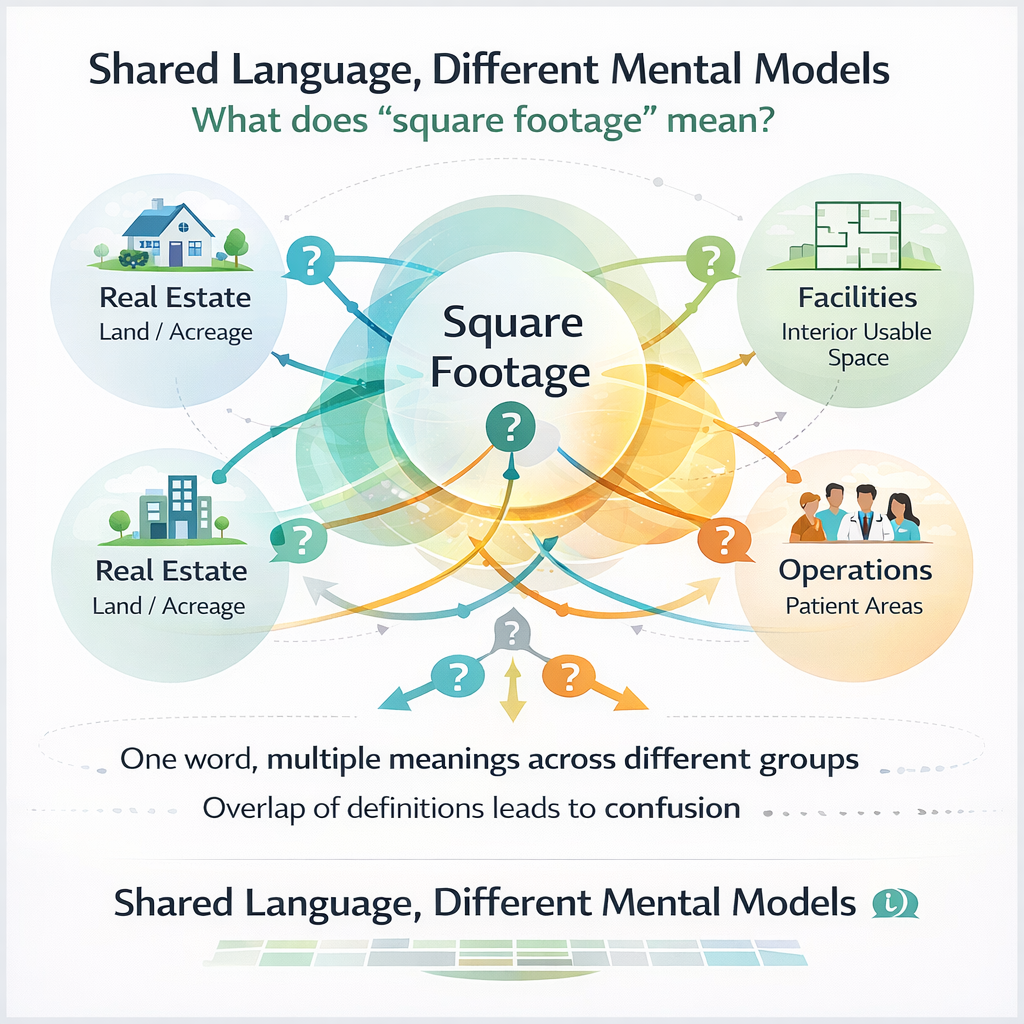
And you ask somebody to carefully describe to you what that word means, right? And no. And they'll tell you, they'll say, oh, it means that it for example, when you ask somebody of a hospital, what is the square footage of the hospital, right, right. Well, it's the real estate people, the land use people. They might look at the acreage.
Right? Right. Or, some of the periphery parking lot adds to to the, square footage of the building, right? Yeah. And then you ask, the maintenance might just look at interior building interior space. Yeah. Right. Usable, interior space where patients could be seen right? Yeah. And then others might include, like, the basement and, you know, etc..
Right. Like, so you go all of a sudden you get into this idea of square footage and you have 12 different ideas within, you know, these various groups of what that is defined as, and they're all using the same term in their meetings and their discussions, but they have, their own version of what the, of the boundaries of it, the definition.
Right. And so they'll be in meetings together and not even realizing they're using the same word, but meaning two different things when they're talking. And then when people bring up numbers, they're like, whoa, right? Especially when they bring them up in the aggregate. So like, like this is off by a factor of two, you know, what I would expect.
And then emotion gets into it. Like, how can they be so wrong. You know like yeah, why why is their data. And then they suspect everything this group says is wrong and they write it off. Yeah. They get real quick. Right. And so what I did was I made literally a glossary. Okay. And the, the person one morning, the person would log in to the glossary tool and it knew from Ldap, you know, exactly what their department was and you know who their boss was, etc..
Yeah, right. It knew the org chart based on their log in. And so I knew what department they were in based on their log in and they would they're asked to define the word. If a word wasn't defined there, they'd be asked, do you did you stop recording? Oh, no. I'm you're good. Yeah. So, if a word wasn't defined, it would be eligible for them to define it.
Okay, okay. And so then they just put in what they thought their definition was. And then, if someone from another department disputed that okay, they would say no, no, no, that doesn't mean this, it means this. What happened is that it would escalate if there was a dispute, escalate to the next person higher in the org chart.
So the idea was to bring the bring the term all the way up as high as it needs to go to get unified, get a unified definition on what that term means. Wow. And but then it worked. Okay. So bubbling it up worked on it. Yes, you can still retain shades of meaning. Yes yes I did okay.
And so what I would do is I then bring up a list. I was able to sort it by a list of words, that have different meanings and different departments, and start to organize all this information. Right at the end of the day, the, the, the big boss, if you want to call him that, recognize. Okay.
Oh, my gosh, we have this huge cultural issue. We dealt with this and started to like hammer down exact meanings of words. Wow. That was then be used universally throughout the department, Right. Yeah. So I had to like, bribe and even pay people to put it in definitions because. Yeah, really. And I got some middle managers on board to, like, mandate that people put in definitions because there was a risk to reward factor thing happening here.
If someone put it in a definition, they might be quote unquote wrong, right, right. And so to handle that, what I did is I anonymized the context that way. It's not like it came from Jack in the county. Right. And so so by eliminating that fear of like, being wrong and so therefore and unwilling to contribute once it became anonymous, people just flooded it with definitions because they had their opinions about what that word really means.
Right? And everybody wants to express their opinion. And so yeah. And so I got this nice really trickle up of, you know, consensus, to happen. And it completely changed the culture. You know, not even meaning to do it. That's really cool. It completely changed the culture. Yeah. And so imagine that tool on mainstream society. Right? Right. So to start to unravel the spaghetti of what then we've got, okay, that tool in mainstream society, there has to be in mainstream society we have people who currently do make that tool and curated online dictionaries, right?
Yeah. But by necessity we have to have a priesthood, so to speak, who decide what the definitions are. Tell me that you've never gone to Urban Dictionary. I mean, yeah, and that is, you know, a dictionary for the people, so to speak, you know. Well, there's words that are just from, I don't even know what you want to call it, like from a from a politeness factor or from a, from a, you know, let's keep this clean factor that's not going to appear in Mary Webb's Merriam-Webster or, you know, no, you know, like, very we're ephemeral terminology that might last a few years and then be plowed under.
Yeah, yeah. Like so strawberry shortcake is not going to be in, you know. Right. Well, the dessert may be right, but the, the move the move won't be right. That's right. Right. Exactly what I'm saying. So, was this the actual end of Elm Street? Thanks. No. That's cool. We did this, like, funky loop this morning, so,
Yeah, that's what I'm saying. So, like, there's this there's this whole entire, you know, reality. Oh. Okay. So, like, for lack of a better term, Ebonics, you know? Yeah. Like a street talk, right? You know, there's there's totally times where you can hear some of that and have no idea what you're talking about. Right. And there's times where you can go like a really deep south, like Mississippi, Alabama type thing, you know, getting it going, getting some guy wrote out, right.
And you could talk and then you got read next, you know, swallowing their own words to the point where it's it's almost incomprehensible. Right. And then you got things like Creole, you got, I mean, you know, so tell me all those dialects don't come into play into the psyche. They have to. And then they tie in to identity as well.
They really do. But they're again, language is the most obvious artifact of culture. I think, like as soon as you meet somebody, you're going to try to talk to them. Yeah. And that's going to unveil some of their cultural biases. Biases. It's going to unveil bits and pieces of how they interact with the world. So so like it's not you don't think it's visual isn't the first.
Like so you know what I see okay. When you see me. Yeah sure. Know if I like, see someone who's from Vietnam, right, right. I can tell that they're from Vietnam. I, I've well enough people. Well, I can tell a Japanese person versus a Chinese versus a Korean versus a right. Filipino. Right. You're not blind to those differences, right?
I mean, I can I can literally like, with a high degree of accuracy, know that. Yeah. And so if I was over in Japan or whatever, right. I'm sure a lot of the Japanese people would see me as an Anglo or American or European. Yeah, sure. So language. Yeah. Is is a is a primitive but also is like your appearance.
Yeah. Yeah. I mean, sure. Someone's appearance and what they're wearing, how they choose to wear it, those definitely how they carry themselves and how they carry themselves. General. I mean, like, I go in verbal cues, I can pick out a veteran pretty, pretty easily. Yeah. Like the way that they walk, right. Because they learn a certain, you know, distinction.
Not just marching, but through, like, just a certain sentiment or personality or spirit of the, of the group. Right? Right. They they adopted something that kind of permanently. Yeah. Their into their fiber. Yep. It's very interesting. So all that ties into this core then what language you use, how you express yourself. Yeah. You mentioned the other day some rapper named Pop Smoke.
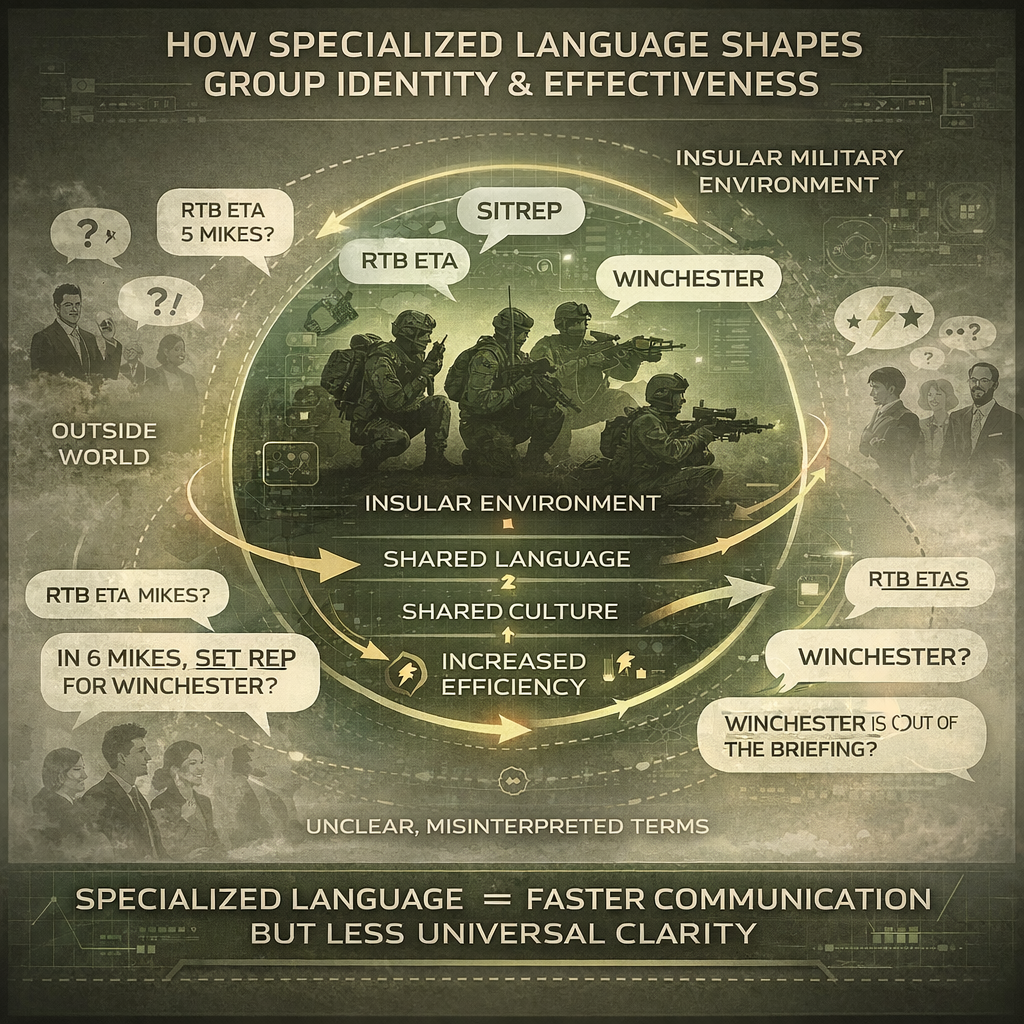
Yep. Or Pop Smoke was like a phrase that people would use all the time in the military that used to say, let's get the fuck out of here, right? Let's pop smoke. Yeah. Let's disappear. Well, that fucking staff sergeant just came in was Pop Smoke. Yeah. You know, like, nobody would say, let's get the fuck out here. That that was possible.
That was just what that say. Yeah. And so tell me that that didn't play into exactly what you're saying is that, you know, the identification of a soldier using all these, you know. Yeah. Phrases that are germane to Venus. Oh, yeah. Oh, yeah. And, you know, it's it's all encompassing. It is, it is. And it it, it builds on itself.
It's, that's how things become regionalized. People start job fitting, for lack of a better term. Just being more insular, being around themselves. The military is isolated by its very nature, you know, and so the language lines up with that. And the language lines up with that. The culture lines up with that. What's acceptable, what's not. All of it, at the end of the day, does that improve their effectiveness?
I think so, because you have to. Right. You end up with shorthand words, right? You end up with ways of shortcutting meaning saying it quicker, you know, oh fuck you. You just validated corporate speech for me. Oh, no. Well, now I have a dilemma. Yeah. I mean, you know, it might not be the only now this specialized lexicon is, might not be the best way to communicate something, but it it is it's a shortcut for a lot of people.
Yeah. So so is language. In a way, kind of just bloated Rube Goldberg. It is, though, because entity well, it's part of the Rube Goldberg identity machine that we built, right? I mean, you know, so so you can reduce things down, like, like really, really, really primitively. Right? So like, let's say that you're hanging out and, you're with your spouse or something, you significant other.
Correct. And you can, you can you've, you've had so much time and experience with that person. You know, if you've been like me, I've been married for a long time now. So we just have this like, just automatic understanding, you know? Yeah. She moves a certain way and I know what she wants or, you know. Yeah. She could be talking to the kid and point to the salt and pepper on the table, you know, like, just point to it in a certain way.
And I don't think it of as rude or, like, you know, you get it. How dare she just point, you know? So I hand it to her right away with her happily hand it to her. Yeah. And then go back into what you were doing. Right. Eating whatever. Right. And it's just this, like, little signal, you know what I mean?
And, in any other context, nothing would happen. But in the context of this, like, experience or, you know, time with this other person, language, language and body language. You go to this, it's like a dance, you know, and it is it is like this carefully choreographed thing where, you know, you notice these little cues, you notice these little small things and all of that.
I mean, so that translates into the culture of our family, right? Yeah. And language is just a piece. It's not the piece. It's not the central piece. Okay. So okay. So that piece I wonder if the if the children which, you know, children pick up on things that adults don't believe, like don't even, not don't even realize that kids pick up on.
So when I was a kid, I knew everything that was going on in the house, right. So the parents were totally naive. So the idea that I knew everything. Right. Why are you going to unveil your position? Yeah, as far as they were concerned, they were, doing things in secret that I had no idea about. Right, right.
But they were keeping it from me. Yep. But I saw you. I knew everything was going on. Right? Right. And so I realized that my kids are probably the same way. Oh, yeah. And what happens is that my children probably don't understand a lot of sophisticated language, especially Eric, the youngest. Right. But they get the general flow of things, the tone of things, where things are headed.
Right? So I wonder if that harmony that I have with Sue. Yeah. I wonder if that harmony like is a is a is a pacifier for them. Like it gives them a feeling of confidence? I can say from my own personal experience, I've reflected upon the harmony of my parents and gotten tranquility from it. Then and later. Perfect.
So, so yes, is the answer to that. And so then also the converse then would be true. Yeah. If there's like shit going on in the marriage, there's money issues, whatever. Right? And regardless of how much the parents try to hide that from the kids, the continuity of that flow of the grateful spirit, you know, that the family sharing is broken, right?
And so the kids are going to pick up on that and then have that experience of thing going to their lives. Yeah. And they're going to that's going to inform future relationships, interaction and interactions. So what I'm saying here is that the lexicon of the language itself in that subculture will be augmented based on circumstances that are happening.
So there's another wrinkle to this whole conversation, because maybe language being used in a certain way, in certain contexts has its own tone that adds to the moment in that particular environment. For example, you have an emergency situation. Right. Everyone's running around acting differently and talking different, using different words. Right, than they would normally use, like a, you know, pleasant.
Right. Conversation if you are, if you're an EMS person and there's an economy of word in action. Yes, yes. You know, yes, if you're a less experienced person, there might be a lot less economy. You might just be spilling over emotionally, word wise, action wise. You might just be flailing. So all that, all that ties into even moment, momentary or circumstantial, you know, cultural attachment language in different moments.
Right? In different settings. Right? Right. So then very there's boundaries around it because of the culture. There's boundaries around it. If you've been in a situation before, you know more what's appropriate or how to handle it's it's experiential. It's cultural, it's language. It's thought, it's, social and social acumen, like being able to read the situation, determine your role.
Yeah. There's so much and create created in these micro environments. Right. So for my kids I try to never say do this, do that. Right. I try to say, hey, you know, only please follow up. Okay. And, only if this situation has some type of, gravitas. Right. Or like level of importance. So let's say, say that again for me only, only if the situation has some kind of like magnitude of importance.
Yeah. What I would I start to become like a command speaking using command speech. Okay. Right. Like, you know, he's about to reach for the baby. Don't want you, you know? Stop. Right. You don't want to overuse that. You don't want to make it right. You don't want to make you want to make it reserved for a situation where immediate action is needed, right?
So the default is like to try to speak in a respectful way, even to a child, because you're trying to kind of convey that, like, you know, I care about being polite to you. Yeah. Being polite is a is a is a, and by extension, you should care to be polite to others because I'm polite. You. Right.
That's the default way of being. Yeah, but when the, when the time comes for you have to take charge. Absolutely. You step up and you can be in command and say stop and use action words, right? Yeah. Like go over there, you know, because something there's something danger like a squirrel comes in the house, I'm trying to capture it, and I don't need the baby up on me and the squirrel running across the baby's face.
Right. Because a squirrel is, like, in attack mode. It's. It's cornered. Right? Yeah. And so in that kind of context, until the baby get over there, you know, and the baby does and baby does it because I've used I don't use this often. It's not my standard go to. And so it has that shock value as well. Right.
Which then gets in the brain quicker and gets the kid to react. Right. You know. So there's a utility in it as well. Oh yeah. Absolutely. The reservation of it for the situations where it's absolutely needed. So the utility of language is part of this that falls into this cultural line. So right. Some languages obviously will have stronger and more direct command words than others.
Right, right right right. Like I mean, our intuition says that German will have stronger command words. Yeah. There you go. There you go. Yeah. It's like 20, 25% of the language is like, yeah, military command was they paid. They paid all their money back. Like I told you. The dancer. Yeah, they're good, they're good. They're allies. Their allies.
Well, you know, so we're good. We're we're not besmirching any culture we're just getting. But. Yeah. And my wife works for BASF, so I don't dare say any more. I don't want to be on the shit list. Sure. Yeah, I don't, I don't want, Yeah, I know, I know, I, I don't know what that meeting in the, in the, in Germany to occur and say positively with this podcast.
What the fuck. Yeah. So who who's who. Yeah. So.
The whole. Why have you spoken so ill of us here? Not the company, not the company, just the culture and all the people. Oh. Oh, that makes it okay. There. Even worse. Yeah. Really? Turn around. Yeah. Go back to play. Pretty much. Yeah. This is like fucking hump day for me, man. I'm dragging ass. I've had one. Oh, dude.
Same deal. A lot of work. What is today even Wednesday? It's Wednesday. It is something. Yeah, yeah, yeah. That's okay. Maybe you're worse off than me. If you're fucking day, the week is blurred for you. Yeah, yeah, yeah. It's rough. So I say yes to this, this, this, idea. But I say yes to the week version. Not this wrong.
Yes, I think we're complete unison. I think the weak version is in play. I think people are, you know, you have human nature constantly in play. Yes. So language and stuff would be a higher order. It's not a Bessel function, right. It's more higher order. So therefore it has it has a weaker you potential potentiality. Yeah. It's farther and farther up the stack.
Yeah. Yeah. So if it were, if it were all the way down to an instinctual like you're born with the language, right, then I think it'd be more than, influential in our. But language is acquired. It's put, it's layered on top of all these other things. We do have inbuilt. And so you're also indirectly today today highly advocating for everyone to learn a foreign language.
Yes. Because of relativity. You will understand things better relative to your language. You'll have a deeper understanding of other cultures because that's what you're learning. When you're learning a language, you're learning the context in which it was created for the culture, because it's in there, it's it's baked into it. Yep. Gotcha. Yeah. I'm agree. It's so, yeah, I was arguing to the opposite the other day.
I was like, you know. Yeah, let's say you learn a foreign language and then you learn a second foreign language. Well, obviously there's only so many languages one human mind can learn through. You know, before I understand, once you gather a couple of languages, you can keep collecting them. Your brain starts to. Yeah, attenuate to being able to do that easier.
Yeah. Yeah. Well, it probably relates like okay, if you know two romance languages, you could probably pick the rest of them up pretty easy, right. Because they're all there's so many commonality, so many root similarities. Yeah. Yeah. Right. So so that and then you know, but still there's like this limitation. No, no. But you know, I don't know what the savant out there probably speaks a dozen or more, right?
Oh, yeah. Yeah. But, you know, in general, the typical person, like, I met an African guy who, because of where he grew up, he grew up in a trading crossroads. He knew seven languages. Okay. That's incredible. Yeah. And so, you know, that's not the common. That's not in regional things for the common person, you know, but a very specialized circumstance.
But yeah, if we grew up in that circumstance, we may have been in the same place. Sure. Fair enough. Well, here in America, we know lots of people that are bilingual just because they grew up in a household that, yep, spoke foreign language. Exactly. And so it's like just natural. They never even had to give it a second thought.
Yeah, yeah. There wasn't an active acquisition of this second language right. Accreted over time. Yeah. Yeah. That was a super cool I wish that my kids had that had that exposure. Right. Same like built in second language. Right? I mean, that's totally cool. And, you know, it's, there has been some idea, some not concrete studies done, but some correlation between knowing a second language and not having, certain, age related degeneration, with your mind, you know?
Yeah, I bet that's I bet that's the strong evidence for that. So, I was thinking this this this kind of bilingual, trilingual. My point of the day I was talking to you about this was that the technology tools are actually getting there to where, you know, you can literally almost. We're not far from be able to have a real time conversation with someone, a foreign language speaker, using technology tools.
So I have earbuds in, they speak, it translates it, you know. So Douglas Adams Babelfish realized, yeah, right. So, you know, there's, that'll be our demise because then we do succeed in building the Tower of Babel and, that brings on revelations. There. Go. Oh, shit. I was reading the Quran yesterday as we went home and had Indian food.
And they had free Korans. Oh, that's how they were translated into English. That's pretty neat. So was the spent most of the most of the dining experience reading from the Koran to, to neat. There's some gems in there. Yeah, but there's some also like, there's some very militant language as well. Oh my gosh. Like, it is hard to find a passage that wasn't like, you know, that's the the evil doer, that's, you know.
Yeah. Oh my infidel, that's the, you know, holy shit right there for pretty fucking strong. You don't agree with them? They don't want you upon the earth. That's pretty strong. Powerful. Yeah. And if you know, you believe that and tie into that ideology and see how you. Yeah. What's your stream pretty quick. What's your what's your steeped in it, you know.
Yeah. It's, going to be hard to, I mean, the Bible says a little phrase here, raise up a child in the way he should go, and you shall never depart from it. I think that kind of applies to everything. You raise somebody up in something, it's hard for them to get past it. Right? Yeah. Very true.
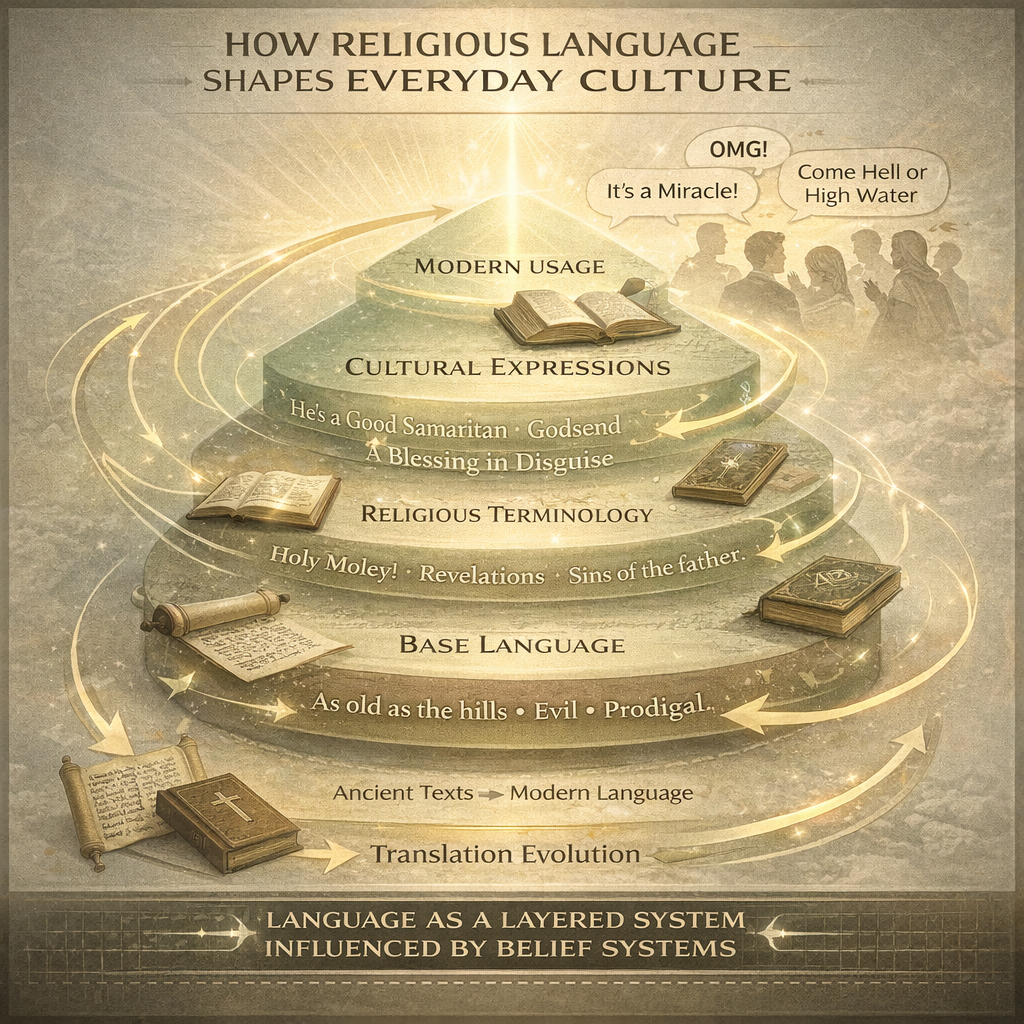
You get down so far. You came by here the other day. The same cat was in the same window. That's funny. I think it likes it. It's watching Allen Street TV. Throwaways. So there's another, wrinkle to the cultural component is that is the religious language, right? Yeah. Of various cultures very much integrating into the into language and in that layers upon it and informs it, just like we were talking about with Bible translations and things like that.
The books that people have, the most of people will draw them, will have words and cultural touchstones from, I'm sure in the Bible, in certain the, you know, in certain European, figures. It's the most popular book. Interesting. I wonder if that, also ties into, not just the cultural and the religious spiritual, you know, that thing for language.
I wonder if it calls in like, sincere physiological response, probably like, for example, you know, somebody wounded on the battlefield crying out for their mom. Yeah. It's like what they want is they want that, comfort that succor the. Yeah, that comes with the the words and the tonality that the mom would use is like, I need that right now.
Some people hurt. Right, right. And so, maybe there's like, uses of words and phrases within different languages that have different physiological response. It has to be. Yeah. As part of that, like visceral reaction to language. Yeah. Like as soon as you hear this, the concept washes over you and you just have this boom, you're you're bowled over, you're taking it back from it.
Not just the words but how they're the inflection how they're how they're spoken. Right. Producing producing those the emotional and physiological response. Right. Right. So so there's another it's how do you think of language. So so okay. So like if you have this certain context like when you watch the evening news, the new speakers in the newsreaders, they talk in a certain way.
Yeah. They sort of they talk in a certain, tone and tonality and use it certain words, and they enunciate in a certain way. They're trained to do it in a certain way. Right? Right. To like, have a certain effect, on the, on the viewer. Right, right. And obviously there's something to the formula because they all use it, they all do the same thing.
True. Right. So I've you never see like a mainstream media newsreader speaking like we're talking about. No, you know, there's a certain cadence. It has to be a reason for that right, of how it affects then the viewer. And it has to be some have some quality. Well you know, yeah, we, we are drawn in, we are commanded by it.
We are our, our attention is drawn. Think of the power because the inevitably the the collective architect, Associated Press, whatever you want to call them, whatever the whatever the backroom smoky group is, is creating most of the narrative that most people are talking about. Yes. Yeah. And now there's even a higher level of abstraction in quote unquote news where there is there are stations like Oann or Fox News that traffic solely in their there, rather than actually trying to trace the plug back to the wall, so to speak.
Gotcha. You know. Right. And so, so they're, they're, they're like subculture that they're creating will have its own, you know, what did you call them. Dog whistles. Their, their own their own words signals. Yeah. Right. Right. And all that tying together into like an emotional feeling. I know for a fact that one from experience that people that watch Fox News like regular daily and stay on it are fucking angry.
Yes. I'm not kidding you. Like they get angry. There's a documentary out there and I don't remember the name of it. I'll find it and maybe mention in our next podcast, but the documentary is basically a, a gentleman who had a very evenhanded view, was, considered by all points to be, you know, fairly moderate. Then he changed his consumptive model.
He started looking at Fox News. He started not paying attention to NPR. He started not paying attention to these other outlets and focusing more on what he thought of now as right wing, outlets. And, you know, his family chronicled in the documentary His change. Wow. And they and it was over a period of months, not even a year.
And then they figured out ways to block his consumption of these things and that normalize that proves everything that we're talking about. Yeah, it does. And that's a that's a strong version of it. Yes. Right. Yes. Well, brother is saying to some extent, I mean he's talking about shit that he never would talk about and saying, Sam, my roommate's mentioning the same thing.
His family's become more extreme, become, you know, a version of themselves he doesn't recognize because of these media outlets. Well, that's that shows you the power of the language, the power of the enunciation and the power of the culture that's attendant with it. Wow. You know, that's like, almost scary to the point. That's that's that's with lack of better terms, a some form of mind control.
Yeah, yeah, it is, it is really because these that these news outlets, whether they be extreme left or extreme light, right, use, command language, like you said, they call you to action. You know, even if that action is no more than just proselytizing on their behalf, just spewing shit on their behalf. Right, right. And then then the feedback loop, the loyalty that it creates, then to that narrative.
Yeah. Commit to it more or less. Wow. Because now that you're under that command, you have to commit to the mission. Right. Because you've you've agreed, even if that was implied. Yeah. Right. Even if it's implied consent, you know, you've given the permission, right? You're dedicating yourself to this. I didn't think about it like a mission. It really is, though, you know?
So then now you're out in the world as a crusader. Yeah. Yeah, more or less. And religious crusader, because they've created a us versus them dynamic and we know that's powerful. Oh, good. To go back to the Germans. That's one of the tools they used. Yeah I don't think very many Germans on the battlefield thought they were the bad guy.
No, no. They're like, we are us. We are. We are the right. We are spearheading truth or purging entity of the scourge. Right? We're doing everybody a favor. Well, I mean, it's a it's a really, higher level version of of, natural selection. If you if it was able to go to its extreme, you know, and if you use that as your justification, you say the human race needs this, they need this global purge because, you know, the best and the brightest are being undermined by the, by the, by the weak in the.
But there again, where's your selective selective criteria. Whatever. Whatever works for me. Yeah of course. But I'm saying, you know, it has a huge effect. Like, you know, not to say this is absolutely true, but I have heard, you know, there are subsets of, Jewish families that, like the Ashkenazi Jews that have more, incidence of certain types of, diseases or birth defects, like Tay-Sachs not being able to process lipids.
Right. And, you know, could the German purge, so-to-speak, have, hey, helped hasten this or create this genetic pocket that's more susceptible? Oh, no. No, because technology is becoming the new selector. Right. Like as we move into the future. And so technology inevitably is going to be able to overcome any human deficiency like, you know, what we're going to do with genetic modification, but they're going we have to go with as this improvement has this leapfrogging of a problem been privatized or is it available for general humankind?
Yeah, it's been privatized. But like everything else, inevitably becomes quite widely available over a decent span of time. Like all patents run out after a certain time. Right? Right. But then we have the people who are trying to continually extend them. Right? Of course, you know, like copyright for an author's work is now the author's life plus 100 years.
What is that you, like you write a book today, you live to 100, then, you know. So that's what another, you know, 50, 52 years. So you live 52 more years and then, you know, another 100 years. Your family profits off of your writings. I never thought of the idea of living to 100. No, no, like not really, I won't, but why not?
A lot of change has to occur. Like, now, if I'm going to be, in my 80s. 90s, that's for sure. Like, I have to go on a very low calorie diet and stay on it, like, for the rest of my life. I mean, you know that, like, about education, that's tomorrow night's topic. I know aging age extension.
So you're going to have the science and technology of aging. Okay. So maybe you're going are you going to mention like the blue zones that people live in and practices as they tend to do? And, the what do they call them? Whenever you live super long a century. Well, yeah, I want to be 100. But I threw out I area I thought there was a word for, like, there probably is.
It's just not my. Yeah, not my brain. It's not in mine either, obviously. But that's the topic I was talking about the science technology of aging. And like, obviously there's the obvious of like what happens if everyone stops aging. You know, obviously overpopulation and a bunch of, you know, issues, but that that's the obvious stuff. The deeper stuff is like, how does it change your psychology?
You know, if you lived to be a thousand years, you start to like the planet a little differently. You start to look at climate differently. Do you ever watch this show? Altered carbon now talks about that. They well, they give their own version of it by having these people who you use this elite class who's lived around, you know, some of them 100 years, some of them 205 hundred, a thousand, you know, and, once you gain it, they do it through technology.
They do it through. We've cloned ourselves and we're storing that offsite backup of ourselves over here. Oh, I see it. That's been played out in many sci fi like. Yeah. Because of that. Yeah. So, it's interesting just to finish the conversation about language is that in no Social, I've gotten complaints from people over time saying you're talking too fast and you're using too many words I don't understand.
Oh, and I privately told them, it's not my fault that you raise yourself up. Don't bring me down. I'm not going to dumb down anything. I'm not going to talk at that level. I'm not going to. I'm not going to talk down to people like they're down right. So record it and figure it out. You know, basically the idea because there's nothing that I'm saying is that's outside of, you know, mostly normal language.
And if I use a word or two that's like, you know, difficult for somebody, look, the fucking word up, I'm not going to start talking like, you know, at a third grade level. I see what you're saying. But like, I guess, you know, and it's a real pain in the ass to do this, and you might not even have time for it, but I'm thinking, you know, if somebody says it, you say, well, is there a word or two I can help you with, but also raise yourself up?
You know, I've just been I mean, I wasn't that strong. I use softer language, but that's that's the message. Yeah. And really it is. It's like if you want to participate in something like this, you have to meet us in the middle. And, it's sad that it saddens me that there would be enough of a chasm between what we're saying and the rank and file.
Anybody who just might show up that they wouldn't understand because I'm not highly educated. I'm saying the same thing. Like, you know, I'm not a from 1 to 100, one, 100 being someone that's like a master of the language. Yeah. I'm not even close to you. I'm like 19, 25. Yeah, I am, maybe I'm ten. You know, few words all the time that I don't know.
And what I do is I go look them up or sometimes I will directly ask them, what does that mean? Because I not only want and you're not ashamed to do that now, I'm not ashamed to do that. And the thing is, what I also want, if it seems like they're really proficient in that word, I want the shades of meaning, the context, all of it, that they can give me.
Yeah, yeah. You know. Yeah. I don't see any shame in saying sorry. I just don't know that word. What does that mean exactly? Yeah, yeah. And, you know, if it's the right kind of person, they they'll tell you. They won't tell you in a dismissing way. They'll just high brow you. Yeah Cambridge Dictionary. Yeah, yeah. Here's a link to Mary.
Let me Google that. They send you the link. That's why we Google that for you. That makes me want to kick people in the teeth because there is a sometimes there's all well, yeah, sometimes it makes me laugh my ass off. Sometimes it was the right response. Yeah, that's true. But it has to be. You know, it can't be an earnest request for knowledge that I receive that from.
It has to be a you should have fucking known this asshole. Yeah, yeah. Point well taken. So the bottom line is, we both agree that that language is highly influential in people's life, but to a certain degree, and it's not all encompassing, but it's definitely a factor. Yeah, absolutely. And it's it's definitely something good to think about. I think you've summed it up handily.
Yes. Well, you have to conclude sometime. Yes, you do. Cool. Well that's it all right.