

Battered Chef Syndrome & Human Rights
In this episode of Positively Pedestrian, we discuss universal human rights and the vision of a world where every person can have a large collection of inalienable rights on which they could rely and what implications such a world would have on the quality of life. Right now, from which womb one emerges is the largest predictive factor in determining where one ends up in life, we would love to see this change, and rapidly. We again talk about food, diet, and the corporate contamination of what even food is. Lastly, we analyze the implications of misinformation leading to inaccurate beliefs, which leads to poor choices and actions.
Now in the show
Episode Art 24 pieces
Full Transcript
I don't know. Now I am now I am for sure. So, So Hart. Hart points are what? Now Hart points are,
A recommended value by the, I mean association. Yeah, the American Heart Association. Yeah. That's it. And, it's like 56 points a week. You need minimum for, demonstrating that you're getting, you know, that bare minimum of activity. It's. I say. So how are Hart points racked up? I believe it is. You get one Hart point for every minute of sustained activity.
Oh, shit. You're getting that just from our walks, right? So that's why I was saying I was getting it in two days. If I was doing two days. Gotcha. Yes. Of course. Like, is there are there negative Hart points? Like, if you do a cheeseburger, like, you know, there should be. And it's not like we don't have the tools to track that now.
Oh yes. Like you ate a whole block of fucking cheese. Yeah. Maybe. Maybe that's like a minus a dozen. Or at least, maybe -50. Hart points. Right, right. It's like this week since you ate so much cheese and, cheeseburgers. You need to, check. You need to take your baby aspirin. Yeah, yeah, yeah, yeah, yeah. And you need to work out that extra two hours might not be a bad idea to book that.
Annual with the family physician. Yeah. There you go. It's like it's. What's it called? Angio cardiogram or something. There you go. EKG. Well, whenever. What is it? Whenever they get in there and they. Oh, like the echo gram where they get the can. See the plaque? Yes. Yeah. Okay. Gotcha. Yes. That's what, that's what I'm trying to get at.
Gotcha. The little sonar like thing where they look at your pipes. Yep. Yep. And, you know, you get the, you're you're struck with terror for, like. It's like waiting on an Aids test.
After that week in Vegas. Yeah. So. So, from what I understand, there's, like, some new ideas about the food pyramid. Not just like this commercial. Like, we been talking about the industrial complexes, you know, like the food industrial complex was definitely contaminated. The, you know, the FDA and all these other, you know, EPA, FDA, all all these all these government organizations have been infiltrated, you know.
Yeah. And so, like, the food pyramid is completely fucked up, like, you know, bread should not be, you know, one of your main staples, you know, like, whole grain, whole grains, and stuff like that, but like what, though? But the word whole grain has been so polluted because there's no regulation around it. Right, right, right. So, so the food pyramid has been so bastardized that it's not really an effective, you know, tool to really, you know, look at what you're eat, you know.
Yeah. And, that's a shame because it could be very useful. So from what I understand, a lot of different universities and stuff have come up with, like, better versions of pyramids. Oh. That's cool. For people that are more accurate to like what humans really need, and they're quite a bit different from the, government, you know, released food pyramid.
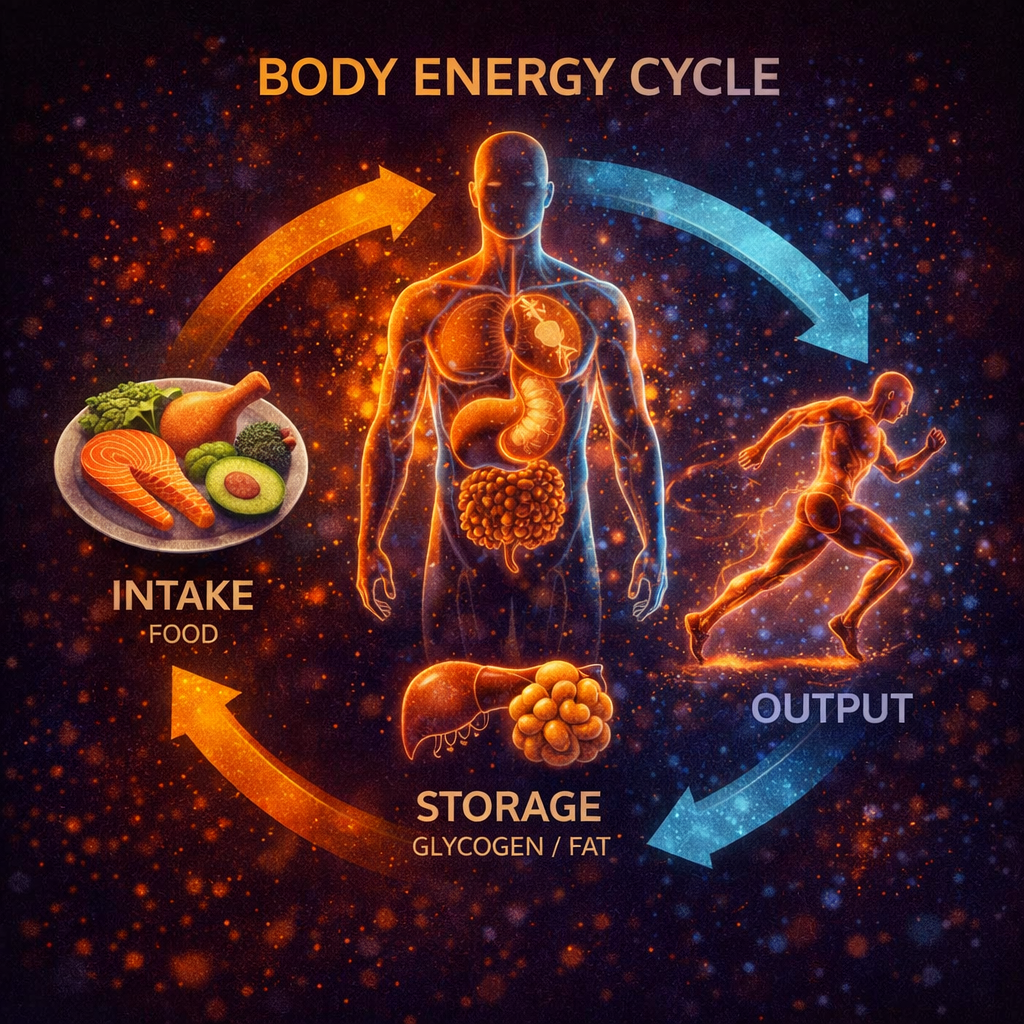
In fact, the one from Harvard, actually puts activity at the bottom of the pyramid. So so it's trying to make that connection that it's all about an energy system, you know? Right. And so you want to put in you want to you want to get the energy out. You got to get the glycogen out of your body.
You know, basically that makes sense. You got to burn the sugar and fats out of your body. Yeah. And then when you put the food back in your body, here's the ratio which you put it back in nice for the proper energy. And carbohydrate balance. So activity first intake later. Yeah. Yeah. Yeah. It makes a lot of sense right.
Yeah it does because it's really the your body's a system and it's not just an input system. No, no. And you know if that makes sense in that. All right. If you're going to one of the things if you're going to try to manage your sugar, if you're sugar too high, you move you like you. Right, right. You know, you burn the sugar in your blood.
Yeah. I think that, like, that's kind of like what happens to the body. And you get a lot of glycogen in your system and you're not doing any activity. Get it out. And it kind of like just soaks your cells and sugar. Well, you know, it's like, have this bad response later to sugar. Well kind of like burning you up, you know.
Well it does it does burn you up. You know, it can, mess up the myelin sheath on your nerves. It can. Right. I mean, that's what diabetic nerve pain is. Yeah. Yeah. And then, you know, what does that lead to? All kinds of different circulatory issues and all kinds of shit, you know? Oh, yeah. Progression.
Naturally, you're getting amputated and shit. What the fuck's that? All right, so, human rights is the topic tonight at all in the five part series of advocacy last week was, the environment. You know, how to advocate properly for the environment? Yeah. And, this week is how to advocate for human rights, right? Well, the starting point of that for the discussion is going to be the UN's doctrine on universal human rights.
Okay. I think like December 10th or something is, Human Rights Day. So like globally, it's like global holiday. Oh, I'm going to get off the road. Yeah. Good idea. Menacing vehicle. Right. For some reason, just appears more menacing than normal. Yeah, because it's dark and there's nothing else around it. Yeah. It's funny how, like, I've always noticed that, like, certain different types of cars and different types of drivers create their own personality.
Like on the road. Oh, hell yeah. You know, like, sometimes you just feel like another vehicle around you is more menacing than another. Oh, yeah. It's like it carries this aura of energy with it. You know, attitude. Yeah. It's not just like the douche bag in the Hummer, you know? Idea. No, no. You know, it's like, that was a tiny ass little car, but somehow, like, it was intimidating you.
Oh, yeah. It was. I will hit you, motherfucker. That's how it felt. Yeah. And then. And then you have that car that's, like, almost like drunk driving, looking, weaving, and, you know, the person's texting. Yeah. Yeah. And so, like, you cautiously pass them, and when you do, sure enough, you see them looking down, you're like, oh, shit. Yeah, yeah, someone's going to die.
Oh, and it's like this. They do this every day, don't they? Yeah. And it's like that one time that you text in the car like, you know. So I don't like telling my kids, you know, hey, when you reach of age of driving, you know, never tax and blah blah, right. Right. Like, you know, don't surf the internet.
And, you know, I don't watch videos and shit while you're driving. Yeah. And, you know, but I'm not going to lie. I've done it, you know. Well, yeah, I think it's probably fair. Most people have probably done that. I think so. Because, you know, sometimes the urgency of it seems to outweigh the risk. Yeah. And so, like, you know, I break my own rule then, and I feel like a dumbass hypocrite after I do it.
That's like my bad. And then at the same time, I think, oh, I can handle it. You know, like, I can I can safely do this. I'm the exception. That's right. Not the rule. I'm the exception. And, So what can I do to tech safely? Okay. Limit it to three characters at a time before I look back up.
Right. Right. You know, like, make this arbitrary. Like, how can I be relatively safe in text, right? And, like, you know, later on, just realizing what a dumbass I am because I just shouldn't be texting, period here. Yeah. Because I'm, like, bifurcating one's attention like, that is risky. Shit. Yep. And, Yeah, right. You wait, you take out that family, your life's ruined.
You know, you take out that family, you don't get hurt at all. But like, you kill a mother and a kid. Right? Right. All the knock on effects of that come on, your life would never be if you're even a close to, you know, reasonable human being. That's what I'm saying. With any type of emotion, you'll never be the same.
Right. Ever, ever. Anything. You won't be just heading right back to work. And everything's on for Dory. No, I thought about that. That dude that left his kid in the car when he went to work. Remember that shit hole and that kid died? Yeah. Like, left his kid in the hot car? Yup. Like, there's no way that guy ever.
You know, he never recovered his life will never, ever, no matter what. Even after he serves prison. And whatever they do to him, that guy is like going to be a zombie for the rest of his life. Oh, yeah. I mean, you know, you might as well kill that. Well, I mean, you know what I'm saying? It's like, if I know what you're saying, but I, I don't agree.
Like, I don't think you should be killed, but I don't know if there's possibly if therapy has been really the AI therapy, you know, to secure him. I mean, yeah, there's no therapy that's going to care that know somebody. People could talk to you forever in a day. You'd never get past that. No. How could you ever forgive yourself?
Yeah. Yeah. I mean, it would have to be something that would bother you every second of the day. Like a parent would. Almost. It'd be almost be impossible for a parent to live down like a household accident. Like I could get a hold of some scissors and was running and fell and put a hole in his heart. Right, right.
Or a fire? Yeah. You know, like, can you how do you even get over something like that? Yep. Let alone, like, direct. What direction was you? Yeah. Nobody else did it. It was you. Yeah. That's like I try not to think about that kind of shit. It gives me, like, a bit like emotional. Kind of disturbed. It's almost like a terrorist attack on my own brain.
Yeah. Right. I was talking to some some some people in my one of my discussion groups, just last night. And, we're talking about the young people with, the school shootings, like, in the schools, have the kids, you know, go through these drills, you know, but, like, just like they do a fire drill, the whole idea is locked down in their minds.
Yeah. Living rent free. You know, another weird example of it. Yeah. On the social side, one of my friends that I worked with at Wells Fargo, he was on the red team there. He, he he was always talking about it's ex-wife. And he was saying, you know, he's like, I'm sorry, I'm sorry. The, the bitcoin miner is running heavy today.
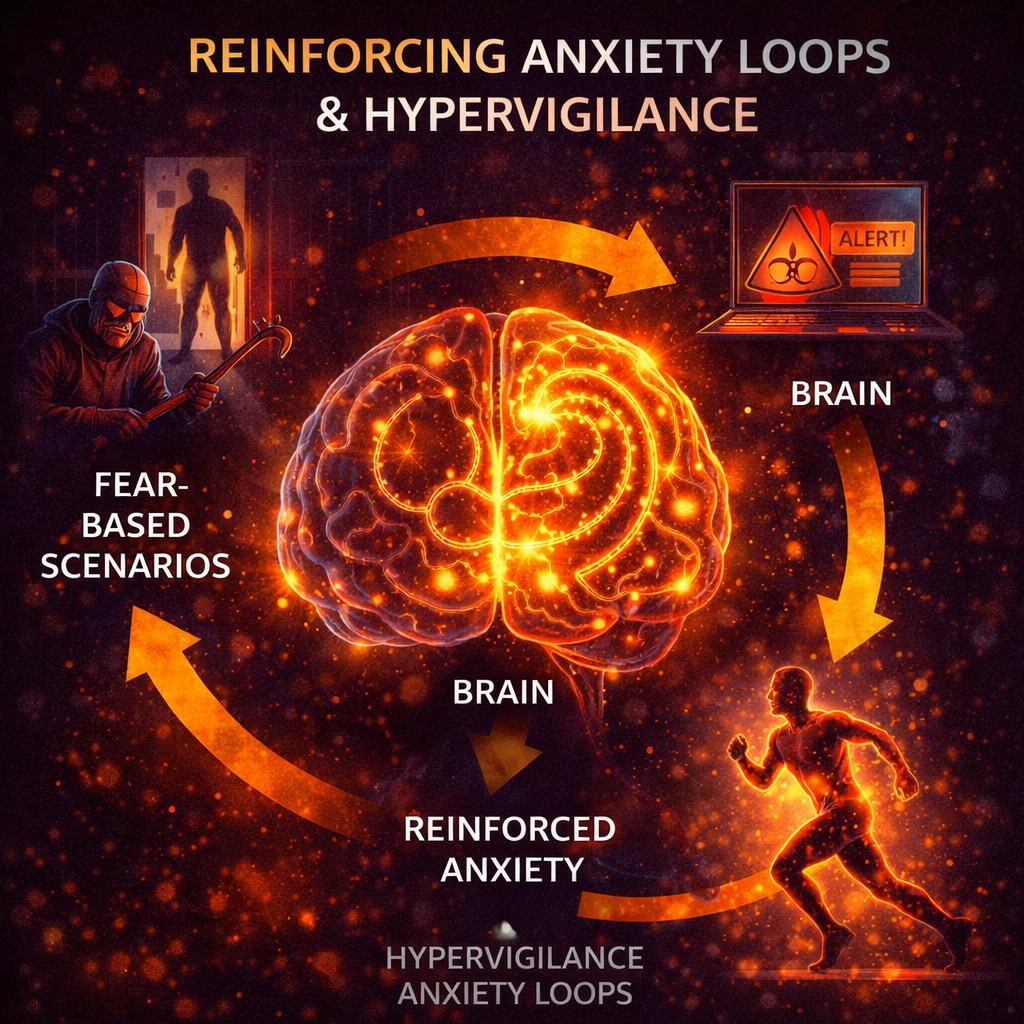
It's like. That's pretty funny. I mean, it totally encapsulates what we're talking about. It's his background process. So he's running it. So it's it's just eating up your brain. Yeah, man. All your spare cycles. Yeah. So the idea here was that kids are inevitably having, like, nightmares thinking about this happening to them, you know, and, some of the things and I'm like, you know, it's that borderline, a version of PTSD is like, almost like a.
It's such a terrible thing because, you know, it's a possibility. So, so, so the possibility that, like, any kid's school gets attacked any given school. Yeah. Right. Has an incident is so small. Right, right. Like that one in thousands and thousands of chance. Right? Like very small chance. That's going to happen to your kid's school, but near where?
Similar lives, you know, they're on hyper alert even because of, she lives near Marjory Stoneman Douglas. What is that? That was, a school in Florida that got put on the national stage, largely because Trump said everyone was an actor. They got shot. Oh my gosh. Okay. So I was like, since there's something relatively local happened, it's there's a heightened awareness there.
Yeah, there's a heightened awareness. And the thing is it's a very affluent school in an affluent area. Oh, okay. Which also surprises me that Trump would then oppose it. It's his people strength. Okay. So these kids, right. They literally grow up in this environment where that's something that's like they have a presence of mind for this thing, you know, and that's not it's not healthy, you know, but at the same time, you know, like favors the prepared.
I guess I guess he'd want to harden your school, quote unquote, by, you know, having the kids go through some drills on what to do. Yeah. If there an active shooter. And not only that they do things to you know, they tighten up security at the, at the physical level like, when I drop, when I drop one of the kids off in elementary school, at 802, they close the gate and, you know, you're only allowed to come in.
What? There's one point of ingress and egress. Yeah, that's that's scary sometimes, because locks can can also keep good people out. Right? Oh, 100%. But hopefully those good people have been made aware of the best way to approach and help. Yeah, I don't know. It's it gets pretty pretty dark pretty quick in your mind. Yep. You play not always different what ifs.
Right. You know that. What if thinking can can be crippling to some extent. Like it can be pretty debilitating. Like make you not want to participate in society and, you know, be scared to walk at 6:00 in the morning through your neighborhood. You know, I have I mean, when we were doing this, at first I was, facing that down, but you know that I'm a ninja, so it's okay.
There we go. It's like, you know, Iris is the white shadow. Yeah. I mean, I bleached the ginger out of my hair. My roundhouses are front point, man. Oh, shit. Yeah, that's my secret weapon. Okay. Secretly soulless. Oh, well, I mean, that's got to help you in life. Being secretly soulless. You know, if you don't fall victim, you don't fall prey to the vagaries of life.
Such as we. Yeah. You do. You want a citizenry like where everybody is ready to, like, kill, like. Like. No. You know, some of the words, like, everybody has been trained so well to defend themselves that like every any given person on the street is, like ready to gouge an eye, you know, everybody just wanted direction. You still want to I hop?
Yeah. Everybody's on a hair trigger, you know. Is that healthy? Probably not. Right. Not at all. Right, then that idea of, like, everybody gun toting keeps it safe because everybody has a go. No. That's terrible. That's okay. Have you been in the military, having been having also lived many a year with a heightened state of awareness and being on his trigger?
Like I almost punched my girlfriend in the face one time just because she kicked me. Damn. So she kicked me. I grab open season, bitch, I go, I put one hand underneath her knee, the other hand underneath her ass. Follow her on down as I pull up and hand my fist almost hit her face. You're violent. Then I was, but I was the one that was the combat veteran.
Oh my God. It's like, you know, you're in a gang and shit. So like that. That stuff alone carries higher levels of PTSD than most military experiences do. And I don't know if it does. No, no, no, there's kids that, like, grew up in gangs in certain neighborhoods like Chicago, certain rough, you know, known known, you know, dangerous areas that have higher levels and higher instances of PTSD than soldiers coming back from warfare.
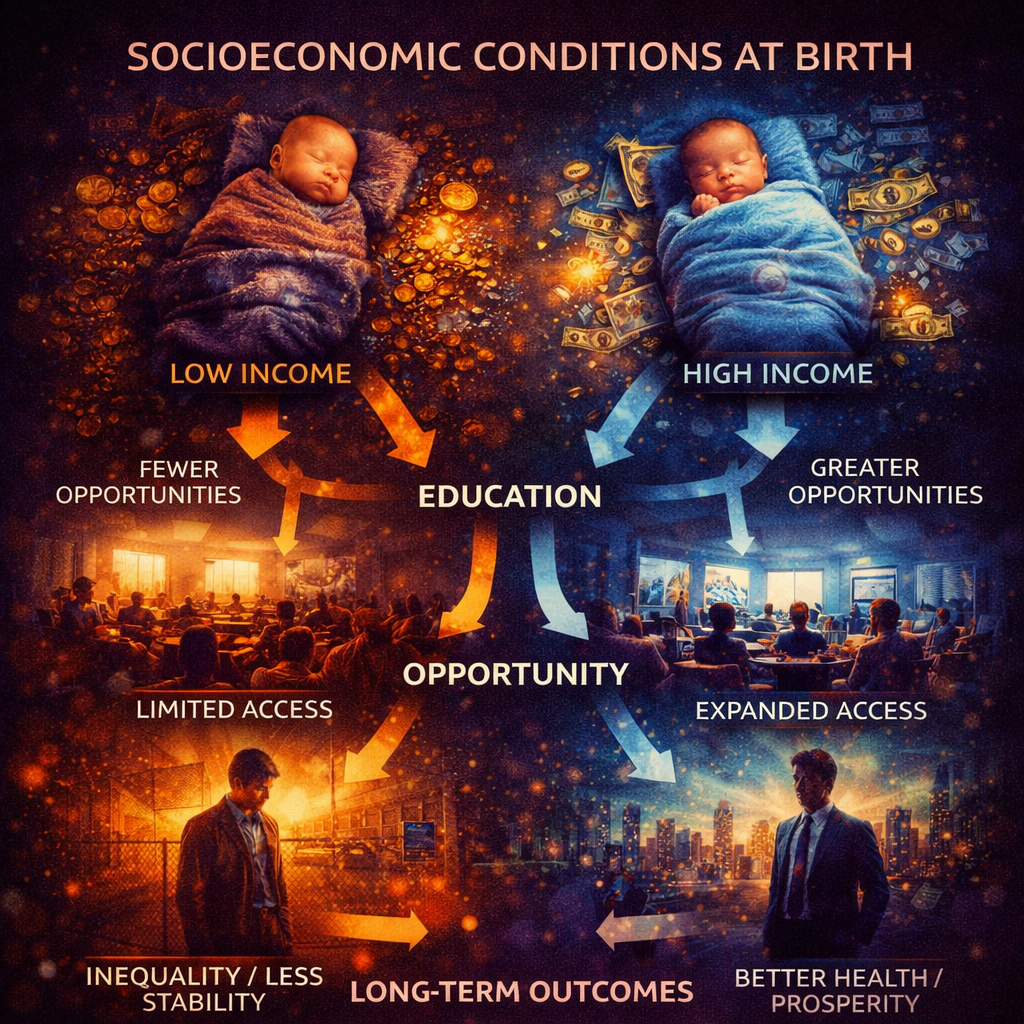
Jesus. Yeah, man. That's great. Which brings me back to the human rights conversation. Right. It's like the first part of the UN Declaration of Human Rights talks about, you know, basically, no matter who you are, you're born free, you know, okay. And, have dignity or unalienable rights. Okay. You know, I mean, I can pull my phone and go through them, but, you know, you probably don't need to, but this idea of, like getting rid of the womb lottery is a really interesting idea because like, the womb lottery is like, where is the reality right now?
Right. Only the well-heeled. Good to have kids, so to speak. Oh no no, no, I mean like the, the the the the womb that you came out of. Oh it's a really determinant on where you, where you, how your life goes, where you start is where you in the own ultimately kind of, you know, and so like womb lottery is a good, good way to say it because, you know, you just happen to be born from that vagina.
Yeah, right. And, good for you because you're an upper, you know, an upstate, in New England somewhere where the property values paid for good schools or social safety net was so tight, nobody ever fell through it, you know, there we go type thing. And so you won that one lottery. You came out, you know.
Right. You were able to network and connect with people. It wasn't skills, it was who you knew. And ultimately you got coming out of college. You got a six figure job, you know, this and that. Sure. And there's this. Like there exist these, you know, people that just, like, manage to pull themselves out of their bootstrap by their own bootstraps.
And there are transcend their situation. But it is it's those are few and far between. Yes. Unfortunately it's a rarity. Right. So the womb lottery is basically the current state of affairs for, you know, you know, what kind of rates you're going to experience in your life. Looking at myself, I mean, okay, white, Protestant, lower middle class is what I was born into.
You know, that's not very far off from where I'm at. Fair enough. I want to try walking straight down there. The street? Yeah. I'm with the culture. Just the other day because we would want. Thank you. Yeah. This is, a trust, a doll, a mural. Yeah. Yeah, I remember seeing it. Yeah. And, that place is good as hell.
They had, sauerkraut soup for, the Ukraine. How many heart points are there? Oh, it was probably negative ten, I don't know, but you get 20 back because of circuit court. Well, I think I think it was good because it was, you know, stewed veggies and and cabbage. There was no meat in it. There's all veggie.
Awesome. So I just heard on the radio on the way over here was something like $500 million in military equipment to Ukraine. Damn. You know, I heard was one of the things in particular we're bringing over there are these 24 inch dive bombing drones. Beautiful. That's all we need. Right. So, so, like, you know, if America was in Iraq, let's say, and doing what we're doing over there, and we found out that Russia was putting giving drones to, you know, Saddam, how would we respond to that?
Oh, it would be insane. So, I mean, are we walking a fine line here? I think we've already crossed a line. We've danced on it. We've even probably defecated upon it, desecrated it in many another way. Is it good idea to take the nation that has more nukes than any other country in the world, on the fucking planet, and make them mad and be poking them with a stick like this, right?
And not only are we putting them with a stick, we're screwing with their economy. They're just about to default on some loans. So today or. Yeah, I think it's today they have $115 billion of, our, debt that's tied to the dollar that pay in dollars. Right. But they don't have access to their money. Well, they have the money.
They have money. They don't have access to it. They don't have access to that. All of their foreign currency reserves. It's like $160 billion in foreign currency. They can't access. Well, I mean, I guess we just have to, like, be hopeful that the people that are calling these, geopolitical, you know, moves on the chessboard are know what the fuck they're doing.
Our grandmasters. Right? And not just, you know, they're not Stockfish up against AlphaZero. Yeah, right. Right. That was a great, great way to put it. There we go. Like there Stockfish. So they know that they're fucking awesome. And they, like, can be any human but don't realize they're up against AlphaZero. Right. And okay. But if anybody's going to be AlphaZero in this game, it is Russian because, all right, you're being run by a guy who's been in power in a very harsh environment for, what, 20 plus years?
And on top of that, for decades he ran various intelligence agencies and all. I mean, the guy has to be a chess grandmaster. Yeah, or at least know the people that are right. You know? You know, it's interesting if you if you were to put, 50 grandmasters in a room like chess grandmasters. Right. And you have them play against a single grandmaster, right?
You would think that every time the 50 grandmasters would trance, like, totally stomp the one grandmaster, right? But it turns out that that's not the case, because the 50 different people each have their own individual ideas about how to best attack, how to best defend, right, what the strategy is. And so even though they're all experts at chess, they'll have competing ideas about what's the right thing to do.
Oh, and also you're you're taking the human element out of it. Isn't that the person who's been going up against whom and react that to and person they're going up against has a unified strategy? Yes. Right. Like, so what I'm getting out there is that, you know, perhaps having this dictatorship to where everyone lines up underneath him creates that unified strategy, whereas we have the world trying to do the countermeasures, you know, maybe too many good ideas in the room, see, and we might not see exactly what's happening with the unified strategy, because there you have the opportunity to be way more subtle than we do.
We have to do things that are two degree on the global stage. I mean, you know, sure, it was a calculated move that we tell people what was in the weapons package, right? Yeah, yeah. But still, there's just certain things you can't keep from getting out. Whereas with yeah, like like shooting footage, like footage of unloading the gear, you know.
Right. Like that's hard to get around. But so, you know, that whole idea of this, like, global brinksmanship and, and what these nations are doing, going at each other and all this kind of stuff and all this territorial and resource disputes and all this kind of stuff. What's absolutely amazing at the end of the day is this kind of might makes right mentality of the world towards the United States, right?
So like our track record is horrible. Like we're the only country that's used a nuke on a civilian target. Yeah, right. We're the only country that's the only we're the only global superpower, right? We I mean, just looking at our track record, we shouldn't be trusted with big decisions. Yes. If everybody, everybody in the world lives, the lifestyle of the average American, the world would explode overnight.
Like the resources of the world would be almost instantaneously consume. Yeah. And so, like for us to have the lifestyle, the average lifestyle that we have here in the United States, for us to suffer others have to have less. Right? Yeah. And, well, it's just one like one data point here, the number of vaccines that we have available.
And we're being encouraged to get a full shot. And there are so many good shot now. Yeah. And there are many countries that haven't even had their first round, you know. Okay. Well we have a particularly difficult time with Covid. We've been on that front. Come through for so long that we might you might might need n number of shots inevitably rang true.
But ultimately I guess what I'm saying is we're taking an outsized portion of that pie as well. Fair enough. Yeah. And, you know, we're just like this pig gobbling up the resources of the earth and shitting everywhere. Yeah. Really, though. And then, you know, telling everybody else in the world, you can't do what we do. Yeah. Or, you know, here's what you, you need to do, right?
Here's what you can and can't do. Right. These are the boundaries on your life. But we will run roughshod and unfettered over everything. Yeah. And it's like the idea that the world tolerates it is kind of weird. Yeah. It's almost like we have this, I don't know, for lack of a better term. It's almost like we have, like, a nobility factor or some type of, like, decree from God factor or some kind of, you know, like, king status.
Yeah. I mean, obviously our military has a big part to do with that, but I also wonder if it's to some degree, malicious compliance. Like, everybody loves to think. Yeah. Yep. You guys are top dog, but none. But really, in a thousand small ways we're being undermined or limited. I don't know, what are we. That's a question. Yeah.
Yeah I kind of hope we are. Yeah. Well this this kind of like open power okay. So you know China is doing a big crackdown. Very, very conscious, very upfront effort to control through culture, social media, access to digital media, access ideas, access to information, propaganda, etc. 100% right. That was right. Yeah. Well, the United States has maybe the best formula, okay.
Because the best prison is the one that person doesn't see the bars. Okay. And so keep them dumb and poor, I don't know. Well kind of right. Keep the keep the information stream flowing the way that it does then enables you to pull the strings and all of a sudden change the belief structure of the people. Right?
To almost anything like, you know, we've picked on flat earth a bunch of times, you know, like this idea that like, unfettered access to information to someone going into that, naive to that, to the structure, to the infrastructure can be very rapidly swept up into a belief, narrative. Right. Or swept up into a misinformation narrative that creates actual beliefs that are false.
And this person, which then leads to like, legitimate action in their life. True. And that action can be not just at the ballot box. That action can be like January 6th. Yeah. Right. Yeah. I mean, January 6th happened because of misinformation. It did, it did. And so it happened because of a small groups, you know, grasp of that misinformation, whether or not they controlled it, they were able to divert the flow of it.
Right. And so like in, in the, with the, with the guardrails up, like in China, that stuff is not allowed to happen. Right? Right. But an American source of truth. Yeah. In America you have this potential for, really clever, diabolically clever, use of that misinformation pipeline, okay. To create almost any action of the people, including like, go to war, go, or, you know, nuke, nuke an enemy target or, you know, on and on because you can almost convince the American people if anything is what I'm getting.
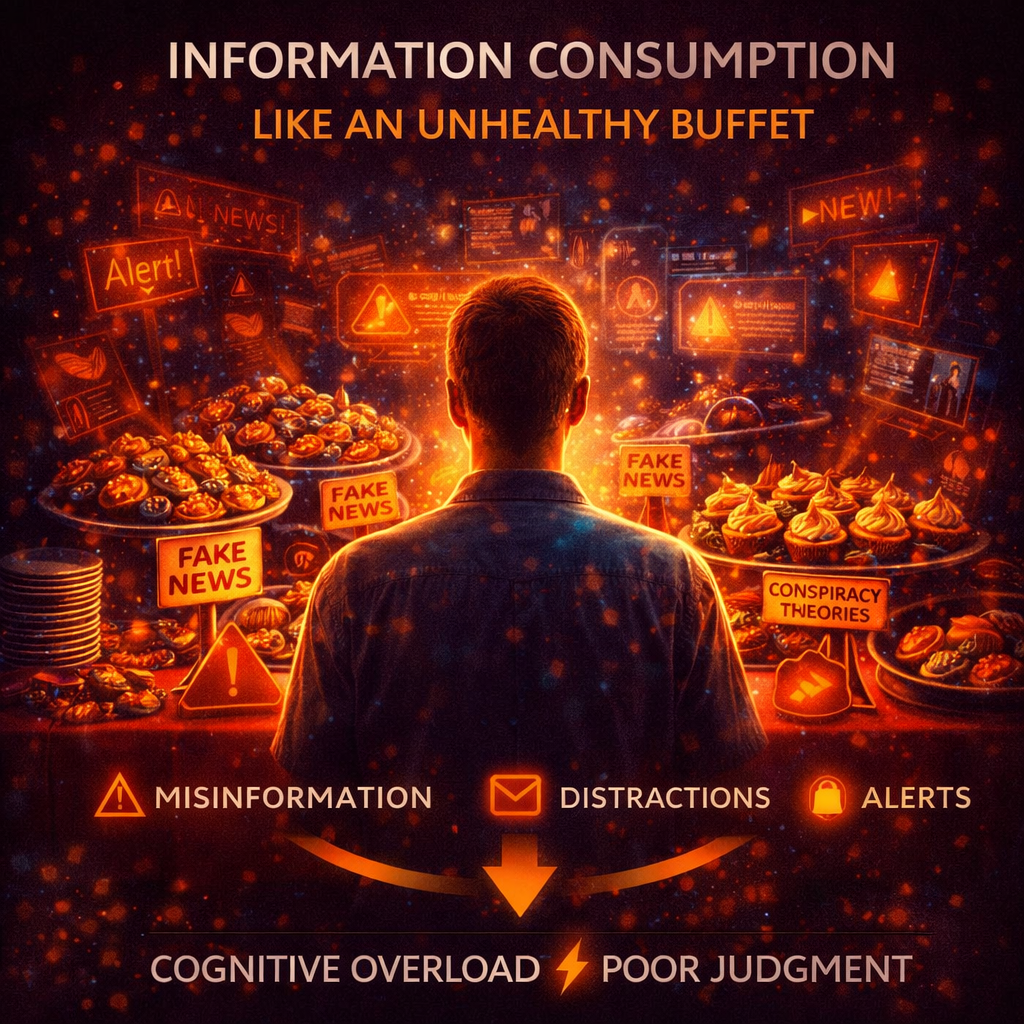
Right? Right. You have you have the reins of, you know, public opinion. You control it, you point the head where you want the horse to go, right? So like, you have the American at the, at the buffet, right of information. And that buffet of information is nothing but like toxic food, right? Like bad food. Like like the buffet at a Chinese buffet, you know, it's like everything is fried.
You know, everything is super high calorie, oily, unhealthy. Right? Right. And the person like, feels has the feeling inside emotionally feeling. But they're free to choose, right? Yeah, I'm free to choose what I want to eat. Okay. And so inevitably then if I get sick, it's because of my choices, okay. Not understanding that they were brought to that buffet.
Right? You see, right where their choices were loaded from beginning. Yeah, right. So if we're going to limit choices, why not make them be good choices? Yeah. If you're if you're going to limit choices, why not make it. Why not make that, be by default good choices, healthy choices. Right? Right, right. If you're going to if you're going to go about limiting anything at all, okay, why not limit it in the in the positive is what I'm saying.
Make sense. You know. So I don't necessarily know if China has got the wrong model here. Like you know maybe it does. And we have a different wrong model. But I'm pretty sure our model is not the right model. Well, I guess what I'm trying to say though, and I keep going back to this and this might be totally wrong.
This might be my, the fierce independent streak coming from having been born of Appalachia. Sure. But, I heard this guy is like, like, freaked out that there's two people walking around as part of this term, right? But ultimately, you. I am not a fan of knowing that things will be skewed towards. It's kind of like you talked about the government made the wrong choice for us for generations as to how the food pyramid should be organized.
Sure. Right. So I have just as much faith that if they were to, quote unquote, narrow my choices to the good, they would fuck that up to. Right? Because there's a corporate there's an industrial complex, corporate interests involved with skewing that because that translates into dollars. True. You know, so we have the we have the greed and consumerism and capitalism, you know, bias is the car structure, because by default, I mean, there's a couple of different ways to approach capitalism.
One is humanistic. And give me an example. Well, one like you bring I'm not trying to call you out. I'm just saying I want to know what you mean. Okay? I mean, for example, Mark Cuban has a cost plus drug company. They starting out, and the idea is he takes drugs that are very expensive on the up.
The market creates a generic of them, and, you know, only takes like a 15% markup. Okay. Okay. So what is how is this humanitarian capitalism? So he is the how they pick the drugs is what will have the greatest societal impact. What what is what's being bid up by pharma bro's as being insanely expensive? Like, say, there's a pill that treats, you know, malaria or something and you only need four doses.
Yeah. And method Mexican. There we go. So no shit. Another rabbit? Yeah, man, I thought we were another two. But, yeah. So that. All right. Mythic win. Right. All right. So he's going to make a generic on this thing and, you know, take a minimal amount of profit, quote unquote. And then, so so this isn't just using that marketing angle to make it sound good, so that like now you're talking about it and that's like free public.
I mean, you know, isn't that 100%? There's a chance that that is what's going on. But if people ultimately benefit because you're not being a profiteering glutton, why not break, break even then? Why 15%? Because like we've already said, we're in a capitalistic society. The definition of a business. I agree with you. Break even I what if you're if you're paying for all your infrastructure, distribution, production, infrastructure, employees.
Sure. What's wrong with just break here? I don't have a problem with it. I don't you don't? Yeah, but Mark Cuban is a fucking billionaire, and he wants to make more money. Yeah. So? So I don't really necessarily see this by default. I'm very skeptical of like this is just a good marketing. Right? Right. And it might very well be what is the company that is spinning up employee owned.
No. Okay. Well then wait a minute. Yeah. It's him and some type of medical prodigy. Just good marketing, brother. Yeah. No doubt. But what I'm trying to say is, ultimately, this will be a beneficial thing. It's the lesser of an evil. It's a lesser of an evil. It's. It could be argued one is thinking more about the human being here, but really, you could just say, hey, it's an underserved market.
And we're going to yeah, let's change the language, soften it in different ways. Right. Advantageous to our position. And, and you could say, well, these people who need this pill, they can't pay the $75,000 that the treatment normally requires now, but they could pay 25. So let's get in on it. So let's get in on it. But regardless, what I'm trying to say is.
If you do things at least with an ethos and, and a mission statement that is aligned with giving a crap about people. Yeah. Okay. Well, well, I'm going to I'm going to tie two things that you said them together, okay. One is your, your, reverence and unbridled hatred towards billionaires. Oh, I'm so goddamn lutely fuck them all.
Hell of the day. Take their fucking money. Spread it around. I don't give a fuck. All of them need those kind of loud. We're gonna have, like, house lights coming on. That's okay. Sorry. No, that's all right.
But let me reiterate. Fuck billionaires. Yeah. So, Mark Cuban, you know, as a billionaire. So you think by default you're right attitude towards what he's doing would be like just another fucking greed scheme right. There are I mean, you know, it could be the personal marketing of certain billionaires, but certain ones I hate less. I see, I see they're running on a gradient.
Yes. There's a gradient of hate. They're on the gradient of hate. You know, it's. Yeah. You know, I don't have any kind of idea towards billionaires, in general. You know, I've been kind of groomed in the liberal academia world of to think that, like, you know, money and greed are the source of all evil. And this is, you know, we got to be moving to some derivative of socialism, right?
Yeah. Right. And a lot of that stuff lines up with my personal beliefs. And the thing is, my deep seated hatred for billionaires really aligns with what you say. It aligns with your it goes along with your internal ethical drive. Right. Because, yeah, because you know that you can never be a billionaire. Because if you were, you would, you know, you just feel so compelled to do something positive for humanity with that money that you'd be locked in.
But also it goes with that whole cycle. Yeah. So you couldn't be a billionaire, right. But it, it, I find for the same thing you do just that different impractical way. But I, I want to storm the Bastille, so to speak. And you want to create change from within, which is the more sustainable way. Yeah. So I want to cut the head off the dragon first.
Yeah. And then go back and do what you want to do. Yeah. That's the problem. Like with history serving as a guide when people stormed the steel, you know, typically for quite some time, what takes over is worse when you have a power vacuum. And the thing that fills, that has been waiting in the wings hungry and drooling and is going to be horrible.
Yeah. So you can get to a point with that where, you know, no good deed goes unpunished. Like the highway to hell is paved, road is paved with good intentions that idea. Right? I mean, I agree, so I would I would love to be in a position in my life and it might be completely impractical. To be honest and realistic about it is like I might be past the time window where I'm going to create like the best thing I can possibly create.
I don't know, maybe not. Maybe it was through my maturity. It's finally enabled that I don't know, right? But if I was just if I was going to bet on it, you know, I would bet that my prime is probably past. But as far as what I'm going to be able to accomplish in terms of changing the world, if you you I stay, you still keep trying striving, pushing.
Yeah. I mean, I know you're going to encourage me. You're my friend and you know, you have a you'd like to see some of the same things I've been talking about. Yeah. I mean, okay, but I'm talking about realistic here, right? Even if you have diminishing returns, at least you have returns. Okay. Fair enough. But, you know, I'm, I'm mired down with my children, and, you know, not that I would want it any other way.
Right? But, you know, my family life, my children, you know, there's so many things that just are drawing there. No smells good. But you're right. Right. Frying bacon. So many things that, you know, take your time, take your energy. Yeah. That redirected. Yeah. And so you know you throw all those variables into the equation. And it's probably lowers the probability that I'm going to create that thing that changes the world.
Yeah. Yeah. But it doesn't mean I can't try. Right. And maybe like the optimism keeps me going. And that's the thing. I mean, and you're not you're not working in a vacuum. Sure. Everybody that you had contact with, everybody that you spread this, these memetic ideas to these viral, these ideas with a viral quality that carry with it a sense of obligation and understanding of oneself and society.
All these things they, they that's the nice things that the anything you build will go beyond. You will live well, outlive you will. Yeah. There's a ripple in the pond kind of, metaphor I can think of there. Yeah. You know that maybe you put the right kind of influence on a certain number of people that then went forward and change the world, right?
You know, I hope so. That's I would love to believe that is true. And you got to say, you definitely change the world by creating a ripple in the pond. You know, I guess that's ways of changing in the world. I still my mind keeps coming back to social media. Social media, social media. Yeah. But, well, it's a it's such an amplifier.
It's think so? One of the greatest technological amplifiers that we ever know. Right. Force multiplier. Yeah. Yeah. And so I'm thinking like, you know, social media built for the for the right purposes and the right reason can be the determining factor. Right. Like not just a way to tamp down and tamp down misinformation because the current the current, array of social media options that are out there right now, right, are the biggest conduit of misinformation getting into people's brains, causing their beliefs to change.
And oh, to play devil's advocate, I'm not going to do this to you, but the very thing you applied to Mark Cuban's Cost Plus drug company could definitely be applied to your social media right. And that yes, I and I'm trying to say you're you're doing you're wanting capitalism with a humanistic bent. Right. Well no, I'm not looking at it from like, how much money can I make?
No no no no. But you're wanting a self-sustaining thing that does make money that continues to help, right? It has to make money to thrive. And continue to. Well, right. Because there's a there's an infrastructure cost to creating this thing and to rolling it out and having it and maintaining it and adding features to it and adapting to an ever changing society.
Blah, blah, blah, blah, blah. Right. That's a that's a huge price tag. You know, software development at that scale is not, you know, not cheap, not a cheap endeavor by any means. So, you know, thereby, I think, I think you're what you're doing is the best example of what I'm trying to say, that you can have an endeavor that doesn't just sound good.
On the marketing level, but actually is impactful and tries to help, tries to empower, right? Yeah. For sure. And, yeah, I mean, no doubt about it, that isn't the model. But, you know, I, I don't see anything in the whole entire thing, like through the lens from which I'm viewing the thing. I don't see any dollar signs anywhere.
Like, I'm not seeing anything like I'm going to be a billionaire. As a result, I, I see if this thing is properly run, it makes on the order of several million a year because it has to live, right? It has to. You have to have some kind of war chest. One of the. They gave me that a bigger scale.
But yes, but yes, you're right. But oh, I think this would be a multibillion dollar company. No, no. After 50 years, it's not, you know, I mean, it's not going to be a meadow where, you know, or Berkshire Hathaway where your shares or $500,000 apiece. Why? I mean, it could be, but I mean, all these ideas start in a dorm room with nothing, right?
Right. Nothing. But, you know, from, you know, so this is coming from a totally different sense, like you were trying to say that, you know. All right, this is what you do. You continuously calculate what is quote unquote breaking even and sustaining it. And then I have a foundation give away the rest. Or do you be like the rest of them and amass all these resources and hoard them?
We know my vision. We put the resources back into making it even better. Constant continuous improvement. Right? Right. Which I'm saying, I mean, a majority of the resources. Yeah. I mean, and then you take, I think, a really good way if there was like, okay, so imagine some kind of massive surplus, right. I think a good use of a massive surplus from something like this that just exploded, went viral and got huge right the morning.
And morning. Good boy. Okay. Would be, you know, remember we talked about before, like, these stock investment portfolios where you can invest in, like, companies that do a specific greeting, investing or whatever. Yeah, like ethical investing to where basically you, invest in, let's say, 50 to 100 companies. And ultimately that is the most sustainable thing is careful reinvestment, so that this thing live so that it has an endowment, so to speak, like so many other things, have done great work.
And so then the people that contribute to this whole system in general, like that, open up their wallets and pay into this to, for, for the services can know full well what those what that money is going to into right. It's going into making this better for people. Right. Unlocking human unlocking human potential through this incredible power of social media.
Right. And then at the same time, actually excess capital like it's generated from that goes into investing in companies that are doing green energy and and maybe I'd even wager to say savings that really, really help to is furthering other things that go along with your agenda. Like maybe pilots of universal basic income or, you know, donating a few movies and media, trying to create it, trying to create an, a, a human rights zone that's like legitimate human rights.
There we go. How how can that be actual, real, safe spaces instead of just a place with a sign? Yeah. There you go. What, like the marketing angle and safe places? Yeah. By the way, that safe places like logo looks creepy as hell. It was. It's like some big bohemian guy. Like like a like a like a big Catholic priest or something.
What? It looks like a Catholic priest about ready to go in. Molest me. We're a giant man shaped amoeba about to engulf a small child. I don't know. Yeah, something about it just doesn't work for me. You think it'd be some kind of different? You know? Yeah. It's like, What time? What time is bedtime at at, another what's called Neverland Ranch.
Michael Jackson's Neverland Ranch. No. That joke. Yep, yep. You heard that joke before? I have to say no. The punchline? Yeah. When the big hand touches me. Yeah, that's sick.
Did you imagine if Michael Jackson wasn't guilty? If he wasn't guilty? Yeah. Saintly fellow, but he's guilty, you know. Could you imagine at the end of the day, like, if it came out somehow, like, conclusively that he didn't ever do anything wrong ever to anybody? Like what a what a what a wicked thing was done. Damn it. True.
Oh my goodness. From his father on. You know I won't. I heard this Jordan Henderson. You know that guy? Yeah. The guy who, from Ontario or something. He talks about, compelled speech that, I was thinking of a different guy. I think of a guy who also the Scott Peterson. Not. Well, yeah. I was thinking of a you,
Yeah. Did a bunch of messed up stuff and kill people anyway. Go ahead. Oh, I don't know about that guy, but, anyway, there's this guy that's gotten a lot of popularity, lately, I don't know, lately, but he's he's become like, you know, a YouTuber, like, internet startup type thing. Yeah. He's kind of like, intellectual.
That seems like he's against the social justice warrior, you know, type person. Okay. And his his whole, like, launch into this was his, very adamant opposition to a law that was going to be, put in place on the books that forced, compelled speech, like having to use someone's pronouns. Right. And so I think, like, amongst a certain echelon of society, he's kind of championing this.
Yeah. Sticking to him kind of kind of. Yeah. So energy. And he's intelligent enough to come up with cogent arguments that, well, at least on the face of it, seem to hold water. Oh yeah. He's like very articulate. The language that he uses seems very confident and sure of himself. So it's easy to get behind his ideas because, you know, it's like, they seem strong, you know, and people like that.
People like to get behind someone that seems from. Whoa, you know, especially if it actually aligns with what they think is right. And he comes to any kind of discussion or debate, you know, with his whole specialty in mind, like to the hilt. Yeah. Ready to go.
I'm sorry. I'm sorry I let us onto this, like really loud traffic. Yeah. I do not mean to do this. I mean, it's not like you do. Yeah. We gotta we gotta, like, maybe come up with, like, a fixed route that, you know, only annoys. Yeah. Only has the occasional car. If I was listening to a podcast and just had, like, zooming sounds, I don't know, I might not bother me, but I can imagine him bothering some people.
I definitely could. I could see how it could break someone's state of flow and attention. Yeah. And like, as you can see, to some extent, ours. Yeah. If you're talking about the car. But anyway, so this Jordan Peterson guy is like he has a lot of compelling arguments for a lot of things. So he's made quite a bit of money in this.
And you know, I'd have to have to say certainly ego boost and all this stuff from all this attention and yeah, yeah, I'm sure he's put strange pressures on him. Yeah. But anyway, he obviously makes somewhat what most people probably say, some pretty, pretty decent arguments about a lot of things. Sure. No, I can I can cherry pick a dozen things that he said that I think are fucking retarded.
But no doubt, I mean, if one was to have the same level of preparation he has, you could poke holes in his argument and you could, you know, refute everything he spews. Yeah. He's never had a discussion with somebody like me. There we go. And, but at the same time, I don't think I would, I would, I would like misalign myself with him because I agree with more of what he says than disagree.
But anyway, so he put forward this one podcast you had this guy on who was a voice actor or something, and I came across it on YouTube and I had it playing while I was doing something else. And, but I was being tune of my attention to where I, I have a pretty good understanding what the conversation was about.
And you're talking about.
This nightmare scenario where a wife or a woman, you know, that you're have a life with, reports and reports you to the local authorities as being, a person that's about to do something terrible to the children. Okay? And next thing you know, the police are at your house. Social services are there. They're taking your kids away from you.
They're putting you in temporary detention because you're a possible threat. Take away your firearms if you have them, you know, etc., because this person decided to, whether it's true or not. Well, of course it matters whether or not it's true. But, you know, what's the scenario that a scenario that is not true, right? Someone who has authority and holds sway over those children accuse you of misusing the order set.
You're saying position right? And so, especially with the, the whole masculine feminine thing. Right? So like the idea is all these masked men, male police officers stalking your they feel like they're white knights, right? So saving these children from this, this brute. Right? Right. Potentially like being murdered by this crazy, deranged father, which I mean, okay, it'd be different if those things didn't happen in our society, but they do, right?
And so the off chance that the the. I don't know what the city's got, but the chance that just some lady does that to some guy. Right. And completely untrue, let's say. Yeah. Yeah. It's not like a Bret Hart situation where he does kill everyone. Oh they have. Yeah. This wrestler probably had CTE, right? Rage, roid rage. You know, chronic traumatic encephalopathy, you know, brain swelling, whatever.
The guy had something wrong with him. He killed everybody, including his, mental, his, mentally handicapped son, and then himself and himself. Jesus Christ, that's a tragedy, right? Okay. So there's there are sensibilities in society. You like, you know, a parent going having a mental episode of harming children. Sure. Yeah. Right. Okay. That's been played. And so we want some kind of safeguards in place, protocols to like, rescue or otherwise keep the children safe in that kind of scenario.
Sure. Right. But let's not dismiss the idea that a lady can just call up and do that to a man. Right? You know, that's I mean, if that's what it comes down to, that is like, first of all, sick as hell for her to do that. Yeah. Right. And but second of all, oh my God, it could lead to the very tragedy that the person struggle, you know, claim exists.
Right. They could you could the right sort of personality. The guy could hold himself up in the house with the kids and guns. Yeah. Right. And create the exact episode that, you know, is falsely or falsely reported. Yeah. Yeah. So, anyway, yeah, I feel like it's a Las Vegas on the streets. This is traffic is ridiculous. But, anyway, so I can't even imagine living on the street on purpose.
This is in the morning, and that's during the day. Well, we talked about light pollution before. I mean, noise pollution is another thing. It's like a real thing. Oh, 100%, you know, and you can imagine. Like what? You don't realize how unsettled you really are, right? Throughout your day. Yeah. And throughout your life by all the noise pollution that you just move to the background.
Yeah. It's like whenever I go to my friend David's house and our friend Noah's house, one of the things I notice, the lack of noise, you know, and I guess once you get so used to so much noise, you can be unsettled by the lack of noise. Yeah, because it's like I'm. Well, now it's usually a different, unusual environment.
Usually what it does is when I recognize it, I immediately leave. I'm like, yeah, there's no noise. You're human nature is taking over again, right? Yeah. Like my ears can do something. Yeah. I can actually be in tune with my environment.
Yeah. If I, if I were to analyze my just like, I mean, one thing to do one day is like, put a little decibel reader on and just see the ambient noise in your environment. Yeah. And have it have it just create a score for the day and get a sense of what that is and be like, Holy shit, my my life is filled with.
So much background noise, how can I even exist? And it's like, you know, your your mind, field filters for whatever is ever present. If pain is ever present, if noise is ever present, whatever stimulation is there, you build up things around it. Yeah, I love these. I love these like abnormal solutions to abnormal problems. You know, like,
Gordon, I was, Megan, ask me to watch some, Kitchen Nightmares stuff with her, last night. So I watched about an hour of, like, Gordon Ramsay stuff. Oh, shit. Not that I, you know, I don't I would never usually watch Gordon Ramsay. It's not really not that that into it because, you know, his model is like pretty clear domestic abuse.
And then he comes up. He's like a domestic abuser. Right? Right. So like he starts off with, you know, you fucking cunt, you know, cussing at him and you know, telling them they're fucking stupid and they're all like yes chef. You know right. Subservient to him or like they're brazen. They try to like put up this big front you know and then he annihilates them because he's a professional chef and they're stupid right.
Because most of the time he's actually right. They are being stupid. Yeah. Now, maybe he doesn't need to tell them the way he's telling them, right? Right. That's the theme, right? So he abuses the shit out of them. Then he comes back and like, restores their whole restaurant, like, renovates the fucking place. And, you know, like, sets their whole trajectory.
He brings in a new crowd, does marketing for them. Right? Right. So it's like it's like bringing the flowers after you beat the shit out of it. Oh, it totally is, you know? So it's like just domestic violence with a different around the kitchen. Right, right. And a business. And I wonder if the character he plays or if it's, you know, the way he is.
Yeah. So this is what I mean about like making unmaking solutions to problems that are just created problems like. Right. So in this particular episode this guy is using like this, this, lamb shank. Right. That's in a freeze dried pack. And that is like filled with preservatives and stuff. And he puts it in the microwave and then he, like, puts it on a nice plate and serves it.
And it is an expensive this to his customers. Right. But it comes in his backpack and it's. Yeah. Yeah. It's like not even, you know, real food, you know, type of thing. It's just all preservatives. And, you know, whatever the chemical shitstorm piece of meat, not the piece of meat. Right. And so Ramsay like, you know, comes in and says, you know, this is the fucking cunt, you know, tells him he's an asshole.
And 20 ways to Sunday. This takes like I think shit yeah UK around don't fuck it. Yeah uses that looks at the ingredient list on the back and like you know makes him to blame for all these ingredients in the, in the thing. Right, right. Whereas really it was just he saw a convenient shortcut and he bought it.
Yeah. He's trying to what he thought was a good decision. But you know in in Ramsay's terms it was a bad decision on all these different levels. And so he's like beating the guy with it right. Yeah. And maybe rightfully so. So to solve the problem right. He like takes him to this local butcher. And you know, I wonder how pissed off these people would be if I came to their book to read a book from their library and just hung out all day.
Oh, I think that they wouldn't mind at all. Oh, I think that's probably like a way that they something they'd love to see happen. Well, I'm gonna do it. I what we should do it. So anyway, he takes him to this local butcher and like teaches them about the cuts of meat. And, you know, the butcher is, like showing him the craft and all this kind of stuff.
And Gordon's, like, holding this, like, lamb shank, you know, in, like, it's beautiful looking piece of meat, you know? And, the reason I'm saying this is like, a solution to a nonstarter problem is like, we should be talking about, why are we eating a lamb fucking like, right? Like, just leave the lambs, keep the legs, and let's eat something else.
Right here, you know? And so it's that's like, remember I was talking about a Rube Goldberg society. That's that's an example. It's like we create all this complexity so that we can have a lamb leg, you know, and then people criticize each other, talk about the quality and, you know, hash out, you know, all these things that have economies of it in like, different establishments for butchering up this meat and like, what the fuck?
What? Why isn't anyone just saying, you know, do we have to do we need to eat only one? Okay. Like, ours are like other things that we can eat tonight that are like, way better for us. And so we're saying things that might be more sustainable, less complex to deliver. Oh my gosh. Yes. You know, it's it's like we've created these false requirements, you know, like software, you can make a piece of software.
And if no one's allowed to ever challenge the requirements, you're going to end up with a Frankenstein monster at the end of the day. Yes. Right. So it's like lots of people need to have the ability somehow. So like transform society by being able to, to pull themselves out of the weeds and look at like and ask the question, what are we really doing here?
Right. Do I want to participate in this in this way? Do I want to wait? Right. Let me be given basically an opportunity to reset themselves and assert free agency. Yeah. So the butcher even like so the butcher is like carved out a living hell. That's a good one. Yeah. Butcher has carved out this existence by, you know, cutting up, cutting up animal flesh for sure.
Right. Like. And what I mean, by the way, we might disagree on this, but I think animals are delicious, you know, so I appreciate the butcher skill. Okay. So you also think Jesus. Good. So I do. So have you used to simply been attenuated to the food. Well yeah. Yeah. I mean sure I could eat less meat and I try to do a lot more vegetables.
You know. But it was like the other day whenever I was saying I had the Sarah Kraut soup. That's what I had for lunch. It was nothing but veggies and I had on top of that. And, got, tomato and, what else? Some like, some more celery, a lot of things, but. Oh, I can tell you, Shaun, is the science is really clear.
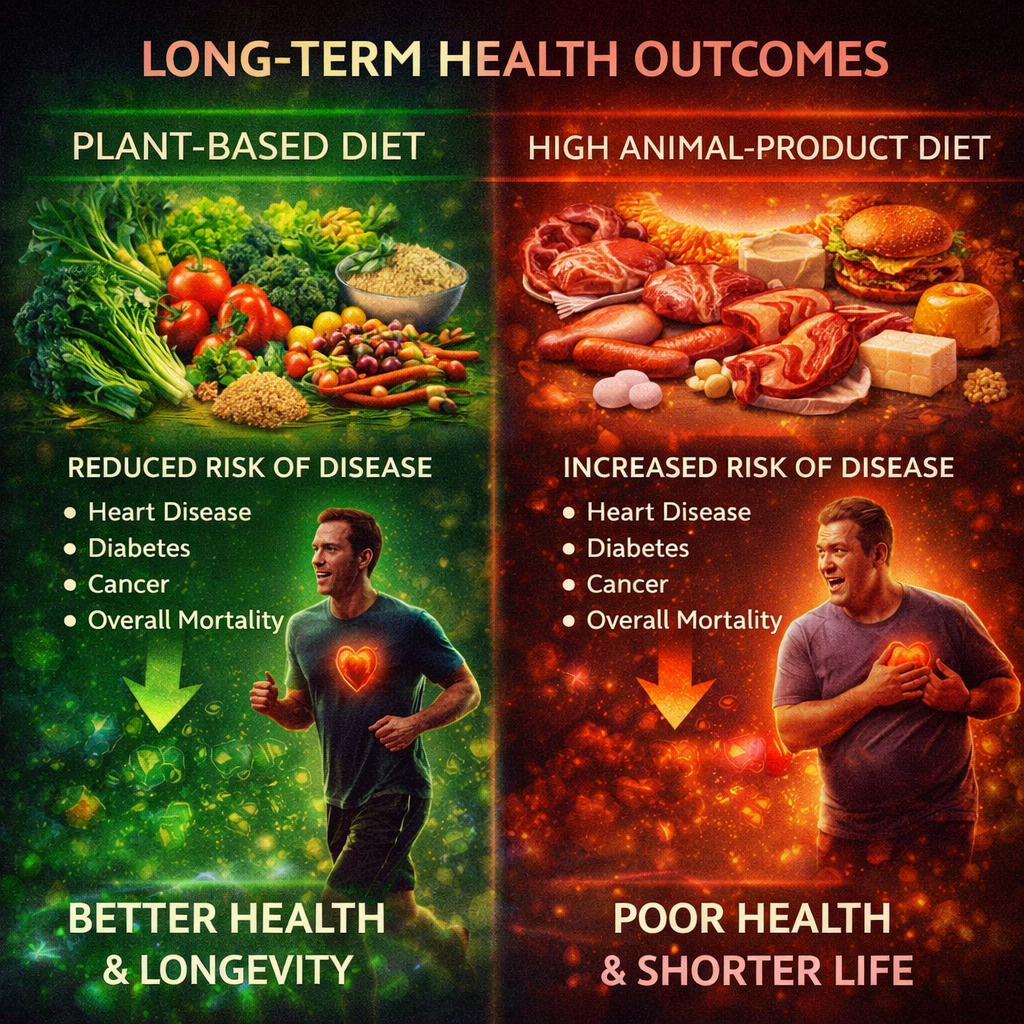
Like you eat a high animal product diet. Yeah. You're going to die early, you're going to get heart disease and you're going to suffer. And then that just makes sense. It really does. And then all the all the evidence is out there, how these animals are treated and your consumer dollars is feeding into how I get count myself to this one.
Feeding into perpetuating that cycle, that industry. Fuck that, fuck that, that shouldn't exist, man. Like, because I can the science clearly shows that it's like an almost entirely plant based diet is way better for people, right? By far by magnitudes. Right. And it's not one of those things where, you know, you're continually debating about whether or not eggs are good for you.
This is a fairly easy line to draw right and to maintain, right. So if you were to go on to a factory farm and watch the whole process from the feedlot all the way to the slaughtering process, you'd never touch a fucking piece. So again, you've never I, as a child, watched the 2020 exposé on, stockyards. I, I, I was going to eat meat for a while.
No, I was not to church, okay? It wasn't the right. You didn't really see it then for me, because I pretty much looked at it this way. I thought the food was delicious beforehand. So why is it any less notice now? Well, because we go back to that idea. Those are the foods that you were raised up on.
And so you have a natural propensity to want those foods because they're accustomed. You've been accustomed to those foods. Yeah. Yeah. Right. And so if you were accustomed to if throughout your lifetime, if you like yourself was from India and I had much more of a, vegetarian diet. Sure, sure. That's right. I mean, you know, there's plenty of fat Indians out there, right?
You know, but at the same time, there's a lot less fat Indians, proportionately, than our fat American. You're right. Right. I you know, they don't have nearly the issues of heart. But if we look at India, China sure as hell a lot healthier per capita, right? You know, and so just the whole entire thing, the whole moral fabric up and down, and then the whole science of the health up and down to my mind, it's it's it's it's conclusive.
Yeah. Right. Yeah. And so if I'm just going to be a responsible person, a moral person, I gotta get away from here at the very least, doing Meatless Mondays. I never thought of that. But, you know, no, like, majority of what I eat is vegetarian. Like, I occasionally do eat meat. Like super at home from the lunch, the dinner that she went to last night, she brought home, to go box and had some chicken.
I hate it, yeah, but I mean, I could live without it. Yeah, that's the one. I didn't I didn't eat it and was like, oh, I'm so happy. I've talked to a bunch of people about this. I think the one thing I would have problems living without is chicken. I don't really eat red meat. I don't really give a crap.
Well, I don't really like pork either, but chicken? Jesus, that would kill me if I couldn't have chicken. Now I have these, like, like this, like gluten, thing that they can make from flour. That's like an imitation chicken. That's, like convincing. That's convincing. Have you had Satan before? I don't know, it's a, it's kind of like tofu, but it, I think Satan chicken tastes really good.
I mean, I sound somewhat like Satan. I don't know how the hell they didn't see that in the marketing. Right? Like when you said Satan, I just thought of like Satan instead. Like, yeah, it's like CIA to man or something. Oh, I guess spelled out. Is it different for me hearing it said, I mean, it's entirely possible I'm saying it wrong.
Satan chicken. But Satan is what I thought it was with some diablo sauce. Right? Satan fake chicken with El Diablo, of course. Yeah. So I'm like, not saying that you should be a vegetarian. I'm just telling you what I how I understand the science and the moral the moral implications. I mean, I'm with you. I'm not saying I disagree with you.
And, I mean, I think it's an easy thing to support and get behind, and it really would transform. It's one of the things if you could get people to accept it, it would transform society quick. Yeah. Wouldn't mind us both being in our 70s doing a fucking podcast. Right. What are you going to happen with our current lifestyles?
Right. And and I mean, you know, at the very least. All right. I look at my grandparents, my great grandparents. Yeah. They lived into their grandparents currently in their 80s right now. Gramps, great grandparents were in their 90s. But their quality of life, if they had taken care of themselves, would have been so much better. There you go.
Sure, they were still alive. And sure they were still, you know, doing things and participating in life. But, you know, my grandma is like half blind because of, a mini stroke and diabetes. Yeah, yeah. And they're not alone. They're suffering long right alongside so many other people, man. Right. And everybody thinks unnecessarily. Nobody thinks that it's, again, normal, that it's what you have to do.
It's just what happened. Yeah. That's another thing that's sort of talking about the normalization of psychopathy. You know it's strange. Really strange thing. I mean I only have one example in my life, some people that were in their 70s that were running around like they were in their 30s. Well I guess two. Yeah. One. Don't you want that to be you.
Yeah. I would love for it to be mean not to do that. I have to make some changes. Absolutely. But like I said, I. I'm trying to be more focused on vegetables and I can take or leave steak. I don't even fuck with it. I think you could do it, man. I'm going to go ahead and reserve positively geriatric domain.
You know, today, without going into the future. Yeah, yeah. Octogenarians for the win. Positively octogenarian. Go seated. Yeah, man. Have a good day. You take.