Extra content pops up along the way.
Trailheads
Good places to start walking.Chapters
November 12, 2022
Cultural & Social Impact of Social Media
Double-tap the sides to skip 15 seconds
Trailheads
Places to startArtwork explorations
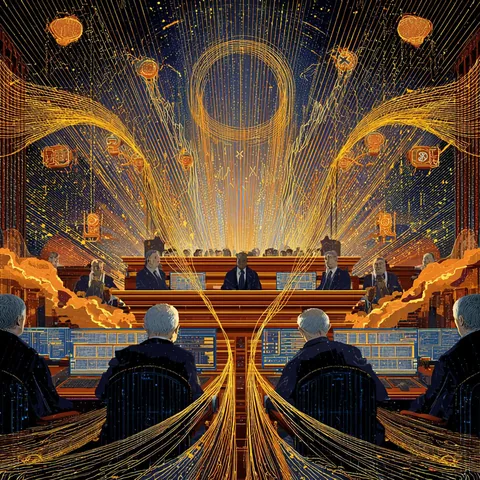
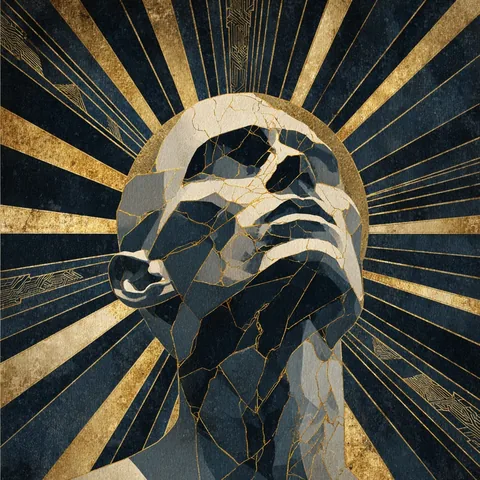
The other takes the image generator gave us, and the prompts behind each piece.
Chapters
Settings
Cultural & Social Impact of Social Media
With Kris Tyte & Sean Snodgrass
In this episode of Positively Pedestrian, we discuss social media's net effect on society domestically and globally with guest Ayman Boukharraz. Social media profoundly impacts culture, beliefs, choices, and nearly every aspect of modern life and is particularly powerful among the youth. Social media built on closed-source algorithms designed to maximize engagement and profitability over health and wellness may significantly contribute to many modern social and cultural problems. It is becoming increasingly known that social media tends to lower self-esteem, lead to many forms of anti-social behavior, and increase social isolation, the exact opposite of what it is branded as. A perpetual state of hyper-consumptive and entertainment may not be our best, and let us hope we have it within our nature to change before we get on the space cruise ship and The Buy n' Large Corporation rues the day.
Share
Detour
Episode description
In this episode of Positively Pedestrian, we discuss social media's net effect on society domestically and globally with guest Ayman Boukharraz. Social media profoundly impacts culture, beliefs, choices, and nearly every aspect of modern life and is particularly powerful among the youth. Social media built on closed-source algorithms designed to maximize engagement and profitability over health and wellness may significantly contribute to many modern social and cultural problems. It is becoming increasingly known that social media tends to lower self-esteem, lead to many forms of anti-social behavior, and increase social isolation, the exact opposite of what it is branded as. A perpetual state of hyper-consumptive and entertainment may not be our best, and let us hope we have it within our nature to change before we get on the space cruise ship and The Buy n' Large Corporation rues the day.
Chapters
Show notes


Episode Art 10 pieces
Full Transcript
So I'm here with my friend Iman this morning. Talk about we're going to talk about social media a little bit. And we're walking on this really unique trail. It's still dark. The sun has come up yet, and, it's foggy and creepy. It's a one day after Veteran's Day. We actually decided to do this on a Saturday.
So, I'm in as a student at Unk. Charlotte, I had an opportunity to talk to him the other day. Really? Bright guy. I figured out how to do a podcast with me, so this was going on. So, to get started, Elon Musk at Twitter, what have you been hearing? Oh, yeah. I mean, I've been hearing a lot.
I know they just put out the blue badge idea that they were trying to push out the blue badge. Yeah, they were trying to get people to pay, I think $8. If they want to have their blue badge. Then they were having an issue where people had fake name accounts and they would just buy the blue badge and then start tweeting some crazy stuff.
Hey, I heard there's like, somebody impersonated a drug company. Yeah. I mean, no, it's some crazy stuff. I seen Elon, Elon Musk, founder of space, you know, he, buying up Twitter. He should have seen that coming, you know? But like, it's crazy because I've seen tweet like tweets of like, space X not official account, but they have the blue badge saying that they're gonna they're going to pretty much embezzle $250 million.
Somebody in person. Okay. Somebody impersonating space. Yeah. Got verified. Yep. Exactly as space on Twitter. Oh, wow. Yeah. No, I didn't hear about that one. I heard about the drug company one where they had some effect on their stock. Did you hear about that? I mean, there was like a there was a few I've seen, I saw, I don't know, the name of the drug company.
I did remember seeing something about, about, pharmaceuticals. I saw a few celebrities. Like these are all, of course, not real accounts. Yeah. But I think what happened is, like, they saw this was an issue. They automatically the next day, I mean, after pushing it out, just they went ahead and ended it. So they they ended the blue badge.
They ended the blue badge program. Okay. And then, Jaysh. Yeah. I mean, it's I think this is just part, part of, like, starting a company and running a company or even radically transforming a company, radically transforming it. I mean, he almost came in. He's pretty much fired all the executives. That's amazing. Laid off 80% of the workforce.
Jesus. And he did a lot of big, big changes. So I also saw that like, someone went into the developer tools inside Twitter's main page and all kinds of errors, really like supposedly some developers out there saying that they may have accidentally pushed some dev code into production, but they got laid off. Well, no, just trying to trying to scramble to get something done, make something work.
You know, like, you know, the typical like traditional development cycle. Right. You go dev test prod so develop and then you put it through dev testing and then it goes up to a test server where the testing team, you know, checks it out. And then then and only then does it get pushed to the production environment. That's like traditional.
Right? Right. And so apparently there's some code in there that's you know, clearly from dev dev environment that got pushed up to prod, which is a very remarkable. So it was Lily and something was a name, something. Lily was the name of the company whose stock supposedly lost billions as a result of. Yeah, yeah, billions as a result of a fake count on Twitter that was verified.
Talking about the price of insulin. Wow. Oh, yeah. It was the insulin now. Yep, yep, that's exactly what it was. That's crazy. I mean, what do you think about that? Do you think that's like. Oh, I think that that could be a pretty dangerous, that that could probably be some liability for Twitter. That's not just to Twitter, but to that company that had nothing to do with that tweet.
I mean, they lost billions of dollars, right? I mean, the average layman isn't really going to look into it much. They're going to see that. They're going to say, okay, I'm not going to use them anymore and then move on with their life and plenty of other. Well, sure. And then the traditional thing with that, blue, I mean, I'm not a huge Twitter mastermind or anything, but from what I understand, the blue checkmark was like a big deal.
That meant that you are who you say you are. Exactly. And so, you know, people saw this company that was supposedly a drug company that a huge supplier of insulin putting out some kind of massive, you know, piece of information, a radical, you know, shift in their policies. Apparently they said it was going to be free. Insulin was going to be free in the future, which is, you know, anyone that knows the history of that company knows that they're not going to.
But but still, that blue checkmark has a history of being, what is it? Have credibility. Yeah. No, I mean, it's symbol Instagram. And so that's how people can Instagram has a check mark. Yeah I mean the whole the whole idea was so that it made it even more influential to have a blue checkmark because it wasn't you who was just buying it.
It was the company itself, promoting you to the status of, you know, influencer. This is who you are. You're verified. And so it gives them kind of like credibility. Sure. There's a certain thing to like if you are have taken the time, especially if you put skin in the game, like if you paid for it or paid for your own identity verification.
Only social media platforms. All right. You know, and then you're out there posting content. You're posting it, you know, under your exact name. So you know that you're going to get a different flavor of, of information being posted, right? Right. If like, everything you're posting is connected to your actual name versus anonymous, you know, posting. Well, I mean, I think they, they had so this was another issue.
There were they were faced with. So now they have the issue with the blue check mark being used by copy copy counts, I guess I called them and then they had an issue where they knew that, careful here. That was that mud. Yeah. That government agencies. Yeah. Yeah. You know, see I oh my God, she's not one cross.
I'm not even hitting any. I think it's because of the crocs. That's hilarious. But, yeah, you know, they had government agency accounts like the CIA. Yeah. Yeah, yeah. Who are on Twitter. Of course. But the government is not going to pay for itself to be a check mark. Sure. Right, right, right. There comes the issue with what happens when you have an account that is extremely influential, like government agencies, not just the US government, but foreign governments.
Gotcha. I mean, how do we verify them as well? Right. So this is this is going to be a huge wait and see what happens. Exactly. Already. Already it's been huge. But it's going to it's going to be like wow, what's going to happen in the future is pretty unpredictable at this point for sure. I mean, there's already a huge company, and the amount of information that just spreads like wildfire is just it's really amazing to see.
So that that kind of automatically naturally leads to, next. And a part of the conversation is like, you know, the flow of information from from what I understand, social media is the largest source of misinformation that's out there, like right now in the world. Yeah. And so it's also, from what I understand, where most people get their news and information.
Yep. So that is a very, you know, and not to mention that a lot of social media now content is just being generated by bots or people with agendas or etc., you know, and so you kind of came up in this landscape, you know, when I was a kid, obviously much older, but, you know, when I was a kid, the internet wasn't even there, right?
Like there was no such thing. And so, of course, without the internet, there's no social media. I mean, yeah, I mean, I guess you could say their social media was like rumors, right? Like, like like classic. But he she say, yeah, but nothing like, you know, wow. You know, someone can, can send out one little piece of information.
Of course, there's always been a potential for misinformation in the paper and in on television, radio, etc., but, but traditionally, comparatively, the sheer volume and quantity of misinformation is much more dramatic on social media than it is. So what I'm getting at here is like, are we perhaps raising you think a generation of people that are more savvy at picking out the misinformation?
Or are we raising a generation that's just more vulnerable to misinformation or somewhere in between, or what? So I think that's like a really interesting question. And, it's something actually, I've been thinking about quite deeply past few years. I think that I think a we are raising a generation that's able to pick and see what's true and what's not true.
I mean, if you just do, you know, there's definitely accounts out there who are known to have a very unbiased opinions. But you also have to make sure that you are looking at both sides if it is biased, just in case there isn't anything that's unbiased. But the issue is I would, I would I would honestly say that the generation that's coming up now with Twitter, Instagram, YouTube, Facebook, Snapchat, and we have all different kinds of social media apps these days.
TikTok is the new one that's really getting huge. I'd say that it's actually better because back, I guess back in your day when there was no internet, there was a you guys would use a lot like the news using a radio and you'd use newspapers, magazines, he say. Sheesh. For us, we just, you know, we we just post, you know, a quick little snippet of some news title, you know, huge title on our Instagram page, on our story, our Facebook page.
And then we'd go and just immediately after seeing that, go and look it up on Google and you'd see all these different news articles from like Wall Street Journal, New York Times, who would also be talking about the same exact topic. So that was a way to kind of tell if it's true or false just by doing your own research after, but it brings awareness to the whole situation.
And you can do this in seconds, you know? Check. Yeah, I'm always checking quick, quick, quick. And I learned so much. Just a matter of a few clicks I see. So so not really. Not really per se. Like a, like a like a journalistic fact check, but just kind of like a quick, you know. Yeah. Is this is this canvas amongst the major, you know, articles?
Exactly. And, I would also say that, honestly, the way that our generation is starting to use technology, especially social media. You know, I'd say it's actually better because a lot of times, like you mentioned, there might be agendas that a lot of these major, major companies, major journalists. We'll talk about that because that rabbit hole gets kind of deep.
But but continue. Yeah. Well, you know, they they also have an agenda to push, you know, a lot of them are part of, you know, political parties, a lot of them have certain political views that they want to push to help widen their community. And the issue with that is not so much an issue. But I guess you could say the great thing about social media is that it's able to spread not only misinformation, but all information.
Right? Sure. So you're able to see things that might not have been clear or not might have been open. I mean, I've seen so many videos, little mini documentaries by local creators who have done some serious, you know, self journalism and have found some really interesting things that I mean, I'm sure you see all the time there's someone who's convicted for something and then social media comes together.
Wrongfully convicted, of course. And, you know, he's out. She's out. And it's like like social media kind of exonerated personally. It helps push, right, to help people in a positive way as well. So it's all through social media that they're able to receive that information in the first place. Because I'm posting it. My friend posts it. Yeah, yeah, their friend posts it and it kind of spreads out.
That's what the news as well. And so it brings light to things that aren't as clear or that wouldn't be mentioned by the major news outlets. Gotcha. So the sheer volume. So there's two things that come to mind with that. Like first of all, is the sheer volume is that, you know, yes, you can do Google Google search and you probably would before you put your name on something, right, that you're going to pass forward or put a comment to you and pass forward.
Right. So it would make sense that you would do that because you wouldn't want to, you know, spread a lie. Right, right, right. And then and then two, what do you what do you think about the concept that it's kind of a seek and ye shall find world. So basically there's so much volume of information is so vast.
And so, you know, it's just incredibly the depth of it is incredible, right. Is that if you search for any particular thing you'll find that particular thing. So like for example, if I, if I believe that the moon landing was fake, okay. Like somehow I come to that idea. I don't personally believe that, but let's say. Right, I can find an endless rabbit hole of information about that, the moon landing be fake.
That would then reinforce that view to the point where I would be hard to convince otherwise. And so there's another tidbit of psychology. But, you know, this is like the social media feedback phenomenon. You start lurking and searching for certain types of information. And it has it and it don't provide that information to you. And so next thing you know, you're in this like echo chamber of information without even realizing it.
The algorithm that says, oh, he likes this information. We want to keep them engaged because that's the model. That's the motive is to keep keep one constantly on the platform. Right. The mindshare getting people on their, you know, to spend, spend the majority of their time and attention on the platform because that's how they get their advertising revenue.
Right? Right. And so that's the commercial motive behind the information. It's not designed to genuinely inform or help the community in any way. It's designed in the majority right to like really drill down and keep people engaged. That's that's the that's the model. And with that engagement comes more information that they get on you as an individual from your profile and from how they profile you.
And then two, yeah, turn you into a really nice, attentive consumer by constantly, quote unquote, feeding you a particular narrative. Right. You see what I'm saying. No. Yeah I agree. And so if that narrative is like a good narrative, you know, it's like it is it is accurate information. And you go down this rabbit hole and you become really well informed about a topic.
I think that that's just tremendous. But the platforms are agnostic when it comes to, caring about the quality of your belief system. Their focus is how engaged our content. You see what I'm saying? And I don't mean you specifically. I mean like you as a person. Person like in general on social media about. Yeah, I agree. Yeah.
And so when I was a kid, I was completely there was none of that. Like there was, there was no, there was there was always companies working to advertise to me as a kid, right by this G.I. Joe or whatever product. Right. But there wasn't this barrage on my mind about my belief system and what, you know, what values I have and, you know, etc. they're just that, that that potential environment didn't even exist.
Right? So, like, I was shielded from all that as a kid. I was able to just be a kid, you know, I'd get on my bike after school and ride at my friend's house and played his tree for it and have rock fights and get on the water and do all kinds of dangerous live that a little bit, a little bit.
But it's changed now. It was do all kinds of crazy, dangerous shit that kids get involved, right? That, you know, if my kids were doing now, I'd be terrified, right? But that's just something that all parents are. But we're we were never talking about, you know, we're never talking about huge, big social issues, you know, as a child.
And I feel like that helped me so much in my young development. Right. Because it was it was more like this natural growth world. I was able to just kind of grow up and just be a kid. You know? I didn't have to face an endless barrage of information on some kind of through some channel, you see. Yeah.
I mean, it's propaganda as well, really think about it because it's it's usually, you know, creators and some of them are very passionate about what they're talking about might not always be true. I mean, I've seen huge creators who have posted splits or news articles or interesting papers about certain topics, all pseudoscience. And it's not even, anything that truly is remotely anywhere close to the truth.
Right? You know, the moon landing is one of the huge conspiracy theories out there. Oh, really? Yeah, I just kind of threw that out there. That's true though. No, I mean, I've seen nowadays we have the flat earthers, which is an interesting group because, amazing. You know, you can show them anything and everything is fake to them.
So amazing. Yeah, yeah, but it is it is something to be concerned about with the algorithm. I mean, nowadays on TikTok, for example, their algorithm is so good that it can become a little bit weird where major celebrity passed away, and then you just start seeing things from the past. Of all the different little TikToks, quick little clips that they would post.
Interesting. And it would be like little skits from people or funny things that they would try to, you know, imitate as their favorite creator. That celebrity passed away. And it's just like a wrong moment. He just passed away. Or she just. Right. So it's like it's in that domain of too soon. Exactly. So. And it's not like it's the creators fault who posted it.
Yeah, it's just the way the algorithm works because it's engaging and they're more of that out figures. It figures, you know, it calculates that you'll have an interest in that content right now. Yeah. Again, agnostic to any kind of morality or, you know, the motive is just for engagement. Yeah. You know, so, so very interesting. So, overall, from what I understand to you is that the more time spent on social media in general, the less happy someone becomes.
So I could agree on that for sure. So is that you think evidence that overall like in the in the big picture, it's just not healthy for people in especially youth. So we think what do you think of there. So I've come to the I pretty much very close. I would say that I'm very close thinking that when I have kids, of course, I'm pretty sure I'm not going to look and be on social media at all.
That's interesting, at least for the first half of their lives. Okay, so so give me an idea of what that means. First half of their life. First half their life. I'd say around 14, 13, 14. Not when I say first half as in first half of their youth. Right between 0 and 18. Okay. Yeah, yeah. You know, they can quickly think for themselves.
Of course. That's in theory your kids to think. Of course. Yeah. Yeah. Theory. Well and that and that theory to can be, can be a cognitive blind spot for society, a cultural and cognitive blind spot because, you know, we're like, oh, they're 18. It's wild West now, right? Yeah. But come to find out, maybe it's not. Maybe it's for a lot of people, they might be 18 years old but still have the emotional maturity of a 12 year old, you know.
Right. And that's also another issue. You know, they don't truly grow up at 18. Some kids, you know, still need their mom to wake them up. Lot of kids need some kids still have the, like you said, maturity of like someone who's 14 and their 23. But at the end of the day, from a legal standpoint, 18 is what the US considers of age.
And so for what you're saying is that for a very long time, at the beginning of their life, you're going to try to shield them from this content. Well, I'm just going to make it harder for them to access that context, I think, because, you know, I'd love for them to see I mean, social media has some great, great things, you know, really funny clips.
You can, you know, text your friends. It's a great, great from the standpoint of allowing you to be a part of this bigger community online. Gotcha. But it's also dental mental, if you really think about it, because the greater community has so many different views from their homes, from people's homes to, you know, moon landing being fake to, sure, different.
I mean, you've got kids who are so like, you wouldn't want your kid to get down a rabbit hole like that and all of a sudden be very misinformed about something. I mean, even worse, I wouldn't want my kids to be exposed to certain ideas that could be very damaging to the way of thinking. Like, I've I've seen this new movement online where, you know, you see a lot of kids cussing, like like they're like seven, eight, just a stream of profanity.
Yeah. Like very just, I mean, it just let it out. Like, of course they don't do it from their parents, but you see them on like different game systems like Xbox, PlayStation. Yeah, yeah. You're in these little lobbies amongst other grown men. And they're over here cussing them out and stuff, and I'm just like, so, so the so the cultural or the culture of the game environment, even for young kids, is just really profane.
And, you know, it's also influenced by what they see online. Yeah. Yeah. They, they see a bunch of like monkey see monkey do signs. So they exhibit the behaviors they see repeated over and over. I mean, I know I might seem like a crazy person saying like, oh, I'm not going to like to do technology, but I'm very serious about that.
I think that technology is great. If we live in the 90s, right back when technology was just there to help speed up certain processes like workflow, but nowadays technology is kind of morphed into this bigger picture where you have different branches of different, you know, types of technologies. And social media is one of those branches, I think that's dying, and it's really just not a good way to live your life if you're on it, to be honest.
So I, I don't, I don't know, like the total numbers. But from what I understand, social media is still on an incline, like in as a, as a, as a, in a total, you know, in totality. So certain platforms might be dying like young people aren't as interested in Facebook, for example. Right, right. But then TikTok is growing and even, you know, even bigger.
That's part of the reason. So overall, what I'm saying is that I think social media is growing still in the in the world, not shrinking. So overall, I think I mean, if you're if you're looking from statistics there, I mean, I think they're not only exact number, of course, but there's a I, I want to say somewhere in this month we're supposed to hit 8 billion people in terms of population, which is going to be I mean, it's a lot of people.
A lot of people. Yeah, a lot of new users. Yeah. Okay. Sure. So new consumers, there's a lot of variables that one of that is population growth. Another one is access technology. You have a lot of countries who before might have been a little bit harder to get your hands on technology, especially like, yeah, yeah. And you know, those were also keeping account so.
Well. So the funny thing about that, just to throw in because, you raised a good point there, is that the in the third world, you know, or even in places that are considered highly impoverished, overwhelming majority of people have smartphones. Yeah. And it's it's pretty much become a universal thing that humans, all humans have one or more smart devices, right?
I mean, I carry one worldwide all the time, and you probably carry more than one directly or indirectly, like, you know, laptop, tablet, blah, blah, blah. Exactly. And I do a but I don't know, I just the way I see it is when I say social media is dying, it's more of my own. I think if you ask any youth, especially anywhere from the ages of, I say, 16 onward, I mean not even just youth.
Anyone who's been on social media from the age of 16, I think they can all agree that social media is negatively impacting their lives unless they're doing something great. Great. Cause, like like they or something like they've used social media to focus in on something like, like that's really healthy and positive for them. But but what you're saying is that's not the norm.
That's not the typical case. Typical case is people are just scrolling it, consuming it. And it's overall not that healthy for them. So so that's interesting. So you know if that's I've heard similar things. So like I remember like it really stands out in my mind. I heard this one kind of big survey that was done of high school students.
I think like seniors or something like this. Right. And they were asked their ideas about certain things that they were exposed to growing up. And it turns out that a lot of the youth, like, had this conscious awareness that they wished they weren't exposed to so much of this stuff, content on the internet, such as pornography. Yeah.
And they really had this like, a gut feeling or intuition or awareness that overall it wasn't good for them and they wished they weren't exposed to it, which I found, like really interesting, very, very eye opening for me because it's as if our it's, it's as if our youth have some form of intuition about how there's a dark side to all this stuff.
I agree with you. And they don't like it, actually. Which is, which is really strange. So it's, it's it's this really strange dichotomy. Well, they're obviously consuming it because they've, they've ingested it. Right. They've, they've seen it. Yeah. They've been exposed to the content and to some extent it wasn't pushed on them. They pursued that content themselves. But they're juvenile.
So they're, you know, not really aware when they're first doing it, the possible psychological negative effects. Right. And but then later on in their life, as they start to mature a little bit, they have a they have an intuition that, maybe it wasn't the best thing for them, which I found fascinating. So you're just kind of saying the same thing to some extent, right?
You're saying that in the aggregate, maybe this isn't so healthy. If I have children in the future, I might actually moderate or shield them some of this stuff. Right. I think it's the beauty of the parent, right, to protect your children from anything that's harmful. And so I think that's at first, you know, yes, maybe the older generations harmful is, you know, maybe going outside and climbing a tree.
But I think nowadays harmful is just sitting on your phone and looking through all these countless videos. And, I know they have age restriction apps where they can kind of. Yeah, but we know the kids are at least be honest. I mean, you know, games nowadays, the ones that are rated, I think it's way too easy for it.
Yeah, that's come on. All 13 year olds are playing Call of Duty. Come on. Call of Duty playing GTA. And I mean if you've ever played GTA is definitely not. It's not a game that I would want my kids playing. No, they have like fatal masochism and all kinds of terrible content. Yeah, I know I'm pretty familiar with the it's just a, I think it's the duties of the parents to make sure they protect their children just from anything, really.
And that's social media just happens to be one of those things where I just really just can't put my finger on why I should even allow my kids to even be on something as simple as that. So the generation before you didn't really have a, I don't know what you'd call it, like a, like an anchor or a frame of reference, okay.
Because like when social media is new, okay. It's like a big experiment on society. You don't know the effect that it's going to have, like on kids. Yeah. And so, you know, a lot of times parents just say, stick their kid on a tablet or some kind of technology and let them consume content. And it's a good distraction.
It's like a good babysitter, right? Just like the TV used to be. It's fine, as you mentioned, that it's, So I have a little cousin. She's about four years old, and she's been, you know, she's hooked to that, to her little tablet. I mean, she you take that tablet away, she is crying. It's like you're taking away part of her.
Like, exactly. You're taking away a piece of her. And I think there was, like, a huge case that came out of this one YouTube family who happened to be doing some very questionable things on their YouTube channel, and they happen to be making a lot of the content they make is for kids, like, especially little kids, right?
Like, you know, like the baby shark stuff. Yeah, yeah, yeah, yeah. Something along those lines. And they, these people found out that these people were doing some really like, sexual explicit things, like they'd do, like, family role playing and stuff and. Gotcha. You wouldn't ever look, you know, you'd look at the video and think, oh, it's just, you know, Elsa, something is done.
Is that right? Yeah. Yeah. But really, these people are are feeding your kids some really vague, like, stuff, like things that I wouldn't want my kids to watch. And so we found out that she was watching, you know, those YouTube channels. And, man, she hasn't watched that stuff. And so, yeah, I mean, you just gotta really be careful what your kids are watching.
Oh, the parents were like, no, no, no, no. You know, once they found out there, like hell no. Yeah, they they were just as clueless as I was. I mean, we're not watching every single YouTube channel out there. And, you know, when you see, like, Elsa or you see Spider-Man or something, you think it's safe and but not like, oh, it's just nothing.
They're just, you know, they're joking around. They have this little baby voice. And sure, that reminds me of a funny thing back in the day. Like the VCR tapes, you know? Yeah. And, the the mom puts in for the child and the, the the playmates that were over puts in a movie for him, and it's Cinderella.
Yeah, but it's sin. So it's like a more, yeah, bad version of it or like a. Yeah, it's a porn tape. Yeah. Like Cinderella, like sin sinning. Know that. It was like. No, like look like the cover. You know, that's funny. Drop that in for the kids and then walked away to go do the dishes or whatever. Come back and the kids are like that times 100, right?
Because yeah, search algorithm. They don't really I mean, YouTube's done a good job at trying to moderate YouTube, but it gets a little harder when you have titles that are, from what, just by reading it, you think it's Spider-Man, but then it's probably something extremely. Right? Right. Right. Right. Right. Yeah. So and, and and the technology is making it easier and easier to make stuff like that too, of course.
Right. Yeah. I agree, which is, scary in its own right. So in the, in the aggregate, like so in the big picture kind of idea, let's say that social media in its in its entirety, okay, is standing there as a juggernaut force in society for sure, because it's shaping beliefs. It's it's creating ideology, right? It's creating culture.
It becomes an epithet of culture. Right? Right. So we're also saying at the same time that in the aggregate for, for the most part, for the for the majority of the people, it's probably not that healthy. Right? So where does that leave us? Actually, that leaves us with actually like a public health crisis, right? You can almost look at it like diabetes.
Yeah. You know, so diabetes has has stricken an epidemic proportions. Our society, like diabetes is, you know, ravaged in America big time. There's really you know, the statistics are absolutely terrifying. And at the same time, if you have any empathy for for people, right. Diabetes is just absolutely terrible. It's horrific. Right on what's happened. So I think that to some degree, we start to look at social media that way as well as like maybe it is in its in its entirety to some degree of public health crisis.
I mean, how in the world in 2022 can you have people believing in flat earth? Yeah. Or that the election was stolen. Right. But, you know, you have to give them a little bit of the benefit of the doubt. Really have a lot of politicians, you know, feed us. You'll say they'll say one thing and then you kind of spiral into this major conspiracy theory where every politicians lying and they're all pushing agenda because of things they said in the past, and they never, okay.
You know. Yeah, yeah, yeah. It's like kind of give them a benefit of the doubt. You know, it's pretty I mean, I agree with you. So these things will run their course, right? Yeah. So like inevitably the flat earth is going to get to where it's going to go back in the opposite direction. And there'll be probably fewer than ever people believing in it.
Right. Yeah, exactly. But, you can have this kind of rise of an idea or an ideology of a philosophy that can actually quickly rise and become actually socially dangerous, such as the election was stolen. Right? So, I mean, we legitimately saw a, actual hostile takeover of our of, of of the Congress. Yeah. What was the Capitol building was actually, like taken for some time.
I think they, they, they had to relocate the vice president for I mean, that's amazing. And this is like the people that were in that mob crowd, we want to call them we're believers in that they were doing the right thing or that they were not necessarily the right thing, but they they were they were motivated by their beliefs.
I don't think people realize how crazy that that whole event was. This will go down as I mean, some of the biggest events in the US history. We're talking about a hundred years from now, people are going to talk about that, that, that event. And that's all due to social media. I mean, it's just crazy to even think about what just happened, to be honest.
So so you have this like large kind of conversion of society. If you look at the in, in, in the aggregate psychic using that term. But you know, into you look at what people are doing with their discretionary time. So technology is giving people more and more discretionary time or time that they have to decide what to do.
Like they can time that they can spend on what they quote unquote, want to spend it on, right, discretionary time. And so, you know, we're not like out in the field, you know, bringing in the harvest for the cold winter that's coming. Right. We're kind of technology is kind of liberated this from that type of thing. Right. So we still have to like make money to pay our bills and whatnot.
But the amount of actual like free time in general, the average person has is, is going up is increasing. And what's also increasing is the amount of, of that time that people are spending consuming entertainment. That's I mean, you know, Apple has a ton that screen time. Green time. Yeah. Checker tracker. It's really like shock. Like man, I really spent many hours on because you can do it passively.
Like you can do it like you can just sit there and scroll without any without any. You know, it's like watching a movie. Just a really long movie, endless scrolling movie. So I mean, okay, so but but you're not alone. Every year after year after year, the youth is spending more and more screen time. Every every year the number goes up, up, up, up, up right.
So so so what do we do about this? That's that's like the like a big question I always think about because social media is not going anywhere anytime soon. I think the only I agree with you on that 100%, and I personally believe that the only way to really do anything is to reinvent, to create, to create a new platform.
Right. And a platform that's predicated with different foundational principles. So a social media platform that's designed, not to force engagement, not to pursue engagement and advertising dollars, that's designed to increase the health and wellness of its users user base. Right. So truly be social, help people connect with other people tangibly. So what's your opinion? I guess on the new web, three platforms that are coming out.
Where, you know, a lot of it's not owned by any corporation for the most part. It's just, it's just, you know, every user has free movement on the app. That means everything is right. Right? Right. Like, there's no moderation. Yeah, like a distributed, new version of the internet. Distributed. No real owners. Right. It's kind of like the good ideas rise to the top idea model.
Right? You know, I think that that's all great sounding stuff, but I think when you get into the details of implementation, it gets a little sketchy. You know, like every transaction on the blockchain or something. It's like, come on, you know, let's let's be a little more realistic about what people are doing. A majority of people are just content consumers.
You know, there's there's very few a lot of a lot of the content created creation these days are is the content that's created out of consumption. So it's like somebody's watching a video. Like what somebody playing a game. Right? So, so someone else is consuming watching someone else consume. Yeah. I mean, right. You know, it's crazy. You know what?
Twitch. Yeah yeah yeah yeah yeah yeah. So yeah, I'm old, but I'm not out of touch. No, no. Well, I think that's a really cool creator. I'd like to think they have. So like, of course, you know, I see what I'm saying. Someone trading consuming. Yeah, I do it, by the way. Someone that's creating while consuming something. Yeah.
Like, ASMR or like, Oh, playing league and recording it and talking about your game. Okay. While you're playing. See what you mean? Yeah. So so justifying. So so what they what psychologically I think is happening there is that someone is justifying endless amounts of game time by the perception that they're creating something that, that they're creating.
Right? So even if they're getting paid for it. Do you think that it's like, if that's their job, that's what that's the way they're able to feed their family. You know, you still think it's is it is it because of the harmful negative effects that it has on their viewers? Yeah. So it's like the rock star phenomenon, right?
There's lots of people that have a garage band that are, you know, pretty talented even that maybe play at a local bar or whatever. Right, right. But then there's rock stars. Okay. And the and the number. What was what was it, a little fish? I've never seen one out. Oh, no kidding. You saw the deer, right? Yeah, I saw the two little deers.
Yeah. We're out in nature. Yeah. Cool, cool, cool. And the trail that we're on, like, unfortunately happens, to to go alongside a major sewer. And so every once in a while we're experiencing, like, this. Horrible. Just so whoever's listening to this, appreciates our sacrifice because I forgot about that part of this trail is that there's there's sometimes sewer off gassing.
Yeah. You know, it's not me. My stomach's not upset. I don't really be honest. I had Covid a long time ago, and ever since then, my smell has just been kind of gotcha. So sorry, but you're smelling that you haven't smelled it at all. Or. Okay, a very vague smell, but, you know, wow. I think it's just positive benefit of Covid.
Look at this. Yeah. I mean, never thought I'd say it. I don't recommend it. But if you want to stop smoking. Go ahead.
That's awesome. Yeah. So, I was I was on this idea of rock stars, and so. Yes. Okay, so a bunch of people have YouTubes and they, they, they're YouTubers, their content creators, quote unquote, or influencers, social media influencers, and, you know, every so often one of them will go viral or become a household name, Mr. Beast or, Jacksepticeye or, you know, Jake Paul.
Yeah. I mean, I don't know all the names. It's throwing out a couple I heard my kids talk about. Right. So, anyway, every once in a while, you have a rock star, and that rock star then can use that as a way to provide for the family, as you say. But the majority of people are GarageBand, people that probably never even pay for their equipment.
You see what I'm saying? Yeah. And so and so what do I say to someone who's legitimately providing for their family with that? Then great, that is their job. Good for them. But I think everyone else is just, you know, hoping to get their or deluding themselves that that's going to be that someday. Right. So like not to quash anyone's dreams, but what's the percentage chance that any given content creator, quote unquote, becomes the next foodie pie that's syndicated in hundreds of millions, if not billions?
Right? What's the chance? I'd say less than less than a percent for sure. Because. So it's probably right up there with professional athlete. I'd probably say it's even less than that because you could be professional athlete. Just depends on what you're going for. Well so like the average you know the average football player basketball player for sure. Yeah.
The kid dribbling a basketball down at a local park. What's that person's chance of becoming an NBA star? You know yeah. Ridiculously small right. Like extremely small. And so you're saying maybe that the chance of someone becoming a content creator, that's I think a superstar is maybe even less. I think we had that conversation about maybe two weeks ago where, we're talking about like the influence of automation.
And so, you know, you mentioned that you think that as we move into this, future society and everything's being automated and people are going to be kind of forced to change into more positions. And one of those concepts that I've been hearing about is, a lot of people just become content creators and just start doing what they love and producing content for everyone to watch.
So, I mean, yeah, that's just the way I see, like if everybody just continues pushing, that, that path, I just feel like eventually, you know, that's just going to be something that everybody wants to do. And that percentage will become less, more and more of a, you know, I said of like less than 1%, you know, eventually become 2% of people that want to be, you know, creators, then three, then five and ten.
I mean, I've seen a lot of my friends. Who they they produce TikToks. And one guy went extremely viral. I mean, he had I think he broke the Instagram record. And he lives here in Charlotte, a really good friend of mine. Cool, cool. And I mean, his life changed for forever. So I just think that it just really depends on if you truly like putting out content.
Yeah. People notice. People can tell if what you like. If you are putting out content, do you enjoy putting out that content? People can tell that you love it and then you put your craft into it as well. You put your dedication and hard work into that content I see, so I do believe that you could be successful.
You just have to really. So you're speaking to like what the potential formula is for increasing your odds of becoming. Exactly. Yeah. I don't I wouldn't say that. It's I'd say that the future of society eventually will be creating, creating more content. But, I do think it'll kind of morph into this new. You want to go back?
Yeah. It's like 42 minutes. Yeah. Good. Good turn point. Yeah. So beautiful, by the way, isn't it? Yeah. Especially being out for sunrise and somewhat in nature. It's kind of cool. I did want to mention one thing, but I've been kind of thinking about and this is something that I've had discussions on plenty of my friends about being a global, global society where, you know, everything is so globalized, right?
Everybody's connected. And there was one thing that I remember hearing where, you know, you take me the average American, take the average guy in Japan. I think the average guy in the Congo, he put us all next to each other. A lot of times we have more in common than they have with their parents or their, you know, their elders.
And it's all just social media. And so, you know, one of the questions is, you know, how does that really boring? How does that really affect culture? All right. Like, you know, massive effect on we don't have massive effect on culture. You start noticing everybody is like I mean, everybody knows, what you just said is a proof.
That's a massive effect on culture for sure. Yeah. You know, I can I mean, I've talked to guys from friends, and, you know, we can we can talk about the same stuff, same clips, and we all left. You know, I've got cousins back in Morocco, and, you know, we know the exact same influencers, same same Twitch streamers.
We all watch the same stuff. We're not even from the same country. And it's just crazy to think about, like, so basically what we're doing is we're diluting the existing culture and we're creating a new one. We're creating displacing a more human centralized culture. Really? You think so? I believe so, more human. I'd say that it's more unified.
Yeah, but that doesn't mean more human, not more human, but more as in a global culture, right? Where, you know, you might have this, this, you know, overall culture. And then within that culture, you've got little branch of your own culture where it's kind of mixed into this more unified culture. Yeah. So, so in that unified culture, you're also creating that unified beliefs to some extent for sure.
That's definitely gonna the and so talking about the juggernaut of the future social media is definitely then that juggernaut. So I speak about that to little differently. But I have the same similar idea. And, what I've, what what I've done in some of my analysis and discussions and whatnot is kind of looked at the individual up to the world.
So like, go start from the individual and extrapolate that to the world. Right. So the individual has their family, they have their local community, their school. Right. Maybe their coworkers type thing, you know, and then it goes out to their county, then maybe their city, their state or their city or county, then maybe like the state, right, right.
And then from their, their country and then the world, kind of like the organizational structure, you know, if you will. And the culture is a combination of all those influences. Okay. So like we're part of American culture. So of course American culture dramatically influences our behavior. Like who we are. Yeah, right. I agree. And so, now that you have this culture of social media slipstream into that whole path as well, that whole system as well.
And what's, what's fascinating is that technology, really at the end of the day, ends up being bigger than culture, like the biggest, vector of cultural influence. And you're saying that same thing, you're just using a discrete example which is superior because puts it better to digest content. Right? It's easier to understand based on the way you said it.
But what we have at the end of the day is like the vector of cultural influence through technology is astronomically incredible. Like it's it's it's the powerhouse, it's the elephant in the room. And so getting that right becomes critical to humanity. You see what I'm saying? No I agree. So if social media is just shaping entire generation of hyper consumers, I don't know if that's the right answer.
Right. But I have an intuition. It's not I think we could do better. Right? So let's say that social media in general was delivering inspirational content, you know, highly motivating, inspirational educational content in the majority, that's what social media was delivering. Unless they also that social media was connecting you or me or anybody to a whole host of new people that we can become lifelong friends with and right, have these great engagements.
Social media is helping us find those best friends, you know, kind of thing in the world, right? And it's the same time social media wasn't uplifting us as humans, as people giving us this feeling of like empowerment and, self-determination, right? You know what I mean? Then social media would be the best thing that ever happened to humanity, right?
Yeah. Because like I said, the people in the third world have smartphones. Yeah. And they're sitting here consuming this content, this global content, as you said. Right. That's like this. Wow. There's there's it's great time to be alive and it's great time to be part of this greater humanity, you know. But I don't know if such media is doing that right now for people.
You know, I think there's hints of it. I think there's there's there's some hints of it that people experience and are like, wow. And they can feel the power of it. But I don't think that's in the majority of the content. I think right now, the majority is this echo chamber. Keep people engaged, hyper engaged, hyper consumptive, right, benefits the company because they're making money off of it.
There you go. So what I'm saying is that we need to start architecting social media with a different motive behind it. The motive, as I just described, to actually empower people. That's a huge bird. Wow. Wow. That thing is on patrol, man. Holy cow, that is amazing. I mean, we saw, like, a C-130 fly by nature C-130. That's beautiful.
It's a bad day to be a rabbit. This is honestly. I mean, if there wasn't these, like, polls, I mean, this would just be one of the most beautiful. Yeah, but unfortunately, humans have to put some sort of weird object in front of every great landscape. Yeah, but I don't know. You know, I think that social media, you know, like, like I mentioned earlier, like, how do we moderate it, how do we change it?
And the question is like, how do we so like the only way companies will ever change is if they're able to be profitable and still do the same thing. Yeah. So if we can find a way to give them, we have to get them that money for them to continue to work and build the apps and continue to pay their employees.
And sure, it's not until we can figure out a way to not only help the company become obviously become profitable or or maybe create something that's open source, where everyone can just collaborate and build together. I mean, there's a lot of different ways to do it. I definitely don't want anything government made personally, just because like, they'll definitely be some like strict moderations and, some censoring and I just, I don't think anything government is okay my personal that that triggered something in my brain.
Right, right. No. Hold on a second. Because companies big companies are also. Yeah I agree. Or there's no real there's no real, discrete line to where the company ends and government begins these days. No, you're 100% right. And so I think you have government moderated content already. It's by, proxy. Right, right. So I'm talking about making something that's based on a different business model, something that's based on true, measurable human gains like improvement of health and wellness of people by using this product so that when people use the product, they have an intuition, not that it's like harming them, or that there's probably something not so good about this, but they have an
intuition that this is awesome. This is helping me become a better person and helping me live a more fulfilled life. And I have metrics. I have measurable ways in which I can tell that my engagement is improving me, making me better. You see what I'm saying? Okay, so the app wouldn't be, or the social media platform would not be predicated on the business model of like just seeing how long we can tether somebody to their screen.
It's about how are we actually helping improve the health and wellness of that person. So that's the that's the pay day, if you will. That's the currency. Because let's be honest, all fiat currency is is already it has a death knell, right? Yeah. So like there's going to have to be so that's a huge discussion we can get into about like value and stuff.
But just to shortcut that, and like what is money? We could just build them endless money at this point and not really worry about the repercussions, especially if you're using US dollar in the US. Consent isn't amount of money, right? The fiat currency system, every fiat currency around the world is just printable, right? Yeah, it's backed by nothing.
It's just it used to be backed by gold, but I think they no longer use the little standard. Right. It's just the value is just whatever people perceive it to be at any given time. So the moment that people perceive it as no value, it is no value. Right? Kind of crazy thing. We we work so hard for something that doesn't have really any value.
Right. And so then you look at like you can measure value in so many different ways, but one really kind of simplistic way, I think, but in fairly accurate way, is to look at the energy density of any given thing in a given tangible thing. So, like to produce a brick, for example. Right. You have to have some type of infrastructure that mines the materials from the earth.
Right? And then it has to go through a factory process where energy is used to fire it into a brick. Right. So, so there's like a BTU, there's like a caloric certain certain amount of jewels of energy, if you will. Right, right. That go into the creation of that, of that commodity of that thing. So you can use energy as kind of a baseline, model for the value of pretty much anything, you see.
So like a gallon of gas has a certain amount of energy potential, therefore it has a certain value, right, etc.. Any form of energy electricity that comes to your house. Right. It's there's a value there. Well, if energy production in the world, like a fusion power becomes a reality, for example, it's energy production becomes basically free. You know, like or near free like energy is produced so, so easily and so abundantly that the value of any particular unit of energy drops to almost zero, right?
What then? Like what then has value, right. Yeah. So like if anything, everything just becomes disposable for the most part. Yeah. I mean, you get all your favorite supercars and be made pretty easily. I mean, so there was like, a point in time where back in Napoleon's area, there was like alumina was incredibly difficult to come across, like aluminum was more valuable than silver because it was so much, so much harder to get pure aluminum.
It just was not as easy. Like today's technology allows us to get aluminum from the surface of the Earth, like, so easily. Yeah, aluminum production, manufacturing and recycling and all that stuff is is massive now. But for to kind of showcase how wealthy they were, Napoleon would actually serve, serve meals to honored guests on aluminum plates because that was more impressive than gold plates or silver plates.
You see what I'm saying? Oh, I can I can make one at home. Yeah, now you can make one at home. And so by today's standards were like, you know, we throw away aluminum cans and like aluminum is just everywhere, right? And so on. My goal is to go to I feel like would be like the same, same outcome.
Right, right. So like you can literally transmute lead or other materials into gold with enough energy. Yeah. The thing right now is that to do that would take more energy than the gold is worth. I mean, there's, there's but what if that's not the case? There's a I remember seeing a TikTok yesterday. Funny enough, social media, you know, kind of brought to light this really interesting, discovery.
So I'm not sure what the crystals called, but there's, there's these micro crystals on, on the moon that had potential to to be able to be harnessed. Oh, like an energy source. There's a yeah, there's like a certain compound that's found specifically in this crystal found on the moon. And Chinese researchers they sent out, I guess, a rover some some probe.
Yeah. And they got a sample, brought it back. I don't know if you know. Yeah, I heard about this. A massive abundance of this particular exactly like we're talking about. I mean, just a small amount in power, the entirety of like a city for a year for. Yeah, exactly. So, I mean, there's this all this to say is like, you know, with the future that we're kind of pushing towards, even with companies like Space and Blue Origin and yeah, yeah, space companies on energy might just be something of the past where we might not we might not be a fusion energy, but we might be closer some something different.
Yeah, sure. So so so with that said, there may be a new value system like a system. Not necessarily a currency per se, but let's use the word currency because there might be a new, form of currency that people value, right. That displaces traditional fiat currency. Right, right. And that might be very well, might be, something that can improve your life or something that measurably does improve your life.
Right? So like maybe there's maybe there's a potential currency in content that I create that makes your life better, somehow has a value to it. It becomes like a new form of currency. See what I'm saying? Or like taking care of each other or almost like a social credit system. So okay, so if we if we push for that social credit system, we just have to make sure that it's that, that it truly does what it's supposed to do.
Because there's something I'd say the opposite of what we're talking about that's happening in other countries. I don't want to name any specific countries, but where they don't want to call it any country. You don't want to call any country. You know, no country is perfect. But like, there's, you know, they have like a currency system for, well, behavior.
Yeah. I know you're talking about talking about China. Let's not, you know, the elephant in the room. Yeah. China. But yeah. Yeah. I mean but it's true though. It's not like I'm like, I'm lying with anything, right? Yeah. So they're experimenting with this idea of having a social currency to, to shape behavior and culture using technology, which is happening anyway.
Right, right. I mean, they're doing it there. It's a step forward. Right. Might not be like a it might not be perfect, but I, I am curious to know that all pans out. But yeah, I mean what if what if it turns out that it's like the pansy for for humanity, like it turns out to be this wonderful, you know, again, in totality, it turns out to be this, like, absolute wonderful, feature of their society.
Right. Thanks. Let's just say then, you know, who are we to judge? You know what that country decides to do with their autonomy? That country has the right to do what they want to do in their country, right? Like they have a leadership. And, you know, that's the way it is. I will say, like, you said we really will never know until it's Phillips well over, right?
Yeah, yeah, yeah. So, you know, it's just the point of me mentioning China, is that they are doing what we're talking about, and a lot of people getting criticism for a lot of things. They're not perfect. Well, you can criticize our as well. Yeah. I mean you can criticize and say, look at the number of kids we have that are ADHD positive now or like like I call it, I call it technology induced ADHD.
Do you think that there's a problem with 100%, 180, 100% screen time and ADHD have a really strong positive correlation? Absolutely. 100%, no doubt in my mind. Absolutely. And I think even autism has some links as well. Absolutely. Well, I know for sure that's that's another one. So in America, we have a unique thing. We have incredible amounts of chemicals in our food beyond any other system.
Our food system is completely contaminated in America. Yeah, like other countries, like half the ingredients that are in our food are banned in other countries. First of all, that's funny. You have an incredible in America. You have an incredible, social, what's the word? Patronage or we pay homage to corporate control of everything. Okay, so when you have a corporate controlled health system, you have a corporate controlled, social media system, you have a corporate controlled every system, food system, everything.
The entire society models itself after whatever's profitable. Right? And so there's a in America, there's a there's a degree of worship or cultural, valid for the world. Yeah, yeah, yeah. Good word. Towards money and capital power. And so Americans are more or less obsessed with wealth and power. Like, we have this, like, obsession with it.
That's a to some degree, very dangerous. You know, you have you have something like this cult of personality that can emerge around wealth, like Trump, for example, like there's so many people that are infatuated with Trump, right? Because they believe that he's some kind of rich, you know, genius tycoon or something. Well, they think that he is that thing that was on The Celebrity Apprentice, even though that was just a freaking TV show.
Yeah. They they. There's so many people that just believe in this cult of personality and this worship of of of wealth and celebrity, right? It's a huge, I would say flaw in American culture is that this, this worship of money and this worship of, you know, consumer consumer goods. Do you think? Yeah.
Do you think that that that's something that for sure. Okay. So I agree that, you know, the US a lot of a lot of my friends and myself, you know, we look at some of these figures like, we aspire financially and be able to money and be able to pay for our family, you know, to be able to be healthy and health care.
And but, like, can you really blame these people for wanting to be successful where they don't have to worry about money by looking at other figures that they see? I'm not going to say Trump is like a, an idol that we're just came to mind because, you know, as an example for sure. But, well, so how many how many people in the in the United States can, can spout off very easily a bunch of like, you know, household names, Jeff Bezos, Elon Musk, write down Trump, blah, blah, blah.
Yeah, you know Bill gates, right? And I mean, Trump isn't even in that category. But, you know, I mean, it was almost hundreds of millions. Yeah, yeah, yeah. I'm sorry. Billions. Not even like one percenters, you know. Yeah. Or even one tenth of one, 100,000 of percent or whatever, you know, very, very small echelon of society. And these people have gotten into the minds, the hearts and minds of American culture and American people and so much so, their household names and their discussed constantly and talked about constantly.
And people aspired to be those people. Right. But just like, just like we talked about earlier with what's your what's your percentage chance of being a mega influencer? What's your chances of being a celebrity basketball player or, you know, professional athlete or a rock star, right. That fills stadiums. Your percentage chance is is is microscopic, right? Right. That doesn't mean that, you know, just give up.
Yeah, sure. You know, but at the same time, the the health of our society can be measured by the average, by the aggregate of, like what happens with the a common person, not how a few people have everything can, can, can you know the here's what I'm trying to say. America isn't successful if a very small number of people are incredibly empowered in this world, that's not the that's not a that's not a good measure of success for a society.
Right? I think a good measure of success for society is how well is the common person doing. Is is is is the population as a whole doing good doing well? Right. Is their quality of life good? Is there a feeling of community and sense of camaraderie and, you know, do they feel good? They wake up every morning feeling good about who they are and their position in this world.
I think that's a like I said, so there be a form of currency, you see what I'm saying? So so there's something that like a social currency, if you will. There's something that you mentioned, about we should we should look at our overall society and see like, nonetheless the health. Right. How healthy or the, the average person, living here in the US, I think they, they released a study that looked at the top 20 countries.
I'm not top 23 top 50 countries. And, in terms of health index. And the U.S. scored, I think, 24 in the world, which for our wealth is for our wealth. That's that's horrific. Horrifying. Yeah. I mean, like, you know, you have countries that are far smaller, that have far less wealth that are doing that are a lot higher up than that.
Sure. So so we have like the, the, if not the one of the biggest economies the world has ever seen. Right. Yeah. I mean the biggest I think China is the biggest China. It depends on how you measure, of course, if you're looking at capita or DDP. Right. So regardless, America by by any stretch of the imagination, you know, if you look at it per capita and all that kind of stuff, right?
So anyway, no doubt about it, America is probably the wealthiest nation that the world has ever seen. Okay, sure. Bountiful harvest of productivity and surplus of resources, etc., etc.. Right? We have almost a continent, so I'm sure the reason and so you have to analyze, how that how that wealth is distributed and utilized. Right. And when you do, oh my God, America is doing terribly.
Yeah. When you, when I think you just apply an honest assessment. Right. And so for example, when you have a majority of your society suffering from, like we said, not to repeat, but diabetes and, you know, really high level of infant mortality amongst minorities in our country. And, you know, you start looking at all these metrics and you're like, are you kidding me?
The richest nation in the world has ever seen scores this on these metrics. Are you kidding me? Like how happy is you know, let's look at other measures like, how how many people are taking psychoactive drugs every day. Right. Let's, let's, let's look at all these metrics and analyze how different nations are doing and then come together.
How can we be better and better. Right. Like, how can we how can we come better? Well, America, from what I can assess, is absolutely trending and almost every metric in the wrong direction comparatively to countries that are more socialistic. For example, you know, like Finland, Sweden, they always do. They are. Yeah. They were also on the top of the top of the list.
Yeah. They always score high and they have great high tax rate and free health care and you know yeah yeah yeah. They're also graduation I think they they're pretty high up on that as well. So so so you can't even get vitamin D right. Like I don't know if you know, but like within a certain band once you get to a certain latitude.
Right. Like people have to take vitamin D supplements because there's not enough sunlight to keep vitamin D projection, and certainly especially in certain minorities. Right. So like, darker skinned folks typically. Right. We'll need vitamin D supplements because, you know, if sunlight hits me, sunlight goes right through my body, practically. Right. So I get this, like massive surge of vitamin D just with a little bit of skin exposure to the sun.
But, you know, someone someone who's African-American or, you know, a person of color who's has quite a bit of melanin in their skin if they're above a certain latitude or, yeah, latitude. If they live in a certain, you know, part of the, of the country, they need to take vitamin D supplements. They have to take it there.
Right there. They're not producing naturally. Not even close to enough. Yeah, I think there I read a study a long time ago that we can't even get that right. There's, like African Americans or people that are of, like, like, darker skin pigmentation, have a lot of vitamin D deficiency because of the like, the US is situated a lot higher.
Right, right, right, right. Where a lot of people of color live amongst the equator, so they're constantly receiving sunlight, whereas now they don't receive it as much. Right? They have to take something to supplement for that. That's exactly what I'm talking about. So like that isn't even a topic I hear about. Yeah. No, you know what I'm talking about.
Yeah. So we can't even get that like that. Simple, basic. I mean, vitamin D is so easy to produce. Like, it's a certain chemical. It's so easy. Mass produce. Right. And so, like, it should be 100% freely distributed and available to everybody. And, you know, so that they can just have the regular levels of vitamin D. I mean, come on.
Right. I mean, it should be like such an easy thing. Yeah. Right. Freely accessible. I should be able to I should go to any pharmacy and get your vitamin. Yeah. Here you go. Oranges. Give me some oranges. Right. I think vitamin D or vitamin C, is it vitamin C? Vitamin D is produced by the skin. Right? Right. Exposure to ultraviolet.
But there's a there's certain, there's. I don't think you're right. I'm sure there's certain foods that have it I think, yeah, in small quantities. I think the majority of vitamin D comes from exposure to skin design. Right. But you think of vitamin C, I think, and I just. But but I'm getting shaky territory. This isn't my area of expertise.
No, it's it's cool. But you know, what I do know is that it's a massive social issue that's real and that we don't even we don't even tip our hat to it in this country. Are you kidding me? Yeah. You know, and there's, all these systemic problems and yada, yada. But, you know, America has a brand, okay, that it like, has done so well and has exported to the whole world and is a big hand in that culture that you're talking about this, this, this, this monoculture for the world and that culture is consumerism.
So the thing you're talking about, about, you know, someone in France or someone in, you know, various countries, and you guys come together under this kind of feeling of camaraderie, of shared cultural experience. At the end of the day, I think that shared cultural experience is consumerism. Yeah, no. And is that a really healthy future culture for our for our world?
Like, I don't know, maybe. Well, it's maybe, but it doesn't look like it right now. But maybe it evolves into something that is it's just like the, the issue is, so it'd be different if it was every, every, for example, every Instagram hub, I would say every country had its own kind of culture. But what's happening is the US is by far the largest exporter of technology when it comes to like, social media.
Sure. And I mean everybody, everybody uses Facebook. We have more we have more influencers, right? For sure. I mean, and so the issue comes like we're really just exporting our culture to them and not vice versa. There you go. And so there becomes that disconnect. But at the same time you still find a lot of common commonalities between them because of that morning.
From what I understand, if the average American, if everyone in the world was to live tomorrow, like the average American, the Earth was basically going into a ball. Flames in no time, like climate change would just explode. Natural resources would be depleted, like practically overnight. We have such a consumptive model in the United States that if every every 8 billion people that you mentioned earlier were living like the typical American, the world would just evaporate of resources overnight, right?
Right. You know something that's crazy. So what are we. What are we actually influencing the world, like, just consumed until we're dead? No. Well, I mean, that's that's one way of death by consumption. Is that is that the model for the future? No, I wouldn't I think that we, I think as humans do a pretty good job of catching this last second, you know, but I don't know.
I see, so you think there's, there's, there's a parachute? I think so, I mean, I think it's in human nature for survival. And that's something that we are actively doing every day, even though we don't realize it. Us walking. I'm sure that you naturally are always looking around your surroundings, just keeping an eye out in case of some animal or some intruder or somebody coming, you know, trying to harm you.
And I think that it's the same thing when it comes to a global, holistic view. I think as humans, we do a pretty good job at surviving. I think you're I think you're right when you bring it down to the organic level of natural instinct and environmental, immediate environmental conditions. But I don't think we have a built in instinct or even intuition for global technological, technological phenomenon.
Right. I think there's I think that that would be I think that could be a blind spot for humanity that could catch us off guard and screw us, for example, global nuclear war, right? Yeah. That's like so yeah. So we have the technology right now to basically, like, destroy every major city in the world. Yeah. I mean, that's what the fuck.
Yeah. So I agree with what you said. But then when it gets to this very abstract, high level technical and technical complexity, right, that most people don't have any kind of vision of that stuff. Like they you can feel the fear, like you can say like, oh my gosh, you know, there's this omnipresent potential that we all die in the frigging global nuclear war.
Yeah, right. But there's no, like, real, I don't have a I don't have a momentary or environmental exposure to that 24/7. Right. Like you said, walking through here. Yes, of course, I have my natural senses and awareness of my surroundings because I have a survival instinct. Absolutely, 100%. But I don't have a built in intuition that, Krispy Kreme is clogging my artery.
Okay, you see what I'm saying? When you put it that way, then I can. I definitely consider your point or the the 50 ingredients that are names I can't even pronounce in my cereal are creating problems with telomeres in my DNA, creating of early onset of cancers. I have no intuition that that danger is there. Yeah. See what I'm saying?
Well, obviously I have cognitive like I have an intellectual understanding that those because I just said it. Right? I mean, you know about it so that you're able to. But but I don't have an intuition, a natural instinct about that. This doesn't taste good because of that chemical you don't feel. Yeah I agree. Well, in fact, the chemical makes it taste healthy.
Like it tastes good, right? Yeah. Okay. So and so that and that's just a simple thing that's just food. Let alone like something like the impacts of social media. So you don't think that like people like me and you and others, we know about the issues. I mean, if you ask anybody, they could probably name five things that are definitely a concern.
Why isn't that anybody stems? And why don't we unify and maybe make some change, right? I mean, we we elect these people because we're too distracted by the hyper entertainment vacuum that we're all in. There's there's a consumptive model. I think there's a there's a saying that I think it's called they used to do it during the Roman times.
They would they would do gladiator fights. Right. And everyone's mind is on that bread. Right. And while that's happening, they're really doing a lot of political stuff in the background. But there is a slight of hand, like the shiny object. So, you know, that could be something that's happening right now. Absolutely. So like the the media is mostly controlled by large corporate entities, right?
The media and it's in its entirety. Well, multiple medias are controlled by a few companies. Correct. If you really want to look at the overall picture. Right. And something with cereal brands, which I love cereal. And I realize that it owned by like 7 or 8 companies. Right. And so if overall there's an agenda behind the majority of information that people are exposed to, then you can basically just shape the narrative and just keep business as usual, keep everyone distracted, hyper focused on a micro topic, never able to see any kind of big topic, big issue.
Right? So they don't talk about the diabetes epidemic very much on the evening news, and they don't talk about, the incredible separation of wealth amongst our population. Why would they? They don't talk about that on the but those are the elephant in the room issues that are the, the, the major, major, major issues in our society right now.
Let's say I'm a billionaire, and I know people are always putting their fingers at me. If I could just pay off the media, give them a few hundred million dollars, or own it or own it, go buy it up, go buy Twitter, go buy Twitter. I mean, then you can pretty much censor anything you want at that point.
You can tell them, look, go ahead and just cut it off. Here's $200 million check. Obviously, I don't know if that's happening or not, but. Well, let's say that Twitter bankrupts Twitter like, you know, on bankrupt Twitter. Who cares? It's just an entity, but shapes the shapes, the information. Beyond behind Twitter shapes the preponderance of the information to be very protest and very pro space X and very pro.
Right. So like it's like a balloon, you squeeze one end and the other end pops, you know, you can just look at it like that so you can say, okay, Twitter dies because Elon kills it. But in the process he finds a way to cash out on the other side. Right. So you think it was a great advancement for him in terms of.
No, I don't think so. I think that but, you know, hell, if I had a crystal ball here. No, I think that it's I think that, he needs to probably bring in some really heavy hitting, massive experts to salvage. I think if he doesn't do that, he's in big trouble. Yeah, I think I think if a billion.
Right. Yeah. Yeah. I think if Elon doesn't bring in some masterminds, some really incredible minds to shape Twitter, I think they're in big trouble. I would even go as far as to say that there's a cop out, because I'm not actually putting my I'm saying I'm making it if condition right that I can't be wrong then. So I don't think it's if I had to guess, I'd say it's not going to go well.
Well, you know, I just hope that he truly have good intentions with it. You know, I don't use Twitter to be honest, because of a I don't know, I just never like Twitter. Not in like not that it's like a bad application. I just never really sure it never really just kind of got gotten me excited to, to post, you know, little tweets of what I'm doing.
Yeah, I just find it a waste of my time. Right? Right. I barely post on my Instagram, right, right, right. I only tell my post is if I up the full, if I'm about to wait until I post really on Instagram or any social media if I see something really, really interesting. Gotcha. And I want people to I want to share it with people like, gotcha.
No, that's the only time I really close. But Twitter. Yeah, I mean, a lot of people use it, though for me, Twitter is like kind of a just very random not often post. It's kind of just there. I don't really put much into it at all, but it's not exciting for me. I do occasionally, but retweets and very, very seldom and and like less and less, it just never really turned me on that much.
The platform. Yeah. Well, I will say the one benefit of Twitter is a lot of times I'll see something, some huge news break and they'll say there's like video circulating online that I want to see. So you go to Twitter, Twitter, people record it and post it. So I'm like, yeah, see what it's like firsthand. And I mean, there there's some pretty cool videos out there.
Sure. Yeah. So, so like you and me and probably many other people just have it. There is something to consume from occasionally. Yeah. Not like on it all day type of thing. Yeah. No. Definitely not. I mean, TikTok is like the on it all day thing. So the thing about TikTok, the reason why I haven't let go of TikTok is I follow a lot of tech accounts.
So a lot of really interesting software engineers. I'm really cool. I'm developers. Yeah. Yeah. And so they, they spent a lot of really interesting, really cool things that I just never knew about how to optimize your, your program to be more efficient, how to how to streamline certain processes. So, yeah, I don't I mean, there's some really cool creators out there and I just didn't want to let go of that because then it's like, okay, so maybe I'll I won't know what's happening.
You know, it's like that. Oh man, I if I would have been on here, I probably would have known about this, this like event that's happening. And then there's like it's obviously a negative impact by having that mentality and that way of thinking where it's like you're going to miss out, right? Like you're missing out. Right, right, right.
But then there's also like I mean, it's like, man, I just really want to just go ahead and delete all my Instagram and just go ahead and change the way I, I use technology and that's fascinating. Yeah. So that's kind of like the internal battle I'm kind of just dealing with right now. So I've been working on, the design of a social media, a new social media platform for quite some time, actually.
It's been a side hobby project of mine and, maybe, maybe, at some point in the future, I'll share some of the ideas. Concepts would be just here, just to, kind of show. And what I did was I created, basically a baseline overarching mission statement for the fictitious future thing that I'm looking to maybe someday.
Right. And that is, really, really a statement that's germane to what everything I've been talking about is a social media that's not designed for capitalization and exploitation. The social media is designed for enhancement and the tool that human beings can leverage and improve their lives. And so when you have that as your foundational design principle is that you're designing this to improve the health and wellness of people that use the platform, right?
Then downstream design decisions on how you make this thing have to adhere to that underlying principle. Right? Right. And so right now, the underlying principle of the majority of social media that's out there today is make maximize profit. And so it comes with that. Naturally, all the exploitation that's built into it comes with that. The intuition that people using it or like this might not be so good for me.
Holy shit. I just spent eight hours of my life. The full shift in full consumption. Yeah, you see what I'm saying? I mean, get off work at, like, let's say you get off work at five and you go to bed at 12. I mean, that's a lot of hours of just sitting, right? You might grab a bite, but most of the time what you're doing whatever.
Like you're either watching Netflix or maybe you're doing homework for me. But if you're like, if you're not in school and you're at school and you're just at home chilling, you're probably going to be either a on social media, on the game, or you're watching some show. Right? So the ever increasing every year after year, day after day, a year after year, week after week after year.
Okay. Americans are more and more already. It's in the majority already. The majority of discretionary time is spent on screen time. Screen media, right? Including social media, videos, you name it. Right. And so we've already made that transition from the majority of our time being our occupation or our family commitments and obligations, things like that. Right. We've already made like if you look at the pie chart of where Americans spend their time already, the majority of that time is spent on entertainment.
That's a that's a fact. That's an actual fact. Yeah. No. Okay. That's just and it's just increasing. It's only increasing. So what we're getting into as a society is nothing but a hyper consumptive model. And social media is propagating the fuck out of that. Have you ever seen Wally the Movie? Yes, yes, yes. That's that's our future. That's our future.
Except maybe hopefully not on a spaceship. But if maybe that's our future. Fucking garbage planet. Yeah, right. With nothing but hyper consumption. Absolutely fat dude on beds. Wally nailed that so well. Like, whoever the whoever, the creator of Wall-E, whoever, like, built the story or whoever, whichever team. I mean, those guys are way ahead of their time because I think Wally came out in the early 2000 and this is right, kind of came out.
Go, go, go to Walmart and see just a bunch of, obesity capped people, like people that are handicapped because of their soul beats in the carts. Yeah, I always look at it. Smells like Wally beginning. It's like the beginning of Wally, right? It's kind of. It's like, kind of already upon us in some percentage degree. Wow. That's just that movie was a great movie, by the way.
But it's it's a warning, right? Like it is a warning. And they talk about the beauty and preservation of nature. Right. And they had that little tree, I think, or a plant. It was just crazy because, you know, we're walking here and, you know, some of the stuff is like, I wish that people would take more care of of their surroundings.
So, so this is what we should be doing more as people, right? Right. So like here we are, two guys connecting, communicating, sharing our ideas about life and the world and the future. Right. And we're also getting a little exercise in. We're walking right. We got some good steps in today. Yeah I can really feel it. Right. And I and we it was pretty brisk too.
Like we're some both of us were like a little out of breath at times man. Yeah. And I think we're kind of in it now, so I feel good, man. I feel a lot like ready for the day, right? For sure. This is a great way to start by the way. And so, you know, we're producing something here.
We're making content that other people can can can can consume. But you know what? We're we're producing something, you see. Right. Well, simultaneously connecting as human beings while simultaneously getting some exercise. So it's like a win across the board. See what I'm saying. Yeah. And so it's like, this is the kind of thing that more people should be doing.
In my opinion. And this is like anti Wally, you know, what we're doing right now. So this is yeah, this is a, I'm gonna make a computer science joke, but, I was going to say, you know, exclamation point, Wally, but, you know, only I don't know how many people probably understand that, but. Yeah. No. It's great.
This is I definitely, you know, you said you like hiking. I can see why so awesome. Well, thanks for being on our show, and I will do the next step. Thank you.