
Extra content pops up along the way.
Trailheads
Good places to start walking.Chapters
July 19, 2022
Complexity & Scale of Technology on Humanity
Double-tap the sides to skip 15 seconds
Trailheads
Places to startArtwork explorations
The other takes the image generator gave us, and the prompts behind each piece.
Chapters
Settings
Complexity & Scale of Technology on Humanity
With Kris Tyte & Sean Snodgrass
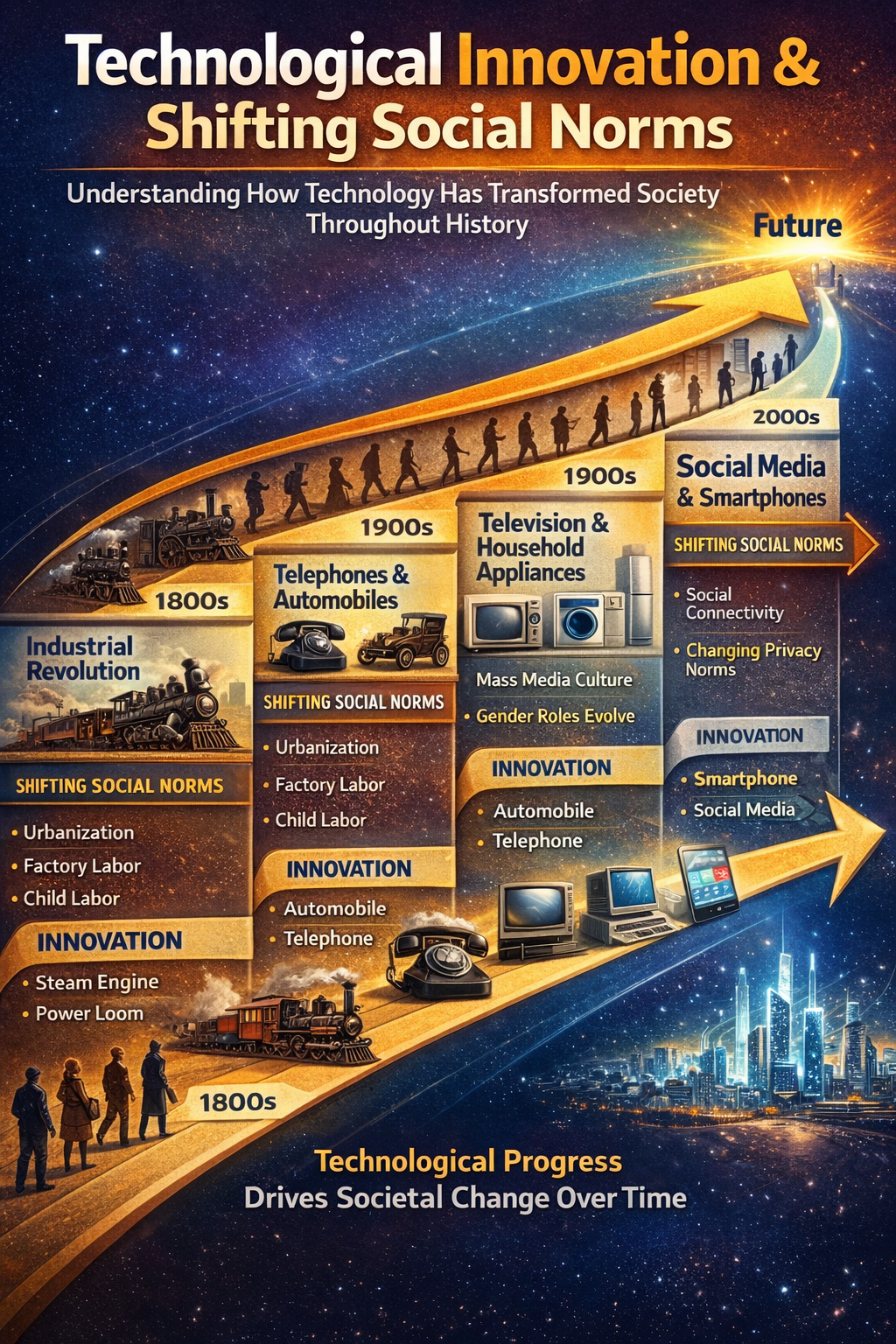
In this episode of Positively Pedestrian, we discuss the effects of rapidly expanding technology on society, in particular the effects on the individual, various generations, culture, and morality. We take a look at key technological developments that have and will occur and how society is pressured by these rapid changes. We then discuss the effects of scale on the mind and imagination and then wrap up with a concept of an obtainable moral framework in this new paradigm.
Share
Detour
Episode description
In this episode of Positively Pedestrian, we discuss the effects of rapidly expanding technology on society, in particular the effects on the individual, various generations, culture, and morality. We take a look at key technological developments that have and will occur and how society is pressured by these rapid changes. We then discuss the effects of scale on the mind and imagination and then wrap up with a concept of an obtainable moral framework in this new paradigm.
Chapters
Show notes
Episode Art 12 pieces
Full Transcript
Okay. It works better when it's solid. Yeah. Yeah, yeah. All right. So. So, you know, this morning, I roll up on Sean, and he's got a shirt on this as she's my sweet potato. Literally says she's my in, like, all caps. So it's screaming. She's my sweet potato. And Sean's girlfriend has a shirt which reads what's that now?
I am, yes I am. Yeah.
And I was talking about how, one's popularity, like, is one's mind of their friend can wax and wane over time. And so we started talking about, like, when you're at the bottom, there's only one way to go. Yeah. Because I said, I think I live in the trough. I've never been cool. I'm kind of just, you know.
And he's like. And I was saying, you know, he's like, that's one strategy. You could just double down. I was like, yeah, I get heavier equipment. I said, that's what I did with my ex-wife. Just dig to China when I was in trouble. Just say anything or do anything. I wanted to say. She like Chinese food. It worked out.
And so I said, speaking of that, I was gonna talk about something I probably shouldn't talk about is right. Make the make the final decision. Then either either go with it or say, oh, maybe some other time. I'm going to do it. All right. Here we go. So, we'll be Goldberg brought up on The view that, Clarence Thomas needs to be careful about the party shooting, because they could come for him next.
Very right. Yes, yes, yes. No idea. He's married to a white woman, right? I did, and she went even farther. Do you guys remember the 3/5 compromise? Yes, yes. All right, I see. And so she's saying, hey, they could repeal the 14th amendment and restore the 3/5 compromise that made him but 3/5 of a person. Wow. Wow. That's amazing to think about.
The fact that there was a point in history that that was possible, that that was the truth. Yeah. And it gave the southern states an advantage because, you know, all the slaves that they had, they got more representation in the House of Representatives and, you know, had a had some outside outsized power and influence. That's so crazy.
I mean, so so I guess, you know, you can look at the bizarro world of politics just continuing on to this day. Right. Good lord. Its rights are interesting. It's like, you know, what did George Carlin said. They're not rights and privileges. Okay. Because if they're rights you know nobody can take them away. But if they're you know they're really privileges because you know we've talked before in our crisis, you know rights could just go right out the window.
Right. He wrote some great stuff and had some great routines. His book Napalm and Silly Putty. Amazing a good title.
But that's a, you know, really interesting concept. If they're rights that, you know, you have them and they won't be clawed back or, or changed. But that's not the reality. It's not like we're on a path where we get more and more of them. True. It seems that way. Like maybe over the long arc of time that maybe as civilization advances, like people globally have, you know, increased their rights.
But, boy, it seems like sometimes it's pretty far behind. And I'm going to paraphrase, you know, Martin Luther King here. And because I also don't remember the quote, but he said, basically the long arc of history tends toward justice. Sure, the long one. But, you know, we we should be like moving at the velocity of technology and science.
We should be moving at the velocity of reality. You know, and how that reality changes through science and technology to advance in our world, our, our morals and our you know, I guess it's just because people maybe just aren't that dynamic. It's, you know, we're habitual creatures and we're set in our ways. So it's being really dynamic.
It's hard to ask, I guess. Well, sure. But we now have the means to keep track of things over generations. We now have the means to collect unprecedented amounts of data, and we can get a clear picture of where we are currently, and we can come up with generational plans to move toward a goal. Yeah, that's a that's a great idea.
The generational plans for like the concrete stuff. But I'm talking about like the bleeding edge, you know, living on the bleeding edges in technology for example, is dangerous, right? It's like you're you're gonna you're going to inherit all the bugs that are, that are there with the new features. You know, with the new stuff, you're going to automatically get those bugs, you know, as part of your where you're going to call it.
Yeah. You know, as part of your reality. Right, right. So if you're moving with the, with the, with the rate of technology, if you will, you know, even sociology and all that, if you're moving with that rate in your expectations of rights and the humanities, you're going to be disappointed. But we're we're you know, whether or not the rank and file are at the bleeding edge, humanity as a whole is right, right.
I mean, yeah, well, right. Because there's always there's always something or someone pushing the envelope. I mean, they make headlines, but, but but that doesn't like, you know, filter into society. So at least not immediately. No no no no, it's getting arguably it's getting ever quicker that it filters and trickle down to us. Yeah. It's like like tomorrow someone, like, universally cures cancer, for example.
Right. It'll be like 30 year penetration rate or something. Well yeah. That. Yeah that's that's a, that's a that is not what I was thinking at all. But but but you're raising a good point there. You know, I'm thinking like holy crap, the American Cancer Society right. Doesn't exist anymore. You know, all the purple pink ribbons and you know, everything, like, right.
Like this just big economy behind all of that, right? All the all the people that work in oncology. Right. There's like, literally like a pill now. Yeah, yeah. But this but if it's brought up in America, if it's discovered in America that that pill is going to cost like 75,000 a dose or something. So. Yeah. Yeah. Right. Well, let's say that it's just this universal cure is found.
You know, it's a fantasy. But let's say I can come up with more than is discovered in a country that's more fair and equitable. I don't know. Yeah. And they'll just like, they'll they'll ship it to you. Yeah. Okay. For for a dollar. So it's like it's discovered in Norway.
And they'll send it around the world for a book or like, you know, some, some company in U.S. patents or whatever, and like, you know, tries to block it, but the chemical formula is known. Right. So then the rest of the world just says, you know, hell, no. And just like you can just make it and distribute it, like you can make it out of dandelions and cat feet or something.
Yes.
Both of which are readily available. Right. You know, I'm saying that's hilarious, Mesa. You know, like, then we can get into the psychology of how in the hell your brain get those two artifacts. I can tell you exactly where I got it from. Okay. Yeah. Do tell. All right, so Sam and I have this these two whiteboards in our quote unquote, war room, which hasn't seen a lot of action lately.
No, it's like the possible battle room. Yeah, yeah. And. Yeah, possible that it's funny as hell. It's like on the placard above the door. Yeah, yeah. Maybe, maybe, maybe conflict through. Yeah. The, So there's a will we come up with something cool? There's a Viking, you know, drinking, drinking horn that would blow. And it's it's dusty.
And so. All right. One of the things on that board that is emblazoned in my mind is.
Doing a skit on TikTok or something about dandelion cat p t.
And it's massive popularity amongst them. Yeah. I don't know. Funny. Yeah. I don't know if that's horn blowing, but it's fucking funny. Yeah. Yeah. Horn blowing funny, I don't know. Yeah. So okay, I'll give you a more concrete example of what I'm talking about. Let's say tomorrow, fusion becomes a real thing. Right. Like the I if they say, say, a reactor.
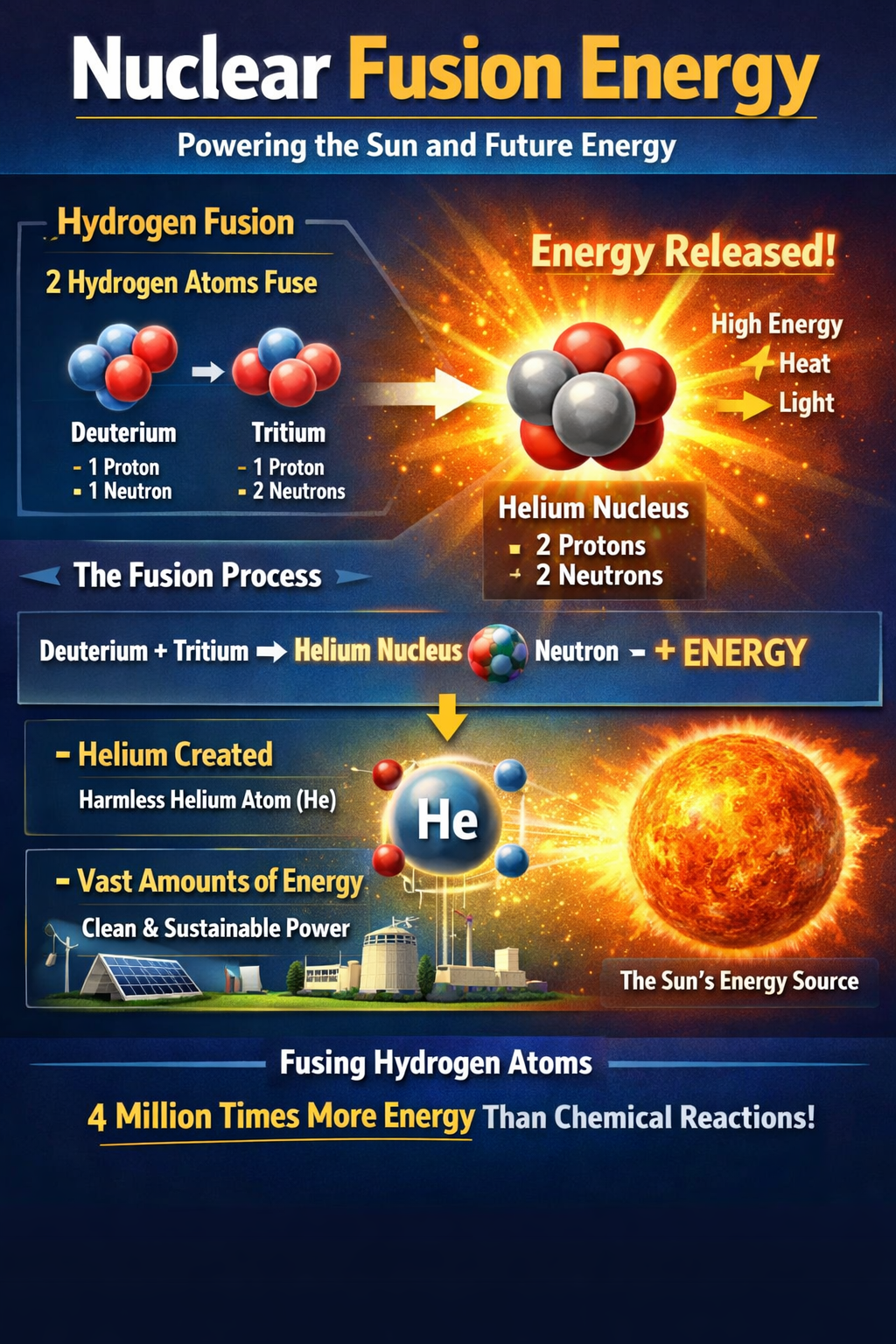
So it comes online completely blows away everyone's expectation that whole 30 years from now, you know, fusion power is always 30 years away. Oh, yeah. Idea goes away, and it's a reality. Right? Right. And now, like a kilowatt hour is one one tenth of one of of a cent got it for a kilowatt. And we're literally now pulling carbon dioxide out of the air and using, you know, the high energy to break it down into carbon and oxygen.
Right. So getting pure carbon and releasing pure oxygen from carbon dioxide out of the atmosphere. Because we have to do so basically unlimited energy now. Right. I've made the, I've made the strong case before for how energy is the foundational unit of, of, of, of all economy anyway. Okay. Right. And so what you, what you're doing is you're basically, upsetting the apple cart on so many industries.
It's not even funny. So in essence, you make everything you've made. Yeah. You've basically you basically turned almost every product on its head. Right. So like the the founding foundational economic unit behind almost any commodity, if you analyze it, you could break it down as energy. Okay. Yeah. So take something concrete like a brick. Right? Yep. A brick is just that needs to be fired in a kiln, dried and fired in a kiln.
And the main reason why bricks cost so much money, there's plenty of clay. And, you know, in the earth. Yep. So the energy used to extract it from the earth, and then to bake it in this process, process it and then and then fire it in this kill. All right. I can I can make compressed earth bricks. And there's a machine online that can build for for around 500 bucks.
Yeah. So still, at the end of the day, there's an energy component to, like, this brick analogy I'm talking about. Right. Yeah. There's still. So there's still a finite input that costs money. Right. And so so right. And so now the energy portion of it, which is a huge component of the, you know, inputs that make this brick a brick is now goes down zero.
Right. In dollars. Serum gone. Yeah. Dude. And so nothing. Right. And so at the end of the day.
Are sweet.
So that is just one simple example of many, many, many to where, like fusion power, a reality is a game changer across the board. I mean, yeah, the and gas industry is now, you know, completely out of his head. The coal industry has just been flipped on its head. You know, all these industries, everything's changing, right? And so the point of even bringing that up is that psychologically, you know, people are in one are in a place right now in a pre fusion world.
Right. And when fusion kicks there, there's going to be a lag to where the mentality of people shift. You see just like everything else just like inflation there's a way some government prints the money and then it's not right then and there that the money is printed, that the inflation hits gotta have an impact. Right. The inflation hits down the down the road.
Yeah. Right. When when the when those, when the consumer price index is inflate or. Yeah. When when the actual like money per percolates down into into the economy. Into society. Right. Yeah. So technology is the same way with new technologies come online. There's an adoption period. You know, all that stuff. Right. But but the actual like magnitude isn't felt for quite some time.
Yeah. And and the powers that be can really have their finger on the on the throttle. Yeah. Yeah. Okay. So really it's they can decide the rate of adoption. They can decide the rate of, you know, even. Yes. And I'm not talking about just, like, conspiracy theory shelving technologies, like, I'm not talking about that. I'm talking about, like, actually how they regulate the integration of technology.
Right. Yeah. The controls they put around it so that it really affects it's it's penetration in society. How quick and do does it go. Right. So if all of a sudden humanity has a full level of control over how much carbon dioxide in the atmosphere, everybody that's that's talking about climate change is now a moot point. Like we just take this stuff out of the air.
Yeah. We just take the extra carbon dioxide out of there. Yeah. Because it's ultimately become easy to do so. Right. And everybody, all the politicians that have campaigned on climate change and all the, you know, all the institutions and non-profits and everything that that that are surrounding climate change and all the political movements and all the public demonstrations, etc. and so forth.
That gone. Right. So that's what I mean about how technology can impact. But there's but there's a lagging factor. Yes. But I see what you're saying, that that bleeding edge constantly has to be examined for. Okay. Now that we have this new thing. What does that make easier? That was previously either hard or impossible. Right. Right. And how, in fact, does it downstream, you know, have these effects on all these institutions?
All these. Yeah. You know, even even morality and psychology all changes because progress is not only in the taboos, the things we don't want to touch, but progress is also in the I can't. Right. So, for example, like right now, you and I would probably see somebody with a whole array of outdoor lights on during the day as immoral.
Yeah. Like it's immoral that we wasted energy because, yeah, we know that, like, there's a fossil fuel component to that energy right here in North Carolina. There's there's still a sizable, you know, if you take a pie chart of where our energy comes from, a big section of the portion of that is still fossil fuel. Right. And that's a lot of states.
We're not unique in that. No. Right. Right. Right. So yeah. So that's true for most countries even. Right. Yeah. And so when you see those exterior lights on during the day, you'll be like, not that far of a stretch to say, wow, that's very immoral to do that. Right. Like and so like I don't leave my external lights on.
I'm sure I waste energy. Sure. Other ways, like even just from the the envelope of your house not being as tight as it could be and you're leaking heat and such. Exactly. You know, exactly like I didn't insulate enough. Yeah. Right. And knowing full well that that I'm not insulating enough that I see my power bills, I can see my energy.
Yeah, etc.. Yeah. And so by me not, not doing the right thing and insulating, you know, making an excuse to put my money somewhere else here. Yeah, etc.. Yeah. And so but in a, in a scenario, future scenario where the kilowatt hour is 10th of a percent and is impact on the climate. Then now all of a sudden the morality changes you see.
There you go. So for complex things which is mostly you can make pretty much anything complex. But for complex things in general. Right. Morality has to be a shifting a shifting dynamic with technology with available technology. And you know what I'm saying? Yeah, yeah. That morality. Just like any other metric that we're going to measure with society, is dragged along by the nose through with technology.
Absolutely. So, you know, we've been talking about abortion lately. Like, society is crazy right now about abortion, right? So think about that. Like the technologies. About what? What at what point in gestation this particular embryo is. Right. You know versus and then there's a leading edge of medical science that can forever extend how, how viable a fetus is outside of the womb.
Absolutely. That's what I'm saying. All these like so when this whole Roe v Wade discussion even started coming up again, you know, I was like, yeah, let's let's have that conversation. Because like in the 70s, I was quite young. But, you know, I even remember in 70s and early 80s, you know, people talking about this and hearing a lot of science, you know, being shared about what's happening inside the body.
Right. Specifically defining what's an embryo. What is a fetus? Yeah. Right. What is an actual like quickening or when is the when does the fetus actually become viable? And what does that mean. Let's define these terms. That's insulation is a bit eroded there. Yeah. Oh yeah.
So you see what I mean. There was like this society had enough of a, I don't know, attention span at that point in the news and like the talk shows and all this kind of stuff, we're taking a deep dive into, like these definitions, you see. Yeah. And and clarifying it based on the best science of the time.
So the whole thing about ro came back up, I was like yes. You know this is kind of cool because we'll be able to revisit in the more modern sense with modern technology ideas and understanding. We should do a podcast on a okay. You're talking about the best science at the time. We should do a podcast on different myths, different things that have been perpetuated in science books that we found out are no longer true.
Yeah, like everything, right? Yeah. I know of like 4 or 5 things just from the animal world that aren't any that have been disproven. Yeah. You have things to like when you say, you know, the things that were true or not true. The devil's in the details there, right? So, like, you can have general principles. Correct. But we're completely wrong.
Details like right. Fundamental details. Wrong. Right. Right. It's like that the explanation was wrong, but the conclusion was right. Or or say, what I was talking about is, hey, that you know, cheetahs are, you know, overheat when they hunt. That's not true.
It was the fact that they continue to hunt. Oh, right. Right. But did they did they overheat when they hunt and they don't have the endurance. You know how that was determined? Some guy bought a couple of cheetahs off of a poacher and threw, thermometers in their ass while they ran them artificially already then. And it's like, well, you have them running on treadmills, which they're not used to doing.
And, and and they're like, running from something at their ass. Yeah. And they've got something in their ass that never goes away, no matter how much they run. Yeah. My body temperature might go up, too. Yeah, it's a little stressful. So, yeah. Artificial environment. Bad science equals not true. Right. Yeah. And we talked also about the Grant mill and how there's this big push for all these different, you know, colleges and whatnot to put out, you know, scientific papers, clinical and scientific papers.
Yeah. That when you put them to the test of repeatability and all this kind of stuff, they're complete garbage. Yeah. And that's, that's that's driving science. It's just to get your research. University. Money? Yeah. Right, right, right. Sorry. I had a cough. Yeah, the Grant mill. That's the Grant mill, right? So, anyway, this this idea of this kind of gale of creative destruction, you know, of new tech is something that we're faced with right now in this point of gale, of creative destruction.
Yeah. And, you know, at the end of the day, you know, the American Cancer Association would surely like to have that pill, you know, because that's that's the holy grail of what they're after, you know, supposedly. Right. But people that have, like, have a mortgage and that's their job. And that's been their job for 15 years. And but there's a lot there's a lot of think we're talking here that there is that rate of adoption.
There is that rate of penetration. There's time for those organizations to actually facilitate help, you know, wind themselves down over a generation in essence. And so that would be the throttling, like letting letting some new tech penetrate society at a, at a, at a, at a rate that this is, can absorb it without having a massive hit, the upheaval of the change.
Yeah. The gale and I would argue that that's naturally the way it's going to happen whether a government intervenes or not. Yes, yes. And so, you know, there's this certain certain kind of sentiment if we if we use history as a guide, which is really not a smart thing to do with technology, because it's getting so potent that the needle can shift so fast and so rapidly now, comparatively to where all of human history.
Right. Right. Like like technology's potential for impact, good and bad. Right? Is so much greater now in this kind of technological expansion area that we're living in. Yeah. That, you know, we have to be extremely aware of that when we, you know, contemplate new technology, talking about integration of new technology, the comprehension even of new technology, the complexity of new technology is growing as well.
Yeah. Right. Like so. So nobody that works on the iPhone knows all those circuits. Right, right. And nor can they, nor can they have found it interesting that probably the greatest expert on the iPhone holistically is a gentleman who decided to our a Shenzhen is like a market over there right where so many things are produced. There's gray market stuff, there's gray market fabs, and there's all these crazy products that people just crank out that have a weird feature sets.
Sure. Well, basically he made a great market iPhone that worked, and it took him something like a just over a year, which is amazing. Yeah. Well, of course, this this person is using components and subsystems of which they don't really know the inner workings. But what I'm trying to say, you know, he probably has the best. Yeah.
Understanding holistically of it. Sure. Of all the people that right. Yeah. Of anyone. Gotcha. Because he in some cases is actually sourcing the real parts. Sure. To make it totally get it. And so, you know, and that's just crazy, right. That the guy, the guy who basically did this on a technological lark and a bit further gram, so to speak.
Yeah, yeah, yeah. Knows the most about it. Yeah. That is that is really interesting. I mean, just made it. You just made, like, a great case for hacking, too. Yeah, like hacking as a process of learning. Well, yeah. Yeah, hacking as a process of learning. And, you know, really, it could be argued that everything's so complex now that we we almost have to take the block diagram that we're all given.
Right? Yeah. And then reverse engineering. If we're going to have any hope of actually working within that technology. Right. Yeah. So I go back to this idea of, you know, this this idea that technology can be so potent today in modern times and can be so transformational, right, that more now than ever do human beings need to be dynamic.
Yeah. And open minded to change. Right. Because it's coming whether we like it or not. Change is coming whether we like it or not. Yeah. And that changes in every front because technology has its hand and everything. So, you know, of all of human history, young people are having trouble right now. Right. Because the path before them is so vague and so unwritten.
And so, you know, you know, the traditional undetermined. Yeah. The, the traditional stepping stones are a little soft, if not sinking in the veritable ocean because, you know, like things like you used to be able to count on college being a definite path forward that would have success. Sure. Not the case anymore. Now it's now it's more honed in on what majors.
Right now it's more honed in on what majors. And that's even if you're not you're not acknowledging the fact that, you know, that's at the moment. Because as soon as you graduate, that major could be now a nonstarter. Yeah. Yeah. Because some technological change and some people are trying to say that the traditional calcified institutions of education have been already toppled.
Yeah, it's pretty hard to make an argument that they're not. It's just a what degree, you know. Yeah. Yeah, absolutely. Yeah. It's, we could do a whole cast on that, like the current state of education where it's at. Is it useful anymore? Right. Or is it or is it just based on what can you do? Yeah. Yeah.
Is it skills based or is it really up to the individual more self deterministic to find a path through, like you said, all this crazy amount of comprehension of technology. Definitely, definitely. At the end of the day when you need results, you're going to go to a person that can get the result and the person such company that can get the results.
And a lot of times that's completely abstracted from what degree someone has. Yeah, 100%. They can have a political science degree, but be a savant where it came to, I don't know. I hate to overuse it, but data science or data analytics or something. Yeah. And I guess when you're when you're looking at more grand scale things that involve teams, that's where the degrees start to come in because it serves as like some type of filter.
It does. You know, it does. And and maybe that's it, which is still somewhat relevant. Maybe it's transition to hey, you really need the degree. Say you are really good at this naturally or that's where your your time and effort has been sacrificed to you for years. Then, you know, getting the degree would bring you to the principal engineer level or however you want to say it, right?
You know, the you would be you would be able to achieve that advanced level.
For sure. So, this idea of like this, this gale of, of technological structures, right, is, really interesting because because think about like a hurricane, right. You have this you have this huge swath of land, let's say, New Orleans. Right? All right. And you have this, once in a century hurricane, a perfect storm scenario, right?
Yeah. And and the levees broke. Yeah. The levees break. And next thing you know, you basically have deleted, you know, a city. Yeah. Yeah. And this this this real estate is is, clearly, of high value. Yeah. Right. And clearly will be rebuilt for one, the sunk cost of, you know, having built it centuries before. Yes. And like all kinds of factors go into it, into that calculus, but it's determined that this will be rebuilt.
Yeah. Let's say right. We're not abandoning it okay. Yeah. We're not abandon it. Because if if no one were to rebuild it, somebody would would anyway. Like if, if it's not based on some kind of plan, some kind of governmental or, you know, zoning plan. And how it's going to be rebuilt. It's going to be rebuilt by vagrant money or vagrant.
Yeah. You're going to have. Yeah. Right. Because it's crops still grow really well there. There's, you know, beautiful climate. There's beautiful culture there, you know, whatever. Yeah. There's a vibrant art community and people want to have, like, a permanent Burning Man. Right. Or something you had to do, you see? That'd be cool. And so it's a fact that that's going to be rebuilt, if you will.
Right now you say it's been erased. It's been scrubbed. Yeah. Right. And it's going to be rebuilt. All right. Okay, so now you have this opportunity to say, okay, we can rebuild this in a way that's remarkable. Or we can go back and rebuild it with the same original pattern. Oh, yeah. Right. We have choice on how when we have a destructive wave, how we restructure in that destruction.
Yeah. Right. So remember remember we talked about Zork. You know, it breaks the glass and shows that a symphony of things happen when something disrupts. When something disrupts. Right. When you have something destroyed or destructed, a symphony of change, of action, of energy happens, occurs. Okay. Yeah. Right. And it's. I'm not I'm not putting it into some column of good or bad.
No, you're just saying. Just. It's this cascade of change. It's this. It's just reaction. Reaction. It's a natural process that is a of a certain beauty and or in and of itself. There you go. And so the government needs a Covid vaccine, right. And so here's several companies with the technological departments built in that are capable of creating the vaccine.
Yeah. And when they do, the first person that crossed the finish line with government money. Right. Stands to rake in billions if not trillions over time which has happened. Which is exactly what has happened. Right. So like you know, this is a classic scheme of kleptocracy is that public funds drive private profits. Right. Yeah. Like I think the term is PGP public private partnership.
Yeah. We we know that all partnerships aren't 5050. Let's put it that. No, no. Sometimes you have 99.920.1. Yeah. Right. Partnerships. Yeah. Where all the company does is collect and collate some information and shove it at the government and say, hey, we took what was openly available, repackaged it. Here you go. Give us money. Absolutely. Absolutely. And then all of the cloak and dagger and nonsense and, you know, everything involved, right?
So it's definitely not we're not living in a society where it's like for the people, by the people. That's. That ship has sailed a long time ago. Was it ever? Not sure. I think it was for certain people. Yeah. Yeah. By the people? Yeah. For certain people. By certain people? Yes. Oh, dude, we can make a line of clothing right there is for us.
By us. We can make for certain people by certain people.
For one. By one. Representing the 1%. Right. Oh. Oh, dear. F one. Just a big. Just a big 1% on the shirt. Yeah. And then for so F1B1. Yeah, absolutely. Yeah. Absolutely. Instead of Fubu. Yeah. Clothing to clothing. That brings you to the 1%. Oh, yeah. Because because of this, you know, it gets you there in this way.
Right. And it's just a pyramid scheme. Just kidding. Well, of course it is. So anyway, everything we're trying to build is ultimately a pyramid scheme to shuffle, resources from one end to the other. So, you know, it's fine. Yeah. So, like, little do we know that the whole economy was predicated on a pyramid scheme. Yeah. It was just just the first one was tangible.
Right. It was. It wasn't a monkey NFT, but it was the the the tech of the days equivalent of the monkey of the monkey NFT. That really has to be it. They mobilize their society, they created economy, they created, you know, skills. They create. They, I mean, it is genius, really. You're hired to lay one brick in the in the pyramid.
And if you get if you can convince three other people to lay one brick, you don't have to lay your one brick within a certain time. Oh, nice. Okay, so you've opted out of your labor by converting people, other people into actually performing labor? Yeah. So you have, M.I.A. Right. Yeah. Right. That's why pyramids are shaped like the letter A.
It was the original Amway.
Oh, you know, in the in the capstone is the diamond. Right. That's the name was the top form. Well, then how do we explain step pyramids and the evolution to the pyramid? The scheme rolled out in stages. Yeah. That's true, that's true. Yeah. We go. There we go. There's your stuff. It was iteratively refined until we got to the very pinnacle of a.
And that's why it's on the dollar to this day.
Let me see all seeing eye because the pyramid scheme. Yeah. He sees and dominates. All right. He number or whatever it is is just how to get not not from from them. Yeah. Not from one many. That's not what it means. What it really means is one benefits from many labor.
Come on now we can see through this. Yeah. So if we pluralized the one and say the 1%. Yeah. Then, you know, we, There we go. The 1% benefits from many labor. There you go. That's exactly right. Okay, so, this, this game of creative destruction idea through technology. Right. So the theme, I keep going back to you here.
Yeah. It's, I used fusion as, like, the ultimate example. Right. But there's so many micro examples along the way. Like, you can see it, let's say. Okay, so TikTok is chiseling in on Facebook's, model, right? Yeah. Well, all it is, is like a certain amount of percentage of people's daily time that they have for leisure, right?
Yeah. Is being shifted from one technology to another. Right. Right. Well, you can imagine morning. You can imagine over time, like, that same thing. So like, just like the American Cancer Society gets a few by, the cure for cancer. Yeah. Right. Facebook can get the whole entire enterprise that they've built. Right. Just can get destroyed by some other application.
Taking people's mindshare. Interest, in essence, erased their their impact relegated to the dustbin of history and technology. Right there, there are. You know, they become Myspace. There we go. Hey, no. If you if you look at it from the position of like, let's say were a management and you were, you know, you're in a managerial, some kind of role where you're steering this kind of stuff and you have decisions that can be made.
Do you really care? Like, you just say, okay, so maybe I work for TikTok someday and not Facebook. So what's the difference? Ultimately, it's just a name and a thing. Also, as a manager, not only just aspirations for who I work for or what economy. Do I support, right. Yeah, the Facebook economy or whatever. But also what you can abstract it to say.
So many of my managers don't seem to care about technology. They seem to care about the role of said technology. Can we find can we determine replacements for the one we're currently using and how how well do they fit? Yes. And so in the in the domain of like how people spend their social media time, okay. Or their leisure time, how is their leisure time spent.
Who cares. Right. As long as someone is siphoning it off and making money on it. Yeah, from that perspective. But I mean from society's perspective, right? Like, who cares who the technology leader is in social media? Like who cares at the end of the day? Right. As long as it's in the domain of entertainment and leisure. Yeah. And I guess what I'm trying to say is, once it's become a pillar of the economy or society, as long as there's a Cendant next, as long as there's something else to fill the gap, rather than it being this vacuum where, you know, the economy, it might collapse a bit on itself.
Right. And then we see things like, you know, the whole January 6th insurrection couldn't have happened without Twitter and without. Right. Like Facebook. Yeah. Right. And so, you know, Facebook was Cambridge Analytica tapping the data? Yeah. Got Trump into power to begin with, you know, etc. and so forth. You know, and so we, we we then take this nuance, look at this technology.
Wait a minute. It's not just things that we don't care about because it's just where people are spending their leisure time. It's now all of a sudden a social, a pillar of the society because where people okay, where we I think we talked about this concept before, but what we what we spend our hours doing, what we spend our days doing is how we spend our lives.
And how we spend our lives ultimately has an impact on our social network. The nodes in the graph that are closest to us. Yes. And so then you start looking at all right. Maybe it doesn't matter in the seal or just fascia perspective. But then really it does matter because people are sacrificing. These are our new gods.
Right. Perfect segue. That's exactly what I was getting into. That was exactly where I was headed. Is that if you take a spiritual component to this, if you look at it from like where human mind and ambition is directed becomes the driving focus, and you're right, of society as a whole. Yeah. Right. Right. Now, if you we've talked about this too, but right now, when you break down the pursuit in the life of, you know, insert average person here.
What you get is someone who is in general life's focus is pursuant to the entertainment. Okay. Like right now if you take the time budget of typical American on average I'm saying you or me I'm talking about the average person. Right. I spend a lot of time on. Well and likely more than you think. Right. Right.
If I was to meet her, it. I'm sure I'd be absolutely shocked, as you've spoken about when you started it. Yeah. I so shocked that it's like core shocking, right? Like, I have a crippling addiction to this one game that my girlfriend's kids got me off. Yes. And crippling addiction is, not always just in the form of a needle or a pill.
No, it's very much can be in a serotonin cycle, from dopamine cycle from a game or from a from a channel of entertainment. Yeah. Right. Absolutely. With these, like, built in micro rewards that are programed algorithms, algorithms that algorithmic really into the actual appliance itself. Yep. Right. As a as a core feature, not a bug. And I even have charted out when I'm going to get these little double mine hits like, well, I get my next, this type of chest and four more wins.
Yeah. Right. No, no. That, that's that's that will keep somebody there for hours. Right. Right. And again the mind share spiritually focuses the direction of where society is headed. So like if a massively online multiplayer game. Right. Yeah. An MMO, RPG, massively multiplayer online role playing game was, 90% saturation in society. It's not very different from when the tobacco industry had like an 80% smoking rate amongst adults.
Good point, because people spent all of their time swirling around that activity. There you go. Maybe not necessarily engaging in it but being around it. Yeah. Supporting it in some way. Yep. And then, you know, the children get integrated with tobacco, like, by default. Yeah. Yeah. Second hand smoke. Right. You get indoctrinated into. I mean, those are your first hobbies.
What do your parents do? Those are the things you aspire to. And the really interesting social dynamic between linkage, between environmental and nurture and nature is that the children basically uptake not only the habits of the adults. Yeah, right. But the psychological disposition. Yeah. Of those adults as well. And you inherit that. That's why like depression is very inheritable.
It's not just brain chemistry, it's environment too. Yeah it is. And and it's not just the facet of depression. It's the it's all of those things attending with the mindset, the beliefs. Not only do you get your parents mindset, you get their beliefs. That's what I'm saying. Exactly. Exactly. And so from a holistic societal level. Right. The pursuit of the society determines the spiritual, if you will, like aptitude of that site.
The the the the channel by which the society will be guided. Right. And that is largely governed by technology. Yeah. In the modern era. Right. I mean, which is widely governed by technology. Right. Which is why autocrats, you know, want to control the impact of technology on their societies. I mean, look at the hermit kingdom. They're hermits because they know if they weren't.
Right. Right. Everything would slowly be chipped away. The the already crumbling evidence that they're maintaining would be nothing. Yeah. So it seems like there's pretty much in leadership and in all kinds of things, like kind of two schools of thought. There's like, do we take the do we take the artifacts of society and use them to a stepping stones to a better future?
Or do we use it to capitalize on, like take advantage of? I really see two ideologies, two prevailing ideologies, and in capital, in a capitalistic setting. Right. The the latter ideology is by default the prevailing. You see what I mean. Okay. So okay. So, so capitalism puts a constant pressure on profit. Yeah. That profit model puts a constant pressure on like it's omnipresent pressure.
Right on on growth for example. Yeah. And so that that is always going to push the profit over people model. Right. Right right. Always always it must. Because if you don't your competitor is going to walk all over you. At least that's the prevailing mindset. And some businesses take a different tack and are still wildly successful in their chosen arena.
Right. Especially if they market it in a really clever way. Right. They show how they're not profit or people. They're people first. Yeah. And ultimately, when you take care of the resource that is your driver and your business inferior is tied to that resource you're taking care of, then you have success. Yeah. I mean, you could you could definitely, especially if you allow a certain degree of transparency and all that kind of stuff.
You could definitely run a very successful business and tie your marketing into the idea of how you put all the people first. Yeah. Right. Because, I mean, right now, at least as much as much technology as might be in any business, the driver is still the human factor. Doesn't matter what business still of right now, but that's that's changing because the human factor is going to be humans, plus people that perceive these things as humans.
Right. It's going to be augmented human beings. At best or at worst. Right. You've been beings who've extended themselves with the, with the AI or with these platforms that offer greater reach and force multiplying. Or like you said, holding completely entities that are algorithmically created in control, that no one can tell the difference between them. And there's no there's no way to discern.
It's yeah, it's past that level of that particular Turing test. Yeah. Because because like the turning test is, is kind of gone at this point. Right. Well, the original the original right now we have these what you can call stages of touring tests. Yeah. Right. So like, for example, if you're dealing with a chatbot, at what level does that chatbot become undecidable from a person?
Yeah. Right. In a test for a chatbot. And we realize we begin to realize that it wasn't a point on a line that Turing was looking for. But whether it's a sliding scale. Well, and it was also a person who only had the imagination a little bit beyond what was available at the time. And still it wasn't even a little bit.
Think about where he hailed from. The man. Oh, I know, I know. Yes. For sure. Computers had just been created. Total visionary. Right? Right. And I mean, and he created, I mean, the bomb that he created, the not a actual bomb that blows up, but the computer that cracked, the, the the codes, you know, it. I mean, like you said, absolutely visionary, unheard of achievement for humanity at that time.
Sure. Now, I mean, you've you've seen some of the things that I've written about in, like, Nova Scotia and stuff with, with some of the AI whatnot, you know, topics that we talked about, like where it could go like we've even talked a lot about it. And, it's really it's really not just not just kind of limited by the imagination.
It's also kind of limited by, the scale. Okay. So like with in a Turing type era, there's a, there's a, there's a scale, that was imagined that was, that was magnitudes beyond. Right. Like what was available for for his knowledge. Yeah. Yeah. So, so so that that does is that makes him definitely, visionary because he said, all right, we have this thing at this level now.
But I know these ideas, these concepts can scale with the requisite layers of technology to support them. Right. But now what I'm saying is that the the, the leap leaping imagination is so unobtainable because of the vastness. Now, the the range is so vast now that to be a visionary, it has to almost be in a specialized area.
Yeah. Okay. I see what you're saying. So? So people back then were able to generalize and be visionaries. Right. Right there. Futurist being a futurist was comparatively easier. Yes, that's exactly what I'm saying. And, you know, now being a futurist, you you're going to sound like the vague prognostications of Nostradamus. Right? Right, right. You don't hone in and specialize.
That's right. So, like in 1900, you could generalize and then consider an X factor. Right. And have a pretty decent performance of have a pretty decent like pretty much prophetic performance. Yeah. Right. Yeah. Calling it anticipating it would want to call it predicting it. Right. But now there's not just an x factor. There's XYZ factor. Yeah. Plus you know whole alphabet plus factor.
Right. Right. Right. Because there's all these dimensions that things are moving in that, you know, it's even hard to nail down what those dimensions are. That's exactly what I'm saying. And so kind of a visionary and futurist is not only in a specialized area, but then also has to consider that when these new texts come on board, it's going to change the game.
Yeah. Because of the potency of tech today and potentiality potential. Yeah. Of tech today. Yeah. Follow me. Yeah. Yeah, man. So that's why, like, being in the kind of prediction market right now is so, so. Okay. So let me give you an example. For all intents and purposes, you and I and most of the scientific community and mostly everybody we know kind of has their head around the idea of climate change.
Okay. And is predicting just like the models are suggesting that like somewhere around 2050 we're going to start hitting a tipping point. Right. And that sea level rise is going to is in our future. And a warmer climate is in our future. Well like I said, what if in a year fusion power rolls out, right? Desktop size, fusion power.
Yeah, right. Why don't we do that? Right. Well, right. It's subject to. Yeah. Why not? Cell phone power fusion. Right, right. A fusion reactor in every pocket. Why not? Why not? Right. So with, you know, certainly it sounds like a promise of a vermin supreme. A pony for everyone. A fusion reactor in every pocket.
And I have the VS model phone, right? Yeah. Well, so, you know, we already have equals m c squared. Yeah. Okay. And that's proven. It's proven equals m c squared. We've seen the bomb explosion. You know it's proven. Okay. So energy and matter are one and the same. They can be converted. It just takes certain tech to do it.
It takes certain tech to do it. And currently our tech is our conversion tech is lossy, very lossy, especially in Hiroshima. Yeah. Right. It's like we realized it was lossy and intentionally lost it. Yes. Right, right, right. But so we so the the the the abundance of energy just by the material, the fact that there's matter. Yeah. Because equals MC squared is saying it's just the tech to tap that.
Right? Right. It's okay. So we've rudely and crudely captured that national natural phenomenon that and have the math to roughly back it, but it needs to be further refined. Right. So the actual like BTUs, if you will, that are available in coal for the thermal units. Thank you. The, the actual energy that's in there goes way beyond a traditional chemical reaction, a thermodynamic reaction.
Right. If you take equals MC squared, the energy that's in coal is, you know. Yeah. And it's not just exothermic, but exothermic is the easiest thing to capture. Right. Right. That's like the more low tech energy capture of that chemical equation. Yeah. Right. But if you take the you take the bigger, you know, atomic equation. Yeah. Right. You're now a whole nother energy level.
And so that's where humanity is at this point. We're talking about text where we're, we're, we're we're tapping. Right. Well yeah. All of these things we're doing in crude, ham fisted caveman ways. And really, we could that's why we need, as we've all, as we both talked about before, we need basic research to further the level in which we're doing these technologies.
We already have. I mean, right. You know, if I had millions of dollars, that's where I would be posting. It is basic research. Yeah. If you have money to burn. Yeah. It makes sense that you put it in R&D. But but the R&D for humanity not yeah. The R&D nobody wants to do is what I'm trying to say.
Yeah. I'm with you, man. Like like, creating a new social media, right. Skim nine for the win. Yeah. That's funny. Nova Scotia for the win. There we go. There we go. Is that what it was called? Did I get that right? No. What was it? That's it. That was it. That was John's guys. Oh, okay. Oh. My bad.
I didn't really buy it. I just kind of, hosted it for him. Okay. For for nothing, you know, kind of idea. Okay. But anyway, that's, you know, the whole Nova Scotia is being predicated on the person, right? Overarching mission. Does it work for people? If it does do it. If it doesn't, don't do it.
Go figure. And imagine. We make and I'd argue we still need to develop the tools to do a deep dive into whether or not it works for people, or to what degree it works for people. Indeed, yes. Well, you know, there's metrics to be had on that. There are existing metrics. Yes. But I mean, really we need to make something better.
We need deeper metrics. Absolutely. Yeah. And then without without letting the genie out of the bottle. Right. Yeah. Yeah. We have to monitor the genie while he's still in the bottle. Yeah. You know? Yeah. Jump in the bottle and get to know the genie. Yeah. Yeah. There we go. So we have some hard hearts with the genie. We.
You know, before we, open Pandora's box, we understand the magnitude of impact of doing so. So I'll shift topics real quick to an idea that I kind of had, leading up to Jay's discussion, which was, this, this idea of, I guess I should have, like, written it down in a way. I could articulate it well, but, so.
Okay. Complexity. Take complexity, for example. Back in the day, you'd be like John Shoemaker, and you're going to be making shoes and mending shoes. Yeah, right. When you get of age and you're already working with your father. James Shoemaker. Yeah. Who is, like, known in the community as the Shoemaker. Where the shoemaker family. You guys have this established thing that you do to contribute to society and also extract resources from it.
Yeah, and we were the Zonda blots from from Turkmenistan, like, three generations ago. Right, right. But now we're shoemakers. Yeah. Because our family trade. Right. Right. The family name is tied to the trade. Yep. Right. Yep. And when? When I come to age, as you know, Johnny Shoemaker, I become John Shoemaker. And then. And my dad was James Shoemaker before me.
And we'll have give him the to me to Jimmy now. Right. Right. Right. Right. No, he was Jimmy when he was a child. Yeah, yeah. Now he's James. I'm saying we transition back to the gym after you have the leg humping domination of becoming a, you know, what did you say his name was? James and John.
Oh, okay. I was man. Okay. Johnny and Jimmy. Yeah. Yeah. Johnny and Jimmy. Yeah. Yeah. And so then, you know, when when little Johnny comes up and becomes John. Yep. And big job. Yeah. Work side by side with his father for years, and then his father to arthritic to continue. And he ascends. Right. And then the wife is pregnant with with with John's baby.
And, that baby is now maybe something like Philip Shoemaker. Right. Yep. And, it'll be Philip, and then it'll be Phil later on. Right. Right. Right. And you'll feel. He'll feel this. Yes. I got one, I got one. You know, he'll fill the shoes. He's gonna fill the shoes. Yeah. Oh, boy. I see what I wanted to go with the names was.
Okay. So, you know, I wanted to give somebody the name of Richard, and I knew you're going to turn into big Dick. Yeah. Yeah. Yeah. Yeah. And his child is a little dick. Yeah.
You got to end this line of Richard's. There you go. Richard Shoemaker, the fifth. Yeah. Sounds real royal. It does, doesn't it? Yeah. And so. Okay. Right. The the the generations can rely on, a predictable reality. Right. The technology is not moving so fast. You might improve on what type of rubber, you know. Yeah. Yeah. The different, the different riveting technologies and the might improve over time.
And what's so crazy is. All right. So if we follow the general arc of how society went, at first, you know, Jimmy had 12 kids. Right. Right. And then three were going to live. Yeah. So three live. And, you know, they go on to go on to the trade and one gets sent to seminary scores. Right. And.
Right. So then those two have six kids apiece. You know, and it's almost like that. It's almost like reduction in force by half every couple of generations. Right. Sure, sure. And so then again, throttle by technology. Yeah. Throttle by technology. And then on top of that we have as there's a reduction in force. You know, technology is multiplying the effort of the one.
Right. But then also it's incumbent upon the one to join the community to learn about the new riveting technology, to learn about the advances in Robert. You know. Right. Right. And and and hopefully be the first in the market. So then you have the best shoes, which therefore makes shoemakers, you know, eventually expands as the, as the, you know, the two makers becomes red winged boots.
Right. As the market cap expands. Yeah. Insert terminology here. Right. Right. Yeah. Right. So, you know, there was a point in history where now you can have everything continue. The morality can can has continuity between the generations because the generations. What worked in that generation before is going to work in a, in a similar society for the, for the, for the next generation.
Yeah. Right. So everything starts to line up. Okay. The morality, the trade skills. Right. The everything. How the house works. How the household runs. How the local economy works. Right. Right. Like everything gets, it gets and become normalized and, predictable on the micro. And so people can start to actually have generational knowledge that passes down. Yeah. Yeah.
Not just in the trade, but in the moral aptitude of of what's required. From there we go. So it really is if your family masters the moral and microeconomic landscape in which they're embedded in. Then you have success for your family. So much so they even name your family based on the trade. Right. There we go. And so that's why we have a lot of carpenters and a lot of shoemakers and a lot of smiths in the phone book.
Right. Right. Wait, what's a phone book? Yeah. You know, in society right now. Fast forward to today. Okay. There's no way. Like you're not even getting through a four year college degree with any degree of confidence that your skills are translatable even into the current market. So we both know from having gone to college, in your case, multiple times later in life that we have the perspective to be able to say those kids that come out with a four year degree.
Even if they came up with a masters, would be fucking useless. And as far as technology goes, I mean, you're you're looking at definitely some on the job training before they're useful. But like, I'm going to wager, say, the average person that gets cranked out by those degree mills is going to be years worth of OJT, years worth of OJT, right?
That if they had some kind of like maybe primer to begin with. Like really focused. You know, they didn't like it 14 or 15. We actually have the old school apprenticeship model where you're starting to accrete knowledge and skill then. Right. Right. So like, you know, nobody says anything about jobs or Gates or Zuckerberg saying this college is stupid because the thing I'm making is bigger than college.
Well, yeah. People talk about that. They talk about the the Ivy League dropout. And they they tie that to the myth of the loan at dinner, and they say, well, Zuckerberg, he dropped out of Ivy League, and he did this youth thing. Bill gates did the same thing. You're right. It's the myth of the adventure. It is.
But what I'm saying is that the product itself, it gets bigger than the institution. True. For sure. Right. Don't put eclipses, the institutions that used to create it and nurture it. Absolutely. Facebook is bigger than any particular college. Facebook is bigger than college in general. There you go. I mean. Right. Yeah. The economic output of Facebook has to beat the Facebook, or Apple has to beat us, not out of the collective monetary output of all of these colleges.
Yes. For sure. Can't tell me that they're $1 trillion industry, whereas Apple's nearly a $2 trillion company. Right. So I don't know what the market cap of all educational institutions, private and public, are interesting to them. Yeah, I don't know, and I don't I wonder if that'd be a hard statistic to find. I don't know. But but still I mean it's still it's big.
Right. Yeah. So like when you, when you aggregate them all together. True. But when you compare one entity to one entity forget it. You know Facebook. Yeah. Yeah. And and even the strongest one, even if we were to pick any of the well-known ones. Right. Right. So anyway, back to this concept of, like the scale. Right. And so from a moral perspective, there's an easy one to understand.
So from the moral perspective. Okay. Who? Yeah. Someone got rear ended last night.
Definitely not in the metaphorical sense. Yeah. Apparently it wasn't wasn't wasn't the right type of lube. Was wasn't used anyway. Talking about morality and. But lube? Yeah. Yeah. That Camry was crushed. Yeah, we're talking about a car. Ladies and gentlemen. Yeah. Red Camry. Yeah. And so, from a moral standpoint, to try to actually create a moral fabric.
Moral, framework for yourself. Like, you wake up one morning and say, wait a minute. Society has gone crazy, right? There's so much, you know, there's so many bear traps. There's so many trappings and pitfalls and failings of modern society because it's so goddamn complicated. Okay. And I want to be a good person. I do like, you know, reflecting or talking to yourself.
You know, I want to be a good person. What can I even do? Right. I can go out there and carry the torch and pitchfork for climate change. Right. And I stand by Greta Thunberg and, you know, or whatever that political party or that I can gravitate to that one thing. I could be social justice warrior online and be a keyboard warrior.
And, and I'll go ahead and online all of these things you're and also ran. You're not you're not having appreciable and lasting impact. You're you know, in the same would go for continuing the line of shoemakers and making shoes. You're just not having an outsized impact. You're just not fair. Fair enough. And so in the modern context, okay.
So in the past, you can have some degree of certainty. Like, you knew a lot of things were more solid. They weren't as dynamic and fluid and changing all the time in society. Yeah. Right. So, like, you could talk to your dad and your grandpa and the meteors and patriarchs of your family, and the generational knowledge they passed down was still relevant to you.
Exactly. And so what works for them? Work for you. Can work for you as well. But that changed around the boomer generation for all of us. Right now, it's so complicated and so complex that it's like, how the hell do you find your moral compass in this, you know, incredibly complex scenario because you can't go back to the former rocks of your family.
You can't go back, even if you have a family structure that is more inclusive, that does take care of the older generation. You can't rely on what they say as being absolutely true. Right. So I think I figured it out, right? I think I figured out the answer to the question and that is the Kiss principle. Go back to the Kiss principle.
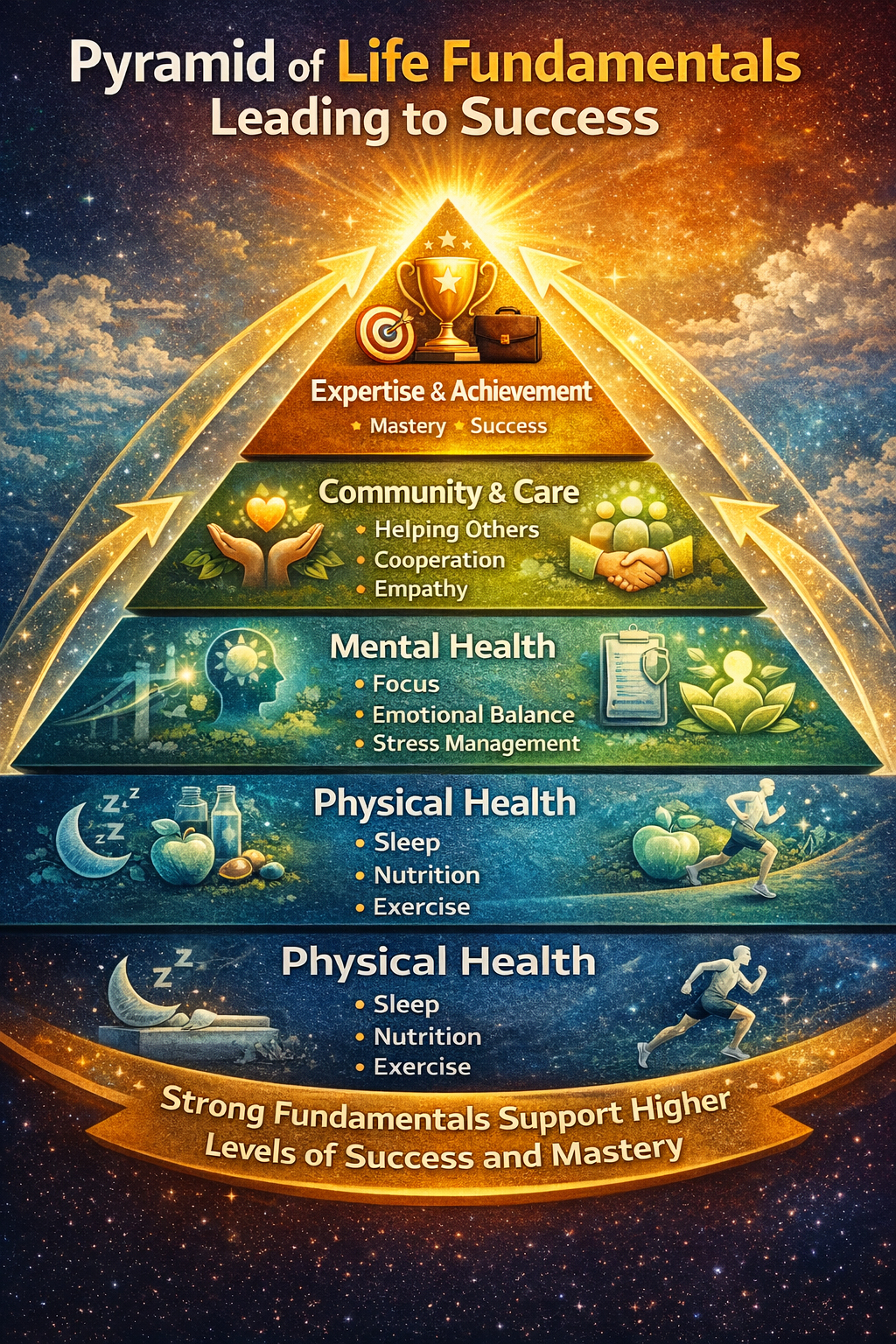
Right. And say, look, there are certain basics that I can that are consistent, that do carry. Okay. Like, for example, taking care of yourself. Right, right. Like like like your health. Yeah. Like, if you take care of your mental and physical health, you're more likely to succeed. Yes. And then the human basics. Okay. Like, it's in our nature to care for one another.
So be a caring person. Care about people. Try your best in your life to to be stewards of of people's success. Right? Go and keep it on the basic as well, because you can't get. There's no mind or imagination that can really navigate the complexities to the point where you can have potency in all of these vast, sophisticated things.
There we go. So we're in order to have potency and even one, you have to get the basics right. So what I'm saying is said before an expert is in the fundamentals. Concentrate on the fundamentals. Absolutely. And and there's a there's a lost art in our society. We've gotten so tipped to where everyone's off in their own complexity that they that they're missing the basics.
And those basics are killing us. That's why we have the diabetes epidemic and why we have this. Right. Because because the complexity has been added into every layer. So like what we call food has been in all of the remnants. We need to trace the cord back to the wall. And we need to say, hey, how do we plug it back in?
How do we make sure that we're engaged in the basics and we're taking care of those fundamental things? Yeah. So, where I have time for today. So let's just talk tomorrow about the fundamentals. Like, talk about fundamentals, okay. Because that's a missing conversation that we haven't had yet. That's really necessary. And I can even explain in detail my my formula positively pedestrian podcast now has bumper stickers stickers for your keeper Trapper Keeper.
And I like the voice and a shirt for your wardrobe. Yeah. You'll hear more about our store soon. That was to whet your appetite. On that note.