

Extra content pops up along the way.
Trailheads
Good places to start walking.Chapters
July 5, 2022
Misandry Male Privilege & Fronting Sexuality
Double-tap the sides to skip 15 seconds
Trailheads
Places to startArtwork explorations
The other takes the image generator gave us, and the prompts behind each piece.
Chapters
Settings
Misandry Male Privilege & Fronting Sexuality
With Kris Tyte & Sean Snodgrass
In this episode of Positively Pedestrian, we discuss the trend of Misandry emerging across all segments of social society, social media, and even marketing and sales. Misandry, or hatred toward men seems to be becoming normalized so we discuss how and why this may have come to be, its effects, and where this may be trending. We then pivot to a discussion about men, male privilege, men's mental and physical health, and how the male social roles have rapidly shifted. Next, we discuss the pros and cons of the trend of sexuality becoming one's leading identifying characteristic and what effect that may have, particularly on our youth. We finish with a brief debate on indoctrination and bias.
Share
Detour
Episode description
In this episode of Positively Pedestrian, we discuss the trend of Misandry emerging across all segments of social society, social media, and even marketing and sales. Misandry, or hatred toward men seems to be becoming normalized so we discuss how and why this may have come to be, its effects, and where this may be trending. We then pivot to a discussion about men, male privilege, men's mental and physical health, and how the male social roles have rapidly shifted. Next, we discuss the pros and cons of the trend of sexuality becoming one's leading identifying characteristic and what effect that may have, particularly on our youth. We finish with a brief debate on indoctrination and bias.
Chapters
Show notes


Episode Art 12 pieces
Full Transcript
Enjoy the hell out of it. Yeah, that's fun. Right? Oh, yeah. Definitely a good time. Lindsay enjoyed it. Of course, we were talking about maybe today. Talking about this. Andrey. Remember this? And, this idea of, like, you know, man, hate being has emerged as, like, a cultural epithet or like a cultural artifact in 2022. And, you know, some people have held it as a core tenet of their personality for a long time.
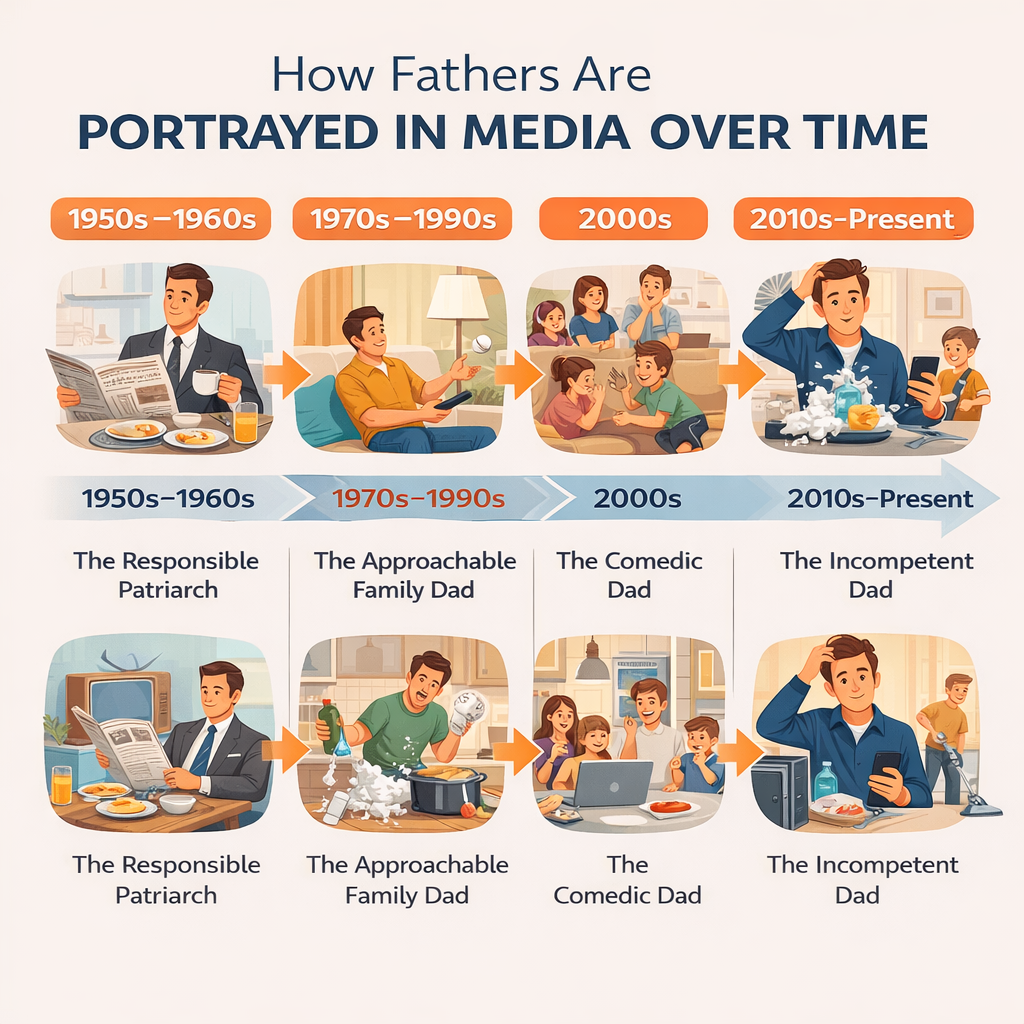
Yeah. So, like, you know, I I've definitely noticed over the years, like a massive increase in media and commercials and stuff, like just making men look really stupid. You know, like, how many commercials have you seen where it's like, you know, the the woman or the child, the savvy, you know, tech savvy, like making everything happen, right? And the father is just a dumbass, you know?
Like what? What are you what are you there for besides a sperm donor? You know, it's like, just kind of dumb fat, you know, along for the ride type. I was surprised by this one that I saw. It was a, It was one of those. I'm Hispanic, and I love spectrum commercials. Yeah. And, you know, you know, sometimes you see those, it'll be like, I'm black and I love this.
I'm like. Like McDonald's really had them for a while. It was like, I'm all these different ethnicities, and I love McDonald's. I'm loving it. Yeah. And, you know, they had Hispanic people for one. They had black people. For one, they had some white people, but they always just chose one race for the commercial. Sure. Right. Well, the spectrum commercial was on, and it was even in Spanish.
Wow. And, you know, it was basically like they come in and the mother was the one who was savvy. Yeah, well, that's the modern thing. So. Right. So the mom of the child is being savvy because the mother is really making the purchasing decision most of the time. Sure. And so, she was on there, and she was just like, it was like new her high speed internet.
And she was, you know, on like, three different devices and getting everything done. And, you know, she was in the kitchen too, though. Oh, so she's running the family from the kitchen. I guess it's like the hub. Okay. And, you know, then the husband kind of walks in just looking, you know, classically dumb. And, you know, has the mouth open a little bit and just,
And he's just confused by the whole thing, and she's like, it's spectrum internet like that. Don't you know everything about spectrum? Yeah. Dumb mix. Yes. And that's pretty much how it ended, where she's just like, oh my gosh, how do you not even know? You know, the dad is fumbling to like, put together some furniture or something and you know, better call TaskRabbit.
Yeah. There there we go. Because because because the dumb father. Yeah. It's like the father from Peppa Pig. You know, the show Peppa Pig. Oh. That's hilarious. Literally, they call him Papa Pig. And so like, you know these, these kids on all these shows, you've I've seen this now over and over and over, all these different kid shows where the parents are like not existent or if they're present, the dad to some extent, you know, checked out is checked out.
Yeah. Like disassociated or otherwise it dumbass. Yeah. Or both or combination. They're in. Right. Yeah. Well, so I guess maybe the first place to start in the conversation is, is this just mirroring reality? And, you know, maybe to some degree, I mean, all right, traditionally at least, and marketing wise from the 50s on in America, the dad kind of was shown to be a little checked out and, and in sitcoms and, you know, from everything from Leave It to Beaver on the dad, you know, even like, okay, that, what was that one stupid ass show Tool time?
Yeah. Right. Tim Allen. Yeah. Yeah. Yeah, that wasn't the damn show saying. But Tim Allen was in there and. Yeah. Right, right. And I mean, he was he was definitely a skillful but oblivious dumbass, you know. So the the the mom is the homemaker spinning up everything and getting the kids ready. The dad is just sitting there at the table reading the paper.
Right. Like at the breakfast table, you know, not not engaged. Right. Right. It's like in their own business world. Yes. Or thinking about something else or focused on something else that sometimes implied to be more important. So there's like a cultural carryover. But now that's translated into instead of the dad being like keen and focus on some business task.
Right. Related to a career earning the bread for the family. Right now the dad is just now useless. Yeah. Like. No. Okay, maybe there's something going on here. Maybe it is a reflection of some form of reality. I mean, I know it's not true in my case, right? But, the, you know, that's just one, one data point, right?
Like, I'm, I'm highly engaged with my family and my kids. Yeah. And it's like, you know I, I'm taking the both the kids to school or I'm doing, you know, absolutely making sure somebody has everything they need for the day like, oh it's, you know, team day at school, you need a jersey, you need this, you need that.
I mean, so you definitely takes care of more of the administrative stuff. But when it comes to, like, you know, doing the math homework or, you know, etcetera, etcetera. A lot of that usually falls on me, you know, weirdly enough, it falls on me because I'm the more more patient with homework. Fair enough. And so many other things I am not more patient with.
But homework is fine. But so is is the typical setting though really. Like, you know, the mom administratively handling all the affairs of the child. And the mom also like sitting down doing the homework. The dinner probably now it was like that in my home even when my dad was around. Okay. I'm not sure if that's atypical or typical, but it was definitely like that in my home.
So why would this be like, why? Why would men be have become this thing? Like, if there's if there is truth to it, right. And there's always a little truth to marketing and sitcom stuff because it reinforces a little bit of what's out there and creates a little bit of what's out there. Right. Yeah. True. Right. Feedback loop in the way.
Yeah. So, you know, if there is truth to this, like, you know, why would why would men be so emaciated and so marginalize like this? Like, why would men have. What? What's happened? Like. Well, society has got might have just gutted the whole idea of the man being central to all and spread things around a little bit. But but then the portrayal of like this disassociated, disconnected dumbass.
I mean, there's this really is this really, like, the bulk of middle America? What's become of men? I mean, have men really become dumbasses if they've fallen from their lofty height? Yeah. I mean, when you when you explore intellectual topic online or whatever. Like if you explore something, you know, anything, any kind of cerebral, you know, put in AI, for example.
Sure. Right. You're going to get a lot of freaking, you know, videos popping up, hits, articles, stuff, a lot of which was written by men. And produced by men. Right. You know, other high intellectual, you know, conversations. A lot of times men will be the ones having this. So is that is that part of this like some some of the disassociation is men.
A lot of men have their head in the cloud type thing. I mean, there's a possibility there too. Right. So saying that expertise and deep expertise has shifted more to these nebulous things that are hard to pin down, that do require one to be a bit disconnected from the every day and be concentrating on bigger picture things like, like, you know, Beaver's dad having had have his head up the business sections in the newspaper.
The men are disconnected because they're dealing with things that necessarily aren't in the day to day. Yeah. And then, you know, that's that's necessary in that domain to, you know, make the money, you know, to be relevant, competitive, be able to have that conversation. Right. You know, at the water, get that $100 million bonus at Google. Yeah.
Well in the in the Beaver, you know, days to be able to have the conversation about that stock at the water cooler thing. Right. You know, this abstract thing. Right. So, you know, maybe there was maybe there's, this this is just kind of a carryover from that disassociation, you know? And I don't know, maybe it's maybe it's just a carryover for that because from a child's perspective or from an outside perspective, that can seem like a disconnected, but really it's an actual super connection.
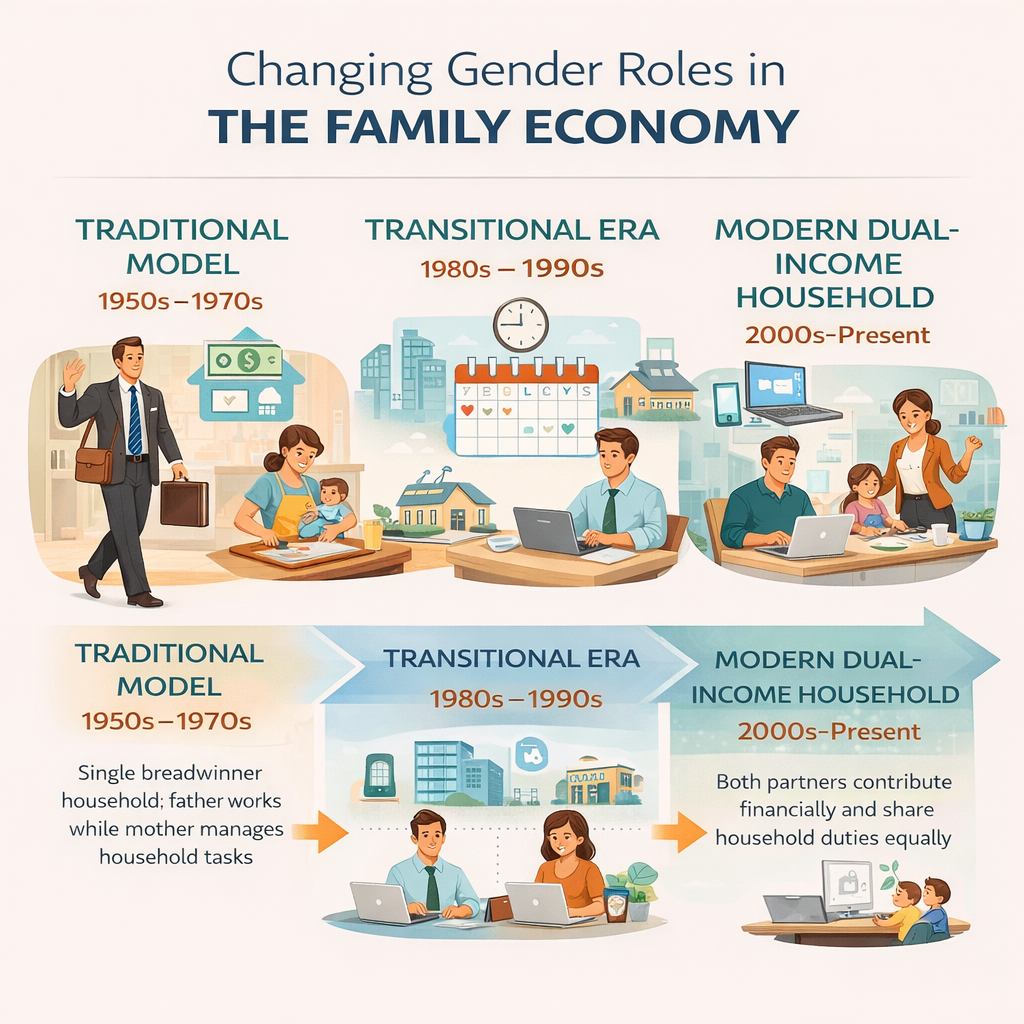
It's a super connection to what they have to be focused on in order to accomplish their role in the family. Right. Right. Maybe not necessarily at the breakfast table. And it might not be, but it might not be so critical. Now the Leave It to Beaver idea was, hey, we're a single income family. You know and they're each focused in their own lane.
Yeah. Yeah. She's running the family. He's running the money generation side of things. Sure. And are those roles are softened a lot. I think they have. Yeah. And but then the portrayal of like that disconnecting this, turning into a dumbass, you know, type, type type visual. I don't know how appropriate that is. And, Yeah.
I just don't know. I don't know what the stats are either, but, but it seems to me like men across the board like manliness if you will, is definitely increasingly being seen as negative. It is it is it. Well. And.
Misandry is more lauded and and held up as something that's kind of valid. I mean, the other day I was at a party and is it Lindsay party, ironically. And, she had a friend who had one of those, you know, uterus middle finger shirts on. Okay. You seen those? No, but I get the idea. Yeah. And, I mean, it's a direct response to the road versus Wade.
Turnover and all that. Sure, sure. And so the two got middle fingers. Yeah, I saw one of was a coat hanger. And then the bottom part of the hanger is bent and it says America. Oh, like a curse of America. That's funny, I like that. But ultimately, you know, she was wearing it in York, South Carolina. So that was some that's a shock and awe campaign there.
Yeah. And, it's funny. Well, I was I saw it and I was like, I love you for that is hilarious. And I said it like 2 or 3 times, but ultimately it was it's a representation. It's something that a strong, independent woman that was chatted up and doing her own thing would have done. And, you know, there's all these trappings of how to be a woman now that, you know, single or not, women are taking up and some of them come out of the some of them have been reinforced by the movement.
But independence seems to include, unfortunately, some misandry. Interesting. You'd be, really, really interesting to, like, be able to ask women, you know, really honestly, you know. Well, maybe we can ask one. Well, you know, a multitude, you know, multitude of women be able to, like, get them to answer honestly. It's hard like, especially if you put someone on recording or something.
Right. You know, I'm really we do an informal poll and collate the results about it. Yeah. Get down to the to the bottom, the brass tacks of the actual, you know, what's going on here. And I think at the end of the day, you know, really maybe, maybe, I don't know, you might feel this. I've felt this before that the expectations on men are like, completely ridiculous.
Right. Yeah. So, you know, be emotionally available, but not overly, you know, it's like there's such a fine line. It's like you can't be a pussy, but you need to be available. Yeah. And then, you know, if you hear the thing about how, like, during different hormone releases and stuff around different, different moments in the month when a woman's actual like preference will change on what they want from their man.
Really? Yeah. When they ovulate, they want they they're more attracted to, like, a more burly man with a more chiseled jaw. And, you know, they find certain characteristics more attractive at certain parts of their cycle. Wow. You know, and then when they're, you know, after ovulation, they, they want some they had progesterone release or whatever they want. The man that's like more stable, more financially stable, less assertive.
Oh my God. Yeah. Well, it ties into makes sense naturally. Oh it absolutely does. And I mean, there's something we don't talk about very often, which has got to be the ebb and flow of men's hormones too. Yeah. And you know, if a woman's expectations change when they're home exchanges, I'm sure guys does too. Sure. I mean, it's a peak release of testosterone and other hormones.
They've got to be preferring one thing versus another. Yeah. Yeah, it's really interesting. Like the nesting instinct versus, like, the instinct to wander the whole novelty thing, which is present, you know, in both sexes. And it's really interesting, all this stuff. And I can, I can really see how, you know, you put all these social pressures together and you combine that with, you know, reverberation from the misogyny, you know, years of all the misogyny.
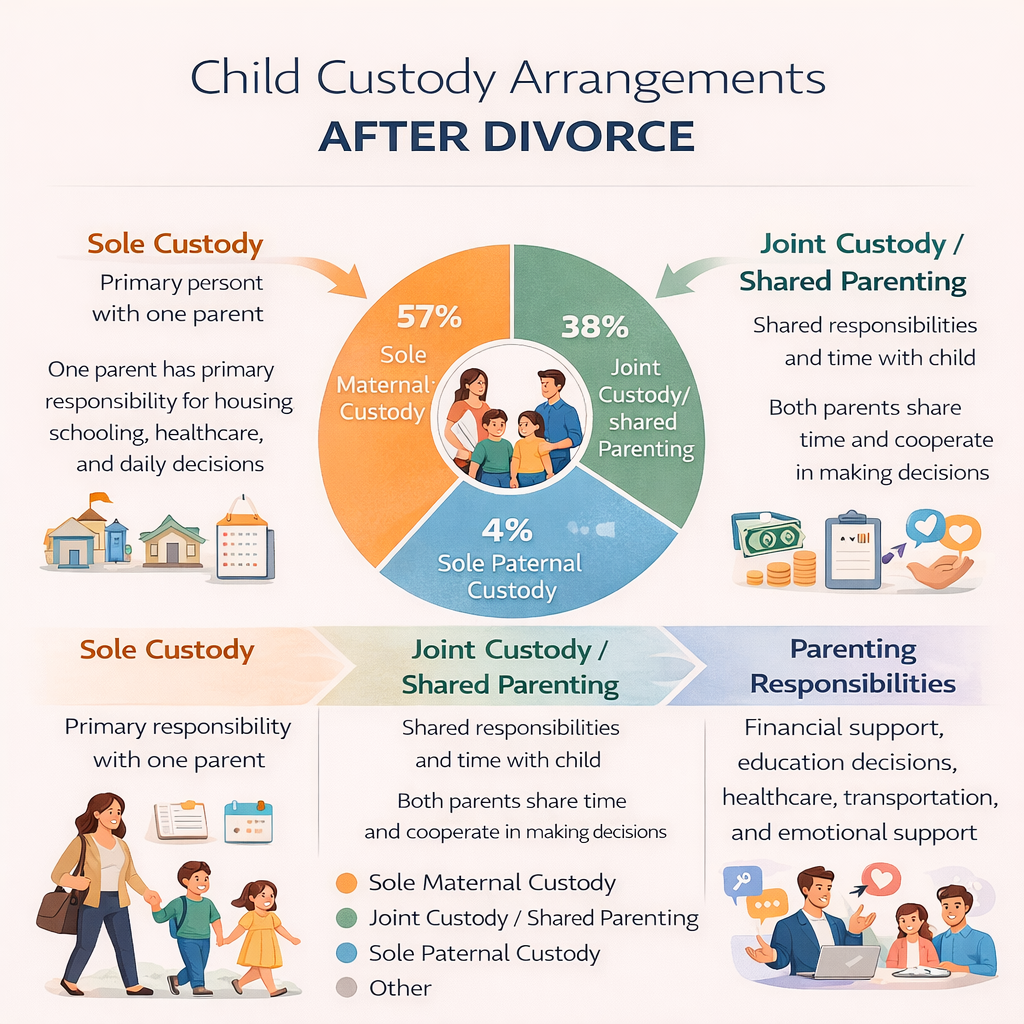
Really creating a climate where this Andrea makes sense. Like does it makes sense that it emerges not not to make sense that it's here but, but it, but it makes sense that it's here and it's not just here for a season. This is it seems to be here for a bit. Yeah. And, you know, then then you get into kind of some dark, dark spaces pretty quick for some people, like men going through custody battles and stuff and system that's very much favorable to the woman, you know, in that domain.
Right. And that, again, is because of.
The years of having specific roles and ideas about women in America. The woman has always looked at more as the nurturing caregiver. I mean, our society has deadbeat dad as like a phrase you don't really hear deadbeat mom? No. You know, hardly ever hear that. Not because there's no deadbeat moms. No, no. But there's a there's a lot less of them.
Yeah. I don't know. You know, if the if the system is going to favor the woman, then by default, the dad has the avenue to become the deadbeat. Whereas the woman doesn't have so much of a, you know, avenue for that. In essence, a in some situations, I've been told by guys that it was opened up for them and they were given no choice.
Yeah. It's like, look, I'm just branded this now. Sure, sure. Yeah. There's, I took a bit of a hit with that, which I ended up correcting. What happened with me is that behind my back, my ex was referring to herself as a single mom. Oh, shit. And you know, I'm 5050, you know, engaged in this child's life, right?
Everything from time to money to everything. And most people aren't doing the 50/50 custody thing. That's a that's a tough thing. I only know of one other family that, that's what they're doing with their single child. Do so in the in the community, like around the school and stuff. I noticed a lot of parents, like, acting little peculiar towards me.
Oh. And so over the years, I kind of put it together and then, you know, found out she was referring to herself in that way. And so people had this idea that you were disengaged. Correct. When that wasn't the case at all. But it fit the stereotype, you know. Right. It's easy to accept. Absolutely. And, so I had a long conversation, you know, my ex about that and saying, absolutely, 100%.
That is a phrase that is inappropriate to use because first of all, it's not true. And second of all, that means something very specific to people when they hear. Single mom, single mom really does mean that what those two words mean, there's no shades of meaning beyond it. It is. You are by yourself. You are the mother. You are the sole support.
The father's not in the picture. Yes. Yeah. And, so then I would be around and in the picture, and so people would get a mixed message like why? You know, like, why is he here? Why is he around? I thought she was a single mom type. Oh, he's participating in a PTA event or he's doing this. So he's in everything.
Yeah. You know why? Why? When we had, like, the picnic, I would be there with the ex, you know, on the blanket while the kids were out playing during the event. Right? Like, why is he there if he's. Yeah, if she's a single mom. You know what? Yeah. Yeah, exactly. So she referred to herself as that for so long that people got this, like, false impression and, you know, okay, I.
To me, it is unfair to you, but I can see how it could feel like that to her. Well, not really. I can see how it could feel like that to her. Not be reality. Oh, well. Definitely wasn't reality. But it could seem. Because there are. Okay, there are some. Just like whenever you were having 50% custody, there are a thousand decisions that happen when she say your place, that you don't consult the other four.
Because we kind of had a rule about that too, saying that, you know, if she's with she's with me. It's my rules and she's hers. Yeah. You know, and that's that's it. It's as simple as that. And it just makes whether we whether we like it or not. Yeah. It just makes sense. It's about the only way you can conduct it, because you have to make some decisions and you have to make them now.
Yeah. And I don't think the whole, the whole, like, single mom thing felt like that to her. I think that she wanted the. Yeah, I think she wanted the sympathy or whatever the term is, that the community would naturally give things that come with it, not only sympathy but a but additional support, also respect sometimes. Sure, sure. And but but in this whole miss injury kind of theme is that it's completely acceptable.
That makes it even increasingly acceptable. Right. It does to frame the guy in such a negative light, like, look, they've checked out there doing nothing for me. There's no recourse that I have. I'm just a single mother. Right. And then the with that theme of Miss Andrea being like, yeah, I had another typical guy, right? Like, right. When that's not completely realistic mischaracterization.
Right. You know, cross the border and and dramatically unfair. And let's be real, you know. All right. Say you have 100% custody of the children. It's, a woman does, let's say. I mean, it's really hard. If you didn't have 50/50 custody to carve out some time in the child in the child's life, I mean, for sure. Yeah.
And and so, you know, there is a, there is a legitimate range of, you know, I guess it's really hard because there's this attitude of, you know, male privilege and especially white privilege and male privilege from my white male privilege. It's like a double hit, right? And so there's this, like, prevailing attitude that, you know, kind of white men just have it made, right?
No matter what. Like, by default, white men have it made. And then there's the reality, which I don't know, you know, so much lines up with that, you know, and then maybe, maybe when you're in that bubble, you don't you don't recognize your own privilege, right? You might not. But so, like, we're in that phase of society's evolution where white men need to check their privilege all the time.
Well, we can we can tell we can tell people at least from from at least people that have one foot in the bubble, which I'd say we at least do that. It's not all roses and privilege. Yeah. And the and the idea of like this, this cultural, kind of emergence of this misandry and this by default, you know, a you see, I faced it from a theology teacher.
Okay. She I'm just going to call her up. Barbara Tito. And, you know, she was she was a very rough teacher, and she expected a lot from you. And if you're a man, she expected more because she expects you to overcome her default level of. You're an idiot. And so see full review on my teacher.com.
Right. And I did not rate her in such a way. I'm just kidding. I was like, you know what? That's fair. Okay. Because every what you every teacher has expectations. This just happens to be wrapped up in hers. And I'm unfortunately enough, I'm able to recognize it soon enough that I can do something about it. And I can come in there full force and I can learn.
Fair enough. And so I could learn, I could adapt, I could, I could overcome it. Gotcha. And I did and but, you know, I was thankful really, to be able to see it rather than complain about it. I took it the I took the yoke on my neck and said, all right, I'll pull the plow. Interesting. Is that a lot of what what men are doing there, they're pulling this, this plow.
They're saying, okay, fine. If that's how I'm characterized, then I'll take it from there. Yeah. Just and just accepting it. Maybe. Maybe it's just the easy, the easy route rather than trying to fight it. Well, I felt like I was fighting it in a way I was potentially making the next person she came across that fit my profile.
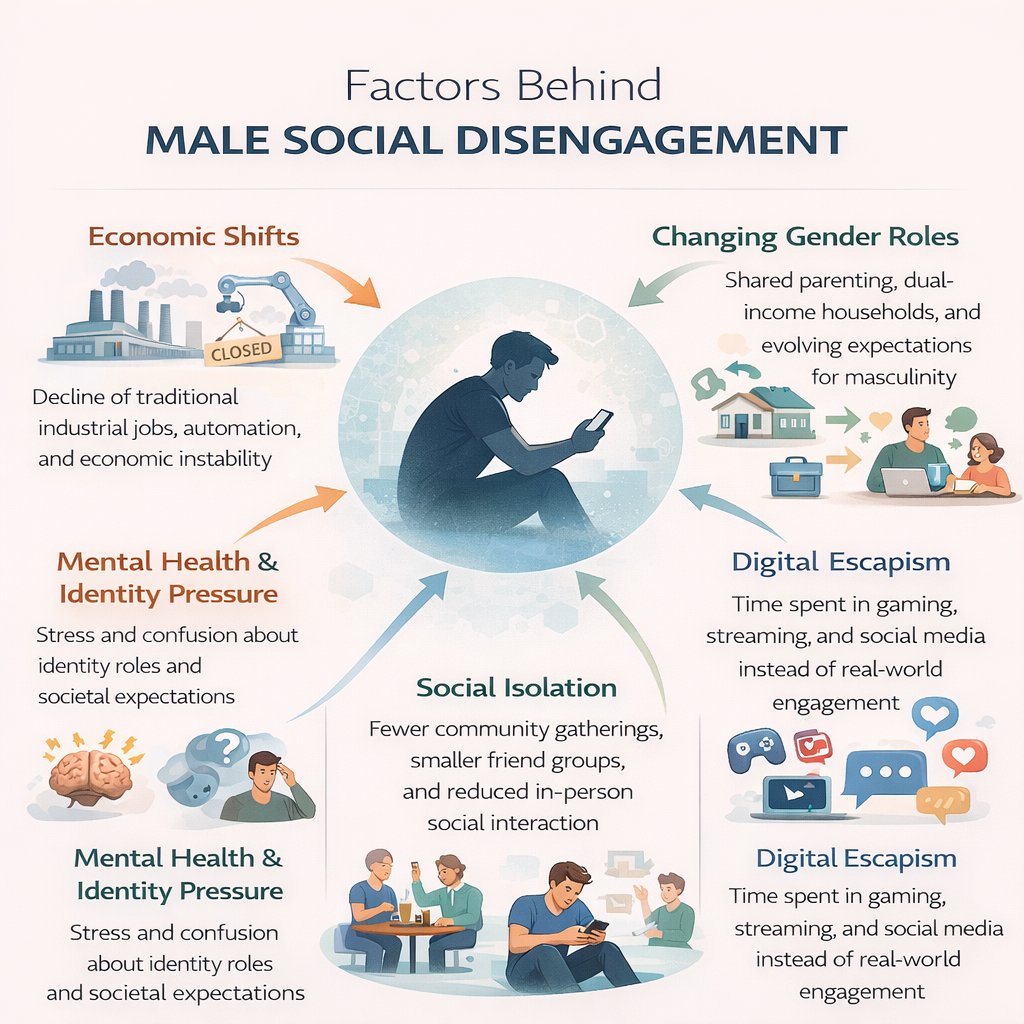
That triggered those things in her. Maybe making it easier for them. So have you noticed this like I agree with everything you just said and I totally visualize what you're saying here. Imagine imagine this. Have you just like seen other fellow men like out and about like, whether whether they're acquaintances or just strangers and just seeing this, this like a certain level of disassociation disconnect amongst men in general.
Yeah. It's almost like many men have kind of checked out, you know, if you noticed that. Yeah. And, you know, it's almost like you want to kind of. It would be awkward to tap on the shoulder. Yeah. And say, hey, you know, step over here for a minute, talk to him and be like, yo, dude, you need a friend, you know?
Yeah. It's like men to some extent. I just, I don't have, like, you know, this isn't data driven. This is driven. But it seems almost like men are, you know, to some extent, what's the word? Tamped down? Pacified? Kind of socially marginalized. Yeah. To wear those, check out and spend all their time on their phone, or whether playing games, drinking beer, lot of situations where that's more likely.
But. So why would that be? Why why would, you know, the modern man, you know, in general, a large number of modern men be so fucking checked out, you know, of the day to day of life. Yeah. Is it is it like. Because there's no real, like a manly pathway, you know, kind of there anymore because that has that dissolved.
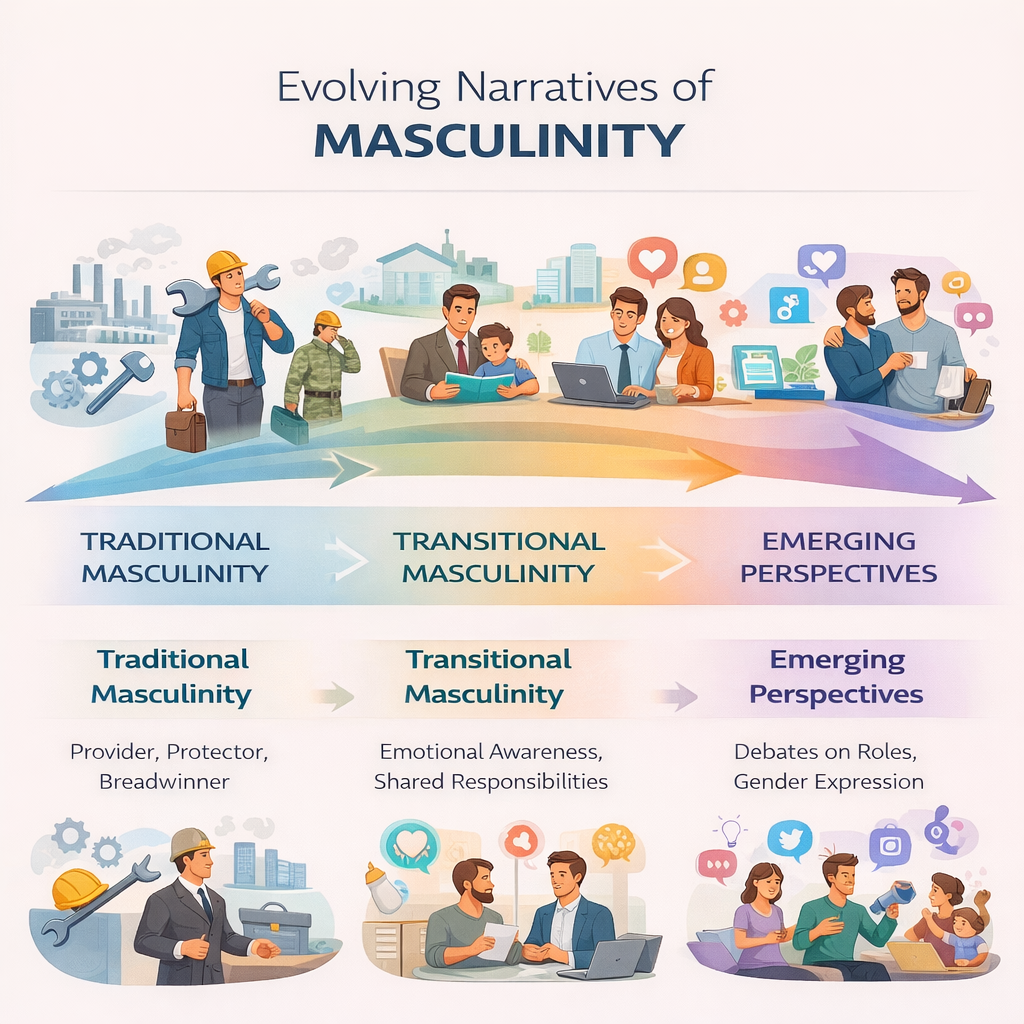
So like the traditional kind of identity that men have of being macho and manly, has that been just so eroded that, you know, there's no real feeling of like, I can do these things and be manly? I, I had an interesting situation at some the same party as a gentleman who was a former right, former marine. Okay. But he was totally and he used to do bouncer work.
You know, he's do all the traditional type of work you tend to do when you come out of the military and are still finding yourself. Sure, but that's physical. Right. Physical, manly, you know, and you know, he's talking. He was thoroughly engaged with his kids, though. So everything that was happening, you know, he had a he had awareness of the theater of war completely and totally.
And, you know, it's like whenever they were doing something, hey, take the time, whatever conversation he was in, whatever he was doing, boom. Address it, talk to the kids. And if they needed to talk longer. Sure. And then he would come back, you know. Okay. But he was doing both being the being the manly guy engaged with people talking crap, you know, being intellectual, we needed to be.
But he was also talking to his kids and being engaged there. He was the sole parent there. Okay. Sure, sure. And it's like but that's not often done. Right. You don't see people manning both sides of that. Yeah. And I've seen many men that are just really I don't want to say subservient but like, you know, cow tail to their women, you know like the, the lady calls the shots pretty much across the board and that wasn't, that wasn't something that arrived with me to, you know, that was, oh, you have a history of that.
Yeah, I've seen it. Right. Yeah, yeah. So, you know, in that kind of situation, you know, I could imagine like a man producing less sure. You know, a man being. And then the woman looking at the man almost in a, in a non appreciative negative light because they're passive. Right. Yeah. Further eroding their position with their partners. Yeah.
And they might have had some negative experiences with men. And so they need that right now in their life. They need the passive man. But then don't respect them because he's passed like this double edged sword. Right. And there's got to be a way to win through that slalom. But it's intensely difficult. I had it in just one facet of my life with the, with that teacher.
Gotcha. It was women of the ancient Near East was the class. Hahaha. Nice. Nice tie in. And it was talking about empowered women through history in essence. You know, fictionalized as well as real. And it was a it was an interesting perspective and it really opened me up a little bit to know things like 5000 years ago, the Sumerian marriage contracts had things like the woman, the women owning property, the women, owning slaves, the women put in clauses.
If I'm not sexually satisfied, I can get out of this marriage. Oh.
Wow. That's subjective. And some pressure. It is. It is. Right. I mean, more than likely, I would say there's a culture where they've worked out that this guy can do me right before they're married. Right. Otherwise you wouldn't put a clause like that in there. That's an interesting prenuptial. Yeah it is. But I'm saying it's one of those that they know they most likely worked out beforehand.
Yeah yeah yeah yeah. You're gonna put the marriage on the line without knowing that that there's a good pump game that somebody's got, that somebody knows what they're doing in the bedroom. Maybe, maybe the, maybe, maybe the whole effects of disillusion and disassociation are being are more systemic. They're more widespread for everybody. But then through the culture of like, guys, you know, like kind of the cultural appropriation of what what a man is, it resonates.
It comes out differently than it would for a woman or other people. Right. So, so maybe that disassociation, kind of like the way that we've been describing it and see it is a really kind of, the cultural appropriate way of man is expressed through a man. Right. And so it comes across as that and with, with women.
Everybody else feels the same way. It just has a different expression comes out differently. All right. Right. Maybe, maybe there's a piece to it there as well. You know. But you know, this this a competition factor amongst men that's traditional as well. You know, it's, that's kind of now being seen in negative light. You know, there's a competitive, like, maybe overachieving, competitive.
Yeah, you know, type thing. It's like, something about no one, something about marries another one. Meet the parents. When Ben style. Still not then Ben Stiller. Is that his name? Yeah. You know, goes up for the big spiking of the volleyball. Yeah. And ends up popping her in the face and busting her nose. Right. And he was feeling all this pressure from, you know, he's manly father in law who was an FBI interrogator.
Yes. And so, like, you know, they're playing the game. They're they're like rib jabbing him and picking on him because he's not playing well. You know, he's wearing a stupid outfit. He feels awkward and dumb right. Yeah. So he's finally just mainly like, you know. And then that doesn't work for him. Right. Which is hilarious. But you know, and then, like, the mom jumps in the pool, is is like, you know, what's wrong with you?
You really feel like, you know, at that point in time, a caricature, a of a modern man, a, you know, a dressing down of them was appropriate. And I proposed because it describes the forces on you from every side. Totally. They did such a good job at capturing this, like, pressure, the strange pressure, you know, that you're meeting the family.
And like everything he does to try to offset that pressure just completely fails. Right. Which is you know such a great comedy but also like kind of has its finger on the pulse of what we're talking about an allegory to reality. And like the guy. The guy is like, you know, I'm just going to go have a smoke on the roof.
Yeah. And then catches the whole fucking thing on fire. It's like nothing works. No. No reprieve, no respect. He's going to be the dumb. You know what I mean? Yeah. He can't have any rest. He's just the perennial dumbass. They're pulling his man card, killing him. You know, gay Focker, because he's like a male nurse and you know everything.
But can you just consider being a doctor, you know, type thing? And it's like, that's not what I wanted to do. And, you know, and and that's that goes back to. That's the traditional pressure on a guy. Yeah. Yeah. To fall into a certain mold. That's right. He was breaking the mold by being a nurse. He was doing a more empathetic, a traditionally considered emotional job that a woman takes on typically.
Yeah. And I even believe that like he explains himself in the movie why he preferred he went that intentionally. Like why he, he picked it. Right. And I mean, I considered being a nurse back in the day, you know, but it was something I chose not to do. So, you know, the kind of days of, like, working the oil rig, you know, pounding the railroad spike.
Working in the foundry, you know, with no shirt on the leather apron when those are, you know. Yeah. Like those kind of those kind of days, I think are kind of over, you know, I mean, there's still maybe a few of those jobs. Yeah, but you're not. The town blacksmith is not something that gets advertised. Yeah, yeah.
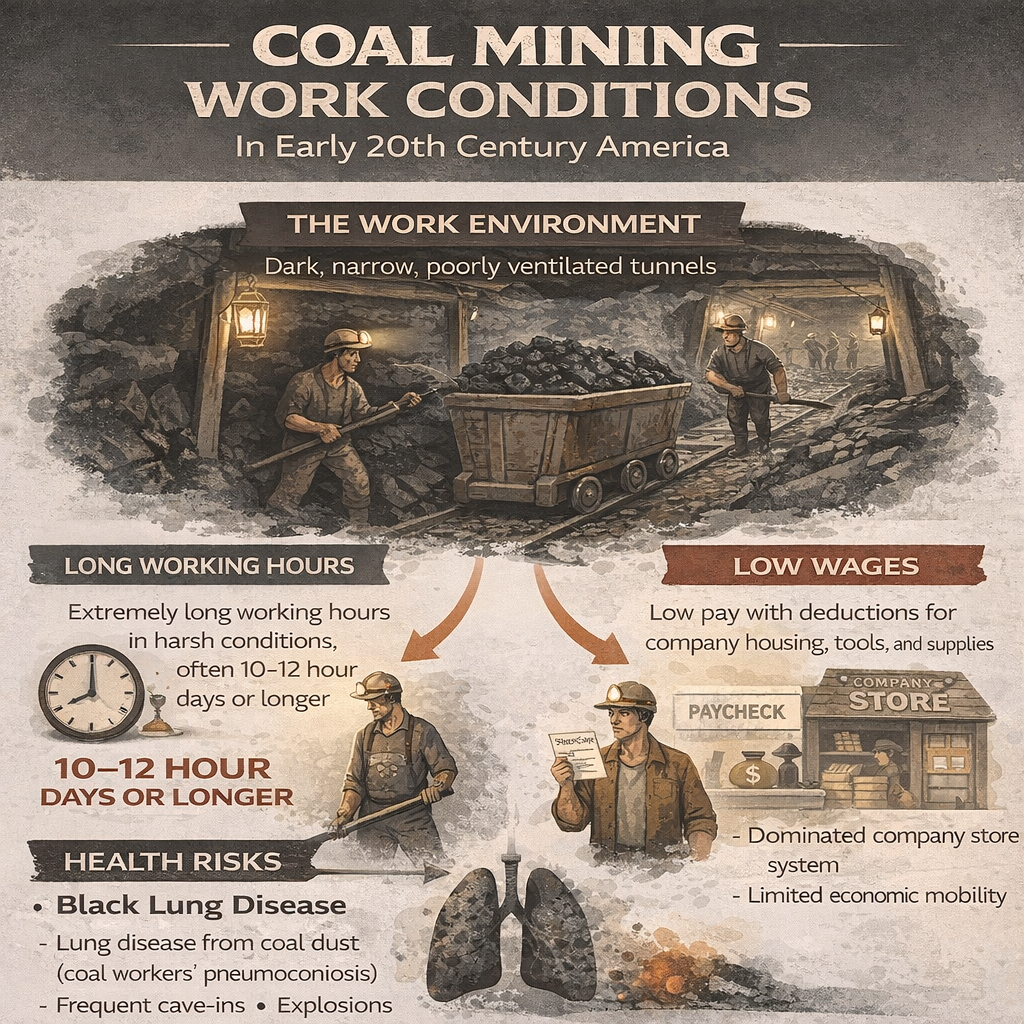
You don't go through town now and hear the the pinging of metal. Yeah, right. And the smoke from the foundry. Yeah. You don't have some guy running a stable, shoeing horses, working with the blacksmith, doing this. Doing that. Yeah. So you still have, like, the coal miner and you have. But, you know, these are jobs are increasingly becoming more automated and, you know, less and less.
These jobs are waning, for sure. They're they're definitely, you know, it used to be I mean, several people in my family had worked in the mines like I grandfather, he had worked whenever he was first raising like several children. He, like we're talking five, six, seven children. He's working 100 hours a week for a dollar an hour in the mines.
And then my great grandfather, he died a black lung. Came back from the war, worked in the mines for a little bit, and. Oh, that was it. He worked in the mines for a little bit, and then he ended up getting his own mechanic shop and doing all kinds of crazy stuff, like being the first in the county to have, like, blah, blah, blah, and then, you know, but because he worked in the mines for a few years while he was getting his feet, he got black lung, just.
Yeah, that Jordan Peterson guy, you know, he there's this like, kind of popular clip that's circulating around YouTube and TikTok of whatever, you know, this lady, to me, that's like the new type of dude, right? The Jordan Peterson type of guy, I don't know, I'm not sure the new type of dude. Yeah. Like the one who is politically active, cerebral, hyper focused on a set of issues.
Okay. Yeah. Maybe. Maybe. Yeah, maybe. But, there's this interview where he's, like, sitting down with a lady, his herself proclaimed feminist, you know, and she's talking about male privilege. Yeah. And, you know, he basically has this, like, I'm sure he had this sharp tongued rebuttal. Good morning. He's like the sharp tongue rebuttal to that idea. Right.
And so it's like, this is a unfair characterization. He goes, you know, where exactly is the privilege? And he lifts off the series of things. It's like the majority of people incarcerated are men. The majority of people that are victims of violent crime are men. Majority of people that commit suicide are men, you know, on and on and on.
Majority of people less likely to achieve well in school or men. And it just goes on and on. Right. Like this long laundry list, you know, people most likely to die in warfare, I, you know, kind of, etc., etc.. And, you know, the way he listed off in a real eloquent fashion, you can say and then he and he kind of puts the air thing on the cake and says, what you're doing is you're taking a handful of men like these people that are the business tycoon is the Jeff Bezos of the world and whatnot.
Right. And using that as the characterization of all men, which is profoundly, you know, naive and profoundly inappropriate, you know, so she's literally left with speechless, like, what can she say to that? You know, and, I think he's kind of speaking to two things. For sure. There, to some extent he's speaking to reality to some extent, you know.
Well, statistics are on his side on this, right? They are. But the statistics, it's it's kind of like he took she had a generalized argument. So he said, well that's a field we're playing in generalized sweeping generalizations. So down in the weeds and show you wrong and well he said he also managed to use statistics in a very generalized way as well.
Okay. Well then you go back to this whole thing of, of you know, he is deep into and I don't definitely want to do a podcast on Jordan Peterson. But please not but you know, he gets into this thing too with like, the whole the way you calculate the wage differential between men and women when you when you do it in a more fair manner, you find out that there is no wage gap.
Or if there is, it's so minor it's not worth talking. I don't believe. Well, no, that's actually been done now several times in several different ways. There's some kind of standard, talk about wage gap between men and women has been deeper analyzed and to some extent debunked at this point. Okay. Bye. You know, many different angles, many different ways of looking at it.
Sure. I mean I just, I, I don't have any problem believing that the women I can I have plenty of anecdotal evidence to say high performing women in the same job as myself. I get paid more that are. How do you know that? Because I've asked them directly. We've gotten conversations about how much each of us are making.
Yeah, well, maybe you didn't negotiate. Maybe. Maybe they didn't negotiate a very good salary. Yeah. And you're looking at a small data set? Yeah. I mean, it's entirely possible. It is absolutely possible. But in general, women also seem to believe they get paid less, which may affect their negotiation, too. Well, that ties into the modern narrative of, like, men are advantaged and women are still disenfranchized.
You know, and there's a huge you know, it ties into that broader culture that we see right now as a victim victimization and victimhood. Right. I mean morning there's this there's this right now a huge, huge, huge right. Like cultural emergence of victimhood. And it's like just what thing are you victim of? Right. You know, and it cuts a broad swath.
It's not one particular kind of person. It's everybody gets to claim some victimhood. Yeah. This is how I am victimized is how I'm marginalized. And you kind of compare your hands, right? Like a very modern thing to do. The kids are doing it now with, with a mental disorders and mental dysfunction. Oh, wow. Right. The kids like, now we'll sit around at parties saying, oh, I have ADHD and social anxiety.
Oh my God, you know. No, really, I believe it, you know, and my daughter actually brought that up to me several times being like, you know, she hates it. She doesn't want to sit around and talk about, you know, all your infirmities. Yeah. All your excuses for why you have your behavior. Yeah. You're not something else than what you are.
Yeah, yeah. And, you know, to some extent, this misandry conversation could be there to, like you say. Oh, well, it's easy to easy to say, like, look, look how society treats men, right? Yeah. So now I'm a victim of this. I don't think that would give you a culture of man. Hey, I am willing to bet pulling that card wouldn't help you, right?
Because right now, in the common vacuum, there's no there's no sympathy for a white male, middle aged white male. You might as well be fucking invisible. Seriously, you might as well be invisible right now. You don't feel that. I don't feel like you don't feel as a middle aged white man. Well, you're not really so middle aged yet, but, I mean, I am, right?
I mean, you are holy. 41. Oh, is that count now? Is that too early? I don't know. I think like 45 and beyond. 45 to 65 is like. All right, well, you know, whatever. Just matter, this matter, you're close enough. Regardless, I guess, you know, you don't feel invisible in a lot of setting. Maybe, I, you know, have you not been paying attention to it?
Well, I guess I the way I talk and present myself, I guess I don't let myself be invisible. Oh, you talk loud. So. Yeah, I talk loud. I jump into lots of different conversations. I. Okay, it might be, I, I might show myself in that a little bit, I guess so. Okay, here's what kind of what I mean like when you, when you, when you're like in a group of people, do you feel as if that group is looking at you in any kind of remarkable way?
No. I feel like if anything, I'm looking at it again. Like you said initially, someone to just fade into the background and to. Yeah. So the older I get. Right. So. Exactly. Exactly. So there's a there's an age component. Definitely. Especially with this, the older you get as a male, the less, you know, kind of significant. You, you know, the less flashing of opinion you create when you appear.
Yeah. Right. And right now the, the kind of maybe it's kind of always been this way to some extent. But you know, right now, like the, you know, kind of 18 year old beautiful young lady, you know, has the mic, if you will. You know, it has the attention. So how many, how many videos have you seen of like, just some dudes face like the, the, the thumbnail for the video is, is some dude on a dude's face on the screen like a YouTube video?
Whatever. Right. Yeah. Like, they're going to be talking about something and there's so much saturation of that that it's like, it's almost like that even bother clicking on anymore. Yeah. Because there's like this, incredible, incredible, incredible, massive, content that's been created of, of some dude talking about something. Right? And they do the same format. It's just focus on their face, like unnatural focus on their face.
The only thing in the field of view is this dude's head. And like, with the trendy stuff, like maybe wearing glasses that are reflecting some color, you know, like off of and having the, some kind of either virtual background or, or really unique colored background, you know, that whole YouTuber look, you know. Right. And, which is kind of kind of silly, but it is, you know, the the evening broadcast format is just as silly, too.
And it's just different facets of the same theme. But anyway, so so why is that? Why why are so many, you know, dudes, young young men and men in general like, you know, feel necessary to like that's their outlet, right? What is it that is it that now that's the soapbox. That's. Yeah, maybe that's something to say. That's where you go.
Maybe. Or maybe that's because you feel like that's what I was getting at is that maybe it's because you feel like that's the only place you can go. Oh, well, yeah. I mean, it could be for some, the only place to go, but it may also be do you place to go. So it might be positive. So I can, I can do a social experiment.
I can repeat it on a grander scale. But I've done it on a small scale. Yeah. Like I said Megan lines to say before. Oh shit. And like had her say something. Yeah. Like, in Nova Scotia meeting, you know, and you see, can see people responding to her saying something versus me saying something true, the same exact thing.
True. And so her it's almost like, yeah. So, so for her it's almost like standing ovation, you know, practically the way people are falling all themselves to congratulate her and appreciate her intelligence and wow, how significant that was. Right. Whereas you know I it's just for me it's just another sentence. Well yes. But you for one you've said those type of things before right.
Most likely. And then for two it's we do lose some of that cachet that, that pull the older we get. People do feel like when people say things that are impactful, it's novel. Fair enough. And you know, us for people. I mean, yeah, it is harder to shock somebody with something you're saying it really is, especially when you spent more time around that person.
You're kind of used to the the meter and cadence, what you speak, you know, and almost don't always quite hear the content. Sure. So, these sitcoms like, I know I kid shows like I Cali and this one that comes to mind, like basically shows these kids doing all this, like, cool stuff, and the parents are just either absent or very seldomly come by or nowhere to be found or disconnected or.
And if they do come on their dumb. Right, you know, they're, they're portrayed as really as dumb. Yeah. Not knowing what's going on. Out of touch. Right. With technology and, you know, everything. The kids are cool and savvy. Yeah. And the kids are running their own lives. Yeah. And so the kids, like, are the it's like that hierarchy.
The kid is, is the smart, young, savvy tech genius. Right, right. And then the mom is like, you know, second to that, because there's plenty of ads where it shows like the mom doesn't know, but the kid you know comes in. Come on, mom, I'll show you through. And now mom knows. Yeah, yeah, yeah. The kid showed mom how to use that technology, and that's what I'm saying.
Now, the knowledge has been passed on to my mom's. Not been denigrated or made less because she didn't know. Right, exactly. Exactly. And then the man then is the third in line, right? Like right. And who knows if the turtles to the man who knows. Yeah. And so some of these sitcoms and stuff showed the parents like being completely, you know, like just just out of the picture.
A lot of the, you know, Disney ones and things like that. The modern player. Yeah. That's the modern, you know, flare that they're this idea that they're that they're shuffling to the kids is like still there right. Yep. And I don't know necessarily that's a healthy idea. So you have this great Greta Thunberg right. Activist lady. Now everything that she's doing would be 100% impossible without the support of her parents, 100%.
And whatever social network she's tapped. Yeah. And everything she's doing would be absolutely impossible if she was doing it older. That's what exactly I mean, that's exactly what I'm speaking to. I'm tip my hat to like the I guess what you said novelty, nubile kind of, you know, approach here and, you know, using that to get attention by gosh, marketing and advertising cause is going to be starting to go in this direction.
Yeah for sure. Absolutely. Whatever gets the attention will be then the marketing, you know, thrust, if you have a young face that you can put forth for this particular cause aligned with also buying in. Yeah. Your goal okay. So the marginalization is actually okay. Different different different angle. Then the feeling of feeling marginalized and invisible as a as an older white male and having what you say not being taken as profound is actual privilege because it's because it starts off it's not, when you say something profound or intellectual, it's just implied that that's something that you can do.
Yeah, right. That's something that you do as the normal. And that's something you've done over time because you had that soapbox. You've had that mouthpiece, right? Right. So so the not paying any significance to it is actually like tipping your hat to privilege because you see. Yeah. Because you coming up with that profound thing is like what's expected of you.
Right. And so the mold still exists. That right. Yeah. You're, you're you're granted this, underlying belief still that you're smart and you're intelligent. You're, you know, you're talking about you're in control if you're but it's more of the same. It's more the same. Interesting. So I never really thought of it that way, but but now I have.
And, I could see it. I could see that as being actual, like a really powerful position. So then in general, what I am saying, even though it's not being showcased that way, what I'm saying is probably going into people's minds as as authoritative and substantive and, you know, actually listening. You see what I'm saying? Yeah. Whereas when somebody it's almost a bit of marginalization.
So when a young female says something, a young, attractive female says something intellectually significant, that's novelty and unique and not expected, which is the bias. So in fact, the person that's actually being biased against is the young person, right? The one who's overly effusive, you know, praise is being heaped on their their having a disproportionate reaction to this person because they don't expect it.
See, listeners, this is why we talk about these things. So we try to open up new facets of understanding for ourselves, for ourselves. And I mean, you guys might have already understood this, right? Right. Yeah. Well, you know, then like, our pedestrian assets are just. Yeah, they get it. Now. The dumb, the dumb lummox finally gets it. It's had some penetration.
The, the the will to beast, you know, is getting it. It's been beaten into our skulls. Now, interestingly, you have this phenomenon to where if a person translates their intellectual capacity or their capabilities into a large sum of money, all of a sudden they're now treated with novelty. They're treated again with that, people, people listening to every word they say.
You're right. You're right. It there are certain things that grant you that that soapbox again. Yes. Money. Money is arms money, money, political power. You know, some degree of celebrity status, right. All gives you that soapbox power again. Yeah. Which, which which then plays back into the novelty idea because there's not many people in that category. That's it.
That's it. Maybe the key is to become part of this more novel or less trite, less less of vaunted and in their face category, more become new. And then also there's a tie in to of like, cultural ideas about certain things, like, so, for example, someone comes up in monk's robes. Yeah. And starts talking philosophy. A person is going to listen to that, you know, typical American who's gonna it's going to pay a much closer attention to that monk.
There was a guy who won than me. Than me robes reminiscent of Jesus in Asheville when I lived there. And yeah, he was on a medically granted.
This, like, default wisdom and intuition. Anything he said was filtered through that lens by a certain group of dumbasses. Yeah, yeah. So so like the cultural mystique of being in a certain kind of role, right? Like like the old man on the mountain top stroke in the long white beard. Yeah. You know, it was automatic. Was the guru right in the assumption that there's wisdom there.
But again, here we go back to the novelty. Right. Yeah. There's something that they have a unique something about them. They possess something unique, whether it's cultural or, you know, tangible. Yeah. Yeah. They could be piggybacking on cultural norms that could be turning those on their head. There's something there that appeals to a particular group they're connecting with.
There's something novel, there's something not evident experience there. So children, also like my children and my children's friends actually come to me now that I think about it, have come to me from time to time for a very specific advice about something. And so, that's that again, ties into this, this new idea here is that, yes, maybe I feel invisible as almost like an average everyday, you know, middle aged white guy.
And nobody's paying attention to me. Right. But then still benefiting from this idea that I have my shit together and know what I'm doing. There we go. You know, and maybe people aren't checking in on you. Maybe people aren't, you know, doing the they aren't connecting with you on that level because you do you're are perceived as having your shit together.
You are perceived as being beyond that. Well, you know, we need to see what Chris is up to. And, the word is on the street that, you know, I'm creative. I do a lot of projects. Unproductive. Yeah, to make money, blah, blah, blah. And, so some of the other, some of the kids, you know, my, my daughter's friends particularly better in that age in 17, 18, 19, you know, come to me to ask me very specific questions about life stuff.
Yeah. And I'm so maybe, maybe there we go again. Maybe what I'm just not recognizing is your new role. Yeah. Or my genuine actual status. Yeah. You know, I'm looking at it from this feeling of proportionately being less paying less attention. Well, you're looking at it from the perspective of that you had built over years. You're looking at it from where you were.
And it's hard to see where you are sometimes. That's it. So maybe, maybe that is in and of itself the privilege is that this idea. It might be a false, it's false, it might be totally false. But so maybe this is just a reverberation. This is just a reverberation, almost like a jealousy factor that the men have enjoyed for so long.
And the status of like having to shit together and being strong and, you know, making good money, having a good job, having a good career. And they want some of that. And part of that part of the misandry is saying I deserve some of that. Right. Sure. Yeah. But it's 100% nothing that I'm going to welcome and encourage because, because you know, just, just like, given the middle finger to somebody because they're in a certain category is flat out wrong, you know, wouldn't do that in any way across anyway, looking at them and saying, you deserve this.
Yeah, it's totally inappropriate. Yeah, yeah, that's stereotype right. But I guess if you're going to fall into some kind of category of stereotype, it's not so bad to be a white man. It's, it's definitely not a, stereotype that will negatively hurt you in the bulk of situations. And some. Yes. Until it gets to the point where the Missandei is so is so permitted towards like middle, middle aged white men that so permitted that it becomes a norm, it becomes a new stereotype, I imagine in some situations, in a ridicule where the young dominate, like, school.
Yeah, you may end up being more marginalized, more poo pooed upon.
I would imagine some situations where women dominate. Well, that's you may catch more shit that's happened to me on the college campus until it's a debate format. Right. And then, yeah. Watch out. Right. You know, the, but yeah, you have one of my classes. Two semesters ago, I had, it was a technology class, and obviously I'm pretty well versed.
And it was about a specific debate about China. China and certain things in China. And I had my position and I debated that and this probably like 20 year old kid or whatever as I'm 20 year old kids and I say kid now 20 years old, right, right. It's 20, 20 year old young man who's about to really Farrell graduate from college.
Yeah, right. He's about to finish that phase. You know, decided that it would be I would be someone that he's going to set straight on something. Right? And, it didn't work well for him. It was a it was it was literally like, to what degree do I want a massacre of this person? And, he really pissed me off because with a personal attack.
And so the degree was like, full force. And, I was embarrassed afterwards. I even I apologized to the teacher at the end of the semester. It was like, sorry for doing that. You know, I shouldn't have done that. The teachers say it's like, well, you're she was on my side. She was like, he made valid points. You know, it's not like you.
I made no personal attacks, right? I just made all of his arguments. You invalidated them. He just. He just looked completely stupid. Yeah, and that's the thing. You know, if you engage in personal attacks, you open yourself up to being just ripped apart. I'm sorry. You kind of deserve it. And, you know, it's biting my tongue the entire time because everything that, like, not everything, but a large majority of things were being said were wildly inaccurate.
And, you know, and you were like, you know, I'm going to go down a slippery slope if I correct each and every one of these things. Yeah. Why don't I? I don't want to be that guy. But if I go ahead and show this kid, look, you invalidate those attacks by invalidating his argument. You did both with one stroke.
And that's the that's the intelligence of the older man coming through. Like, I don't need to address these petty concerns you brought up, but I will address them by completely eviscerating it. He's the lost credibility on every front. And and the irony is that it was male arrogance that triggered me. Right, right. Like, yeah, it was the same thing that allowed him to personally attack you that.
But you channeled it in a different way. Yeah. Yeah. That would have been, that would have been something to have on recording. I tell you what, I'm sure it was good, but, you know. And did you see Will Ferrell and the movie Old School when he has to do the debate and like, he goes into this alter ego.
Yes. And, like, totally nails it. Yes. And, whatever his opponent was, was like, I, I have no rebuttal. That was perfect. Yeah. And it was it was so hilarious. You know, after he had done it, he was just blown away. He was like, oh my God, I'm done. He's like, kind of blacked out there. Yeah.
Frank the tank. Right? Yeah. Raging Cajun who's up against I can't remember the guy's name, the bald guy. It was like a pundit, Republican pundit, pundit. It's funny, it's Aldean. That was what happened in the class. Like, I went into that mode and, you know, surprised myself at, you know, what I came up with type thing. Good, good.
Not to like the Frank the tank level, but, you know. Yeah, but yeah, you you brought out your it brought out your best. And, you know, like you said, you felt bad, but the future was like, well, no, I mean, it almost like that was sort of needed. The kid needed to be redressed. And I will say I kind of hit a weird, sweet spot whenever I was doing the college thing.
It's in my mid 30s and I didn't have a really great hair like I do now and you know, had a much better, less thinning head of hair than I do now. And it was a.
And I guess with my personality and everything, you know, things ended up okay. I only ended up in a couple of situations. Oh. Sorry, man. Oh, we're doing a podcast in. Sorry, man. You're finding your friend.
He had his headphones, and I think you thought we were talking to him. I only just in a couple of situations where, you know, shit was.
Shit was weird like that, where I had to redress someone, where I had to go head to head with them. I it wasn't often. And my stepmother, she was talking about she felt exactly what you're feeling, but. Or that you felt that one time. But all the time, whenever she was in school and she was going to win.
And, you know, she just felt completely out of place and considered privileged and old and almost marginalized by these kids every day. Right? She didn't know how to navigate it. And, I mean, at the time, I was in school to and I was like, I was like, oh, she's like, what do you mean? What are my pronouns?
I don't understand? Well, I was thinking, I was telling her I was like, well, it wasn't even at that point for me, at least in the circles I ran in whenever I was in my mid 30s, to they weren't doing the pronoun thing, you know, that's pretty new, right? Yeah. And, but I was trying to explain to her what I did, and she's like, I can't do that, you know?
Yeah. Oh, and I've already noticed that it's starting to wane already, so it's run its course. I don't know about that, but it's I feel it's starting to it's either peaked or it's starting to, you know, from my window. Okay. We're having less power and impact. Seems to be. Seems to be definitely. That's good. At least it's good to me because I've not adapted to it.
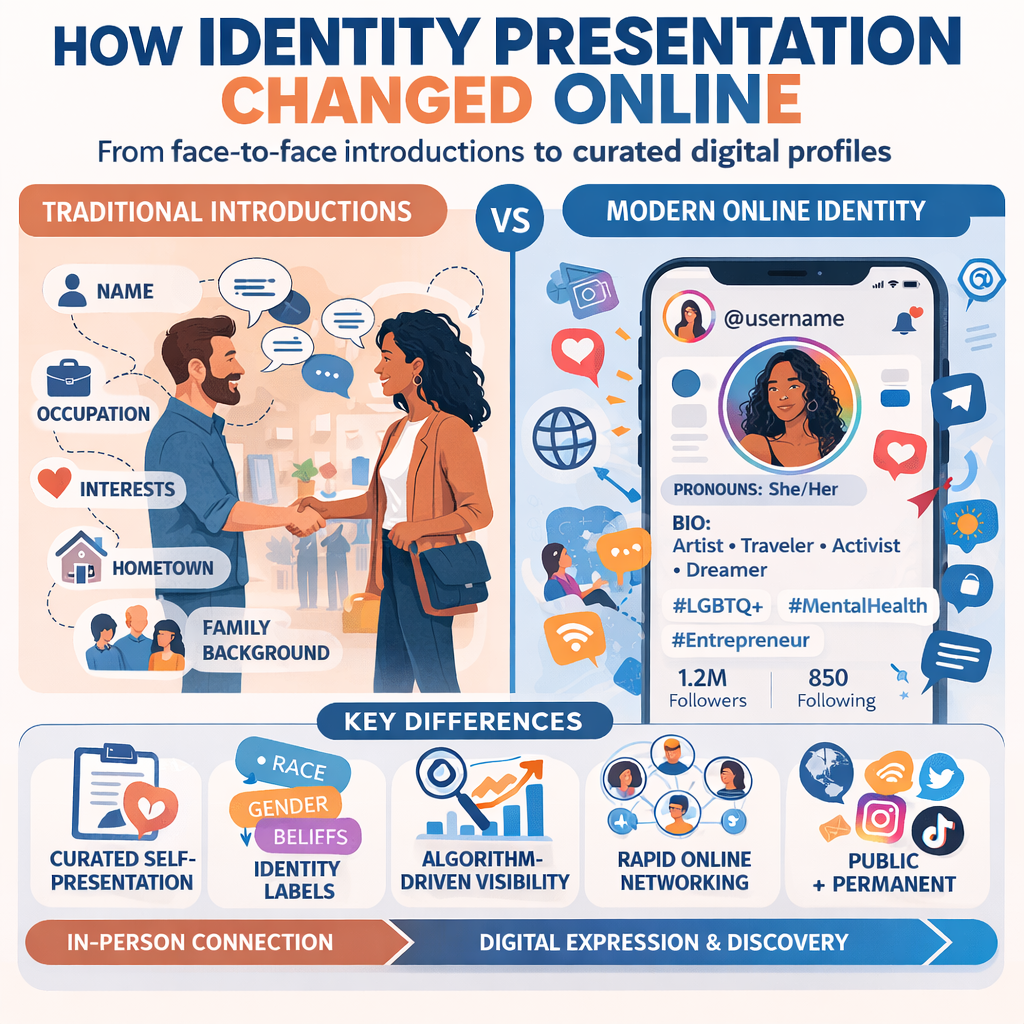
So if it passes on without me having to fully adapt to it, great. Yes. I mean, like, I'm not I'm on the record already and I'll double down on it. Just say like there's some there's some degree of dysfunction when your sexuality has to be front loaded. Right. Yeah. So the as the front loader identifier of who you are is your sexuality is something that's dysfunctional in society.
Like your sexuality should definitely be, in my opinion, a more private thing. And I think so too, because I think that that's not what you want to present as your first. Right? That's what I'm saying. You're deeper than that. And well, I'd like to think I would hope and that's that's kind of why I issue it as something that someone first presents.
I'm like, there's more interesting facets to you because really, there's only so many, you know? Yeah, we've created a plurality of being. You can choose all of these things, but there's only so many of them. You're still a member of a large group, and I guarantee there's something more unique and impressionable about you. Then whatever you pick out of this list that's ever changing.
Yeah. Which is, you know, that's that's really kind of Tinder esque, right? It's like you just you just lead in with, like, you know, here's how large I am and here's, you know. Okay. Remember back in the day. Did you know in the on those chat things like Yahoo and aim and IQ. The thing was a SL age sex location.
Yep yep yep. And and that wasn't nearly like, you know, as brazen and as forthright as some of these apps are today. Yeah. How big are you? Yeah. Or you know, whatever. What's your what's your height weight and, you know, whatever, you know, very specific about sex. Yeah. Yeah. I guess that was kind of the preamble to it.
Hey, you know, what are three questions we can have that matter to us? Yeah. So there's there's a degree of objectification. There's a degree of marginalization built into that, you know. And so I think the same is true with leading with your sexual orientation. Yeah. It it has to lead to a narrowing and a marginalization. But maybe it is the same sort of question.
I'm saying maybe it's, hey, bare bones. On the face of it, do you have interest to me? Because, you know, if you lead with your sex, is it the same thing as is it a more pointed version of ASL? Yes it is. Yeah, yeah, it is more pointed version of that. And to some extent it's it's it's kind of degrading on both sides.
It is on the one side, like you're leading is that's the, that's your defining characteristic, right, that you're going to lead off with. Yeah. It's like if you are playing cards, you know, what card you lead off with is a signal, right, right to the strength of your hand, you know, kind of idea. And so I can see some tie in there.
And then, it's marginalizing from the other side or degrading from the other way, of which you're then kind of prompting the other person to, have to some, some degree address that first, instead of like the Ford model, like, you know, your family, your occupation, you know, relationships and dreams, you know, now you front load that.
So, you know, S4 like sexuality, right? That's like the very first thing to get to know somebody. Right? It seems it seems very well. But I guess what I'm trying to say is maybe it's a way to cut through and filter down to the people that you might be interested in if you're having, but that's another that's another degrading thing.
That's another thing you're assuming that that's that's going to be the primary selector. To what if that person decides to affiliate with you? You are. But maybe in certain maybe in certain venues or maybe in certain areas that is the primary selector. First, like you said, it's s forward maybe. Okay, so sexuality first, but then after you realize, hey, that's interesting that sexuality I find out about, you know, occupation, I find out about these other things.
So when you get into then psychological terms of a young person like society putting pressure on them to front load their sexuality is wildly inappropriate, right? Like it used to be. Okay. So used to have, like, kind of idea. Young kid. What do you want to be when you grow up? Right? Right. Again, focus on occupation. Like what do you envision yourself?
Right. What do you do as an identifier? As an identifier? Yeah, right. But now that he's transforming to where the primary identifier is becoming your sexual orientation, that looks like a complicated real.
Yeah. I got a lot of options.
Like, like more options than it should have for small form factor. Yeah. It's tiny. Looks like you might be able to put ten burgers on it, but it's got like, four cranks on it. Yeah. Like, what are we doing? Three different exhaust ports. Yeah. Yeah, I smell your cooking. Burgers are meth, right. It's got a chimney pipe and everything.
It's got the polo, you know, crazy polo chicken, you know, under basement meth lab. You know, a number of variable controls on it. It was the redneck 3000 meth lab in a box with a really good event venting exhaust system so that nobody calls the cops when you're cooking burgers or meth. Yeah. Oh, yeah. It can pivot to either.
So, you know, like a super, super super char grill 3000 Am. Yeah, yeah. And yeah em class it's got the the meth.
Yes. That's interesting. You can look at it as just a shift in, in sociology. You could shift in, you know, culture and group dynamics and whatnot and not put that much emphasis on it. You know, I just don't think that young children should, should be spending a lot of intellectual time and energy onto predefined their sexuality before they're even pre-pubescent in some cases.
Yeah, yeah. But I, I think it might be just as harmless or impactful and may have not been harmless as the pre filtering SL question. There's so much noise. There's so much going on out there. How do you find the people you're interested in. Perhaps I can see some of that. But that that doesn't the ASL thing doesn't seem as marginalizing.
It doesn't it's not as I mean, it's really hey, what's your sex? Where are you and how old are you? Yeah. Maybe you shouldn't say marginalizing. I should say, like, diminishing. Diminishing. Yeah. Yeah, because it doesn't reduce you to or pigeonhole you. It just says, hey, what are these bare bones facts about you, right? Because it is asking facts.
And the sex forward model does not necessarily ask back. It asks how do you determine. But maybe that is actually saying a lot about you. Yeah. Maybe saying too much about you like in a specific domain. Yeah. Yeah maybe. But maybe it's saying enough about you that it's, it communicates, maybe it communicates a lot to the person who's really asking it.
Well, our people asking it, that's what I'm saying, is being offered. If people are presenting it, then someone is at some point asking it. If people are presenting it forward first, then I don't know about that. I've never asked. I've never asked it. You've never asked it. But we'd have to ask someone like Megan, do people ask this?
Yeah. Of course. In that social circle, it's what are your pronouns? Right. So that's what I'm saying. We've never asked it, but it's in this. It's in this certain cultural lane that they are asking for. And so rather than and that's inappropriate, have someone ask it that's in it might be inappropriate. It's like it's like same way if you said, you know, a group of 15 year olds sitting around asking, talking about sex, it's like like sex that they've had.
It might be inappropriate, but it's in the same lane of we didn't sit around and talk about what we had, but they do that now. What? Psychological disorders. Yeah. Yeah. Diagnosed or undiagnosed. Right? Right. Well, I suspect it. And here's why. So self-identified versus. Yeah. Quack identify. That'd be hilarious. If, that question usually came up. Hey, did you look at the DSM five yourself or.
Did you match the symptoms on WebMD or did you. Yeah, yeah. What did you match it with? Was it WebMD, DSM five? You know, what effort did you have to go through here? Now, the irony is that the official diagnosis isn't far from that anyway. So yeah. Yeah, it's a some degree the same camp, right? Yeah. So for example, there was a advocate teacher way back when Megan was, fifth grade, fourth grade, I think fourth grade.
And, this one, you know, you're getting old when you get stuck on a detail of a story. Let's see. What great was it? Oh, wait. Hold on. Was it? I have to nail this down. Absolutely. Was it was it fourth or fifth grade? Exactly. What was. Wait. Okay, wait wait wait. They were serving tater tots, and. But really?
But I remember they changed the menu. And I'd like to say that that sort of dwelling on the wrong thing really helps you frame up the rest of the story, because you're putting together all your memories at that point, you're saying. So it's a it's an exercise in memory recall and your brain fitness rather than telling actually telling a story.
Well, it's the act of telling the story, but you're reinforcing, you're bringing in more details and you're cranking up that associative machinery and you're trying to be accurate, because accuracy and storytelling is usually what people want. Yeah, sure. Okay. Or just generalized detail when she was in grammar school or it's okay. Yeah. And that would have been the better thing.
And that's that's okay. Right. In my opinion, saying giving me the general time frame like early grammar school would have been just fine. You have a context, right? Yeah. Why is this advocate teacher that, like, you know, was convinced that Megan had ADHD and at very first, first past her mom was like, oh yeah, you know, you gotta look into that.
And and I was just like, hell no. Yeah. You know, no way am I because we go to the doctor. Medications are on their way.
So the questionnaire from the family, from the closest family members goes out. And, you know, in the process of looking into this, right. And you can totally see when you're filling it out based on how you answer that question, will will be highly determinant on the final score to make your make the doctor's diagnosis. You say she's a typical child.
Oh, she's getting ADHD medication. You can see through the test the survey. Oh, 100%. And and totally see how all you'd have to do is just a couple of boxes. Well, like in the in the range, you know how extreme 1 to 5, 1 to 10, whatever, right? If you were having a bad day with her and you decided it was a three next, you know, she's on a life altering, you know, psychoactive medication, right?
So, anyway, I nipped that one in the butt and good, you know, helped her dodge that fucking bullet. Good. And, absolutely no chance in hell that girl has ADHD. She just has. She's a mentally active kid.
No chance in hell, right? You know, when she can sit there and focus on making an anime, drawing on her computer for four hours straight, not never getting up? Yeah, that ain't ADHD. No. And it was a bad thing when she was in. It was a fad thing for much longer than just when she was in grammar school.
It was a bad thing when I was in grammar school. I mean, I mean, it's one of one of these things. It goes into that drug category of, you know, what fucks in society. Yeah, yeah. But it was also a thing where it was one of those I mean, it was it was one of those examples of the bear trap.
Exactly, exactly what I'm saying. So I'm the advocate teacher, and then it was bad, I can tell you. I'll tell you the full story at the time, but we're winning this one down for today. So it would cut into the rest of the conversation. So, you know, pulling it back, you know, to to the topic here is that, these front loading of all expectations, right.
We've covered this before. We talk about how stereotypes have their natural place. It's like something the brain does anyway. Yeah I mean we have to we have to capitalize. But then when that intellectually plays out right, you can then steer it and have it be intellectually play out differently than it would emotionally. Right? Right. And then when it plays out intellectually, it's much more appropriate.
Yeah. It's hopefully less limiting, less reductionist point of view. If you bring knowledge and empathy and, you know, intellect into it, as opposed to the really visceral, quick decision that the stereotype is. So have you seen like, this controversy lately of young children going to drag shows? Because it's been pride Month and they had all these like pride marches, and they do like these drag shows.
Yeah. And okay. And they'd show like, you know, these young children, really young children, you know, with their parents. Yeah. You know, washing this shit. Right? I don't think there's anything wrong with it. Yeah, well, a lot of people do. Yeah. A lot of people say, you know, that's absolutely, you know, homosexual, homosexual behavior in context, you know, being exposed to.
And if you're gonna if you feel like kids seeing a, now, I'm not advocating for anything younger than about 15, but you got another guy, you know, like twerking his ass into another guy's groin, but you're trying to tell me inappropriate. Your kid sees that and they decide their gay, that they weren't gay before that. I don't think that's at all what the idea is.
I think the idea is that, like, that's that type of behavior in those lewd acts are are inappropriate. I mean, I can not just necessarily disagree with you, but I don't think most of those things are that, oh, I'm just talking about like how a lot of this has been showcased his last month. Yeah. You know, and it's the stuff they're going to show on TV.
That's the stuff they're going to show on a YouTube video triggering, triggering stuff. Yeah. You know, and so like the kind of idea of exposing the children to this at a young age and, you know, like, is that the right answer? Maybe not, but it is. You are you are exposing your kids to a cross-section of society, and you are opening up a chance to have a conversation and help them see your point of view on the situation.
Okay, dude, yesterday we talked about how it was inappropriate to take a young child to church, and now you're not going to say it's inappropriate to take a young child to a fucking live drag show. Well, you guys had said you guys had said that. You thought you know it.
What Lindsay was saying about the taking the kid to church, I think she's saying.
Don't take them to church unless they can make a determination there, because I don't feel like it's indoctrinating a kid, taking them to pride. I don't know, really. Yeah, I feel like I think that is by definition indoctrination. Like, that's I think that's I think that is the definition that's giving them an experience that's like seriously going to me that's like going to New Orleans and let them see Bourbon Street walk it back.
I think taking kids to McDonald's and a Happy Meal is indoctrinating. Okay. I could see what I'm saying because, I mean, there's there's a near immediate addiction for a kid. They only have to go to McDonald's once or twice before they're whining for it. So anything that you expose your kids to, that's a cultural identity or an idea.
Ideology is in the doctrine of the church. You're indoctrinating them into the church doctrine into the doctrine of the church. Absolutely. Taking a kid, a young child to a gay pride parade is indoctrinated. So I guess taking a kid to a, to a.
Monster truck shows in doctor ending, I guess taking a kid to, well, any of these doctrine, meaning it has an ideology behind a philosophy and ideology and it does that. It's a monster truck ideology, the redneck redneck. Okay, okay, okay, I'll give it to you. I got I I'll have to give it to you now. Various degrees, of course.
Yeah, right. But taking him to a tractor pull, those things like that, there's all these trappings. They're redneck. Well, there's all these trappings there. They'll see people drinking beer. They'll see people doing these. All these things. Same with a pride thing. They would see all these people engaging in this, these particular sets of behavior. Right. And so the pride you know the gay community has a certain doctrine.
It has a certain tenant has certain beliefs that are, that are perpetuated and expressed. Sure. Right. In that community. So by absolutely it's indoctrination. Just like a church going is indoctrination. Now we can just decide whether that's the kind of indoctrination we do want or not. And I think that's the key we decide. But I'm not going to I'm not going to say that like, you know, just because someone is in a community, they get a pass and then don't get labeled indoctrination like I would all these other things.
Absolutely not. No. Is indoctrination full sail just like it would be if they're in a church. So like just because it's in you know in the popularity column. Right. Doesn't change to my mind. The core of what. But I think we need to really open it up to all these other things and say, all of those are indoctrination, two or more, making the choice.
If we're taking our kids to those things, we've decided it's appropriate. There you go. Yeah. And so in kind of by nature, it is then appropriate because the parents decided it was appropriate rather than some third party, you know, advocate group. Yeah. And that's the thing. And, you know, we may say we don't approve of that particular indoctrination, but they did.
Yeah. So you go to the church and your kids get whisked away into a private room where they're taught specific things. Yes. Right. To be indoctrinated formally in that setting. And if, you know, the kind of gay pride march was wanting to take your kids to the side and teach them something, there would be I think there would be strong.
There would be a strong objection. Yes, but but instead, it's more of a passive indoctrination. They're taking these things in and depending on their internal biases and what you've kind of what cultural guardrails you've created, they're going to interpret it differently. Totally agree. Yeah. But I'm still going to still stand my ground now and say indoctrination. Nonetheless, I didn't I didn't understand.
Yeah I agree with you. Now that's indoctrination. But I wanted to just open it up and say, I think we both agree. If the parents were there, they approved of that indoctrination. Yeah. And you know, tomorrow let's talk about let's talk about, violence. Yeah. And, and the kind of simulated and cultural attenuation and normalization of that as the actual front loading.
Thing that that is a really derogatory to our society and their civilization. It's, you know, that goes under the radar. The indoctrination into that kind of domain flies under the radar, whereas like a nipple slip at the Super Bowl is, oh my God, outrage. FCC has to come in, you know, whole idea. Anyway, that's enough for today.
All right. Cool.