Extra content pops up along the way.
Trailheads
Good places to start walking.Chapters
August 3, 2022
Nostalgic Child Labor
Double-tap the sides to skip 15 seconds
Trailheads
Places to startArtwork explorations
The other takes the image generator gave us, and the prompts behind each piece.
Chapters
Settings
Nostalgic Child Labor
With Kris Tyte & Sean Snodgrass
In this nostalgic episode of Positively Pedestrian, the hosts take a trip down memory lane, sharing stories about entrepreneurial ventures, technological experiences, and coming-of-age moments. They kick off the discussion by addressing the infamous phrase “That’s what she said” and explore how slang has evolved over the years. This episode delves into our hosts' pasts, as they reminisce about a floppy disk repair business. From there, they share entertaining tales of paper routes, school suspensions, and the psychology behind what makes someone seem “approachable.” This episode touches on themes of growing up, relationships, and the impact of technological body modifications. It offers a perfect blend of humor, nostalgia, and thoughtful commentary.
Share
Detour
Episode description
In this nostalgic episode of Positively Pedestrian, the hosts take a trip down memory lane, sharing stories about entrepreneurial ventures, technological experiences, and coming-of-age moments. They kick off the discussion by addressing the infamous phrase “That’s what she said” and explore how slang has evolved over the years. This episode delves into our hosts' pasts, as they reminisce about a floppy disk repair business. From there, they share entertaining tales of paper routes, school suspensions, and the psychology behind what makes someone seem “approachable.” This episode touches on themes of growing up, relationships, and the impact of technological body modifications. It offers a perfect blend of humor, nostalgia, and thoughtful commentary.
Chapters
Show notes
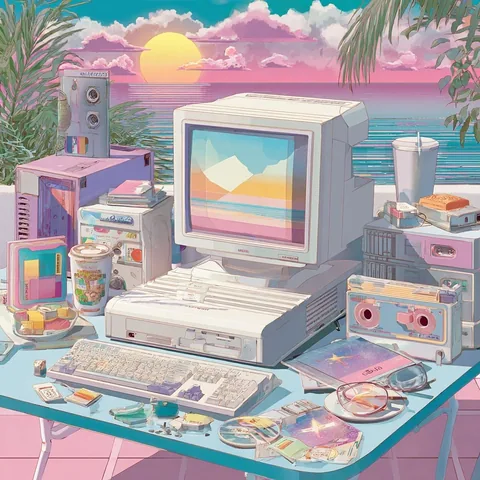
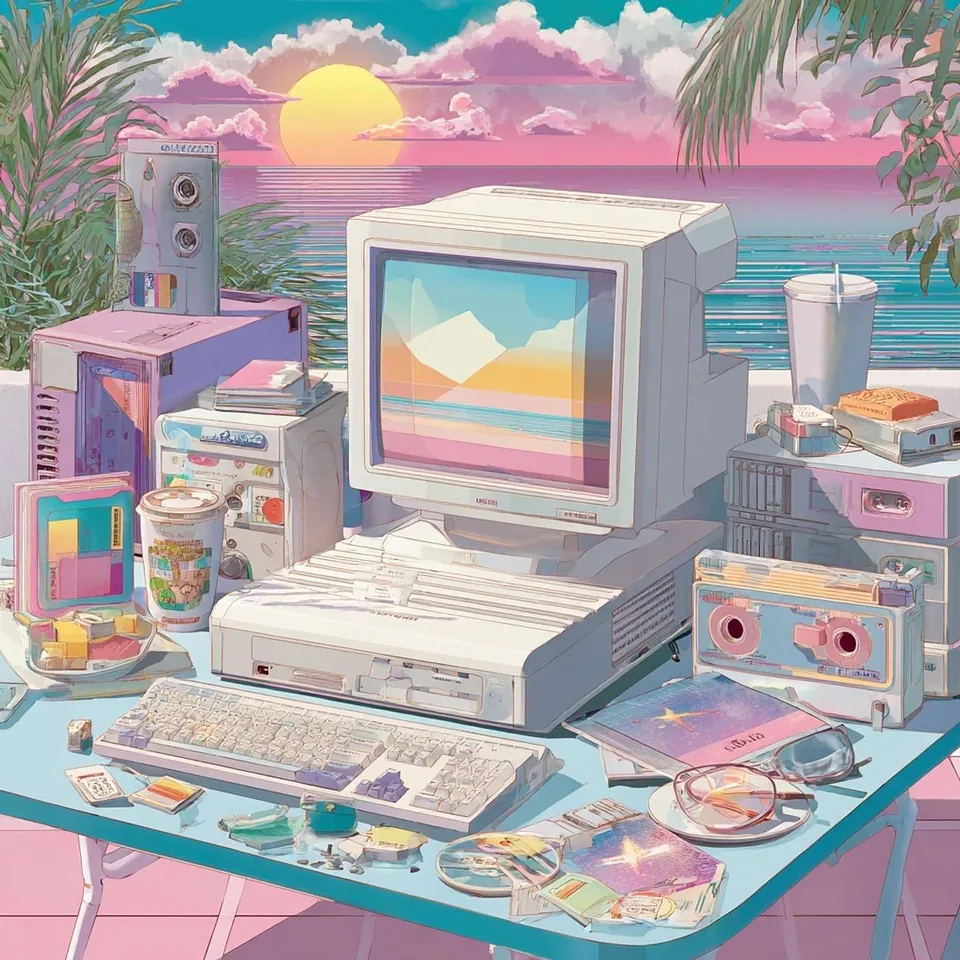
Episode Art 7 pieces
Full Transcript
So do you ever have one of those guy friends? Like, back in the day, there would always say, yeah, that's what. That's what she said. Yep. You know, and like, started to abuse that shit. Like started to say that like way too much. Believe his name was Kenny. Oh, you have someone actually in mind? Yeah.
That's funny that that. I raised that, and you instantly can look with a name. Yeah, like like bam! I know the exact person you're talking about. Yeah. So, you know, literally so. So I figure for fun throughout this podcast, I'll throw in, like, occasional. That's what she said. As a, as a throwback retro joke. Yeah. That's now politically incorrect and, you know, carry over misogyny.
But oh, yeah, we we totally aren't allowed to use it. Yeah. Yeah. Right. That's kind of off the table these days, right? Yeah. But we fail you. But we'll we'll use it in like, the context of which it was used. You know, back in the day. And I try to try to be funny with it. We'll see.
Yeah. We'll see. So, man, it's too bad it's not Thursday. We could be like it's throwbacks Thursday.
Yeah, that's what she said.
Why she said that I don't know. She was going to throw it back. Yeah I mean it's always it's always a reference to something sexual. Of course. Yeah. It's not just it's not just like something a female might say. It's of course. Oh. Always related to something sexual. Right.
Like, wow, that thing's going along. Yeah, that's what she said. Yeah, yeah. Yeah, exactly. It's. And it's always really simple, you know, and and a lot of times, half the time it doesn't make any sense to have said. That's what she said. When you say that's what she said. Yeah. Right. And so the one guy that we kind of knew back in the day that would always that would abuse, that would, would use it in a, in a not so perfect way a lot of times like, yeah, totally over abuse it.
And then there's this other one that came on later that was like really snarky and popular to say not really sexualized or misogynistic, but it was so stupid. I hated it when someone would say not so much. Oh, dude, got that right, because the people who glommed on to that were just irritating. Exactly. Everyone abused that phrase was in irritating person.
Yeah. And I didn't agree with you on that. They were just they were the kind of people that were just almost mean, like Miss Anthropic. Yes. Like hated people. Yeah. And and, like, would use it and always in a grading way, like to insult you. Oh, yeah. Yeah. And it was always just like in. It's such a generic thing.
It's this unspecified blanket insult, you know, like, will they really mean by that? I'm not even going to dive into it. Right.
And, you know, very, very rarely was that funny at all. Like. Yeah. Yeah, it was really just it went over like a lead balloon. Yeah. I mean, it like it was just take the air out of the room. So. Yeah. And and, I mean, you remember all clearly. Remember all the 80s and 90s phrases. I mean, you know, if I just remember, my own father called, called us hos heads, which I didn't realize was 80 slang for dickhead until I was much older.
Oh, dude, that didn't even know that one. That's good. I like that, remember all the standard stuff. There's radical and it's gnarly and, you know, all this fun. Right, right. That brings back memories. So he does like or wicked. Yeah. Wicked. I just like, see a skateboard for some reason. Yeah, exactly. A skateboard with, like, a multicolored skull and a tongue out or something.
I don't know. Yeah. So I had an actual, like, I, I think I was telling you about this before, but it's worth repeating. It's, I had, like, one of my first businesses, quote unquote, was fixing floppy disks. Oh, yeah. They say about that. No, but, I guess you're doing, like, formats on them and maybe drilling the holes in it to make them 144 and yeah, playing around with that kind of stuff.
But but literally like someone would say, I can't, you know, this disc isn't reading anymore. Oh, shit. You physically you like, open them up and. Yeah. So what we do is we take scissors and carefully cut the edge of of one. Right. Oh, nice. You know, like a five and a half. Okay, so the five and a quarter final quarter, actual floppies like floppy.
Yeah, yeah. Not the horror floppy. Three and a quarter, five and a half, whatever the measurements were that people used to this, you know, half and five and a quarter. There you go. There. All right, so the five and a quarter ones when they first came out and you kind of put them in the drive and then put the little pull that little lever down and go.
Yeah. Cause it was reading. It was like eating it, you know. And anyway, we just happened to get into this little niche where a lot of people, just by word of mouth, you know, said, hey, try these, try these two young guys out with me, and I can't remember the guy's name is he had a he had a weird name.
It was use. He was foreign. He had a four name. It was like Stanek. I think it was his name. Okay. And he was really good skater. And, it just so happened my friend Chris had a a Tandy, right? Oh, yeah. With one of these drives. And so we could read to this tool and, you know, see if we can get them to read, first of all, on his machine.
For some reason, the whole reason this whole thing came about is because his particular machine seemed to be a pretty good reading of of of drives. Right. And so, like this, that wouldn't work in a lot of machines. We could get it would work there and we can get it to copy. He just apparently just had a good good good drive.
Good. Oh yeah. Good. Good drive. Yeah. But the only candy I messed with was a Tandy 1000. The candy 1000 rl. The first one with the hard drive. Wow. It's fantastic. And you sit there for hours and watch it defrag the drive, the little spinning screen where it moves, the little. The little, little packets around. It was so damn relaxing.
And, you know, it's like, what, 80 megs max? Something on there that as well as hell. Then I had a you literally feel the whole entire desk vibrate with the spin up for it. And then I had a I think it was a dated general lap, orange monochrome laptop with a ten Meg hard drive. Wow, wow. Wow.
Nice. Well, so. So anyway, what we do these distance, we take these, a new one, a brand new one, and we'd cut the jacket on the edge. Right. Like, really carefully take the platter out. Yeah, yeah, yeah. And then we'd, take the old one apart as well. The one that wasn't working, and we just simply transfer it to the new jacket.
Cool. And the new jacket would then have that internal, like, little piece of fabric that would let clean the disk. Yeah. And that and like, kind of fogging the disk a little bit with kind of like a, Yeah. A lot of times, yeah, a lot of times would actually cause the disk to read. That's awesome.
And then, you know, also in my friend Chris is, like, kind of decent reader. Decent, harder. Yeah. Disk drive reader. Right. That's very cool. And so, we would literally deliver the fixed ones on skateboards. Haha. So it was funny because we, we destroyed two discs to get it to read, and then we copied on to a new fresh one.
So the final, the final output was was not cut in tapes. You know, it's okay. The final output was like a fresh one and we'd label it and everything here. Yeah. Then you put your little write Protect tab on it server or whatever. Yeah, we could do that. But we didn't go that far. Okay. We'd sometimes make two copies, you know, just just to the person for sure had their information.
It's awesome. And people and people would tip us like big dollars for that time. Yeah. So you had a data recovery business I did. That's very good. It's like cash, you know. Yeah. And, you know, at the time, like, 50 bucks was huge. Oh hell yeah. Yeah. And I'm guessing you routinely got 50 bucks something around those lines.
Yeah. Yeah. Some people were so ecstatic to, like, get their data that they thought was long gone. Yeah. Very cool. They'd, like, go 75 or 100. Wow, dude. So two, two young kids, skaters, you know, getting 100 bucks, that's like, you can buy a lot. You can buy a lot back then with that money. So was it just you and Seneca?
Did you include Chris whose hardware you use now? No, we didn't include him. Oh, we just used him. Damn, that's fucked up. No, but he. You know, he enjoyed the company. Well, yeah, but still got him. No, he didn't include him in, you know, his father's computers. Yeah. Yeah, yeah. For for for. All right. If we were doing the right thing, we totally have shared the money with them, but.
Right, right. We have. But we did all the work. There was a friend of mine. Edward Abbey, and he, his dad just had tons of. They were kind of older computers at the time. We were talking about, like, the mid 90s. Okay. And but a lot of them were 46, you know, 66MHz and up. And, they were enough to play like Doom and Quake on and stuff like that.
Yeah, yeah. And I don't know why his dad had so many, but it was like we go over there and whenever we go over there, a lot of times we'd just be like, you know, oh, well, it's the painting has to get those computers out of the garage. Let's just get these other ones here. Build some new ones.
Yeah, throw a ram in it and everything else and got it. But he had just stacks and stacks and stacks of computers. Wow. And, you know, some of them were 386. Some of them were even older, like, you had a a couple of dual floppy, 886. Wow. But so we would just go over there and, like, do playing parties in his basement.
Absolutely. Hooking a few of those up and playing quake. It's just a man. Oh, it was fucking great. You know, it's like, easy, all night gaming session with lots of laughs. Yeah. It was it was awesome. And, you know, occasionally we did a little dad, I, that was my first exposure to hit. Very cool. Well, so in this kind of nostalgic throwback I had, I had decided that, I, I think we probably did this for about a year and a half, and we probably had maybe 12 customers or something somewhere.
And there it was, our kind of the maximum output of this business. Cool. And then it just faded out because technology was changing so fast. But also, you know, we're getting into more boy interests, right? Anyway, so I decided that for making money, I'd go get a paper route. Oh, cool. Because there was a bunch of advertising for some reason.
I don't remember how it came about, but there was a bunch of, kind of Steelers out there by the by the local paper to deliver, you know, literally by bicycle, like paper boy. Right, right. With a basket in the front and everything. So I had a bicycle and wrote it all the time anyway, so I figured I'd take up a paper route.
And so I had maybe, like, 50 papers. And, you know, I tried this, like, tried it out. Well, it required you to get up like, stupid fucking early. Probably like 3 or 4 in the morning. Yeah, like 430 ish. Yeah, you could do it by then. But what I found out was that, the customers on my particular, you know, route were like, so far, it was like a, it was like a total of, like a ten mile bike ride.
Oh my God. And I was like, I'm gonna do this, you know? And, about a week later, I was so fucking exhausted. I was like, you know, no, I'm not doing Miles. Yeah. The way it, like, worked out and and where I lived was all fucking hill and valley like, so I was paying off hills with papers and.
Yeah. And those are heavy as hell. Yeah. I mean, so my mom, she was a, I couldn't handle it. She. Gosh, I guess. Yeah. Mid 90s as well. She was a, like a.
Like, almost like a supervisor of a, you know, people who ran paper routes for the Gas Gazette and she, Oh, the Gas Gazette had a PBS that had an internet connection back then. Ha ha ha ha. Nice. But, anyway, that's how some of my friends got their first access to the internet. Wow, that's so interesting. And, so she she's doing that thing, and she's waking up at, like, three something in the morning.
And she has to deliver all the routes that say people called out from or even deliver missing papers when people say, I'm someone stole a paper or whatever. Gotcha. And, I learned about that firsthand. When I got suspended, I was it was that time I was telling you about where this guy,
That, Let's see, it was whatever I was telling you about. We fought the. I fought this kid in the bathroom after lunch. Yeah, in, like, eighth grade and was cussing and raring, and he went ahead and reported it to, you know, the, guidance counselor and I got suspended, threatened to kill him. But, I mean, I didn't do any real damage to the kid.
I was mostly just slamming him around the bathroom. Yeah, right. But, he got me suspended, and, I had to do paper routes with my mom. Oh, okay. And so I was. Someone had to watch you, and you might as well get the parents. Might as well get some labor out of you. Right? That's like a pseudo punishment, but also a way to keep an eye on you.
Exactly. And it was definitely a punishment. He made me do all the labor. Did you have to put the papers in the plastic? Plastic bags? Then? The suck. It was terrible, like. So we had the plastic bag thing hanging from the rear view mirror, and it was like fruit tie it, throwing the back to throw in the back.
Yeah. So knowing and like the ones that I had the that they would stick together and it was like so hard. It was like getting the, getting the bags open for the produce at the, at the market type thing. And then there's like this really for, for us, the one I had there was like actually one cool thing was that they gave these big ass rubber bands.
Oh, cool. And so you can actually take the bag and put the paper in the bag and fold it down and then put, put this big ass rubber band over it, like, you know, multiple loops around. Yeah. And so the rubber band was what, what I loved about those rubber bands is that they were pretty strong and they were big.
Were bands like there long, right? Yeah. And I don't know why they used rubber bands, but, I guess it was the best practice at the time, I don't know. Sure. And, you know, a fucking twist tire, a bread tire, water work just the same. But, yeah, it probably been faster. Yeah, but this particular place used rubber band, so I had all the papers, like, you know, not only, bagged, but banded every day.
Yeah. And that was part of the thing that was part of the, didn't come that way. I had to do that. I know that prep work and. Yeah. So give me the supplies and then I would do all that. But anyway, so the guy that ended up taking my rent had a car, had an old beta car that was just throwing him out of the car.
Right. And that's a lot of you get. Right. Because and and so because I was curious on what happened after I gave up the route, you know, like, I can't do it. It's it's, taking me like, four hours. And, I was so tired after I couldn't, like, function. He, you know, but I faithfully did it for a week.
That's awesome. So I was like, what? Six, seven days, and then the Sunday paper is heavier and bigger. Oh, those are insane. For seven years, heavy as they used to be. So 70 miles on my like BMX. Yeah, the lot on your tires. And that's a lot on your butter. Yeah. And it was, it was like, you know, as, as a kid you have kind of endless energy.
But at the same time it was like sapping me for the day. Yeah. Tapping you out before your day even began. Yeah. So I gave that up pretty quick, and I was surprised at how much it actually did pay when I got got my check for the week. Oh that's cool. So it was a decent pay. Yeah. For the time.
Like again. Yeah. And what it was. Right. But it was, it was funny because it was all happening like in the dark, you know. Right. And, which was kind of unusual. Car would come and I'd have to. I'd have to, like, go to the side and wait for it to go by. It's too dangerous. So that slowed me down, too.
And then when I'd finish up, it would be, broad daylight and so hot. Because, you know, you're pumping the bike like, uphills. Yeah. You know, there's no, like, years or anything to fix your bike. And God forbid, you get up and walk and push it up the hill. Right. Because now your time is even more stress. Well, you know, so you're like, running it out up these hills.
And so I just remember my size just being on fire. Everything. And then I get back and it was like ten minutes to get on the bus really for. Yeah for school. So you just have to go get on the bus all sweaty and shit. Yeah. Right, right. And I guess nothing's changed. I still had come to the podcast at 5:00.
Yeah. All right. Well God, at least we aren't throwing the least. Not throwing papers and. And that newsprint that gets on your hands and that smells doesn't come off. And it smells terrible. Like when you when you encounter it on a one time basis. Like if you go and buy a paper for some reason flies a paper, you did it.
But if you did and you were poor through it, one paper exposure is nothing, right? No, but when you're handling a whole bunch of them, it just gets nasty. It does. It smells horrible and it gets stuck in your hands. One crazy thing that happened that week. Yeah. Do you remember that saw service. Merchandise service? Yeah. Yeah, actually I do.
Okay. Yeah. Well, so we were in the park in a parking lot of the service merchandise. You went all the papers, and I guess my mom didn't think to lock the doors. Oh, no. And so this lady comes up and bangs on her on her window. And her window is partially down because it's so damn hot in there while we're huffing and puffing and bagging papers.
And so this lady reaches in and tries to touch her face. What? And he's talking about why she's like, I need to guess. She she's on a lot of drugs. Like I need some money and tries to touch her face like a zombie. Right. That's how I remember it, anyway. And, well, I managed to lock all the doors real quick because I'm like, she's gonna pull on that door.
My mom's, like, freaking out. She rolls the window up on locking the doors and, like, still, it was a few more seconds of this lady talking to my mama. My mom's replying, look, Joe, just go, Give her a paper or something. Yeah, right. And holy weird. It was weird as hell. But yeah, it was this lady. She had this, like, this garish makeup on, and it looked like it had been a few days since the.
She'd really thought anything about cleaning herself up. Damn. That's. You ever had a lot of encounters with, like, bizarre strangers coming up here? I have, I think you've had more than your fair share. I think I have this, I think I have some invisible signage over me, and I can't see, but, like, I'm okay to approach even though I don't want you to.
Yeah, yeah. And I think sometimes that sign may have said goofy ass white boy, please rob me. I think that sign may have said, you know, I think it changes her circumstance. You can rub this guy with a banana. Yeah, exactly. Exactly. It's like, got fruit, got money, like, you know, the whole banana in the pocket, but. Yeah.
Yeah, exactly. It's like, break out your trench coat and your banana, You can have his. Hey, check. Break out your coat and your banana. That's what she said.
That's that's good. That's apropos, I like that. Don't you? That just slip one in. That's what she said.
You can't do. That's what she said off your own. That's what that's like. When people really were abusing it, they'd say something and then they'd follow that, right? Yeah. And it's like you're playing that shit. Come on. Yeah. Like you just did it yourself. Like that's not. It's got to be off of what? Someone else. Exactly. For it to be a true, you know, a hit of that of that joke, right?
Because you can't get the proper rimshot unless it's a reply. I'm not saying it.
Yeah. So, that that weirdness of, like, someone just coming up to you and, like, having that, just air about you where somehow, for some reason, you know, look, mannerism, whatever it is, you know, I'm approachable, for for your crazy. Yeah. You know. Right. You can you can go ahead and share your crazy with me. Might be an inherited thing based on, you know.
Oh, it probably is. My mom definitely had that error about her. People would just come up to her all the time. Apparently, the guy, the gentleman that she hooked up with that was was completely crazy. Yeah. Oh. Completely nuts. That boy was. That boy was nut, though. So maybe there's a genetic slash inherited thing there. I mean, it could be.
And, you know, I'm not going to say it's pheromones because our olfactory, you know, senses are so messed up with the modern world. We probably can't smell pheromones, but it's something I wonder. I wonder if it's almost like a, You definitely have that innocence about you like that. There we go. But it's not a naivete, but it's like a it's an innocence.
Like, you don't you don't have menacing look, you know, like, on your face or kind of look, childlike and easygoing. Easygoing. Yeah, definitely. I think that I think that that's a lot to it. You know, you don't carry yourself, like, in a, you know, like a defeated way, but also you don't carry yourself in a hyper confident way.
Right. I'm like a balance in between there. Okay. So I think it's like, I don't know, I think you just have this general approachability. Approachability. Yeah. Look. And also mannerisms. Yeah. Right. And, yeah, I, I know I don't have that. Well that's good. I can tell you it's not a sometimes it's helpful. Well, okay. Probably 80% of the time.
Cell phone. The 20% of the time, it's, I think overall in the majority, like, if you're in the right environments, it's the beneficiary. Oh, yeah. 80 to 85% of the time, because I come across as non-threatening. Yeah. For one. Right. And two, it people share things with me that I wouldn't normally have shared with me. So it gives me.
It helps sometimes. Yeah. You're like the, the, the the kingpin on the the devil's advocate, right? Like, they they'll never see him coming. They said. And I'm not going to say this she said, but you know that in the devil and the devil and the devil's advocate moving. Right. You know, he's like, I, I don't I don't look like anything, right?
I know, you know, he's he's completely, 100% non-threatening. So no one ever sees him coming. And that's his edge. That's right. Dang. There's. And, there's another book that kind of uses that same premise for the main god in it, American Gods from Neil Gaiman. Okay. Uses the same idea of like, yeah, one of the cons this guy pulls off is, looking like a bumbling, low level kind of fool who would be tasked with standing outside of ATM to collect money for deposits to the bank looking OSHA trustworthy are and scamming them and scamming puzzles.
Yeah, basically just taking the money. Wow. That's that's interesting. That's like that's an interesting scam, right? It's cold morning snow. You know, he's bundled up, I guess cold red nose, you know, huddling. And he she's just forced to do this by his employer.
Gotcha. There's another that reminds me of a similar scam is, you might have seen this one. You go to, like, an event or something, and you're parking a parking deck and some random person like you tell they don't. They're not working there. I was, like, trying to help you run your card through the machine. Oh, you seen that one?
No. Oh, that one's really. What do they do there? So they they act like they're an attendant. Yeah. You know, and, they kind of stand by the little machine that, you know, you put your put your card in to, to pay for your parking. Right. Yep. And then the little arm lifts and all that, and they'll stand right there on the machine, like, right on there.
You're like like like on that little median area. Yeah. Hovering over the machine more or less. And then they'll take your card for you and run your card, you know, because they you don't have to fumble with the interface on the machine. Right. They've done it so many times. They're experts at, like, getting it to go through fast.
Yeah. And so it seems like they're doing a public service where they're just helping the cars get through quicker. Right, right. By helping you process your shit. But but it's awkward as hell. And Samuel has people do the exact same thing. Actually has them do it, I get it. Oh, like Sam's Club. Legitimate employed people do it. Yeah, they help the gas station.
Yeah. Okay. Sure. That when it's person in the uniform with their name on your shirt and all that, that's different from what I'm talking about. I'm talking. It's like, you know what I'm saying? It's not out of the norm for someone to think, well, yeah, this person is employed to do this. Yeah. And then, of course, they're going to ask you for some change, you know, or something, something so like, and you feel like, oh, they just did something for me.
I should do something for them. There's a good point. Okay. So you provided a service that really wasn't needed, right? But you asked for a tip. Yeah. No different than, like, coming up to your windshield with a spray bottle and a newspaper. And while someone's got to stop light and washing their window. Right. How awesome does that work, you think I don't see much of that anymore at all?
Yeah. Like that. That's game is kind of running its course. Yeah, but that whole idea of, you know, reciprocity on the psychology. Yeah. You know, I mean, it's a big deal, especially if they're articulate. Yeah, yeah. It is a big deal that reciprocity I mean, that's the whole idea behind taking someone to dinner. You know why you're on a first date or on a date?
Yeah. You pay for everything now. It's like there's some type of affection or something, you know, kind of in flight and reciprocity and I mean, depending. Sorry. Tell Megan never let a guy pay for your meal. There. We got shit. There we go. Projecting dependance and exert independently 100%. And I don't know you anything. I bring my own over here.
Yep, yep. And if I give you something, if I want to give you. It's not something I'm coerced into giving you. Right. There's no feeling of reciprocity there, you know, still enjoy the company and still have a great time, but not have this cloud of reciprocity over your head. Am right. Yeah. I've always taught, like, little tips like that.
I mean, that's why a lot of corporations have rules about taking junkets and lunches and, you know, true gifts from vendors. Yep. But then there's, like, the ways around the vendor just sends it to the department. Right? Come on. We all know the truth. Oh, yeah. This company hires no illegal labor, but they've contracted a ton of it.
Yeah, yeah, yeah, yeah. You're right. You didn't hire any legal labor, but you contracted it and therefore hired them. Yep. You went through a third party who would be responsible for said hiring and management of people and have signed off that everyone will be legit labor. Yeah, but that wasn't worth the paper was written on and everybody knew it.
Yeah, the whole time. The company was just crossing their fingers and hoping they collected enough money to deal with the fines. Yeah. If the fines ever come, which they're most likely not going to write. And and that's what the, I guess as we mentioned before, you've got a business that's predicated upon exploitation, right? Right. And you're counting on not being called on the exploitation 100%.
You know that you're not, because you've already had everything. You've done all of your perception by signing the contracts that say there's no legal labor, right? I'm talking about the company that is actually doing the contract. Oh, right. Right. Well, from the vendor perspective, the person that's doing the main hiring perspective, their hands are their hands are washed because they're, you know, they've signed the this this vendor has signed for them that they're not using any illegal labor.
Yeah. Yeah I'm talking about the actual vendor. Yeah, yeah, I got people in. Gotcha. But yeah. Well, they have like we mentioned the whole time we talked about that at length. There's probably some way they're legally indemnified too, right. Absolutely. You know, 100%. So they probably make the people who do who are the contractors sign paperwork and blah, blah, blah.
Yeah. And everyone's 1099. And it's like, it's not our fault that they used to go. It's not our fault. They used to fake social cues. Hey, man. See something? That guy for loops. Oh, it's so cute. And your dogs are too. Yeah. He's like, feels so awkward now.
On that list. Yeah. That's right. He's like the dogs. That's somewhat old. Yours. You're with God, and you gotta use that voice. Jesus Christ, gotta get all breathy.
Looking at one eye and then the other. Then his lips. Oh. Used to reverse triangle seduction. Chain. Oh, never even heard of that. Now you know it. You you look to deep into one. I pause, look deep into the other. I pause and then look at the mouth. There we go to seduce her. Reverse triangle. Subduction. There you go.
Now it's it's now. It's a tool. The whole plan. Every. Is it? Yeah. And just hope that she has nice teeth. Yeah. Right. Cuz then like you did the reverse triangle repulsion because on your face is that. No. Why did I do that? What did I do that I should have just stayed looking at the eyes or the breasts?
There was one girl. I guess this is mid 90 in the soldier for me today.
I guess I was in.
Probably in ninth or 10th grade and was doing, like doing the circuit for youth rallies, a Christian youth rallies. Sure. And, one girl named Summer, much like my girl girlfriend, except she was the polar opposite. It was a different summer. Yeah. Different year, different time, different summer. She some super night. I was wondering if she talking about 1969 or the summer of doing the sick.
Doing sick? Oh, do you hear about that? If you do the analysis of how old he would have been in 69 and then neither. Oh, yeah. So he's not actually talking about the sex act or or the actual right time. Yeah. It's just a nostalgic year for music and for good time. Or that's whoever wrote the song wrote it that way.
Yeah, yeah, it's just catchy a shit. Yeah. There you go. So, summer. Freaking cute as hell, right? Trendy haircut. You know, I had this country, country, little tour boys, you know? And,
For boobs and and but for days. Nice. Nice looking. Right. And everybody's going for. It's on the circuit like myself. Okay, well, I know it down. Dark socket. You're all right. Yeah. Her teeth are a little messed up, but she's from the country. Hey, lack of fluoridated water. It's all right. Okay. All right. Go ahead. And we start to do the Nike sexy time thing.
Yeah. And, dude, I had never before encountered someone who just shows their armpits. Oh, interesting. And we're talking this stuff look like hanging moss in a willow tree. Yeah. Nice. Yeah. So you know what? I was like. Wait, wait, wait. Do you want balls in it to, you know. Okay, I don't know why it didn't have any.
She had her. She must not have. She must have had to come out on a table with something. Wow. But, so I was like, you know what? So when he had told me about the penis. No, no, there's no penis, thank God. Okay. I was at that point, though. I was like, oh, God, oh, God.
You know, and, I was like, you know what the. I'm a progressive guy. I'm a I can handle this kind of thing. I've heard about hippies, right? No, we got no penis, but an Audi belly button that could actually pass for a small one. Oh, damn. One of those, like, big raring. That's, like, competent to bend.
Like my.
No, but but, Yeah. So we do the second time thing. There were no further surprises. Okay. That's good, that's good. And, it was good, but, yeah, I will forever remember. I mean, it was just, like, hanging down. Wow. Interesting. And, Well, I saw I talked to some other people that are pretty sure had done the same thing I had.
I was like, you get that past the point of no return type thing sometimes, maybe something like that. I mean, okay, I'm 15 years old. Am I going to pass this up?
I don't know.
I don't know. I'm thinking back to my experiences. Had I ever passed it up for a discovery that it didn't like, I didn't like it. It's burned into the back of my brain. I'm going to be like, you know, 103 with dementia. And I'd be like, armpit hair. Some of the Kelvin would kill either.
She's one of our listeners raging right now, really pissed, but, well, I'm not making fun of her. I'm saying it was something I had never experienced or encountered. And it's about the choice. It's just, you know, I had a very parochial mindset as a kid, and I didn't rater over it or, you know, talk shit. I mean, yeah, sure, it's a valid choice.
I mean, there there's, you know, a, a range of cultural appropriation that like that, that is part of expectation. Yeah. Yeah. I mean, it's the armpit shaming thing comes from a marketing campaign over 100 years ago from Gillette. I'm sure. I'm sure. Now I prefer it. I do too, but, but, I mean, I'm not going to kick you out of bed because you didn't do it.
Yeah, I don't know. I, I think that I probably discover it, but otherwise before I got to that point. But I think I got to that point and then discovered it. I don't know if it'd be a deal breaker. Yeah, I could see it being one, maybe with the little, you know, German balls, I don't know. The theater revolves around the two much.
They would have kind of looked like a reverse Christmas tree. The ornaments on it pulled one of the balls off and rub it on your armpit. Right? Right knee depression up. Yeah. I need something there. That's like rubbing on your armpit, like a summer's eve or whatever, you know? Yeah. So the the being more hairless, there's different, you know, traits and different cultures and different ethnicities where the people are, like, mostly hairless, like, for example, Japanese women, you know, don't carry a tremendous amount of hair, right?
There's not a lot to remove. Yeah, but Italian women might be a little bit of a different story. Well, Lebanese, Indian. Yeah. Or Indian. And I'm not too much know too much about Indian bodies, but I know the mustache. I've seen that blatant. Yep. And I've seen the same thing in Italian culture and Lebanese culture. The, you know, the mustache and.
Yeah, and see, the weird thing is, I think the mustache is a deal breaker for me. You know, it's not something I'm into. It's just not. And the thing is, so many women let it be that it must not be a deal breaker for whoever they're with. Sure. Yeah. I guess it's like a nice, like, can can better capture the the lingering smell of curry.
Right. Or garlic. Quite well. So it's a, you know, it's an aphrodisiac of sorts. Then that's what I was getting at. Yeah. In certain settings. So this, this summer girl over the summer was that it. Was it one and done. Did you keep up with it? I mean, I talked to her for a few months after that. Okay.
And we met up a couple of times. She lived in Shelby. I lived in Gastonia. So it wasn't insanely park. Yeah, right. And, you know, she was cool. I, practiced my very nascent game with her, and, you know, it was very sincere. You know, I liked her and everything, and, we just kind of stop talking.
It was like, you know, I ended up getting interested in other girls that were at school, and that fell for all its marketing campaign. Yeah, yeah. And, you know, I'm sure she had 2 or 3 guys on the hook. I mean, I never saw any evidence, like when we were talking and all, but before we were talking and after we were talking, it definitely seemed like she was running the circuit.
Oh, okay. So she, she had female characteristics that were consistent with a lot of male attention. Hell yeah. Gotcha. That a politically correct way to say at least. Nice curves. Oh yeah. She was she was curvy like a damn back road. Nice. Yeah. So, you know, we have to introduce some form of technology into all this. And we just kind of did with the Gillette razors.
Right. But I wonder if there's going to be a future augmentation there. Kind of really is to some extent. There's obviously plastic surgery. Right. Obviously that but there's also like this, cold sculpting of the of fat. Is that work? I don't know, never had done. There's a liposuction right. There's works. You basically rip something open and suck it out.
Yeah, yeah, yeah. You can see it, like going down the tube. So, you know, you kind of know that works. Yeah. And then, interesting about fat cells, apparently, it's like once you remove them, your body only has so many, like, you get obese because your fat cells that exist. Swell, bro. Yeah. Okay. Apparently. Okay. Another interesting thing too is apparently under dramatic weight loss when you're, like, reducing the contents of those fat cells dramatically and rapidly.
Sure, it can get toxic for you because your body actually stores, fat soluble vitamins and minerals in fat cells. Right. And whole mons. Yeah. Right. So you can like toxic by yourself with too much, too much stress on your kidney and liver. That makes sense because your body's got a filter. All that has to filter out. Yeah.
It's very. Who would think that right. Yeah. Rapid weight loss. That's why they say there's a safe amount of weight loss. I guess that's part of it I'm sure. Yeah, absolutely. It's got to be somewhat dramatic on the body to change the body's dynamic rapidly, no matter what you're doing. But so like technology of augmenting the body there's like tattooing on makeup.
Now have you seen that? I do. Oh, wait I have. I saw it in a 2020 profile of these women who in the 50s got their makeup tattooed on. Yeah, well, that's like a thing now. Like, you can literally like, tattoo, different parts of your makeup regimen on. Get it tattooed on. Yeah. So then it's not something they have to do everything.
But then, as we all know. And this 2020 thing highlighted, hey, trends change, colors change that blue color. That was really cool in 1955. Yeah. Well, that's something you could buy augment if he if he if it worked well for you. Yeah. Then there's all types of laser hair removal that's like permanent. Like we actually permanently zap the follicle, right?
Where the laser beam, like, shoots each individual follicle and, like, kills it off. And they have to do it across the cycle of hair. There's like 4 or 5 phases. And, all I remember is the last phase television. But that's going for you to lose it. But, yeah, they have to do it over the cycle of the hair, and it's around a 90 day, 120 day cycle.
Gish. But, you know, to save yourself the trouble of shaving a certain parts of your body, probably especially in the nether regions. Pretty, pretty. That is kind of nice. Convenient. Especially if you were employed as a prostitute or. Yeah. Oh, man. In a porno. That's what she said.
That was just too easy I was doing. Yeah, yeah. That's cool. So there's there's, some other interesting if you want to take it to kind of another level here. Technological augmentations of the body for this therapeutic meaning. Like it's not for not for a health need reason. It's done because you want it. Obviously that includes all the sex change and sexual augmentation.
Right. Obviously that's a net domain. But also but also you can take that to the all the way to the extent of like attire, like what you where, you know, because that's a big part of your outdoor expression when you're carrying yourself around. Yeah. And the technology of the different things to make modern clothing and, you know, modern styles and stuff like that is, is yet another technological expression of augmenting your, your, your visual display.
All right, all right, all right. So it's kind of like a animal posturing and grousing and printing there themselves to, you know, present to the opposite sex. Yeah. And if you want to see a really good buffet of this, like this is just go to Starbucks during their, their peak and hang out and people like morning. All right.
You'll see the you'll see a nice display wide ranging. So when I worked at fresh working back in the day, 99, 2000, they, people would dress up to come to fresh marks like they put on, like, their best to, I guess, be on display their shopping. You know, that was that big marketing idea I had for Walmart.
Remember I said, yeah, yeah. Like like, so that shows that it works, right? Yeah. And I didn't know about this fresh market thing. I don't know if it was intentional. It just happened. Yeah. But if you put a for if you put marketing course behind it. Yeah. So so I can imagine like some day to where, you know, the automation of clothing creation gets so possibly streamlined that one could literally design or even have an AI design, an absolutely custom shirt.
Perfectly for you. Like, not only is it fit perfect, but the color choices and the fabric choices are okay. You know, perfect for for what you do for your body type, what you do representing representing you. I l representing you. Morning. How you doing? You know, representing you in the in the most dynamic fashion possible, right. Yeah. So it's like if that were if that were true for you let's say like what what would you imagine your outfit would look like if it was like built specifically, not only just killer fit, that part is guaranteed, but sure.
But like what actually expression would forward would you put on. Do you think I don't know. No I'm not sure. Nothing comes to mind. Not right now. No. Well well. So like what fits me perfectly is like.
Everybody. Yeah. The new kick here I kicked this a gate and it flipped literally. Oh it's letting us know it didn't appreciate that. Yeah it's done now. It's like a baki there on your on your on your street. Yeah. That was like a little alarm. That's pretty cool. Yeah. So, what fits me perfectly naturally, you know, which I absolutely try never to wear is like the jeans with the blazer with tennis shoes.
Total douchebag look. Haha. Yeah, like that fits me well. Yeah. And that plays well, I think. Right? But, God damn, I hate that. What it. Yeah. All the patients that come with it. Yeah. Like it fits me as far as I feel comfortable. I feel like it, it it projected something that people enjoy. Yeah, I feel like that type of look enhances the good things I have going on and minimizes the bad things.
I had it on down. Here we go. So like, I, I don't I don't mind the way it looks in the mirror, but I can't stand the idea of the douchebag behind that uniform. Makes sense. Yeah. So if I had like, you know, total creative leeway in what I was wearing, I would be wearing some very unique things, for sure.
I would wear all durable clothes because I like that. I like that a lot. Like, I like durable fiber. You heard about that? Nope. So the idea is like, if you if you wear durable fiber.
Not just like thick leathers and stuff like this, but I mean, like, you know, really good hemp clothing or clothing that's like when you brush up against something, you know, it's not going to damage the clothing and you're not going to get scrapes, basically. Yeah. Right. So, like, it doesn't necessarily have to be sick. It's just strong durable fibers okay.
And so the idea is that that kind of exoskeleton that you're wearing includes your confidence and improves your feeling of that. Like you're less vulnerable. Yeah. Makes sense because think about it. If you're walking around right now and really sit in pajamas, right. And you walk by some like, creatures that were overhanging the sidewalk. Yep. Right. You would have to be extra cautious.
But if you're wearing this nice thick jeans and durable fibers and like, you know, high rise boots, you just walk right through it. Yeah. Because it's, it's maybe overengineered for the situation, but you're covered, right? You're covered for the what ifs. Yeah, right. And that whole psychology that comes with having that durable fiber is the idea here.
It's like it's a you're you're on need to. Yeah. You're carrying internally within you the spirit of the strength of the exoskeleton and preparedness and preparedness for the what if. Yeah definitely. So that like that that kind of idea. So I'd have clothing that was definitely a durable fiber. But then I would also go really interesting like patterns not all just perfectly symmetrical.
I'd do a lot of asymmetrical stuff and I would do stuff that was always practical. I love practical floating, like clothing that has the right number of pockets for your activities. You see what I mean? I do too. That's summer. Can't stand my 90s cargo shorts. Yeah, and I'm not just a cargo pants kind of guy, but, you know, there's a bunch of them hanging in my closet, but I like cargo pants.
Like, pressed. Yeah. And I, I don't have the time. I remember, so there was a the gap used to sell a really nice khaki cargo pan. Depressed. Really? Well, yeah. So, like, pressed cargo pants look kind of cool. And they're still functional. Yeah. You put your cell phone, notepad, whatever down in the pocket. You can put, you know, your keys.
You got everything. You know, it's it's super practical. So like something like that, but kind of in a unique, unique style. I love earth tone colors. So I'd be wearing a lot of earth tone color you know apparel. Yeah I mean that's, that's way more my style. I like your things and I also but I also like, you know red goes certain kinds of red go well, my skin tone, you know, certain, see where things have complimented your what you're naturally working with.
Yeah. Cool. So, Yeah, my fashion choices would be yellow. Works for me. Really? Well with that surprised about. Oh, okay. Is to be really fond of yellow. Now I'm a green guy. Oh, Green's my favorite color. He's still people when I was younger. Yellow is my favorite color. But it's changed. It's it's green now for sure. So for me, yellow, like a forest green or a or a Burgundy or maroon.
Gotcha. Those work well for you. Well, I love those two goals. Oh, you love this goes okay. Yeah. So there's there's that idea too. It's like, are you going to wear something that, just makes you look better? You're going to wear something that you just like to look at yourself. That's a that's a paradox. But yes, fashion is really interesting and it's kind of a technological endpoint, you know, expression some extent.
And so you can see like if you go to an Arab country and everybody's wearing one of those kind of guards that are really white and flowing and white all the time because there's so many practical for the environment. Right? Yeah. Like it's like built in air conditioning when you're walking around. Yeah. And like stupid comfortable, you know.
Yeah. This is white linen. Right. Totally. And a breeze. Really. Well, you know, so, like, you can comfortably enjoy the hot, hot outdoors. It makes sense. It does a life. Functional clothing for sure. I mean, we're going to be switching to that thanks to global warming soon. Right, right. Yeah. And I like wearing dark colors a lot too.
But in general, you've probably noticed I'm a no label kind of guy. Like I don't wear anything with brand marketing on it. I hear that because I fuck it. If I'm going to be a walking billboard, this should be paying me. Damn right they should, you know? So, yeah, that's interesting. It's another form of, like, technological augmentation to the human, you know, body, human form and function.
You know, it's really interesting. But, I don't know if I, if I don't know if I was, like, tremendously wealthy, if I wouldn't, if I would even bother taking on any type of body augmentation, I don't know. I don't know because I haven't been faced with the choice. Right? If I was tremendously wealthy, I think I wouldn't take on body augmentation, but I would use my time and resources to hire someone who could ease the pain of me, being in much better shape.
Gotcha. So you'd like personal trainer? Yeah. Nutritionist type rally. Yeah, yeah. Personal trainer or personal chef? Personal nutritionist. Maybe you can do it all at once. Like personal trainer, personal chef, nutritionist. That's kind of stuff to do. All sauna and, lipo, cold sculpting. Yeah. I mean, I'm not going to do lipo or cold sculpting unless nothing else works.
I'm. I'm pretty well against elective surgery because. Sure. Yeah. Unnecessary risk. Yeah. And and, unless there's, like, some kind of major psychological thing going on. Yeah. In my body. Please take care of it. Do you have the means and you have the psychological impact? Then definitely take care of it. Yeah. If you think it'd be against HIPAA first.
It's just a pure vanity choice, right? Right. Because it's like, do no harm. And if it's just pure vanity, aren't kind of doing harm. Taking a risk with the surgery. Yeah, you are, you really are. But yeah. So, I'll see you in a little bit, man. You're going to have this trip and, Good times. You ready?
Helping out the family. So different podcast again today. Oh, we got to keep it going. Keep it mixed up. Yeah I got, I got a nice fresh, cold water for you, but that's it for today. Good talk Sean. Good talk. Yeah. It's good talk.