Extra content pops up along the way.
Trailheads
Good places to start walking.Chapters
June 15, 2024
Precarious Lives, Entropy & Prosperity
Double-tap the sides to skip 15 seconds
Trailheads
Places to startArtwork explorations
The other takes the image generator gave us, and the prompts behind each piece.
Chapters
Settings
Precarious Lives, Entropy & Prosperity
With Kris Tyte & Sean Snodgrass
This episode reflects on the fragile nature of human life, likening Earth to a delicate oasis in space. The hosts explore how people face mortality with public personas, the role of social media in widening internal-external gaps, and the paradox of modern comfort versus existential anxiety. Through personal stories and philosophical musings, they ask: can technology preserve our essence against the slow fade of entropy?
Share
Detour
Episode description
This episode reflects on the fragile nature of human life, likening Earth to a delicate oasis in space. The hosts explore how people face mortality with public personas, the role of social media in widening internal-external gaps, and the paradox of modern comfort versus existential anxiety. Through personal stories and philosophical musings, they ask: can technology preserve our essence against the slow fade of entropy?
Chapters
Show notes



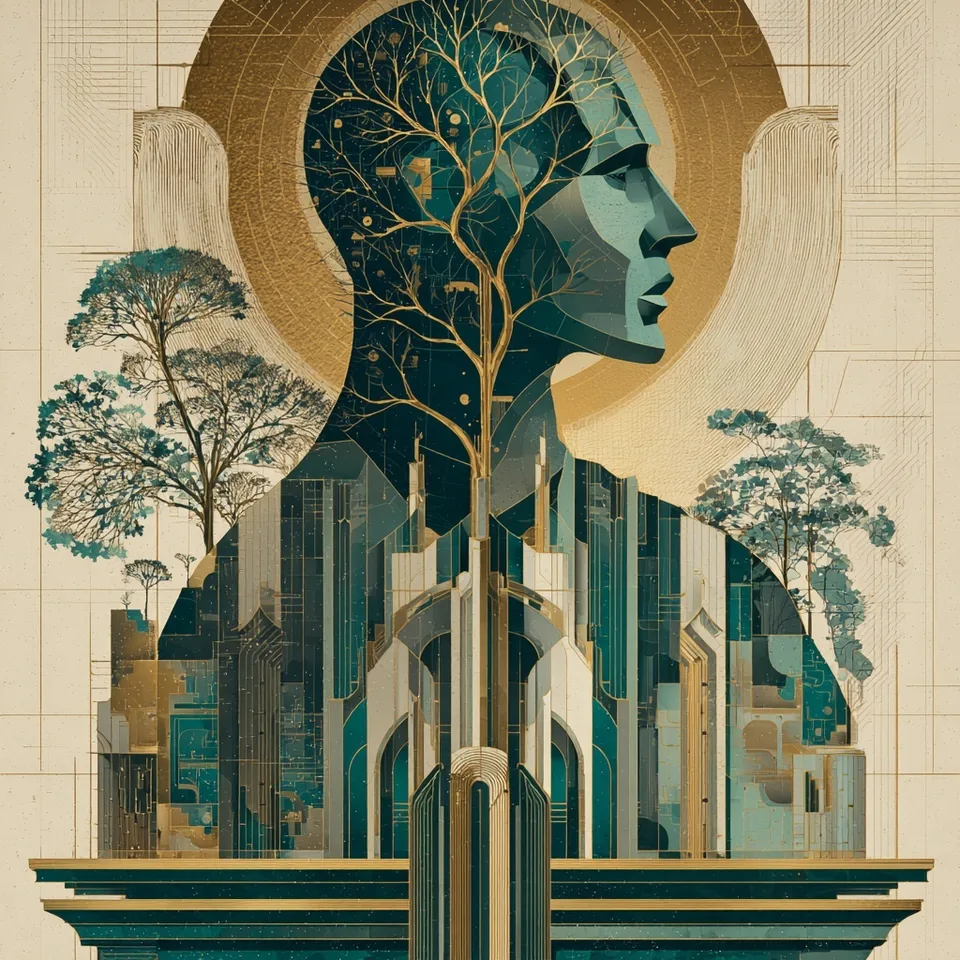
Episode Art 13 pieces
Full Transcript
Okay, so when you have these people that go into outer space or see the Earth for, in context, so people that say, well, you janitor goes in or whatever the hell you get up in space sees the Earth as like this precarious, desolate oasis. In a sea of vastness and fast emptiness. Right. And you juxtapose that on our own personal lives being precarious and, replete with danger.
Right. And, so, so, so fragile. Gosh, it's like, you know, amygdala fear inducing. Yeah. Type understanding. But what we do as a, as a collective, I think, like human beings, I think what we do as collective is we take this intuition that we have we have an intuition that life is very precarious. Yeah, right. And we all know for verbio, you know, we can get hit by a bus tomorrow.
Yeah. And so what we do is we have this, like, intuitive understanding of a reality that we're, feeding time on this earth for temporal beings. We have a fleeting time here, and we will die. And, you know, all that being said, our lives in and of themselves are curious. There's 1001 things that can kill us at the moment.
Yeah. And so, you know, kind of with that, precarious foundation understanding of who we are as people, we go out into society every day and we mask that. We front, we pretend that it's not what it is. Right. And so we we we, don our costumes, as you will. Yeah. And we put this out of necessity, because otherwise we'd be crippled with facing the reality of the nature of our existence.
Yeah. Or our personal anxiety and full realization of the reality that we're in. We just cripple us. Right? And so there's this. Like it. Drink and be merry. Kind of, you know, a legitimate idea of, like, go out into the world and just. It's okay. You know, it's okay to front like, everything's okay, that, you know, someone in your family is not sick.
And, you know, like, we're we're here celebrating our life in public, and we suffer in silence. Yeah. So it's like we we take our reality of a curious existence, and we and we retrograde it back into our private lives, like into our homes. We suffer in silence and celebrate in public. Yeah. You know, social media and technology only increase that.
And that canyon, that gap between the two. Yeah. It's, you know, if you embrace it, if you kind of see it for what it is, if you say, okay, look, the reality is that, like, you know, I'm just a guy and, you know, I'm living this precarious life. I can be snuffed out in a second. Yeah. Tomorrow I can have a fucking and, you know, fall over dead or hell, bullet from down the street.
Yeah. Fucking window. 1001 scenarios and thousand ways to die in the West. Working. Take me out today. You know, and, you know, you contrast that with then going out into the world and presenting yourself, you know, so it almost like a duty to present yourself to the world in a way in which, like, even if it's fake, that your content with your existence, you know, that like, everything is okay.
So and then that's a feedback loop too, because then you then you're living out this, this, concept of that everything is okay. Yeah. So we got to society, present ourselves in a way. Like we read people to smile. We hold doors open for people, you know, as if there's this endless continuation. And that isn't so precarious.
Right. And that kind of social, front gives us a reprieve from the harsh reality of our existence. Yeah. See what I'm saying? Well, put it in perspective. Our life isn't as precarious as it was 10,000 years ago. Right. Which is. Which is another? Yeah, that's a nice that's a good point because that that's another, exacerbating lever to this.
So, so, so in in recognition of that, we could only intuitively extract that that's only going to continue that way. Yeah. So upward trend of you know being okay. Yeah. So perhaps the way that we're fronting in society is, is a head nod. You know, tipping the hat to the, to the future reality where our situation would be less precarious.
Yeah. As we've all said in various ways, we remake the world with our stories, the images we project, the the things that we continually tell ourselves, the optimism that we put forward. It reshapes our reality because our reality is it juxtaposition of our inputs and how we choose to process it. Yeah. If there's a like a way to have salvation from the reality of our precarious existence, you know, we we can't help it.
We're seduced by that. Right. Yeah. And what's interesting is that the way that people present in society, at least the way I from my experiences, is that people kind of pretend that, like, everything's okay. Yeah. You know, there's this funny story is a it's got some layers, but I'll get raised. The point is that there's some. I got this side job years ago of dismantling a lady's, below ground.
Okay. And it's so random, but, she would try to sell her house. She was trying to move on to, like, a new chapter in her life. She's an older lady. And, you know, we had met her through these remote channels, but whatever. So. And I became friends with this lady, and one thing that she needed was she needed the junk that was in her shed outside her pool house.
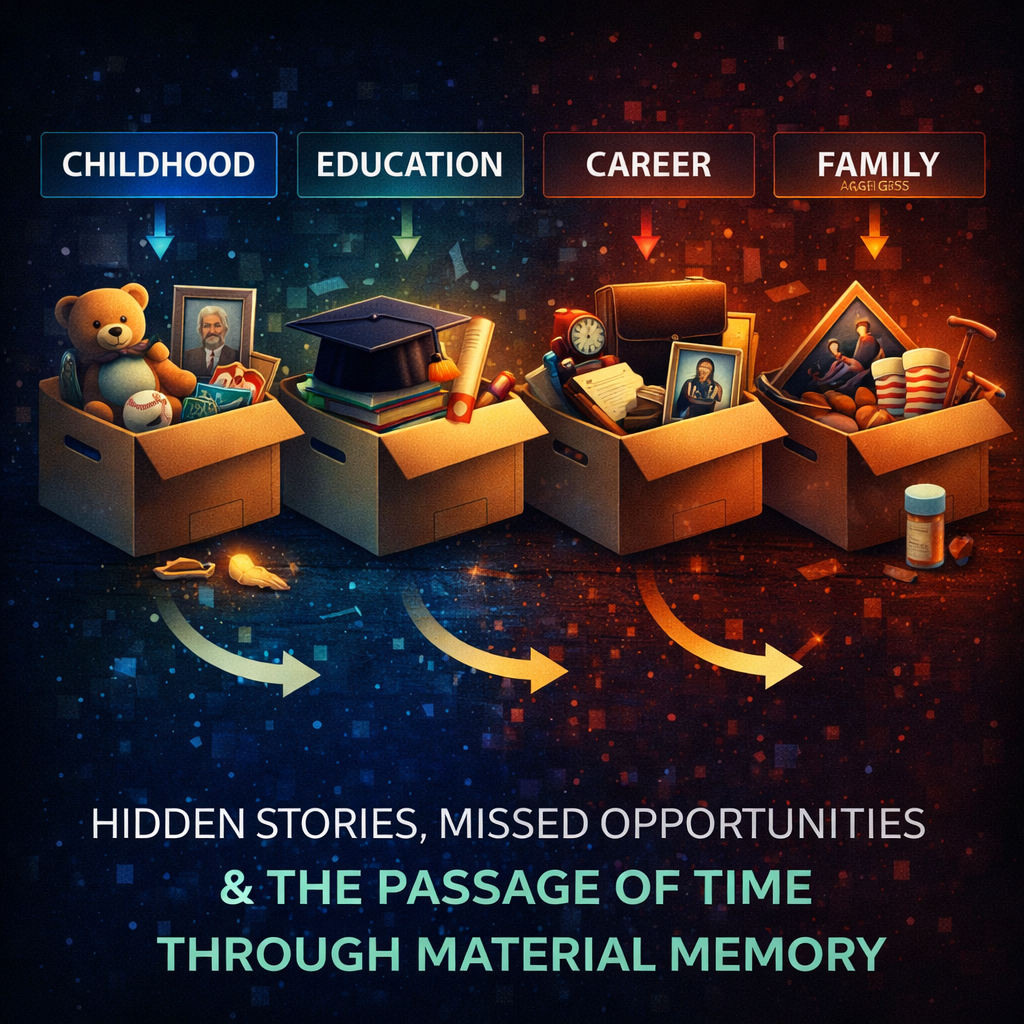
Gotten rid of. Yeah. And she needed the, like, it's not above ground, but, like, the in-ground pool. She needed that completely dismantled in, like, the ground, you know, like like like smoothed over. Wow. That's not a hell of a job. It was. And so Sue was kind of like going through her boxes and stuff and, like, you know, she was kind of person that, like, kept paperwork from businesses that she had and things that she was involved with.
And I mean, just just years and years and years of records and boxes and junk in this huge shed slash pool house type thing. And, we're going through and like, you know, we'll see mostly doing that. I was doing, like, physical labor, like sledge hammer breaking up the walls of this pool, which semi collapsed, etcetera, etc. and, you know, she's like, yeah, you got to see this.
So I was like, go over it. Of course, it's like we speculate photos and all this old stuff. And like, we saw this person that we only knew as an old person. We saw images of her from, like this younger Tom, you know, it's like, totally, you know, what's like a cool, you know, she was cool anyway. But, you know, she looked like when she was younger, she was like, really cool and fun and socialite, you know, it's kind of stuff.
It's not all these bizarre, you know, artifacts, but then some really interesting things to like. She'd flip through this one book that she found in there and flipped through the book, and there was, like, a $10,000 check paid to her from, like, 1984. Oh, shit. In 1984. Yeah. So it was like, I'll check. Was no good anymore.
Right. But, you know, there it was. And so, like, gosh, what's the story? Why did she not cash it? Right? And, I think at the time we got that story and, you know, figured all that stuff out, but, like, that was one of many, many things we found. But, I'll give you the point here is that, like, so I'm, busting with a sledgehammer the walls of this broken down pool and collapsing it, and, you know, doing all this crazy manual labor.
And while she was, like, going through and, like, sifting through all of our things, finding out what is should be kept, you know, you know, and so forth. And, the depth of this person's existence was kind of captured in this bizarre archive of, like, shit. Yeah. Wow. And, that's that was where I started thinking about this kind of precarious reality is that, you know, here's this lady who's had this.
We sat down and talked to her, this credible, and we did. Yeah, we we knew her from, you know, many different things that we were mutually involved with, but we're also friends. So we had took the time and you guys really know who this person was. And I want to just call out her name. Right? Sure, sure.
But anyway, the preponderance of her life from, you know, births to where she was today is like, you know, mid 60s, was robust and really interesting. That's cool. Okay. And when you dug into it, there was a lot there was almost endless amount of depth to who this person was and the experiences they had and the ventures or the twists and turns of their life, the path of their life.
It was truly fascinating. And we went, we'd gone to Shoney's with this person, and she was pulling Ziploc bags out of her, coat and selling them with food, tucking them back in her coat. Like to take home? Yeah. And, we'd had this, like, celebrations where she was included, too, and she'd, like, regift junk from her house.
She'd, like, wrap it up. It was new, but it was everyone that received his gifts for, like, clearly, it was like, just junk that she'd had her house and gift, you know, trying to, like, package it, like, in some kind of new gift. So, your finances were strained, and her, life was in this kind of, whatever tract where she was clearly, like, headed for demise, you know, like, she wasn't going to be around much longer.
She's dead to this day. Right. And, you know, the things that she held on to and things that were, important at that point were so ridiculous and stupid, you know, compared to the contrast of what we were able to see from the physical evidence that you can go through this shed filled with all her son. The physical evidence was in that shed.
Is that like, damn, this is like a dynamic, really interesting person that has done all this, like, really, really interesting stuff. Yeah. And, it showed how, this this is where I get this idea. Not not. This is one example of this idea of, like, in public, you know, socialite, you know, keeping up with the Joneses, status quo, you know, for years and years and years had a very, you know, like, upper way, upper middle class lifestyle.
Social life, you know? Yeah. Yeah. But then in private, struggled tremendously. Yeah. You know, with health issues with, you know, body image issues and security issues. Yeah. Right. Right. And now at this later part of life, food security issues, etc. and so forth. Yeah. And so it just put it in perspective. It was clear that like, it became overwhelmingly clear that when she died, she would just disappear.
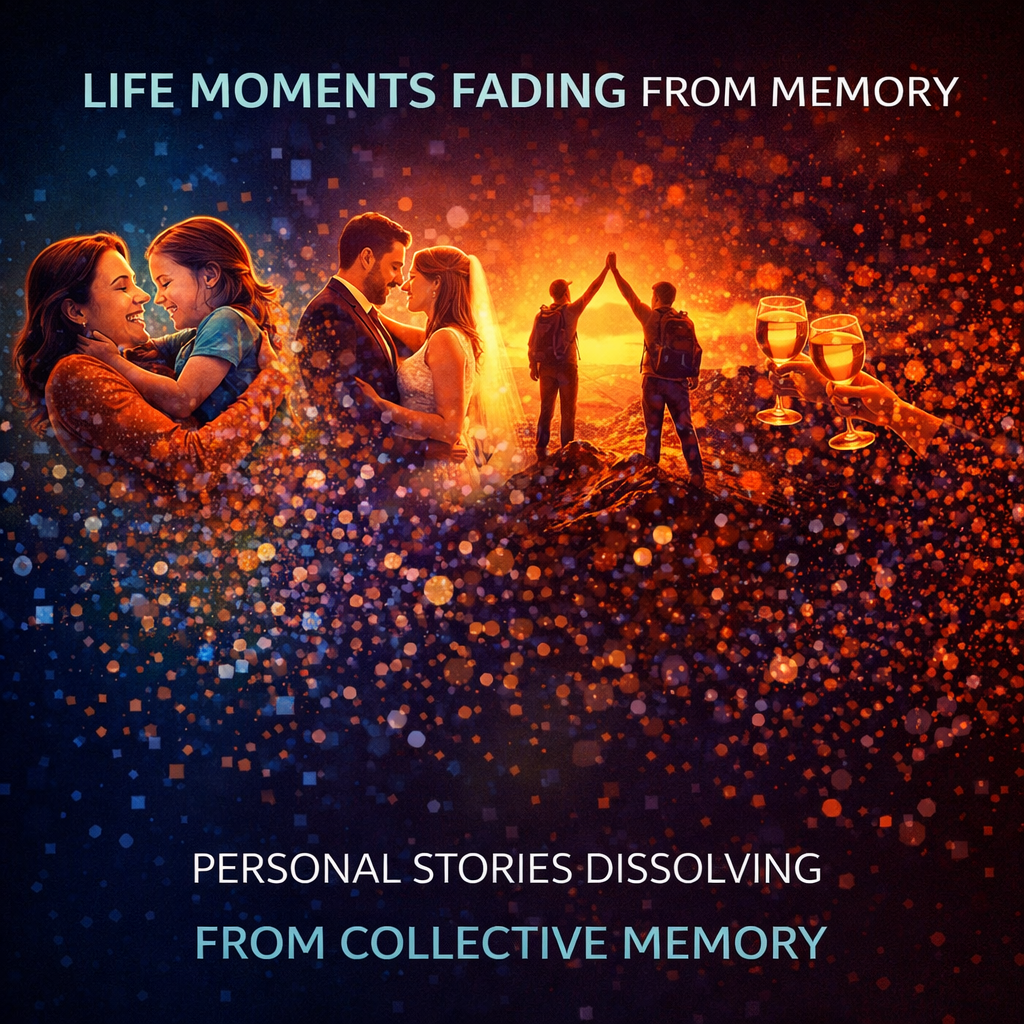
Yeah. Like like that was it, you know, there was that was it. Yeah. There was there was no. Even though this, this existence was robust and colorful and so full of life and vibrancy and it's so interesting. Yeah. Right. It's like when that switch was pulled, it was like, just gone. It's gone. And and that robust history is lost.
And that's like the story of us all. You know, unless you're somebody like Genghis Khan or, you know, like, you know, and,
You know, a great conqueror of, of some kind, like, Alexander the Great. I mean, you know, his body was involved in honey and on display for 100 years, you know what I'm saying? I mean, yeah. And so there are these, like. Yeah, there's people in the history and there, you know. Yes. Like you mentioned. But the in the long, long arc of history.
Right. They entropy and fade just like everybody else is. Right. Right. Precarious existence. Yes. And so there's really juxtaposition of precariousness with the endurance of humanity as a whole. And it's it's kind of nice. It's like it's kind of bittersweet, you know, because, you know, this lady that passed away is like anybody reading the story that anybody were to have read.
Like, what about the story of her life like it was in a book? Wow. You know, would be, like, really interesting to read. Yeah. You know, and, but it's just gone. And I guess what? This brings me to these personal agents. And we were talking about, imagine obituary. I mean, why can't these personal agents chronicle your exploits?
Why can't they spotlight for your family what you've done, what you've been connected to, who you are. Why can't they spotlight for the world at large in the thus help us understand more so the fabric of humanity that we're a part of, and how this just is woven. How is it done? How are all of these things supported, created, and then viewed with life?
Could you imagine like the there is a real tangible connection between the arc of her life with my life? Yeah. I had a very small intersection with her in the direct over tangible. But you speak of her today. Right? Right. Yeah. Right. And she's a Jane Doe for the context of the podcast. But, you know, and I'm sitting there breaking up the, the, the big blocks on her pool, you know, smashing tile and, like, pulling down her little clubhouse that was there and stuff like that.
And I could just I just knew there was, like, so many pool parties. Yeah. But when I first got up, came on the scene and first saw this pool, it was like this small puddle of algae. Yeah, right. With a bunch of old crap, like, thrown in there and the walls were collapsing. But, you know, 35 years ago, it wasn't like that at all.
It was there was there was there was people laughing and enjoying the time in the moment. This was the Playboy grotto. I mean, it was right, but it's that it's that weird, you know, of, like how you know that it was significant. But at the same time, it's nothing. Yes. Because you can see, in essence, both sides of it, you can see the beginning and the end.
Yeah. And then, you know, you reflect that upon your own life and you realize, like, you know, man, all the stuff that I've done crazy, like, could tell stories forever. Yeah. But all the bizarre and fun and happy and sad time, you know, like, break down, you know, my life. Tell my life story. And, you know, it would be interesting.
But at the same time, it doesn't matter, right? You know, the same time, it's, it's a, it's a really interesting dichotomy of like, everything and nothing at the same time. And then entropy just dissolving our everything like entropy just like so this lady right now, I mean, how much entropy has happened to where everything that she was has now been diminished to.
I don't know what the you know, I don't know what the current scorecard is of her. Well, if you want to include everything, you include your own memories of her. Yeah. Right, right. So I'm saying, like, so that the overall, the overall imprint of humanity about this particular person that I've been talking about. Right. Entropy has made it to where it's close to a zero.
Yeah, it's close to a net zero. But that's not the truth. Right, right. Like like this person was like on a 1 to 100. She was like a 95, like lived, lived a life that lots of people like to know about. Yeah, but it's entropy to the to the point where it's. It might as well be zero. Like you said, it lives on in memory, but you know, not when I die.
Then. Then that all goes away as well. And so there's this weird, entropy of humanity that, that, once it continues to extinguish and diminish, you know, all of the flavor that was there for, for so many people across so many decades and eons. It's it's great. It is, it is. And it really highlights how ephemeral everything is, even our own experience.
You know, like you said earlier, you know that if I say that for a 24 hour period and did not have some rest to help commit my short term memory to long term, I would forget the finer details of this entire experience. Right? And then our kind of groundhogs day one day is so similar to the next day.
Then one day merges into the next. And then we kind of intuitively look over the arc of our last year, for example. What do they do? Yeah. Yeah, yeah. And so I, with that knowledge in hand, I do try to say to my family and even try to tell myself chase experiences like, yeah, you know. Yes. If that trip to London over the weekend presents itself.
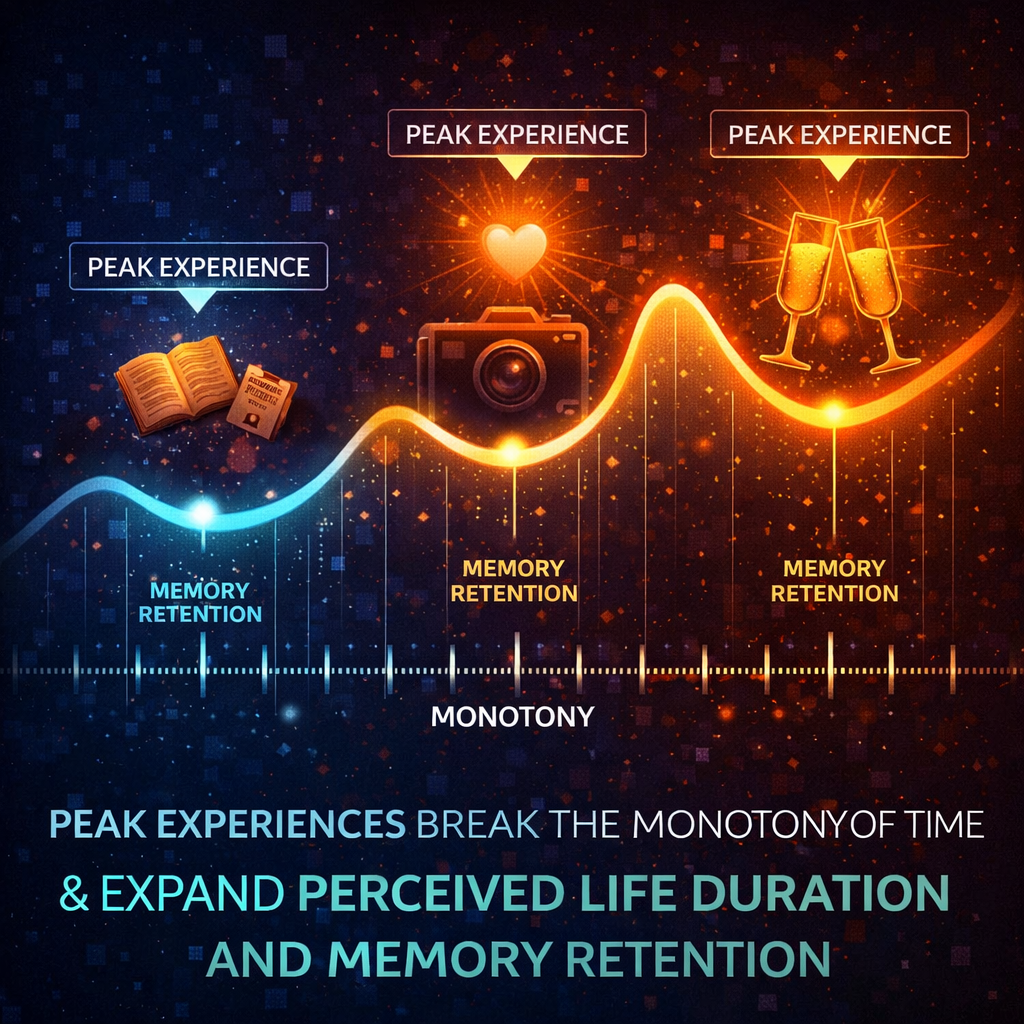
Take that trip. Yeah. Right. Right. It doesn't matter that it's $400. Spend that for dollars because it's going to be a milestone kind of break. Point is checkpoint. It's going to be going to remember. Yes, it's going to be selling petrol. It's going to be because that's really what causes us to remember things to break up that monotony is those events that are out of the ordinary.
That's what makes you feel like you did something right. Yeah. Because when one day is very similar to the day, one is very similar to day two, which is very similar to day three, your mind just going to merge, right. And you don't get that temporal sense of the of your life. If you want to get that temporal sense, you punctuate your life, your days with experience.
Try to. Yes. Yeah, yeah. We all have to work towards that. Just knowing the how our mind works. Just if we want to have a feeling of living a longer life. Yeah, we have to make those punctuations. It's funny that you say it that way because, there is you know, in my military experience, that was definitely the case.
I knew while I was going through it, if I didn't keep a journal, the would be a blur one day would just merge to the next. Very little I reckon I would, I would remember and be able to recall some of the extreme things, sure, but it wouldn't be able to recall the finer. But as he went to art in detail would say.
Right, right, right. So by recording it, be immortalized. We talk now at length about potential AI agents working on behalf, like our own personal agent that is recorded. Yeah. Your personal librarian and your personal trainer, so to speak. Yeah. Personal trainer for life. Yeah. That's that's not only recording, but then inevitably guiding based on your own goals. Yeah.
Where do you want to move this? And let's be real, probably shaping those goals. Yeah. It's weird to like when you have kids and you think of your progeny and you're like, well, you know, are my progeny better off than I am? You know, is that was that my goal function to make my the life of my children better than life?
You know, for me, 100% stage in general. Yeah, that's the goal, right? You know, and then this cycle that they then have the same spirit to do that for their children, you know, and you just kind of project for and forward forward. And then you're like kind of slap in the face of this idea that entropy is just going to fade it all, you know, but like anyway, so but that's not stopped humanity.
We've, we've been facing that since day one. True, true. And that's not stopped. It's the freight train of entropy slamming into again and again and again has not stymied the tidal wave. That is our ability to push forward and do for sure. For sure. And, you know, I constantly, you know, I have three kids and when I each one, you know, independently, I say like, you know what?
I've gone back and do anything different. Well, yes. Right. But then also at the same time. No, because I wouldn't really know the effects of some of those different choices. It's like you like where you're at right now. So if you change things, you wouldn't be where you're at right now. And then there's this paradox between, you know, how achieved do these people need to be to where you feel validated versus are they just not psychos?
You know, and you say, well, they're, you know, well rounded people, smart, intelligent, you know, have have some focus and direction, clearly have enough ambition to, to do something good with their lives. But, you know, is that enough? You know, is it, is it enough to just, you know, not have raised psychopaths and, I mean, I don't, I don't know, I know it is really funny said it that way, but it's also it's also like critical, right?
It is. These people are going to, in theory, you know, go on to raise other people. Yeah. And so the fact that you just didn't raise them as psychopaths. Is that a weird. Yeah, it is that and got like with with anything you do you have to look at layers of winning okay. Layer one of raising kids is I didn't raise narcissistic psychopaths, you know.
Right. Layer two. Hey, depends on the capability of the kid. Layer three. You know, you keep building up. Yeah. And if anyone's kid comes to them and says, you know, that I just really don't want to be amazing. I don't want to be a stand out, you know? Yeah. Someone that does something that. So everyone knows my name.
Is that interesting to me? Is that okay? Yeah. Hell, yeah. Yeah, yeah, I mean, fuck, go be a garbage man and fucking new Jersey. It's cool. Not.
So. That's that's an interesting thing. He goes back to this precarious nature of our existence is that, you know, you say, okay, well, I live on through my progeny genetically, empirically, but also like my spirit, you know? Yeah, I do. Well, use your spirit values more to you were the character, you know, it all transpires and supposedly like still the biggest one of one of is not the biggest influencer on a child's behavior is the parents are.
So, you know, you say, oh, these people. And I've always said to my children, you know, since day one is that you don't care about your grades in school. I care about how you are a human being, like you're a good human being. Nothing else matters. Like you're fine. You're you're you're scoring a B+. As far as I'm concerned, Eliot, you know, if you're a good human being, you know, you respect others, you respect yourself, you do good in this world.
Like, I got a call on a story that summer and Willow did yesterday. I mean, they were at a Denny's. They're eating. And this lady with a club foot who's large and having problems moving. Is there a waitress takes her five minutes to get out from the back to their table, you know, and, well, the guy in the back, he's got a room to.
He's a cook. So it's a cook. And one waitress and a party of 33 people come in to shortcut it. Summer and Willow help the waitress like they expo. They do. They do drinks. They do everything for these 33 people and the the cooks in the back. She's doing what she can, you know, and she's bringing things to, like, the window and and they're bringing it from their two hands at the club foot.
You're only so. Yeah. Yeah. And so, you know, they all 3 or 4 because the cook worked together. They get these 33 people out. She gets the you know whatever gratuity they tacked on 18, 20% or whatever. And then the construction workers get money together and they tip they cover column Willow Lil Mama, they kept Lil Mama and but yeah, they served 33 people.
And then after they ate a Denny's, wouldn't it be remarkable if we had some kind of technology layer that would just bring these ideas for. Right, right. Like, hey, here's an opportunity. Ding ding ding ding ding. Do you think it it's like lost in this abyss of just one little corner. This one one, one one, you know, building container in this one place.
Yeah. It's like, you know, everyone should know that story. Yeah. You know, there's such a thing as a singularity someday and stuff like that. Like, that's the kind of thing you need to see into that singularity. Like, you're right, you know that all these, there's, like, so many people out there that are just being people. Yeah. Just saying, look, these people can't move.
They can't do their job. I'm going to help. I'm going to do it out of the kindness, my own heart and, you know, make it happen.
It. There's this, we'll close on this crazy story, which is also, like, really interesting. It's the antithesis of what we said, right? Yeah. Is, basically like the comments on a social media post. Okay. And, you know, I'll know if we have this situation where someone can make a comment on social media post and they feel as if they're completely anonymous.
Oh, there may be potentially no limit to what? The bounds of their depravity. Right? Right. So I had seen this post on social media, right where this the premise of the post is like, you know, if there is one person and any, any point in history like, you know, time to zero, like we have this magic power to.
Yeah, time is a matter. There's one person that you could be with celebrity. You know, president person. It doesn't matter who it is. There's any person that you could be with. Who would it be and why? Right. And so the idea was even people to prompt, prompt people to post all this crazy shit. Well, you know, so the exact form of what you'd expect in the Commons materializes, you know, like, I don't know, Marilyn Monroe or, you know, Cleopatra, right?
You know, guy saying stuff about these, you know, historic figures or whatever. And then women in there like, you know, talking about, you know, gorgeous guys at different points in history. Yeah. Oh, I was into the great. Yeah, yeah. And, this one guy, like one of the top posts comes in on his feet and says, you know, hey, and this is kind of now probably expect.
But, you know, my wife died several years ago. Oh, and you know, boy, he tries to he lays out in the comments like this, deep sentimental. He's like, I would give anything just to have one more moment. One. One more. Oh, you know, intimate encounter. You know, this much? The love of my life. Yeah. And so, you know, the comments are filled with, like, so, you know, who would it be if anybody possibly in history and, you know, someone would say Cleopatra and someone say, oh, yeah, Cleopatra.
She's great. Yeah, I agree with that. And this one guy gets on and he's like, you know, my wife died of cancer several years ago, and he's like, you know, he's written out of your chest. Yeah. And, he's like, I would give the world just to have one more moment, you know, with with her. Like when you find true love.
That's it. You know, that. That's the person. And then some guys, some scumbag on the internet, you know, comes in the comment section says, I put her to you. I picked, I think to like I think you're dead wife to. That's fucking awful. And so Oh, he's fucking awful. My phone. Let me see my phone picked up the single word you said.
Cancer. Oh, hell. And so, anyway, the this is the devil entendre, right? It's like somebody and not just asshole on the internet. Okay. And it's probably the worst thing you could ever say, right? It's such a such a thing was too. Damn. Yeah. No, no, he said I pick your dead wife to death. You know. Yeah. Throw that today.
Yeah. So, anyway, here I am. You know, it's all about me, of course. Right? Yeah. Here I am, absorbing this comment. Main character. Main character. There you go. Right. And so, you know, I'm sorry to admit, but I fucking actually laughed out loud. Well, I would have said that when I read that comment. I didn't make any comments or anything like that.
I'm a lurker. Yeah. But, I'm not gonna lie. I went through, like, you know, half a day or so, you know, like, contemplating. Why am I? I'm gonna ask for, like, I should not have laughed out loud in that. Was it like you were alternating between chuckling and hating yourself for it? Yeah, yeah, yeah, I do that all the time.
And so like to bring the point in is that like my gosh, you know, it's like this whole reality of like all these people having these, you know, like amazing lives and all these like small, you know, moments that are just like should be shouted from the rooftops and they're so cool and they're like, it's like the pinnacle of humanity.
Man, there's this undeniable side. I mean, is not designed, I can't lie. Well, there, that was funny, man. This is my fucking theory, though. Like, to have this these depths of goodness and kindness and understanding, we have to have the equal and opposite and perfect. So that. So the nebulous, bizarre, phony world of social media could give us this, this opportunity to explore this, like dark depravity.
So then in real life, we can then manifest, I mean, maybe the proper positive behavior. It sounded good anyway. I don't know if it's true. No, it's like simulated violence, simulated abuse, you know, almost social media to to like, as far as we know, a non victim. Right, right. And then help us maintain a balanced positive, you know, bent towards the positive and the good okay.
Social media do it as job. But, you know, to this day I it's funny and I shouldn't have laughed. But if I saw something just like that again. I'm sorry. I'm going to laugh. Yeah, totally. For some reason, it's the internet, and therefore it's okay. But it also helps. I don't know. I'm going to be honest, laughing at stupid stuff like that.
It kind of helps me get through my day.
So, lastly, to wrap up, the whole thing is that, you know, Sue and I have long we've been together for some time, and so we have so many shared experiences is that we can almost, like, speak in our own life. Yeah. So we can make references to a experiences that we've had. Which someone on the outside listening to what we're talking about, we have no idea what we're talking about.
Right, right. But but we would know internally what we're talking. So it's like, you know, we're around a bunch of English language speakers, but we can say phrases in English that know that no one else in a million years to know what that would have your own language. And so we've had some relatives over in playing this game called taboo.
With taboo there's a little card and it has all the it has all the words that you're not allowed to say on the card. Right. And you're trying to get your partner to say to say the key word for me. I'd still have a drink on me. Your partner has to be induced to say the keyword without saying any of the the words that are on the card.
Yeah. Right. So if the, if the word was baby doll, right, or doll, let's say there might be words on the card, like, you know, you'd say toy. You know what I mean? Oh, baby. Right. I mean, pacifier. Cute. You know, like, dozen words or so that you're not allowed to say. Right. Well, so, we have in our Halloween, did we have this, like, doll that Sue had as a child that has, like, not done well for the test of time and things like, in its state of decay?
Yeah. And someone at some point had, like, put eyeliner on it and the dress is like, decayed and kind of like, singed and what. Yeah. It's a creepiest looking fucking baby's on here. Like, it's it's horrid. He's got a name. Yeah. Right, right, right. And so when you kind of get my point here, when we play this game with ever who we played the game with, we just referenced one of our things in your life.
And she would instantaneously say doll. Right. Right. And none of the things I just said would be on that card. Yeah. And then the people that we play with are just like.
Their. So, our friend Kevin, you know, the person Kevin I'm talking about. Yeah. Was like, talking about how one time it was like, oh, he's telling tall tales. Sure, sure. And he'd come one time late to some event that we had had that we invited him to, and he had made the claim that there was a school bus that had wrecked and the, the, the asset of the school bus was hanging off the overpass like edge.
Right? Like a fucking movie. Right. And we knew was so we knew 100% like that. It was bullshit. It's like we'd have all seen this on the news, buddy, right? It was like national news. Right. And, you know, kids, you know, coming out the front of the bus and they the bus is hanging off the overpass like 100ft in the area.
Right on fire. Yeah. Oh, there we go. Might as well run that in. And, so we get a card like in this game. Taboo. We don't say like school bus. And so you just say, this is the thing that was hanging off the overpass. And Kevin. Yeah. I was like, oh, school bus is the word, right? You can't compete with that.
You can't compete with, you know, 20,000, you know? Yeah. Epithets or or examples of personal, individualized experience with their own language. True. And so, you know, we we, we use in our everyday language, like when we're, let's say we go together the morning to go get coffee. We'll sometimes just use these metaphors and these, you know, that we both know that nobody else is millionaires.
Yeah. So, again, back to the the primary point here is that, like, all that flavor is just, you know, the day that we die. And like I said, it's just it's all it's gone. But, it's like the best things, you know, it's like the best thing. You can't get funnier than that, right? No, you can't. You can't get funnier than it.
I don't have to say the word bullshit, right? I can just say bus, school bus hanging out and overpass, you know? And you know. Exactly. You know? Yeah. It's like him anyway. Just to tie it into the idea of, like, there's certain just all this rich depth flavor of each person's existence. Yes. You know, and it's scrubbed away in moments.
The entropy, I guess it's the word I was using. Like the entropy of of of all these experiences and memories. And it's a shame because. So who knows it maybe not in the NASA and future will all have a personalized AI that can take the top ten of each person's existence and somehow preserve that into the greater fabric of humanity.
Yeah. And who knows, maybe there'll be, you know, a hall or a place you can go and hear these snippets of stories here. These ideas, a place to imagine a better place. Yeah. You know, it's celebration of humanity. I mean, the ultimate. Yeah. You talk about the humanist way of doing things. I mean, that sounds like it dovetails perfectly with your guys thing.
If there was a way. So who knows? Yeah. We'll see what happens in the next decade or so. And, yeah, maybe we'll be the ones that create it. Hey, that sounds cool. Cool.