
Extra content pops up along the way.
Trailheads
Good places to start walking.Chapters
March 22, 2022
Algorithms for Humanity & Metaverse Fail
Double-tap the sides to skip 15 seconds
Trailheads
Places to startArtwork explorations
The other takes the image generator gave us, and the prompts behind each piece.
Chapters
Settings
Algorithms for Humanity & Metaverse Fail
With Kris Tyte & Sean Snodgrass
In this episode of Positively Pedestrian, we discuss hardened datacenters, algorithms that predict behavior being used for consumerism over humanism, IT experts and adults fidgeting and wasting time unknowingly, the sophistication of computers and hyper progress. We also discuss how the Metaverse is going to be one of the largest IT project failures of all time, as well as activating free will by understanding environmental determinism.
Share
Detour
Episode description
In this episode of Positively Pedestrian, we discuss hardened datacenters, algorithms that predict behavior being used for consumerism over humanism, IT experts and adults fidgeting and wasting time unknowingly, the sophistication of computers and hyper progress. We also discuss how the Metaverse is going to be one of the largest IT project failures of all time, as well as activating free will by understanding environmental determinism.
Chapters
Show notes

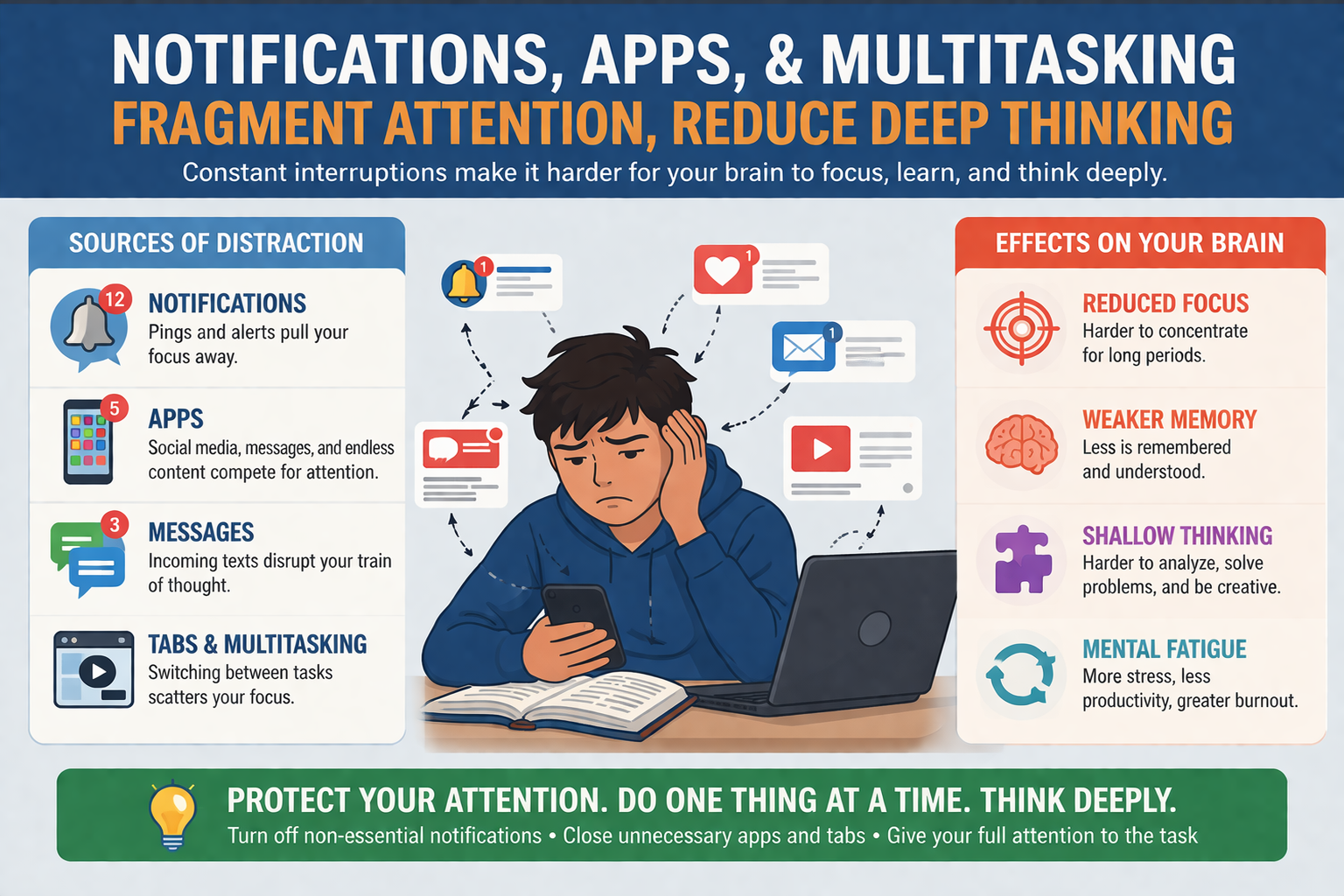

Episode Art 11 pieces
Full Transcript
Didn't think it was going to be that long. He was like, oh, that'll be a couple hours. I was like, oh, I'll give it till 6 a.m..
It's like, it's funny when someone in someone like in their early 20s gives you a time estimate on an IT project, multiply it by three. Yeah, I use 2.5 as my multiplier because I'm overly optimistic. Oh, nice.
I like it, I like it, you know, you'll come in clutch so you can take the half off. Yeah. Right. Right right right. Which just means like I, I just did a double shift, like, for the next two days. Right. To me, to me, my own underachieving time as it. And then like, you know, you got to keep up the confirmation bias.
So you have to, you know, like, make sure you meet the deadline to confirm to yourself that you're good at as many. Yeah. It's like, look, it is absolutely 2.5 okay. It was a workday even though I worked 24 full hours. I'm only counting ten hours. Yeah, it's like the other, you know, the other time that was learning, that was.
Either 14 hours. You know, I did take a I did go to the bathroom a couple of times. I think I might have eaten a sandwich at my desk. Well, you can take a total of 14 minutes off. Yeah. 20 13.5 minutes.
And I love that whole thing. Like, you know, the the whole, like, make sure it's on your time sheet type stuff. Oh, God. Yeah. He's been he spent all so much time dicking around with the time sheet that it's like. And then and then you just kind of like, cut and paste and hack things into it anyway. Yeah, cuz there's, like, there's no way I could actually be truthful about that.
No way. And then at the end of the day, you realize that the whole thing really is like, there is no true metric here. It's like not even ballpark, you know? And so, like, there's absolutely zero utility in the whole thing. And then you just felt like maybe copy and paste them, the ones from the previous week that's totally trying to do.
And yeah, that's like the check the block component of being in the night jam. It's like, you know, because you want to minimize the amount of time you're spending doing this damn time sheet. Oh yeah. And it just seems weird if you, you know, put two hours looking for the missing semicolon, you know? Right. You know, but it's true.
It's totally true. It's totally true. It's embarrassing to put that down, like, you know, misspelled variable. Yeah, yeah. Misspelled variable. Spent two hours looking for a semicolon. A brace was missing. No fucking last night. It was a bit,
We didn't have the number of files defined correctly for a particular user. A number of open maximum number of open files are open that classic one for a particular user. Gotcha. So it's like we were supposed to have 150,000. We had 100,000.
So.
Once we did that we put it in the right file. We had to we'd be a wait a minute, you have a hundred concurrently open files. What am I hearing? 50,000 150,000 open concurrent files. Yeah. Wait. What the hell is going on? What's it doing? Or is it top secret? No, it's not top secret. It's, It's a threat intelligence platform called Threat Connect.
And I see the largest threat is you're opening so many. Fine, right? You know, and, I mean, the hardware is beaky as hell. We're talking. But it has to be. Yeah. You would my beats computer at home. I don't think I could open even a third of that. It's got, like, 256 gig of Ram in it. Beautiful.
It's got, only cause I think it's, like 32 cause. So not insane on the cause, but still pretty big. What in the world? That's crazy. Cool, man, I love hearing about super beefy computer. There's one box they've got that I don't know, I, me and, this guy Jim who are working on it, it was this. It's this off network thing where, you know, it's basically to replace things in case there's a massive disaster.
So that. So people have a place to work. Yeah. And, we thought it was an error or something. We did, LSC on it, and it's like 72, cause it's like. What? Really? Yeah, that exists apparently. I guess there's like, theoretically no limit because you can, like, do multiprocessor with multiple cores each. Right. And that's what we're thinking.
It's got to be, you know, a high Court count per processor. It's got to be multiple processors. Wow. We didn't really look at it. We just saw that and was like, okay, all right. So this is going to do some work. So so it you know, it just blows my mind like, you know, what is the bank doing.
What. Yeah. There's just it's just so many like periphery systems and subsystems and processes and algorithms running that. It's just the whole entire thing is so complex. And then you need to run security over that whole buffet of things. I mean, is that what's going on here? You know, like, that is just like people's accounts transaction, right? You think, the threat intelligence platform, it handles tons of stuff.
We have,
It's not a huge database, but if I came on board. I mean, I'm sorry if I came on board as an it, like, you know, as, like the guy. Yeah. The the it, whatever the CTO or whatever of that company, the first thing I would do is I would say, hey, I want to really deep, comprehensive report on what all the complexity is here.
Right, right. Why? Sorry to interrupt. You know. Yeah. Why do we have all this? You know, and a lot of times.
The resources have to be lying fallow. It can't be being used all the time. I mean, that 72 core box isn't doing shit, but that's in the power be using. If it was using all 70 D cause to like 95%. Right. It's heating the data center at the battle is going. I was just going to make a heat joke too.
I was like, can you imagine that the total thermal output of that son of a bitch. Yeah, dude. That's crazy. And so like in general, what is it used for? You know, yeah, in general, it's it's used for a, a platform to, provide essential services in case of a serious event. Like, let's say there's a dirty bomb that goes off in the city.
Okay. All right, so what, to worry about bank accounts at that time or to, like, essential communication services or the, you know, for essential people. Yeah. Okay. So that's like assuming that this thing still has connectivity and all this shit. Yeah. It's in a pretty crazy DC, so hopefully it would. Okay. All right. Cool, cool. You know if you have a really good connection really, you know, you know, hardened, data center or whatever, the data center is very hard and like, it's like a basement, you know, multiple layers of thickness of walls.
EMT, EMT shielded all this. Kind of like it's all in here, right? Has a wire going out? Yep. Exactly. And, like these data center is supposed to have multiple redundant connections to chairwoman providers, and. But like you said, hardened. Especially like, supposedly if a nuclear bomb goes off, okay, because we're going to care about the bank top tier in the bank, you know, organizational chart in the top of the bank will care, communicate, care about communicating, you know, with with one another.
At that time, I think the top tier is the Bank of care. I really do. Okay. I'm not saying you and I would fuck that. I want to be in that data center now. I want to be next to that machine. Yeah, dude. I mean, I want a bunk in the same place. I want to press a button in the machine rises up out of the floor in, like, a ten year supply of food and water is there for me and my family.
You know, I agree with that. I'm sorry about. It's like, why not have a bunker with a rotating set of supplies for people? Yeah, there we go. It's funny too, because like, how sometimes the computer equipment and infrastructure you can totally see as like, greater, wherever you want to call for hardening and provisions and protections for it than the people.
Oh, yeah. I mean, that's got to be 99% of the time, right? Yeah. It's like you realize that's just a machine, right? Yeah. And it's easy, but it's easier to protect. Oh, yeah. It doesn't need food, water, place to shit. Yeah. Yeah. Exactly. And digital assets are probably have a lot more valuable than your human resources. Yikes. You know, that's been a recurring theme of what we're talking about.
Like how inevitably the some of these algorithms and systems and capabilities, you know, have more utility and, and, like, usefulness than the very large number of people? Yeah, at least in certain things. Right. And so in certain goal functions, you'd want to preserve that above the people. Oh yeah. Which sounds probably ludicrous to 99% of the population. But but and and and to me as well from time to time.
But then when you really break it down, you're looking for just utility. Right. And we're talking a business continuity plan here. Yeah. Like what will it take for the business to continue. Yeah. Because when. Yeah. Because if like, you know, a new kid, Charlotte, the very first thing I'm going to do is go to the ATM. Yeah. It better be working.
Yeah, I, I put my money with that bank for a reason. You know, it's funny how how powerful and potent and useful, you know, some of these algorithms and also how stupid some of these algorithms are, have gotten is like, something funny happened to me recently. I got a I got a, a Google AdSense come up in one of my things and, you know, it knows my search history, it knows my life.
You know, whenever it it's quote unquote. Right, right. Knows like, probably more about me that I know about myself. I mean, we do imbue it. We do imbue this collection of systems with an overall. Yeah, yeah. Yeah, man. Oh, I just finished your sentence. Yeah. You did. It was awesome. Like cutting you off from finishing your sentences today.
It's great. Like not even being your friend this morning. No you're fine. Dude, I'm. I feel like I'm speaking really slow, dude. Yesterday. Oh, my gosh, I was so cold. I don't know why I got, like, so cold yesterday. I didn't even make mention of it, but I was like, I was struggling, man. Yeah, I was really I was really hurting.
I got back in the car. I was like, heater. And I didn't even start to feel right towards close to when I got home. It's like really, it's like a 15, 20 minute ride in the morning traffic. You were just still feeling cold as hell. It was like crawled into your bones. Yeah, it got deep, you know, like that whole cold.
It's funny, like if I sit in a hot tub or whatever and, or a hot bath for, like, not just like five minutes, but, like, really, really, really let it get, like, deep in me, you know, like the heat, right? I could grow outside like a snowbank, like, all the same here, you know, for like an hour before I actually get cold again.
Yeah. You feel like you're just radiating heat. And it was like the exact opposite for me yesterday. I was so cold to the bone. Remember that scene in E.T. where, like, they can't find him in the morning, they wake him up, they go down, he's in the stream. He's like. He's like dark gray and cold and, like, clinging to life.
That was me yesterday. I was eating in the stream. It's just to give you a visual. That is hilarious. Wow, that is a house right there. That's a monster. What is that for? Oh. Square feet. I don't know, I don't want to pay a tax bill. He supports a good school. Also tell you about this shit that happened to me.
It's freaking algorithm, man. Like, gave me a freaking ad for Eddy treatments. Oh, damn. And I'm like, I don't have a problem with Eddie. What's going on here? Right? You know something? I know that's what I'm thinking. You just finished my sentence or. Or does it know something that's about to happen? Like in my near future? Predictive analytics, at least.
Predictive analytics, saying, yeah, this guy is like, you know, 25 pounds overweight seeing this late 40s. Yeah, there's a good chance he's going to have Derek the wife and he are working a lot. Yeah. He seems concerned about the future of the world.
This guy Mike, we might be needing this soon, if not already. Oh, damn. And so, you know, I was like this, like, total dystopian 2022, like, wake up call for me, right? Like, the algorithm has just predicted that I'm going to have dick problems. Something must be done, right? It's like we cannot have dick problems. This is completely not my character.
Did you know? How much do you know? How much part, how how much of my life has been built up around the idea that I can get an erection? I mean, really, though, I'm just saying that's, like, definitely part of my identity. I'm just. It it used to be, you know, like, pretty strong, like, important, you know, and maybe it's less important now, but then maybe that's what the algorithm is sensing.
But, but in general, like, you know, I don't know from what I understand, a lot of people do suffer from it. Yes. And I'm continue to live. They continue to live, but I don't I don't know, I, I think at first I have a hard, real hard time.
I just said that. Damn, I couldn't, I couldn't play him that if I tried, that was like a joke I didn't intend. A lot of times I intend them, you know. Yeah, yeah. This was almost like that wonderful subconscious Freudian slip right there. I think so. Well, anyway, a lot of men probably have a difficult time, you know, with, with, with coping with coming up with the real, with the realization, you know, of this a new reality for them or, I don't know, or the medications just are on point, I don't know.
Yeah. True. I mean, well, according to Google, yeah, I'll find out soon enough.
Well, give us a review. Yeah, of course I'll have to. You know, we'll do a follow up cast. Oh, shit. This is a pulling the podcast.
This is positively pedestrian. I don't worry, I don't work. That didn't work. Well, yeah. This idea that the algorithms like. So if you're savvy, you know a little bit about how they work. You could technically start to see some things coming up like that and, and say, wow. So Google Ads thinks I'm like a 70 year old man who needs a walking to and enjoys ball diva.
Well, I would like both of those things. Perhaps I am a 70 year old man as well. I mean, I wouldn't say that I'd have a problem with the walking tub. I'm just saying generally it's targeted to another age group than the both of us are. Wow. Interesting. So it'd be funny if I like, you know, went and deleted all my history or somehow tried to tell Google AdSense that I'm not interested in like trial dysfunction medication, right?
But I'm afraid that it might just like, double down on me then. Yeah, that was like, oh yeah, we know. Okay. So not only is it now sending the ads for dysfunction is selling giving the ads for local therapists that can help with denial.
It knows, it knows, it knows. And I'm just a, you know, I'm just an I'm an endpoint. I'm a I'm a user, you know. Exactly. Speaking of that term user, I heard a funny turn, the funny, statement that you might have heard it before. It's like there's only two, main categories inside where people are referred to as users, and that's drug addicts and computer computer people that use computers.
Isn't that so much fun? You've heard it before. Yeah, but not very often. Yeah, I just never put that context together in my own mind. I never thought of that. Yeah, I read a that, I read that quote. It was in a project management book. It's funny man. I mean, I can think of some other things that there's users of, but we don't need to go there to comment on its own.
It's funny. Right? And I mean, it's very pointed in that it's not necessarily 100% correct, but it's not provoking. So there, there's this weird like thing I thought of to is like maybe, maybe that like, you know, in, in kind of fiddling with software like, you know, a lot of software, there's like so many things that you can do to like, fiddle with it, kind of like, yeah, like Photoshop, for example.
Like there's so many filters and, you know, applying cascades of filters, you know, one filter and then another type thing. Yeah. There's just so many, like, little I don't know what you want to call, like, things that you can tune or whatever. Right. Yeah. Buttons to hit, things to twiddle. Yeah. Lovers to. Yeah. It's like, that's exactly what I'm thinking about is like, it might just be this really sophisticated fidget spinner, like, where you're really not learning anything, like you're not really doing focused.
I mean, you're getting gaming experience, right? But but just like you would gain experience spending a fidget spinner, you get really good at spinning the spinner. It's like an adult sized busy box of, like, the little kid thing. Yeah, yeah, it's got all the things to do. Yeah, it's just sophisticated enough for the adult brain to be like, I'm being productive when you're just fidget spinner.
Oh, man, that's made up a new adjective. Then it's awesome figuring a new a new, new verb. Slash adverbs. So, so yeah. So I was thinking about that and I remembered this guy way back in the day. I mean, what was I was like, 19. Yeah. Right. Yeah. I guess that was a way back in the day.
Yeah. And, do something flashing over there in the dirt or. I was just kidding. Nope. Something flickering in the stream. Yeah, it's probably just a flickering light. Like it's a puddle lit, moving and catching light. I think it's a drop, a drip hitting, catching the light. Oh, okay. I think it's like a drip from the ceiling of the tunnel.
Totally is. That's cool. It's cool that it put that gave you that way back. Then there's going to be like, people think, oh, they're in the studio. They just added the audio. They just added an echo snare to make it sound like they were walking through a tunnel, or actually in a tunnel that you wouldn't want to be.
It's it's 30 in the morning. Oh, it's well enough to where, you know, I don't feel like someone's going to slice my Achilles tendon. Right. But as soon as we leave the tunnel, that's not that's. Well. Oh, yeah. We're, like, particularly vulnerable after we just leave because everybody's haven't readjusted here. Yeah. And like the Fraser knows that. Yeah.
That's funny. So if we were to listen, I don't think they're really gonna want to hear too much about like, audio processing or whatever, but. Well, I'll tell you really briefly, I found out in all of our recordings, like, I found a way to, like, kind of, more or less batch process them to. Yeah, I'll walk you through it later.
Cool. It's kind of boring for podcasts, but, it is kind of cool. But what got me thinking about the fidget spinner thing, right? Because some of the time, like messing with all the different audio facts and yeah, like trying to learn and, you know, instead of kind of watching tutorials appropriately, I do the same thing. I'm not I'm not going to watch a YouTube video is the last ditch effort, dude.
It's like I've I've changed so much over time. Like I started to now like actually start to read the manual, you know, type thing high. And I'm found like this blend between reading the manual and trying. Is like a good sweet spot for me for learning. I feel the same way. What are they? What's the old acronym or TFM?
Read the manual. Yeah, yeah, I haven't heard that in a while. Right. So I was I was wondering, you know, hours are ticking by him. And he was like, wait a minute. Am I just doing, like, this software spinner here or. Yeah. Really, though, we're just fucking around with, like, these different audio things just because it's like an adult version of fidgeting.
It's hilarious. Right? It's like a it's like an intellectual computer geek version of fidgeting. Yeah. Really? Yeah, like like I need more, more, more excuses to sit down in front of the computer. You know, it's like if when you average 12 hours a day in front of the computer for, like, most of your life, something's not right. And you know, we're something is right.
I don't know for an eye seeker, right? I mean, I don't know, it's it's a tough thing. Like yesterday, you know, what was supposed to be our savior was automation. And it wasn't. Kim had to be your Terminator. Yeah, it was like, all sorts of little niggling details. But to be fair, it was the first time we really tested this.
Automation suite that we built in production. Gotcha. We found out we had some config drift from production and death. Yeah. No. Not that. Yep. Well, I mean, what you should say is that in in dev and in test, we need to have a machine comparable to the one that was given to place. So we need the 724 gigabit terabyte of memory computer to play with.
No, no. We found out that we have Nic bonding set up wrong. Oh, geez.
So yeah, this uncovered like a list of shit. Wow. So it helped us. It's it's such a love hate relationship, right? As you're going through it and you're having that success of debugging, it's like the worst thing. And, you know, like, oh, gosh, this just who knows since since, like, we don't even know the number of variables we're looking at here yet.
Right, right. But then like when you're done and you've solved it and you improve something, it's like, I don't know if you feel it. You do, you do. You feel great. It's like maybe the wrong kind of dopamine hit. You probably don't really want that. You know, you're right. You're grooming yourself for the wrong thing. Yeah, right. If your brain was, like, doing you a favor, it was like, punish you for that, you know?
Do you do anything to avoid it? You know? Yeah. You've got this deep seated aversion. But instead. Yeah. Then there's like this other thing you can kind of fidget spinner with your computer too, and that's endless tweaking like, oh shit. Yeah, right. Am I right? Yeah. You know, you can endlessly tweak your computer like, get to the you're in the bios fucking around.
You're in, you know, like software. I've heard the same. Same term being used for cars, motorcycles and computers. Racing. Tell me about. I've never heard that one. Okay, so it's like, this is kind of pejorative whenever it comes to a tricked out, you know, fancy, beautiful looking car. You say it's a racer if it's a foreign car, but, you know, like a rice burner, like it's a Toyota or Nissan or something.
Yeah, exactly. Same thing. Rice burner. Ricer. And but you know, there's that certain flash in the pan that's required. Right. Gotcha. And then so kind of people like constantly tinkering with the thing. Yeah. And and of course above all it looks good. But they're constantly tinkering with and they're strong and shit. Tons of money. Well. Gotcha. Same thing with the computer.
Shit. Gotcha. You know, like there's forums online where people are like, this is my newest rice, and they're basically talking about, this is what my new desk, my instantly tweaks desktop was like. Gotcha, gotcha. Yeah. And then he then then beyond, just like the bios and then getting into the software settings, like in hardware settings, hardware configuration settings like overclocking and all this kind of stuff.
Right. Then you get into like the software angle, like all the little customizations you want to do the OS or to the GUI or that's what I'm talking about. That's that's right. And it's basically legitimately endless with the computer. Pretty much know. Like I'm sure like with cars, it can be incredibly sophisticated because cars are just getting this day.
But computer gives you a whole nother freaking level, right? A computer. All right. I mean, you want to keep somebody occupied, give them a damn computer. Maybe that's what it's about. Part of it, man. The computer is like. The computer is like the first invention that's, like, truly agnostic. It can do so many things. It's not limited to, like, it's the software allows it to just kind of do anything.
Right? Yeah, it's software to find whatever. Yeah. And the ability to like, just plug and play and remove as you see fit peripheries. Yeah. You could then basically extend your computer to do anything. Right. So yep. At the end of the day, the computer was like kind of the turning point invention in the series of inventions for mankind.
Right. Because they have created finally this thing that's not just a object. You know, for some function, it's an object for any function. Yes. It really is. Just how much energy early, how much engineering time and money do we have? I mean, there's where people were using Commodore 64 for home automation. There's this story out. That I would have thought was urban legend until there was some proof for it that at Commodore 64 that some kid was going to high school.
The high school needed a new HVAC controller, basically, and they used the Commodore 64. He used the Commodore 64. It stayed running for 25 years. I love it. And when it finally stopped working, all they had to do was a star comma eight and enter to get it right. Right. I mean, but. Or whatever. I don't get the commands at this point, say, but you know, they had to replace the 64 at that point.
Yeah. Those those those monitors. Myers. Those motherboards were so durable. I mean, like, everything was hard cider and, you know. Yeah. Every chip was, like, fully soldered in and overengineered like a motherfucker. Oh, yeah. In fact, like, some people take those boards and, you know, find some of those old boards. Yeah. Really take the time to restore them and then, like, just have to replace the one that faulted on it.
Wow. And then they have like now a working you know for their whatever their purposes are. Well I mean the US space shuttle when we were running it for what was it 30 years ran off of 886. They were buying them in bulk off of eBay. Well, there you go. You know. And. And how much does it take really to, you know, act as a servo controller or something, you know, and it's it.
Right? You put a real time OS on something that doesn't have blocking I o and you don't need that much horsepower. There you go. And for all intents and purposes, the world is run off of that. That layer of technology. Yeah. Yeah. Like, that's what most people don't even have a have an imagination for. Right. All all the little sub controllers in everything.
Yeah. Yeah. I mean, Jesus, I can do. I have on me now. Yeah. Right. Really, though, I mean, you think about the little the little set of the charge screen controller that you got in your phone, the controller that accesses the flash chip. So many. All kinds of stuff. I mean, obviously, yeah, they're Mike road and they're all, you know, extremely engineered, an incredible micro technology.
But at the same time it's still the same idea, you know, from back in the day. Oh yeah. The same I oh you know, functionality really wonder what processors are going to record. We're using I know it's pretty good. It tends to pick up a lot. That's what I was telling you about with this messing with the software.
So what's up with just, Sweet? Yeah. Don't be addition. Okay. And, I likens got a lot of. It's got a lot of features that's very powerful. Especially, you know, if you know what you're doing. Yeah, that's not mean. You're accreting knowledge and, you know, all the time. But yeah, I'm not just fidget spinner. I'm creating knowledge.
Thank you. It just justified six hours for my time last night. Yeah, yeah. So anyway, it's kind of like how a, hella a long haul shipping boat, it creates barnacles. Right. That's where I'm at in my career. That's where I'm at in my IT career. Fucking barnacle accumulation. That is so true. I mean, I, I just so true.
I am to hell. I spent, you know, 6 or 7 hours playing with, some automation when I could have just done it by hand.
I've done that so many times. Like coded something to solve a task that I could have just done manually in half the time. Right. And then, like, you're always thinking grandiose, like, oh, you know, I'll be able to use this later for x, y, z, and you never use it. Yeah. Like x, y, z is different enough. Yeah.
You know, it's like you solved like 60 or 70% of the problem, but not enough to make you be able to use it again. You know, like in the alphabet, you just solve w or but x, y, z or different letters and they're different enough, even though they're all letters in the alphabet. Right? They're different enough to where your little software solution, we're just you have to rewrite the whole thing anyway.
Yeah. It's like you haven't perimeter everything enough. Right. My gosh, if you can imagine, like, all the software artifacts I have. Oh, Jesus. Yeah. You were talking to me years ago about you basically needed, like, a software librarian, dude. It's not. It's no joke. You can go back and, you know, it's weird thing. It's like a trip down memory lane.
You know, you visit some of your old code. Yeah. And I hope that you have the, the engine to the compiler. Right. You know, that that'll that'll actually run it to this day, like some old C code or some old anything. Yes. More like an old Pascal program, like. Okay, how do I run that? Oh, well, you know, I have a beast computer.
Let me spin up a virtual machine and, you know, let me go through a window street. Play that one virtual machine.
This is like two geeky of a podcast. We talk about pussy or women. Yeah. Oh, yes. Yes or something. We did not use the pejorative term for beautiful and respectable genitalia at all. There are beautiful, you know, beauties and I.
Or in this case, maybe the tongue of the older.
There's been some, you know, there there's definitely like, at least in my screens, there's, there's a range. There's a range. Well, yeah. You know, it goes, it goes everywhere from like succulent flower to ax wound. Oh, yeah. Oh, yeah. School busses. They find us right as we cross the street. So I feel like, you know, penises have that same brain.
Right. Oh, I'm sure, I'm sure they do. Yeah. Matter expert. Me? I don't know a whole lot about dicks. You know, I've unfortunately seen my fair share due to the military. And it's a bunny again, though you were certainly more. Spring is about to come. Spring is about to spring. Yeah, yeah. Sorry. I love how they like run, run, run.
And they pause for a little while. Then they run, run, run. Yeah. They look back at you like, are you still looking in my general again? Yeah. When we. When we never would have if we just ate still. Yeah. It's like their, their vision is motion based. I remember like, I was a kid and I was playing with the squirrel one time, like it was run to one side of the tree.
It was a big tree. Okay. It was like running around the backside of the tree, but just enough to work it still. Stick its head out and see me, like, keep an eye on me. And so then I would, like, totally go the other way around the tree. And then it would look the other way and its head would be there looking at me.
So I started psyching it out, like pretend to go one way but then go the other. Yeah, I played like 20 minutes with this damn squirrel. That had to be fun. It's fun, but it like, reminds me of how primitive my childhood was compared to my kids, man. Oh, yeah. My kids, like, have all this tech and, like.
Yeah, cool shit, man. Like that owns play and some of these, like, you know, he plays like Apex Legends and you know, it's like the graphics are sick, man. Oh they are, they are. And it's like the controller has 12 buttons or more, you know, to some sticks, you know, high analog response wireless. Right. And dude, I had a, I had a stick like a long.
Yeah. And a red button. Right. You know, that was my controller. One and one analog toggle switch I go back. Not so far there. The pong controller. Like a little dial. Dial right one a button two. Right. Yeah, yeah. In fact, if memory serves two buttons. Oh, was the two buttons. I mean, pictures, I don't know, it could be wrong.
I've only seen pictures, but. But pong got boring really fast. Even. Even when it was new, even when it was novel, got boring fast. But then Pac-Man was like, you know, the whole. Oh my gosh. Hey, did you know all those, like, Space Invaders and Pac-Man? All those early on, like Nintendo? My Magnavox Odyssey two when he was growing up.
Wow. These these first games were like the the there was unpredictability to some extent in the, in the environment or in the characters in the game. That was the game changer. So it was like, you know, at first like pong, right? There's no there's nothing there. There's nothing game changing. You know exactly where that ball is going to go at the angle that it hits the paddle.
Right. You know, you can like like flick it I guess when it hits to make a, make it, make it go more rapid. Like there's there's little tweaks. Right. Hit it right on the edge and it takes off at a more acute angle, that kind of thing. But you know that like became very limited quickly from my memory.
You mastered it. Yeah. Yeah. Right, right. That and it just started going so fast that like no human could ever write that that was the barrier. Like that was the threshold for the game. And that got pretty lame pretty quick. Right. So but the game's today. Oh, my God, you're insane then. I mean, the level of coordination to use all like they play it.
So kids play it so much and they get used to playing that in that format. Yeah. But when you're not used to it, you picked it up. You just. You just get decimated. Yeah. Can't do anything compared to not meet the nice. You heard of the dirt with souls, right? It's like you're competitive. Fortnite player or Apex Legends ever.
Yeah, right. Have you heard of the Dark Souls series of games? No. Okay, so their hallmark is, insane difficulty. Okay, yes, I've seen this, but didn't know the name of it. Okay. Yes, I know it's talking about, like, Super Mario, and there's, like, 5000 spinning flame, you know, whatever they are. Beams spinning around. Yeah, except these guys are in that camp of brand new sort of game where you have a, you know, the great graphics and everything, and the deal is dying, you know?
Yeah, yeah. You're going to die, you know? Yeah. Just how long can you stay alive? Right? And it's like their newest game, Elden Ring. That one I've heard of. Okay. That one, that one, like, ups the ante so much. Gotcha. I mean, like stupid heart. Yeah. And you have to go back and talk characters. You know, tons of times there's minimal dialog, there's minimal.
You have to look at item descriptions for as part of the storyline. It's like, but you're dying. And every time you die, there's a blood puddle that gets left where you die. Yikes. Yeah. So I see a bunch of blood puddles. You better be cautious. Yeah, and if you mouse over a blood puddle, it tells you how the person die.
And. Wow, that was like CSI on a whole nother level. Right. And it's like you're you're catapulted in this hellish heavy metal landscape like skills on mountains. What pulls. Yeah. That's crazy. That's like the new. That's like the new version of CSI, right? That's going to come out. CSI Silicon Valley, they have like, you know, they they pointed device at something like a blood puddle.
You know, it was like 17 year old female. Somebody got basically like a tri quarter. Yeah. Yeah. Like like makes it makes the current CSI look like fucking ridiculous. Yeah. Child's play. No. So much fun, but. Oh, and and I'm just read about Elden Ring, and then I, like you were saying your son's playing all these other games.
Well, Gavin, my girlfriend's Kate is playing Elden Ring, and he's just telling me about it, and it's like, I don't even want to mess with it, but. All right. Listen.
Yes, it's funny when games are, like, stupid difficult, it can either, like, completely succeed because it's so difficult and people like that, or it can completely fail. Oh, yeah. Like, Sorry. I was like, pause here for a second. I was looking around like, kind of get my bearings exactly where we're at. Not really sure. I think I think I do know where I am.
Yeah, actually I'm good. I know we're at. We're up there and take a laugh at you. Right at your place. Cool. Yeah, man. So, this whole thing about this predictive model on the on the on the AdSense stuff, right? Yeah. Like, you know, for my social media that I dream of building some day is like, I would take that same thing and turn it to people's advantage.
Not right. Not to be selling them. Right. But, you know, I could you sell them all medication? Well, what I think that would be really appropriate to do is like augment the consumer model. So, like, yeah, based on a person's goal functions. Right. So if they're trying to save money, but they're going to have certain things they're going to consume, then guide them to alternatives that suit their needs that are cheaper.
Good. Right. Things like that. And there's there's all kinds of like things that you can do, start to reward, gamify, you know, saving, that type of thing. Right. Like, gamify it to where, like, your financial future is actually gamified. That's to your advantage. Yeah. You know, type thing. I think that's a good idea. And maybe set, like, signposts and goals.
Hey, you know, we're looking to. All right. So the ultimate goal here is your first goal. Save a save $500, you know, and then. Yeah, that and then the whole thing too, like, based on your age and whatnot, if you have someone in their in their 20s, early 20s and you've made this, like, gamify, you know, investing 20 bucks a week.
Oh, yeah. That for that person because they've got time. Yeah. They're 40 years old and they're like, they're not worried about money, right. You know, type thing. And on that kind of shit, man, it'd be awesome. Be able to set people up for success just by, you know, helping them tweak their lives in tiny ways when they're young and they just do it, like, automatically, like an auto draft or something, you know, whatever, or, you know, even they're on this.
It's auto invest. Say what they earn on the platform. Yeah. Right, right. That's the idea too. Or, you know, when they do earn on the platform that helps them allocate that, you know, strategically. Yeah. Not just like buy that, skin in that video game. Right? Right, right. It's like, hey, this is real money. Here's what you can do with it.
I mean, can you imagine? Because, like, there's a time in the future where items on Roblox, let's say, like go to zero value, right? You know, and there's like, I'd have to say without probably exaggerating in the billions at this point, money that's been been spent on, you know, digital items in games and so easily. And so you have to imagine like, oh my gosh, the loss of value in the future is like, that's why I'm so scared of this whole this really it's not the first iteration of the metaverse, but, first concerted effort by a multibillion dollar glove spanning corporation to create a metaverse.
Right. So what they're hoping for is that it gets engaging to where it peaks. And like, all of a sudden, like, it's a common vernacular, like it's in the public now. It's like it's common. Like. Yeah. Like pretty much just like you talk about googling something. Right. Some, some aspect of interaction on the metaverse becomes has its own verbs and yeah, head's own words.
And then it's like a go to thing, like every family, at least every household at least has one Oculus and type thing. And you know, that's what that's what Facebook is like dreaming for and salivating for, right? And then people are buying into every aspect of it, spending their money in all kinds of ways. You talk about ethical investing.
Personally, I think about what services I engage with and their ethical profile to do the things thing is going to fall its face. I yeah, I'm not not not because it's ahead of its time. It's because it's not enhancing human nature. It's, it's a, it's a reversion of human nature. And so people swing the other way. Yes. Because the problem is right now with the people realize it or not.
Like not on some kind of freaking super intuitive person that is that is on my Myers-Briggs. The highest score that I have, like my intuition, is 100% like it's maxed out, right? Cool. So I took my Myers-Briggs. I'm an NTP, and for my N for the intuition, the little slider was like all the way mass. So, you know, that explains why.
You know, a lot of things that I think of that are unusual, that I, that I assume other people like, you know, well, don't you see this that right, right there, like, because they don't have that, they don't have that level of, yeah, they're not putting things together like, yeah. Of like autistic level of intuition like I have.
Right. But my intuition for this thing is that it's because people are like, have a belly full at this point of the dehumanization of technology. And this is like the eating a three course meal, you know, or whatever, five, seven course meal, whatever. And then they bring out a whole cheesecake for you, right? That's what this is. That's what the metaverse is.
It's like the whole cheesecake. So good morning everybody. Yeah. So you know, people are already full because you know all the stuff like you're just talking about their invading your privacy. They're you know Facebook's now track record horrible. Their privacy and respect for their users. They talked about it's obvious human beings only have so much bandwidth. Right. And so now all of a sudden, you know, you're everyone's full.
And Zuckerberg is trying to take everybody to a, you know, say, right. You know, he's like, hey, I, I know you guys have already given me everything you got, but give me some more. Yeah. He's basically bleeding people dry. Exactly. And and people are hungry for that. Re that, that reconnection with humanity and the metaverse doesn't do that.
Does the opposite of that. It just associates you even more. But but in his fantasy mind, he thinks that it's going to bring that back. But in a digital space. No it's not. It's still a facsimile of real, of reality in his autistic brain.
Morning. Good morning. In his autistic brains and his autistic brain. This this disconnection, this, you know, distancing ballroom. Yeah, yeah. All of that, he thinks, is the opposite. He seems to think somehow it is brain. I really do believe he thinks it brings people together. Whereas his version of social media distances people and creates silos and creates islands.
Right. Exactly. Good morning. So. So why don't we fix the. Why don't we fix the like, you know, the 2D version, if you want to call it that first. Yeah. Of his Facebook monstrosity and how it, you know, and truly make that the platform that starts bringing people together for real. Absolutely. Right. Like the anti-social media. Media like I'm trying to build now.
Right? Right. And then when you mastered that, then move into the 3D. Yeah. Ready though. Bring what you'll learn from that into the 3D. He's on the opposite. Yeah. He's he's going for a land grab because he's like look, I've got a massive war chest right now. Right. And I won't soon because people leave my platform in droves.
Right, right. And that's going to carry over because he's, he's now linked Facebook platform with meta. Yep. That's the worst thing he could have done. Right. He didn't do a rebranding. It should have been a spin off. It really should have. And it should have had a different CEO. Yes, exactly. Someone that and have that board of like philanthropy.
Yeah. You know have that have that board where, you know, how you doing. Morning. We're majority of people on the border like philanthropist, technology experts, you know, all this kind of stuff and like, celebrate that. And in building the design, you know, for this whole thing, not just like, look, my servants, you're all going to be wired in, and it's really comes across.
He's such an autistic asshole. He doesn't see it. And nothing wrong with autism. It's just for some, you know, a stunning Kruger's. You start to think. Everyone thinks like you, right? Right. And they've lost sight of what? The average person, the average user. You know, those they have shaped. Yeah. The society to the highest of degrees of probably any company in recent memory.
They can't change fundamental human nature. That's right, that's right. And the fundamental human nature of the people that have had high exposure and experience to this platform now have started to realize that this is taking away from me. Not not that I've never heard that before. High explosion experience. They start there now, having this internal sentiment and intuition that this isn't helping them, this fact doing the opposite is degrading them.
Yeah, we've got umpteen studies out there that in essence, say the more time you spend on social media, the more depressed you are. Right? And by gosh, it should be the exact opposite. Because in reality, the more time you spend socializing with people, the more happy you are in general, right? But instead what you're doing is, you know, being hooked up to the digital milker, right?
Right. Right, right. Yeah. Digital milker. Perfect. Exactly. And you get milks from your for your attention. Yeah. You're getting attention milked right. Yeah. And then the content that you create that by the, your posts, by your photos and all that is then just helping the platform is for the mill. Right. And people get this like creepy sense that just like people that they knew from the past are now cyberstalking them to keep up with their lives without having to interact with them.
And which is happening totally, you know, and that's that just doesn't feel good. You know, it's like it's almost like this reservation to post stuff on there sometimes because you feel like people aren't going to interact with it. You know, people are going to interact with it in their consumptive model, not in an engagement model. Right. You're posting sometimes you're posting because you want people.
You want genuine comments, interaction, understanding. Right. So like my my fantasy would be I post a picture of Sue and I up there. Right. We're doing something right. We're going bowling and something right. It's like so we went bowling, I'd say. Right. And so like my my hope, like when I post the vision in my mind, the, the the idea in my mind when I post that picture of us bowling, right, is that, first of all, like, it was fun and I wanted to share it with people.
Right. Like that idea? Yeah. But then also, like, I don't want to say my hope. It's like in the perfect scenario, what would happen is like somebody I know from the past that knows us that that we've lost touch with, be like, oh, wow, you guys look so happy. It's it's been so long, you know, I'm gonna give you a call tomorrow, right?
Yeah, right. And our. Hey, I bowl at the same place. Let's meet up next time. Yeah. Something like that. Right? Right. But what it is, is, are and then scroll past. So. So it was just another, another part of the long feed that was just set up on. It was just a blip. Just vampiric, you know, sat sucked away.
Yeah. It was just this, in aggregate, this tiny little piece of their ultimate dopamine hit from doom scrolling. Right? And then conversely, then since you didn't get like that, kind of like, I guess, wish from putting it up there, it's like a negative feeling. So now all of a sudden you get a feeling even though it's not real because it's just oversaturation, right?
Yeah. You get a feeling like, oh, my friends don't even care. You know, I took the time to download that photo from my phone and post it and write a comment here. But I think that's what most people's problem is. They think the platforms for something different than it is you can't post. Looking for genuine interaction if you happen to get it to.
But if you're posting and that's your main conduit for interaction, if you're posting and that's the main way you're trying to connect with people, right? You're false. Yeah. You could be like psychologically really introverted yourself into a clinically, you know, bad way. Yeah. You know, like introversion to a certain extent is very unhealthy. All right. So it's and people are getting this.
I said, that's what exactly what I mean by people who are full. People are full of this and they're pining for something different. That's right. They're planning for this connected experience again, like to get to wake up and enter the world again. And now you're going to have to do it just right to cut through all the BS.
But it could be done. Yeah. It's what do you mean you got to do it just right. You just do it. You do it under the guidelines of naturally what human beings need to be to push them or to encourage them, to influence them. To be more social. You give them a platform that can actually engage with and get something of substance out of it.
Exactly. Maybe a model such as you can only consume so many posts without replying to one of them. Yeah. How about that? So like you can you can only go so far when you're scrolling limit you unless you engage. Yeah. Unless you have some engagement. What you've looked at 30 posts today. How about responding to one asshole? Yeah, I guess I wouldn't necessarily have to, like, stop you, but it could throttle you, right?
You can start. Man, that would be totally cool. And people intuitively see it's getting slower. Like they can't scroll this fast. Yeah. Because you're getting you're consumptive. Like there's resistance while you're with your finger. Right. That's the idea that is really that ones are actually ready in my notes of consumption is that it's like and it's completely transparent.
It shows you exactly why you're being thrown. Right. It's like because it's unhealthy to just consume post after posts. It's there's no value. You're just sort of the score. You're just continuously feeding you're ready full thing. And that's unhealthy on anything, right. Overindulging and anything is unhealthy. Yeah. You know, and conversely that, you know, some of something that would ordinarily be considered unhealthy isn't necessarily healthy just because of the converse of that statement.
I've always liked that idea is that people say, oh, there's a little bit of cyanide. It's good for you here. No, you know what? Like one beer isn't good for you. In fact, it's not. One glass of wine is, however, because there's things in the wine. Yeah, there's antioxidants in there that you're right, that offset the alcohol. And the level of alcohol, combined with the positive chemistry of the wine can have a health benefit.
Right? Whereas like, I'm sorry that that mug of beer straight is not. You're fucking taking our IPA from of a smoke, you know, brewery that makes small batch beer only once a year is not healthy for you.
Well, wait a minute. Maybe this exception. I love that there's an exception to every rule, including that one, right? Right. There are there are some things that are absolute, right? Yeah there are and but they are very few. It's incredible. There are very few absolutes. But there are. Absolutely. Yeah. Because ultimately every system has to be able to be maybe this the computer science in us, but every system has to be broken down to first principles.
And so those are the athletes. Agreed. Yeah. So like there are a very small number of absolutes. In fact, they're hard to think of sometimes because it's really easy, because we're so caught up in the system as it is. Yeah. And it's like when someone's claims an absolute it's like it's almost like an intellectual challenge to refute it.
Yeah. So so the absolutes are few and far between. But then you got what, Russell Whitehead and say, what's his name? Gödel talked about that in essence and incompleteness theorem here. No system has the tools to completely introspect and speak about itself. Right. Not even math, right? Yes, yes. That's just fun. You know, it's like kind of showing that that there's a chink in the armor, if you will.
Yeah. And that's why, like everybody that tries any philosophy that tries to bring tries to like overarching philosophy, overarching philosophies are okay. It's just when someone tries to create a foundation, foundational set of tenants by which they then build other things on top of right. Inevitably, without going too far, it turns into a house of cards. Yeah. And is there anymore?
It's brittle. And, you know, the same would go really for any of our intellectual constructions. We you have to. We're talking about everything from programing to math. Yeah. And what the truth is really about that when you talk about, you know, moral rules and type of these things is that everything is on a gradient, right? Everything is a statistical model, not a absolute.
So you're not dealing with zeros and ones. You're dealing with, you know, fractures. Yeah. It's always the world is analog not digital. Right. But our brains are made for choice. Absolute choice. Well, yeah, but a choice still could be, you know, if there's a 60% chance this is the better choice, then you've still made a choice. Even knowing that that's not necessarily the best one.
Right. And so our minds can handle that. Our minds can, it just requires a little bit of dealing with some cognitive dissonance. Yeah. They might not like, think of that out of the out of the box type thing. Like, you know, that might not be the default that's built in, right? But people can be trained to think that way.
They can. And I think that's ultimately it, because by default, I really do feel like we are more cut and dry choice. Yeah, I think you're probably right. I mean, I've talked myself into choices both ways. Yeah. You know, and I mean, this this goes into we're benefit. We benefit from being data driven. Yeah. And you know, like you've talked about before in your own life.
Yeah. I've come to realize that if I'm going to be successful in any way, I have to change the factors around, not necessarily the direct thing. Oh, so so change the context in which something happens, right? Because you know me, I'm kind of in this camp of where, you know, increasingly where free will might just be an illusion.
Yeah, you know, type thing. Right. And so I know that you could really instantly argue that, well, you're consciously changing the variables around you to change them, how you act. You made the decision to do that. Therefore you express your free will. Yeah, sure. Yeah, I get it. What I'm talking about is changing something because it's constantly putting data into my environment.
Right type thing, I think. I think being gay driven and understanding your environment and the.
The limiting factors around it is a great thing whether or not you believe in predestination or right. You know, I agree with you. So let me give you an example what I'm talking about. Right. So like if you, go through and you take one room in your house at a time, oh, you're kind of doing this disorder person in your hand.
Yeah, right. You're helping out, right? So imagine this, right? So, hell, I need to do it for myself. You saw my room are shit. You know, I don't judge that kind of shit. But anyway. So imagine this scenario. You know, you take a room in your house and you turn that room into, like, just a totally different feel, right?
You started out with this idea of, like, you know, places a fucking shithole full of dust and garbage and debris and fucking rat turd or whatever. Yeah. You know, and it just became part of the normal environment. So your brain is constantly taking in the data of your surroundings. Okay. So like that's unsettling to anybody. I don't care what.
Now they might have learned to get used to it. Right, right. They have, but it's still there. They have these mental blinders in place to tamp down the chaos. Right. But but but there's.
What does that sound? Sounds like a something somewhere. Someone's running a power tool at, like, six, five in the morning. Yeah. Dude. Oh, wow. I think they actually are. Yeah. That's weird.
So anyway, we get this point out is that, even if the person is going to custom to the environment, it's still it's still a, what is the word like anxiety producing environment? To some extent. Right. Okay. Now they've learned to live with that. And that's become that anxiety level has become a norm. Yes. And they've learned to adjust to it.
But the same would be true if they took away that anxiety. You see, like they go through and they turn that space into like a clean, friendly, functional, comfortable space to be in, in more healthy space to be in. Since this tolerance to chaos developed by degrees, I would wager to say the same thing. What's happened? You must remove the stressor by degrees that one has become dependent on.
Yeah, yeah, yeah, I agree with that. And so what I'm saying is by by manipulating all these things in the environment one by one. Yeah, we can transform our overall, you know, kind of like unconscious experience. Oh yeah. It totally makes sense. Like it really does because I mean, you're in essence looking at feng shui. Yeah. You're going to acknowledges that a space makes a difference in one's ability to interact.
Everything. Everything has a huge impact. Same with like how you dress and how the environment is around you is directly invokes or suppresses different things within you. Yeah, it kind of like, the higher level version of epigenetics. Absolutely. Every single person has a different posture to tuxedo than they do in sweatpants. Right? And that tells you everything you need to know.
Whatever culturally active dress where there is. Right? Yeah. I mean, albeit, you know, it's just randomly that way. It just came to be that way. But the fact is, is that that suit makes somebody act differently than they do when they're in sweatpants. Right? Right. Or like, if you put on a military uniform and a flag can have a different bearing, and I get an air assault rifle and I throw you onto a, you know, battle arena, right?
You're going to act that character out. That's what you're there for. Right. Right. But that but that uniform helps you get into that role of soldier. And really that's that's what we have to think about. What is this top layer we're trying to produce. Right. And so the constant, the constant energy of consumerism that grinding people down, that consumerism, that hollow pursuit of things, things, things has eroded us in this way.
And it continues to erode us in this way. And we've all just collectively learned to cope with it, and we don't even see it. We're blind to it. We have the blinders on, as you said, like as you said, that term bitcoiners on. And it's not that it was a conscious putting on the blinkers. They came on because of it be so normalized for so long.
Right. And so that model is in the pot model. Yeah. That model is fucking our waistlines, fucking our brain chemistry. Fucking our humanity. Yeah. And it's been doing it for a long time now. And then you look at the effect, the net effect of our nation on this world. And it's hard to make a case that it's a good thing, man.
Powerful. Always good to add on some power. I.