

Extra content pops up along the way.
Trailheads
Good places to start walking.Chapters
June 22, 2022
Rights in a Crisis & The Faithful Pseudoscientists
Double-tap the sides to skip 15 seconds
Trailheads
Places to startArtwork explorations
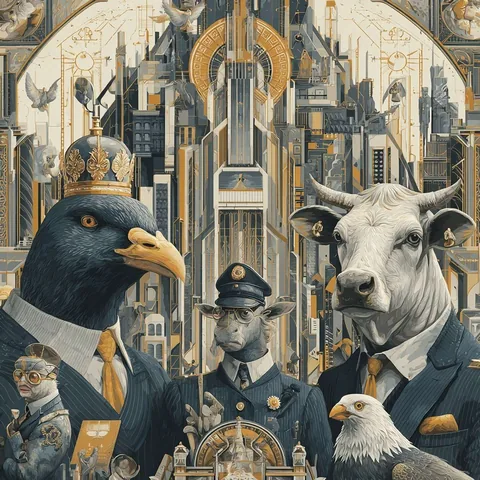
The other takes the image generator gave us, and the prompts behind each piece.
Chapters
Settings
Rights in a Crisis & The Faithful Pseudoscientists
With Kris Tyte & Sean Snodgrass
In this episode of Positively Pedestrian, we discuss the long-overdue and much-needed shift in American Culture. From Gun & Bible fanatics to Pedophile Priests, to Hands-On Scout Masters, to social media as the dominant source of news, to the faithful hordes of Pseudoscientists, we need a shift to sobriety, healthy skepticism, and empathetic human-centered concerted cultivation of our citizens at every stage of life. Plus, some bad jokes.
Share
Detour
Episode description
In this episode of Positively Pedestrian, we discuss the long-overdue and much-needed shift in American Culture. From Gun & Bible fanatics to Pedophile Priests, to Hands-On Scout Masters, to social media as the dominant source of news, to the faithful hordes of Pseudoscientists, we need a shift to sobriety, healthy skepticism, and empathetic human-centered concerted cultivation of our citizens at every stage of life. Plus, some bad jokes.
Chapters
Show notes


Episode Art 29 pieces
Full Transcript
As far as voting? Well, no. What's the general idea behind the bill? Oh, the general idea behind the bill is, putting a.
Tighter restrictions on the youngest of going owner gun owners. There's a domestic violence provision that says, hey, if you're not married to your partner, then and you commit a domestic violence, then we're going to prevent you from getting a gun. I see there are some as some money going to states for, mental health programs. Okay. There's, money going to states that have the red flag laws.
That's 19 states plus the District of Columbia. As far as you know, allowing people to take guns away from people who seem a little off. There. Yeah, that's a crazy tumor on that tree. That tree has cancer. Yeah, that's. That's unusual. Wow. And I'm sure there's some other things, but that's that's what comes to mind after.
Gotcha. Almost reading an article on it this morning.
It's weird, like, you know, to really have the most rapid change for gun reform would be like a change in society. People like, basically, you know, making a what do they call the, the furnace like smelter and just throwing these things into a big pit and melting them down. That's really the only like the way that the pace has seen in my lifetime.
The only way is going to have a change in the culture. You know like from the bottom up. Because the powers that be in government are lobbying and NRA and all these kind of groups are so strong man. It's like and there's like this really strong division like some people in the culture, just like guns are just the culture.
Right. And open Bibles. Yeah. I don't I don't necessarily have a problem with guns, people owning them. You know, exercising their, Second Amendment rights there. But ultimately, I think that, yeah, it would be nice to see some cultural changes, but we have examples of how to have guns and regulate them. You know, I think just a big old pit.
Throw them in. Move forward. That's that's me. But I know it's very radical. Yeah, I it is it is a little radical compared to. You know, the gun toting people in the Bible belt, like you said. Yeah. We get a lot of things wrong in this country, in our culture and in our government. We do. We get a lot of things right to, for sure.
But, you know, rather than hoping for such a sea change, maybe we can make incremental change.
I don't know, that's what I'm saying. I think that that's what's been been trying to happen. And it's so slow, you know, it's like it's a slow walk. It's a it's slow walk to to death, you know, real change. Right. You know, and so, these kind of like, bills and ideas, they just kind of die. And then, you know, they, they resurge again after some major incident.
And that's the only reason this one's come about. It's the first attempt in 29 years to curb things a bit, you know, talk to talk to kids about, talk to kids about it, you know, and and the kids have a pretty clear vision of what's going on. They they're sick and tired of being terrorized by, you know, either a shooter in their school or the threat of it.
And that's the that's the thing. The kids from Parkland in Florida, that was they were very articulate, from a from an affluent community. They really tried to push things, but we had someone in office who tried to couch them as a false flag operation, who tried to say there were actors, blatantly. So, you know, I think the only way to deal with those kind of people is to just flat out ridicule and just be that louder voice, be the stronger voice over them.
Like, literally there's the time in control of the U.S. Senate. Okay. All right. First hurdle. How many hurdles are there? You know, so, you know, as I was saying, if these adults would have the fortitude to actually listen to their children, you know, when the children sometimes, sometimes children have a voice that needs to be heard. Other times they need to be ignored because they're stupid.
But sometimes kids have, you know, a voice that that absolutely 100% should be heard. But what I'm one of those cases, it rather than throw the baby out with the bathwater and not listen to anything kids say, I say we give them an ear first and then take the opportunity to tell them what they said was dumb. Yeah.
Like so when you're when your son says, I don't have to go to school because I'm going to be a YouTube creator, right? Like, you don't listen to that. Well, you hear that? No, no, of course you hear it. You hear it. What I'm saying is, you don't entertain it. You don't say, oh, yeah, son, school's not important.
Right, right. You say the more you learn in school, the better YouTube creator you be able to be. It is inevitably what you choose to be, right? Right. It's like. So spin it. You have to become a T shaped individual first, son. Right. But when they say I'm scared of getting shot in school, you don't spin that. You say, yeah, this family doesn't own a gun.
And we advocate against it, right? And guns. Because. Because that only do is hurt people. And you talk to them about safety measures and how to conduct themselves in the event that something like that does happen. To some extent. And I also say like, if you're with a friend and your friend, if you're with a friend and your friend is like, you know, hey, come look at my dad's gun or whatever, you're absolutely not.
You make that decision right then and there to to walk away. Yeah. Let's not get shot, you know, because that's where most of the shootings happen. People fucking around with a gun shoot their sons, shoot them selves. Yeah. It's, it's it's clear. Guns. Guns kill people. Guns are for killing people. It's a convenient way for suicide.
So someone that might otherwise, you know, have a harder time committing suicide. They have a boy that's like really super quick way out man. But a lot of people there, there's that stupid rhetoric where they say, you know that guns kill people, guns don't kill people. People kill people. Yeah. And it's like. But. And.
I mean, the gun is the instrument of death. It's the, you know, so a hammer is designed to bang nails and pull nails. Right, right, right. And he saw was designed to cut wood. Sure. You know. Right. Etc.. Well, it's a tool with a purpose. Full range of uses. Right. Like a fork is is for eating a meal.
The fork, though, didn't make me fat. Me eating too much made me fat. Well, the the the shit they put in, in what they call food in America is like they contribute to what makes people fat. But anyway. Good point. We talked about that. But you know, this is specifically for guns. It is a tool for killing people, for killing, for for ending life.
Yeah, that's what that tool is. It's to kill or at best, main. So you mentioned guillotines the other day. So, you know, imagine if like, everybody had a guillotine in the front yard. Oh yeah. You know, so there's a tool designed for beheadings. Yeah. There's nothing else you could use that for. You don't use a like sliced melon.
Yeah. Yeah. You're not going to be like, man, I had this really big watermelon. I can't cut it in half of the regular diet. Let me break out the guillotine. Let's go to the front yard and using it. Yeah, and test the guillotine. Yeah, yeah, yeah. Well, it works, guys, you know, so the. So the tool for ending life is, you know, for, for killing is guns.
And so that is like, you know, super crystal clear. So we need a cultural shift. We need people to say collectively as a society. Right. Enough is enough. We're tired of our children being terrorized by either having a shooting or the threat of it. Sometimes the threat of it over a long period of time can be overwhelming. You know, think about that.
Like you're going to school and you have a presence of mind daily because of the media. And it's such a popular topic in society. And you hear of these things happening. So you have, I don't know how many schools, 15,000 schools that say probably more than that. I don't know how many schools are in America, but a lot.
Right. Sure. So your percentage chance of your son or daughter school getting shot up as close to zero, right. It's very tiny. Yeah, but that doesn't mean that it's not a presence of mind. Right. And that presence of mind serves as a as a as a point of tension. A point of anxiety. Sure. Right. For everyone involved and our children, the suicide rate amongst our children these days is absolutely a terrifying.
But that's increasing. That's due to a lot of things, not just gun violence, pressure. True. It is. It is beautiful, a lot of things. But the increase in the number of school shootings is a testament to like, the sentiment of how some of these kids are feeling. Right, right. You know, they have nobody. They have no outlet. They have no no hope for the future.
And they're angry. It's fun. Obviously, it'd be pretty angry to go in and bust. Yeah. You do. How you doing? Morning, John. So, you know, you take that, you take that away. Take that. At least that that that that, that, that tool used away and that circumstance, and you've made massive progress. But let's say we can't take it away, but maybe we can curb it.
And then let's also attack the other side, which is the mental health component that you just mentioned. Well, that's tied into healthcare. And we know the healthcare is after that's another cultural cultural failing. But the country, if it makes it through in this bill intact, there's money and provisions to at least aid what little bit we've got going.
Okay. You know, and I think that's the thing. It's we gotta look at what we've got and build on it. And like you said, it's slow and frustrating, and we are in a dire situation, but.
Yeah. So, you know, moving the Titanic isn't always the easiest thing to do. Like, it takes, you know, a lot a large effort to shift shift that, to change directions. It takes, you know, like some of these, some of these big cargo jobs. Have you ever seen a house closer to another house? We've got one house I don't know.
Townhomes. Connect them all together. Jesus. You know, so think about this idea, right. Like some of these. That cat is like. So proceed. So majestic. Just sitting there watching. He's on guard. Hey! Guard cat.
Heads on a swivel, too. He's like, I'm watching you. Not at this place. A cat sitting right outside of a window with a sign that says, beware of dog is pretty funny. Yeah. Should we take a picture of it to include? Sure. Why not? So, you know, when it goes to moving the Titanic kind of idea or moving one of these giant cargo ships, right?
You know, it takes, like, maybe a mile to get it to change course.
Because it's still megalithic.
I don't know if I can get the. Oh, it's all right. Yeah, I do have to to effect real change, right? Yeah.
What I'm trying to say is to affect real. Any real change is more or less a Herculean effort.
You know, to to the point where it's really easy to say, like micro efforts don't really can't, can't just physically amount to anything, like they can't produce the change, the effective change that's necessary. So like sometimes sometimes you have to start over like wait till slate clean on something right and rethink it. Yeah. Rather than trying to spackle and patch and duct tape what we have.
I mean yeah, you can't always retool.
I mean, what about just shutting down all future gun production? Done. So then let it let everything that exists just rust and die away, right? That's one way. Yeah, yeah. You're not taking away anyone's guns. You guys can keep the ones you have. We're just not making any more skin. Yeah, we're just not making any more civilian purchase of firearms.
You can buy what's out there in the ether, but there's no more new sales now, then, as a companion to that, if we were to do something like that, I really feel like what we need to do. Also is really crack down on Ghost Guns Machine and the, the machining of blanks, you know, to because they've got specific things you'd have, like pop up.
Yeah, you'd have like pop up foundries, right? Yeah. Like making illegal guns. Sure. Yeah. You have that and then you have the whole, like, technology you're running. Yeah. When the material science catches up to there, we're like you, you print a gun and you can 3D print a gun, but it'll only do a few shots right now. And those are the kind of guns that we need.
Cause then you don't have these mass shootings, right? Yeah. There we go. And hopefully the design blows up in the shooter's hands. No shit. That cat that we just saw is in the window with the side. Now take the. That's crazy. The cat that we just talked about this now this other cat that we know, it says beware of dog.
The cat is in that window now. I have my you have to get. These people are gonna be like, what's going on? See the cat right there in the window now that's hilarious. Right? Yeah. I better not invade this person's privacy anymore. Fucking. That's funny though. Look at that other. Another cat that's like we're calling them in. That's the.
That's the reserve. That's hilarious. Dude, how did I get it? Well, it was weird. It's got a cat door. Probably. Yeah. If there's people, like, awake and hurt us right now, they're probably freaked out. If there's two, like, full grown man outside their house talking, pointing at their windows and and like, what the fuck out? Yeah, yeah. This is, this is where we don't need to stay in your ground law, right?
Like, sure. Get a psycho. Second bullet comes flying through and that's it. End of our podcast. They're like, they're talking about guns. Forget the life. Forget our lives. That our podcast is over. Well, and that's the most important thing. Okay. All right. The podcast. Yes. Because it's not like we've invested 41 and 48 years, respectively, in these lives as opposed to mere months on said podcast, when really the whole idea for the podcast was just a walk.
Yeah, yeah, I don't I don't care how much of the first ten years of my life because I don't remember hardly anything from that time. So I don't I don't count that because, like, you know, I wasn't really autonomous. I was just, I but, you know. Right. You kind of just floated through. Yeah. Most of that's just erased.
Yeah. Same I mean, I guess you can count like teenage years and the, the upper school age years where I started to have some kind of autonomy and decision making thoughts on my own. I think, like you said, somewhere around 10 or 11 is probably a good point to say you're an interesting person. Through my 20s, I was just floating around like, you know.
Yeah, like, I don't know, no real purpose or direction. Same. I mean, I was an aimless, dare I say it, useless motherfucker. Then in my 30s, I, like, somewhat started to pull my head out of my ass and be responsible and like, take some things seriously. Like, like like matters of love and things like this. Sadly, I think that this is a common.
And now my 40s, I'm just tired. So yeah, so so like the applying all the lessons learned is so difficult, takes so much energy. It seems to take twice the effort that anything took in your 20s doesn't it? Yeah. Right. And yeah. And then and then apparently like in my 50s, 60s and beyond, it's just going to be like sitting there, like with brain fog, trying to trying to think about what to do today.
Yeah. Oh no, that's not true. That's not true.
I mean, hell oh this isn't a, this isn't an elder bashing podcast. No, no, not at all. If you look at some of the previous things we said about, elderly people, we've been actually quite gracious. You know, we've been very kind to elderly people on podcasts. And really, I, I think that's the way to go. I generally because like you're saying, what we're trying to say is you accrete knowledge as you gain age.
You get wisdom through experience. But it's hard to affect the world the older you get. Yeah, there's some point there. But you know, also you have like your neuroplasticity decreases as you get older. True. So it's like really easy to be closed minded. And technology is moving society so fast. Things are shifting so much that like change as being the only thing you can count out as being constant, right?
The only thing constant in life has changed, right? And that's happening more rapidly as we expand technologically. And so getting older now is going to be way more difficult, because society's way more prone to leave you behind and leave you behind quicker through the technology gap. Yeah. Right. So, yeah, with that being said, there's like pretty serious issues for elderly people going forward in the future because of the technological divide.
No doubt about it. I mean, come on, grandparents today are way more out of touch with grandchildren than they were 50 years ago. And, you know, I've seen a couple of situations that really highlighted how you can do the opposite. So.
Oh, yeah, I'm not a fan of that idea, but I know why it's being done. Yeah. What we're referencing is cans of food just being left out for people that that quote unquote need it. Yeah. And, I'm really against that shit sitting out in the hot sun. You got all kinds of problems with that. Yeah. Perishable botulism, all kinds of.
You know what what what if someone gets massively sick on that? Who's responsible? Yeah. Yeah. No one's going to be held culpable for that. And, you know, if the person gets mad, simply say they're most likely not in a position to do something about it themselves. Yeah. And there's all kinds of things to like, you know, the consistency of it.
Can the person rely on it? You know, I don't know. There's like charities that work really hard to make sure there's a stable food supply coming in for homeless people. And if you take your efforts and put them into those charities, you're doing the maximum good for your dollar rather than leaving corned beef hash on a rock.
Yes. Yeah. Yeah. And that's literally what it was. Yep. Yeah. It's a not the right answer but, but that's a intention thing right. Versus application. You have this whole idea of like the road to hell is right, but, you know, you can't you can't deny the intention of that. You know, a good intention. It's a thought.
All right? Someone's trying to do something nice. Yeah, and more than likely, it'll be okay. More than likely somebody's going to pick it up and not die. Let's hope. Yeah.
Yeah. So anyway, back to the back to the topic. You know, for for me, I just think if we had a groundswell cultural shift in America and we may very well make because the young people have this idea, you know, towards guns, like we got to get we got to change something. Young people definitely have that idea.
And so as they come up you know there's a high chance that they're going to and it's an idea that the right kind of change that we need to encourage and support. I think so I think because I know growing up I had a lot of world changing and impactful ideas. But as I got older, the world didn't support them and it was harder to maintain those ideas.
Yeah. Did you see this whole thing in Texas where they've made all these, like, the Republican legislature has made all these draconian proposals? Yeah, I heard about that in the news cycle. No. Well, they're like making a decree that Joe Biden is not the lawful president. Yeah, they're like doing it from a legislative position, though. Yeah, I got.
Good morning. Good morning. Were there actually like, you know, making a government public stance on these things? That's good. One other one was like, homosexuality is an abnormal lifestyle. Okay. So they call it out as an aberration and something against the norm, apparently. So you can use that as a foundation then for other things. Right. So that they can use it as a foundation for a free floating precedent in lawmaking.
Yeah. And, you know, it's when you when you see things like that. Oh, they're talking about seceding from the union. I wish they would know that's. Geez. I'm just saying, you don't want to be part of the shit. Go. Yeah, but that doesn't mean that the a lot of people there don't, you know, want that. True, true.
But they would vote on it. And if they vote on it and the majority decides I'm all for it. Go ahead and go, y'all. Oh, that's a pretty, pretty strong idea. Like it is a strong idea. His own country. I mean, it's a massive economy and it's a massive amount of people. It's a big deal. They are.
Each state becomes own country, inevitably. Imagine that. That would be insane. But they have their own island. Yeah, yeah, yeah. Well, there's a certain amount of affiliates there. It might carry it through. Maybe. Yeah, maybe because per capita, they've got a lot of cash. Yeah. And yeah, maybe. Yeah. Like Rhode Island has its own nukes.
Where do you put it? Right. It's like you've got to store the nukes in another state. But we have them. Yeah. Right, right. They they pay. They pay like New York to to house their nukes. Right? That's funny. You'd be funny to, like, take that guy's shirt and, like, dangle it out of your pants pocket. So, like, when he goes by again, he sees that you have his shirt.
Talk about this guy who's jogging on this, like, greenway type track we're walking on. There's lots of people jogging on, said Greenway right now. Yeah, but he's the only one who decided to take off his shirt and put it on a bench. Yeah. So we're talking about like, swiping the the that shirt, but then like, also letting it be known that we swipe the shirt like you even wear it where it.
Yeah. Oh, damn. Like straight up. Just put it on. Yeah. Like where it. And just see like, just try to see how he reacts as he walks by. As he jogs by. Oh that's funny. Like like full on brazen, you know, like social abnormal things like that that are little consequence, but like weird pranks, like, you go to the grocery store and you just someone has a cart half full of shit, and you just take their cart and start pushing it around like they're leaving it.
They just want to get a as soon as they confront you, you just walk away from it. Or as soon as this guy compression, you take off the shirt and just hand it to him and keep walking. Yeah, yeah. The person confronts you about the cart, you know, like, this is my cart, and you act like, like, all whacked out, like you're schizo, you know, just to see if they're brave enough to push the issue or, I mean, or you walk.
You got a lot of options here either way. Oh, yeah. You have so many creative options. Yeah. What to do with that psychology, that psychological nuance. Right. You'd be like, but I just really love everything that you picked. You're so good at painting. So much better than me. I think that's a I. Please have the cart. Yeah. It's like you've put it into this and I respect it.
I could see like 50 meals here. Like you're awesome at this. Please, can I just have this cart, please? I never would have thought to get this arrangement of things and then, like, really like carrying you, like. My God, it's not hustle architecture. It's a full bench without somebody sleeping on it. Go figure. So, let's get away with cars are so, you can imagine, like, the psychology of that.
You get some carrying, like, you know, really being a jerk about it, you know? Yeah. And then you're like. You're like, holding her back at bay, right? You're like, let me at least get a picture of it so you don't get the same weight of.
Where you go. You end up with two really blurry pictures and yeah, yeah, yeah, yeah. A picture of Karen swiping at you. Yeah. Hitting the camera. Yeah, yeah. And then then like, you know, she gets it and you show it, you're like, look the picture to come out good and like trying to take another one. Just harassing this Karen in a grocery store.
And of course, you have somebody filming the whole thing, you know, for your TikTok. Oh, TikTok channel. There we go. So.
Yo, is that the proper parlance? Do you say TikTok channel? Do you say. I mean, no, I don't think so. I think, say my TikTok, I don't I don't think you say channel I don't know. Yeah, I'm not sure either. I'm woefully out of touch. I'll have to ask the kids. That's another thing too, is that video, and short video clips are like the engaging platform right now.
You know, like tensions fan they're saying. But like when you look at the stats, you know, a website and a podcast don't really get a lot of traction these days. There's like so many you're like in a sea of a billion. True. But these like really shorts on TikTok, you know, that's where people are spending the entertainment time.
That's why we're trying to make short snippets of pithy shit for you guys to consume you like we're some kind of video harness rig, you know? And then just like, put pick out highlight reels and put it on talk and then TikTok and then we'll be, you know, then we'll get huge which to carry over to our podcast.
Right. Yes. Yes, it could supplement or it could give our podcast a bump. Oh that's of course, you know, the idea that someone would actually take a second to listen, anything that we had to say on a TikTok. Right. If it's not a chick, a young chick. Twerking. Yeah, right. Hey, maybe we can have young chicks working in the background.
Now you're talking. Yeah. So, I hope no one steals this idea because this is something I never want to do. I want to put together a compromise. Have all signed a virtual NDA right now. That's right. Looking into this podcast, you agree?
You can't steal our shit. Okay. Yeah. That's legally. That's as legally binding as, like, clicking okay on a website. Right. Right. Which is a joke, but true. Like clicking okay on a website has some legal. Yeah. Like really stuff. Yeah, man. Like, the unusual license agreement on a piece of software is, like, has an actual teeth, right? Right.
But, I mean, hence the Business Software association in the 80s and 90s really crawled up some businesses and sued the hell out of them. Yeah. Microsoft. Yeah, it's really interesting. And you know that Microsoft like the what is it called, not the Bios. Now it's like the Em whatever. What's it called? EFI Extensible Firmware Interface. Yeah, that is for the secure boot, which is like required for Windows 11 and stuff for other things like some games and stuff required.
Damn. Actually is bound to a key. And so, like, you can't just go ahead and drop Linux on that. Do you know about that? So now they do you know about that? Yeah. TPM trusted yes. Trusted platform management. Management. Yep, yep. And they, they have figure. So there's a key for major distributions now that you can add.
Yeah. So you can put Linux on it if you add your key. Got to add your key which is which is which is Microsoft which Microsoft has a hand. That right Microsoft has has a part ownership of the signing bodies. The create keys. Isn't that weird isn't it? That's really weird. And from what I understand, like when you compile software like those things, those, those different hardware artifacts get into the compilation.
Really? Yeah. So like, so there's a fingerprint. There's a fingerprint. That's right. So if you make some worm or Trojan or whatever, they can trace it back. Yes. Oh, now you're no more Melissa I love you virus from from hand-crafted, script or a visual application? Yeah. So, like, you can argue, you know, both ways on that, right?
That's really easy to argue. Either either side, I could I could take any. I could take other side of that argument. Right. Well, it's just like with printers, you know, there's, those unique invisible watermarks. Yeah. On the high resolution laser printers. Yeah. So if you print hundreds. Yeah, it's not $100 bills. They can tell what printer it came from, right?
Right, right. Yeah. And it's like, you know, there's like I said, I can argue both ways on that. Yeah. I mean, all right, I understand the need to curb fraud and trace things back and all that I do, but it's just it's scary. It's, gets big further, awfully quick, you know, and then at the same time, you know, you have that old age old argument of if you're doing anything to hide, what are you worried about?
You know, type idea. But that's a dumbass argument, I think so. Wow, I think so. That's not the that's not the answer to privacy. Yeah. You know, I have my own age old argument, which is privacy doesn't matter until it does. And so they're by should always matter right there. But that's right. Privacy doesn't matter until it does.
And then when it really comes down to it when when privacy does matter. Boy you can have some. If you're on the wrong side of that, you can be automatically grouped into, you know, a group of people that you don't want to be grouped into. Right? Because I mean, for the most part, you know, the society at large isn't going to notice this slow creep to stealing everything and eroding your privacy.
You know, for all intents and purposes, you wake up one day and you're in Cuba, you know? Yeah. So when I say it doesn't matter until it does, I can give a quick example. You have a major environmental catastrophe, right? And all of a sudden there's a massive resource pinch. And really rapid decisions have have to be made on who gets what resources.
Yeah, right. Sean happens to be on a domestic terrorist watch list because you made a piece of software experimental, right? Right. Trying to create an antivirus, let's say. Sure. And maybe I made a worm that went through and secured things. Yeah. Or something. Right. You're like cutting edge computer science trying to figure some shit out and learn. Sure.
And figure prints on this thing. It got out of the lab and some shit up and cause some damage. Yeah. Now you and your family are marked flags, which wouldn't matter normally in anything, but then in some crisis. Right? Some type of crisis in the country, you might now have a flag. You might have a flag on your record.
Yeah. Right. That preselected you in it works against you, right. So probably doesn't matter till it does. Yeah. And the classic example of that is rounding up the Japanese off of census data in the internment camps in World War two. Right. The census data was never supposed to be used for that purpose. It was in law that it could not be used for that purpose.
Guess what? Pearl Harbor happened. Yep. And okay, let's changing those rules. And they use the census data to locate get the address of every person and black bag every one of them. Yeah. This room literally in concentration camps you just common cancers and some this bad right. But it's a concentration camp and you know that's someone with ADHD going to a concentration camp.
Oh ho ho ho. Dad. Joke. Love it. There wouldn't do well. Nope. They wouldn't. The focus, the thrust of the camp is just at odds with their allergy. Better make sure they have their meds. Yeah, let's put it that way.
Geez, man, if you are rounded up large swaths of the population. Now, think of all the meds you have to take to make available just to keep people okay. You can kill. There's another thing right there. People that need meds are flagged because there's a resource crash. You gotta go. There's a resource crunch, right? Like so. Some major catastrophe like the Yellowstone, you know, supervolcano goes off, right?
And holy shit, there's global food production down to 1%. Oh, shit. Right. Yeah. And the carrying capacity of the earth just went to 1 billion people. God, you have not just an environmental crisis. You have the the the largest proportional humanitarian crisis ever, you know, to hit mankind. Yeah. Because you, you know, 6/7 of the world can't easily be supported.
And you have like, an ice age coming, you know. And yes, humanity will most likely survive, but you most likely are going to have full scale World War three because, you know, battling over the remaining food and resources necessary to sustain life. Right. Which, again, is like an outside justification for for the US military, who right, in the event the shit hits the fan, do you want to do you want to be the country that has the is the only superpower left in the world?
Do you want to be the country that's defenseless? Yeah, yeah. And you have wheat fields right in in the in the band of the earth that can still sustain crops. Hopefully. Yeah. Guess what? You don't have them much longer. Yeah. Someone's going to go take them. So, you know, when you when you come up with these hypothetical imaginative doomsday scenarios, you definitely want to be the country with the big army.
You do, because that enables you to mobility and some time to plan and further fortify. There you go. It just gives you more options. Yes. Right. And, Yeah, it's. But when with the lack of those hypotheticals, when you run the statistical analysis and you say, what's the odds of these things happening? And they're close to zero, then now all of a sudden you can't justify.
And okay, you know, you can always do a what if. Yeah you can. And and I would agree with you that a lot of these massive bloodsucking institutions, they are predicated upon what if there are. Yeah. You know, luck favors the prepared idea. And you know, like, you know, readiness is is some other there's some other slogan, but the basic idea is like, you know, be prepared for everything, and you have the highest chance of being the one that comes out ahead.
Yeah. You know, literally luck favors are prepared. Yeah. And, question is, how far do you go with that preparedness. Right. How far do you go into, like, doomsday prepping to where too much of your budget is now extracted from? You know, you have no 401 K because you've gone overboard on your doomsday prepping. You know, you're fucking.
Oh, yeah. You're out in Texas. You are, you know, underground bunker which is absorbed a majority of your resources. Yeah, right. Is that the dude sleeping over there or something? That's weird. It is a pile of stuff. It's a pile of junk. Yeah. It does. It doesn't count. Like someone grab something to sift through it and just left it there when they found there was nothing or something like that.
Yeah. And. And another bridge has something similar that we came across, so we have a piece of trash on it. How weird. I guess. Charlotte 411 is going to be active in this greenway, whatever the screen is called. McDowell something. I don't know, what does it matter? What's in the name? The greenway. Yeah. So, doomsday prepping and these ideas, when there's also this other factor, too, right.
Let's say that you got your, your, your family ready for the worst, like for the zombie apocalypse, right? Right. You got these bug out bags you've done, like, drills and shit with your family. Yeah. Right. And you're thinking is like, oh, if something really major happens, I'll be best prepared. Right. Yeah. Got your little bunker, your secondary thing.
You got doomsday prepper. Come and gives you a high score for your prepping, right? Oh, shit. All this kind of shit. You've had a couple years trying to tell me there's businesses that will grade my preparedness. Yes. And TV show too. We'll do it right. Yeah, it's a TV show. Wow. Yeah. They give a scorecard to the overall level of prep preparedness.
They give me, like, a -27 or something. That's funny. So you're taking your family through these drills like you're teaching the kids how to, how to live off of mealworms and. Yeah, you know, like, all this, like, hardcore shit and, never stopping to think about what level of fear and anxiety am I putting in my kids.
But think about that. Your kids are now having their imagination deluded with this. Correct. That's what I'm talking about. Yeah. And so let's score the whole operation on that. Like how how does it how how does the actual child feel about, what what are the emotional and physiological effects happening to this child? Is that constantly thinking about having a bug out doesn't happen.
And your child has to be an adult and determine their own philosophy. How much of an impact does it have on that? Yeah. Could it potentially be negatively life changing? That's a goddamn lovely. I don't think you're going to argue otherwise. So that that maybe might should be going into the calculus. You know how much how much a fear and anxiety and negative life changing things are you doing to your.
You know, so you have to consider the psychological aspect, like telling the kids, hey, you know what? We're doing this just just in case, but there's really no chance of something happening. Yeah. Because otherwise you're curtailing their ability to operate in the side of the at large. Yeah. And you tell your kids that not. We're doing this for the for the really rare chance that something major does happen.
Right. But we're also doing it as a family bonding exercise. True. Like we're getting to build skills. Right? Right. Right. So that should be in the calculus of the scorecard for the doomsday prep. Yeah. You know, are you are you create a balance in your kids psychology, you know. Right. So they're not afraid of the zombie apocalypse every day of their life, right?
So that everything's not overly weighted toward that, so that their mind and vision is not occluded by this ever present thing. That is not going to happen. Yeah. That's right. And the people that are prepping the kids for the school shootings, doing the school school shooting exercises and drills should be using the same type of psychology, telling the kids, look, statistically, this isn't going to happen, but.
Right. We should be prepared on the off chance it does. Right. And then say, especially in our school, the chances of this because we have, you know, a great school and good family bond here. Once you know everybody and we talk about the positive psychology of your school and saying, but the state wants everybody, all the kids to be prepared.
You know, just in case scenario. Yeah. So let's figure out how to go through this together. Yeah. Why kind of attitude. And then include that in the calculus of your efficacy. And you add you add little things like a culture of see something, say something, you know, etc.. Yeah. All all predicated on the positive, you know, constructive buildup of here of what you're doing.
Right. Not the not the opposite, not the terror of it, you know. And that's it. So that's a thing. Morning.
Yeah. I think he said something. Yeah yeah yeah yeah yeah, yeah. He's in that primal caveman know before he goes to his desk for 12 hours. Hey, a lot of these joggers look pretty fit, man. They're good shape. I mean, yeah, so, Joggins working out for that dude was older. I'd say he's older than both of us. Yeah, and he was in damn good shape.
Yeah. You're kind of jealous. I should be jogging two, right? I'd have to read like, a super jogger. And so would you, because you'd have to try to do this while jogging. Oh, my God. We get out of breath and walking up a fucking hill. Yeah. Let alone jogging it. Well, maybe we should,
Press pause. We're about to jog, like, a hundred yards. Yeah, yeah, we'll be back. We'll be back. Welcome back. All right, we're back. I think I'm dying. I think I'm dying. You are. So am I. Fuck! So my wife, I love her. Gasp!
Dying. Oh, you tell her yourself, man. We're gonna fucking make to get through this. People are walking by. What the hell?
Or or people have seen us enough now. Like. Oh, they tried jogging. Yeah, yeah. It's like, it's like. Honey, I predicted it. Those fuckers. We're gonna try it. They're gonna try it one day, and, I was there for it. No, you got it from my TikTok. Yeah, exactly. I got them dying for my TikTok. Yeah? Yeah.
What? What are they gonna. What? Incendiary title? Or would they give it, like, middle age stars?
Decide running is a good idea? I don't know. Yeah. Check out this aptly named podcast.
It went from positive to negative. Cardio or whatever. Yeah, I guess negatively cardio. Yeah. Negatively cardio or something. You know, polar polar opposite to what we're trying to do. Yeah, right. Like, I don't know. Slothful lifestyle podcast.
You know, middle aged white men gone wild.
Oh, it's so funny. Speaking of that, my roommate and I, we went to middle aged Man Gone Wild last night. We went to a super. Local hipster Mecca pilgrimage. All right. And, in essence, we were there to the late, late hour of 1015. Gish. Wow. Wow. Breaking out for a Tuesday night. Right? Yeah. It was the bartender.
Like, you know, you guys want to switch to Coca Cola? No, we only had one beer apiece and a shot that we kept it sensible. Okay, okay. Did you drive or walk? Walked. Okay. See? Thoroughly middle aged men gone wild. So did your liver. Convert the alcohol through the walking into some kind of drug that made you want to?
Not. I know, but possibly. Why is the dog acting funny?
So I gotta tell a dirty joke then, right? Yeah. So, this guy is a got divorced recently sitting at the bar. He's, like, crying into his beer, and this lady takes note of him. Go. Sits by him on the stool at the bar and says, you know, hey, you know. Hey, handsome. Why the long face, you know, type thing?
He's like, oh, you know, I don't want to talk. No, no, no. Come on. Talk to me. Talk to me. I'm great. I'm a good listener. What's going on? So finally breaks down. My wife left me. Yeah. She goes. Really? What happened? He goes, well, I'm embarrassed to say this, but I'll just tell you. Why not. Yeah. I'm a sexual deviant, right?
Oh, shit. And, I was always pushing the envelope and just. She just asked me to dial it back, and I just couldn't in my nature. And so I kept pushing it and pushing it, and she just had enough, and she just said, enough is enough. And she drew the line, and she gave me divorce papers, and it really hurt me.
I love this lady. Right? Really hurt me. And she goes, well, today's your lucky tonight. You're lucky night. Yeah. Looks at her and goes, why is that? She goes, well, I'm happy to be a sexual demon as well. Oh, I don't think you can push the limits far enough on me. Oh, guy perks right up and he's like, really?
Finishes off his beer real quick and says, let's get out of here. Are going through the parking lot, call on each other, pulling hair, biting lifts and shit. Right? Like smacking each other. Getting all dirty with the prelude. Yep. Push, push, push her into the car. Right. Yeah. My place are yours. You know, she goes. How about my place, big boy?
All right, all right. In the car. They're doing all the dirty shit in the car. They get to the door, leave a frickin trail of clothes at the door. Right. And, she she tells him you wait right here. I'm gonna come back, and I'm a rock your world. All right. So she goes in the back room. She's in there for a few minutes.
She comes out all Leatherman, you know, cracking a whip, zipper mask, all the shit. Damn. The guy's walking out the door. Oh, shit. Wow. She's like, what's going on? I thought you said you're into this kind of stuff. What are you doing? He goes. Bitch, you took too long. I already fucked your cat twice and shit in your purse.
That's fucked up. Yeah. The perils of trying to caught a middle aged, sexual deviant. He's. Yeah. You gotta know what you get into. Yeah, he. Well, he's got he's got he's on timetable. Yeah. I think that she understands the premise of the divorce at this week. Right. I mean, not only is it. Does it need to much analysis.
Not only does a sexual deviant, he is a minute.
By definition, is like straight to it. And as Devyn, as you can possibly fathom. Right? Yeah, yeah. He just he looks around. What can I do? He just shit on this woman's checkbook and put a dick in a cat. But twice.
He's the true deviant. She didn't know what she was really getting into. Yeah. I mean, like, this guy, like, can actually hold a candle to, like, the scoutmaster, you know? Here we go. Good Segway or the, Or the, Or the or the pastor. The priest. Yeah, yeah, yeah, the the celibate, quote unquote priest. Right? Right, right.
You know, there's something wrong. Whenever an entire group of people declares themselves as a outside of the normal need for sex. Yeah, let's let's take you and put you, give you, make you take an oath to be something that completely contrary to your nature as a human being. Right. I mean, and expect good results. Because if you think about it, the only reason you were here is because someone dared to have sex.
That's right, that's right, that's right. And this idea of, like, some man, you know, that's wrapped up in this ideology, taking an oath of celibacy and expecting that to go well is like the equivalent of not background checking. Like with the deepest level of background check you possibly can for someone that's going to have, you know, in a tent access to a bunch of young boys.
Right. You're setting yourself up for two derivatives of the same set up for failure. You are in. This whole celibacy thing is really based on.
As far as I understand it, hatred or misclassification as women, as the wellspring of evil. I guess, yeah, there would be a foundation parallel there. Yeah. Well, Saint Augustine temptress. Yeah. Nothing but temptress. Exactly. Saint Augustine that, you know, spoke of these things and advocated for the celibacy. He was a, he alternated between being a woman out there and a woman hater.
I heard this thing like, I don't know if it's true or not, but I heard this funny story, like, with this one monk monastery, the the, I don't know the name of the head monk or whatever you call it, but the leader of the monastery and I welcome correction there, if I'm wrong, by the way. Yeah, right.
Right, right. Yeah, yeah. You know, it's a human brain. It's going to put together an associative way unique to each person's individual experiences, trying to recount something with complete clarity and accuracy. When you're telling a story at a podcast, walking around at 6:00 in the morning is close to zero, that your accuracy is going to be like, you know, 100%, right?
So we have we did research this beforehand. Okay. Right. Yeah. We have this like organic, path. Right. Like by default, the way a brain, human brain works physiologically, right, we automatically get a path on not getting every fact that we say perfectly right. So, And we're not running for office, so it.
Right. So anyway, the story goes where the idea was. The main monk, the leader of the thing, decided that what he would do to keep the monks from to, to keep their celibacy is he basically worked them to death, like he'd worked them so hard that by the end of the day, they would just, like, pass out and exhaustion, while they would have no energy left for quite for right.
So no, no deviancy, no sin. Yeah. Like we're sinless by default because we have no energy to commit him. Yeah. Like to tired to masturbate you know type idea. Right. And so you know that was the idea. And so like he put them all on this incredibly regimented work schedule tending the crops and construction and, you know, just everyone was working, working, working, working.
Just an improvement, right. To try to keep them pure. Right. All right. So then later on they, they did an archeological, survey of this, of this site, right where they had these people, where they had the monastery. Oh. Sorry, man. Morning. Morning. And, they they did this archeological survey of the site, and they found a secret tunnel almost a mile long to the convent that was nearby.
So, like he built up their stamina for work so much. And they built an underground tunnel to get some. Get some booty. Oh, that's that's beautiful. That's. I mean, I'm just saying. Oh, and if life finds a way so to sin. Damn it. Right. Yeah. And they might be one in the same. Yeah. Now, now we're advocating for the Church of Satan again.
Right. So indirectly, invariably like not trying to we're now plugging the Church of Santa. Yeah. Do you happen to know the website?
You know, but I can look it up in the link. If people want to visit the Church of Satan will include the link. Is there like an official church, I'm saying? There is, there is like, there's like one that stands out as the actual one. I believe it was founded by Anton LaVey. That's the bald headed, wacky looking at that.
Just like fits the mold perfectly. Oh, yeah. Creepy is he's like, card carrying member of the Church of Satan. You know, it's like you look at that guy, you're like, you're a Satanist. And ironically, you probably never touched a child. Yeah, I mean, more than likely, I'd say most of the Satanists are probably more pure of heart and easier to get along with than most.
Well, by not swearing a celibacy, right, he's able to, as this leader, as the church, obviously kind of broker lots of attention. Yeah. And probably had all the booty he wanted. So have any kind of like strange derived derivative impulse to molest, right. He was able to explore his deviance with like minded partners. Interesting. So like indulging in a certain amount of natural.
Right? Yeah. To stay off, you know, otherwise something that can emerge as a really deviant, sinful behavior is really interesting. Well, yeah. Having a it's it's like having a it's almost like grounding yourself. It's it, I mean, you you become you have an outlet, indulge in a certain amount of like what's inside you would do a sinful behavior in order to stay off massive like extreme sinful behavior.
Yeah, yeah. Keep this guy from being a serial killer. I've always said your vices helped keep you saying, you know. Yeah. When you walk over a foot bridge and you feel it, like bobbing up and down, it's like a good bridge because it's designed to absorb. Right, right. But I don't know, I don't care, I don't care. It is.
It is to some degree, distilling in your 50 yards from the bottom. Yeah. My football shouldn't make an appreciable impact on a concrete bridge. Yeah, right. And we're not, like marching in, you know. Yeah, the whole thing. Like foot soldiers not not able to march over a bridge because of a classic type idea. Oh, because of the resonance.
Yeah, yeah. So, like when they, they tell soldiers when walking over bridges not to march in unison because, wow, they, they could accidentally hit the right frequency and, help out the enemy. Damn. And take out. I never really thought about that. Wow. Yeah, yeah. Like, you've seen that footage of that bridge that was hitting a certain wind pattern.
Oh, yeah, it was just all over the place. The resonance is a pretty interesting thing. Supposedly, Nikola Tesla put a small, resonant device on one of the I-beams in the apartment complex. He lived in Ohio and, like, caused a local earthquake. Really? Yeah, because he just put the set, the oscillating resonator to the natural frequency of the of the building.
And so the top of the building, it started swaying back and forth in resonance. The next thing you know, all that hardened material is now starting to tremble. Right? And you're talking about tons and tons and tons of weight trembling. Yeah. That's going to create a local earthquake. I'm telling you, he was such a he was a showman.
He was a a man of he, he didn't have any qualms most of the time with doing an experiment that just might go completely wrong. We burnt down an entire town in Russia when I gathered, trying to broadcast power wirelessly. Yeah, all kinds of, like, strange experiments with that, with wireless transmission of energy. Yeah. Which we can do what we do.
Want a small scale now to target our phones or power TVs. There's microwave radiation, microwave transmission going across major distances. Yeah, they're high energy. Right. High energy microwave transmission. It's a high bandwidth link that you can get between buildings if you want to do. Yeah. It's, you know, I think there's, there's some interesting things in play and then you get people that take that really extreme and they say, oh, like the pyramid was a was a resonating, you know, what is it the effect where you have water, the, the effect where you have water running over different materials, creating an electrical charge that's called, okay, I forgot the exact terminology for that, but
it's like the idea was that there's an aquifer underneath the Great Pyramids in Giza, right? And the Great Pyramids and there's the aquifer underneath. It's like piezo electric or something. Oh, okay. Yeah. Actually, coming up and creating the whole architecture of creating a being, a resonance chamber, which then amplifies sound waves of all things right up in the King's chamber, creating a resonance in the crystalline structure of the.
Okay. So this resonance puts pressure on that crystalline structure and creates electricity. Yeah. You know, the right you know, the, the in the King's chamber, they have all those like, really huge megalithic slabs of granite. Like that was the final resonance chamber, which then turned the whole thing into an electrical generator. That makes interesting. And it was like literally beam the electricity into the, into the atmosphere.
God for use globally. Because the whole idea was these pyramids were there, aligned toward a particular constellation, I believe. Yeah, some like the belt in Orion's belt or something. Yeah. And so and another theory was that they were charging up similar to what you're saying due to their celestial alignment. Yeah, I love those like those long shafts that are, that are drilled.
Everybody live a long path. Yeah. That's that's drilling. So, so like they have those like really precise like long shafts. Going to the Queen's chamber. Yeah. That's crazy. Like, you know, they're too small for our humans to be in there and chiseling it away, so. Right. Was it was it constructed while it was being built? Right. And if that was the case.
That's crazy. It is crazy. And then like, crazy precise engineering. And then on top of that, there's rooms that have never been explored like there is. They've used grand penetrating radar to locate rooms underneath the Sphinx that have never been seen. Yeah, I think that that's, like, really, really terrible that, you know, modern science doesn't go in there and, like, figure all the shit out, like, because not just because it's a mystery, but like, there's probably something we can learn and that's it.
Why not? Gosh. I, I've as a child, I meant when I heard about the Library of Alexandria being burned and some other things. I did this loss of knowledge. Right. And I mean, it's another case of that it's maybe we can go back with modern science and figure out what was the point if there was one other than monumental.
Yeah. Like together. Exactly. Other than maybe monumental mobilization of society and creating your own economy, there had to be another point. I mean, just just the intrigue value alone is worth it, you know? Right. I mean, stretch the imagination also have a greater appreciation for our ancestors and the idea that they thought differently about certain ideas, you know?
Yes, because they didn't think like we do modern times. Their base of knowledge was different. And where they came, how they arrived at it was different. And it was attenuated by, like we said before, their religion and philosophy. Yeah, it's a really interesting idea, like when you have authors contributing ideas in the form of scrolls and, you know, going out in nature and doing research and bringing that research to a central hub, there's a certain amount of purity in that that's like, you know, a lot different from someone just being able to make misinformation on the internet today.
It really is. There's and even today, when there's a book involved, research effort went into this. And so it has a certain a book is totally different than a link. Yeah. A book has its imbued with a certain okay, maybe this has a greater basis in truth. Sort of. And the author is put their name on it. Yeah, exactly.
You've associated yourself with this. In essence, you state your reputation upon it. Yeah. So like a university professor that's been, you know, researching the topic for who knows how many years, you know, a couple of decades. Yeah, right. Goes goes ahead and puts out a full book about on the culmination of of their knowledge on this topic. Would their name on it?
Yeah. It's probably more likely to not be a source of misinformation, right then. You know, the what some soccer mom wrote on the internet about vaccine. Yeah, it's it's probably the closest that we could get with modern science and investigative capabilities to truth. Right. But but then where is the consumption? Right. The majority of the consumption is in what the soccer mom wrote, you know, on vaccines.
Right. But but then there are people like you and I who say dead tree is for me. You know, that's that's where I try to get the bulk of my information because, you know, in a book let you do a slow, deep dive into a topic, more contemplation. Yeah. But that's like that is that is true. And there are people that indulge in that.
There's people that take that stuff in and they represent a small percentage of society and not the not the percentage. You know, if you're in a democracy and the majority, you know, has the tyranny, the tyranny of the majority. Yeah. The the belief structure of the majority is the governing agent. So I profoundly appreciate the idea of trying to get accurate information into your brain and having the intrigue.
And but I also want to say, I think articles online and things like that still have their own place. Like if I'm going to learn about a topic and I need an overview, I'm gonna go online. Yeah. Yeah. Maybe like even a Wikipedia. Yeah. You know because there's a lot of times references at the bottom that you could like get the sources pretty quick.
True. And you know they're fairly well vetted. Yeah. Like so if you go to a Wikipedia article and just kind of get skim skim the, the topic there and then roll down to the bottom and open up a few of the credible sources. And I know a lot of teachers would or librarians would combat us fiercely on that.
Well, they're stupid because they're wrong. Because because it's the same at the bottom. A lot of times it's the same peer reviewed things that are reciting. Right. Which is why I would go to Wikipedia first. Steal the sources. There you go. And I'm talking about, you know exactly what I'm talking about. Why why would you deny that that fast, you know, approach?
It's funny because like everybody, you know, every spider wants you to be in their web. You know, it's like everybody wants you to go into their domain that they that they believe in. And the nice thing about technology and the means of production being more in our wheel houses rather than just a typewriter, we can do all kinds of crazy desktop publishing type things, and we can include our sources.
We can hide. Wasn't it Iron Stein that said genius? Hi. Hides or sources or something to that effect? I wouldn't be surprised, but it makes sense. I can see that, in essence, we can do that. You and I could go to all these unapproved places and pick the, wheat from the chaff by ourselves, and no one would know.
Yeah. And then let's let's be honest. You about scientific research. Did you hear about that big study that was done on the accuracy and the, of the different scientific, press releases? No. So there was this big. Gosh, I wish I could, like, fully recall it. It'd be useful, but I can I can paraphrase what's happening.
So this group or person or group of people went ahead and did like an actual study of how many scientific papers that were released through all these different channels that are considered credible. Yeah. And tried to reproduce the experiments based on the the the document. Okay. Right. Finding out that that the repeatability and the accuracy of the results reported were misappropriated all over the place.
Wow. So in other words, it's some kind of, is it born out of the need to publish that and the Grant mill idea. So the research universities like. Yeah. ITOG mit anything that builds itself. There's a research university. That's right. MIT becomes a grant mill, and all they're doing is putting out height, to get the next grant because and and drawing on the reputation of MIT.
Right, right. And putting out just nonsense. Right. That anybody would like a basic science understanding would recognize that. That's ridiculous. But it sounds cool and looks cool. Yeah. For example, artificial bees that are drones, like drones that are artificial bees to replace the the loss of bees on farms. Oh, right. That sounds awful. So the idea of, like, somebody pulls up with an army of these micro drones, and these micro drones go out and pollinate the crops.
Yeah. Right. Well, if you know anything about the if you know anything about, like, literally anything if you know anything about drones and how how they work, they maintain how the batteries work. Like, if you know anything about all that, there's no way you're going to go near a delicate flower and brush some appendage over it and effectively pollinate that field.
That's just ridiculous because the the sensitivity of the actual of these things are probably going to not high enough to and they would destroy the flower most likely. That's what I'm talking about. It's just going to blow the flower stem away out of the range of the, of the, of the little stem that's supposed to be swiping the pollen.
Yeah. Are you kidding me? And a thousand other technical problems. Yeah. Right. That you're way more likely better off to to, like, have a tractor trailer filled with bee hives come up in the sides, open, and then they fly out into the field and pollinate. Yeah. And which is what they do. What they do now. Exactly. So. And there's other pollinators like mosquitoes are pollinators.
There we go. Any insect that visits a flower, there's a pollinator directly or is a potential pollinator. There you go. And so now, I'm not saying that we should have mosquitoes, you know, like, grow mosquitoes near field, but you know that. But that's still a better choice than these dumb ass drone idea. But guess what? The guess what?
MIT or whatever the research, you know, they're they're putting this to the major press organizations. The press organizations are running. It's a free story, right? Right. Putting that shit out. And then they use that as a, as a as a grid mill stream channel. Right. Right there. Like this has been established as a research that we can get people like, Epstein to pay us to do.
Yeah. Right, exactly. And so what they become is they become a pseudo scientific agency putting out fake science. Junk science? Yeah. Because it's all paying homage to the to the grant mill. Yeah. Fuck that. That's not that's not a science. And, you know, but they're they're really gliding on to society's need for the section. Sure. Right. And then you have this whole thing like, you know, the the Milky Way galaxy is 200,000 light years across.
Right. Is the diameter. And then. Oh, it's been revised its 100,000 light years. It's like, how did we end up with orders of magnitude difference? Okay, first of all, who's going to be able to check that? True. Right. It's not like we can get a rangefinder from a Home Depot. Oh, whoop. Yeah, and you need 100,000. Oh, 50,000 years if you're somewhere in the middle.
So you get the data from both ends to verify. Assuming you could even come up with a way to get it. You're acting on. Okay. So we're, like, in our little place in the, in the in the Milky Way galaxy, supposedly. Right. Yeah. We're like, in one of the spiral arms, like you are here. Type image. Right? Right.
Right. Every image of the Milky Way has just been an artist's rendition. Yes, because you need a couple of hundred thousand light years to get something out. Far enough to take the picture. So what? Everyone has cemented in their mind as what the way looks like is really just our best guess. Yeah. It's just an artist's rendition, right?
Yeah. And said artist may have not based, may have only loosely based their drawing on science or like point your telescope over here. There's a spiral galaxy. That must be what ours looks like. And okay, that's that's better guess than I thought they would have done it. Yeah. Or, you know, you see all these different shapes of galaxies, right?
And nebulas. And then you. But assume that we're in a spiral. Yeah. There we go. Right. So, like, every single data point that we have is co-located on the scale of of cosmic scale. Right. So like. Voyager one. Voyager two. Yeah. They've gotten quite a bit, quite a ways away, but quite a ways away to us. But on a, you know, galactic times time scale and level, they're relativistic, co-located.
Yeah. Right. So we don't actually have a co-located frame of reference. That's that's reasonable in the scale to make any kind of genuine observation. True. So the bottom line is it's all theoretical. Nothing but theoretical. Oh, yeah. And, you know, it comes back to that. Embracing the unknown. There you go. Yeah. We're back to the, I don't know, idea.
Yep. And to say, let's not say it's 200,000 light years across or 100,000 lasers across. Let's just say it's our best estimate. No, let's just say we don't know. Well, still, there may be where we need to plug in this number and say, okay, I told him against that. So like the idea here is that I'll tell you why.
Right. It's because when you say it's 200,000 light years across, our best estimate is 200,000 light years across. People expect because the faith and trust they have in science. Right. That there's some type of like, degree of accuracy there. Yeah. And okay. The truth I don't know, but this is our best guess. Neither of us have really looked into what they did to determine the best guess.
I don't need to. Sean, I know based on the data, based on the the model. But I guess what? And then come back and say 100,000. It's 100% margin of error. Right. Right. But that's what I'm trying to say is maybe the second people who came back have a more, you know, a 50% margin of error. But yeah, you know, but maybe they have a maybe they have a more sound method of determining than the first estimate.
Why have that faith? I'm not saying we have to have the faith. I'm saying if we remember we wanted to use this number or count on this number, we would investigate what the method of determination was. Okay. But I, I, nor you or anybody else has the time to go back. And I also check everything that you hear.
I also don't have the skill to fact check most. But the data the evidence suggests. Okay. Yeah. That when they come out with 200,000 light years across for our galaxy, and then they come back a few years later, there's just say it's 100,000 light years across. Right. Yeah. We should then say, okay, wait a minute. They don't know, right?
And they're just giving numbers because they have a faithful community of pseudoscience. Right. That believe in pseudoscience. They have a bunch of people that have a great setup. Yeah. They have a bunch of people. No offense to like you and I. Okay. That have been that have been, kind of, fed science throughout our lives. And we and we see science mashing up with reality in many cases.
And so we have a preference towards scientific information over mysticism or like psychic information and stuff like that. Right. Yeah. So we have a natural confirmation bias and selector for scientific information. So in other words, like some some paper from MIT automatically by default carries more weight in my mind, in probably your mind than something that comes from the Reiki school of of aura reading.
Right. Okay. Right. And so what we do is we said we then since we have that bias, that confirmation bias and that favoritism towards the scientific quote unquote, scientific one, we fall for whatever they say. We take that in into our brain as information. Yeah. Right. Well, what I'm saying is that's a mistake. I mean, these these highlights, we read these things that we bring up on the podcast.
These, you know, we, these things that are our feed. Right? I'm saying it's a mistake to default science as credible. True. I mean, and there's data now showing. That's what I was talking about. This guy. Much of a choice do we have? Okay. Oh, that's that's throwing up your hands, you know. Oh, you know what I'm saying?
Is, like me, like you said, we don't have the resources, time, energy to research all of these things. So we have to, to some degree. Except some of it. So here's here's one that came the other day. Quantum entanglement. Right. Yeah. Yeah. We were talking about they have been able to demonstrate over the course of, like, a meter distance that these two quantum particles are entangled with a change in state of other instantly reflects the room.
Right. Okay. And so the mathematical model suggests that there's no limit to this and potentially billions of light years away. The same particle could be entangled. And that's that's it. We say potentially we say mathematical model. Right. Right. Right. Which then you might as well just say God. Yeah. Yeah. You might as well just say God. The rules of said universe, which in which we exist, might as well just say God.
God made it that way. Right. And that's the part that's not recognized. That's what I'm saying. Right. And it's really dangerous because you have a bunch of people that are pseudoscience accepting from the scientific community a literal stream of misinformation and bullshit that they have the agenda to create because of the money factor. But it's a I guess it's a I feel like it's a great of bullshit.
It's a continuum of bullshit. Not not all of its harmful bullshit. And some of it will be corrected later or probably never make it into the science book. No, that doesn't make any sense. But that's the thing. I mean, we've talked about these things at university level. Yeah. Yeah. And how dare you say that? It's bullshit. You know, you call that thing out.
I use that whole droning flower thing as an example because that was a real life example. Yeah. That came up in a college class I was in. Right. And in that college class, I said, this is complete bullshit. This is just a grant mill. That's what we should be talking about. That's the topic here. Not actually trying to analyze the pros and cons of such technology.
Right. You need to. We should be talking about the bullshit factor of it and how that bullshit factor comes to be so we can avoid those trappings in our own time. So you can fix the situation. Exactly. You know, because it really does matter. It really has an appreciably negative impact on society. For the sexy articles to be out there and for people to be assimilating them as knowledge.
That's right. So if you ask, you ask a majority of our friends, okay. Did this poll survey, we had the means of usable say. And we said, does dark matter exist? Okay. We're just going to say yes, you're going to get overwhelmingly. And I have don't even have a doubt. You're going to get overwhelmingly an affirmative response. You're going to get probably 75% or more saying yes, for one, because everybody wants to join the cool club and say, yep, that's definitely real.
Is there such a thing as dark matter? That's the question, right? This is the binary. Yes. No. And there is no such thing as dark matter. It's a term that somebody coined. It's true for gravitational presence in space that they don't have a way to account for it to refer to this nothingness. It's to refer to this thing that we can't detect, detect.
And just like I said before, when there's no evidence for something and you believe in it, that's called faith. There's no evidence for the existence of dark matter, but there is something there. And it's convenient term to refer to it. So you could argue you would say yes in this binary choice because you're like, oh, there's something there.
Okay. Your intuition. Okay. Which is a real psychological known phenomenon. People have intuition. Sure. You you're combining things on the fly. Your experience, your knowledge, your understanding of things. So there's you have an intuition that there's more going on in your environment than what meets your senses. Sure. Okay. And they're absolutely is because of what we see. Animals can perceive that.
We can't. Okay. So and then we can do things like turn on a thermal camera and see there's all kinds of data that we're not. We can't take in a sensory sense. Yeah, right. And that's just eyes. Yeah. But we can feel the heat from the sun, and we can. We could tell if we had our eyes closed and we're blindfolded.
We could tell you the direction. And some people have various, varying degrees of of being able to see infrared. Some people can see farther into the red. There was a a during World War two before they came up with the night vision goggles. They were grooming people who could see further into the red. They were trying to train them.
There you go. Because you have a you have a great Asian of human range of sensory capabilities, right? Yeah. So take this in now. Right. You have this idea of like this intuition is knowledge that we all have intuitively that there's more to reality that leads our senses. Correct. Yeah. Okay. Now some people just take and they put they put God in as that placeholder.
I know there's more there than I than I got represents all of them. God is the place holder for that. Yeah. Okay. Well, and they use faith and and so I reject that. Jesus. Come on. Give it up. So I reject that idea because there's no evidence then just because there's a there's this feeling that there's more to there than we can sense.
Yeah. Doesn't then imply a god. You see what I'm saying? Right. And if you do imply God from that, you're taking it on faith. With the only evidence you have outside is that you have an intuition. There's more to life than what we see. What you will. Right. Well the people that believe in gray matter I mean a dark matter are doing the same thing.
Right. They're taking from the pseudoscience community a concept internalizing it as a real thing. You see what I'm saying. And then having faith that that is real. But okay you're, you're talking about theoretical physicist being considered to a pseudoscience. Yeah. I mean yes because they're human beings like you and I. And they put their pants on one leg at a time.
Well, yes, but theoretical physics is, by its nature, that kind of fluid. Well, here's our best guess. It's like that's that's the best guess we got. It couldn't. Because when you're in the domain of best guess, it's just subject to the imagination. It is subject to the imagination and therefore not science. It's a faith. And a lot of a lot of physics.
It was originally subject to the imagination until we could measure, define and winnow down. That's what the religious people are saying about God. That eventually we'll find, said God, I'll turn into a Christian one way or the other. I mean I have been one and come back.
That's the last thing I'd ever do to somebody. But ultimately I guess what I'm trying to say is the Christian definition of God to me is though we're talking omniscient though we're talking omnipresent, though we're talking omnipotent is limiting. I feel like the universe is dark matter. Yeah. You're now putting pinning it to some idea that there's this thing.
There you are. And instead of of options. That's right. Said of embracing it as a pure unknown. Yeah. So I propose that counter theory. Maybe it's living things that are interdimensional. That's just as plausible because it's in the same domain as an unknown. So I can fill that with my imagination. Yeah. And it it fits all the high points that we understand about dark matter.
And I can actually attribute a chain of causality in some scientific logic and reasoning backing up that, that imaginative idea. And then you could take that idea further and you could say the things that are extradimensional and, and living might be spirits. Oh, there we go. And so I can create a religion in the gaps of knowledge. And that's what all religions have done.
It is. It is. Right. And that's why they see science as a threat. Because science starts to fill in those blanks of knowledge. Right. And then they hide the next gap and their their domain becomes ever narrower. And they see that coming. Yeah. Right. So they're going to just take the easy route and just deny science. And then but science is making a huge collective mistake in the way that science is funded and operated by creating an incentive for junk science to get into the mainstream, which then provides anecdotal information for, you know, people that want to deny it.
And ultimately, that's not science making the mistake that is enterprise. Yeah. That of generating science. That is the that is the profit making entities that are universities. They want money. They. And and it probably started out in hey, we need money to teach. Hey we need money to propagate knowledge. Now it's hey, we can make sort of knowledge and make money.
There you go. So money maybe is the root of all evil and all disinformation. Yeah. I mean, it's probably more money is the root of all these problems. Gish. It's probably a big driver. Maybe it's not everything, but it's probably. So our next cast, we talk about the barter system, and we go back to talking about Boy Scouts and clergy.
We didn't get enough to talk about that. That's true. But that's enough for today. We're like over hours. Good times.