
Extra content pops up along the way.
Trailheads
Good places to start walking.Chapters
May 31, 2022
Free Will vs. Determinism
Double-tap the sides to skip 15 seconds
Trailheads
Places to startArtwork explorations
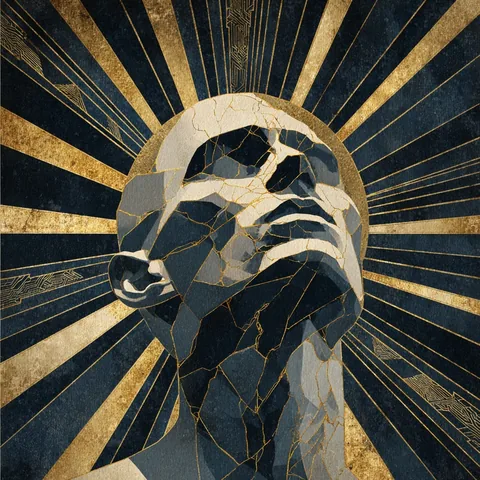
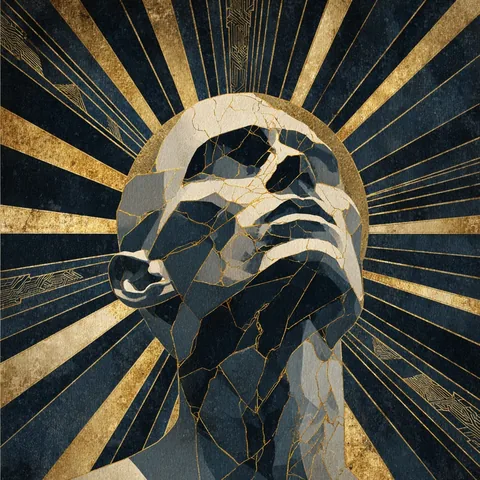
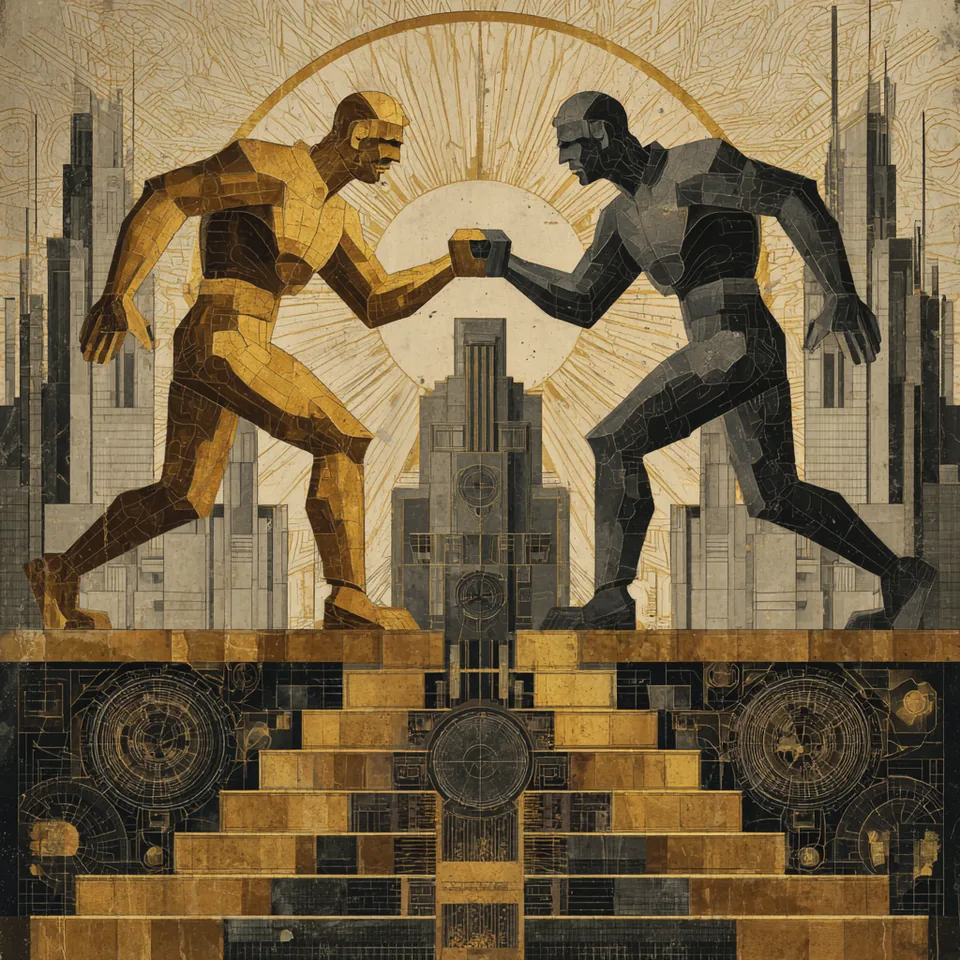
The other takes the image generator gave us, and the prompts behind each piece.
Chapters
Settings
Free Will vs. Determinism
With Kris Tyte & Sean Snodgrass
In this episode of Positively Pedestrian, we discuss the macro and micro implications of the classic philosophical debate of Free Will vs. Determinism. We look at how one's overall social, cognitive, and physical environment plays a crucial role in shaping one's beliefs and behaviors. Furthermore, we look at Free Will and Determinism from a management perspective, even going into personal responsibility and moral duty toward shaping our environments. Lastly, we have a look at so-called Stand-Your-Ground laws and brazen/brutal attitudes toward personal accountability applied to the poor or those otherwise environmentally disadvantaged.
Share
Detour
Episode description
In this episode of Positively Pedestrian, we discuss the macro and micro implications of the classic philosophical debate of Free Will vs. Determinism. We look at how one's overall social, cognitive, and physical environment plays a crucial role in shaping one's beliefs and behaviors. Furthermore, we look at Free Will and Determinism from a management perspective, even going into personal responsibility and moral duty toward shaping our environments. Lastly, we have a look at so-called Stand-Your-Ground laws and brazen/brutal attitudes toward personal accountability applied to the poor or those otherwise environmentally disadvantaged.
Chapters
Show notes
Episode Art 15 pieces
Full Transcript
Cool. So I actually have a record on. So maybe in a greater functionality. I've done that a bunch of. Oh there's killer. Yeah. You're on the outside of the fence today, big boy. Oh, that's what I thought. Look at you.
So you can just come and go. That's so funny. Look at the change. Yeah.
So if anyone's listening, what just happened was a dog was outside the fence, and it wasn't really acting that that, like, like, much of a badass. And then it went through the crack in the fence that it can get through on the other side. And once it was on its other side of the fence, it was like really tough.
Oh yeah, it was like, come get me. You can't get me. That's awesome. He's still going. That was like the riot police officer putting on the shield. It's like all passive in the back of the SUV. You know, like, not really that aggressive, but then it gets the shield on and all of a sudden he's in full mode.
And then he comes out to the, January 6th riots, again with his own shield.
Right. The shields have been used to break the window. Yeah. Jesus Christ, what a visual. It's like certain historic moments burned in the mind. You know, the space shuttle disaster. The freaking. Yeah. Nine, 11 planes and the shield at the January 6th, right? Yeah. I mean, being used to break in, and, I mean, you know, another polarizing thing.
But I do feel bad that that girl was shot, but she was shot. Breaking in to the Capitol building. To the Capitol building. So I can only feel so bad because, you shouldn't be doing that. I mean, stand your ground laws. You know, in some states, you, like just open someone's window from the outside and they blow you away.
And it's completely, 100%. No question that because you were under threat. It's crazy. I know Florida's a stand your ground state. I had to tell a summers neighbor that there was some sheriff on TV I saw. Was it TV? I don't know, maybe YouTube videos or something. He's talking about, like, legitimately saying, please, you know, please shoot these intruders.
Wow. Because then there's one less person that the system has to process. What? Yeah. No shit. Like, if it wasn't specifically said that way, that's, like, close to what he was saying. He's like, you could do it as a favor. We don't have to. Exactly. He's like, you know, make sure you don't wound him. Make sure you kill him.
Shoot to kill. Because, of course, you know, stuff is more important than. Yeah. Right, right. And, I mean, you could argue, hey, not just stuff, but your personal safety and that of your family is what you might be protecting.
I told too long ago, if anyone's ever breaking into our house to steal our shit, we'll just get the kids and walk out the other door, tell them to take what they call whatever they want and call the cops. You know, that's the safest thing. It really is. And now that's assuming they're going to be rational enough to let you go.
And if I had a gun, right, which I don't. But if I did, I wouldn't shoot the person. So that that ends right there. Like I wouldn't kill somebody because they're coming in my house. Right. Because then, you know, there's a fucking dead person. Right. Versus what? My. Some stuff, some bad feelings. I don't want a gun. And one of those reasons is I don't want to find out what I would do with it.
But, yeah, like, shoot yourself while you're cleaning it. Yeah. Yeah. I'm like, shoot myself. Shoot somebody else that I care about or someone else I care about. May accidentally shoot someone else I care about. There you go. Boy, that's that's, reassuring, right? That church has more surveillance cameras than Walmart. What the hell? I mean, it should be indicative of what this neighborhood was before gentrification.
Crazy, crazy. We talked about that before. Robin from the church. Oh, yeah. Takes a certain kind of individual. It does. But I do have to respect the fact that I have not covered their windows and plexiglass right here. Pretty, pretty cool fashion window that needs some TLC, but still looks cool. Yeah. I mean, so many churches covered their stained glass windows and Plexiglas.
Yeah. So can you imagine, like some guy who's, you know, most likely a guy, you know? Yeah. Is a reigning some problems with drugs? Okay. Life is not going as expected. You know, when he got into the drugs, he didn't think it was going to kind of go this way. Right. Fucking tweaking whatever. He's been thrown out of his house.
Like, you know, real life example of this guy named James that I used to work with. Life fell apart from drugs. Yep. So one day I saw him at Fresh Market. Right? We're working together. He's deep into his 40s and I'm like 19 or 20. And he sucked to me about his son. He's like yeah.
My son's cylinder heads and bringing home. And we're making, he's making money. It's great. And no longer see him after like a week. And then about two years later I'm working at Firehouse Subs. I'm in the back. I'm outside in the back, throwing away trash. He rolls up in the same car he was. He had this green, Mercury and his wife's in the back and his two kids and basically living out of the thing.
Yes. And she's looking scared as hell. Like I'm about to do something to James because James just pops out. He still got his Fresh Market hat on. Oh, damn. And he pops out. He does not recognize me. He's not new. Who the hell I am? And I was like, hey, how you doing, James? He's like, doing okay. And I was like, you guys trying to get some food.
Patterned response. He's not really doing okay. Yeah, right. And I was like, are you guys trying to get some food? He goes, yeah, yeah. I said.
You know, give give me 20 minutes. I'll be back. And, I mean, I used my meal for the day and bought a couple others. Man came out there with like three subs and they were back. They were out there still, so. But Jesus, I mean, his wife and kids just looked scared as hell. I don't know if she was on anything.
She looked the same as she looked when she wasn't so like justice. So literally, their life was just downward spiraling into some kind of catastrophe. Yeah. Because he's on so many drugs. Jesus. And no doubt he's on the drugs because his son brought them to the house. Yeah. So, like, you know, they're desperate. They're tweaking whatever. They're, like, getting really, you know, itchy or whatever the hell drug they're on.
You know, it compelled to get some drugs, and they're scrounging for any kind of money they can get, you know, to go to the dealer. Yeah. And there's a house that looks abandoned. Right? And they get the fucking bright idea. You know, the back window there? Yeah. No one's around. You know, it looks like a good target. Open up that back window and play them, all right?
Yeah. Somebody bullies this guy's head off, and now you have, you know, wife, kid. You know. You know, the scenario. Oh, yeah. You know, that's a fucking tragedy all across. For what? Some stuff in a house. You know. You know, an X box and, you know. So I'm thinking about this, like, Sheriff, that is all brazen, talking about this machismo.
You know, he's because he's low t or something. It's trying to change that. You know, you know, talking all this big shit, and, you know, that's what if. What if that's. Yeah. Over. Macho assholes. Yeah. And so, like, you know, promoting this kind of mentality. And it's a really easy mentality. It's so simple minded mentality. Right. Oh, someone come and take my stuff, you know.
Right. You know, and I mean okay. Pound your chest. Be real though. No one wants that. Of course not. Nobody wants someone to break into your house, and no one wants their stuff to be gone. Absolutely not. I mean, work hard for that stuff. A lot of it was on credit, so. So that Xbox was like $3,000. Right.
Right. It's like when the dust settles. Yeah. Yeah. Yeah. That couch would have been a thousand. You paid 2500. Thank you. Aaron. Yeah. You got where I'm going with that? Yeah. I'm glad I never worked at Firehouse Subs. That'd be, like, another 50 pounds heavier. Oh, that's good man. I like, avoid that place. Like the place? Oh. So, dude.
Okay. Help you avoid it? I gotta tell you something. It's funny, when I go to Home Depot on South Boulevard, there's a freaking subway. Firehouse subs in that. In that lot. Right. So instead of coming down, whatever road I'm coming down, type a Billy Graham, right? Instead of turning right into the parking lot. To go in front of all those, like, strip mall to get to the Home Depot, I go all the way to South Boulevard, turn and then turn in just as you don't go by that place, because they'll say, which is our fucking good, man.
Oh, man. The day I got fired from there. Today's possibly brought to you by some firehouse. Yeah, it's my favorite is the New York Steamer or the hook and ladder? Hook and ladder, man. Hook me up. Oh, dude. And, I mean, I was what I loved so much. I didn't know the calories on the sidewalk. Oh my God.
I was, like, dripping with mayo and, you know, getting hungry. That's so good. The bad thing, though, that they're doing now, since pandemic hit, they stopped doing hot sauces. They only have three hot sauces now. They had this massive hot sauce bar. When I worked there, I was addicted to Brother Brew brews. Sounds good. Never had it, but it just sounds good by name.
Caribbean. Caribbean hot sauce. Oh, my God, it's so good. The the all the way. Like the way that the hook and ladder comes with the onions and all that. Yes. Get it all the way. Yeah, dude, they've gotta take out a really good brisket. What do you think? But they've got a good Brexit. Brisket. Silent. Sure they do.
It's, I don't. The one thing I don't like about them is like the overdone. We give certain percentage to charity. Oh, yeah. There's so much about that. And it's such a small amount that it's, like, equates to nothing. Like, he's pretty much. They'd have to rake in billions in sandwich proceeds in order for, like, to open up a new station.
Yeah. Yeah. And they're trying to overuse that good guy persona. We're firefighters. Yeah. I don't really I'm not a big fan of that. But now if it was like 25%. Right. You know, of profits, then I'd be in there all the time. And also another detrimental thing to not know their guys. They positively podcast not brought to you by.
So they're recently bought by a German holding company that, buys up things like Panera and stuff like that. Right, right. And so, you know, hey, do we want to give our money to the crowds? I'm just kidding. I'm kidding. But regardless, what I'm saying is it's it's not a it's not a chain that's, you know, trying to cover the world.
It's now a part of a globe scam spanning conglomerate that's probably going to get shit here. Gotcha, gotcha. Well, you know, a lot of the things, once they get to a certain critical size, kind of go that way. Yeah, they get bought. They get bought. The investors see the dollar signs. Yep. And, you know, hey. Why not? Yeah.
I mean, it's an excuse. Everything is just just, you know, sucks up to the top. Everything that pops up, that's like a mom and pop that gets good. Yeah. You know, and starts to get some pretty good traction. And then somebody can see the profitability in it. They've really, like, worked out the kinks to where the where the business is now finally profitable and running well and it's easy to replicate.
Right. Exactly. So someone just says oh you know scoop that one up and then they're like, hey, find a beer or next year, let's make ten more franchises. Sure. Yeah, man. So, you know, loosely, loosely, we were kind of talking about, you know, loosely the other day. We were talking about, you know, the gun situation and a couple other things.
So I want to revisit that. Sure. Loosely talking about. Right. Oh, I was I was curious, actually. Before we switch on to that topic, I was talking. You know, was curious about Satanism versus humanism. Yeah. Like, why why would you why would anyone want to contrast those people? Sam wanted to contrast those two things because he has a card carrying member of the Church of Satan working with him.
Oh, okay. Okay. And she, really never. She declares it to everyone. Okay. Okay, okay. And ultimately, he was describing the tenets that she described to him, to me. And I was like, hey, I don't know what smacks humanism to me. I'm not insanely informed. And he said, well, I think it's a little different. And I think he's right.
I think it's a little different. And it was like, well, I, you know, I he goes, I wonder what Christmas Day. And I was like, I don't know. Probably not the best person to have that debate, because I would probably, resort to a lot of ridicule. I mean, we were ridiculing the hell out of the Satanism side, because why in the fuck even if Carl, if Satan is real, I sure as hell don't want to swear filthy to Satan.
Take the loser. Yeah. I mean, he's on the losing side. It's like. It's like betting on the limping horse before the. You know, the best answer. Yeah. I mean, regardless of what drugs they give it free pre-show. And then on top of that, Jesus Christ dude, are. I mean, you know, it's like, why would you sell or give something that you supposedly possess to another entity?
I'm keeping everything I came here with. If I've got a soulless mind. Well, I'm a secular humanist, which means, you know, there's there's no fealty to any god or deity. In fact, there's a there's a there's a, you know, denial that if anything, you're more of an ego theist, you're your own god, you're or your own determined.
Not really on God. It's just saying it's secular. Humanism is just saying the tenets of humanism stand on their own, you know, without, without need, the support of a religion. Yeah. Without the need of any kind of deity claiming, you know, what's the what's the word? Giving credit to any kind of deity for the tenets of the of the belief system?
Yeah. Right. And for humans by. Yeah. It's the it's the only one that like, fits reality because, you know, human society is constantly changing. And so in humanism, we're allowed to embrace that change and say, listen, you know, morality isn't a, isn't a, isn't a, you know, absolute thing. And it can't be, you know, moral relativism, moral relativism and subjectivity are by default in balance with nature.
Right? Nature constantly changes, evolves, you know, things, things adapt and so forth, because more, more relatively relativity, more reality floats upon human culture and understanding and approaches. Right. So I teach my children not to be honest people and not to lie. Right. But at the same time, I don't try to say that that's some kind of absolute decree.
I sometimes you have to lie. Sometimes lying is like, makes total sense. Yeah. And you can see you're gonna come up countless examples. But for overall for society, it's best if you're a more the more honest person you are. Yes, the better off you are. You're going to prosper and the people that you interact with will as well.
The more honest you are. But, I'm just going to bring up something my ex-wife told me once. He's like, John, you're the only person I know who I've seen consistently lying. Who's better off for it? I was like, well, hey, I was like, I'm only lying in situations where I absolutely need to. What's funny about liars is that they they underestimate how, how, how much others actually do know they're lying, right?
Like, people that are chronic liars tend to get into this mindset where they just lie constantly, and people over time, they get to know them well. We'll see the cracks, right? But what they what the other people will do, which is, I think kind of funny, is that what other people will do is they'll actually, like humor the liar.
Okay. So they're like, except what they're saying is true on face. But then in the back of their mind, they just dismiss it, saying he's just bullshitting, discount it, and maybe you can tell other people that it's shit. And then and then inevitably, in a way, it kind of has some empathy for that person, because a good, rational person that understands why, you know, psychology, why someone tells tall tales all the time and lies, we'll understand that there's something they're missing for them.
That's why they're doing it, because they maybe feel like their life is substandard. So they fill it in with lies about, you know, experiences they didn't really have. Right, right. But but then if you think about that empathetically, it's because they want to be part of the conversation, right? They want to they want to join. And I mean, it's not like they're trying to one up you, you know, and maybe, maybe a little bit.
And there are some people who are liars who are one uppers. Yeah. And then but like I said, they still don't achieve their goal because. Right. You know, because their goal is to be the center of attention to Garner. Yeah. So so why not just be elegant and let them have it. Right? Right, right. Don't be that dick that just calls them out.
What's that going to do? That's going to break a friendship? Yeah. You know, foster that person. If they're worth. If they're worth it. And the thing is, I mean, maybe you can bring them to the other side of it, but talking about, you know, lead by example and the kind of lies I think my ex was talking about, like, basically she said this right after I lied to the cops to get us out of something.
Oh, like I said, there's a good time. There's some good times to lie. Yeah. And I was like, you know, I said, I usually try to keep my lies to mostly people of authority who deserve it.
Right. Nice, nice, nice. But I mean, sometimes, you know, if there's a lesson in there, like, so, like if you lie to the cops and get away with something and then you're like, damn, I got away with that. And I'm lucky, maybe I should, like, then reflect. Right, right. And not the thing that got me in trouble, right?
And not get in that situation again. Or you can get like the simulation from it and be, like, all excited and then double down like, oh, you know, this works, but I'm more of the person who's going to do my damnedest to change at least a little bit of what got me in trouble. There you go. Yeah, right.
So, you know, if you do that, if you're if you have the capability of reflection, you know, enough adulthood in you to have that reflective quality to where it actually go about improving yourself, then that lie was great. You got out of it. Right? Right. We got out of the moment. Now, what can we do not to be here again, right.
Yeah. So this guy, you know, breaks into the house, opens up the window, gets his head blown off, and now there's a dead, dead, dead human being. Right. And since somewhat talked about humanism, if you think of every human being as an end time to themselves and has something valuable to contribute, which is in some cases sometimes hard to make the case for certain people.
Right. Obviously. Right. Like you get it down to facts and you're like this person aren't even know if they're worth, you know if a they're just oxygen thieves in other words like oh shit. Is this someone that society even wants around, you know, oxygen thieves. And that's kind of heard that. Really never heard that. That's like classic.
Yeah. Just knocks it. Thief. Right. Whose whole life is, is predicated on the charity of others. Right. You know, and we'll always be without some kind of massive, you know, reform and not a contributor. And then, you know, you contrast that with human beings potential for change and human beings potential to reinvent themselves, which is a real thing.
Oh, yeah. So it's undeniable that any given person at any given time can't reinvent themselves. Oh, yeah. I mean, 100%. If, like.
You know. All right, I was working jobs like Firehouse Subs and and things like that for like 20. And I got lucky enough to do this may upset people, but due to the Obama administration, I got all I got laid off because of economic things. I was working in the paint industry, and when commercial real estate tanked and then residential real estate tanked, there's nothing to paint.
And yeah, I can see that. I can see how layoffs in that industry might ensue. Yeah. So, you know, we go from making, like, $1,200 a day in paint to making, like, 100. Yeah. And so, they do me a favor, at least waiting until my wife at the time got a job. I lied wide and lied until she had been to the job for a few months to make sure she wasn't going to get her ass kicked out.
And, you know, she, she was doing well, and I got laid off. Well, the Obama administration had gone ahead and done some things with extending unemployment, getting unemployment bonuses. At one point they had two bonuses, and I was getting their normally supposed to get around 60% of your pay, I believe. Sure. I was getting something like 75%, which enabled me to and I kept extending it, extended it normally for a handful of months.
Well, I ended up being on it for like a year and a half while I was going to school. There you go. And that gave me time to find a job at the school and everything else. And thereby I was able to, by degrees, you know, do a little bit better, do a little bit better, do a little bit better and, quote unquote reinvent myself and go into a different industry because of the largest of a social program.
Love it. I think that's kind of what they're for. Yes. In theory, that's the idea, right? Is that people use it to then, you know, get. Yeah. There's keep themselves going. Yeah. Right, right, right. Yeah. So I mean the it's pretty clear that people do have the ability to reinvent themselves. Right. Well, yeah. Out of all kinds of situations anybody does.
Right. So this guy gets his head blown off. And who knows? This guy could have totally have gone a different path. You know, instead of being dead, maybe he's, you know, lands himself a small job doing some kind of like, you know, air conditioning repair or some kind of. But they believe in him and they cared about him and.
Right. You know, that helped him restore his own faith in himself, you know, all over the X-Box that otherwise would have been stolen, you know, from the from the resident. Yeah. Just it just seems sad like this tremendous loss of life due to all these innuendoes in society. Right. You know, for lack of better terms. And it's, it's really interesting because if you go back to the conversation we're having free will versus determinism.
That a change in environment right. Almost invariably leads to a major change in the individual. Right. So you have somebody who's like in the scene right. Drug using drug dealing with ever highly addicted you know etc. etc.. And then maybe they move to rural North Carolina or something. Right. Maybe some critical incident happens. They wind up in the hospital.
For odd. Right. Or something. Yeah. Right. And then they they, kind of use that as a chance to say. Wait, I need to make a change. Yeah, they have that eureka epiphany moment, or someone else steps in some of their goal. They meet somebody. Yeah. Yeah, it's a big thing. Right. They meet somebody and decide, hey, you know, I'm going to.
It makes me want to be a better man because I want to be with this lady, you know, kind of idea. I mean, hell, and, I've definitely had that situation, I bet everybody. I think a lot of people have had that. Had the fuck this. Let's go back the other way. Oh, that's a hill. That's the, the the Everest of are not.
Yeah, yeah. It's like it's one of those things the greatest. So steep here. Like, am I seeing the apex of the hill or is it farther up?
And you're like, really overenthusiastic support person that you're with is like, we're almost there. We're almost there. And you know that that is not true.
It's just demotivating. You actually all right. You know, I love those demotivated posters though. Oh yeah. Yeah yeah. Those motivate the hell out of me. Like give up or despair. It's a picture of fries, right. And it's like not everyone gets to be an astronaut.
I love it. Non-sequitur enough.
So I really believe in the human element. I think that, like, you know, myself and everyone else has a potential for change, and we have to have that belief in order to help make that a reality. Right. If you want to realize positive change you have to have some belief in it. True. As the individual and you know the outsider.
Right. As also as the outsider looking in.
Yeah. Stick to the sidewalk. Sorry. Yeah, sure. Let's just cut you off.
Sorry about that. It is okay. I'm perfectly fine with it. So remember we were talking about in AI, like, kind of like the future. You have to have a certain amount of, You have to have certain disposition towards the positive to then invoke that positive change into the future. Like your actual expectation towards something is a big driving force on how that something turns out.
Right. I'm actually texting someone about that right now because I told them something last night about how I was nervous about being in the airport with, you know, a seven year old. Yeah. And, you know, it's ultimately that's it. I had a bad expectation, and I'm apologizing for that expectation right now. What are you talking about? I was saying she was going to seven year old being.
Oh. Summer's youngest. I'm going to bring a pair from Florida to here to hang out with her dad for a couple of weeks. What's the what's the problem with that? What's the nervousness about that? Oh, last time she was in an airport, she didn't listen to anybody. What does little kid? Didn't listen to anybody? Yeah. She was running around acting crazy.
Saying she knew where she was going. Trying to lead the pack, being a. And I had to go on that. I had to go off and spank her ass and get her back in line. Just like for on good. Yeah. Same thing. Protected. Because, I mean, she's about to get hit by those vehicles that come through with people.
People movers. She's about to, you know, she's nearly running into people. The obesity carts. Yeah. So basically, 90% of the people that are on them just can't walk because without without, you know, who's in their breath. It's like you hear you hear them coming because people are like, yeah, that's the siren on the front. Yeah. The mouth breathing.
The mouth breathing sounds okay. All right. So like you were talking about expectation driving reality. Yeah. And ultimately, I feel like if I come to it with a more positive attitude, it's been almost a year since she's been in there for it. She just might rise to the expectation of, hey, we're going to behave. We're going to have a good time.
Gotcha. Yeah, well, expectation of others is a huge driving force. We invoke our idea about other people. We invoke them through our expectations, through all types of verbal and nonverbal communications. Right. We then elicit certain we invoke then certain responses from them and certain behaviors in the other person. And we do it. Autonomic. And don't think about it.
It's just something we do automatically and something that if we think about we can alter how we're behaving. Right? Yes. So to lead or invoke different ideas in other people. So I'm not saying mind control anything like that. I'm just talking about shaping your expectations. But it really does make a difference because most people are going to realize almost immediately what your expectation is.
And you know, if they like you to any degree, they'll usually help you fulfill that expectation. Yeah. So so I was thinking like about this and you take somebody let's say like tripwire tripped wire. Oh it was a spider. Good morning. Yeah. So imagine this the basic expectation here of like let's say someone that's down in the person that you mentioned in the, in their car.
Right. Yeah. So let's say that you had an expectation of that person or you shaped your expectation. I should say that this person is just temporarily down on their luck. Right. And you're going to do what you can to help them, you know, get back on their feet in a minor way. But what I'm getting at here is like your overall, you set in your mind, like regardless of what you believe, statistically the outcome is really going to be for this person.
Right. Right. What you do is you set in your mind, you say, let me take the idea that this person is just in a temporary situation. Yeah, right. So what I'm going to do is I'm going to like, frame in my mind, visualize, if you will, that this person is just down on their luck right now. And see them as better.
Right. And inevitably right. Right, right. You you're visualizing for them. Right. Because visualization is key to like what your actions. A lot of times you visualize your action before you do it. Right. Oh yeah. And it's more effective for I mean way more effective. Oh when you visualize something some outcome for yourself when you like, I meditatively otherwise visualize that for yourself.
You're way more likely statistically to do that thing that you're visualizing. Right? Right. And then there's all these group dynamics and all these kind of things. But you know, not to get into that psychology, but visualization is key. And so visualization and expectation tie together. So let's say for argument's sake you're like oh I remember this guy right.
And you don't dislike them. No no. Like like you really would like to see better for that. Oh hell yeah. It's a good dude. And so you're going ahead and you're giving getting these, sub sandwiches to your to this guy. You know, I mean, I could unfortunately never called him my friend. It was just somebody I knew and worked with, and I was like, yeah, nobody should have to deal with this.
Right, right. So. Quaintance. Right. Yeah. That you would like to see a better outcome? Yeah, absolutely. Right, right. So you go ahead and get the subs and then what you also do while you're making the subs is you're like, you rationalize it in your own mind and you say, I'm going to align my body language and I'm going to set a belief, even in my own mind, right, that this person is going to be headed for something better.
And I really I mean, I imagine we've all experienced seeing that from other people, seeing that positive expectation, that belief. I really think.
I'm not saying there's an easy way to do it right, but doing it right, the other person feels and recognizes what I'm talking about. Exactly. And so, you know, if you go and imagine like two different parallel experiences, right. One of which you go into what's most likely is going to continue on the spiral. Yeah. Okay. And everything that you're doing is consistent with that attitude and expectation.
You see, what we're doing is we're emotionally delivering that package to that person that that they're going to open. You know, and they may hold on to it for a while until they're ready for it. They may look at it as this glowing, shining thing. Hold it in their mind. And then, you know, months later, they're ready to open it.
They open it and they're like, they believed in me. They cared about me. Whatever. You know. Oh, right. You're talking about the second story. I was talking about the one where your expectation is they're going to continue to fail. Well, yeah. Yeah. But but no, what you're saying is still accurate with what I'm talking about, right? Is that you're setting a seed, if you will, of expectation in their emotions.
Yeah. Whether it's positive or negative. Correct. Correct. So as a conscientious human being, as a humanist or anybody, like whatever, your philosophy is, starting to realize that you have that type of power is, rather empowering. Not only do you have it for others, but you have it for yourself as well. Right. And that's the most empowering thing.
Yeah. Because that's where you're going to affect the most change. Right. You can start putting positive expectations in place for yourself. That will leave and evidently lead to a guiding factor, you know, a positive change for yourself. Yeah. You know, and that's why I was advocating before about keeping it simple. Right. Basic set of principles. Yeah. Yeah. That you then build off of with increasing complexity once you have success in, in the, in the simple domain.
And that makes sense. You know, have a simple set of tenants. You can communicate safely to someone, especially yourself. Right. So this cop who's like blow them away because it saves us paperwork, right? Right. It's setting an expectation for everyone that's listening to him. No. And making it okay to shoot people in the face. Yeah. He's, in even a because he has somewhat of a of a of an audience.
Right. Yeah. He's then using that audience his bully pulpit or when I call it. The fact people are listening, I guess you can call an influencer. He's using that influence to blanket set a negative expectation about a whole group of people. Right. Right. And a group of people that it's easy to have no empathy for. Yeah.
It takes no courage whatsoever. You know, and I have to repeat my mantra here. Right. Health. Prosperity encourages empathy because empathy takes courage. And this cop is a fucking spineless, non courageous, selfish, scared little child bastard. That's really it. And it's not brave in any way. No. Because it takes a hell of a lot of courage to find empathy for the person who's easy to lose empathy for, versus reducing the world to the simple little boxes and putting people, lumping people into categories in the to make your own job easier.
You're an approach to life easier, and if you take your job as a cop or as any kind of civil servant or leader, and you take it from the perspective of determinism, is that most people are products of their environment, right? Yeah. You see that criminal as a victim, but I guess, for lack of a better term, product of their environment.
They came into that lifestyle. You see. Yeah. Through a series of events and circumstances in their life. Were born into it or slid into it. Correct. And so like you know that person didn't create the world of drugs. No. Of illegal drugs. They certainly didn't create the opportunity for them to get addicted to them. Someone else did.
They might not have the training to understand their emotional state and how that drew them in. Right. That's what I'm saying. They didn't create the opportunity. Someone else engineered it to make them money. And then the prevailing wisdom, if you want to call it that prevailing mentality, that shit. No way. I want them to sponsor. Oh, that should be a link.
They need to sponsor a project. That should be a photo. One of the photos on our web page. All right, I'm gonna do. Yep. And send it to me. You have to take a picture of the flat tire to.
And they're on Instagram, so we're totally promoting them. Maybe in a bad way. It's funny. So Sean's taking a picture right now of a van. Here's the. Here's your flat tire. I think I got it in the first shot. You know, head on. So what we're looking at here is a van that's in, pretty decent shape. Less a flat tire in the back.
And the business that's being promoted here is called camel toe carpet cleaners, which is very misogynistic and, you know, all that kind of stuff, but no one can deny. Fucking funny.
That's hilarious. Like, so many other things, right?
Like, it shouldn't be funny, but we need to acknowledge the fact that it is right. Yeah. And and I've said it a million times is that humor is a great conduit to break down social barriers and get over things. And really, it helps you get over the initial sensitivity and shock of being called something or, you know, the the power something might have.
I'm not saying, you know, hey, you know, flies to racial slurs, but this links and arrows of everyday life. Definitely. So it replies. It doesn't. It does apply to a select group of racial slurs. True. Like how white people dance, for example, is still open season on that type of racial slur. True. And I mean, that's one of those things.
It's not really a stereotype as much as a truism.
Awesome.
It's like, I mean, all right. I'm going to at least say I know of.
Maybe 5 or 6 white guys that.
Have natural, natural rhythm and facility dancing.
I'm not one of them. So a lot of that goes back to environmental, like if you were your whole life as a kid dancing all the time. Practicing part of your culture. So like every time music is on, you're dancing in your living room, in the car, everywhere. And I'll tell you, you know, summers family, they'll they do that a lot.
But, they, also take the opportunity to critique each other's dancing quite a bit. Sure. Why not? And, poke at each other dancing? Well, you know, actually try to make the other person better at what they're doing. It's funny. It's almost like you're representing all of us. We got. We got to be good at this. Awesome.
And, it was so funny. The. I'm not going to say which small child, but, they they were there the other week, and they were critiquing the heck out of singing and dancing by one of the small kids and like, being like, look, we got to improve this.
So that they're part of the fold. Yeah. So their dancing and singing skills are more consistent with the clan, right? You know, it's almost what it felt like. It really did. Right. It's like, look, we can't have baseline tribalism at its best. Yeah. Like, you have to get better. That's funny. Yeah. So this douchebag, you know, sheriff, right.
I keep sorry, I keep going back to it. You know, needs to be gone back completely. Has a lack of courageous empathy for other fellow human beings. You know, it's like that person. You never know who that person is, know what their backstory is. And I'm not saying, like, hey, let's all celebrate, you know, burglars yet? Of course not.
There's a punitive system in place, and there should be a rehabilitative system in place as well. And that's the thing. Once you've entered the putative system, you should enter something that's really focused on the positivity of rehabilitation. But I don't know if we have that so much here. Well, if this guy was more courageous, he could use his voice to start to create that.
Yeah. And if he wasn't such a fucking simpleton. Right, right. Maybe even get his head out of his ass. Or worried about his budget for the jail or, you know, oh, which is probably privatized and makes money off of indirectly. Yeah. Right. Well, there was that one. Well, maybe not, because if that were the case, then you'd be advocating for jailing everybody right there.
Oh, man. I can't remember that one sheriff's name, but, he was deep into his 80s, and Trump was all about him. He, prided himself on wholly spending something like a dollar in something a day per prisoner in his jail.
Yeah. And, also bragging about the recidivism rates, like, hey. Yep. They're coming back. Now, the recidivism rates are super high. Yeah. I'm saying that he's bragging about their. They're coming back. They've been here once. They're coming back again. Right. Well, when you have a for profit jail system, recidivism is your is your a business plan? Oh, yeah.
Yeah. And the thing is, the way they had set it up, whatever wasn't spent, which the sheriff's pocket. So there's this, like all your bastardization of privatization, right? Yeah, sure. So, you know, we all know that there's people out there that are just no matter what resource you throw at them, there's no way there's not going to be rehabilitated.
But that doesn't mean it's not on a curve. Right, right. Of course there's the outliers. And the outliers are what the industry always showcases. Yep. You know, they don't they don't showcase the, you know, success story. Person spends 30 days in jail and they're like, oh, shit, I'll never go back there again. And they don't. Right. And they don't, you know, they don't showcase that.
They showcase the, you know, all of these is a career criminal hardened. I'm willing to bet part of how they don't showcase societal success is because nobody's collecting data on it. Like, you know, hey, it's easy to say this person went back to prison where this person went back to the hospital. Recidivism no matter what. Right. Whatever we're talking about.
But it's a lot harder to say what happened to this person after they left. And we didn't see them again. Yeah. And I don't see any reason why these industrial complex incentives can't be reoriented for the right type of outcome. For the right incentivize the correct outcome. So for example, in the healthcare industry, maybe it's time to start incentivizing healthy people, right?
Yeah. And the food industry, maybe it's time to incentivize nourishing foods. And, you know, same would apply for what you talked about the other night. Oh, no, no, no, the social and essence, Sam mentioned we've got to incentivize the right people. He's like the people who aren't directly affected by climate change right now are the ones who need to be incentivized.
How do we do that? You know. Yeah, there's there's many, many, many simple ways to go about that. It's a matter of policy. Right. So maybe instead of prison, maybe we incentivize a lower recidivism score becomes the incentive of that prison. Right? Your bonuses, you get this, you get that your payout is in rehabilitation. Yeah. Like the longer you know, you get credits for the person that committed X crime, the longer they stay out of the system and not back, the more you get a payout for that individual.
Yeah. Up to a max. Yeah. Right. That way, the onus is on everyone involved with corrections to rehabilitate. Right. So you line the whole entire pay scheme to where it's incentivized for rehabilitation. Right. So you can imagine like this really? If you take again I it's it's like the for me for the last six months has been like the holy grail of intellectual.
It's like fully understanding that determinism is a very large part. And you know, for someone that didn't hear the other episode, free Will versus determinism is a classic intellectual philosophical argument. Right. Free will. Meaning we all just make our choices and that dictates the world. Right. Determinism is most of our choices are determined by the world. Yeah. So it seems like a dichotomy, but all the data, there's lots of data for determinism.
There's little to no data for free will. Right. Wrote my senior exit paper on this very thing. No shit. I was trying to contrast a Saint Augustine's view of determinism with a plague in view of free will, and then doing it through the lens of the doctor is sick. Book by.
Anthony Burgess. Gotcha. So it's impossible to live your life without some degree of belief in free will. Yeah. Right. Because if you don't have any kind of belief in free will, you just feel like, oh, I'm not making any choice, right? I'm just another. I'm just a biological unit, moving through this environment. Right. And the environment is largely determining, if not fully determining everything about myself.
Right. And okay. And so that's really crippling. That makes you feel like, you know, you don't have any kind of power. You're going down the river without a paddle. It's how you feel like when you take on that attitude. And and I mean, you never are even or you always are. You know, that's the debate, right? But I guess I, I would say, you know, it's clear that change, making a small change can result in a class A, you know, effect.
You know, you can just change your approach to a particular situation one time, and it just might have this massive effect that ripples through and everything's better. You know, for example, shaking, shaping our expectations of others. Yes. Yeah. And so like, we can then take on this idea that that was free will was making a conscious choice to do this.
And so there's an example of free will. But then every free will argument, you could just supplement a, deterministic explanation as to how that came about. True. True. And now it's it's hard to prove a negative. Right. But. Oh for sure. But what you can do here is say what gives me the most empowerment. What belief gives me the most ability to affect my situation?
That's free will. So even if it doesn't exist and you believe in it, you sure as hell feel better about your situation automatically. Exactly. That's exactly what I was saying. So there is a certain amount of belief in free will, which is healthy for your, you know, for your psychology for sure. So because then you feel like you have free agency.
Personal control. Now here's the here's the rub to my in my mind is that there's incredible amounts of data to show how every single person is deterministically affected by their environment. Okay. Undeniable. Your environment has an effect on your psychology. On your attitude. Right? Right, right. Jesus. On your belief. Yeah. On your belief. On the things that you can know.
There you go. Like so. So. So we've said we agree. We're in agreement. That environment absolutely does shape every person. Well, yeah. It's the foundation upon what you're building. Okay. Right. That's true. Then governing and policing and everything should have a large hand in considering the environmental circumstances. Yes. Because we are in agreement that every single human being on the planet is shaped in just a matter of what degree?
By their environment. Yeah. Right. So, for example, we speak English, right? That's not just some kind of like we didn't we didn't make some kind of like, you know, we sit around one day, it's like English is my language. Right. It just came onto us. Yep. You know, because we were born in an environment where that was the primary language.
Right. So the default choice that society offers us in every domain of our life becomes the largest and most everything, the largest and most determining factor in our, our life outcomes. Right. So that's why I'm talking about all these things, all these companies that get in as early as possible on child, on children marketing to children because once they attenuate them to a certain, you know, environmental norm, they're likely to then continue to pursue that that life norm for the rest of their life.
That makes sense. And they accept it as a norm. That's just the way it is. Quote unquote. And this is emotional without even thinking, right? Yeah. It takes then a tremendous amount of thought and rationality to unwind that, to counter it, to say, maybe this wasn't the best thing for me. Right. And the fact that it's already so emotionally entangled, it has to not just be a an intellectual change.
It has to be a constant intellectual change. So something you're almost forever fighting against. Correct, correct. Because then you have indeed within you the default norms not only of society, but what you were attenuated to as a child and through most of your life. Right. I'm pretty sure this is a quote from the Bible itself. Raise up a child in the way he should go and she shall never depart from it.
That kind of supports what you're saying. The foundational precepts, the foundational ideas and limits. You're given help. There you go. They govern you for life. Yeah. There you go. So the way that the way that you're groomed or attenuated based on your environment, whether it be cultural or physical or both. You know. Yeah. Especially when they line up, it's even more powerful.
Right. Right. Stay within you. Yeah, absolutely. Throughout the course of your life. And if you and if you intellectually recognize them as wrong or inappropriate or degradation to your health or what and wellness, you then have to put forth a consistent intellectual effort to override the emotional center that's imbued within you. Yeah. Because it's linked into the emotions.
And despite what everybody wants to believe, the majority of the human drive and impulse is emotional. Right. And that's particularly difficult for men because, you know, in general, men are groomed to not be in touch with their emotions as much. Right. Be more oriented towards things and, and action. Yeah. And not, you know, spend a lot of time in the emotional domain.
But, you know, that doesn't deny the reality. Right. Okay. We're all really made the same basic stuff, and we all have emotions. Yeah. And what's truly amazing crux of life is that belief has no, like, facts don't care about your belief. Yeah. Right. So, like, what is it? Common phrase facts don't care about your feelings. Yeah.
Right. And if you mesh beliefs and emotions, if you mesh those concepts together. Right. And those concepts are, are, are out of line more dramatically with reality than somebody else's. You're naturally in a, in a constantly, distraught state stressed state. Right. So like if you, if your belief system is more and more radically different than mainstream, than the norms, than the defaults.
Yeah. Right. Your level of suffering increments up. You're right. Because you get constant social rejection. You get constant. You see? Wow. Like like there's this constant. You have the antagonist of adaptations for the environment that you're in. Your adaptation being belief slash emotional state. Right. So it doesn't matter. You could be 100% in line with reality in your belief system and emotional state.
Like you could be, right? Right. And you might be perfectly okay in a mormon community in Utah. But is there. Right? Well, I'm saying because they hatch your belief system, right? But a you transplant that person who's perfectly okay in this particular community to somewhere else, they can't gain traction. Yeah, yeah. Right. Okay. Right. So transplanted out of your environmental norms.
Now your fish out of water. Yeah, yeah. Well, what I'm talking about is, like, this net default state of existence from deterministic environment. Okay. And you just interpreted things incorrectly. You have a different set of beliefs that's at odds with the situation you're actually in. Yeah. So let's say I'm like, oh, you know the American the American diet is fine.
You know, all these people are just crazy what they're talking about. It's all choice, right? Blah blah blah. And you eat to eat McDonald's three times a week and really huge, like midriff, right? And all this kind of stuff. Yeah. And you're in your 30s and you're out there just, you know, smoking. You're burning everything. Burn your candle from both ends and you're just like, fuck all these people.
They're stupid. Yeah. You know, about to die. You know. Jesus, take the wheel. I'm good. Yeah. You know, and then all of a sudden, they will and crash you into a heart attack. Yeah. The devil's gonna. Yeah. So at age 45, the person has a fucking massive heart attack and falls over, wakes up in the hospital, and now all of a sudden, what happens to your belief system?
Yeah. You know, do they. Do they say, oh, I was wrong? No. Not likely. They just doubled down and blame others. Double down, blame others, blame genetics, blame, you know, blah blah blah blah blah. Find some other out. Emotional safety, net denial. Yeah, right. Oh, I'll be fine. Right. I'll just have to take X medicine every day. You know?
Whatever. Yeah. And, you know, hey, thanks to medical science, maybe they'll limp along and be okay for a few years, but then, you know, something else is going to hit. Right? So that's an example. Extreme example of someone's belief systems being incongruent with reality. Yeah. Inevitably. Simple one to understand. Right. Inevitably coming to really bite them. Right. And that was on the physical front.
Now the emotional front is even more, more stream over the course of your lifetime. So for example, we kind of know, right? When I say we, I so like majority of people understand that the cheeseburger is no good for you. Yeah, right. Tell tell me that, like, the majority of Americans don't understand that it's not really great for their health to have a college cheeseburger.
They have to know it. Okay, so let's assume that that's a mostly a truth. Or most people, like someone might give you a little crap, but if you come at them the right way, they're going to admit this is not the healthiest thing for me to eat, right? And so then you drive around and you see every McDonald's all the time, 24 over seven cars in the drive through lines.
Right. So where is that disconnect? It's people acting and according to the emotional self that they are right. Not the rational self-defense ravings. Marketing habit. Convenience. Oh my God. It's not called a happy new bill for no reason. Right. It's designed as a young child to attenuate yourself with something good. Yeah. Something happy. It's an emotional state. See?
Right. It's not a nutrition meal. It's not a, Fill your body. Fill your body with wholesome food. Meal. It's happy. It's a happy meal. Because long ago, they figured out that attenuating someone's emotional state is the key to override logic. Yeah, to override the intellectual analysis of what you're actually putting in your body. Right. Right. And so to override that emotional state that's imbued with us our whole life, we have to constantly put intellectual effort into it.
Yeah. Because our environment environment has imbued us with a certain emotional disposition. Yeah. Found me. I am it. Ultimately, you're saying you know, that you're forever in a battle with the things you were fed as a child? If you recognize them as being maladaptive. Right. And it's then even hard to change because your emotional state is the governor.
Yeah. Your emotional state is the is the actual regulator of your nose. Things may always be a comfort for you. You may always go back to those things because we had a hard day at work. More likely to be in that drive through life. Yeah. Tired because you've been running all day. More likely to be the driver. Life goes to shit.
You might try to go back to religion. There you go. Everything fall back on your laurels because you're emotionally feel emotionally safe there. Right. And when you're in that energy and intellectual low, right, when you're exhausted, you're more likely to fall in the emotional defaults. Right. That we're in you from your environment. What's comfortable? What's what's this place have already dug into?
What's this place already know? Correct. So at the end of the day. Holy shit. Environment has a massive effect on everyone's life. Is the takeaway? Yeah. And so that bullshit fucking cop, instead of saying blow these fucking human beings away over some fucking stuff. Right. Yeah. He's saying we need to shape their environment in a way to which there's very little avenue for people to fall into that life right to.
Because that takes courage, because that's not the norm. And says, quote, that's it. To create strictures, to create narrowing ways. It's like doing figuring out the social equivalent of making a tree lined streets so people drive slower. You know, like, how do you make it easier? So the default is what you want people to do. So it moves the arrow.
That's what they should be focused on. And they're the people who are best set up to make those changes because they are so entrenched in the situation. There you go. They understand it to a level we could probably not fathom.
So could you imagine the amount of courage it would take a cop to be an advocate for the for the person who most likely you say has been a victim of circumstance and who they all, for the most part, most cups probably feel like they're at odds with a certain group of these people that they would be courageously campaigning for.
Right. They see themselves as the antagonist against these people. Yes. So imagine the courage it would take to step up in the opposite way. So just say and blow them away saying, hey, let's let's preserve life. Let's preserve the hopefulness of every human life. Yeah. Right. The courage of a now that's protecting and serving. God damn. Yeah. It is.
You see what I'm saying? It really is. That's the true nature of what? A police force. What a nation state, what a governing community body is. All should be oriented, you know, a servant nature, as cultivated in many religion just makes sense whenever you are dealing with anything. If you are.
If you're a manager or a boss, even a servant mentality makes sense because you're trying to be a good steward of that which is under your charge. Concerted cultivation of the enterprise through concerted cultivation of humanity. Yes, because it all comes down to people at the end of the day. It really does. And, you know, whatever that enterprise may be, whether it is the social, social enterprise, whatever, whether it is the, you know, business domain where you're trying to be a profit making entity, whatever.
So we can start to look at environments and communities as production mechanisms, production systems for for human outcomes. And how do we take those means of production and not only empower the people at the leaves, but also appropriately empower the people that every node in the network to. Right? So you can imagine two parallel people that are highly in charge of a large body.
Okay. Like governors, let's say two two governors with two completely different mentalities. One are you guys doing all right? You know, you know, the first in the first case, the governor takes all actions. Let's get some streets so we don't pass those trash cans. Freaking foul, man. Dude. So let's say the first case where they go looks exactly like my high school sweetheart.
That's funny. That's funny. So the first case, right? The first model, the governor, a right takes on the takes on the attitude that, environmental determinism is the most likely has the highest effect on societal positive outcomes. On societal outcomes. Right. Okay. And then governor B takes on the attitude of like personal choice. It's all personal choice. Yeah, right.
So you take two extremes. These two ideas like right. The like the guy who basically in essence says, well, all those poor people just need to stop buying iPhones. That guy. Yeah. There you go. There you go. Right. And so one takes a large inventory and investment in communities, okay. And looks at them as, systems and mechanisms by which it produces human outcome.
And the second one says all right we gotta run.
You're funny.
I'm already went enough funny. You're right. We're we're, we're we're at our time anyway. So we'll just cut back to the this I just did one more loop right. Yep. To get this idea out. And so, you know, governor two takes the position of like, everything is just unfolding the way people decide it's going to unfold. Okay.
And I have no responsibility to anything. It's all people's choices that lead to the outcomes. Okay. Over a long over a period of time, I argue that governor A will dramatically be be, influencing society to a positive future of increased civilization. Lower everything, lower all the negatives and enhancing all the positives. We're the exact opposite. It's going to happen for governor B okay, so governor A, who believes in propping up and fixing systems that produce exactly versus those that are just that just says, oh, people are just going to do what they're going to do, right?
Because that that second mentality, allows absolute full scale exploitation of people. Yeah, right. Can you say everything that happens to that person is their choice, right. So they chose to get behind the wheel. Not that the car is safe. It's not it's not that the car is unsafe. So they suffered the head injury because they decided to get behind the wheel that day.
Right. Which is not because there's there's no seatbelt laws. You know, I'm not one who wants to throw personal culpability out the window, but it only brings us so far what I'm saying as individuals and as society. Yes. And so, since we know for a fact that determinism, environmental conditions play a huge role in how outcome is for any individual and society, we should put an increased amount of emphasis on that in any type of community functional leadership.
Yeah. So what I'm saying, and in our own lives, which is the takeaway, the final table also, I think you need to, you know, not the rate or beat someone over the head with what they have done in the consequences thereof. But as part of building this production, more productive situation, they have to understand where they were culpable, where they were responsible, what was their role in this situation?
I mean, that's the only way to get out of the situation, or at least first step. Yeah. For me, if you have people birthed into, wholesome environments where the emphasis is on community health, wellness, positive outcomes, education, good circumstances. Right. A very, very tight safety net. Social safety net. You're way more likely to have, inevitably, a long term successful community with a positive feedback loop.
The people the people inherit the concepts of the environmental determinism and then enhance it. Yeah, everyone looks and it creates a situation where people are looking for the person who might be stumbling. It creates a situation where the people are jumping in to support the person who made the mistake. When the people's expectations towards you and the environment are all saying it's certain tune, you're more likely to dance to that tune.
Yeah, more likely to sing along with that tune. Or at least get it earwig stuck in your head. Right. So if you live in an environment where the college atmosphere, like where people are studying and there's a lot of history and, art and culture and positive energy towards learning and towards, you know, personal individual development and health and wellness, and these things are intact and they're symbolically present all around you in your environment.
Right? And when you're then going through that process yourself of learning and engaging, you're respected like the adults, let's say, in your in your community, when you're a student, they refer to you as a student. They say, oh, you're you're you're a student. What school do you go to? Oh, right. You know, they're encouraging and, appreciative and thankful and have, you know, what's the word appreciation for the process of youth, right?
Yeah. Growing up and what it means to be a student. Yeah. Right. Yeah. And so, like, you're regarded highly regarded as a student and as an educator. You're highly regarded. And so the the community disposition towards you is one of admiration and appreciation. Right. When you if you were to have that type of attitude, I think a kid would be much more likely to look forward to in their own mind, going to school.
Yeah. And learning what school has to offer, etc. and so forth. But, take the antithesis of that. If you have like fucking crack alley neighborhood, right? And half the windows are boarded up and there's crime everywhere, and you have gunshots and police helicopters and crack vials, needles on the ground everywhere. And the state expects you because you're a kid in Chicago, tend to end up as a gangbanger.
Yeah. What do you have to aspire to? What do you think? A majority of people then end up as a gangbanger. So is it all because they're all making these individual micro choices throughout their life? Well, some of it's there, some of it, but it's in the environment in the majority invoking these behaviors. That's what I'm saying. Nothing is as simple as a clearly delineated free will versus determinism.
It's a combination of the two. It is some of those micro choices. It is some of those things. But it's also your environment too. But what I'm saying is, in the majority of the data shows that it's mostly environmental. Yes. Sure. That. Yeah. Is it any is it any free will? Is the question where you end up having to do with where you start to quote Everlast.
But you know nice. That's a that's a good reference. Have to put that in the link section on the video. Then you really know. Yeah. Right. Yeah. Put a link to the video. So what what I'm getting at is that the crime at the end of the day becomes a system that allows that type of environment. Yeah. So what I'm trying to say, I see that's a true criminal.
So the courageous, empathetic sheriff, instead of saying, shoot all the fucking burglars, saying, let's create a let's, let's revitalize the community in a way in which that is the very extreme example of of environmental determinism. Almost nobody falls into that slot. Sure. So where they're breaking it to get to the point to where they're breaking into the house?
Yeah. Do you see what I'm trying to say? Right. And now you're producing an equitable society where you can actually take free will and impose penalty for it. Because what we are right now is our judicial system is is brutal. I mean, brutal. It does not take any determination, determinism into consideration. It it takes every single thing action and pins it 100% in the domain of free will, and pins it to that person, and then penalizes the shit out of them for that thing.
In essence, it goes back to the whole concept of the scarlet letter. You wear the stain of your deeds for life and just of colloquial in a colloquial sense. Put it into perspective. Haven't you ever heard of like, someone or you're from that neighborhood? Yeah. And then the implication automatically is that you are a product of that environment, right?
Like the saying, oh, you're from such and such neighborhood. Right. Is is implying that, oh, you're probably a fucking criminal because you came from that area where, you know, gray Dacians thereof. Oh, you're you're a fucking redneck piece of shit. Oh, you know, you're this or that. Some sort of discounted thing. So could you imagine a new form of public defender for people that are that wind up in the judicial system, on the wrong side of the right?
They made a mistake and a army of public defenders that emerge somehow, which starts to use determinism to indict the system itself and get lighter sentences for those people now. Ironically, the people with with cash have used this defense. Have you heard of them? No. So the idea is that this kid was grew up rich in a world where daddy always came in.
There was never any consequences. Right. So they don't have a cognitive understanding of what they do. They're doing is wrong because the parents have always been able to bail them out of any situation, any problem they've ever gotten into. So the child doesn't have an emotional or psychological connection in their mind to what they did with the consequences of their actions.
Therefore, they shouldn't be penalized and won the case. It's called affluenza. Affluenza. You come from a from a from a life that's so affluent that you don't understand. Connect the basic human elements of penalty with your crime, with your actions. I mean, on one hand and on one hand and my poor by it, but on the other hand, I see it as being true.
So let's extend that down to the to the most. Yeah. People in the, in the most obviously we got to come up with a catchy name for it. That's the first step. Affluenza definitely would easily gain traction or affluence. Affluence or. So what is the what's the term for someone. That's what's the opposite of the fluent. Degradation.
Some type. You know, somewhere along those lines, I'd have to think about it. I'll put a link in the on the email on the, on the web page for this. So we got to come up with with a catchy name for that. But you can maybe call it, something that has to speak to the idea of product of the environment, something that speaks to me, but also captures the idea of a communicable disease.
Right. Because that's what we're talking about. And have you heard the new ideas about community revitalization? You look at crime as a disease. Have you heard about that? I mean, it makes sense. We need to talk all episode about that because it's really interesting. But the basic premise is that, when you look at crime rate in a certain area as a sickness, as an illness of the community, then the onus becomes, let's repair the damages to the community to fix the crime, to fix the crime rate.
And, when when you take that approach, the crime rate completely, you know, it's the right approach. It works. It is the best approach. Adding law enforcement doesn't do it. Adding, you know, in the broken window philosophy, right? Like if you're in a neighborhood and count the number of broken windows and it's consistent with the crime rate kind of idea, you're the broken window idea.
I haven't, but I guess a neighborhood and you count 30 broken windows. Are we talking directly equate that to percentage, correct. Wow. Say, now this is going to be a certain crime rate in this area. Most likely. Wow. And so it's like a really granular and simplistic way to to kind of mark this, this feature of society that when you have environmental degradation, you have crime coming.
And I think overall what we're talking about is facing down the idea that all of these things are simply determined. Correct. You know, they're not they're coming of human life is deterministic, but in a complex way, but in a very complex way. So complex we sometimes can't see it or even believe that it's real. Right? And so we can unravel it by degrees and we can peel back the layers, you know, but again, without augmentation of data, computers, AI, we're only going to get so far.
Yeah. So only going to penetrate so far. But we still can do more than we're doing. Once once the the the the veil the layers are peeled back over time with with sophisticated modeling of AI and technology. A lot of this stuff will come into focus and come reality, because that's what data is already doing for us. Yes, it's providing clarity, right?
And so inevitably, human beings will start to be seen as, unfortunately, vessels that are mostly products of their environment. Right. And so environmental determinism is the is the key to human human civilization. Success is we need to create environments that are synergistic with progressive. And this is a limping cat that's so sad. And ones where people have the opportunity to participate being gauged.
You know, man, that's rough, sad and see a limping animal. Yeah. You know, I always wonder if they're going to recover, right? Or be able to get enough food, but the fact that those two houses feed cats, they'll probably be good. Damn. They got messed up didn't they. Who knows. Who knows. But Yeah I mean you create an environment where people not are just not are just driven to these choices and funneled down, but figured it feel like they're engaged.
Feel like they can participate, feel like they have choice and are able to pick which direction they want to go, where they have the where they feel like the world is laid out before them. Very few people that work a full time job, right, and can make ends meet and put their and feel like their their life is together based on their work efforts of going to work, getting their paycheck, using that to manage their life.
Very few people in that kind of pattern of life end up in jail. Now they do from time to time, you know, drunk driving incident. A lot of, you know, some things like this, and I'd wager to say is probably because you don't have time or energy. Yeah, of course, there's the whole, you know, that's not copyright.
That was a car going by. So free use, fair use. Yeah, yeah. That's it. Free uses a totally different thing. That's just free base. Yeah. Because there's a lot of base in it. Yeah yeah. Yeah. Right. So my, my bottom line point to close off the conversation here. Is that right. Someone who is is set in a progressive pattern.
Right. Has very little chance. Sure. There's the crime of passion. They come home wife's in bed with someone you know, blah blah blah. There's very few, you know, these those incidents are few and far between. And overall, statistically the person that has some type of feeling. So if they're part of a community, part of taking care of themselves, got to feel like an adult, got the making ends meet and stuff like that very, very seldomly ends up in the jailhouse.
True, right. But conversely, people with no hope fulness idle hands. Right? Yeah. On the street. Getting into shit all the time. Yeah. Chances go way up, right? Environmentally, of that person. Yeah. So it's the duty. Compassionate duty for humanity, for everyone that's in any kind of authoritative position to make any kind of decision making about all those different channels to, to to lead to the first example, the to the most possible for as many people as possible.
So people are dignified, feel like some sense of belonging community. Right. And then next thing you know, your jail, your number of people incarcerated aren't, you know, per capita epic like they are in the United States. You know, from what I understand, we have more people per capita in prison than any country in the world. That's insane.
When we have the resources to end recidivism or to dramatically curtail or reduce recidivism. And I guess I want to make one final point about our debate of, you know, free will versus Germany. Hey, in my personal opinion, we're never going to prove either side is being correct. It's an interesting thing to jump into, but what belief gives us the most traction and ability to affect change?
That's the one I'm going with. I'm going with free will because it gives me a chance. The terminus says I'm fucked from the get go. That's fine. How about how about let me augment that a little bit if I can convince you, how about, free will is in play at all times for everybody and is a real factor.
But let's still tip our hat. And determinism. Oh, 100%. With the belief that environmental shapes is a shaping force 100%. I completely agree that both are at play and both affect different facets of your life, and both are continually exerting force upon you. But to completely cut free will out of the equation is hurtful to the individual. I guess is what I'm trying to say, right?
And I don't think that we would be saying to cut free will out because we might end up just in despair rocking back and forth, right? Yeah. And feel like there's just no there's no hope. Nothing matters and there's no hope. It's all just like, you know, computer simulation or something. Right, right. And so that that can't work for us, we need we need to believe in some degree of free will in order to, like, get up out of bed in the morning.
Right. But in a position of authority or governance, you have to recognize determinism through environment. And I mean that that sums it up. Environment. What is the context this person is in? I'm saying people that are in positions of authority that that are in charge of engineering society, whether it be from legal standpoint or from like literally physically, like civil engineering and all this kind of stuff.
Right? If if they conduct their operations with, with the state of mind that environmental determinism is the majority factor in most people's lives, then that could be a massively improvement to, you know, a shaping force for the future. Absolutely. Good. So so it's almost like free will and determinism is an interesting gradient to move in and out of based on your role.
Are there we go. There we go. So like really interesting is this idea of of altering or attenuating our beliefs based on what's most effective in different roles. There we go. Like you said in the manager role, right? When you feel like you're a steward of your employees and you believe in the conservative cultivation of of your employees to help the mission of the company, sure, you're more likely to do a good job, but then outside of that domain, you might have a different belief set.
And which is interesting. You know, chameleon, our beliefs from time to time and think that's the hallmark of someone who's trying to think about what the situation really is. And, you know, in essence, one set, one view on things does not work in every situation. It just doesn't. And like you said, almost everything is a gradient, not just this.
Nothing is just these static points on a line. We have to be able to say, well, it's closer to this, it's closer to that. We're going to take this position, you know, I mean, so here's one last idea on free will versus separatism. You can exert free will to change your deterministic outcome, right? Which is ironic and funny.
But so one of the ideas here is like the clean and uncluttered house. Yeah. Okay. It's clear like many, many people have you know, I don't want to cite studies and stuff, but, you know, I hate people that do that. There are studies that show blah, blah. Come on. What studies? Motherfucker. You know, you can't say that unless you say what?
Studies. Right. But let's put it this way. Is that the the jury is pretty much out on the idea that a clean and uncluttered space leads to cleaner thoughts, easier thoughts, more restlessness, and overall better across the board. Having a clean, uncluttered space. Yeah, right that you live in, that you spend a majority in time in is is is better for your productivity, is better for your overall emotional state, etc., etc., right?
And so there's a simple, simple idea of determinism, right? So here I am in an environment that's clean, dust free, clutter free. And next thing you know my net outcome of productivity is increased by those environmental factors. Right. Which I chose to make put in place because I learned that those spaces are better for my success. Yeah. So I use determinism.
I use my free will to invoke determinism to help me even further. I mean, and that's what we should maybe be doing, planting these germs of an idea that may help a person in particular situation and facilitating the making, whatever that change is, you know, and if it is as simple as, you know, helping everybody figure out how to make their environment fit them better, then yeah.
Now take that metaphor to your emotions and your thoughts and beliefs and ideas. So what I've done that's helped me dramatically is I've worked hard to declutter my mind so I don't watch the evening news anymore. I don't watch the news at all, even because it's just a rat cluttering my mind from my task at hand that I need to do every day to be successful.
And so a way to focus better and a way to be more productive for me is to declutter. And this is like the beginning of a big process for me. Like, by God, I need to declutter my mind. The principle right? Stupid, right? In order for me to be intellectually, honest with myself and my family and my my life trajectory and all that kind of stuff.
I have to declutter my mind. And I've just barely started because I've just, just recently realized it. Is that so? If I want to make a deterministic outcome for myself, I need to invoke my free will to to to choose the amount of information in a Radha that I'm exposed to, to tamp that down so I can focus, specialize, which is where the where society wants you to be.
Society in general rewards the specialist, not the generalist. Right. And it's but it's so interesting that really you benefit from pivoting between the two, generalizing in the your chosen field, then specializing, then generalizing again and specializing. Let's let's take that next time. No that's a that's a cool topic. Yeah. Let's take that one on. All right. Cool. Generalizing and specializing in all different domains of your life.
That's a pretty good topic. Anyway I guess I'm gonna have to research that. Guess that's it for today. Later. Man. Turned out to be a long one. Yeah. Later, dude.