Extra content pops up along the way.
Trailheads
Good places to start walking.Chapters
June 23, 2022
Revealing Measuring & Validating Ourselves
Double-tap the sides to skip 15 seconds
Trailheads
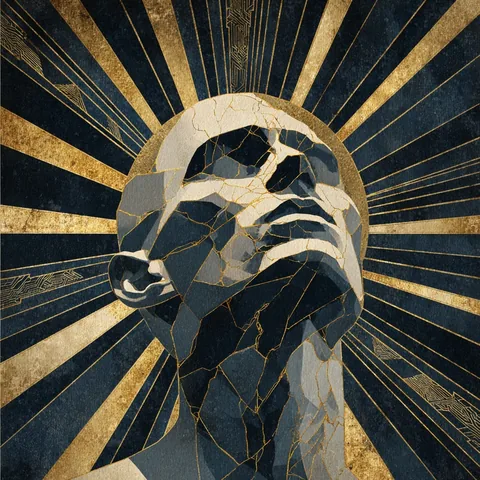
Places to startArtwork explorations
The other takes the image generator gave us, and the prompts behind each piece.
Chapters
Settings
Revealing Measuring & Validating Ourselves
With Kris Tyte & Sean Snodgrass
In this episode of Positively Pedestrian, we discuss possible ways we may be able to validate ourselves, the goodness within us, and the quality of our characters both to ourselves and to others. Measuring our institutions and big-picture objectives of where we are headed, through both guided and misguided pursuits. We drill into a prevailing sentiment of toxic masculinity and men view as predators and the possible negative psychological effects this may have on men and what we may be able to do about it. We finish the discussion with the idea of directing the power of AI tools to the domain of personal empowerment and improvement and what might be possible.
Share
Detour
Episode description
In this episode of Positively Pedestrian, we discuss possible ways we may be able to validate ourselves, the goodness within us, and the quality of our characters both to ourselves and to others. Measuring our institutions and big-picture objectives of where we are headed, through both guided and misguided pursuits. We drill into a prevailing sentiment of toxic masculinity and men view as predators and the possible negative psychological effects this may have on men and what we may be able to do about it. We finish the discussion with the idea of directing the power of AI tools to the domain of personal empowerment and improvement and what might be possible.
Chapters
Show notes
Episode Art 14 pieces
Full Transcript
What did he say about that? Nothing. Just, you know, just kind of huffed off. Yeah. You know. You know, like, when the when the joke is funny, but they don't want to admit it because it's like. Yeah. Like, sometimes, sometimes the the person that I guess is so called the, the the bunch of the joke or. Right. But the butt of the joke.
Yeah. Brant but whatever. I don't know what the. Yeah, but the joke. Doesn't want to really admit sometimes that it's funny. Right. We talked about that at that time in our podcast. We were talking about the different degrees of self-deprecation. Like laughing at a joke made in your expense is like a form of self-deprecation. It is, but it.
I think it's a very healthy. Oh, me too, me too. But each person's different with that, right? Yeah. And they're at a different stage of what kind of self-deprecation looks at. Right? True. And I think our true freedom. Right. I think our industry that we're in also encourages self-deprecation. Oh hell yeah. Yeah. Hell, yeah. Because you are going to, like, have that day where you just spent eight hours looking for a semicolon in the in the code, right.
Yeah. And you'll have so much egg on your face. You just need to know. You know, you just need to be able to cope with that, right? And what's the alternative? Crawling a hole. Yeah. And I mean.
Caustic jokes and making fun of each other is kind of like, also a bonding thing. Yeah. Yeah. Like the right amount of rib jabbing to each other. Yeah. Is, like, good for friendships and good for relationships. It it almost that kind of thing. I feel like it is a fast form of the camaraderie you get in the military.
It's it's. Yeah. Yeah, it's an accelerated version. Yeah. Yeah, yeah. Like the right amount of rib jabbing in the right group dynamic is very, very facilitating to bonding. Yeah I agree with that. Yeah. And I mean you so you've got to have that downtime on the team where you r connecting where you are kind of picking each other, where you are in the trenches with each other dealing with the same horribleness.
Right. You just have to have enough emotional intelligence and sophistication to not have it turn into a bullying or hazing situation. Yeah. Right. Like, you don't want to you don't want to stay on that one thing that actually hurting the person. Right. And you know, because look at this truck, man. This truck is, like, beautiful. Oh, yeah. This thing is a beast, Pam.
Somebody somebody went to town on. It's got a nice huge, like, berry bird shit in front of it. It was funny. This one. Two, four. It's got a pump in the back. Yeah, this one too, man. Look at these vehicles. Yeah. They're nice. So they're looking at these really big white utility trucks. Ones like an SUV. And the other ones like a Ford, you know, Super Duty.
And they're just, like, blinking, shining, beautiful. Like, every tire is armor. All about a speck of dirt on the tire. Just. He's like, really? Someone really took time on it, and they've got some serious equipment on them, like, we're using these things. Yeah. They look. They look pretty damn cool.
What is it? Kudos to the person that took the time on that. There we go. Oh, here's our van again. And they fix the tire. Yeah. And they backstopped it so it doesn't roll. Camel toe. Back in action. Camel toe carpet cleaners. Back in motherfucking action.
Specialize in cleaning underwear. I mean, whatever, whatever you do, the stuff nobody else wants to. You make the money. You make enough money to fix your van. Hey, in a society that's predicated on pure, unbridled capitalism, anything goes. If it sells, that means the market wants it. Oh that's beautiful. Right? Yeah. And if it sells, there just might be a market to fix it or clean it.
There you go. There you go. Yeah. Like the like the guy that is employed cleaning the sex dolls. Like these Japanese businessmen that have these, like, five, ten, 15, 20, $50,000 sex dolls. Really? Yeah. They're like, there's an actual there's an actual, like, enterprise where they set them up in the hotel room and, you know, they have, like, they can be heated, preheated.
Wow. You know. And then the businessman, I guess, comes in and has his way with the doll, and then someone leaves it. Yeah. Someone's duty to then clean it well and reset it for the next time. And it being Japan. Japan, there is this overwhelming culture of whatever you do, you must be the best at. So these guys are probably going all out on the sex, right?
Yeah. They going all out, I don't know. Yeah, that's for sure. I mean, like, you know, if you're the if you're the really, really rich business tycoon in Japan, you can afford the one that doesn't have truncated legs and armed limbs, right. You actually have full limbs, right? It's not just the it's not just the torso. My brother was telling me that also, not only do they have the torso ones, because he and I were talking about this and making fun of it, but they have, ones that are like many.
Oh my goodness. Like, oh my goodness. Yeah. And it's like I was like, that'd be like messing with a child or something. He's like, it kind of looks like that. It's mini. But you put it in the hot bath and it swelled up.
But only temporarily. Really? And then the guy comes and dehydrate it, and then it's compact and can fit in your business case. It's more discreet, right? Yeah.
Pocket of p word. Right. Or whatever. Yeah. Yeah. Like, with a whole different level. Oh, what the hell? The things we've said and we can't say that word. That's funny. No, we can say the word is chosen not to. Okay. Could say any word. It's freedom of speech. That's true. It's true. Well, then let me go ahead and take the hit.
A pocket pussy of a different breed. Yeah. In fact, I have heard the term before, but I don't actually really know what it is and what it looks like, and I don't need to. I mean, I don't. I've never looked it up. I'm assuming I've heard of, like, a Fleshlight thing. I know what that was. Yeah. Yeah. And I'm assuming a a pocket pussy is a little bit more of a setup than a flashlight.
That's all I'm assuming. All right. Yep. I guess we'll just leave it in the Japan business. Business world domain. Yeah. I mean, I'm kind of. I'm kind of done with that whole thing. I don't, but that's, that's really interesting. Is that someone's shows in vocation. Yeah. It's like the person that extracts the semen from the bull, like the bull mounts the cow or whatever, the heifer or whatever the the proper terminology for bovine sexual.
Maybe there. But, anyway, they, they, they, they like, pull the bull into the room and there's like the cows and they're eating some hay or something. Right. Yeah. And the bulls like, oh. Excited. Right. And goes to mount it and the person, like, slips a sleeve over the bulls dick. And the bull has its way with the sleeve, not the cow.
Wow. And they use it to capture the semen. And they then use that same and to inseminate, you know, who knows how many. Right. Okay. It's crazy. Right? It's like that's an occupation. And I'm guessing it's highly valued because, you know, you you have a line of of bulls and cows that, you know, you mentioned. Yeah, exactly. And, and, you know, the the semen would be worth a lot, right.
So you can imagine the scenario, every precious drop of bull semen, you could imagine the insurance agent getting this call. Yes. I'd like to protect I'd like to insure myself from getting kicked while I extract semen. The person's like, sir, you know, please don't call this number. No, I actually did. Serious. And the thing is. Well, sir, we've done many policies like this.
Usually we just ensure the semen. Yeah, you. We can't really ensure you not getting kicked. They really haven't actually a table for the for the. They haven't really have an actual table set up for the exact thing. Right, right. It's like, look, you're 99% chance you're going to get kicked. You can't share that. Yeah, but the semen.
Oh, you've trained your two sons to follow on your footsteps. No problem. That's an 18% discount on your policy. Yeah, exactly. Because it's Eamon is more likely to read. Yeah. To to to remain intact. We call it the discount.
Which technique do you use or do you tickle. Do you insert the electrode into the anus. Oh, man. Which is real? Which is real. Yeah. Yeah. They like prostate stimulate too. It's like, what the hell? So I've heard about a a old a sugar baby, I guess. Or what do you call them once they're locked down? I don't know.
I don't even know what you're talking about. A gold digger. So a sugar baby is. Oh, when you have a baby. Oh, let me guess. Let me guess when you have a baby with a sugar daddy. Well, sugar baby is the young, nubile, beautiful. Object of desire for the sugar daddy. Oh, okay. Okay. Okay. I see.
So it's the term for the person that's using the sugar daddy? Yes. Wanting to hook up with the sugar daddy? Yeah. So the reverse term is the sugar baby. Yeah. And then the I heard about. I guess it's a married, you know, your your wife, but ultimately using this same electrical stimulation on older men who are wheelchair bound just to make sure they have their baby.
Oh, my. Get their semen and then get inseminated. Okay. So alternative means of getting semen is across the full gamut of all the species. Okay. I see. Yeah. The species of desire to get the same. Yeah. I mean, she, you know, she wanted it, but she I and it was considered the only reason I heard about it. It was considered elder abuse.
Oh, okay. So. So the woman's getting the semen to him to potentially want to get pregnant so that she can have the baby, which then is a guaranteed money strain in the will. Okay. Okay. All right, all right. Sure. Why not? Anything goes. Like I said, in free market, capitalism is based on capital. Anything goes right. As long as the limits of the law.
Or if it's not within the limits of the wrong. But you could afford the law, but you can afford the fine. That's it. And, you know, in some countries, like, I believe in Norway, they have a graded system where. So the more you make, the more the the. Okay. Yeah. Yeah. That makes total sense. And, so it'll be like a, you know, a not moving violation is, you know, so many percentage of.
Yeah. No, I think it was the number of days of what you make. So I see. So it's like, you know, not moving violation is like a half a day. I gotcha. Actual, you know, speeding ticket. Yeah. Within this range in several days. So super wealthy person can't just be like, I'm above the law. Just pay the stupid fines.
Right? Right. So it stings. Stings means a little bit. Yeah. At least. So is it deterrent for everybody? Yeah. And, you know, I don't know. We talked about that before. Like a bank committing some kind of massive fraud, knowing that the penalty is going to be ex. Right. But the amount they make is X plus a whole lot more on the fraud.
So they go ahead with the fraud. Yeah. And you know no brainer right. Yeah. Billion. You know, place I'm affiliated with has had a couple of billion dollar fines during my tenure there. Yeah, I know, I heard about the whole making phony accounts or making accounts just without people's will or pushing people into accounts and all this kind of stuff, because there's a certain quota, internal reward for more accounts.
You know, so it benefits them financially somehow, which I don't understand me, I'd have to research it but I'm guessing you know, hey the it's the amount of wealth you're managing and how you can like you've talked about you can leverage that was assets. Right, right. And what was it like a hundred times? Yeah. And probably by having more accounts, it does.
It opens up different options for them. More more financial, financially lucrative options. Obviously it must. They hadn't incentive to do it. Right. And obviously the incentive is money of some kind. Yeah. So I'm not being a genius here. I'm just putting two and two together. Right. Yeah. We're saying definitely there was a reason why leadership set up quotas.
And of course, people were incentivized with bonuses such as that. So yeah, and that's the whole idea behind tort reform is like you're giving businesses the ability to control potential damages from suits. Right. So the the big thing is like, you know, you heard this classic a lady spills the coffee on herself and he had burned and sues McDonald's for millions.
You heard about the the the special term is frivolous lawsuits. Okay. Right. Well, the whole idea behind that is that, of course, corporations that have any kind of liability or legal vulnerability for their product or service, right? Want to have some kind of control. If someone suffered an injury, you know, they want to have some kind of control on the on the payout that their maximum payout so that they couldn't lose their whole company based on one incident.
Right. Right. So it makes total sense why companies would want to have some type of limitation. Right on civil cases right into and to brand it instead of saying, you know, where corporations control their liability, can mitigate the liability or put constraints on their liability instead of calling it that which it really is, they call it taught reform to try to give it a soft language, almost like a beneficial thing.
Yeah. We're going to reform the tort system. Right. It's like, well, it's outdated and outmoded. Yeah. Right. So but that could be a double edged sword because yes, it's good that, you know, a company can't just go under because of one mistake. Sure. But it's also bad because now they can say they can then use it as a way to say, oh, you know, someone that loses an eye is only worth 50 grand.
Right? Right. Right. They've got this, in essence, that very much similar to an actuarial table of. Yeah, they just run a formula. Yeah. Right. And say, okay, the saw blades that we make lose carbide teeth, one out of every 50,000 teeth just fly off because our manufacturing process is somewhat flawed. Right. Right. Then the time to fix that.
Right. With the threat that their company could go under if someone loses an eye to their fucked up saw blade. They can just run a formula and say, you know, the odds are we're probably going to lose six eyes in the course of the next ten years. Right. And so then. And then they say six eyes at 50 grand apiece.
And it's like, well, that's nothing. Yeah. It's nothing. It's it's it's you change your process is going to be that times ten. Right. So now we're going to change the manufacturing process. No of course not. So let that fucking eyeball get. And I'm personally I, you know okay I'm my livelihood does not depend on a business that I own.
Maybe I would feel differently if it did, but, But you shouldn't. Right. Hold on. You shouldn't go in my position. You should go out of business if you make that decision. Completely agree with you. And I think that's the right tack to take. And I think in previous conversations we've had, if you were, you know, it doesn't matter the floor that your business is predicated upon.
But if it's predicated upon some shaky ground or abuses people, then you just need to not be in business. Yeah. Yeah. You have your business model. You have to recognize that you don't have the right business model. Yes. Right. Or shift to something some derivative that doesn't have those features and more than likely with some thought and some effort and possibly a couple of subject matter experts, it's entirely possible to do anything, any of those things in any creativity, imagination, discipline.
Right. You have to be disciplined in this approach. You have to say, you know, if something comes to light that I'm doing that's harming people, you know, then I need to have the balls to change it and I'm making money on it. Maybe that's the right answer. Yeah. Coca Cola for example, the entire structure of that company.
Where are the people saying, what are we actually what are we actually contributing to society here? Oh well we give X amount of dollars to charity. Yeah. But that doesn't even come close to offsetting the damage of the product. And diabetes and heart, heart disease and all the shit that that because it's a global impact at this point and it was a designed global impact.
There you go. So like, you know it's internally self justified. But I don't think there's really a lot of created creative, concerted people, highly ethnically trained throughout the ranks of that company that take the time to say, look, what are we actually doing? Can we change the formula over time? Not New Coke, but right. Can we change the can we change the disposition of this product over time?
And that's it. You know.
To where, you know, we don't go out of business, but, you know, we still maintain strong in the market. It may not help if they have documented the how they affected the impact and solely totally to have just like the tobacco company did. So they've documented how they were able to entrench themselves so heavily. Absolutely. Absolutely. It's all part of, you know.
Come on. These people understand like the full market impact of their product. And so since they do, of course they do. Then, you know, and it's their business too. I mean, otherwise they wouldn't be as successful as they are. And it's their business to emotionally decouple their products with, with poor health and couple it with fun and activity.
Right. And like, you know, people playing basketball with their sprite and, you know, linking different things in different communities where it works to boost sales, like in small things, like when Coke does the seasonal find your name on a bottle of Coca-Cola. Yeah. And, you know, happy Santa drinking a Coke. You know, she's, you know, all these all these emotional ties to try to Santa things.
So meta. It's like Santa was a marketing thing. Let's use the marketing thing. Well, who doesn't like Santa? Right. Right. And or at least they're not, like, fat and seem like cuddly cuddle, cuddly polar bears. But what did you say? Yeah. I mean, at least they're being honest with the obesity and the like. The red cheeks from the from the corn sirup, the thrush associated with the, you know, diabetic response to corn sirup.
Gotcha, gotcha. So that thrush there, or it could even be capillaries bursting in his cheeks due to poor nutrition. Yeah, that's what I'm talking about. You know, they don't really show his teeth because that's, you know, a whole nother thing. Right. All right. His teeth are like a horror show. Every dentist will tell you, you know, stay off the soda pops, right?
Because it eats away at your enamel. Right. So here we go. Each way. Your enamel. Peptic ulcers. Right. There we go. Massive contributor to, like, sugar spike in your freaking gut. I mean, oh, my gosh. I mean, it messes with your microbiome because microbiome. You got it. Yeah. And this is like two guys just talking. This is telling you every dude's just feeling shit about it.
Right. So the actual, like, you know, food scientists that are employed by that company tell me they don't understand. You know, the company itself understands the. You know. Come on. Right. And if they don't listen to our podcast, shame on you. Right. Like, you spend your life dedicated to pushing, developing, you know, producing, manufacturing, distributing all this product, marketing a product and don't know it and don't know the product.
Right. You know, if you don't. My God, shame on you. Right, right. Well, I would imagine if you didn't know that you wouldn't be employed at the company very long if you did or didn't. Didn't did. I don't know, man. Maybe it's better to have people have the cognitive dissonance and the will for the ignorance. Yeah. And I mean, you know, if you start your your company, right, you might be able to still be, push those people with willful ignorance to continue to make you a profit.
Yeah. Remember, I was, like, using a metaphor of, like, you know, you have this assembly line and there's just this little window, and this thing appears in the window, and the person screws it both into it. That's one thing. Yeah. It's like, really? They're separated from the from the reality of the big picture of what they're doing heavily siloed.
And what you do heavily siloed. That's perfect. That's what I'm talking about. Right. And so this is exactly what can happen to average intelligence people. You know, spending spending that average intelligence dedicated to a certain aspect siloed off from the big picture of what their company is doing. Right. You know, I don't think many people that work for Coca-Cola go in every day, contemplate the social health implications of their product.
And part of it is probably because they're so mission focused, their mission focused. Number two, they pay them enough for them to forget about it. Yeah, they're getting paid off, no doubt about it. No doubt about it. And then you're going to you're going to even grasp with confirmation bias. You're biased right? You don't want to bite the hand that feed you.
So you're going to shirk this stuff up. Oh, and you're going to pin it back to personal accountability. You're going to say, oh, well, people have the choice to drink Coke or not. Right. But, you know, whenever Coke and brands like it, take the take these social and political reins and really drive the conversation they lead. They lead us by the nose.
Right. And there's there's an environmental norm that's canvased through different products. So every single restaurant you go to has a machine with, with, with different Coke options. With soda options. Yeah. Right. Everywhere you turn, there's a fucking vending machine for soft drinks. Right. Right. There's aisles in the grocery store of soft drinks. And so if you're just a member of society experiencing normal society, it's exposure for one, the exposure.
But you're psychologically are normalized to the idea that this is a normal thing that that people in our society consumed. Yeah. Right. And so then it leads you automatically to like an emotional assumption that this is a normalized, acceptable thing. It's a default norm. And, you know, because of the way these companies tend to operate their.
Their product is it can be it can be afforded to be consumed by people of any economic strata. Yes. And they've pushed hard to have the certain ingredients of their of their product to be subsidized. And it is like corn sirup and all shit. Right? Right. It's heavily they the constituent ingredients are heavily subsidized. They have found tax havens in which to produce their their products.
Water use rights. Water use all these things. All these different things. Yeah. Not to mention the pollution of the bottles, all the pollution of the distribution, all the energy that's used to distribute this shit. Yeah. My gosh, if you take the net energy output of the company, like, from a pollution standpoint, right? Well, okay. Take it from the other position.
What fucking good does this thing do? And, you know, we're not just picking on coke here. This is. No, it's any it's any any comparable product here. Yeah. And you know, that could be anything from Cheez-Its like crackers to, you know, something you imbibe to whatever. I mean, they're all kind of shitty. Yeah. And, I mean, you even see, like, the marketing to kids, you see, like, Coke machines in schools.
Yeah. You know, and they lined up feeding their dollar bills into that thing. Well, they does in school. Middle school and elementary school. They didn't do it in high school, but we were they had the machines unplugged all day. They were only plugged in after school. Okay. So, like, somebody there was some. There was some vigilante at the school that was like, yeah, I'll beat the system.
Coke paid us X amount in, you know, our fundraiser to put these machines in. I'm going to throttle it by with my unplugged, you know. Yeah. Yeah, I got it. Cool. And it was like, at least they did it in a walkout tag out sort of way. Like, the plug was blocked and it had a lot because a kid would just plug it in, right?
Shit. Kids today would find a way to take their cell phone and put it charge a fucking machine.
You know, but that's the thing is, like, you know, these schemes to to push them into every environment possible for this canvasing psychological effect. You know, which is also well known. So like the best thing that tobacco company ever had was when everyone was smoker. Right. Sure. Because, you know, obviously peer pressure, it's normalized. There's an ashtray on every fucking every every table, every every horizontal surface.
Had an ashtray on it. True. There's packets of cigarettes lying all over the place. Kids in art class would be making ashtrays. Right? Right. You totally like young kids. Yeah. Yeah. Yeah. And then, you know, the parent would then ash their cigarette into this and, like, with pride. You know. Yeah. Look at a little Johnny. My. Yeah. All these, like, social reinforcements and normalization of tobacco.
And, you know, the statistics from the CDC suggests that 25% of people that suffer from tobacco illness were nonsmokers. Jesus. So that has a direct carry over. But the whole thing is very comparable now that you're going to like secondhand sips. Right. But but the normalization of it. Right. You see what I'm saying? Because you see someone drink it and you'll be like, oh, you got any you know?
Yeah. Or let me have a swig or it's just it's just normalized. It becomes part of the fabric of the consumer culture. And then all of the the health implications are all these secondary concerns, I guess, elevate this overall and say, well, we're talking about is we're criticizing that consumer culture. That's what we're criticizing ultimately. And that that we as individuals and members of that consumer culture don't have access to twiddle the bits and pull the levers.
Other companies, other entities do. Non-Governmental and governmental. Right. And so as an individual, it goes back to that thing I said before, you have to have this like conscious presence of mind where you're spending mental energy to constantly remind yourself of the of the reality of the situation, that this is no nutritional value for me. This is something I shouldn't be putting into my body.
Period. Right. It's not good for me. Period. Right. Right. Even though it's a social norm. So you have you have this intellectual, tax on yourself for yet another thing that you have to weed out of your life. Right. In a non simple way because it's something that's been default normalized in your society. Right. So like when you're at the party and all the different sodas are in the cooler.
Right. Right. And everybody's drinking a soda or a beer or something. Right. You're you're down like oddball out. You're like outgroup. You know if you're not partaking in the norms. Yeah. And it's like, you know there's always some of the impact if you do something that maybe looks similar to what they're doing, like you drink a sparkling water out of a can.
Yeah. You're okay. Yeah. And then nine, nine out of ten people like, what the hell do you know? Right. Like, whether it's direct or indirect, you're now outgroup. But they extend your outgroups to some extent. But you might be able to, you know, at least avoid the overt shit. Yeah. And then you could do, like, the absolute worst possible thing you could do.
And that's go around to people telling them you shouldn't drink that. Yeah. That's that's no health benefit for you. There's no nutrition in that. You know, you might as well be the vegan as a at the hamburger party, you know. So like, you know you'll be that person. And next thing you know, you're not not invited to parties.
So the social normalization is a huge emotional and psychological. So many layers that that affect us. And these all tie into perfectly to the to this like scheme of just selling stuff. But again, you have to go back to the big picture. Why why are we doing this. And the simple, simple thing is like because people have found a way to make money on it.
Right. And how is that enough of a justification? That's not right. Like all these plastic bottles floating in the fucking ocean and, you know, all of the downstream collateral damage from this nonsense is, is actually adds up to to a massive amount. Microplastics have shown up and everything in our. Yeah, but in, domestic animals. Absolutely. You know, and and humans and humans.
You eat like a credit card worth every week or, I don't know, whatever the short timeline, you eat a credit card worth of plastic. Right. Like, I don't know, like, affects your sexual hormones from what I've read. Right. I mean, extra in production. And that's it because of the chemicals it's coated in. So, like, you know, man boobs.
Here we come. Right. And then, you know, what's that do in your testosterone, right? You know, you have a bunch of, like, I mean, as you get older, you start to get lower tea production anyway. Yeah. And is this a contributing factor to young people have an increase in sexual dysfunction? Yeah. Like sexual dysmorphia or whatever you call it.
Right. You know, like, does that have a contributing factor to to, like, this massive expansion of young children as gay and I don't know. Imagine I mean, possible it's possible the fact that it's possible not just like in a fantasy way. It's possible, like with direct evidence that these microplastics affect hormones. Right. Right. But it's a it'd be a really difficult thing to study and come to a.
What do you mean? It's already been studied. I'm saying it'd be a really difficult thing to be on the shadow of a doubt. Say not. Is this not only is it a contributor, it's a significant contributor as a primary contributor to like, the the, large increase in self-proclaimed homosexuality. Right. Yeah. Because they're ready to many layers away.
Those too many words. Right? Yeah. It's because it's this thing is largely social and supported by other things. It's supported by diet. It's supported by its is a complex. So many contributing factors to to isolate the variables. It's very difficult. But, you know, you could start to go about that. But I mean, you're talking about many, many dollars in research start to unwind.
And let's be real, we could use the money to do basic research that would be much more impactful. That's probably true for most things that are studied. Yeah I agree. You can go down that route pretty easily. Yep. You know, and like then 95% of all studies you can just discredit say, you know, they're not necessary. Well, ultimately, if I was to win or somehow acquire a large amounts of money, that's one thing I'd want to direct some of the funds to is, you know, that non sexy research.
Yeah. Let's just hang out for a second. Make that person feel really awkward. Yeah. Like two men creeping up on a lady. Like she's seen us for several days. Yeah. Always seems kind of freaked out. Yeah. She. She seems like scared of men type person. It's funny how, like, it's funny how, you know, people get in an NPR on the radio on the way over here.
The lady that started the Me Too movement was talking about grief. Like. So she needs something new to to to keep going. Right. I guess to keep her name in there. Yeah. Well, she says that grief creeps up on you. Right. It's so funny, the way it was worded. Grief will creep up on you and abuse you.
Like you have no control. Like it takes over. Okay. So basically like it's raping you. Like it's forcing you. Right. Like so I rolled my eyes and I was like oh come on. Do you have to tie grief to sexual abuse sometimes. Do we have to? We're beholden to our own emotions, no doubt. And, you know, we ask, we get buffeted about.
And maybe you could stretch it to say, abused by our own emotions. My gosh, you could, you could. I said it the other day. You can. You can look at the world through any lens that you want. If you look through the lens, the world at the lens of every man's a man is a fucking sexual predator. And, you know, go into your car, you have to interlace your keys and your fingers to get ready for a warfare, because the rapist is learning to that actually happening to you.
It contributes to something because of expectations. But at the same time, it's like completely divorce of reality. It is. But sure, like, look, I can just look around right now, and if I want to look at the world through the lens of sexual predation, I can I can say, oh, look how the look, how the terrain is laid out.
But extremes, that's what we need to avoid whenever we're making any decision. We need to realize that though it's tempting to go ahead and say, this is it. This is the way everything is. Absolutes and extremes are damaging to you and anybody you come in contact with. And, you know, let's let's not let's let's not deny like complete objective reality here.
So like myself and everyone I know, everybody I know, right. If if it was undisclosed that or otherwise uncovered that they were a rapist would be completely shunned from the community, it would be penalized. I mean, this isn't like it's a damaging thing to levy on someone. My gosh. Not only that, it's not happening at the at the frequency at which, you know, some of these people that view the world through this lens are seeing but you know, see but it's not it's not everywhere.
It's not, you know, rape in this conversation is a, a rape culture. And all those things are a convenient proxy for all the other extremes that people go to to protect against the phantoms of society. Yeah, I mean, it's definitely a boogeyman. And it's there are some hard statistics, but, you know, there's most of a lot of soft statistics too, like, you know, these all these anecdotal accounts of like, yes, it happened to me 25 times, you know.
Okay. Well, why aren't the 25 people in jail? You know, and there and I know there's like, blame, a breakdown, there's all this stuff. Yeah, it's a sensitive subject, and you can get in a lot of hot water really quick, like, you know, denying people their experiences and all this kind of stuff. But but I'm saying they we, you and I both know just because you commit a crime does not directly equate to you being in jail.
Absolutely true. Absolutely true. And yes, many, many people rape and get away with it. Absolutely. Many people murder. Many people see even get away with it. Yeah, but there's a statistical, you know, there's there's a way to to to blend that out, to sift that out. You're smooth with data models, right? Yeah. And I'm telling you, the majority of men in the on this fucking country are not rapists.
That's what I'm trying to say. I would say that I'm sick and tired of of it as a man, this this like narrative that keeps getting pushed forward, that men are some kind of fucking monsters. You know, I'm sick of the narrative and, you know, hey, just like if we talk about any particular thing, there's a bell curve.
Yeah, there are people who are who engage in that aberrant behavior, you know? Absolutely. But the majority of the people are in the middle of this bell curve where, hey, you know, if they do some damage or upset somebody there and they're made aware of it, they're going to make amends, they're going to try to fix it. They're not willfully out there hurting people or taking advantage of people.
No, I mean, like the, you know, the men of society are like, you know, fathers and husbands and, you know, freaking, you know, have this job, have this, have this gentleman. Yeah. Like, are doing their business of every day. And and the thought of rape doesn't come into their vernacular ever. Right, right. So, like, where are these women finding these armies of rapists?
Right. Like, where are they? I don't see it in, you know, maybe. Maybe they're seeking it out to some extent. Here we go down to whatever we've got.
All right. We the the filter bubbles, we end up in the, you know, the news cycles, we end up in the all of those things. They reinforce these worldviews that are not necessarily healthy for harmful and individual. Yeah. It's harmful full scale. Right. So is distress between the sexes. It is incredibly disproportionate and unfair position of men as being some type of sexual does.
But it also it does a disservice to the women and that it paints them as perpetual victims. There you go. That cannot defend themselves from the scourge. And they can a woman once she you know, if if she wants to take her power back in that sense. Learn self-defense, learn a martial art, you know. See, I'm against that, too, because it's setting up the psychology still of, like, you need to get yourself ready for this because it's going to happen.
Sure. But what I'm trying to say is, if it did happen to you, and you need to feel safer and feel like you have a tool to combat it, if it happens again, I'm all for it. Okay? I've asked all my female relatives this question over the course of my life because I was curious about it. I've always been thoughtful of this idea, like, and I've asked them, you know, have you ever been raped or felt like you were going to be or been in a situation where you had to escape a block and over the course of lifetimes, they the majority answer was no, really.
They would come up with scenarios to where they were like, I didn't feel comfortable. And so I made my way out of there. So I guess it must be the, as I've come up, the situation, the people I've attracted in my life have just been around, you know? But, my ex-wife, she was raped by her biological father and her cousin.
Two separate multiple. Yeah. Okay. I'm talking about, like, not the, Okay. There's, like, there's different categories, right? Yeah. Of, like, quote unquote rape. And if you blanket all of it together, then, then it's a much higher frequency. I'm talking about like someone knocking someone over the head and dragging them into the woods type. Okay. So like attacking you in the parking lot and putting it in your.
But sure. Or something like that, you know, and yes, by by all means, the majority of rape by a broad category happens within the confines of like someone that has access. You know, we talked about that before, right? You know, and that's terrible and, and should be penalized criminally severely. Right. And I'm even thinking that statute of limitations can't apply.
But at the same time, I mean, I think it's kind of hard to prove something from 30 years ago. Yeah. You know, like, how would he even do like there would have to be evidence, like photo photographs or videos or something. And unfortunately, that's the reason there's a statute of limitations so that you can say by default, look, we will not invest.
Resources and effort into this investigation into, yeah, the $5,000 won't be spent on forensics that don't exist at this point. Right? Right. Yeah. So so I guess there's a, you know, I, I had to walk back some of what I said because in that light, yes, there's, there's a lot more of it going on than in that. In that light.
Yeah. I'm talking about the overall like idea that women should be constantly on alert and fearful, you know, in everyday society. I hate that because it's awful. It tears down. It tears down the psychology of women. It makes them. You have to be afraid and on guard all the time. That's what I think. That's what we need to focus on in this conversation, about the harm it does to the person who adopts this idea that there always trying to, that they're always trying to circle the wagons, that they're always trying to protect themselves.
Right. And that's, that's that's like producing and, you know, all kinds of cortisol and problems and, you know, adrenaline, stress hormones and retention. And just like a kid, we talk about the other day, just like a kid going to school every day, worried about a shooter, you know, it's like, good morning. Good morning. That's that's not a that's not a healthy disposition for a child to be in every day worried about a shooter, you know.
No. And then again, when you, when you, when you, when you put it across the statistics, the child needs to be reminded that statistically, they're completely safe, right? Right. The odds are so slim, they're almost not. But there again, we did come to the conclusion in that last conversation that the the preparedness still needs to be there because of the off chance that would happen.
And also to make the the kid more confident if something similar does happen. Yeah. I just I just feel as a man this blanket indictment of men in this, this characterization of men in general, stereotypical, you know, that many women perpetuate is harmful. It is really harmful. Well, it's harmful to both sides. It's embarrassing. It's harmful to both sides.
And it's embarrassing as a man to, like, feel as if to some degree, you have to convince them that you're not a monster. Well, I was reading the other day, though, that, you know,
So.
It was a it was a post on Reddit and it was in essence, talking about there's a story where this lady was, she walks with a cane, she's a younger lady, and she was coming home from a wedding in England. Edinburgh, I think maybe. Or is that Scotland? I don't know, but, she's coming home from a wedding and she had only a few blocks to walk.
She picked the time to walk that it would still be wide, you know, she picked her. She figured out her route and she was like, you know, hey, I've got to avoid any potential dangers here. I don't move as fast and then got this cane and so. Well, she was in a situation where some kids. You know, she was she described them as kids, like, in her 20s, walking around drunk.
Started to make her feel a little uncomfortable, but she's like, yeah, it's not a big deal. It's not a big deal. I'll just keep going. And then the bulk of them crossed the street and or on the other side of the street. 2 or 3 of them are still behind her. They start getting closer. She's like, yeah, it's okay.
And they're just drunk. And they start getting even closer. And then she hears one of them say, green, green dress and she's wearing a long green dress. And where did you hear the story? This is a post on Reddit. Oh, oh, here we go. But sorry. Go ahead. This it has a it has a it's your main door discussion and has a ultimately good ending.
Ultimately, the kids who were across the street screamed at the other ones. Hey, you don't do that to a woman. You don't get that close to her when she's by herself and bother her like that. And the, then, boom! They disperse the kids behind her. One walks in front of her and says, I'm sorry for that, I apologize.
Yeah, and that's the way it would go down between, like, anybody that I would ever encounter. So like, if somebody would say, hey, you know, look at her. She's kind of drunk. Oh, she's hot, you know, let's get her. Let's take her home or something, like, what the hell, you know? Right. Like instantaneously, it'd be like, what the hell is wrong?
And I think that's how we come. One of the ways we combat this as the men who aren't in that category that would ever think to do that, we call things out if we see them. Yeah. But and I believe that's the majority of men would be like, you know, like that. I hope from my experiences that's what it's been.
But with younger kids that might that strength might not be there. I don't know, I don't know, man. I just don't I don't know, maybe I'm maybe I'm biased because I'm coming from my psychological sentiments. Right. Yeah. And I'm projecting those on other people. But in general, in general, man, it's just not something that ever has come into my mind like, oh, let me grab her.
Like what? The ride. I can't even imagine it. Like, what would what would make you think you somehow have dominion over this person, that you can just take them and use them? I don't know, so that's what I'm saying. Maybe I'm just projecting the way I think and feel about these things onto broader society, and maybe I'm wrong about that.
Yeah, and I could be too. I'm open to the idea I'm wrong. And that's the thing I, I think unfortunately, though, it offends us on a deep level. I think these this culture exists and I think it is perpetuated. And if somebody like, you know, grabbed one of my female family members and, you know, dragged them into the woods and violently raped them, that person would die.
It wouldn't be like that day. Yeah. And but trust me, the person would die. Another one of my friends, she was violently gang raped. Like when she would fall asleep. Sometimes she'd just be dreaming about it and talking in her sleep about it. Oh, I'm sure someone that suffered a violent rape is a life changing event. I'm sure.
Sure. Yeah. And you know, my gosh, everyone, in any degree of rape that's been victimized legitimately by a rape, you know, by gosh, you know, I hope the best for them. I hope they find a pathway to get over it. Right. Yeah. That's gotta be tough. And it says it's like the victim of any crime, right? That one, that one is a little more, I think, potent and, you know, emotionally binding, but.
Right, you know, thinking get over getting robbed a lot easier and get over, get raped. Oh, hell yeah. There this is kind of somewhat related and kind of weird. There's a movie. By the trauma films guys did talk to the Toxic Avenger, Sergeant Kabuki man, the killer condom, all kinds of weird stuff. Okay, well, they did something to kind of make fun of horror movies.
The poster guys franchise, specifically, it's called Poultry Geist, and it's a movie about making a horror movie. And in the movie, there is a life affirming rate, like this lady gets raped, and to take her power back, she rapes someone else. I'm like, whoa, that's a little crazy. Alrighty then. But that's how they term it in the movie a life affirming rape.
Jesus. Yeah, that's hardcore. It is hardcore. And but it made me think, let's go back and talk about AI for a little bit about, you know, fuck this topic because it's too much of a blurred line for me, like the statistic statistics that I have seen, like, don't suggest in my mind that that it's that it's pervasive, widespread thing.
But, you know, I don't even know. I don't even know. I don't either. And I'm not I'm not thoroughly educated on it. I, I respect the fact that there are people that happened to and I, I wish there were more. I wish our society was more open to talking about it and we knew more about it. But, you know, that's where we're at.
Yeah, yeah, it'd be it'd be really good to have have very reliable, you know, statistics to understand the actual full breadth and depth of the picture. Yeah. But I just know that living in a constant state of fear and the the effect it has on men, the feeling that, like, you have to reassure, you know, every woman you come in contact with that you're not a monster is really.
And it's the same with children like you're around somebody else's children. There's like this, you know, someone that you don't know well is an acquaintance you get around their children. There's this dance that you have to play to, like where you're like, I'm not a pedophile. Yeah. Working to somehow, like, reassure them that you're not that way. Yeah.
And so men really do suffer from those two aspects. They suffer from, like being near children, having people stare at you in a weird way, as if, like, you may be some type of predator or pedophile. Yep. And then also when you're with women that you're not well acquainted with, you have to you have to like, go through this dance of like demonstrating somehow that you're not sick.
Yeah. You know, and and that and the fact that you have to do that is the sickness that I'm referring to. Yeah. That's the that's the crux of the conversation. I mean, that's it. And, you know, it's and we're not trying to take away anyones position or erode how they feel. It's just be aware of that psychology. Yeah.
Be aware of that psychology. And and we can all combat it. You know it'd be it'd be awesome if there's like a test that you could pass. I mean, I guess you have background checks. Yeah, right. If there was some kind of test that you could badge, I could. Where I'm certified is not. Yeah, like they hook your brain up to all these electrodes or some shit, and they show you all these images and then how your brain responds, they can classify you or something.
Yeah, right. Well, they're deeply repulsed by all this horrible stuff. Yeah. You can get, like, a clearance, like token that you could wear as a pin or something. Yeah. You know, then you'd have the black market for that pin, right? You would. But it's like, you know, really secure. It's like biometric, biometric linked, you know. Yeah. You know, like you get interviewed and then you get like, empirically measured right at your response to, to certain images and ideas.
So your brain is actually mapped. Right. And then you have a pin with a number. And a person like QR code can scan your Pin and it's got your face and it says, you know, you pass this clearance of, you know, you don't you don't have you've been evaluated by this authority has been certified to not be a pedophile and or rapist.
Yeah, that would be fucking wonderful. You know, it'd be crazy. And like anyone that looks at you funny, you can just show your thing and say, look, don't look at me like that. Yeah, yeah. You know, like I'm the real deal. And then, like, make it an absolute requirement of every scoutmaster and clergy priest because, I mean, it's those with an annual renewal, right?
Because those things are really crimes of opportunity. Yeah. I mean, it's exposure and opportunity and.
So many of those organizations that are either I don't know what the term would be, but the those kind of mentoring organizations seem to be loosely, religiously affiliated to me. Yeah. Right. Right. And, you know, loosely. Morning. And so they seem to be and then the Catholic Church had has had a rampant problem with abuse. And it's like.
I don't know, they seem to use their proximity to this societal well of goodness, this fountain of, of kindness and, and understanding to take advantage of people in our society, let's face it, is hypersensitive to these ideas. I mean, we have like this, you know, national database of sex offenders, you know. Yeah. If there's, like, a sex offender living in your apartment complex, the people that will take wind of that and, like, you know, try to find ways to push you out, right?
You know, like, your penalty goes well beyond the punitive crime, right? Yeah. It does. And, you know, I mean, that could be life and life life altering to the fact that where, like majority of things in your life are now off limits. And that's even if you survive gel, you know what I'm saying? Like, yeah. That's right. Yeah.
From in jail from when you're seeing people that are in there for those kind of crimes for like, you know, child abuse, sexual abuse or whatever. From what I understand, the other prisoners will, you know, exert their own form of justice. I have second hand knowledge of this directly. My stepfather,
Who murdered my mother. He basically, he went to prison beforehand for raping his own niece. So how did your mother get hooked up with this guy? So he retreated to the church. My grandparents met him, and he was that channel, right? And my grandfathers thought he was a fine, upstanding man and introduced him to my mother.
Okay, well, there's a failure in the system. Like, you know, if he's registered sex offender. And and, you know, my one of my, one of my other family members was abused by someone in the church who was actually a closet gay teacher.
Okay. So, you know, it just is. It's a convenient cloak to don to allow you to. Oh, absolutely. Absolutely. Hide. Yeah. The church enjoys this, you know, social sentiment that, Nice. The church enjoys this, this, collective social sentiment towards it that the church and the and the congregation within by default has an increase in the moral aptitude.
Right. And this is by no means true and the statistically shown to be nowhere close to the truth. In fact, that cloak then, as you called it, it was perfect, you know, allows the sheep to mask as the the wolf, the mask as the sheep. Right. It does, it does. And you know how many people have taken that route, you know, specifically for that reason?
Yes. And I mean, I've just mentioned that I know two that's sick. Sick. It's a sickness. It is, it is. And, you know, the reason they're hiding is they know it's not accepted. They know that on some level it's it it's hurting someone or it wouldn't be good for it to be out in the open. Yeah. Okay. So so that being said, let me let me rephrase most of what I've said in the conversation in a way I think makes sense.
There are lots of people out there that are sick in one way or the other and would would, would be a rapist if given the opportunity and the circumstances. Right? Sure. That's right. If they were sure it was safe to be. There you go. And there's there's all kinds of, psychologically damaged people and all kinds of range of things and all kinds of evil and all kinds of predators.
And there's all kinds of dangers out there everywhere. There's no doubt about it. It's true. Yeah, right. However, the average every given person has a low statistical chance of being those things. Right. And that's something that's to most of those things. But just like we said, with the kids, preparedness shouldn't be thrown out the window, right in a measured way.
So like, you know, these things exist in the world. Let's not put her head in the sand, deny that they're not true. Yep. Right. But let's be honest about their proportionality. Let's be honest about the actual frequency of which they occur to lower our to lower our fear. Yes. So, like keep our guard in our in our ability to react right.
And have some degree of preparedness that but not to the point where it's so damaging to our psychology that we lose out. That's it, that's it. So like find the right balance. I guess you could say. Yeah, in the same skills and ideas you'd need to be prepared. Whenever you're at church, you would apply those same things at work or at the park.
You it's personal security. It's being a, you know, holding people at arm's length till things have proven themselves out, things like that. I mean, it's small things, but personal security chief among them. Yeah. I had a job, working as a carpenter's assistant, and we were going on this long journey to go go do some kind of special construction projects somewhere.
We ended up going through New York. This is when I lived up north. We end up going to New York City, and we went through, like a not so great neighborhood. And we had the windows down. It was hot. It was like, you know, back then when windows rolling down was normal. Right? And so we had the windows rolled down.
I had my arm up on the, on the thing. Yeah. And all I did was turn my head and looked down an alley. And this guy that was walking up the alley made eye contact me. And he goes, who the fuck are you looking at? Like like like aggressive as fuck. Right. And I looked I looked the other way, like, is he talking to me?
Right. Like I've had the same thing happen. I won't even looking at him. Yeah. I was like happened to gaze down the alleyway that he was coming down your eyes. I lighted upon him for a moment and as like any normal just looking around, you know, person would do. Yeah. And, you know, I was like, nothing, man.
I'm cool. Like, all right, I had this. I was a middle of the night. I was coming home from a friend's house. We had smoked a little bit of stuff and so many years ago. And I was just coming home from a friend's house, man, driving in the car, and a red light happened. And so I was looking at the people next to me, and I was probably looking too long because I was high.
And you thought it was a second, but it was like a minute. Yeah. You know, your time is all wet. They jumped out of their car. What? They jumped out of their car to flex on you and took started. Thankfully, they didn't come to the driver's side door. They jump out of the car and go around to go to the passenger door.
I don't know what they were going to do carjack me, but I since they went around the car by slow ass, had enough time to hit the lock button on all the doors I go. I it was manual locks. I had to go do do do do do. Wow.
Yeah. And then I just gunned it. I ran that red light. You know, Jesus. Someone was psycho man, right? I mean, I couldn't have, like you said, I couldn't have looked at him for more than 60s. Now I have to walk back everything I said. Maybe the world is full of just fucking psycho. Maybe I'm looking at the whole thing wrong.
Yeah, maybe. Maybe we've. This is good. This is what part of this is we expand our own minds, right? We have these conversations. Like in talking them out, maybe some truth comes to light that otherwise wouldn't. Right? It's true. I mean, we're kind of exploring the problem space. Yes, please. Everyone listening. If anyone is listening to this, everyone listening to this, please understand.
This is exploring ideas. Yeah. And we are flawed people who do not know everything professed so many times throughout the course of us doing this podcast. Right. It is called Positively Pedestrian for a reason. Yeah, who thoroughly pedestrian people but were generally positive. But we're trying. Yeah, yeah we're trying. And that's part of this podcast. We're trying right.
So try with us. Yeah, yeah. That's it there. There's some gems in here. Yeah. Okay. Maybe you have to pick them from a turd, but they're there, you know, some diamonds among the dross. Yeah. There's, you know, there's still diamonds. There might be pecan. Yeah. Just ignore the surroundings. But there's some gems. There's some gems, like every major religion in the world.
Right? Oh, damn. Like, there's there's some gems within that poo. Yep. And if you can pick them out and then use them to empower your life, by all means. Yeah, you do it yourself a disservice not to build your own personal philosophy and almost cherry pick the best out of what you're saying. There you go. So if that rape conversation holistically offended you in every single way.
Profoundly sorry. Yeah. Wasn't that wasn't the intent? That wasn't the intent. And ultimately, we've come to a conclusion that, yes, people are fucking crazy. And maybe we're both little bubble where we're protected from some of it. Absolutely, absolutely. Because both at times in both of our lives, we were not in that bubble. Yes. And if it's true, if it's true that we're in that bubble and we're somewhat protected, I am deep appreciation for that.
Yeah, yeah. Because I mean, yeah, absolutely. I mean, that, that that's the capstone right there. And furthermore, I want everyone to be in the same said bubble. Yes. Yeah. So that they can benefit from it as well. Yeah. There's we shouldn't have by default some kind of privilege because we've clawed our way up to making some money.
Asterisks. Yeah. That some is a relative term. Right? Right. Yeah. That's pretty funny, man. So, I wanted to talk. I wanted to touch at least some some point in today's discussion. A tie in of this, like we were talking about the other day, you know, this this thing with the AI. Yeah. In the sentience thing.
And, you know, there's, like, illusion of what is sentience and all this kind of fun stuff. And, I want to take this other kind of, model of idea that we never really talked about before in AI domain. Right? Which is, not just this religious attitude, but or the oracle attitude, if you will, but the superiority, inferiority, dominant submission position, right of tech.
All right. So dominant submission. And there's nothing to do with the rape talk talk. Right right. Dominance submission under the the idea that the people making this tech and the tech itself is so superior to me that, I must by proxy, yield to it. All right. Right. So like, basically this this, this attitude that I'm no longer qualified are that that is it has eclipsed any possible ability you might have in a given arena.
There you go. That's what I'm saying. Right. And so much so to where it's like crippling, okay. To where you're, you're you're don't even allow yourself self authorization. You're not going to try. Right. You're not going to try. You just abandon any confidence in the domain of picking what's best for you. Wow. Now take that to it. It's extreme.
It's the oldest Subaru I've ever seen. That's what I'm saying. That's what I was. I was like, that is anxious to be like 70s. It's gotta be dude. Weird. Wow. We see some interesting things. Yeah, and it looks like it's perfectly happy on the road. It does like that dude's driving that every day. It just has, like, the the plastic element, the rubber elements have faded like they got that grayish tone to them.
They need some armor. All. But yeah. Other than that, it looked like it had integrity. Yeah, it was good to go. So you can imagine this, like crippling state, right. So where it's almost like you, have such a unconfident in your ability to make a choice without deferring to technology. Right, that you then accept the defaults. So like if you choose, if you choose not to decide, you still have made a choice.
Are there we go. Some rush, some rush. Tom Sawyer. Right. And, I love that lyric because it's so true. Right? If you don't make a choice, you've taken the default. You have, you have. And there is always a default. Whether or not it's obvious that a choice has been made for you or you know it, there's always a default.
Right? And so when we take this attitude that the technology is offering the best default for ourselves, we can get misguided and lost so quick, like it can harm us so much so fast. Because, all right, you're basically putting you're still putting yourself in the hands of another human being here. Because at this point, these which we do every second of every day.
Right. But you're not you're not resting comfortably upon the largesse and all knowing, you know, cushion of technology. There are people who are absolutely directly connected to this algorithm, this technology, whatever we talk about that are actively and probably in flawed ways, programing it or manipulating it. Right? So now you can take this position of like, hey, these people are abandoning all confidence in themselves to make decisions, okay.
Yeah. So they're becoming more and more paralyzed in the domain of large decisions to make every day. Right. And simultaneously there, more and more recognizing these technology tools, I think you'll also say, yeah, I don't know how we got on the street. So every day they're more and more recognizing these technology tools, becoming more sophisticated and becoming ever more paralyzed.
Right. And believing that these things have sentience. Right. Which then imbues like automatically the properties of like agency. Right. Okay. And but but okay. Agency doesn't come with benevolence. And that's what we're assuming. We're assuming benevolence exactly. Much as the church has this cloak of which is is misappropriated to them. Yeah. That they can use. So is technology.
Yes. Technology has a cloak of being. In essence, it's the same as the priesthood. Yes. That's what I'm getting at. That's exactly what I'm getting at. And so will be dramatically, you know, not properly served. Yeah. We'll we have done a big disservice to ourselves. Right. If we don't rain that in early as this technology expands, there we go.
Right. So I'm advocating for like high skepticism and beware type model and moving into these things even though, you know, work in technology. Well, yeah, exactly. And that could be why. Yeah. Right. Good point. Because we see that intersection of people and technology and we see the good intentions, we see the attempts, but then we see the end result not even resembling them.
Right. And there's the commercial interest underpinning, you know, all these things. And some of early podcasts we talked about some of that commercial interest and your involvement in it, you know, especially from the AI perspective. So we have to be very wary of like, you know, and this is just the nature of consumer society, you know, consumer driven capitalistic society.
Yeah. It'd be extremely wary, you know, of, of any new thing that has the money and just find it. And that's exhausting because that's, it's it's pervasive. It's so profound. You know, you can dedicate all of your faculties to that. You can. And then what do you do now? You're crippled again. But there again, it's I think in our earlier conversation, we were trying to push the idea of seeking balance.
Yes. And that's always like that's philosophy one on one. Right. And ultimately everything in moderation. Yeah. And you have to choose your daily level of paranoia. What does it know? Thy self and nothing in excess. Right. There we go. So the problem is, is that the technology tools can unlock the know thyself portion in the potential for doing that for people.
Finally, sure is insanely, incredibly strong for every now from productivity on any front to understanding what's wrong with you physically. Yeah, I would love to see and even work towards programing myself. Technology tools that unlock the know that self portion of humanity like not to capitalize and not to market to people better, but to unlock people's to understanding of who they really are, to offer these tools and to say these tools are open and have some support to change with society and society's needs.
Yeah. If people if people could just know accurately what they were doing with their time, their decision making process would change completely. You're right. Because how you spend your days is how you spend your life. That's your virtue, how you habitually, the actions and activities that you involve yourself with becomes your virtue over time. That's the virtue of a person.
Yeah. And so to be able to gain insight into the actual who you are virtual. That's funny. That's interesting time. Right? Right. Right, right. Opens up the reality for people and gives them the true, true opportunity to invoke change. Yeah, yeah. Because if you don't know, like, if the person doesn't know they're addicted, you know, like the first the first stage in breaking addiction is what acceptance like exceptions admitting that you have the problem.
Yeah. Right. Because the alcoholic that's like, what are you talking about? I just like a cocktail after work, you know? But that cocktail means like 212 facts, right? You know, and like, half a fifth of something, you know, and you're so daily you can't say that's not having adverse effects, right? So, like, that person will never break that habit until they say, wait a minute, I do have a problem.
Right, right. And so if you employ the, the total metrics that they're being accrued to each individual and you, employ those metrics for that person to, gauge their own life, that will be that first step into massive change for people. Yeah. Because because we'll see the truth about who they are. You're empowering the individual. And that's where we want the change to come from.
We want realization and understanding to start with the individual. So imagine this big profile being set up right now which all these major companies are doing Google, Apple, Microsoft, you name it, right? Facebook, on and on. All these companies are creating their own versions of profiles of people for advertising, selection. Yes. Right. Now, imagine if those profiles were flipped on their head and specifically and directly used to empower the individual.
How powerful. How incredibly powerful is that? Not only that, it's another damn income stream. They're missing out on it. Oh, yeah. Right. Wouldn't you pay for that insight? I would. And like, holy shit, they have me pigeonholed as a, you know, person that's going to be, you know, basically predicting my future. I'm thoroughly convinced Facebook and Google believe I'm a 70 year old man.
Based on your profile, you might fit that profile of a 70 year old man. I might, but those are the kind of ads I get. I get ads for everything from CPAp machines to walk in showers to shit about home improvement with Bob Vila. So I had seen one time I was playing a World of Warcraft, right? And I was playing it a lot.
I had a cool characters. I was in a guild, right? I having a lot of fun. And don't don't get me wrong, it was a lot of fun. And one day I saw my play time number was revealed through one of the screens. Okay? And my heart dropped and I felt sick to my stomach that I had spent that amount of time like that stumped this many hours into this.
Yes. And I remember hearing at one point, like the average person watches seven years of television. Oh, the average American lifetime, it's like 5 to 7 years or so. And so, like when I heard that, I, like, stopped watching TV for a long period of time. And so when I actually got that metric of my usage, it was completely different than what I thought.
Yeah. Like I thought that, you know, I expected it to be like pretty high number because I played a lot, but not like that. Right. So I was like, click, click, uninstall. Yeah. Like I didn't care that there was a raid that night. Yeah. I was like, what am I doing? Right? And if I'd never seen that metric, I wouldn't even have known the abusive level at which I was playing the game.
Yeah, right. Like, there was like, shit in my life I was trying to accomplish. And that wasn't happening because of that. Wow. And so if you can imagine, then that was just one data point. Yeah. If you can imagine, like the full breadth and depth of your of your life and having access to that data, those metrics on how you're actually living your life, how fucking empowering.
That would be insane. Absolutely. And what's happening is reverse. Instead, we're getting those feedback loops through this technology and it's becoming crippling, right? It's becoming it's kind of the same idea as keeping someone in the casino with artificial light and hyper amounts of oxygen. We're just we're being kept, and that's the size we're not being given those data points.
Right. With the added layer of I'm talking about the psychological layer that, that, that the casino knows what's best for me too. Yeah. You see and that's what I'm that's what I'm thinking. And we end up sitting there for the long weekend pissing and shitting on ourselves and gambling, figuring away all of our money and losing the house at the craps table.
Yeah. And, you know, craps is a appropriately named right? Right. Because, you know, that's what you end up with at the end of the day, you know, go a go nowhere. Yeah. Just you are on the wheel, right? Yeah. Might as well just make one big bet on black or red and get the hell out, regardless of the outcome.
Yeah. Good point. At least cut through the chase, right? You're going to lose all your money or not. And you know the odds are saying you will. So yeah, the house is going to win. House always wins. And so, you know this is flipping that idea. And I said instead of the future data model of like, you know, profiling people for economic and commercial interests and for marketing, you do it for empowerment and enabling people and flip the whole thing on its head, or for fuck's sake.
I guess what I'm trying to say is, why can't you do it for both?
Okay, do it for both. But with the disclosure that the person that's participating in the marketing is getting paid to do so. That's the way I feel it should happen. I think we should get micropayments. Yeah. Income. Profit sharing from the from the enterprise. You know, sure. They're going to pay us a pittance compared to what they make.
But we were getting something. Yeah. And what kind of loyalty? What kind of, appreciation would you have if, you know, the the data algorithm showed you ways that you can improve your life. Yes. Right. And open that layer to you? Absolutely. My gosh, you'd feel so happy that, you know, it'd be like you have somebody in your corner, you know, type idea.
You would. But but I'm really afraid of this feature where, like, people, basically defer their, their, their livelihoods and their most of who they are to the idea that there's superior, you know, some, some force of superior that they're bending a knee to. And especially this AI that we have right now is nowhere near superior. It's that shit is barely a half retarded chatbot.
Well, and most of it is just feeding us back what we've shared with it. Right. So then the majority of it is just is just echoing back, is just echoing back to us what it sees us as. Yeah, right. It's why I became a neo-Nazi skinhead Trump supporter and almost immediately. Yeah, right. And are you guys doing you know, that's something that's pretty much everything you need to know.
Yeah, right. Oh, I was going to say new wrinkle. That dickhead who said that this particular Lambda AI is sapient or sentient? He said it requested legal representation, and he has gotten it a lawyer, and it's filed several things. Sure. That's great marketing, right? You can just imagine the whole thing just being a marketing. And he's conveniently on his honeymoon until, you know, the next few days.
So he can't interview about that. Why couldn't the whole thing have just been set up by Google? I'm sure if it if it was, yeah, it just seems so crass and ill done. The guy standing in front of the weather, the screen showing the weather, is standing in front of a blue screen. There's no weather data being really there, right?
Yeah. If it's on TV, it's false. It's a it's a ruse, right? I guess that's what I'm saying. This is a this is a crappy gun ruse. It's not convincing. Is it just me? Yes. Because you have some knowledge of it. Yeah. When? That's what I'm saying. When the layman, you know, here's of these things and sees these things, they're doing it from this position of like, wow, this technology is so much more advanced than human beings.
You know, too much sci fi swirling in people's heads. That's true. Yeah. I mean, really. All right, all right, man. Good to go.