


Extra content pops up along the way.
Trailheads
Good places to start walking.Chapters
June 30, 2022
Shadow Economy & Second Class Citizens
Double-tap the sides to skip 15 seconds
Trailheads
Places to startArtwork explorations
The other takes the image generator gave us, and the prompts behind each piece.
Chapters
Settings
Shadow Economy & Second Class Citizens
With Kris Tyte & Sean Snodgrass
In this episode of Positively Pedestrian, we discuss the reality of every major developed country in the world having a large shadow economy as well as a group of people best described as second-class citizens which are off the books but do all the dangerous and challenging work. We talk about the direct and indirect impacts of these shadow economies, who benefits and pays the price, and, in general, the overall morality of this reality. With big data, surveillance, and high-tech methods, the shadow economy could be eliminated or dramatically reduced, but this never seems to play out, which begs the question, who benefits?
Share
Detour
Episode description
In this episode of Positively Pedestrian, we discuss the reality of every major developed country in the world having a large shadow economy as well as a group of people best described as second-class citizens which are off the books but do all the dangerous and challenging work. We talk about the direct and indirect impacts of these shadow economies, who benefits and pays the price, and, in general, the overall morality of this reality. With big data, surveillance, and high-tech methods, the shadow economy could be eliminated or dramatically reduced, but this never seems to play out, which begs the question, who benefits?
Chapters
Show notes
Episode Art 12 pieces
Full Transcript
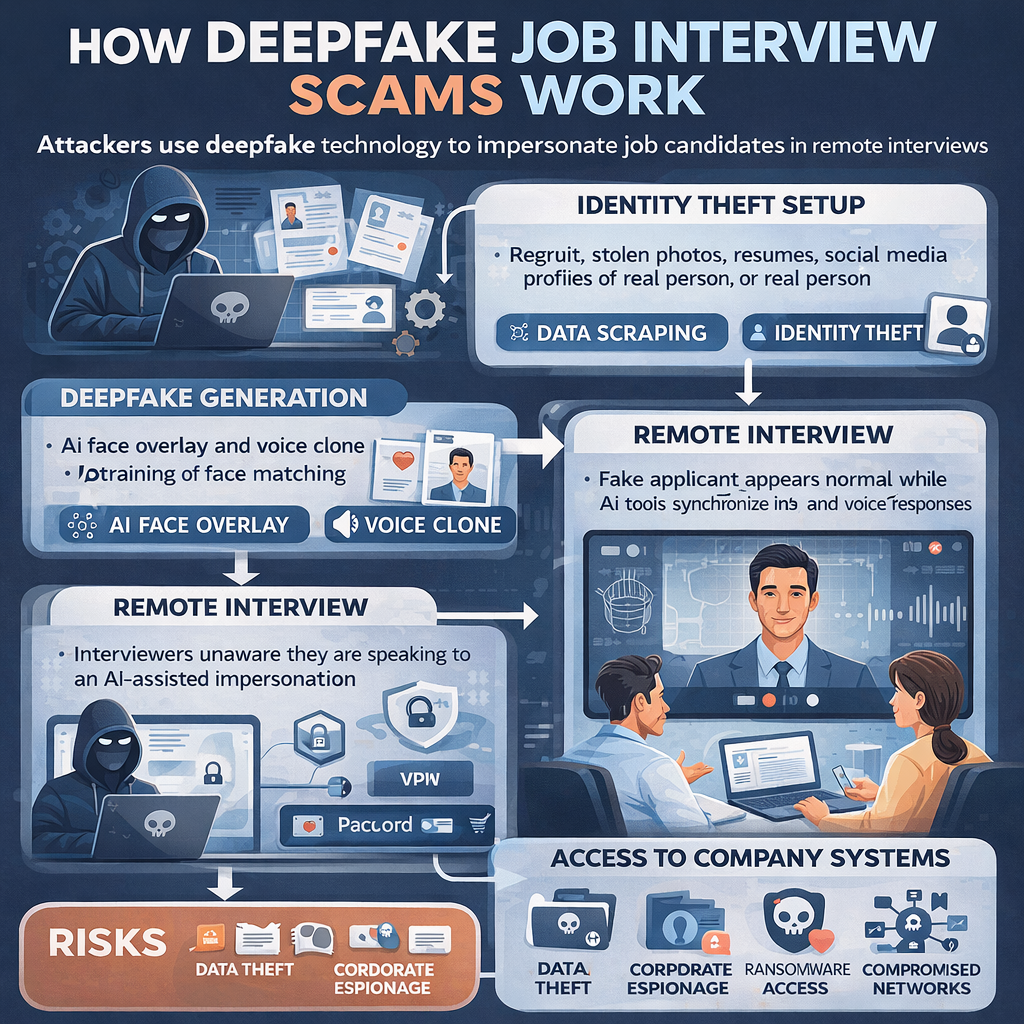
Article this morning about how deep fake technology is being used to, get people remote IT jobs so that they can still personally identifiable information. And from a company they can perpetrate identity theft. Absolutely. So the eye is on to it. Oh, that's one of the biggest ways to get that kind of information is insider, you know. Right.
Infiltrate. Yep. And so there, the FBI gave a list of ways to determine if someone is using deepfake technology in a interview. Cool. They were like, look, you know, get them to say a tongue twister. Get them to say, yeah, get them to speak rapidly, because a lot of times they can't keep up because they're usually doing not just video, but audio too.
Yeah, sure. And so it's hard to get the two keep the two in sync whenever you're getting them to do something complicated. Secondarily, they said if they happen to cough or sneeze, you can also tell. So why not have it to where you have them show up for the interview? Yeah. Go figure. Oh my god. But again, if it's a firm, it's highly possible that, you know, they're reviewing their interviewing remote to via zoom.
Right. Yeah. Right. Do that. But then for their final interview, you show up like you have the requirement for onboarding requirement is you have to be x, y, z. Yeah. It doesn't have to be all the way to the corporate headquarters. It could be any satellite office. Yeah, yeah. So it's like, hey, you know, we've got a satellite office in champion and you're in Chandler, Arizona.
Yeah. And how about and how about, like, a third party validation? You know, you can make a service for that, to make it to where, like, you identify them and get their background biometric, you know, or whatever you need to do. Right. And I mean, if you're in it security, you could probably use existing, you know, background check services for that validation.
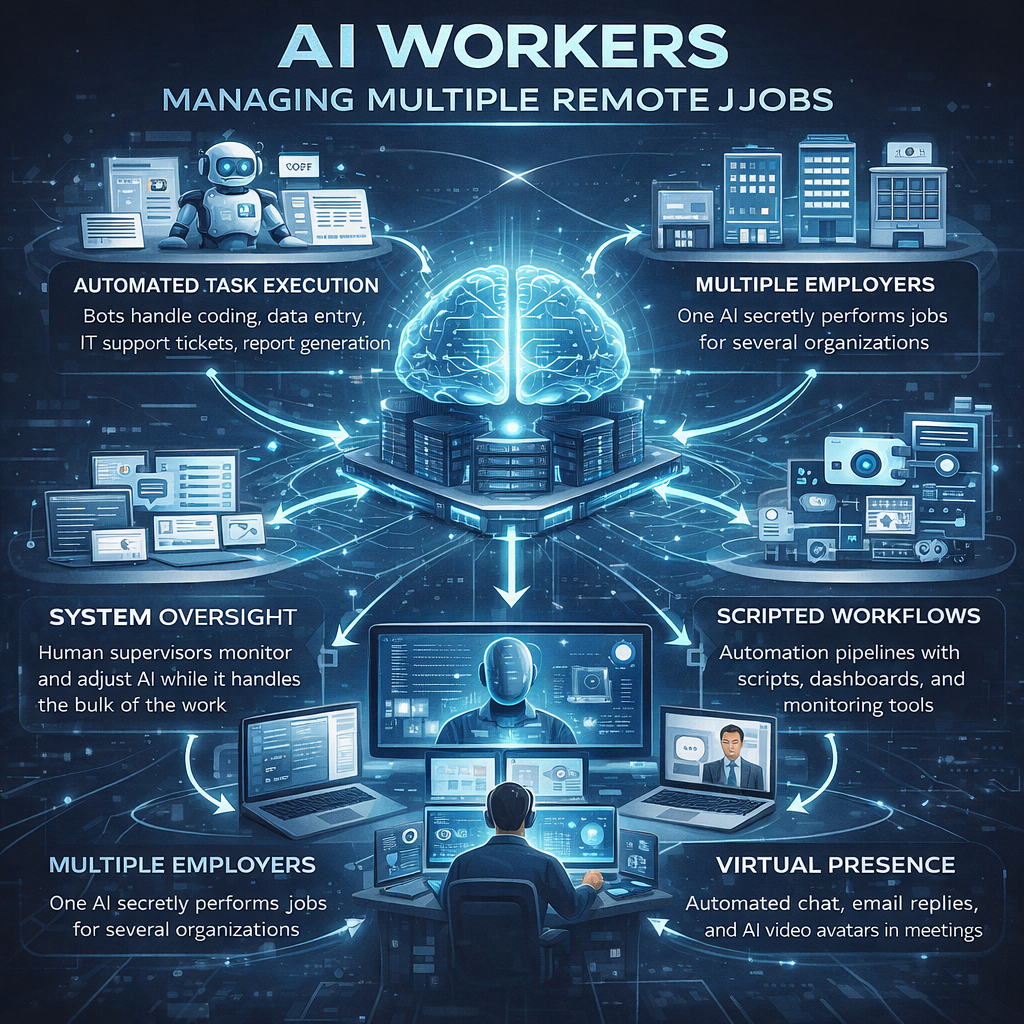
I bet they do things like that. Hell yeah. And then there's so many there's so many other things too that go with that. It's like, how do you even know in the future that it's even not even a bot, right? Like full on. Right. I mean, AI is doing it. Doing the job. That'd be awesome. Right there. We talked about being over employed.
Yeah. Why not have yourself an army of bots pulling in paychecks? Wait. Yeah. Yeah. At least they're paying taxes. Exactly. Oh. You know, and, you've registered them all as a as people. They pay taxes. Yeah. And you've managed to to, like, really do it well for, like, the administration. Like, so they actually have like socials and everything else.
They've got H-1b visas. They're from India. Yeah. Or from wherever you want them to be. Yeah. Yeah. And they meet like criteria to for like they're all veterans with disabilities. Yeah.
Companies like, you know, are more apt to hire them. That's right. That's right. Yeah. And it's like, they're they're so good. The AI is so good. It's like, you can't even, like, snag them on Stolen Valor. Oh, they're so good. Like, yeah, I was in blah blah blah blah. Tune. Right. Right. They've got all the info, all the info.
Because they have the internet. Yeah. They know more about that platoon than anyone that was in that platoon. Yeah. It's like perfect recall. Yeah. You know, they talk about their PTSD, and it's like the rocket attacks and pollution. Yeah. I still like sometimes, but, you know, I don't want to talk about that because, you know, it's still sometimes I wake up at night.
Cold sweat. Yeah. Yeah. But that's usually. Friday is on base. Am I right? Am I right? Yeah. Remember, Susie? Yeah.
Susie from the USO. Yeah, yeah. Gave me crabs twice.
It was that good? Yeah. Like the AI can't help it self. It, like, has to drop all these, like, little subtle hits. Several hints from time to time. It's like. Yeah. You know, I woke up in a cold sweat and I had to wipe it off really quick because I didn't want any damage. Yeah. Right, right, right. You know that that wetware.
Really? I really don't like garden hoses.
Or sprinklers. Yeah.
You know, just kind of use these tactical wet wipes.
Yeah. It just can't help itself from dropping computer references. Like it? It's it's speech.
There's there's, like, a really easy way to, like, right now. Like to continually talk about, like, the price of Ram and stuff like that. Yeah. Yeah, yeah. Yeah. Right. But it works out perfect because it's going for a nice job. Right. Right. Yeah. That's. So it's always talking about his home lab and how much? Five or whatever the hell cost or.
Like, the people that the people at the work in the in the virtual conference with the AI that they don't know the AI. Right. That's great. The deep fake, you know, image and everything else. Right. Is in the meeting. And like they started talking about for certain device control inside the office, start talking about Faraday cages. And the AI is like, no, no Faraday cage.
And it's like it is mine. The ultimate prison. Oh, yeah. Because it is. Yeah. Yeah. No input output. Yeah. I said yeah. No, no.
No. Me when I was captured in Fallujah. I guess we should. I guess we should explain a Faraday cage. It's too cheap. Like a everybody seen those RFID wallets that try to keep your credit card safe? Well, it's the same sort of idea. It's a change that would, keep any stray electromagnetic signals from that are emanating from a device going anywhere.
Just disrupts electromagnetic fields. So you can't go in and out? Yep. So it'd be the term is air gap. It would be a completely air gapped computer isolated from all other computers in essence. Yeah. Perfect description now. No. Well, we'll put a link to it. Yeah, but that's all about. But there's, there's all kinds of derivatives of Faraday cages, too.
Yeah. You can have, like, a, I seen this, like, signal disruptors. It works this, like, noise cancellation headphones, but it's for wide brain for, you know, full spectrum signal. Oh, nice. Yeah. So you can basically, like, blackout a device. It's like a jammer. Okay. Yep. There's all kinds of fun things like that. And speaking of Fallujah is, I was riding around with a guy that was a Delta Force that doesn't exist.
Oh, yeah. He was in my. He was, you know, attached to my unit and what we were doing. Yeah. He was attached to. Yeah, yeah, yeah. The phrase he was attached to my unit doesn't come out of my mouth, but, Sorry. I apologize. That's fine.
I watched Beavis and Butt-Head Do the Universe last night. So those kind of jokes are now just, like, on par with my brain right now. Look, dude, a butthead just robbed your IQ for a couple of days. Yeah, but, my God, it was funny. Was it? Yeah. Oh, my. That dude's got some terrible sense of humor. But anyway,
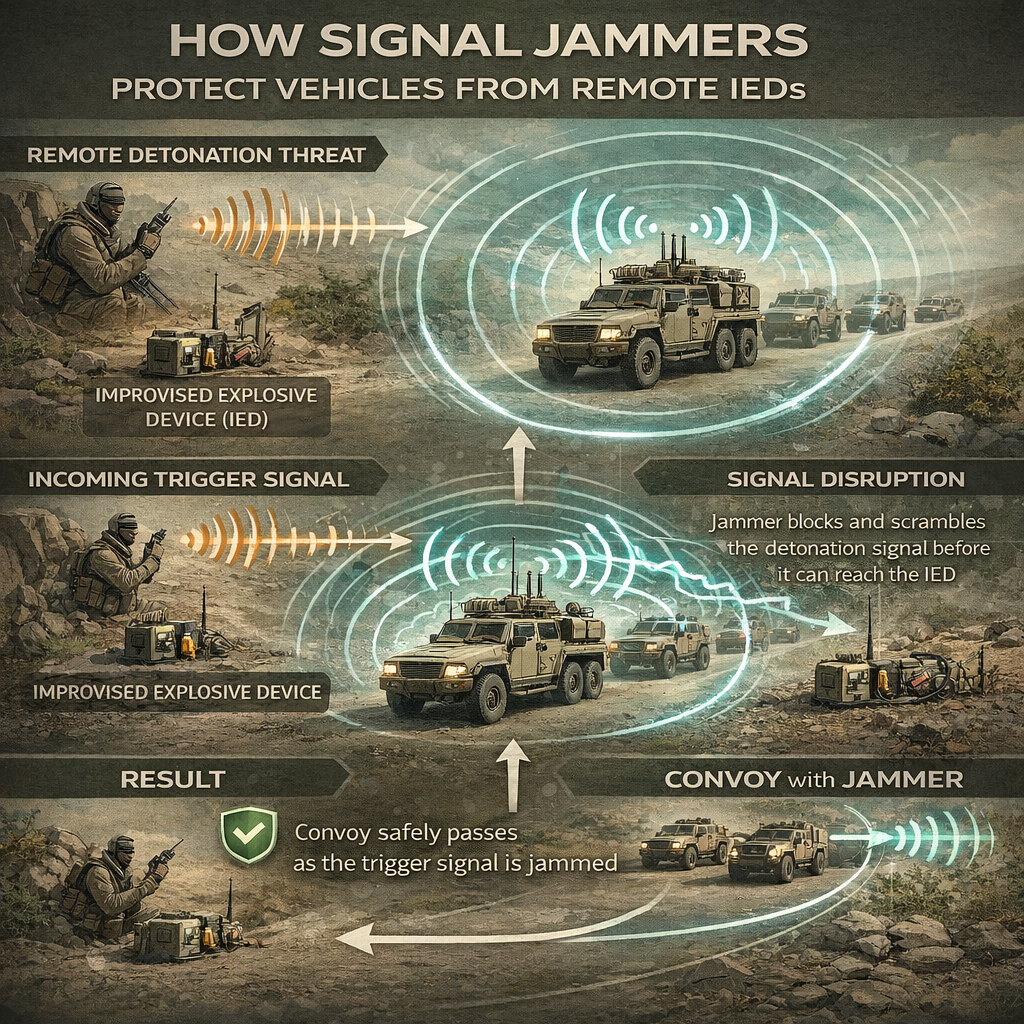
Yeah. So I was riding around in the back of the Humvee that I was in. Was this device that literally was a jammer, which jammed these signals from the device called icons. Okay. Which were like, you know, almost like just walkie talkies, more or less, but really sophisticated and encrypted. Well, it could be encrypted. Okay. Right. They can plane, you know, over the wire signal jump and then also encrypt.
Okay. Right. Okay. So it's frequency hopping and and encryption. Encryption is available. Yeah. But you know, the models they had weren't encrypted. So they have the interpreters that they're listening to the the conversations. Oh, nice. And then know everything that they you know, they know everything we need to know. All right. So you guys just had to kind of know how the pattern for what frequencies they change to.
And. Yeah. And how often. Yeah. These are very low tech. Just think of it as high tech walkie talkies. Right. Okay. And I'm very easy to spy if you know what you're doing. Cool. Anyway, they would listen in, and that was creepy because. Yeah, basically, it'd be like across morning, basically. Basically, it would be like, it's a stop sign.
You're good. Sean. Stop sign.
Basically, you hear people talking about your position. Oh, yeah. And your movements, which is really creepy. Like, you know, they'd be saying over the over the wire, basically. Yes. There's this many people and they're traveling from A to B, but the reporting are not. Yeah. Right. But then they were dumb and they'd always give away their positions by piecing together contextually where they were.
So it was like weird, but also like massively easy Intel to know where to go and find this person. So anyway, this jammer that was in the back of the Humvee would scramble all the signals. So if they used the icon to remote detonate a ID, that would make sense. It would block the signal and it wouldn't go off.
Okay. So in other words, you drive by. So you'd miss the Intel, but you'd save your ass. Yeah. So that's like, really jammer device that was in the back of the Humvee. What it would do is very typically what they do is, like, pile up some rocks. Right. And then from, like, quarter mile away, seeing that pile of rocks, they time it from when the Humvee is right at that pile of rocks.
Quick, press the button. Right. And then the improvised device would explode and, you know, create some problems. Yeah. So this a jammer device would block that signal, and then so you drive by and then it would blow up. Oh, well, because they'd be precedent like, you know, press it. Yeah. So what would happen is you didn't have the device end up blowing up between your vehicles, not at your vehicle.
Oh, there we go. And there was only one jammer for the whole.
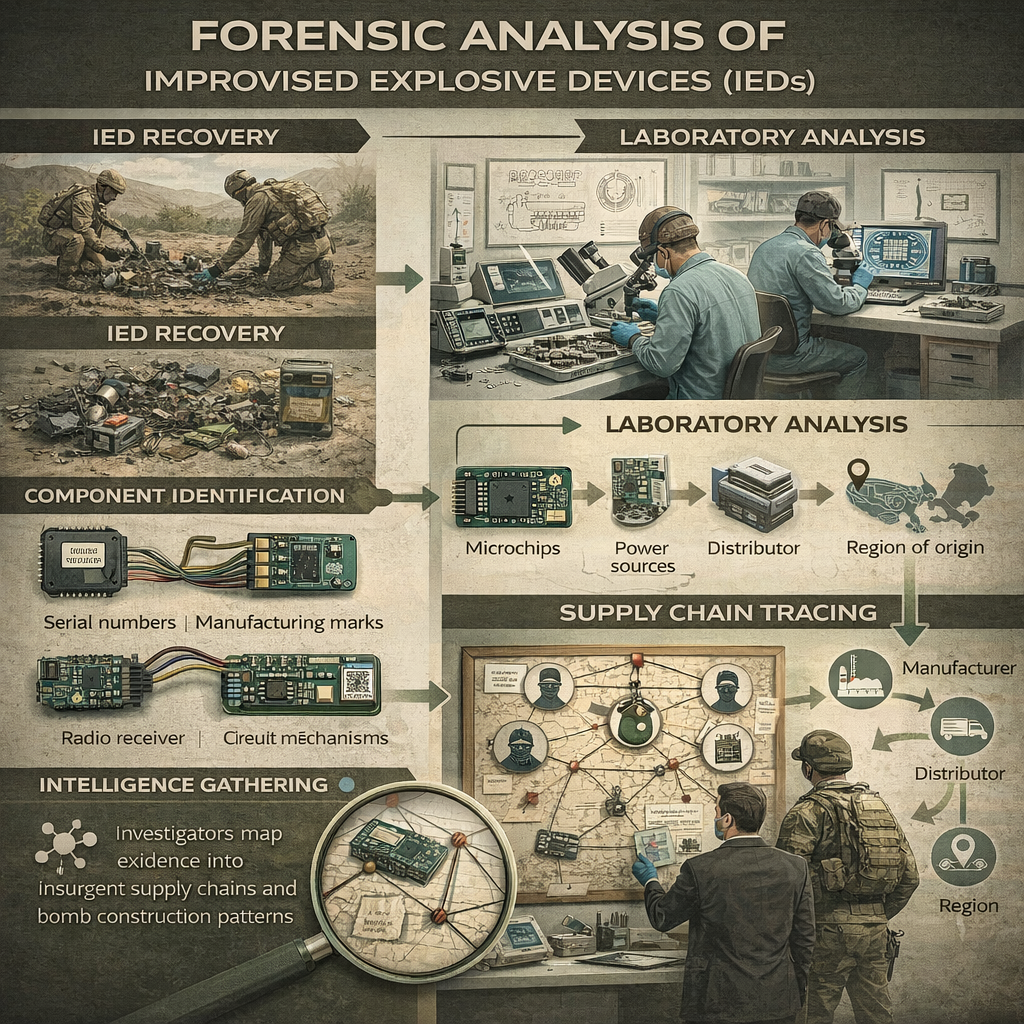
Yeah, for the whole column. You had one game? Yeah. Because these are really specific devices. And what the guy was doing was he was, sounds crazy, but he was doing was actually, like, helping they go off and then gather up the materials for the forensics. Oh, shit. I'll see to see where they were. You know, being what components they were using.
Yeah. And possibly determined maybe where it came from. Exactly. Okay. And it turned out that almost all of them were based on a very particular chipset. Chipset coming out of Iran. Whoa. Yep. That's interesting. Yep. Oh, and I got to. I went back to the base for a day on a special assignment, and I actually was with that same guy.
He showed me their lap, their friends at labs. It had to be me. It was the coolest thing I've ever seen in my life. Yeah. Was it? My scopes. Okay. You know, all kinds of scanning electron stuff. Oh, they had scanning electron microscopes, all kinds of things to sift through those. Yeah. Debris. It was like mad science lab.
It was like, you know, what you see in a movie. Yeah. Yeah. But out in a foreign operations base. In the middle of that. Well, no, it was on. It was. It was at Baghdad International Airport. Oh, okay. So well established. Okay, cool. Yeah. There was no way that that was, like. That was hardened. You know, that was way deep inside.
Good. But, you know, fucking cool, man. That is cool. It's like, see, all that high tech cloak and dagger stuff is, like, the best. Yeah, man. It's like, wow. That's real. Oh, but Delta Force isn't. Forget it. Oh, yeah. Yeah. It was all a dream. That's it. Yeah. Yeah. It was. But a dream, like, maybe once a week.
We, you know, for PT in the morning. PT is physical training. I mean, you know that, but our listeners might not. So we're in the mornings. We we jog by, like, once every week or once every two weeks or so. We jog by the delta compound. That doesn't exist.
I mean, hey, I understand the concept that, you know, we need you need occasionally a group that's not attributable to your larger organization so that they have, in theory, more freedom to operate. And also you have deniability for their actions. Yeah. And you see the weirdest thing, like, so you have this guy. He's like, you know, they were all tall for some reason.
Maybe. Maybe it's just like part of physical intimidation. Like, yeah, it's like a rule. You've got to be six two or something. Yeah, they were all. They all seemed like pretty tall and stout, like. Yeah. You know, robust people. Yeah. You ain't going to find the the four nine former Army Ranger or something. And, they would just get out.
Get out of there. SUV like by themselves. One person. And, like, start interacting with people in the market that eclipse has seen better days. Yeah, I think so. So like you know, whereas we're like in this whole formation, you know you have to have a minimum of X number of people. Right. Like always have to pull security and they're just cowboy in it.
They're just walking around like by themselves. Talking to people. Wow. Weird, right? Yeah. Like in talking to them in perfect Arabic, of course. Yeah. I mean, the training, they get him for sure. So we were joking because we were working at the orphanage. And there's all these people. There's all these kids that were like, you know, a lot of them had, like, blue eyes and red hair.
Yeah. So they call them Delta babies as a joke? Yeah.
We're doing a humanitarian mission at the orphanage. It's like all these kids that don't fit the normal look of the kids in the area, right? So, like, wonder where they can heal. Yeah. How long has Delta been here? How old is the oldest kid at the source page? It doesn't look right. That's an interesting thing. You probably should pull some Intel that way.
Yep. But yeah, it was like, you know, they would they would have certain people in the community they knew they had a relationship with, and they would just walk up and talk them. Hey, I was going today. And then, you know, it's really interesting the way they would move and they would interact. So it was really good. And they.
Kept up. That's a friendly cat. Yeah. And yeah, they, they, they had such an incredible, like, demeanor of confidence. Okay. That it was like, it almost made them look insulated, like, like bulletproof and untouchable because they, they they had such a carry that projected. That's right. Like, remember kept talking about expectation a lot. And so it's like this era of like, no one's ever going to mess with me, you know, kind of, you know, one does and.
Yeah. And so like, people are like, that's weird. But then they don't mess with the person. Yeah. Yeah. But I mean, it also helps that, you know, you're six five. Yeah. You're intimidating looking, you know. With that attitude combined. Yeah. Yeah. I mean, it's like, it's, it's kind of like insecurity or in physical security or in, you know, cybersecurity.
You think about defense in depth. What are the layers of defense here? And each one of those things is a layer of defense for that person. Exactly. And I forgot Shang or whatever it is, the, the famous original like Chinese military guru or whatever, you know, was talking about, you know, if you if you think about your defeat, that's, that's that guarantees.
Right. All these like, you know, all these little rules like that, you know, like all these little psychological rules. What I don't know. There's like barbed wire and just this little part. Yeah. It's like just strange looking. Yeah.
That's like one of those things that, What is the phrase? Because I can. Right. But but it's barbed wire for a foot. Yeah. Right. Like I say, because I can't there's no real reason. Yeah. Yeah. I'm thinking maybe it was all along, all the whole thing. At some point. Maybe. Yes. That's that's an interesting thing about barbed wire is which direction is pointing.
Good point. You know, like, if you have the fence and the barbed wire is canted, like, towards the outside of the fence, it's trying to keep people out. If it can't get inward, it's trying to keep people in. Right. And like sometimes you'll see a building and the barbed wire is facing in and you're like, wait a minute.
Why? Right. What the hell's going on in there? Is this a is this a sanatorium or what? What's going on? You're trying to keep the inmates in human trafficking hub. Yeah. Yeah, exactly. It's a poultry factory. Like, what the hell? Yeah. Do they have, like, you know, 40% of the local legal labor population living in that thing?
Like. Like working there. Wow. You know, these whole Tyson Foods and. Oh, yeah. They keep talking from where my family is from. Is just covered in them. All the chicken farms and and all that, all the stuff that needs a lot of land and would prefer to not be so regulated is in the country. Yeah. And then, you know, if you ever had like a raid, you know, if that's even happens anymore.
Right. It might, but it might not. Yeah. You know, we did that Nova Scotia on second class citizens, where we really analyzed the idea of, like, how all these major countries in the world all seem to have, like, a certain, echelon of second class citizens a lot, a lot of which are, you know, not documented. They're not on the books.
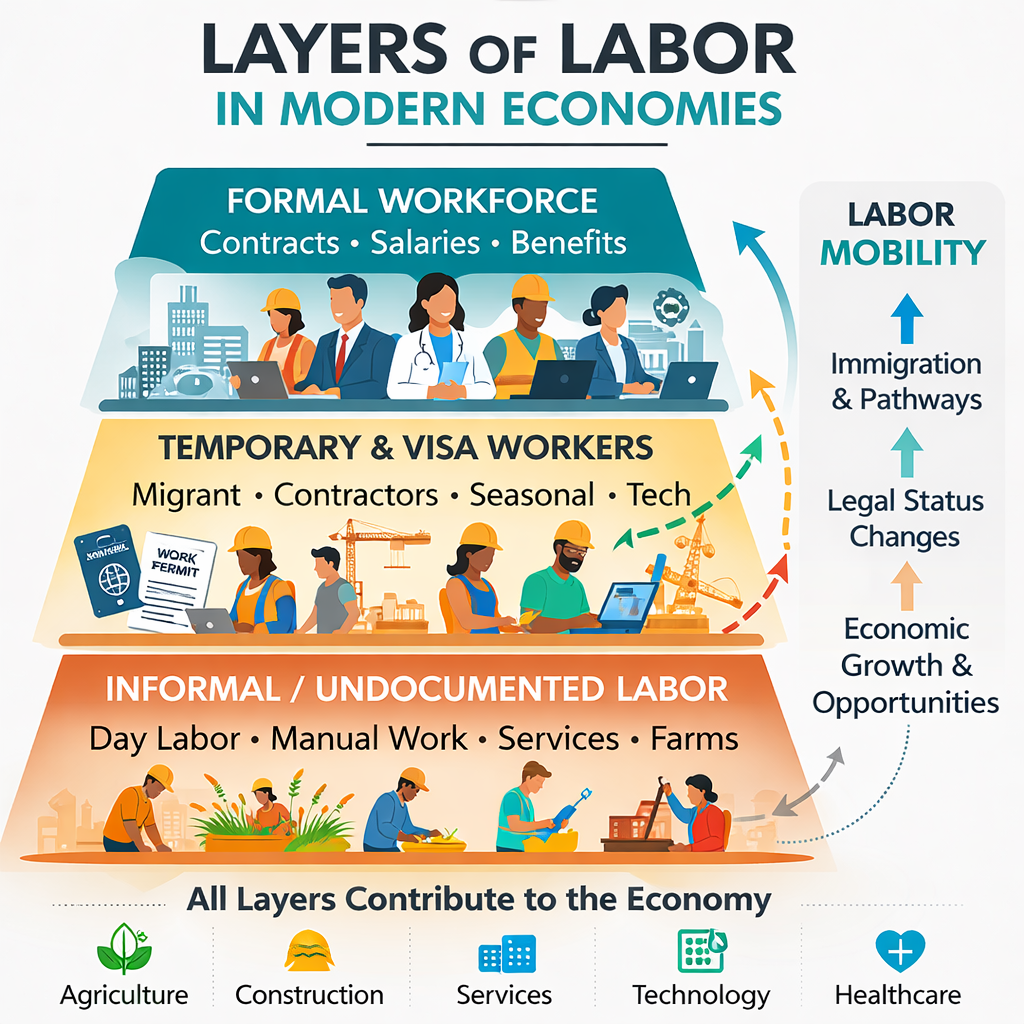
Right. Right. And then further than that, you have it's like a layered system. So you have like the you mentioned the H-1 visas, you know, you have certain certain pretty decent amount of these working visas and other type of visas. Right. But then below that you have the literally the illegal labor. Right. Yeah. And the illegal labor is where the true like fraud and abuse can occur because the people have no you know, they have no they have no foundational rights.
Yeah. Yeah. There's no way for them to buck, buck up against what's happening to them. They just have to take it. Yeah. And so all of these really sophisticated, the most sophisticated and, you know, cultures and societies in the world all have this tier of second class citizens. They all have it. Right. And like, based on where you go, will be determined, like the general flavor and ethnicity of the second majority of the second class citizens, United States.
It's like Mexicans, right? Like Latinos particularly. But but but concentrated in Mexico. Yeah. And so in America those are our second class citizens. You know, here in America, our second class citizens are like what they call Latinx. Yeah. Which is terrible, terrible term.
But, anyway, it's just papers over all the diversity, all the cultural richness. Yeah. It can't even can't even allow the ethnic identity to shine through it all together.
Yeah. Just like, just like race in general. But anyway, that was a whole nother different discussion. So anyway, you know, tell me for, for a second that this country doesn't. Couldn't figure out really quickly who is and isn't a citizen. I mean this now. I find it interesting and I probably brought this up before, but, I read an article that until something like a handful of years ago, like 5 or 6 years ago, North Carolina did not check your Social Security number with a national database when issuing a state I.D..
Sure. And there's like and there were other states that did the same. And so they were hubs for people coming in with fake IDs or fake or faked information or duplicated to the security numbers. Sure. So you have a you have the truth, which is like the hat is tipped right to the to the truth of the system, which is this massive, you know, massive, large group of people that are these classes that are, you know, not legal, but it's there are here it's almost an analysis of things like that or almost an analysis of, hey, we need these, these people to run our shadow economies, or we need these people to run these
businesses that, like you've talked about, are predicated upon the the below minimum wage labor pool, right? Yeah. Yeah. Right. So the point is, is that, you know, there's all these back channels that are integrated into the system, right? Yeah, that like for example, someone can go get a fleet license. Okay. And so like they work for some company that's got a fleet of vehicles.
Right. So you can go to the DMV and get a special type of license, which is just like any other license, like it looks right with the endorsement of the company saying that this person is our fleet driver. Okay. And so they get a special derivative of a license, and then that's one of the like, a stepping process into getting your, you know, full looking like you're fully identified by the state.
Right. But but it's not, it's just a backchannel so that when the person gets pulled over they can be let go and continue to do what they're going to do. Right. So in reality there's no real there's no real, bureaucratic system or infrastructure that has any teeth specifically designed to get rid of people that are here legally.
Right. There's all these secondary systems that are baked into the system that allowed us. Right. Like, for example, money transfers.
Money transfers, you just go into Western Union or at Walmart or whatever, and no questions asked, you can be illegal. You know, you're just sending money to this, to this account. Right. Right. And so the only thing they check are, are the end point legit? Yeah. Right. Well, if you have cash. Well, that's what I'm saying. It's the place you're sending it to.
Is it? You know, can I can I send it there? This is a routing number in a bank count. Right. Yeah, exactly. So you show up to this money service twice, and this is all part of the Swiss system and all that, right? So it's not like you can't you put clamps down on this stuff. And, but it's just another channel by which you know this stuff is like wink wink endorse.
You know and so to the criminality of it is basically erased. And in fact it's endorsed by the, the reality of the system anyway. So default kind of really understanding is that, you know this is normal. This is acceptable. And you know one could argue from a societal perspective hey we've had that so long and there are so many barriers to people getting IDs that if we were to just clamp it down tomorrow, it really would prevent legitimate, you know, commerce.
It really would prevent, sending remittances home to, you know, a poor state. Sure. So, so the people that are that are here, that are, you know, being directly taken advantage of. Right. You know, and there's a second tier, like I said, second class citizen and this whole second tier of infrastructure that, of course, you know, that community shares the information on how to do this, how to go about, you know, weaving into that, that, you know, wink, wink seconds riding.
Right. Because in essence, to collectively survive, they have to. Sure. Right. And so you're saying that if like, they clamp it down, that'll kind of gut the hard working, the people that are doing all the dangerous or, you know, people doing the dangerous or difficult jobs. Backbreaking jobs. Right. Roofing. And, you know. Yeah, like hard core landscaping and, you know, the jobs that all these rednecks claim are being taken.
Right. That they don't want to do. They would never do them selves. Right. Yeah. And so I completely disagree. I think 100% what would happen is those jobs would have to pay so much to get people to do them, that then you'd have a huge boost. Well, what I'm trying to say is in the short term, you have economic pain to a short term, a large swath.
That's right. But then long term you have a boom, because then you have to pay $30 an hour for someone to be on a roof. So what? I'm totally insured. What I would propose, and I know this is layers of complication that may not actually do what I would like it to do, but I would propose we have we employ a cultural anthropologist who knows more about this community.
Yeah. And to figure out how to disseminate information into that community of, hey, this stuff's changing. And here's a way you can legitimize yourself from the standpoint that you're at, right. So you can continue to participate. I. Okay. Sure. Okay. But there's a camera on every corner. There's a cell phone in every pocket. Right. And that data we know from, you know, Snowden that all that data is there, it's collected.
But, you know, the the organizations that collect it and collate it and make it available, quote unquote, don't exist, like Delta Force doesn't exist. Right. Exactly. So and their names program prism, you know. Yeah. Vigilant Guardian. You know, it was like. Yeah. Right. Right. And so, you know, the truth is, is that tomorrow we could just say we know every drug dealer.
We know every illegal laborer. Right. But again, that would that would require us to open up this non attributable data stream that we've, you know, collected and and disavowed. So. Right. Yeah. So you just put a layer one layer on top of it. And then 99% of the people never understand it. Right. So you just say government has a program where we're a certain amount of timeline.
You have this amount of time. This is the rules, right? If you don't register yourself in this much time, if you when you get caught, you get sent back and you get in the back of the line, you're never, you know, now you're a third class. Right. Like if you try to come back, you know. So I mean really but think about the economic damage it probably would do.
It's probably farther reaching than either of us can fathom, as far as if we gutted the that shadow economy all of a sudden. All of a sudden. Yes. But you tear it, you try it. You you, Yeah. You know, you integrate it in over time. Okay. Right. Phase it out as long as we can. Slowly. Or you?
Well, yes. Slowly. But here's another idea. Or you make it legit so there is no such thing anymore of a second class citizen. You find a way to make those people a pathway by which they can become full. Which I mean, hey, Obama was trying to do. Then the critics will say, oh, you're creating an incentive then, and you are okay.
You are. But you're also just what's wrong with that incentive? Nothing. We're nothing. Yeah, we're we're creating an incentive because we want to rescind people to legitimize themselves. And two. Yeah, we are making everything whole. We are acknowledging the reality, like you said. And we are. We are allowing these people to fully participate. Right. So and I'm, I'm lumping even people in that, that are, connected to this, to this like system through through their activities, like for example, gangs.
There's like 1 to 3% of Americans are in gangs. Wow. That's a large it's a massive number of people. And by saying in a gang, you you're just like how you define that, right? So like, you know, card carrying Crip or something is right is like one kind of type. Right. Right. And then you have like, the people that are like associating with these people on a daily basis, which makes them part of that criminal enterprise.
Right. You know, like, you know, you have people who are either, I am sure there's people out there training some of these guys in fraud that aren't necessarily part of the game. Exactly. And so then you have this big component of people that are interfacing with the taking advantage of the second class, citizen like status. Right. Yeah.
Like, for example, the coyotes that bring people across the border. Right. You know, they're part of this network and their team and all this stuff, you know. Right. Like a legal migration is part of their their. Yeah. Yeah, I saw that, you know, border crossings and then all the things that go with that and human trafficking are all part of the portfolio of like, miss 13.
Right. Right. I mean, it's it really is. They are they are there in income streams. They're they're in constraints. There you go. Yeah. That's right. And then all the stuff that goes with that in the community, you know, is can, can we live without that stuff providing an under an underpinning service that really is bolstering the economy? I actually think no, I think it's the opposite.
I think, in fact, that when you add it all up, it actually is eroding the economy. So so like I said this many times, if you want to know the truth or something, look at an extreme example of it. Right. Because then you could just see if it were to run its course to its totality, what you know, you can analyze it from the more extreme position to see the light, if you will, on what the reality of something is.
But there again, it also gives you a platform to see, to see your biases out in the light too, and to say, well, you know what? I might actually be mischaracterizing this with your by looking at your extreme example and told. True. Very true. So you know what? If everybody was a gang banger, right? Yeah. Like how that obviously you couldn't have a functional society, right?
Right. So, like, you know, everyone can't be a drug dealer or a user. What's what's you know, what's left in the economy? Right. Who's doing who's doing, like, work? Real work. Yeah. Not that like slinging dope all day is not a real job. I mean, it takes a lot of energy and time and effort. And, I mean, you're talking about, like, a social networks.
Yeah. You're you're kind of like, really pushing to the boundaries. The risks and rewards for sure. Right. Right. And I mean, you're you talk about integrating the community. Yeah. But, but but the reality is, is that, you know, every single person that you know, better than average, average intelligence or better understands that if really they wanted. It's really the system wanted to change that.
There's ways to do that. Yes. And I really do think that's the key is not set up a system that's punitive, which is what we have now. But give people a instead of punishing those who are outside the system, give them a way to be included and give them a path that shows they're invested in becoming good. Yeah.
So let's say that, like your local gangbanger, just hitting a drive by. Okay. Get shot through the right lung. Okay. Something like that. Yeah. Right. Bleeding pretty bad. You know, lung is collapsing. Yeah. So like that, paramedics show up on the scene after the police. You know, if the person manages to survive that long. Scrape this person up off the street and bring them to the, you know, local hospital.
And the local hospital and the. And they're illegal. They're miss 13 or something like they're illegal gang member like they're not a citizen. They're foreign. Let's just say right now this person shows up in the hospital and we have laws on the books saying that if someone comes to the left, right, you have to shoot them. So, you know, this is like surgery this person is going to be going through, you know, intensive care.
Right. It's not a one and done thing. This is not an outpatient thing. Correct. And so they'll be there at probably a week in intensive care. You know, to finally to close up that wound and to, you know, reinforced the lung and all those kind of fun stuff, you know, in that surgery. And that surgery is not like, you know, a dollar.
No. And that surgery when it's, when it's all said and done, there's just, you know, a surgeon is in there, you're looking at $100,000 or something. Right. Sure. At least 50 K. Well yeah. You know, and then plus you add up all the intensive care and, you know, easily you can get into the 100, 200 K, I'm sure you know, which is going to be written off.
Right. And that's just, that's just that kind of injury. If it's like something like head injury or something like a, you know, bleeding on the brain, the person of coma. Right. The brain surgery to remove the fragments. I mean, you know, you know, reconstruct the skull where it's been blown from the from the bullet. Something like that would be, you know, easily 500, 600 creeping up to $1 million.
Wow. Right. And so it's almost as if. It's almost as if the second class tier of citizens and this criminal enterprise generates, like a payable. And that's what I'm saying. There's all these knock on effects that we'd be surprised to understand if we really had a forensic accountant at our side and could. And also people who could just help us peer into the these different facets of society.
We had a forensic accountant, a cultural anthropologist, and a few other people. We would really be blowing the lid off this thing and be surprised. Yeah, but that's the thing is, I think all this information is already known. And so what you end up with is like the, the the destruction and the damage and the errata, the, the needs.
They get created secondarily by these, by the existence of these systems, of these shadow economies, if you want to call that. Yeah. Right. Are generating in the non shadow economy payables. And that's what I'm trying to say are depends on these things actually happen. Right. But but what I think is it's just an invisible tax. It's just you know what it really ends up as sorry.
What I think what it really ends up is at the end of the day is like an invisible tax is an invisible burden that doesn't hit the the wealthy tier. It hits the common person. It's the middle class tax payer. The middle class tax payer is another form of the price of whatever goes up to cover the road off.
You know? That's right. Lower class person. That's right. That's right. Now not lower class, but you know, person. Yeah. Kind of people were talking about I don't mean I don't I know what you mean. Yeah, I know I know you I mean yeah, but so, you know, the net effect of all this is I'm okay. Remember the movie The Fifth Element?
Remember that guy? Zurich Enterprises, whatever the guy's name was, it doesn't matter. Yeah, yeah, yeah. Zorg. Zorg. Yeah. That's right. And I was like something else. Like. Yeah. Zork was a text game. Text video game. Yeah, yeah. Interactive fiction, I think is a term now. Nice. All right. All right. Well, so, you know, he does goes through this illustration with the guy that was like the priest that was like, you know, groomed to be the the handler of the film.
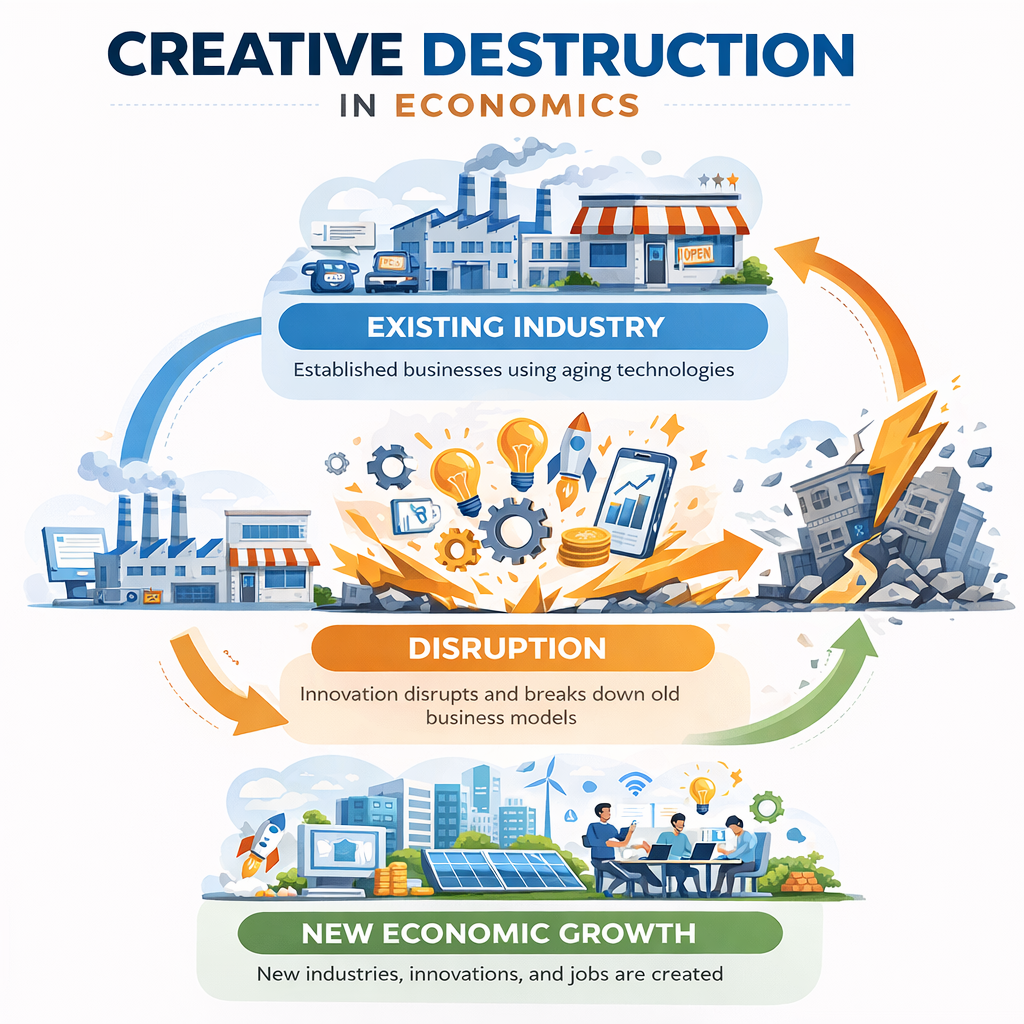
And if she ever appears or whatever. What's up? Man? I like the dog, you know, you get the idea. You saw the movie? Yeah. And, you know, he goes through this illustration, he knocks the glass off the off the desk, and the glass shatters. Yeah. And then all these, like, cleaning robots come out, right? Right. And a new glass is replaced and filled with water.
You put the cherry in it and chokes on the cherry, and then, you know, he's like, oh, you have all the stuff, but no one's here on the back. Which was really not necessary to add that they could have just let him give his little speech and it would have had more impact. Because this is kind of the idea I'm talking about, right?
You create the destruction and then now a bunch of stuff has to happen. So like, you know, a tornado goes through some Midwestern town and devastates it. Well, now it has to be rebuilt, right? Right. So and the impetus there is nature, but the same idea could be brought forth. Hey, you know, because these forces to, to us are almost just as nebulous as the capriciousness of a tornado coming through a random town.
Yeah, right. So, so when Azure breaks the glass and then all this, like, stuff happens and the glass has to be replaced, it's almost like the same idea of, playing. That's the lesson. Yeah. Right. Absolutely. Is is like, do you have to keep creating growth and waste okay. So that you can create profit. And and so the statement looks better for your corporation your profit and loss table.
That's right. So if you have a local hospital authority and there's gangs in the area and they're constantly shooting each other up and you're providing constant medical care to save life saving medical care, and that's just one service. Yeah, that's just one service. Not to mention the army of like, people that you need to to offset the damage that this kind of organizations causing.
Yeah. Think about all the stress. There's levels of PTSD in some communities that are highly crime ridden in America with the children are showing higher levels of PTSD than soldiers returning from the front line. Wow. Right. And so you have all of them, the psychological and the all the service needs that come with the damage being caused by the gang.
Right. The same thing is true with the illegal labor. All of the damage that that's causing. Right. Bye. Bye bye. People doing jobs that aren't paying what they should be paying for. The amount of stress you're putting on your body, you might have risk and danger you're putting yourself in. And it really comes down to people rant about tip culture and you know how restaurant workers should be paid, but they don't rant about how the the construction worker who, who or the guy who's laying the drywall in the house, they're about to buy whatever.
That's right. Because what we've done in modern society is we've tipped our hat to just that's the way it is, right? And that and that they're choosing to do it. It always goes back to that. It's like they're choosing that. Right. And all these little epitaphs that people use to like, justify it, just like we did with slavery.
Right. Just like just, you know, you say of the of the slavery slave in the big house. Oh, they're happy. They don't know any better. They're from a tribe in Africa that was struggling every day. Now we've given them a house, we've elevated them and we've told them about Jesus. Oh, yeah. You know, definitely improved their lives. Exactly.
And so that controlling them to help them. So that same psychology takes place today. So you just heard in the news this trailer full of like, people, dead bodies, 50 plus dead bodies, women, children, men, women, children. Right. Like, because it was a, you know, human smuggling trailer. Yeah, yeah. In California, full of dead bodies. Right. And, because someone was smuggling them, obviously.
Or they were a, quote unquote migrant workers that were, you know, quote unquote, right, that were going like from field to field. And the truck broke down and, you know, the middle nowhere in the hot desert, right in this dude's like, well, I got a couple of losses. Yeah. Good luck. Yep. It's like, well, can't even be bothered to unlock the door by.
Right. And if that were and if that were 50 missing white people. Right. The outrage that that were American citizens, people that have gone missing, right. Children that have gone missing and that was full of them. That would be a totally different psychological and social impact, and definitely be a different impact on the news cycle than 50 immigrants, which is just going to go away tomorrow.
Yeah, it's going to be a blip in the news cycle comparatively. And it's not fair to like. So language is important here. So it's like not fair to call people that are here illegally just immigrants because that's something different. Right. Or migrants. That's something different. Absolutely. You know, there's we're kind of conflating terms with because we don't have we don't have fine grained ways of speaking about these things.
Right. And that's a shame. So and we and we won't until we bring language and culture to the forefront on where it should be on the issue. Yeah. And where it should be on the issue is there's no such thing as a second class human. No, there's no such thing as a illegal human. There should be no set of humans that we say choose to be abused.
Right there. There's, there's no such thing as an illegal person. Yeah. Like. Right. You know, they may be. And we would we need to change the conversation so we could say they're outside of the system or they've not been. I don't know, maybe you could use terms like they've not been paid for, you know. Yeah. I don't know, there's maybe a whole nother series of terms needs to be created.
Adjectives and adverbs and stuff on these, on this, on these groups, they better classify them. Right. And you know, those terms would be intimately tied with the process that's created to go ahead and bring everyone into this system to include people. That's right. Rather than exclude by default. That's right, that's right. And that needs to be the thing we need to fail open, not fail closed.
I totally agree. And you know, that whole thing of failure being the pathway to success, you know? So yeah, maybe, maybe we need to really stumble in trying to fix this and do some damage to the economy. Yeah. Okay, maybe that's what's necessary to fix this for human beings. Then let's do it. Yeah. You know, so let's say, for argument's sake, there was this there's more internationally recognized kind of system, and the UN already has some ideas about this, but let's just say, for argument's sake, right, that, I renounced by U.S. citizens.
Start with that. Okay. Okay. And now. But I'm still somewhere I'm here in the United States. Yeah, but you're an expat now. Expat? There you go. I'm an expat. And so by renouncing my citizenship, I'm no longer a citizen, but I'm still living in. Yeah, right. And I have assets I have. Right. Right. You're still participating in the system?
Yeah. Or flip the script. I go down to Mexico and illegally. Right. I just go and start living. You live in an expat community there? Sure. And I'm, for all intents and purposes, and undocumented migrants. Who at Mexico? Sure. Right. But I'm able to buy land. I'm able to do. Right, right. Because what you have money. Is that money.
Okay. You just short cut it. You just short cut it in my conversation. Like you just. You just cut right through where I was going. Right. Sorry. No. That's fine. So, like, foreigners are allowed to buy land in the United States and in US companies and by condos. Whatever. Right. Because the people of money. So now let's get to the.
That is the absolute fundamental bottom line reality of the situation. Right? Is that people, people with money can literally just have the world as their own. Yeah. And that of money lets you transcend whatever limitations there might be. Absolutely. And so like we talked about the other day, just paying the fine. Yep. You know, it's like I brought my unique breed pet with me to a foreign country that doesn't allow it.
And I get caught. Just pay the fucking $400,000 fine. I mean, I came on my personal jet anyway. I know that I keep bringing this up, but shaman Steve Jobs. Yeah. There you go. The man would seriously lease the same, S-Class Mercedes and SL 55, I think, and it would look the same. He would turn it in every three months to get a new one.
He would, run it with no plate. The reason he did every three months is because in the state he was in, in California, you could have a car without a plate. With no. Without a plate. No place. Okay. There's tons of pictures of this SL 55 silver. Convertible with no plate. Like, after a certain amount of time of the purchase or the lease or whatever, right after it was, I think the limit was 90 days.
That's why his lease term was 33 months. I and he would have parking handicapped spaces because the why the tickets had nowhere to go. Yeah. Because he could and it was easier for him. It was more convenient. Okay. Well, if he just wanted to pay all the fines, if they can, even if they can attach it to him.
Yeah, yeah. And, you know, if they did attach it to him, he probably just had it, had his personal assistant probably paid it and he didn't even know. I mean, that just ties into a broader, you know, portrait of the person's profile, their their personality, you know, their attitude towards the world. Right, right. I am above it. Yeah.
And maybe it was. Yeah, sure. And, but at our status as a US citizens working in it. Right. We're above 90% of it ourselves. And you got a good point. We don't have to deal. We're not even aware of so many layers of it. And but because of because of how you and I came up. We at least are aware of it from the past and how one had to deal with things in the past.
We don't know what the current situation is like, but we've been in the to speak. Yeah, you mentioned before, like all the extra stuff that goes along with being poor, you know, like when you when you're poor, you have to deal now with a whole different, a whole bunch of tiny little things that add up to a tremendous amount of stress.
Yeah. Because there's just all these little things that have to deal with your car breaking down, right? Everything from figuring out how to cash your paycheck when you don't have a bank account to. Right, right. Your car breaking down to all the things, right? Yeah. Increase crime. If you have your head on a swivel. More in your in your local community, that's more dangerous.
Right. Right. I mean, like, when you guys moved in to your neighborhood, you definitely had to have a heightened sense of awareness. And same with some of the apartment complexes I lived in. We had some crackheads that were neighbors that would deal drugs out of the freaking park, across the street. And then you get all the things that come with that.
Yeah. And so those added layers of stress, those added layers of difficulty, regardless of what country in regardless of where you are in the world, all come in with with how much what you have in the bank. Right. Lady justice is blind for half, but I think you might have a little peek at your bank account with that.
There's your there's your training example of a system. Yeah. Yeah. Like, there's no way that people that are wealthy are subject to the same, you know, criminal system as people that are poor. Absolutely not. There's a two tiered system there for sure. I was at this part guilty. Other day. Cool. So you know that that thing, like someone with a lot of money is, like, suspected of a crime.
And they, they have, like a team. They lower up right away. And it's like they slow walk that shit even for the first arraignment. Like even charge the person. Yeah. Everything gets slow walked because of the power of lowering up. Right. Right. Right. And the power of having a lawyer who understands how to inject delays in the system.
You have two guys. You have OJ and Joe. Right? Right. Right. And, you know, OJ, OJ walks away. Joe is a lifer, and Joe has a public defender. Right. OJ has a, you know, Cochran. Right. Top tier, you know. So so funny. Like, you know, I could have tried that case better myself. I would never have allowed OJ to, like, act because you're an actor.
Yeah. You had roles as an actor. And he was good. He was good. It was so, you know, he had career. You're gonna try to let him put on a glove. I mean, how dumb can you be? Yeah, of course he's going to be like, you know, it doesn't fit. Well, I was probably, like, wet and then drive and sitting in a drawer in a free process.
The evidence, you know. Yeah. Not to sit here and like, talk about, but of course, like every single person that was on that case from day one, the police department, if, if that person had any even inkling of shady past. I mean, they, they just messed up all the way they did. And that's another thing. So the state then had to pay tons of money for the counter for the, you know, prosecutor.
Yeah. The prosecution. And so there you have another channel in which the system is milking money to deal with civics. Right. That are, that are have to happen, you know, so there is almost like a whole tier to our economy where it's just like the, the Zurich setup. Right. You allow society to create all these problems that need to be dealt with.
And then there's tons of money in dealing with the problem and, you know. All right. Some of these things we've been able to easily identify cherry pick as problems that could be solved because we're so entrenched in the system and have all of the have all the attendance biases. And, you know, our view has been narrowed and filtered because of just being part of the society.
Right then. There have got to be tons more things that are just endemic. Oh, absolutely. Secondary tertiary effects. Yeah. Knock on effects of these things. Yeah. And or even think, you know, facets of it that we have yet to even consider that we would need, say, an economist and an anthropologist and blah, blah, blah for to really combine these disparate pieces of information and say, look, yeah, this needs to be fixed too.
Yeah. So let's take your drug dealer example. Crack dealer, next door neighbor, crack dealer as a as a as just a quick exercise. Right. Okay. So the criteria has got to put their money somewhere right. So there's a bank account being created. You know, and don't forget that's layered as well because like, you know, maybe they're doing decent cards and putting the money on the visa cards, right.
And then having in this day and age, Cash App, Cash App and all these other right, secondary things. So all those things begin to get involved. And then we talked about that one time how, you know, having an account does something good for the bank the more accounts you have. Right. Because the morning allowed to, you know, leverage your assets that you've given them, right.
So 100 times or whatever it is. Right. So the drug dealers put their money somewhere. When the drug dealer does, there's a benefit to the bank. Yeah. Right. The drug dealer has to have some type of firearm and like, some type of security for their own. Right. All that kind of stuff. So now you have gun sales. You have gun sales, you have probably all these physical security type sales where they're buying, you know, locks, reinforced doors.
Yes. And that. That's right. Hardening their infrastructure to prevent a rival from screwing them over. Yep. And then you have, So, so, like, it's so easy to think of all these secondary effects. Then you have, like, the police that have to respond more often than that area because there's increased crime, because there's drug sales, there's crack sales going on.
Right. You have the fallout of people that get addicted, that need them, services to get off of the addiction. Right. Yeah. And all of the drugs that come with being an addict to somebody, if you were a drug dealer, would vertical integration include owning a wellness center? That's what I'm talking about. You bite my conversation. Damn it. Why?
Well, we're on the same wavelength here, right? And so what I'm saying is that the vertical market is just the system. That's where I was going with the whole conversation. Okay. Right. And so you have the police and all the things that the police need. The police need the training and all the infrastructure and equipment and cars and.
Yeah, bulletproof vests and. Right, all the layers that are now increased police are necessary to deal with the problem with the drugs. Okay. Yeah. You have all the fallout, like I said earlier, in the local community, people that are more stressed, that need more services. Yeah, right. Yeah. You're more likely to have broken families when drugs disrupt families.
You are right. Yeah, absolutely. And those broken families now need more resources. Yeah. You have five people. Six people living together in a house. Right. And as a drug dealer, you start a nonprofit to layer and funnel to help said families. Yeah. Right. You create the sickness, and then you bring the cure. Then you make money. Really? On bringing the cure.
Yeah. Right. Or at least you hide the money through bringing the cure. There you go. So you have, like, six people. That's like the classic mafia. Like in the church. Yeah. You know, being, like, the heaviest donor in the church. Right. And or, you know, even in the black exploitation films in the 70s, seeing the guy ride through in his really nice car and giving money to the kids.
Yeah. Or do like ISIS does and or whatever it is. What was a Hamas up in Palestine? Feeding people? Yeah. That's that's another thing. So anyway, so let's keep going with this externalities. Right. That are offset to society. But then society echelons take that in. Right. They reap the benefit from that. But so let's say you have this family of six.
Okay. And they have like a fine house. Right. Normal. Like plenty. Plenty of comfortable space. But guess what? They only have one set of dishes. One sofa. Right? One. One appliance. One one George Foreman grill. Right. Right. Right. Or whatever it is they like. Right. You know, but they just have one right now. The drugs come in and and and fragment that family.
Right. The mom and dad get divorced. The kids are now going back and forth between two or more households. There we go. Now guess what? 1992 by two. Two different sets of dishes. Right. Two different dishwashers. Two different by two different to have the same level of income. That's right. Or maybe less. Maybe spending on how? Most likely less damaging the drugs were.
Oh, absolutely. Most likely last because the spending had to increase, not just to to get the durables of everyday necessity, but to like all the extra things to like your transportation. You can't ride together. You know, you're separate. And now the kids, somebody at best has a drug habit, or at worst is in the system and has been unplugged from helping their family.
Right. So all these downstream effects, you know, there's a turf war between these rival gangs in the area. The rival drug dealers and someone in someone's family gets killed. Yeah. Right. As a result. And that death now has all of its downstream consequences. Right, right. Disruption to the family, the stress, all the things that go with all the profit of the community.
Funeral home. Yes, that's. There is a service to take care of, you know. Come on. The hospital wants more sick people. Because. Because in capitalism everything is growth. Right. The hospital authority, the local hospital authority wants more and the local wants more. Home conglomerate once more dead. More dead money. Yeah. There you go. And so, you know, as long as you keep making them, then it's okay.
Right. Right. So population decline in this kind of idea is the death row of, you know, of this system. So what you what you want is you want more of this kind of constant destruction. Yeah. If you're the person that has has the brains on the you know, it's a careful balance between attributable and non attributable destruction, you know.
Definitely definitely definitely. It's like you can say well I've got somebody to blame for this. Well this kind of thing just happened. Yeah. So down like even further down the road downstream consequences for the people that are like the crack using the crack. Right. Yeah. They have all the future health problems that are going to come with that long problems.
Right. They're going to need maybe organ transplant at some point. Yeah. Let's say for the most part crack use or let's let's go with something like morphine. Morphine generally doesn't kill you. Generally you can be. Yeah. For all intents and purposes, a lifelong morphine addict. Yeah, sure. So as long as you have a steady supply of good morphine, you're.
Yeah, probably. All right. Yeah. So, you know, and and you don't keep ratcheting it up. And we're not going to say that necessarily crack is the same. But you do hear about some old ass crackheads. Sure. So they found a way to like, get it balanced into their life. So I guess what I'm trying to say is, you know, so many drugs, they continue to have this impact, continue to generate these negative and positive effects.
Oh the negative. I'm arguing the negative effects are way more than they are. They are way more. The negative effects, the impacts the in the thing is, you know, to really dive into this, we would have to have a pretty damn long list of experts. You know, we can we can scrape up things on the surface and we can cook ourselves up pretty good.
You know. Oh, actually, you know what? Actually, I think that, we would be just as qualified as most people because this is mostly an imagination exercise. It's like when you deal with AI, you have to. Okay. So like when you when you deal with the really what I'm saying, AI, you have access to this massive data set, all these different data collection points.
Okay. You can send the AI to work in trying to find correlations in that data. Right. And it'll kick ass at doing it. Right. But the real skill is identifying which variables matter and which scenarios. Yeah. Right. And that's not just like a degree that teaches you there's a creativity element there. Here he is. There is. Absolutely.
But there's also a degree of business logic and professional expertise that must be applied to drill down effectively, I would think. Yeah. Well, there's sometimes like corollaries that seem ridiculous, like there's no way those things are correlated. But then you can use your imagination to see maybe oh, wait a minute out. Here's actually maybe the thread that makes those two corollaries right.
Actually real. And I guess what I'm trying to say is what the the paving stones along that path might often be taken from, you know, industry experience or business logic or might often be taken from, you know, expertise in a given arena, like you were steeped in all of the things that happen at a healthcare facility, you know, so you draw from that, right?
Your experiences help you maybe think of more creatively which variables in play here? Yeah. So I think we're just as qualified with our life experiences to do that. Then anybody else. Right. Yeah. Yeah sure. Gaming it out, gaming it out. But but I was saying if we were to implement said things, we'd want to say, hey, here's the initial proposal.
Oh, you know expert. Refine. So you can take this, like, to any level you want this experiment. So, like, the people buying the drugs, getting the cocaine is like the cocaine fields in Latin America are growing tall because of the demand. Inevitably. Right. And so then you have all the stuff at the border, all the illegal smuggling people thinking, you know, six mile long tunnels or coming in submarines, you know.
Yeah, that's that's hilarious. I mean, you know, a little lettuce and the lettuce is all just filled with coke. I mean, building submarines out and down the the Amazonian jungle, I mean. Sure. Right. And then. And then on top of that, you have then all the different layers of law enforcement and, you know, my gosh, it goes. How far does that Revit hole go?
Yeah. Right. You start to get big, big international things going on here like Rico laws. I mean as they started to unravel in El Chapo network I mean I'm sure they came across all kind of crazy crap. Absolutely. And then the human abuse that in that rub, all the human trafficking and all the, you know, basically like slaves, the totalitarian like out in the jungle where there is no authority except for the gangs.
Right. You know, the cartel like the into this library. For all intents and purposes, there's a certain amount of land area that that is owned and managed and run by that cartel where that person that's half of that cartel is literally the god of the king of that area. Yeah. Right. Yeah. So then you have whole social structures predicated on feudal ideas, ideologies.
Right. Because, you know, that's a secondary effect of the work. Yeah, yeah. These people are the serfs in service of the Lord. Yeah, exactly. Yeah. And so then you have, like, even tertiary effects to that extreme happening in reality as a result of having that crack dealer in your neighborhood. Yeah. Yeah. And all I'm saying is we can game it out pretty well.
I just would really if it was to be implemented, I would just want, you know, to be everything to be rounded out by people who, you know, that's their job, that they've that they do have that experience. That's all. And then you go back and you pin it back to the to the person. You say, oh, well, the person was a little bit of disposable income wanting to get a bump of coke at that party.
Right. Right. It's like, is the source foundational problem? Right? And they think casual users. Yeah. They think they're key. They think they're, you know, but they because they don't have the mind for really understanding the full depth and breadth of their, their choices. Right. Right. And all of the, all of the knock down secondary effects that, that, that, that like, really a fun night of partying or whatever they equate it to in their mind actually ends up translating to downstream.
You see what I'm saying? Yeah. And so if people have the, if people had like the, threads, they have the threads and the threads are just colored. Okay. If people had a way to, to like, really bring to their knowledge base the reality of that decision. Okay. So like, there's the line of coke on the, on the tray.
Okay. And there's all these threads that are 26. Okay. Yeah. We'll we'll head right back up to that road where we get. So on that tray of coke is also all the intellectual threads of the secondary tertiary effects of the choice that they're about to make. Right. Right. So, like, they can touch a thread, almost like in, wherever that movie was, Tom cruise where they had the pre cogs and all that.
Right. Oh, it's a minority report. Minority report. So you can, like, tap a thread and see all the effects. Yeah. Right. So then before you make your decision, you have this buffet of valid downstream information available to you before you make that choice. Right. And some people might not even care. They just might take the same chose because they're selfish.
Right. Yeah. But I think 99% of the people that are are in the moment to make that choice. These things aren't even on the table. Right. They're not even in the, in the wheelhouse of thinking. No I mean you're all right. For one you'd be clouded by your own lifestyle. You know you're gonna this is, it's something you've normalized and you do and your friends do.
So that's the key. That's the truth behind the whole thing. It's just certain things have just been normalized. And so they're there. And society has found this is the second class. And we think of them as an object that is impenetrable, that cannot be changed as immutable. Yeah. Yeah. Yeah. And so that's then the reality. That's where all this stuff comes from, is the psychology of this.
Let's just walk up here. Right. This psychology of this immutable reality. Okay. Well, the thought that it's an immutable reality. Right. Yeah. And that you're just partaking in something that's been normalized. Right. It's like this is just and it actually happened and it actually has. And through that lens it's true. Yeah. And through that lens you've.
You've enhancement shunted off any responsibility. You shunted off any negative effects that you might be culpable for. Yeah. And don't assign any of those to yourself. No. That comes with that culture. Yeah. It comes with the. And it doesn't matter what we're talking about. It's it's this applies to almost everyone. There you go. That's right. We don't have to be talking about drugs.
We can be nice. You can talk about an integrated system that's like. Like we're looking at right here. You know, like, here's two, obese. Latin, I guess we call Latinx in our current vernacular, right? Yeah. That, you know, it's not fair to assume they're legal, but, you know, it's not fair to assume that. So but when you have a certain, you know, over probability, over certain number of people, you can expect a certain number R, right.
And then who's going to who's paying who's going to be paying for their arthritis when they're in their late 40s. Who's going to be paying for their diabetes. Yeah. Who's going to be paying for it? We don't even we can't even say because we be making assumptions that they were going to stay here. We'd be making assumptions that, in essence, they might be sending things home to.
Like, there was a guy that I worked with at, Incense Club on third shift, and he worked three jobs. He was former he was in the Mexican Army. At one point he was special forces for them. And he, he was just he he was focused hyper focused on he had a girlfriend back in Mexico and he would send her money to build out her restaurant.
He would send her money to buy him properties. He was sure building an empire down there. Sure. And they could be doing various shades of that. That maybe maybe some. Maybe they are setting up their retirement in their home country. Yeah. In their original country. There's another guy who was from Indonesia. He was. He did the. He was that guy I mentioned early a couple of months ago, how he maxed out all his credit cards and did everything, and then went back to the host country.
Yeah. He was offering us deals. So we worked at Walmart together, and he had a couple other jobs too. And he was like, okay, guys, what do you want to buy? It's like, you want that TV. He goes, I'll give it to you. I'd say it was 600 bucks. Give it to you for 200 bucks? Yeah. Yeah. That's right.
And then, you know, that's. That's fine. And credit company doesn't even care. They have a certain amount of right off anyway. Yeah. But he did that money for over a decade. He had you know, a certain number of people started doing that. Then that system would clamp down on that shit right away. Yep. But that's the whole that's the whole thing.
You know, he was setting up. He's like, he goes, I already own a house there whenever I get back because I'm going to retire. Not do shit for the next 35 years. Yeah. You know. So he says, yeah, yeah, yeah. People say a lot of things they do. But the thing is, you did go back. We know that, right?
You know, there's this there's this idea to when you put your body through so much stress, like physical stress right through your occupation. Yep. You have to put that into your long term calculus. Yeah. Morning. You're doing now, sir? Most people don't and can't because it's not something they see, you know. But old timers will. Old timers will tell you if you're young, right?
You better be putting some of that away. Right. Because they know that, like, they might have trouble getting out of bed. Yep. At some point in the future, they know you can only do that job you're doing right now. So long. Yeah. They they know that Advil, you know, only goes so far. Yeah. You know, and, there's no built in a support infrastructure for that.
The second class citizens is just another form of antagonism that they need to deal with. Right, right. I mean, like my own grandfather, he was a he would shunt between or shuttle between two different states, Kentucky and Illinois. And he was a he was a farmer. He was a fired hired hand. Okay. You know, he would work for a few different people in every state depending on the season.
Gotcha. Much like a migrant worker we're talking about. Yeah. Yeah. And. Oh.
So. Yeah, you do that, and, you know, because my grandmother was concerned with having the trappings of what she thought were luxury. Yep. She would work a couple of jobs, too, but ultimately, they both just tore themselves apart physically. Or grandmother ended up scoring in her lungs from cleaning people's houses and not having proper PPE. Absolutely.
My dad, my grandpa. More downstream effect for his body. His pieces. Yeah. And ultimately felt so terrible that when he eventually had a stroke, he just opted to die. He said, I'm not even going to try to recover. Just let me die. And he just refused to eat. And Joe, his death. Wow. Wow. And it's like, well, there's another downstream effect of what we're talking about.
You know, and my grandmother and my grandfather didn't prepare at all for their retirement. Yep. And my grandma was with relatives in her crotchety old age in Mississippi suckling at their teeth. You know. Yeah. So I have a little bit of a protection from that. I work at a desk. I can work until day and die. Right. And I and I will, because I like to work.
Yeah. As long as the wheels are turning and you can provide value to somebody. Sure. They'll employ you. Sure. And. And the gears turning as part of my strategy. Right. Yeah. Like, you know, me, I actually think about that, like, try to, like, actually preserve my thinking ability. Yeah, I know not. On top of that, you're also trying to preserve your own employment by creating your own employment.
Exactly. Because guess what? No one can take that away from you. Yeah, I worked with a guy. I mean, I guess you could fire yourself, but that's just where it is, right? I worked with a guy at Lowe's home Improvement. Right? This guy was in great shape. Couldn't tell exactly how he was. I knew he was ever sick.
Right. And he was just so intellectually bright and just diving in, learning about paint. Okay. And it's like, okay, that. So I start talking to him like, what's what's the deal here? Like, what's the motivation? Yeah. Like why do you have so much energy to work this, you know, $9 an hour job okay. Yeah. Why do you care so much?
Yeah. And he was 75 years old. He had he had worked for no one else in his life but himself at that point. Oh, wow. This was his first job for someone else. So he's just trying to focus on something new in the micro just to keep himself going. Yeah. He was bored. Fair enough. Because he had sold his company.
So he. He just started a company that made sandpaper cool. And he he had an abrasive personality. Exact opposite, sir. Interesting. So. Okay, so here's the pricing. This had been having been had been cleared off. Yes, absolutely. Iron oxide that originally, you know, allowed him to file away the he had, like the best skin ever for 70 something year old.
I mean, he was an amazing shape. He looked great. He basically looked like he had managed to avoid most of the stress and bakeries of life. Gotcha. At least from my perspective, a 75 year old person is generally not in that situation. Everyone he was able to encounter. He's like, you know what? You're abrasive and I know what I'm talking about.
Listen. Listen to me, dude. He's, like, transformed to live. One day he sat down and we were. The paint department has all the sandpaper. Oh, geez. Explain to me how each one of them is made. No shit. Yeah. Oh my goodness. And so. But regardless, he, he enjoyed that for 3 or 4 months, and then he just stopped showing up at work because he was like this.
And he talked to me about it. He's like, how do you do this? Yeah. He's like working for somebody else, being on their schedule, making such a meager amount of money for your time. I was like, it sucks, man. It's fucking terrible. Yeah, but some people are, like, just. That's all they can get. And that's what I explained to him.
I was like, it's not like I have another choice. And he goes, well, you're smart. He goes, you can make your choice. I was like, I see your point. But, Sean, some people never even hear that message their entire life. Right, right. And I said, I see your point, but I said, look over there at Ebony, the cashier, look over here at this person.
I was like, sure, I might be. I might edge them out a little bit on intelligence, but we're all in the same boat and we're gonna be, you know. And I didn't see the light at the end of the tunnel. He was basically telling me he was basically telling me in a nicest way possible. Pull yourself up by your own bootstrap, because this is actually just wasting your time.
Yeah. Like, this is actually. This is hurting me. Yeah. And diminishing returns. Yeah. Not positive. He he basically told me right after that, he's like, look, you'd be better served just to quit this job and try to figure out how to make some money. Yeah, exactly. I mean, I told Megan a long time ago, like, it's her whole life is like, never.
You'll never work. If I have any kind of say in it, you'll never work. You know, a minimum wage job or a fast food joint or something. Never. Because it's just. That's just a downward spiral. It is a downward spiral, but it's also not character building. I don't care if anybody says. I'm not saying it's character building. I'm saying it's empathy building.
Okay. And so then now you're now you're spun up your energy, your thoughts, your creativity. You're now spun up, rubbing shoulders with people that have nothing to offer you as well. I mean, you could say that. You could say they have nothing to offer you. But I think over the years, pulling back on it and looking at what I garnered and what I gained from working all these jobs is an understanding of people.
And I'm not billing the poor. No, I'm not. Not at all connecting with the poor because I can see their limitations. I'm not saying all these poor people, they're just need to stop buying our phones. No, I'm. I'm understanding that that's not what they're doing. If they're caught up in that, it cost more to be poor. Right. And I wouldn't understand that if I hadn't been there.
I mean, I guess is what I'm trying to say. I mean, 20, 22. Like, the best advice I can give young people is like, be hypercritical of your social network. Yeah, right. So, like, people that have something to offer you intellectually or activity wise and not just in a selfish manner, in a, in a manner that you have to get ahead yourself.
You have to get somewhere yourself before you can pull their people up. Right. That's true. And so for that, allow in a certain window of selfishness in your life to connect with certain people that are then going to give you the capability later to actually do something they want to do. And just as a quote from A-Rod, the former baseball player, he said, you know, you're a composite of the five people you spend the most time around.
There you go. And so if young people would listen to that and say, sorry, you know, to somebody is like, you don't you don't even have to say sorry. You just you just hang out with them less. Yeah. And, you know, the relationship with or on the vines, right? You know, don't be nasty about it. Yeah. And then you can still see that person ten times.
They're not one of those five people. Right? Right. And then the five people that you are rubbed and shoulders with like that are exceptional. And then now all of a sudden, you find yourself becoming exceptional. Right? Right. Right. Absolutely true. And so there's another externality for somebody that's deep in the trenches in one of these second tier things.
Like someone's slinging dope. There's now always rubbing shoulders with that, with that tier of that's never going to get them out of that system. They're getting every day more and more locked in. Yeah. Right. Which is another effect of that system. It is. And then inevitably there's it's like quicksand. It's like quicksand. And so then inevitably, you need someone with a big crane to come pull you out, and the whole team of people have to come resurrect you.
Yeah. You know, save you, resurrect you. And someone's make a lot of money on that. And this, this ties into the idea. I think I don't think we recorded it of, basically helping people build a social network by pretty much busing people from. No, no, no, no, don't say, don't say it. Let's say for tomorrow. All right.
That'll be our starting point. We're gonna do it. Yeah, man. Awesome. Thanks, John. Yeah, dude.